Italy, 59 UNESCO Sites and 3,000 Years of History Combined
Few places on earth pack this many World Heritage sites into such a compact area. Roman ruins lurk beneath public squares, Renaissance frescoes wait behind church altars, and traveling here feels less like touring a static museum and more like walking through a living timeline while stopping for an espresso at the corner bar.
Is This Destination Right For You?
This country rewards the curious and the hungry. Art lovers, architecture enthusiasts, and dedicated eaters can easily spend weeks here without getting bored. On the flip side, fast-paced travelers or anyone who struggles with organized chaos might lose patience. Trains occasionally run behind schedule, bureaucracy operates at its own leisurely pace, and improvisation is simply a way of life.
Costs swing widely depending on the region. Rome, Milan, and Venice run expensive, with couples typically spending $135 to $210* per day. The South and rural pockets stay much easier on the wallet, featuring agriturismos priced around $79-$102* a night with half-board included.
Great destination for:
- Fans of art, history, and architecture
- Food lovers and seekers of wine and regional terroir
- Couples chasing romance and the dolce vita lifestyle
- Hikers drawn to the Dolomites or the Amalfi Coast
- Travelers looking to combine beach time, culture, and great food in a single trip
Not ideal for:
- Rushed travelers trying to see everything in five days
- Anyone who dislikes dealing with crowds at major sights during peak summer
- Tight budgets, since major cities carry a high price tag
- People looking for completely remote, untouched wilderness without human presence
A Budget That Shifts by Region
| Trip Type | Where | Duration | Estimated Budget |
|---|---|---|---|
| Cultural City Break | Rome | 4-5 days | $570 to $1,130* |
| Major Cities Tour | Milan, Venice, Florence, Rome | 10 days | $1,130 to $2,470* |
| Wine and Food Road Trip | Tuscany and Umbria | 1 week | $790 to $1,690* |
| Beach and Relaxation | Sardinia or Sicily | 1 week | $680 to $1,580* |
| Mountain Hiking | Dolomites | 1 week | $570 to $1,350* |
| Deep South and Villages | Apulia, Basilicata, Calabria | 10 days | $680 to $1,460* |
An Easy Country to Explore, With a Few Pitfalls
Tourist infrastructure is top-notch across the North and Center. High-speed rail connects major hubs in a matter of hours. The South is less connected, making a rental car practically essential there. Mountain roads and the Amalfi Coast require patience and steady nerves.
Safety-wise, the country is generally secure. Pickpockets operate in tourist hotspots around Rome, Naples, and Milan, particularly on public transit. In Naples, local driving styles can shock first-time visitors. Knowing a few words of Italian goes a long way, as locals appreciate the effort even if your vocabulary is rusty.
Major Cities and Thousand-Year-Old Treasures
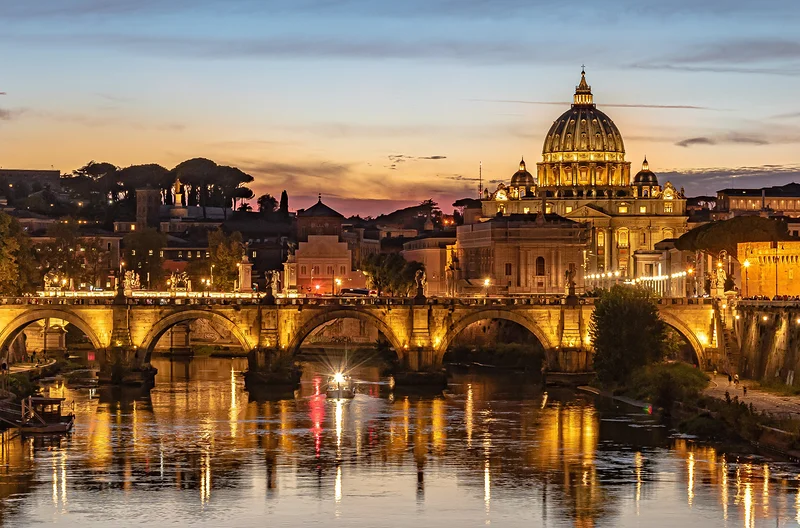
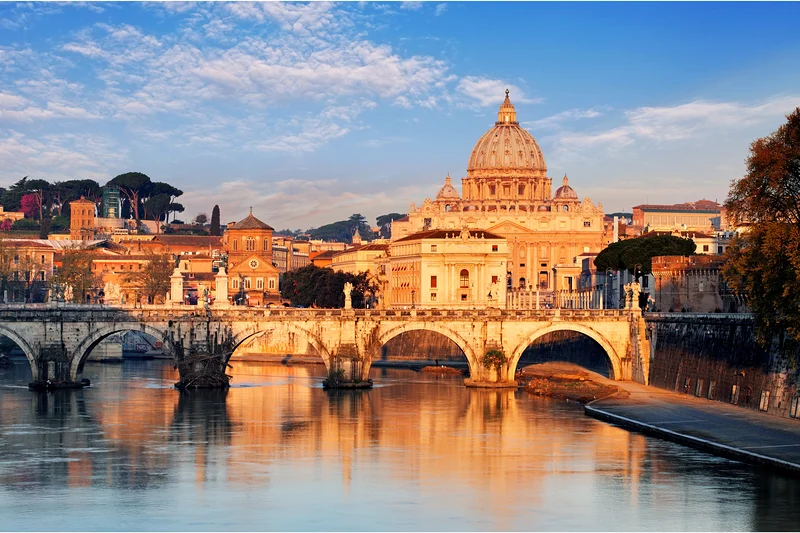
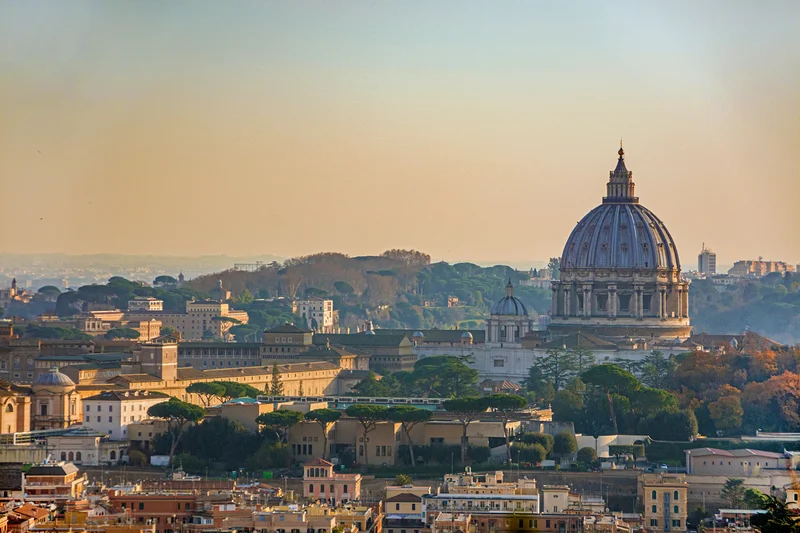
The Colosseum still stuns despite the crowds. The Roman Forum and the Pantheon round out this trip backward in time. In Rome, plan for at least three days to take in the highlights without rushing.
Florence packs a rare concentration of art into a walkable footprint. Michelangelo's David at the Accademia Gallery and the Uffizi Gallery demand advance reservations. You can walk across the historic center in a single afternoon, but the atmosphere requires more time to absorb.
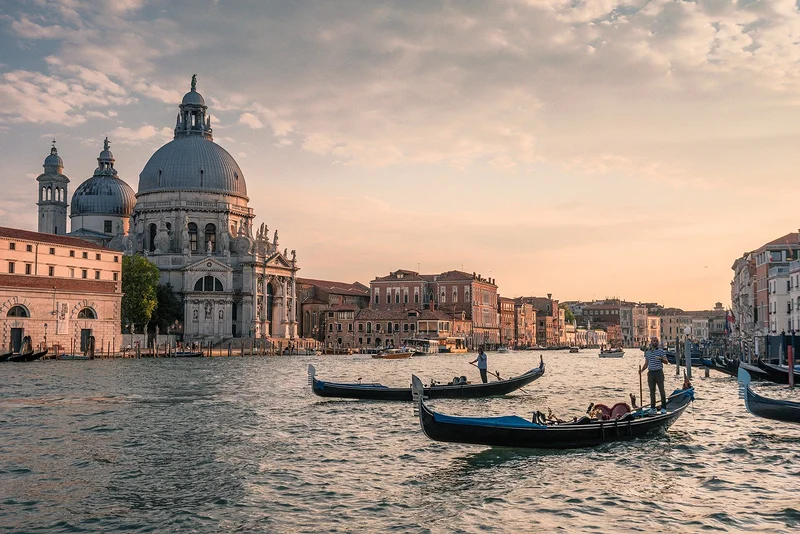
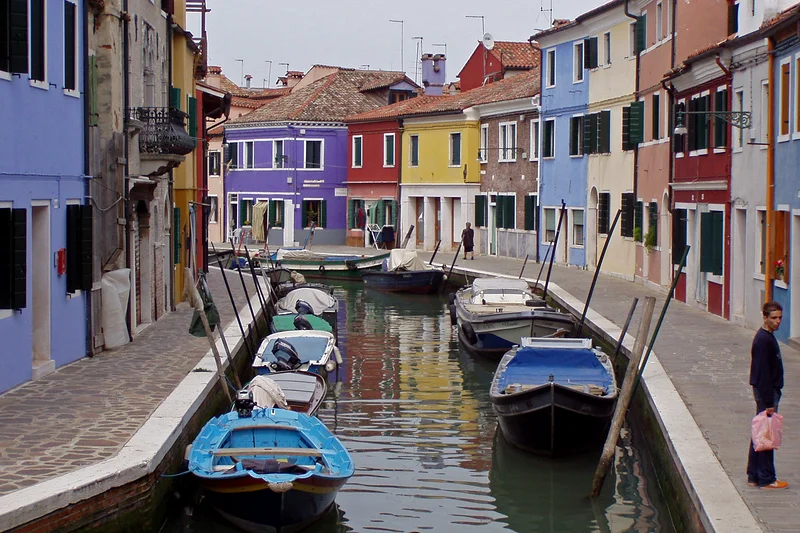
In Venice, St. Mark's Square and the Doge's Palace anchor the visit. Real charm waits in neighborhoods like Cannaregio or Dorsoduro, far from the tourist tracks. Alleys free of tour groups still exist if you are willing to get a little lost.
Friendly tip: book your tickets for the Colosseum, the Uffizi, and the Vatican Museums at least two weeks ahead. Lines at the gate can stretch past two hours during peak season.
Mountains, Lakes, and Tuscan Countryside
Tuscany and Its Rolling Hills
Tuscany serves up postcard views that actually live up to the hype. Lined cypress trees, the vineyards of Chianti, and hilltop towns like San Gimignano or Montepulciano create a timeless backdrop. The UNESCO-listed Val d'Orcia is best explored behind the wheel on winding country roads.
The Dolomites
Up north, the Dolomites thrust limestone walls past 3,000 meters. The Val di Funes frames striking alpine vistas. Summer hiking and winter skiing draw mountain enthusiasts year-round. The town of Cortina d'Ampezzo makes a great basecamp.
The Northern Lakes
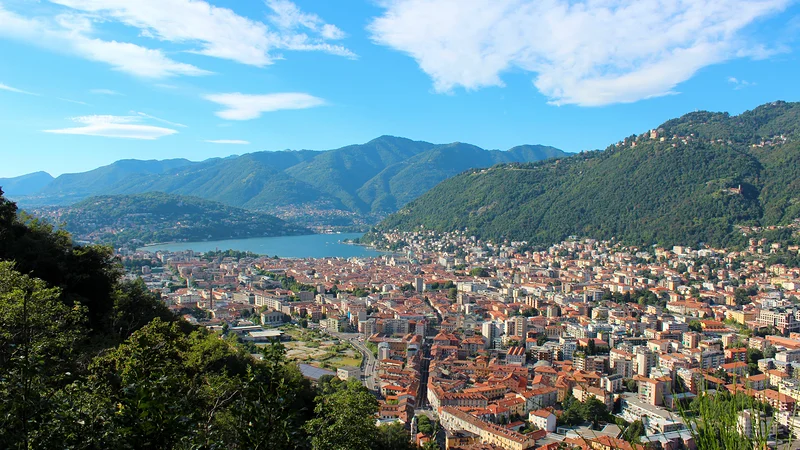
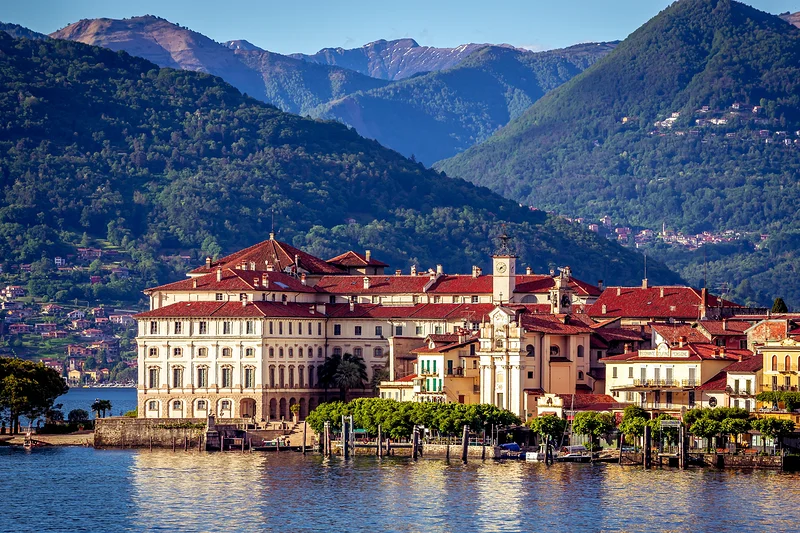
Lake Como and Lake Maggiore offer a slower pace. Historic villas, botanical gardens, and towns like Varenna or Bellagio draw travelers looking for peace and quiet. The ideal travel window runs from May through September. Little Lake Orta is often overlooked by guidebooks, but it is less crowded than its famous neighbors and offers the same appeal, plus the island of San Giulio.
Naples and the Mediterranean South
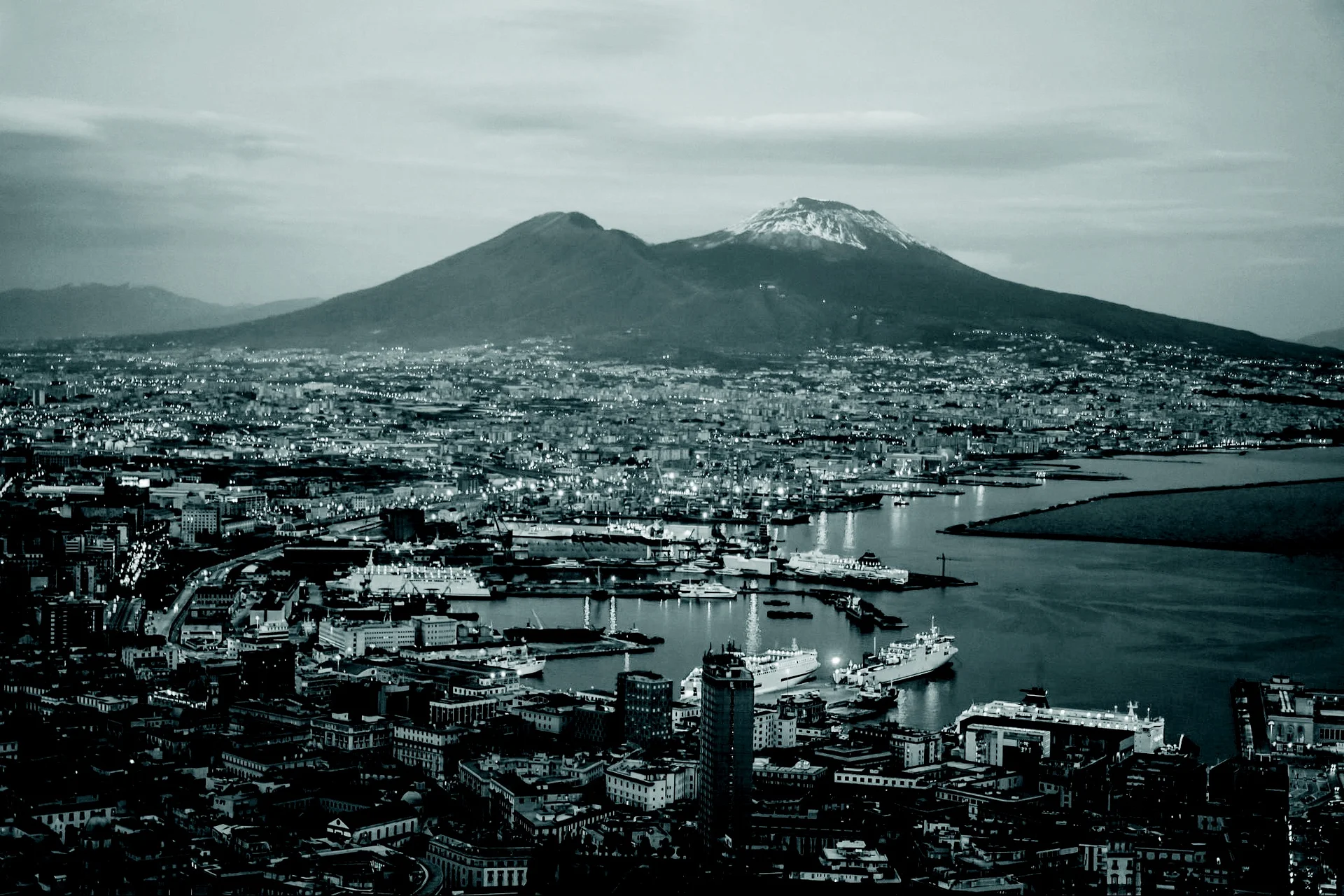
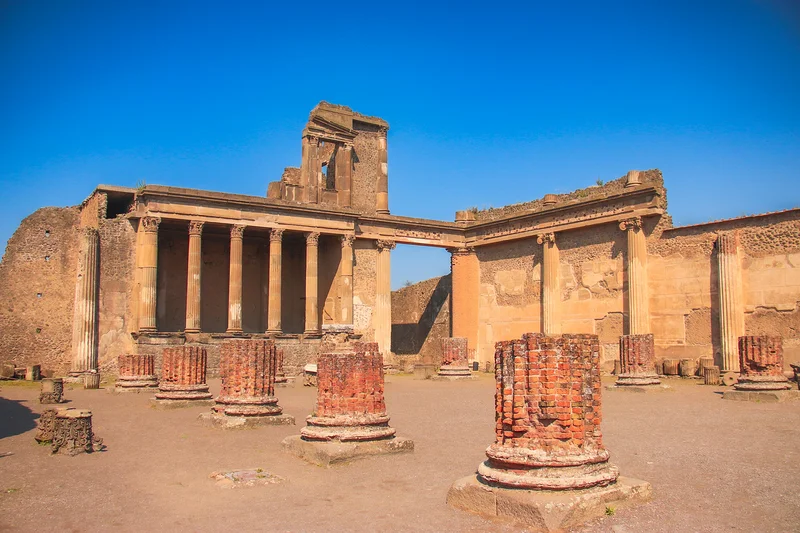
Naples divides opinions. Chaotic, loud, and intense, it earns every bit of its reputation. The historic center brims with baroque churches and centuries-old pizzerias. The ruins of Pompeii sit just 30 minutes away by train.
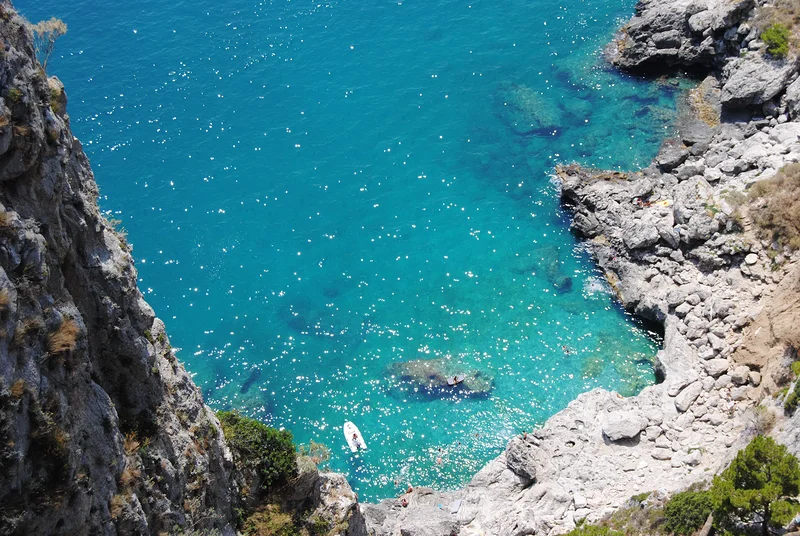
The Amalfi Coast drapes cliffside villages like Positano and Ravello over the sea. Narrow roads and summer crowds make July and August tough to navigate. Ravello sits high above the coastline and provides a quieter escape from the beach towns.
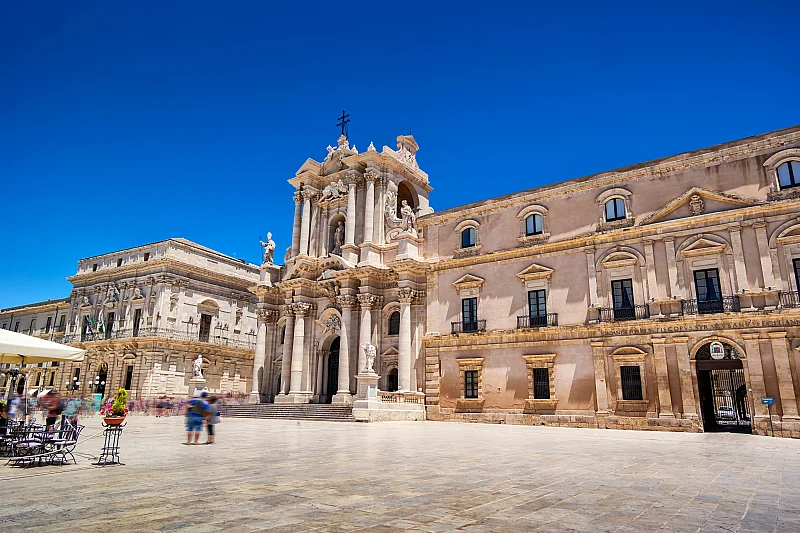
In Sicily, Syracuse preserves its Greek and Roman roots. Taormina pairs beaches and ancient ruins with views of Mount Etna. The baroque town of Noto is worth a stop for its golden-façade main street.
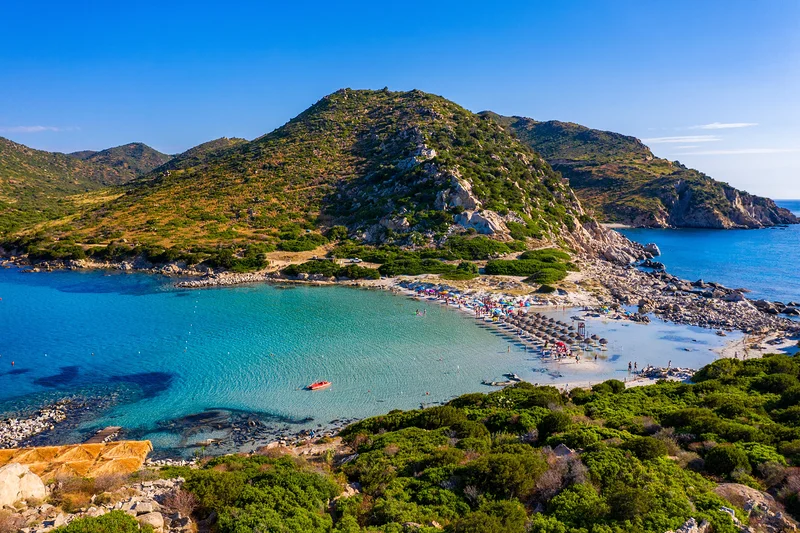
Sardinia features crystal-clear water along the Costa Smeralda and the Orosei Gulf. The island stays wilder and harder to navigate than Sicily.
Regions That Tour Groups Skip
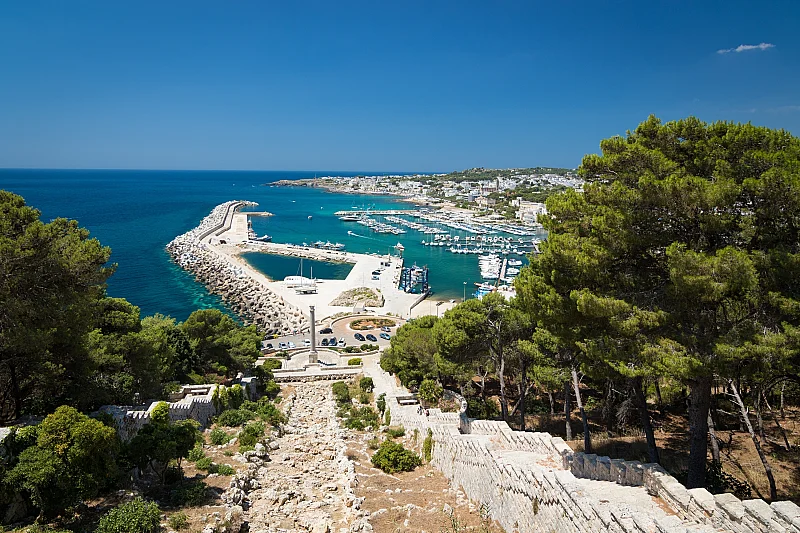
Apulia shows a different face of the country. The trulli of Alberobello form a landscape found nowhere else, all cone-roofed stone houses. Locorotondo and Polignano a Mare round out a trip down the heel of the boot.
Umbria stays in the shadow of its Tuscan neighbor, yet Assisi, Perugia, and Orvieto deserve a detour. The regional black truffles rank among the best in the country.
In Basilicata, Matera surprises visitors with cave dwellings carved right into the rock face. This UNESCO-listed city was still viewed as a national embarrassment back in the 1950s. Today, those same caves house boutique hotels and restaurants.
Friendly tip: between Matera and Apulia, stop by Castelmezzano and Pietrapertosa in Basilicata. These twin cliffside villages in the Lucanian Dolomites are linked by a dramatic zipline.
Italy on Your Plate: Twenty Regions, Twenty Cuisines
Italian food does not exist as a single monolith. Every region fiercely defends its own specialties. In Rome, carbonara, cacio e pepe, and amatriciana rule the menus. Naples claims authentic wood-fired Neapolitan pizza, best grabbed at Da Michele or Sorbillo for under $12*.
Emilia-Romagna holds the heavy hitters of the Italian pantry: parmigiano reggiano, prosciutto di Parma, and balsamic vinegar from Modena. Bologna's tortellini in brodo and tagliatelle al ragù bear little resemblance to their international knockoffs. Up in Milan, saffron-infused risotto alla milanese and ossobuco anchor local dining.
The ritual of the aperitivo kicks off across the country around 6 PM. A spritz or negroni served with small savory bites bridges the gap between the workday and evening. In Milan, select bars roll out generous buffets included in the price of your drink.
When to Visit Italy?
Spring and fall offer the best conditions. April to June and September to October pair pleasant weather with manageable crowds. Temperatures hover between 15 and 25 degrees Celsius in the center of the country.
July and August bring heat and heavy crowds. Rome and Florence routinely cross 35 degrees Celsius. Coastal beaches fill to capacity, and prices jump. Mid-August brings Ferragosto, when many local shops shut down as Italians head out on vacation.
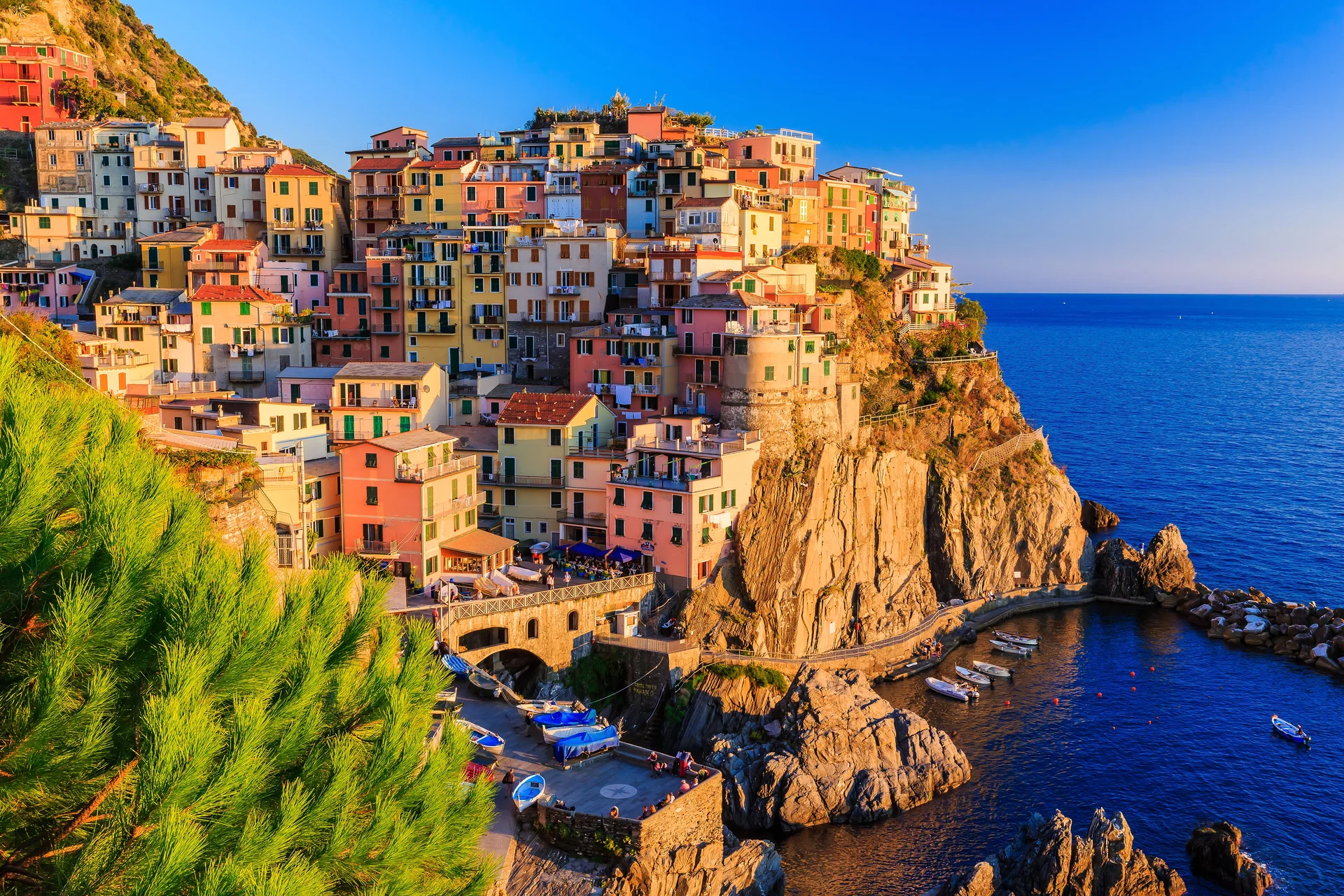
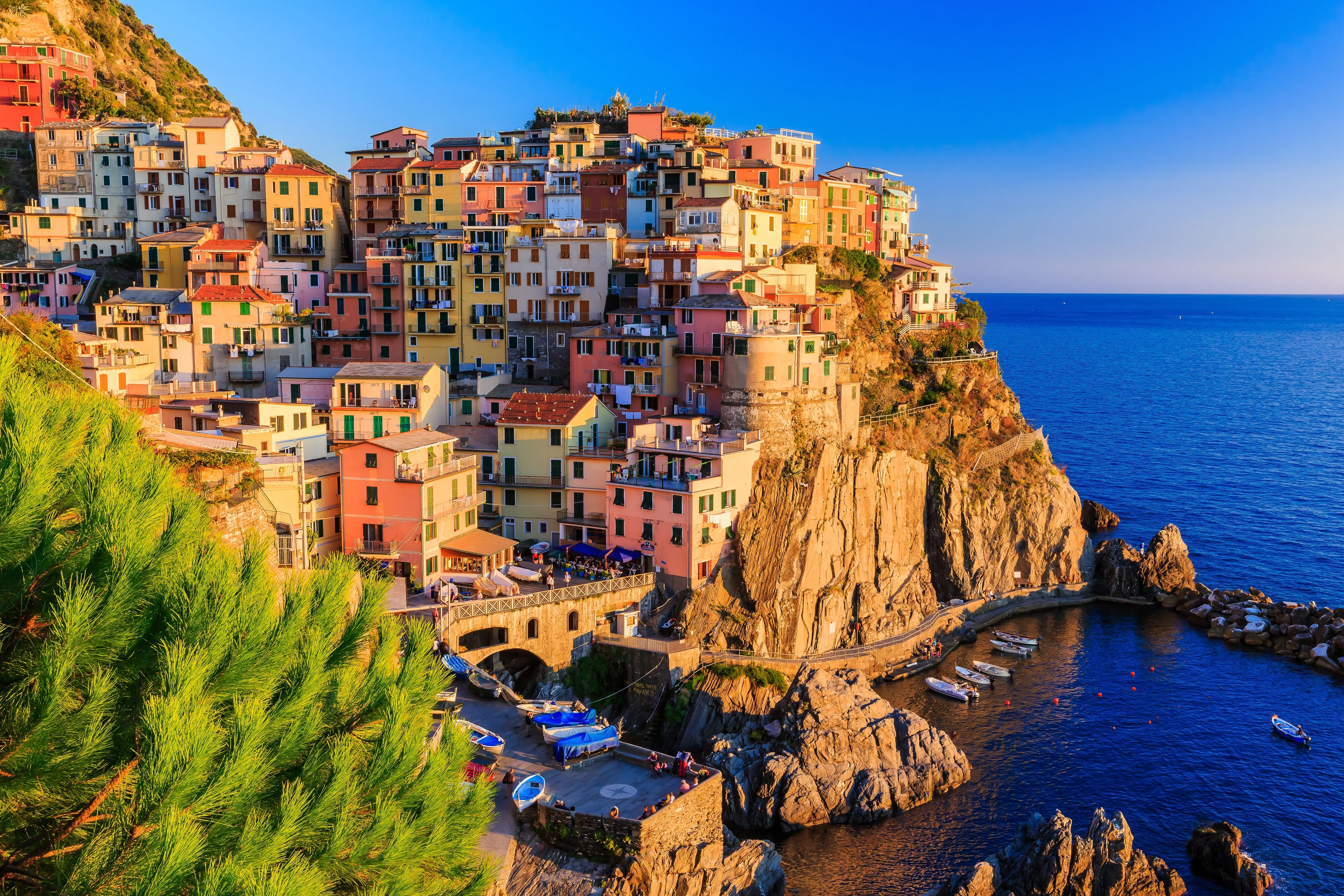
Winter works well for quieter art cities and Alpine ski resorts. The Venice Carnival in February draws crowds. Keep in mind that the Amalfi Coast and the Cinque Terre slow right down from November through March.
How to Get to Italy?
Nonstop flights cross the Atlantic to Rome Fiumicino (FCO) and Milan Malpensa (MXP) from most East Coast hubs. New York, Newark, Boston, Washington, Philadelphia, Chicago, and Miami all connect, with 8 to 9 hours in the air. ITA Airways, the Italian flag carrier, flies the widest range of these routes, and American Airlines serves Rome and Milan as well. From the West Coast, count on 11 to 13 hours, with Los Angeles and San Francisco running seasonal nonstops to Rome. Venice picks up direct summer service out of the New York area.
For anywhere else on this page, expect a connection. Either change planes in Rome or Milan, or route through a European hub with a carrier like Air France and pick up an onward leg from there. Once you are on the continent, the low-cost network is dense and cheap: easyJet, Ryanair, Transavia, and Vueling sell one-way fares from $34 to $57* when booked early, which makes bolting a few days in another country onto the trip almost free.
Italy runs 6 hours ahead of New York and 9 ahead of Los Angeles. An overnight eastbound flight lands mid-morning, so book your room from the arrival date and keep that first day light: a walk, a long lunch, and an early night beat a museum you will not remember.
How to Get Around Italy?
The rail network links major cities efficiently. Trenitalia's Frecciarossa high-speed trains and Italo run along the Milan-Bologna-Florence-Rome-Naples spine. The Rome-Naples run takes 1 hour, Florence-Rome takes about 1 hour and 30 minutes, and Milan-Rome clocks in at 3 hours.
Prices shift based on booking timing. Super Economy tickets drop as low as $12* if you book early. Trenitalia's Italia in Tour pass gives you 3 days of regional train travel for $40*. Always cross-shop Trenitalia and Italo for the same route.
For rural regions like Tuscany, Apulia, or Sicily, renting a car is the way to go. Watch out for ZTLs, the restricted traffic zones in historic downtowns, because driving into them without a permit brings steep fines. Ferries run to Sardinia from Civitavecchia, Genoa, or Livorno in 5 to 10 hours depending on the crossing.
Friendly tip: for long-distance routes, book your train tickets at least 3 weeks in advance directly on the Trenitalia or Italo sites. Last-minute tickets can easily cost triple the early-bird rate.