
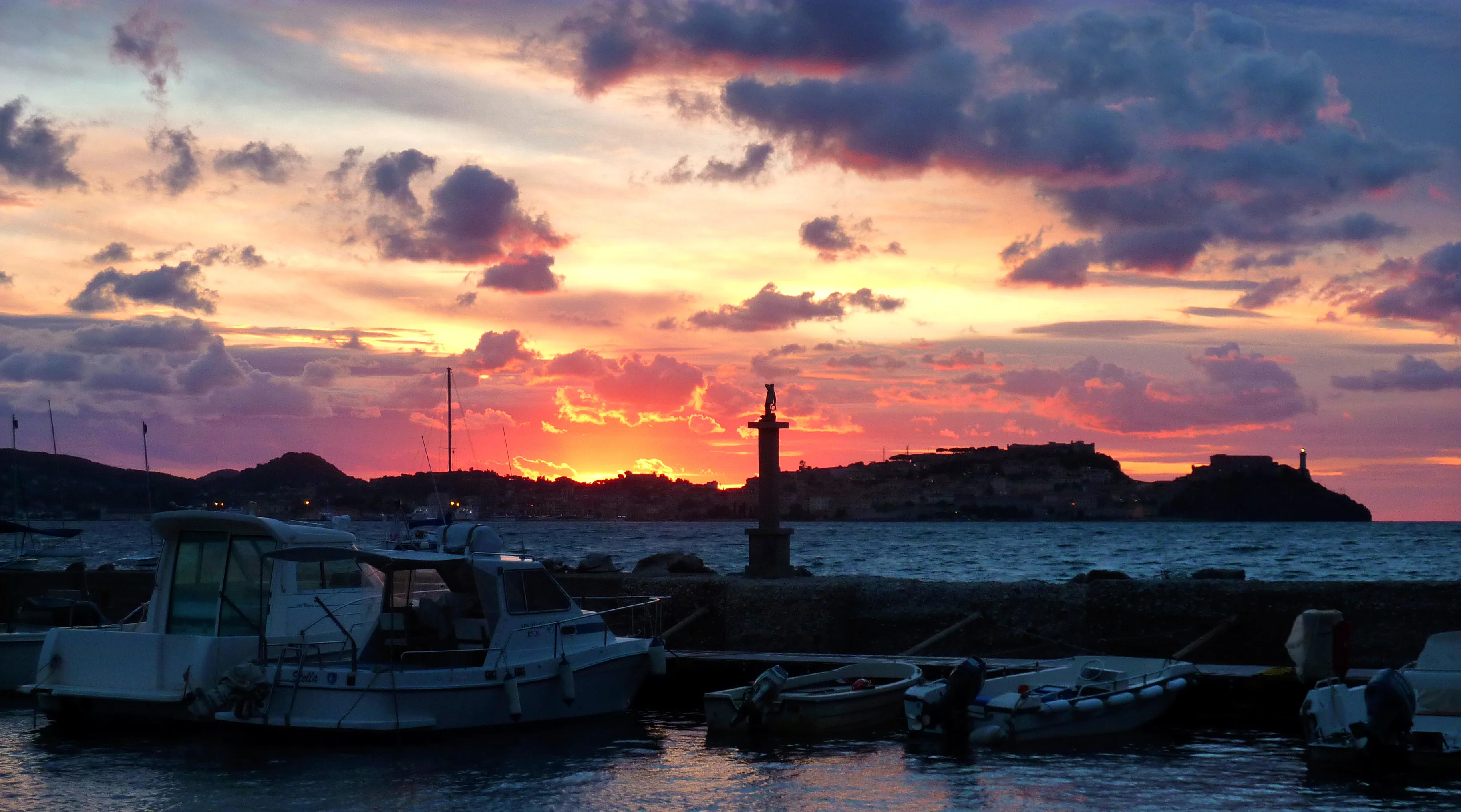
Portoferraio, the overlooked capital of Napoleon's island
On May 4, 1814, a 44-year-old man stepped onto the dock of a small Tuscan port. He had just lost an empire, but kept his title as emperor. Napoleon Bonaparte set foot on Elba, and Portoferraio became the capital of his miniature realm.
Two centuries later, this town of pastel houses stacked around a natural harbor still shows traces of those 300 days that changed history. Reducing Elba's main town to its most famous tenant misses the point. Its turquoise beaches, Medici fortifications, and winding alleys are worth the trip far beyond the Napoleonic myth.
A great stop for history and sea lovers
This destination suits travelers looking to combine Mediterranean beaches and historic heritage without the heavy crowds of the Amalfi Coast or the Cinque Terre. Napoleon buffs will find plenty to explore here. Families will appreciate the beaches within walking distance of downtown and the shallow waters in certain coves. Hikers will discover rugged coastal trails in the Tuscan Archipelago National Park.
On the other hand, if you want high-energy nightlife or designer shopping, you might find things quiet. Portoferraio is home to 12,000 residents, and Elba keeps a relaxed pace throughout, occasionally too sleepy for some tastes. Getting here takes some effort since there are no direct commercial flights from the US, requiring a connection through mainland Italy.
Getting around without a car: possible but limited
Bus routes connect the island's main towns, but schedules can be rigid. Renting a car or a scooter right when you step off the ferry is the best way to check out the island's 60 beaches. Rental rates start around $45* a day in peak season.
Reasonable pricing for Italy
Expect to spend between $90 and $169* a day per couple in the shoulder season: $68-$113* for decent lodging, $29-$45* for meals, and $12-$23* for sightseeing and transit. Summer prices jump significantly, and car ferries can cost up to $102* one way with a vehicle.
The old town and Napoleon's footsteps
Explore the historic core of Portoferraio by climbing the cobblestone streets up from the harbor. Ocher and pink buildings tier upward to 16th-century fortifications built by Cosimo I de' Medici to protect iron ore exports. Forte Falcone commands a panoramic view over the bay and the Tyrrhenian Sea. Right below it, Forte Stella and its lighthouse stand among well-preserved defensive walls.
The Villa dei Mulini, Napoleon's main residence, overlooks the harbor from a strategic bluff. The emperor had the original windmills torn out to set up his quarters. You can tour his apartments, private library, and gardens where he kept an eye on incoming ships in the roadstead. The Cosmopoli Card ($17*) covers admission to the town's main historical sites.
Friendly tip: Every May 5, a mass is held at the Misericordia church to honor Napoleon. The small adjacent museum displays a cast of his hand and head.
Beaches around Portoferraio
Ghiaie Beach, a 15-minute walk from the center, is the most accessible spot. Its white pebbles and crystal-clear water make it a favorite for snorkeling, though the stony bottom calls for water shoes. Right next door, Padulella is part of the Elba Island Biosphere Reserve, meaning marine life is particularly abundant.
For fine sand, head to Biodola Beach, 9 km from downtown. This long golden stretch lined with beach clubs suits families with kids thanks to the shallow water. For a wilder setting, Capo Bianco stands out with white pebbles and an untouched backdrop. Sansone Beach, reached via a 15-minute trail, draws kayakers and paddleboarders.
Friendly tip: In July and August, the beaches near Portoferraio get packed. The southeastern part of the island around Capoliveri has much quieter coves.
Hiking and nature
Monte Enfola, reachable by bus (line 6) or on foot from the center, gives a great introduction to the island's landscape. The path passes World War II bunkers before reaching the cape, framed by maritime pines and coastal views. Bring a flashlight if you want to check out the abandoned military tunnels.
For a more ambitious trip, a day excursion to Pianosa offers a rare experience. Once a high-security prison for mafia bosses, the island caps visitors at 250 people per day. The surrounding waters have been protected for 25 years and are full of fish. Boats depart from Portoferraio and reservations are mandatory, especially in summer.
Where to eat and drink in Portoferraio?
Elban cooking highlights fresh fish and seafood. Local specialties include stoccafisso alla riese, dried cod simmered with potatoes and herbs, and cacciucco, a rich octopus and mussel stew. For dessert, try schiaccia briaca, a dried fruit cake soaked in Aleatico wine.
Ristorante da Nedo, on Piazza della Repubblica, serves no-nonsense local food at friendly prices. For something more refined, Osteria Pepenero in the old town cooks fresh catches with creative flair. Zero Gradi, near the ferry terminal, serves artisanal organic gelato that locals recommend. Enoteca Gustavino on Via Carducci lets you sample island wines, notably white Ansonica and sweet red Aleatico.
How to get to and around Portoferraio?
From the US, fly into a major Italian hub like Pisa, then take the train to Piombino (1.5 to 2 hours, with a possible transfer at Campiglia Marittima). From there, ferries operated by Moby, Toremar, and Blu Navy make the crossing to Portoferraio in 45 to 60 minutes. Fares range from $25 to $102* depending on the season and whether you bring a car.
Driving from mainland cities like Florence takes about 2.5 hours to Piombino. In summer, reserve your ferry slot days in advance to avoid long terminal lines.
When to go?
May, June, and September hit the sweet spot with pleasant weather, warm water, and manageable crowds. Mediterranean greenery blooms across the island in the spring. July and August bring an influx of Italian vacationers, pushing up prices and filling ferries. Winter sees many businesses close down, leaving the island completely quiet and ideal for hikers.
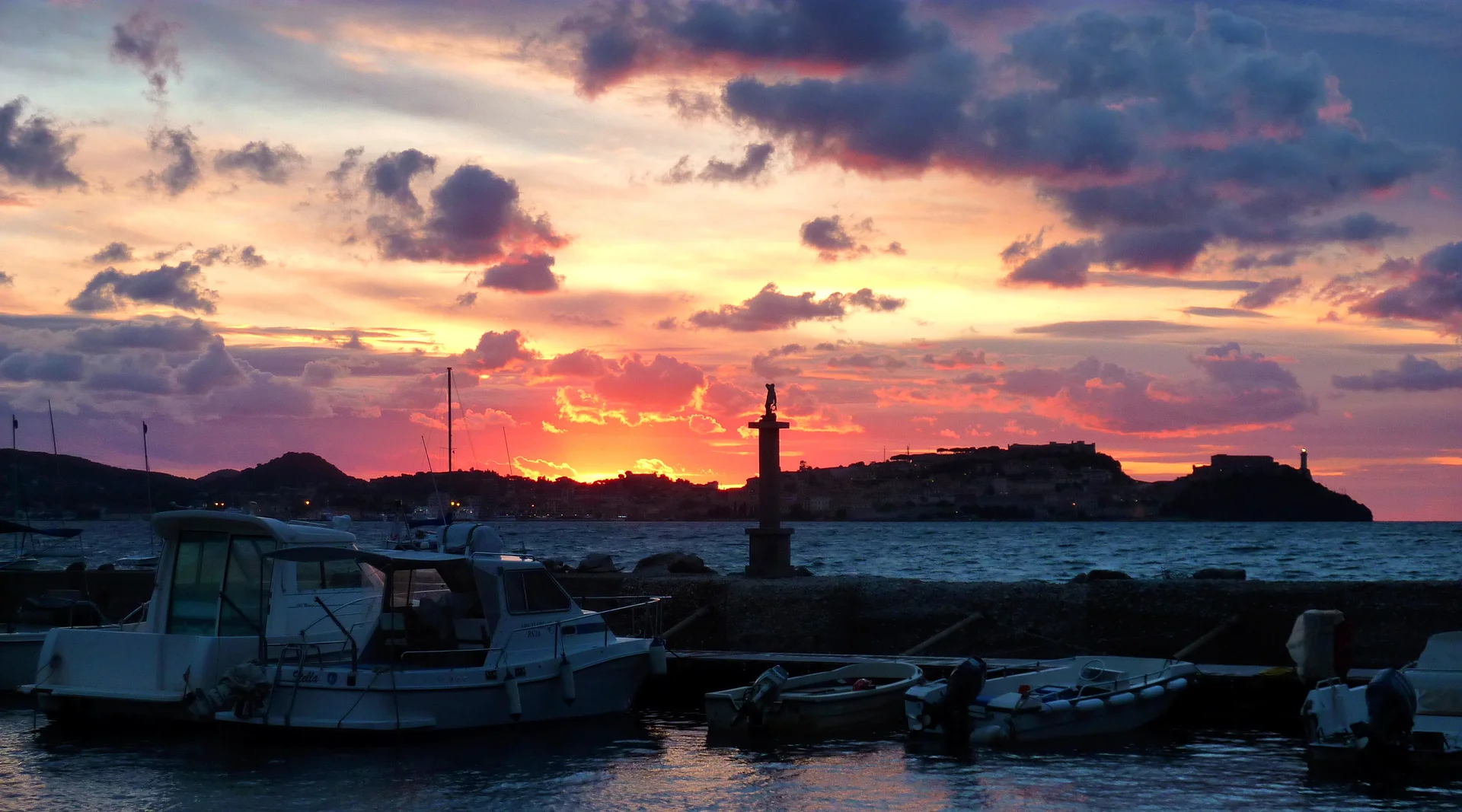
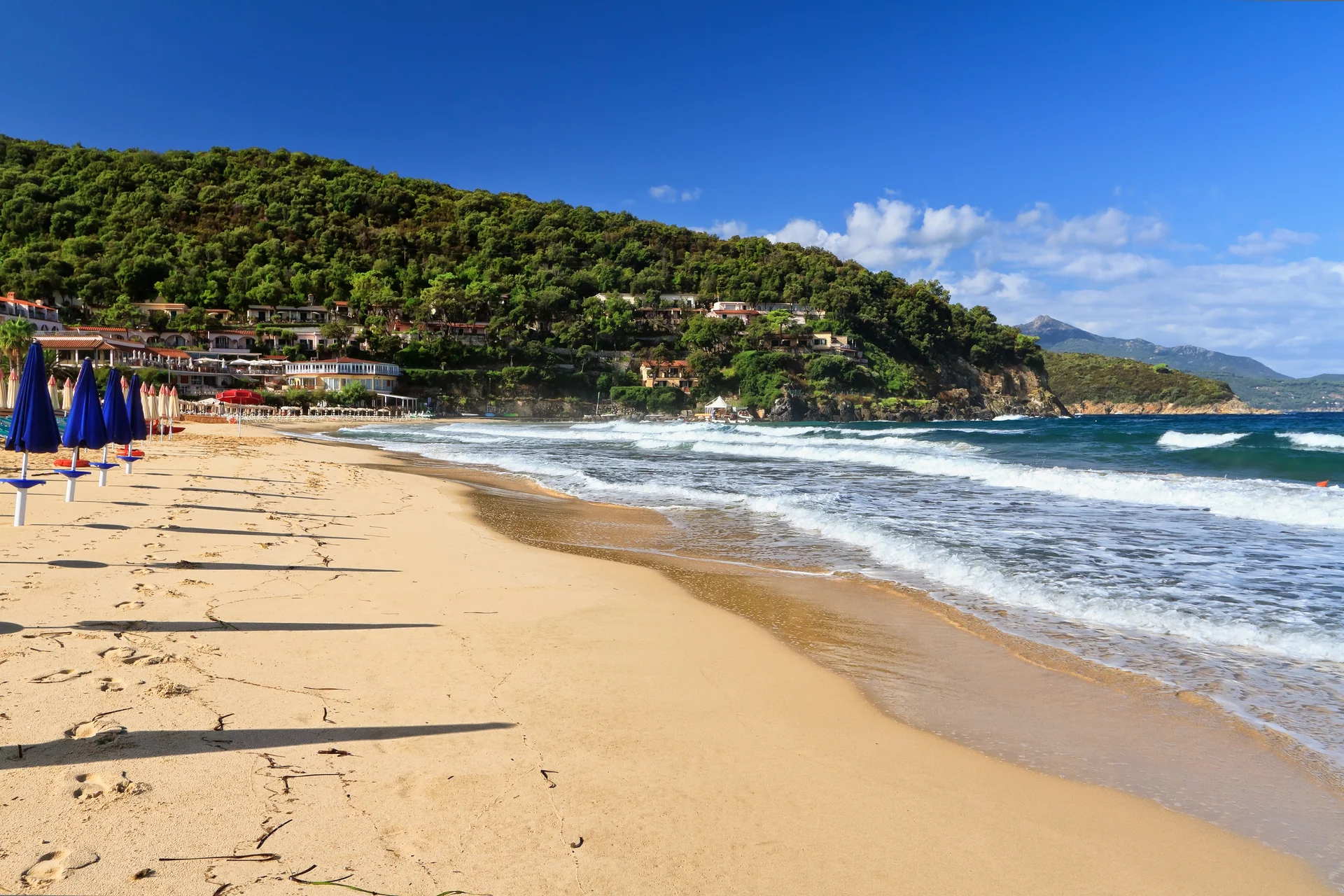
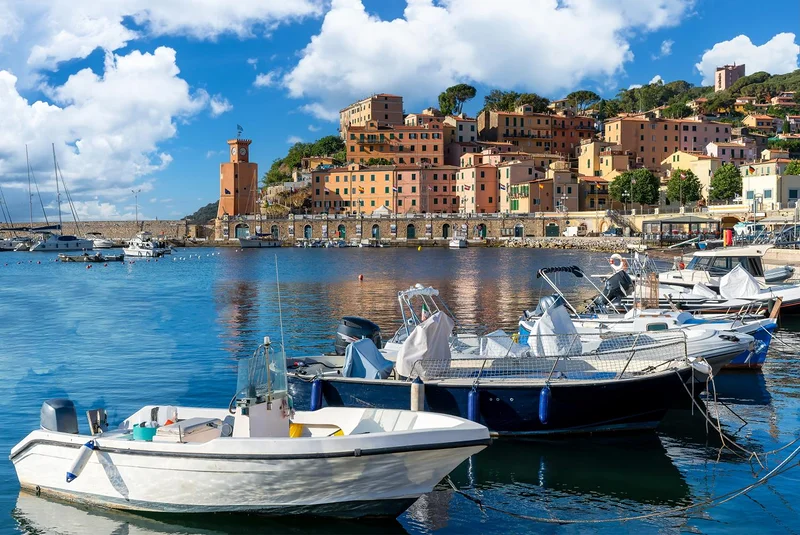
This is usually where you will arrive on the island of Elba. I immediately felt like things were off to a great start and that I was being welcomed warmly. This small town has so much charm. Even though it is the main port of the island, it keeps its authentic feel. I really loved walking through the pink stone streets. The historical side is also very present and is worth taking the time to explore.