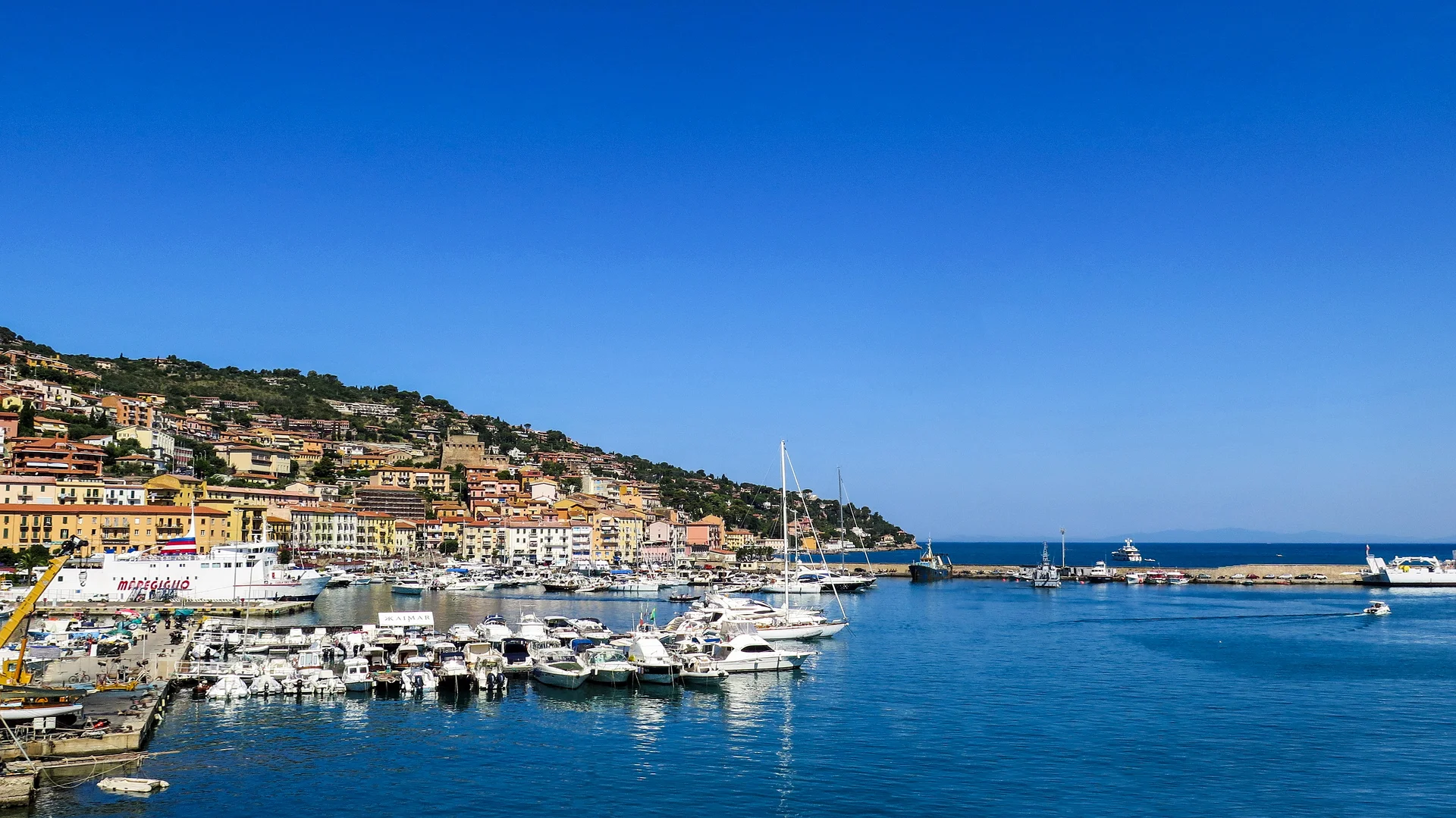
Porto Ercole

What to do in Tuscany: top 17 highlights in 2026

Everyone knows Florence, almost nobody knows Tuscany has islands and a hundred kilometres of coast. The rankings below are built by travellers like you.

Our members' favourite places in Tuscany

Ranked on recommendations from travellers who went there

#1 Florence +166 recs

Florence is the capital of Tuscany, split by the Arno River and packed with five centuries of art in a historic center small enough to walk across in a single morning. From the Brunelleschi dome and the artisan workshops of the Oltrarno district to local trattorie serving traditional ribollita, the city offers an authentic Italian experience that is hard to match.

#2 Portoferraio +49 recs

Portoferraio, the capital of Elba Island, still carries the history of Napoleon during his 300 days of exile. Beyond the Medici fortifications and pastel houses, you will find winding narrow streets and imperial villas. A short walk away, beaches with turquoise water rival the Caribbean. It is a preserved Mediterranean alternative, far from the intensity of the Amalfi Coast.

#3 Pisa +30 recs

Pisa is much more than a leaning tower and a photo op. As a former maritime republic, the birthplace of Galileo, and a lively college town, it hides quiet medieval squares, addictive chickpea-flour street food, and alleys that most tourists never find. Give it at least one full day to see beyond the main monument.

#4 Rio Marina +14 recs

Rio Marina defies the typical postcard image of a Tuscan village. Located on the eastern coast of Elba Island, this former mining port draws you in with its beaches of black hematite sand, red hills carved by 3,000 years of iron extraction, and a pace of life that remains untouched by mass tourism. It offers a raw, compelling look at the Mediterranean that feels distinct from the polished coastal towns you might see elsewhere.

#5 Monte Argentario +8 recs

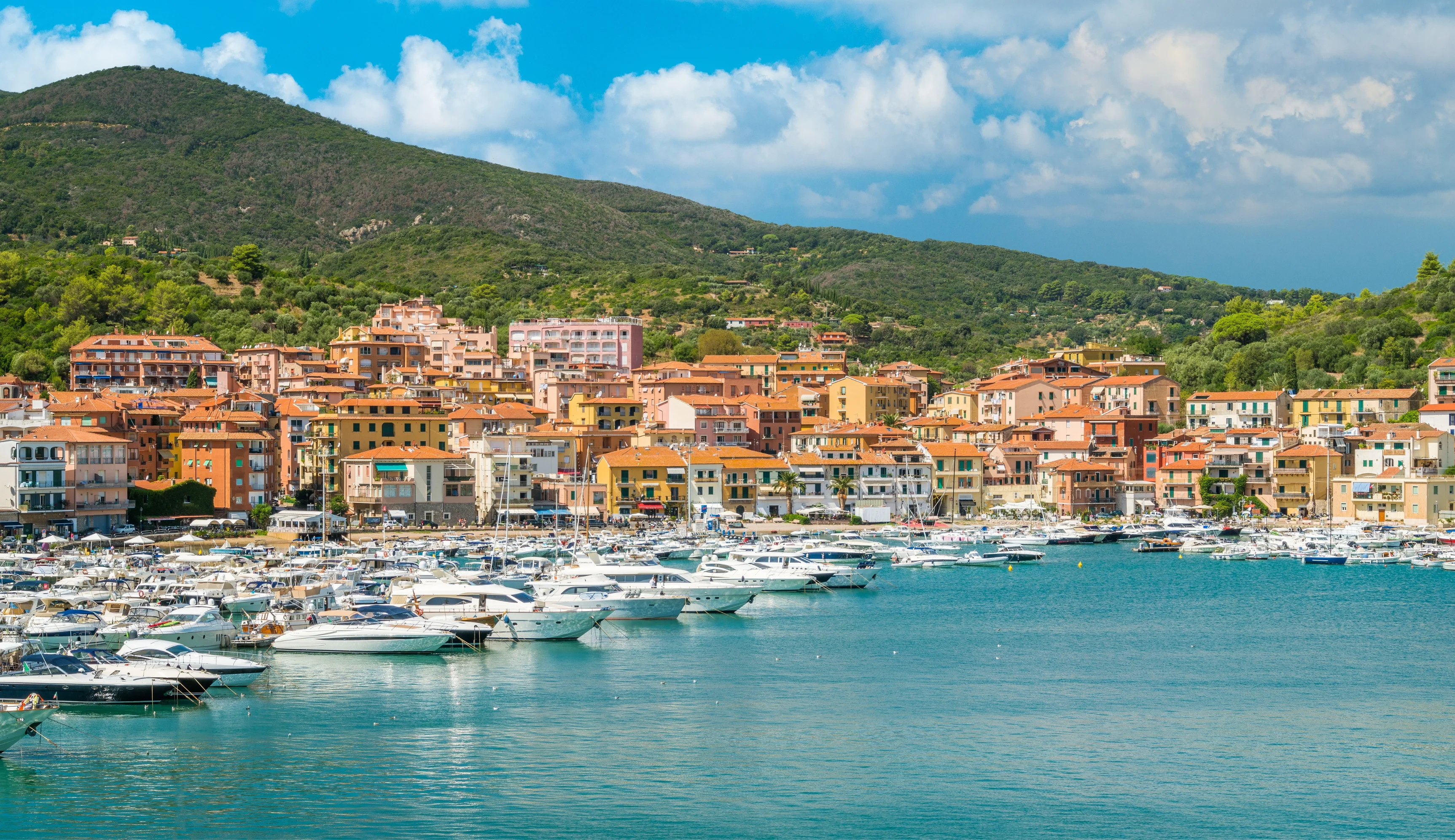
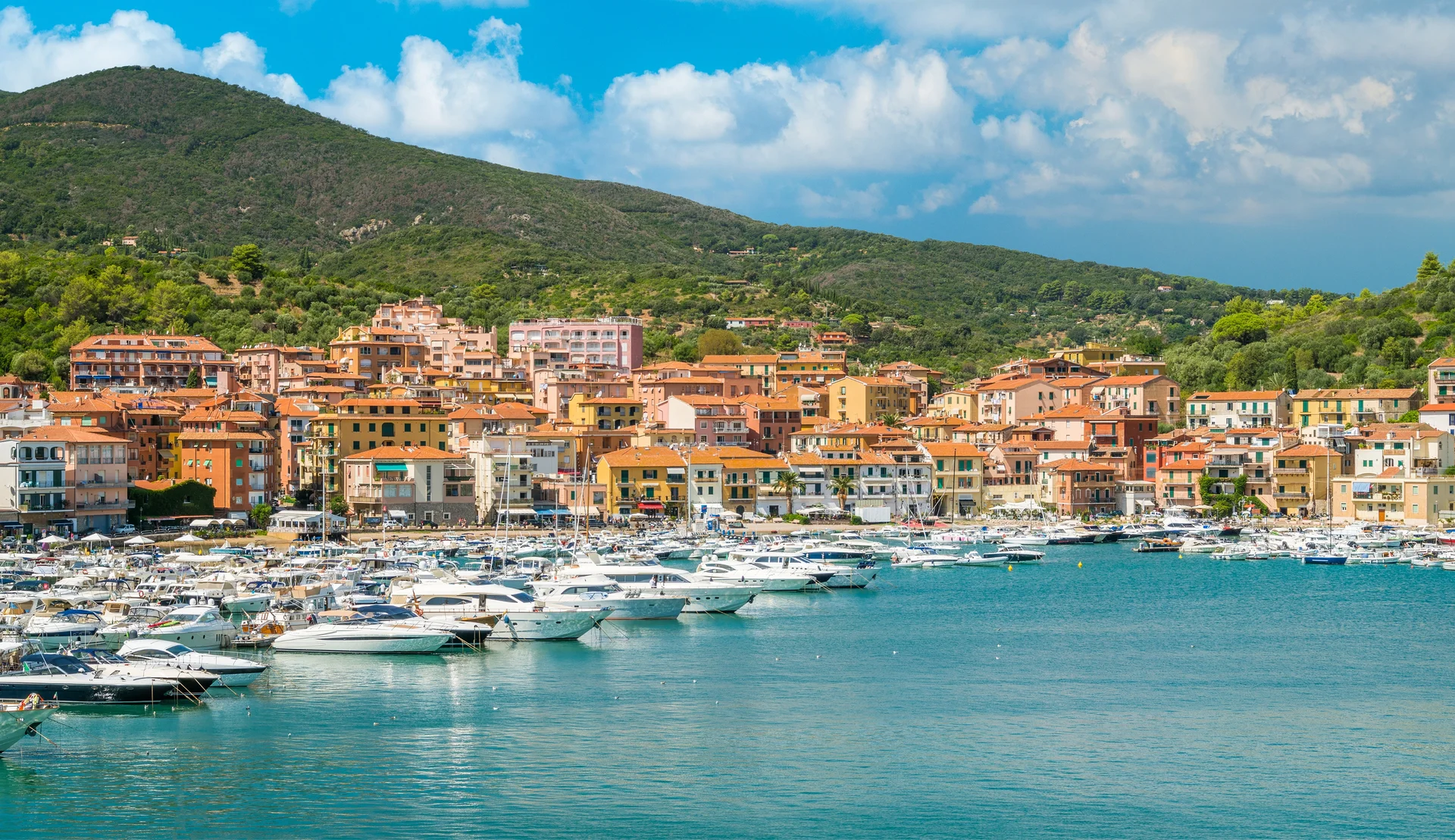
Connected to Tuscany by two thin strips of sand, Monte Argentario feels like a wild island dropped into the Tyrrhenian Sea. Getting to the best hidden coves requires a bit of effort, but you are rewarded with crystal-clear water and quiet fishing villages that feel like a snapshot of mid-century Italy. Between the steep, winding cliffside roads and the local pace of Porto Ercole and Porto Santo Stefano, this area offers a rugged alternative to the typical rolling hills of the Tuscan countryside.

#6 Orbetello

Orbetello sits directly in the middle of a shimmering lagoon, linked to the mainland and the Monte Argentario peninsula by two narrow sand spits. It is a unique slice of coastal Tuscany, where you can walk along ancient Etruscan walls before heading out to spot wild flamingos in the water. Use this town as your home base to access the rugged beaches and secluded coves that define this stretch of the Italian coastline.

#7 Leghorn -9 recs

Forget the postcard version of Tuscany. Leghorn is a working port city that lives by the rhythm of its canals and the Mediterranean. Explore the Venezia Nuova district, take a walk along the massive checkered Terrazza Mascagni, and pull up a chair for a seafood meal caught just hours earlier. This is Italy without the filter, a raw and honest destination for travelers who prefer to skip the tourist traps.

Our members' favourite things to do in Tuscany

Ranked on recommendations from travellers who did them

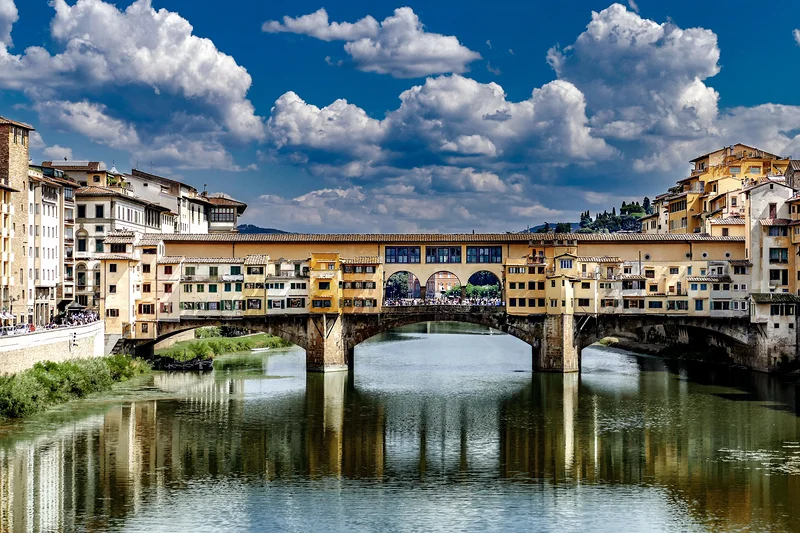
#1 Ponte Vecchio (Florence) +31 recs 4.3/5

Medieval storefronts, fine jewelry, luxury goldsmiths, and a secret passage. The Ponte Vecchio is far more than a way to cross the Arno River. Built in 1345, this three-arch stone landmark is the oldest bridge in Florence. Once home to butchers, the bridge now houses jewelers, a tradition started by the Medici family.

See the guide See deals

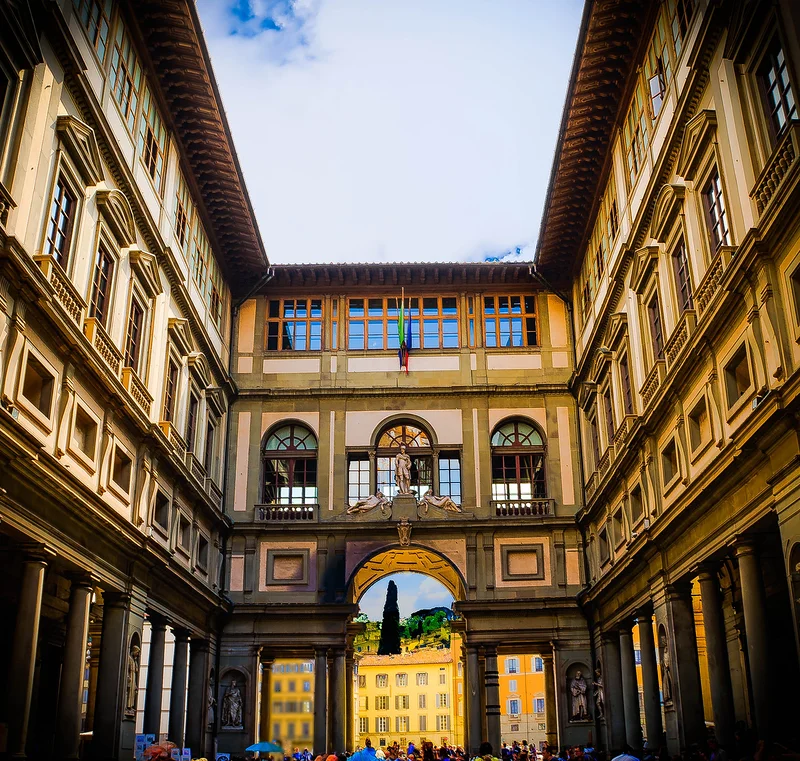
#2 Uffizi Gallery (Florence) +25 recs 5/5

The Renaissance shines brightest in Florence. Within the city's artistic and architectural legacy, the Uffizi Gallery stands out. Designed by Vasari in 1580 for the Medici family, this riverside landmark is now a premier museum. Across two floors and 45 rooms, works by Raphael, Botticelli, Da Vinci, Caravaggio, and Michelangelo reach global acclaim.

See the guide See deals

#3 Florence Cathedral (Florence) +24 recs 4.8/5

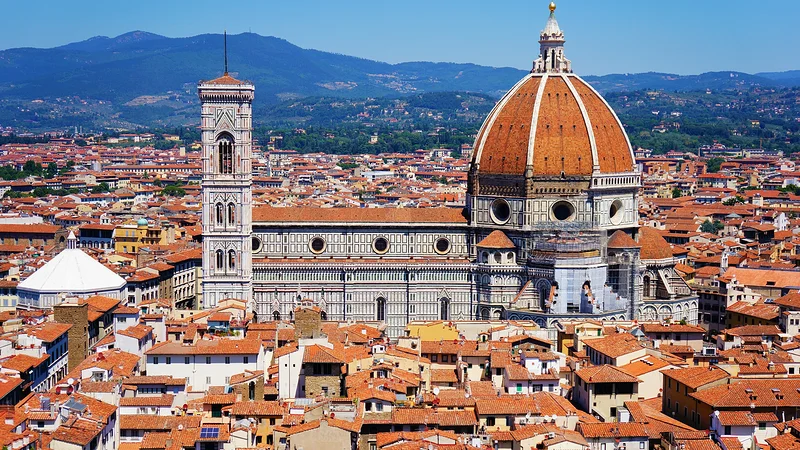
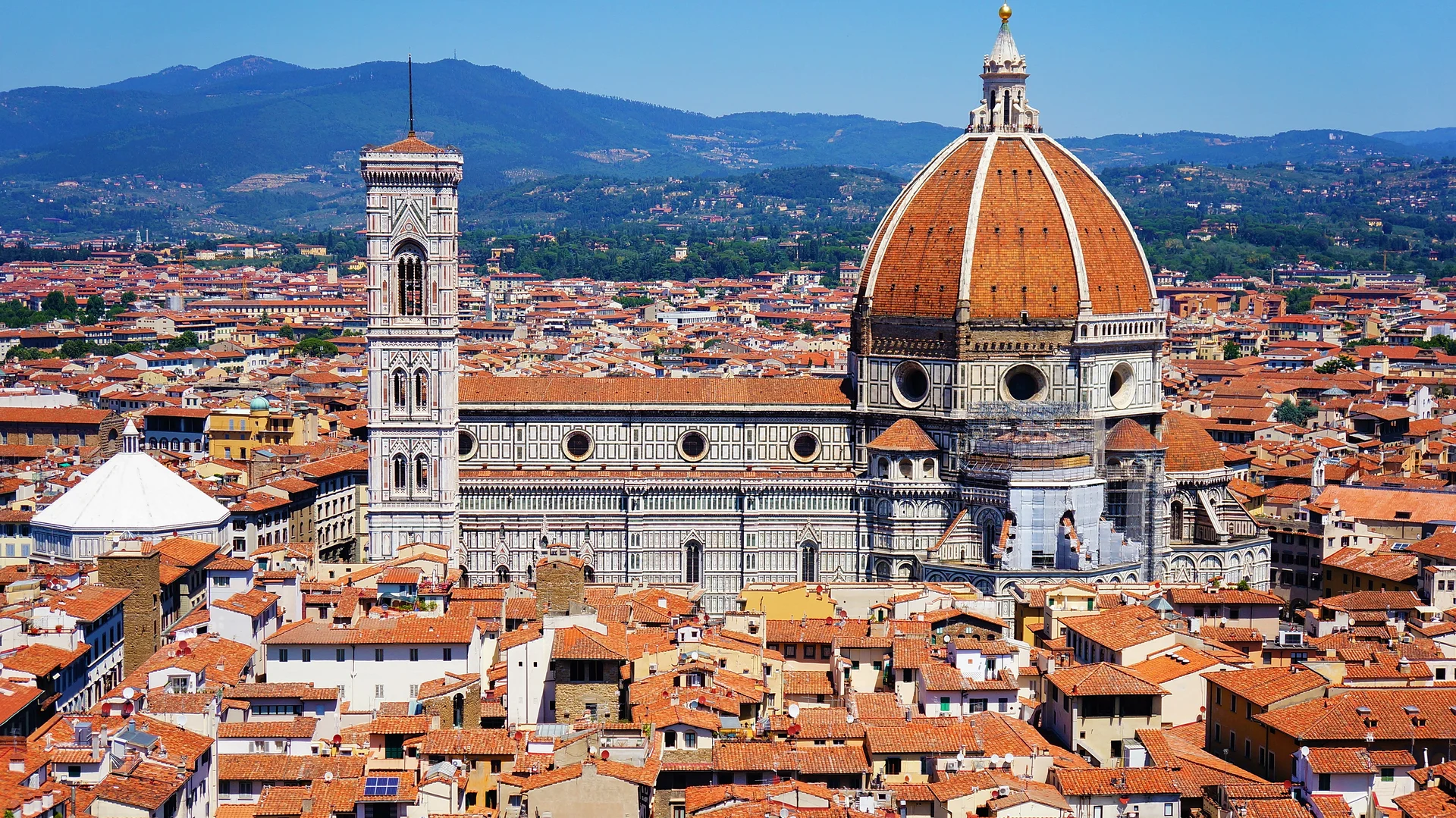
Spanning 502 feet, the Florence Cathedral is among the largest in the world. This monumental structure anchors the historic center of Florence, a display of power commissioned in the 13th century. It took 140 years to complete. Its 149-foot diameter dome remains the largest masonry dome ever built, featuring 3,600 square meters of frescoes.

See the guide See deals

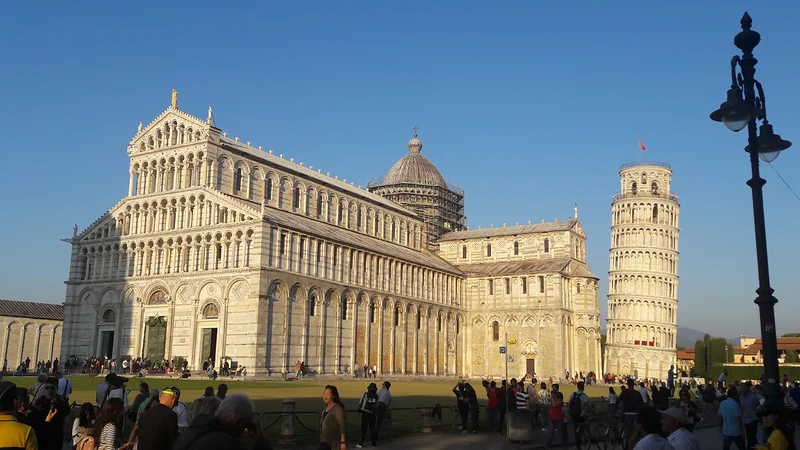
#4 Leaning Tower of Pisa (Pisa) +20 recs 3.5/5

Climbing the 294 steps of the Leaning Tower of Pisa is a unique physical feat. The nearly 4-degree tilt is noticeable with every step. Built over two centuries and stabilized after a decade of engineering work, the tower offers a panoramic view of the Piazza dei Miracoli (Square of Miracles) and the Tuscan rooftops. Online booking is strongly recommended.

See the guide See deals-7%AVYGEO7

#5 Pitti Palace (Florence) +16 recs 4.3/5

The Pitti Palace in Florence is a massive 344,000 square foot complex housing six distinct museums. Commissioned in 1458 for Luca Pitti and purchased by the Medici family in 1549, this architectural landmark sits beside the Boboli Gardens. Inside, you will find the Palatine Gallery with works by Raphael and Rubens, plus the Porcelain Museum, the Treasury of the Grand Dukes, the Gallery of Modern Art, the Museum of Costume and Fashion, and the 14 rooms of the Royal Apartments.

See the guide See deals

#6 Accademia Gallery (Florence) +15 recs 5/5

Famous for housing the David by Michelangelo, the Accademia Gallery in Florence offers an immersive look at Renaissance art. Beyond its iconic sculptures, it features religious paintings from the 13th to 16th centuries and a collection of historic musical instruments, including a Stradivarius violin. Book tickets early to skip the lines.

See the guide See deals-7%AVYGEO7

#7 Boboli Gardens (Florence) +9 recs 5/5

More than just a historic park, the Boboli Gardens function as an open-air museum. Built on a hill behind the Palazzo Pitti (Pitti Palace), it sits near landmarks like Porta Romana and Forte Belvedere. In the center of Florence, its 45,000 square meters blend landscaping with statues and fountains. From ornate grottos to an amphitheater and rococo pavilion, this site is visually striking.

#8 Basilica of San Miniato al Monte (Florence) +8 recs 5/5

Perched above Florence, this green-and-white marble Romanesque basilica offers a quiet sanctuary far from the downtown rush. The forecourt reveals an exceptional panoramic view of Florentine rooftops, making it an ideal spot to watch the sunset in total peace.

#9 Biodola Beach (Portoferraio) +7 recs 4/5

Biodola Beach stretches for nearly 700 meters of golden sand within a sheltered gulf on the northern coast of Elba. Framed by Mediterranean scrub and views of Monte Capanne, its gentle slope and turquoise water make it a top spot. It offers full amenities and access to two neighboring beaches.

Perfect for families and watersports enthusiasts, it is best to arrive before 10 am in high season, or visit in September to experience the beach at its most peaceful.

See the guide See deals

#10 Palatine Gallery (Florence) +3 recs 3/5

The Palatine Gallery houses a collection built by the Medici and Lorraine families in Florence between the 16th and 17th centuries. Explore 500 works by Italian and Flemish masters across 25 opulent rooms. Located in the Palazzo Pitti, it sits alongside the Gallery of Modern Art and the Porcelain Museum.

Map of Tuscany

Visiting Tuscany

Florence fits in a handkerchief: you cross the historic centre in twenty minutes, and everything you came to see is inside it. Pisa is an hour away by train, its Field of Miracles set apart from the town.

Then there is the other Tuscany, the one the coaches skip. An archipelago off Leghorn, of which Elba is the largest, and a scrub-covered peninsula in the south, Monte Argentario, where the Romans already had their villas.

You will love it if

  • You want painting in the morning and a cove in the afternoon
  • Walking suits you: Florence and Pisa are done on foot
  • You come in May, June or September, when the heat is bearable

Look elsewhere if

  • You hate crowds: central Florence is saturated from March to October
  • You are after cool air: the Arno valley passes thirty-five degrees in July
  • You plan to visit the museums without booking: the Uffizi sells out days ahead

The must-sees

The highlights

  1. Florence Cathedral

    1 Florence Cathedral +24 recs

    Brunelleschi's dome, four million bricks laid without central scaffolding, still the largest masonry dome of its kind. Four hundred and sixty-three steps lead to the lantern, between the two shells, and booking is compulsory.

  2. The Uffizi Gallery

    2 The Uffizi Gallery +25 recs

    The Medici administrative offices, turned into the museum of their collection. Botticelli's Birth of Venus and Primavera hang in the same room. The last Thursday evening slot of the month is the quietest.

  3. The Ponte Vecchio

    3 The Ponte Vecchio +31 recs

    The only bridge in Florence spared in 1944, lined with shops since the fourteenth century. The butchers were thrown off in 1593 by a duke who found the smell incompatible with the Vasari corridor running above.

  4. The Leaning Tower of Pisa

    4 The Leaning Tower of Pisa +20 recs

    Five degrees of lean after twenty years of straightening work, on ground that started tipping it at the third storey. You climb a spiral stair whose steps are worn hollow on one side, and your legs notice it.

  5. Biodola Beach

    5 Biodola Beach +7 recs

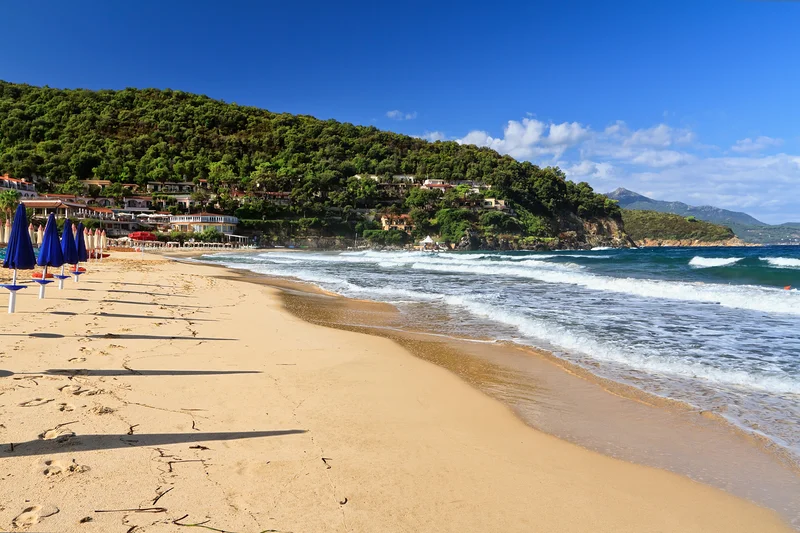
    Six hundred metres of pale sand in a bay on Elba, near Portoferraio. The water shelves gently, which is rare on a granite island, and the bottom is visible twenty metres out.

The classic mistake

Booking Elba without booking the boat. The ferries leave from Piombino and fill up, vehicles first, from June onwards. With no reservation in August you wait for several sailings, and the last crossing is early evening.

Our itineraries in Tuscany

Our itineraries by length of stay
LengthItineraryWhat you see
Long weekend (3 days)Florence › PisaDome, Uffizi, Field of Miracles
1 weekFlorence › Pisa › PortoferraioCity, coastal train, Elba
10 daysFlorence › Pisa › Leghorn › Elba › Monte ArgentarioArt, archipelago and southern coast

The train is enough for Florence, Pisa and Leghorn, which sit on the same line, and it also serves Piombino where the boat leaves from. In Florence a car is a liability: the centre is closed to traffic and the fines arrive by post months later.

It becomes useful on Elba and along the southern coast, where the coves are at the end of tracks. Take a small car rather than a large one: the island roads are narrow and parking is scarce.

When to visit Tuscany

RatingSeasonWeatherCrowds and prices
May, June and September20 to 28 °C, sea at 22Busy, mid-range prices
April and October15 to 22 °C, showersModerate in the cities, islands quiet
July and August28 to 36 °C, sea at 25Peak, very high prices
November to March6 to 14 °C, wetQuiet, islands closed

Our advice

The second half of September brings both Tuscanies together: the sea is at its warmest, the Florence museums can breathe, and island prices drop after the fifteenth. It is the only stretch where you can do everything without choosing.

Getting to Tuscany

  1. 1 By plane Fastest

    Pisa takes direct flights from across Britain, with easyJet and Ryanair on most routes, in under two and a half hours, and a train links the airport to the station in five minutes. Florence has its own airport, smaller and dearer.

  2. 2 By train Most comfortable

    Eurostar to Paris, then Paris to Milan and Milan to Florence, around fourteen hours in all with two changes. Worth it if you want the Alps through the window rather than a boarding gate.

  3. 3 By car On the ground

    useful only for the islands and the coast. Central Florence and central Pisa are inside a limited traffic zone, filmed continuously, and your hotel must register the plate or the fine follows.

The simplest combination: fly to Pisa, train to Florence, then hire a car at Piombino or in Portoferraio for the sea part. You never pay for parking in Florence.

Getting around Tuscany

Florence is entirely walkable, and it is the only way: the centre is pedestrian or closed. The coastal line links Pisa, Leghorn and Piombino, and buses circle Elba in season.

Worth knowing

The Florence limited traffic zone runs on cameras, including when you are simply reaching a hotel in the centre. The hotel can register your plate, but it has to do it that same day: a fine that arrives six months later can no longer be contested.

What to eat in Tuscany

  • Bistecca alla fiorentina: a Chianina beef rib three fingers thick, seared over vine wood and served rare. Ordered by weight, for two people minimum.
  • Saltless bread: Tuscan bread contains none, which surprises on the first bite. It is made to go with salty cured meats and to be used in soups.
  • Ribollita: a soup of stale bread, black cabbage and beans, reboiled the next day, which is what the name means. A winter dish, better reheated than fresh.
  • Lampredotto: the fourth stomach of the cow, simmered and served in a roll with green sauce. The street snack of Florence, sold from kiosks.
  • Cacciucco: the fish soup of Leghorn, five species minimum, one for each C in the name, served over garlic-rubbed bread.
  • Cantucci and vin santo: almond biscuits to dip in a wine made from dried grapes. Served at the end of the meal, and the biscuit breaks in the glass.
  • Aleatico from Elba: a sweet red wine from grapes dried in the sun on racks, made in small quantities. An old survival, served with dessert.

The central market in Florence opens in the morning on the ground floor, among the growers, and the upper floor has become a food hall. Neighbourhood kitchens close between three and seven, and many do not open on Sunday evening.

Where to stay in Tuscany

AreaWhat it is forWorth knowing
Florence, historic centreDome, museums, Ponte VecchioAll on foot, expensive and noisy in summer
Florence, OltrarnoPitti Palace, workshops, trattoriasTen minutes from the centre, quieter and cheaper
PisaField of Miracles, student cityWorth one night, the airport is next door
Portoferraio or Rio MarinaBeaches, diving, island circuitSeasonal, full in August
Monte ArgentarioCoves, scrub, Porto Santo StefanoSmarter than the island, little capacity

Three nights in Florence is enough for the museums, provided you booked. It is a city you exhaust quickly and which wears you out in August.

For the sea, Elba needs four nights minimum: the crossing eats half a day at each end, and the north coast has nothing to do with the south.

How much does a trip in Tuscany cost?

Indicative budget per person, excluding travel to Tuscany
StyleLengthBudget per person
Budget (hostel, markets, free beaches)7 days450 to 650 €
Comfortable (hotel, restaurants, booked museums)7 days1,000 to 1,500 €
High end (boutique hotel, well-known tables)7 days2,500 to 3,800 €
  • Museum booking: a few euros of fee that save two hours of queueing at the Uffizi and the Accademia. It is the best value of the trip.
  • The ferry: the foot passenger fare is modest, the vehicle fare far higher. On Elba, the seasonal buses cover the main beaches.
  • Eating standing up: a lampredotto roll or a slice of pizza costs a quarter of a sit-down dish, and you eat at the same hour as the Florentines.
  • The cover charge: counter service costs less than table service, and a per-person charge is usual in restaurants. It is displayed and it is not negotiable.
  • Free beaches: they alternate with paying ones all along the coast, the island included, with signposted access.

Traditions and way of life in Tuscany

Standard Italian comes from here: it is fourteenth-century Tuscan, the language of Dante, chosen as the national tongue at unification. In Florence you can still hear the aspirated c, which turns casa into « hasa ».

Elba kept the trace of its ten Napoleonic months in 1814 and 1815: two residences are open to visitors, and the emperor left behind an administration, roads and a flag he had designed himself.

Two useful habits. In a café you often pay at the till before being served at the counter, and sitting at a table doubles the price of the same espresso. And in churches, covered shoulders and knees are required, the cathedral included, where entry is refused without discussion.
Top photos posted by members

Porto Ercole
Porto Santo Stefano
Cathédrale Santa Maria de Florence

Traveler reviews

Beautiful but crowded

Florence draws crowds and suffers from that appeal, it is truly a museum city (though a bit less so than Venice, still). That said, the Tuscan city definitely has undeniable perks. The timeless beauty…

674

Impressive

The Leaning Tower of Pisa is impressive, even without going inside. From the outside, you really wonder how it is still standing. The site is very photogenic, even if there are almost always a lot of…

136

Charming

This bridge is pretty surprising and is definitely one of the must-sees in Florence. It is charming and really well preserved. Just like back in the day, it still houses many shops. Take your time cro…

103

Not a place to linger

The Ponte Vecchio is really unique and I was looking forward to seeing it in person during my stay in Florence. But the jewelry shops built directly on the bridge are overpriced and not worth it. On t…

98

A splendid Italian art gallery

People often reduce this very beautiful gallery to Michelangelo's David. Even though the size of the statue made me feel like a dwarf, it was not my favorite piece. The gallery actually houses magnifi…

27