
Visiting Monte Argentario, wild Tuscany against the sea
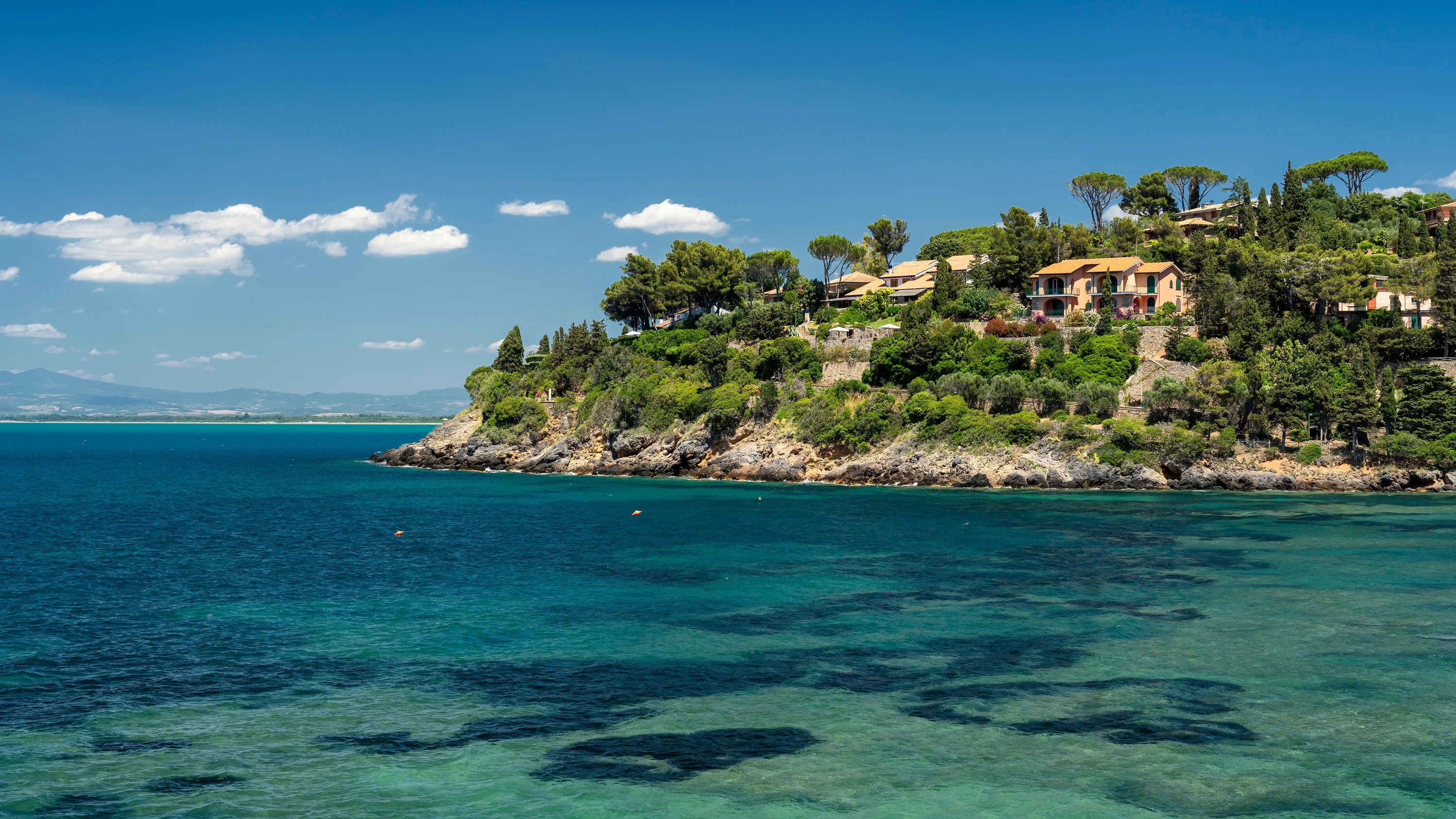
What is that scent, that mix of sun-baked pines and salty spray that hits you the moment you leave the mainland? This is not the typical Tuscany of cypress trees and rolling hills. Here, on this peninsula tethered to the mainland by two narrow strips of sand called tombolos, you enter a different world. Monte Argentario is a mountain that plunged into the sea, a refuge with raw beauty and a tough, independent spirit.
A Tuscan dream within reach?
This destination is not for everyone. If you are looking for vast, sandy beaches accessible with a snap of your fingers, you might be disappointed. Monte Argentario is a treasure that you have to earn. It is the ideal destination for explorers at heart, those who like the idea of earning their swim after a short hike on a steep trail. It is also a place for lovers of charming fishing villages and tables where fresh fish is king.
One essential point: a car is indispensable to explore the hidden corners of the peninsula. Your budget is also a factor to consider. We are in one of the favorite vacation spots for Italians, and prices, especially in summer, reflect that. If you are ready to play along, you will discover a side of Tuscany that is much more exclusive and maritime than you imagined.
From secret coves to family beaches
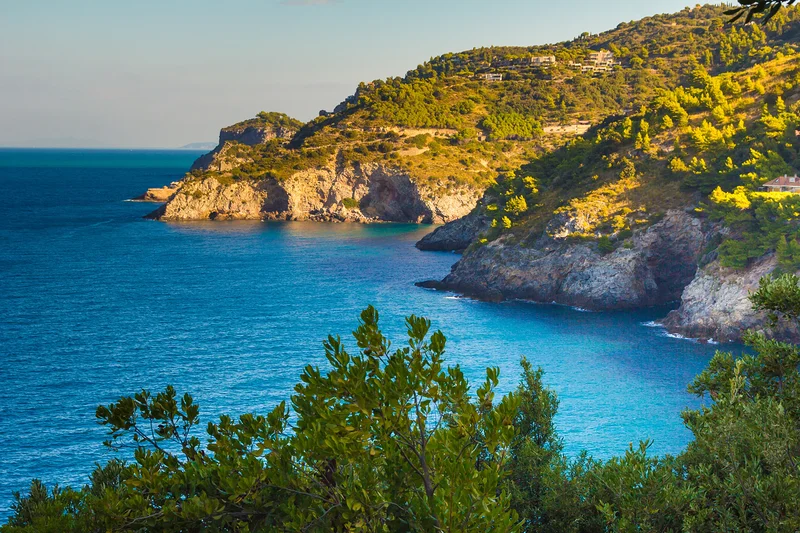
The quest for the perfect cove is the local sport. Forget monotonous stretches of sand. Here, the coastline is a succession of small, rocky bays and pebble beaches tucked into the cliffs. The most famous, Cala del Gesso, is a marvel with translucent water that is ideal for snorkeling. Be warned, though, that its beauty comes at the cost of access that requires some effort and sturdy footwear.
For a simpler day, especially with family, head to the beach at La Feniglia. This four-mile ribbon of sand is bordered by the beautiful Duna Feniglia nature reserve, a pine forest where it is pleasant to walk in the shade. The beach is equipped with private areas offering lounge chairs and bars, but it also offers vast public sections.
Friendly tip: for the wildest coves, leave early in the morning. Not only will you avoid the crowds, but you will find it easier to find a parking spot, which can quickly become a puzzle in high season. Bring water, a picnic, and a snorkel mask.
The soul of the ports: Porto Ercole and Porto Santo Stefano
Monte Argentario beats to the rhythm of its two main villages. Porto Santo Stefano is the largest and liveliest. It is the main port, where ferries depart for Giglio Island. Stroll along its seaside promenade, admire the yachts, and climb up to La Fortezza, a 16th-century Spanish fortress that houses the surprising Museum of Submerged Memories.
Further south, Porto Ercole is the jewel of the peninsula. Smaller and more compact, it has kept a wild sense of authenticity. You will fall for its fishing port, colorful facades, and old town that clings to the hill under the protection of La Rocca fortress. It is here, in this postcard setting, that the painter Caravaggio is said to have spent his final days, his body found on a nearby beach. His remains now rest in the village cemetery.
Friendly tip: to feel the pulse of Porto Ercole, wander the port in the late afternoon when the fishermen return. Then settle onto a cafe terrace for an aperitivo while watching the sun set behind the boats.
Elevated views: panoramas and hidden trails
To understand the unique geography of Monte Argentario, you have to get some altitude. The panoramic road that circles the peninsula is an experience in itself. Each turn reveals a new plunging view of the Tyrrhenian Sea, with breathtaking perspectives of the coves below and the infinite horizon.
Hikers can tackle the forest trail that leads to the Torre di Capo d'Uomo. The ruins of this 16th-century watchtower stand at the top of a dizzying cliff, a spot that is also highly appreciated by rock climbers. For a moment of absolute quiet, a visit to the Convent of the Passionist Fathers, tucked away in the heights, offers not only a spiritual pause but also stunning views.
Friendly tip: take the panoramic road at the end of the day. The golden light of the sunset on the sea and the rocks is an unforgettable spectacle that justifies the trip all on its own.
Where to eat and drink in Monte Argentario?
The local cuisine is predictably focused on the sea. Try the spaghetti alle vongole (with clams) or a freshly caught fish, simply grilled with a drizzle of olive oil. A specialty of the nearby lagoon is anguilla sfumata, a smoked eel with a powerful flavor. Pair your meal with a glass of Ansonica, the dry and fruity white wine produced on the coast.
Where to stay in Monte Argentario and the surrounding area?
Your choice of accommodation will depend on the atmosphere you are looking for. For activity, restaurants, and amenities, prioritize Porto Santo Stefano. If you prefer picturesque charm and a quieter atmosphere, the village of Porto Ercole is an excellent choice. For a more rural experience, do not hesitate to look at the "agriturismi" located a bit further back on the mountain slopes, offering peace and spectacular views.
How to get to and around Monte Argentario?
The closest airports are Rome-Fiumicino and Pisa. From either, count on about a two-hour drive to reach the peninsula. It is also possible to take the train to the Orbetello-Monte Argentario station.
Once you are there, a car is absolutely essential to explore the different facets of the area. Be warned: in summer, parking near the beaches and in the villages can be a real challenge.
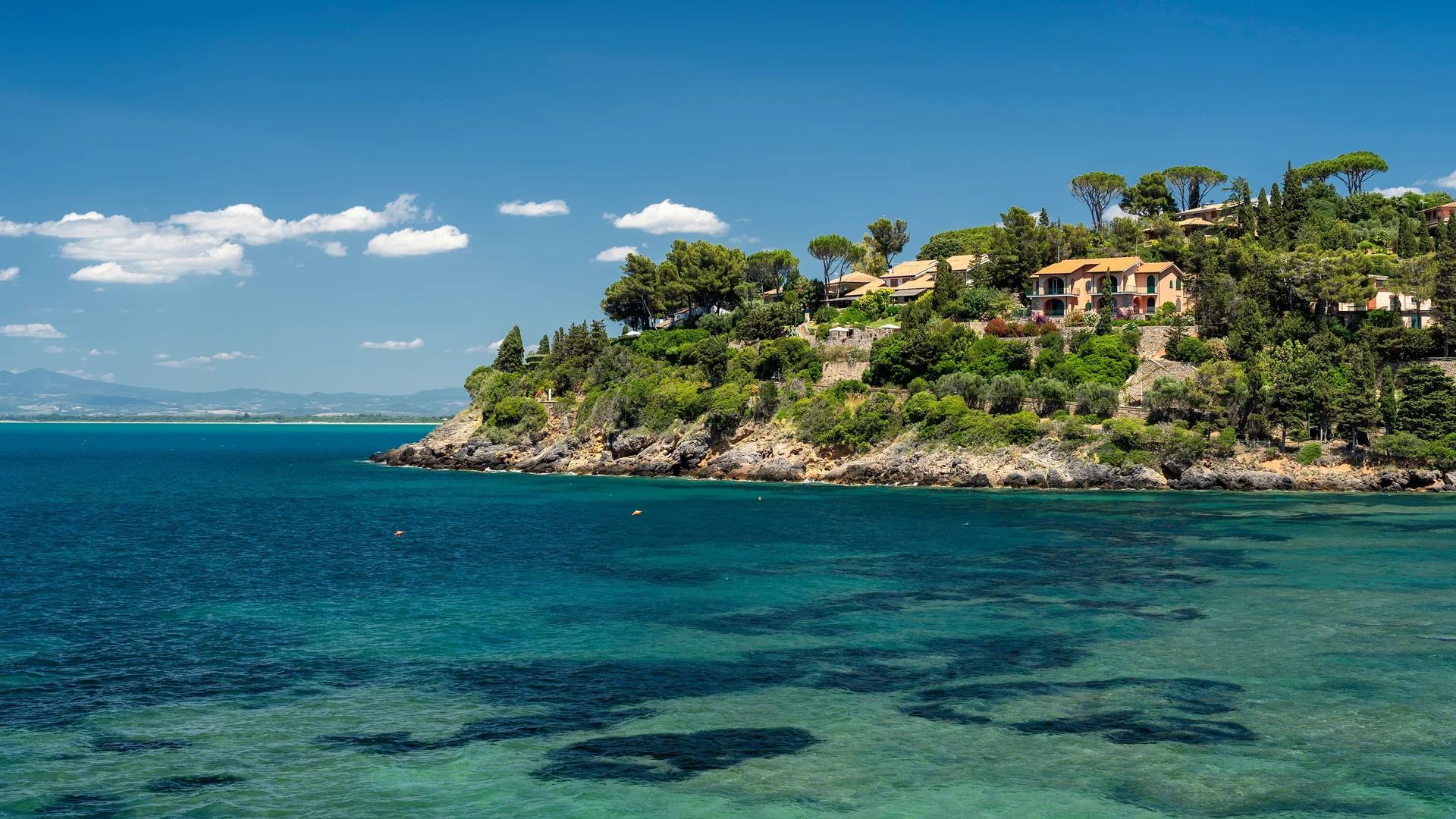
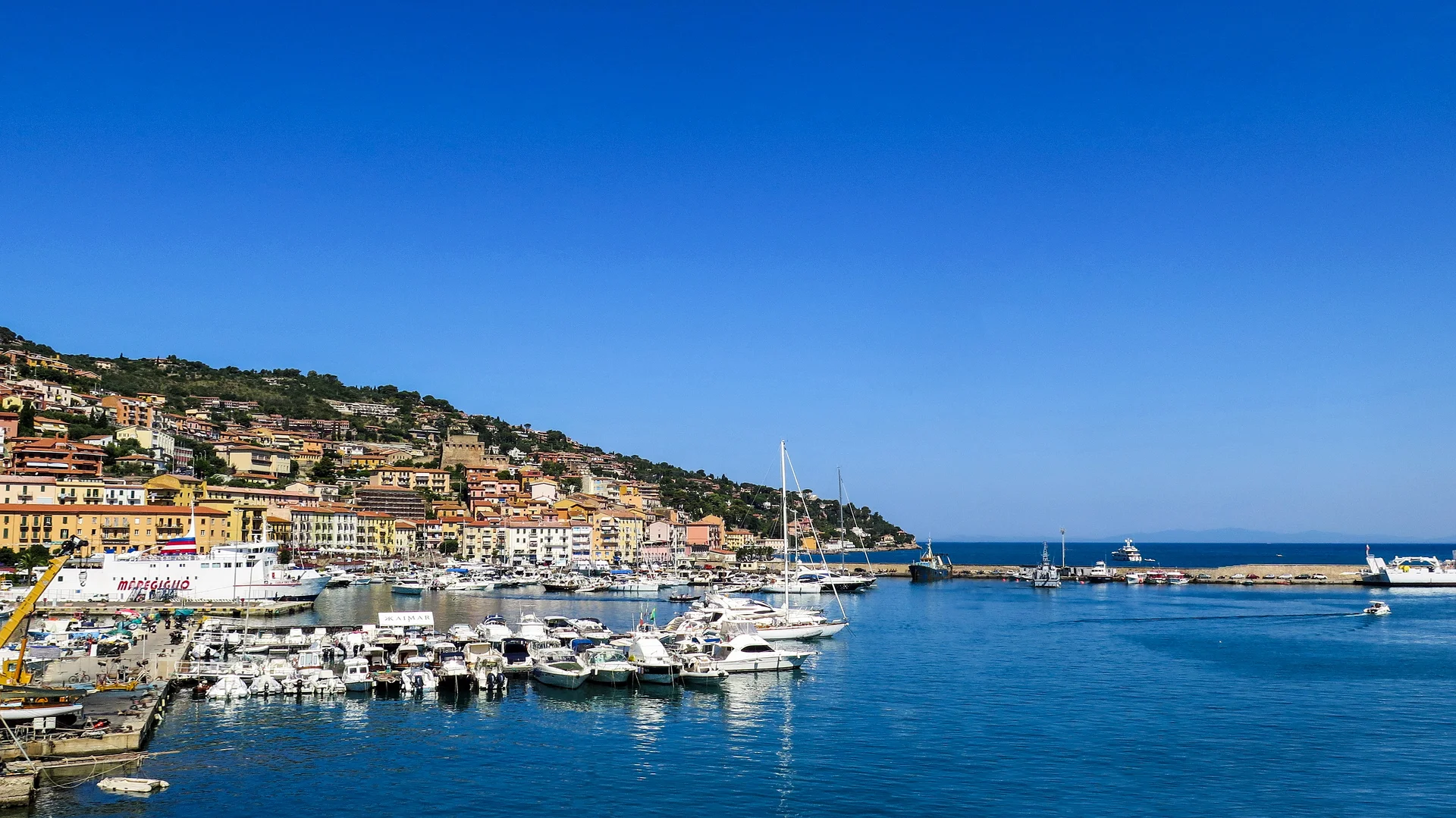
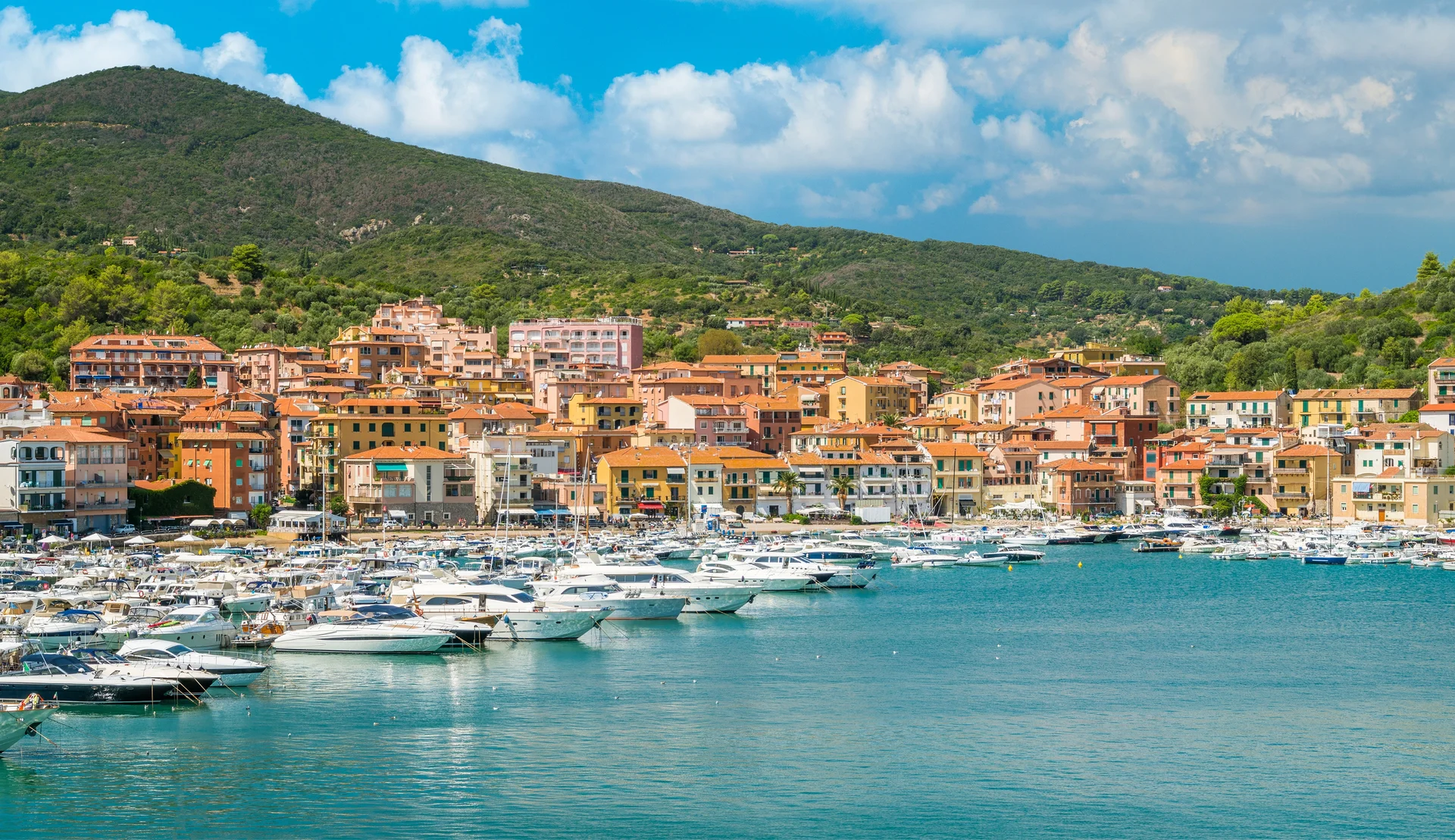
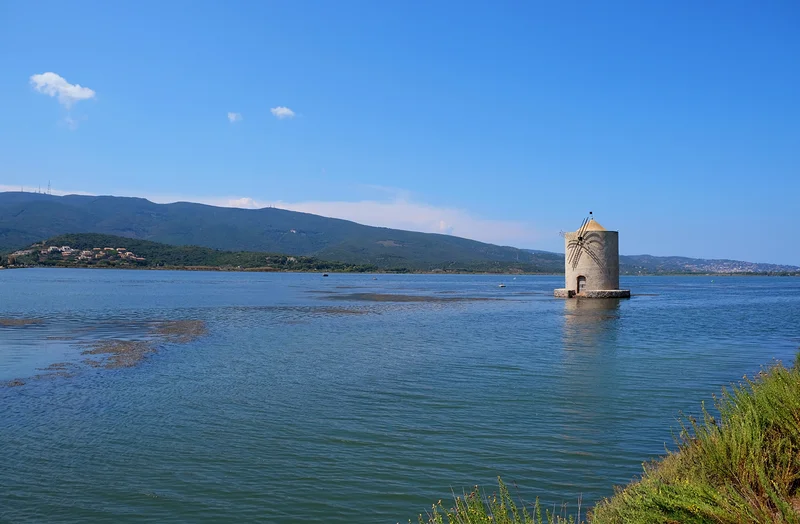
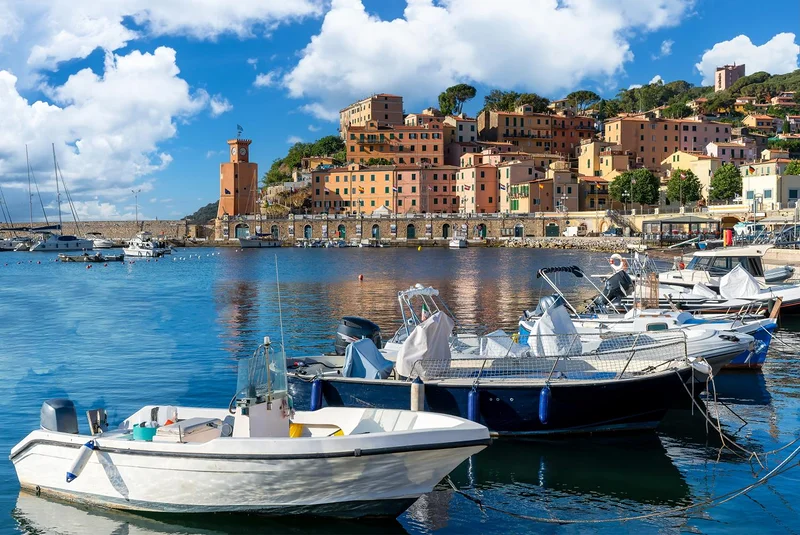
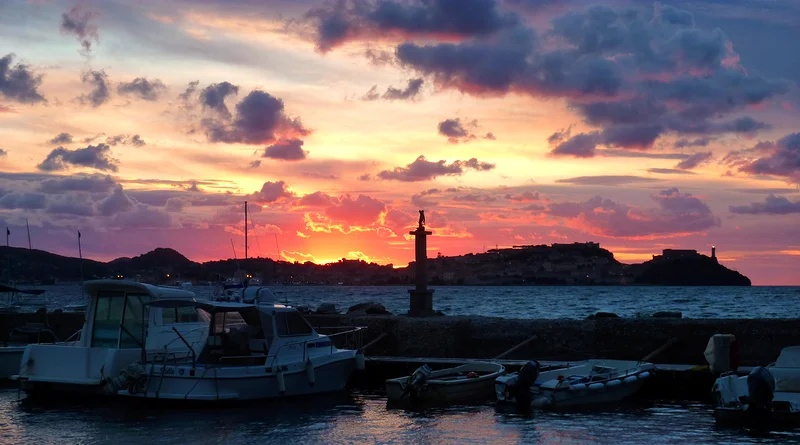
Monte Argentario is a peninsula shaped like a hill with a few picturesque villages and ports, some coves, and areas that are a bit wilder. Truly magnificent.