Visiting Leghorn, the salty, beating heart of Tuscany
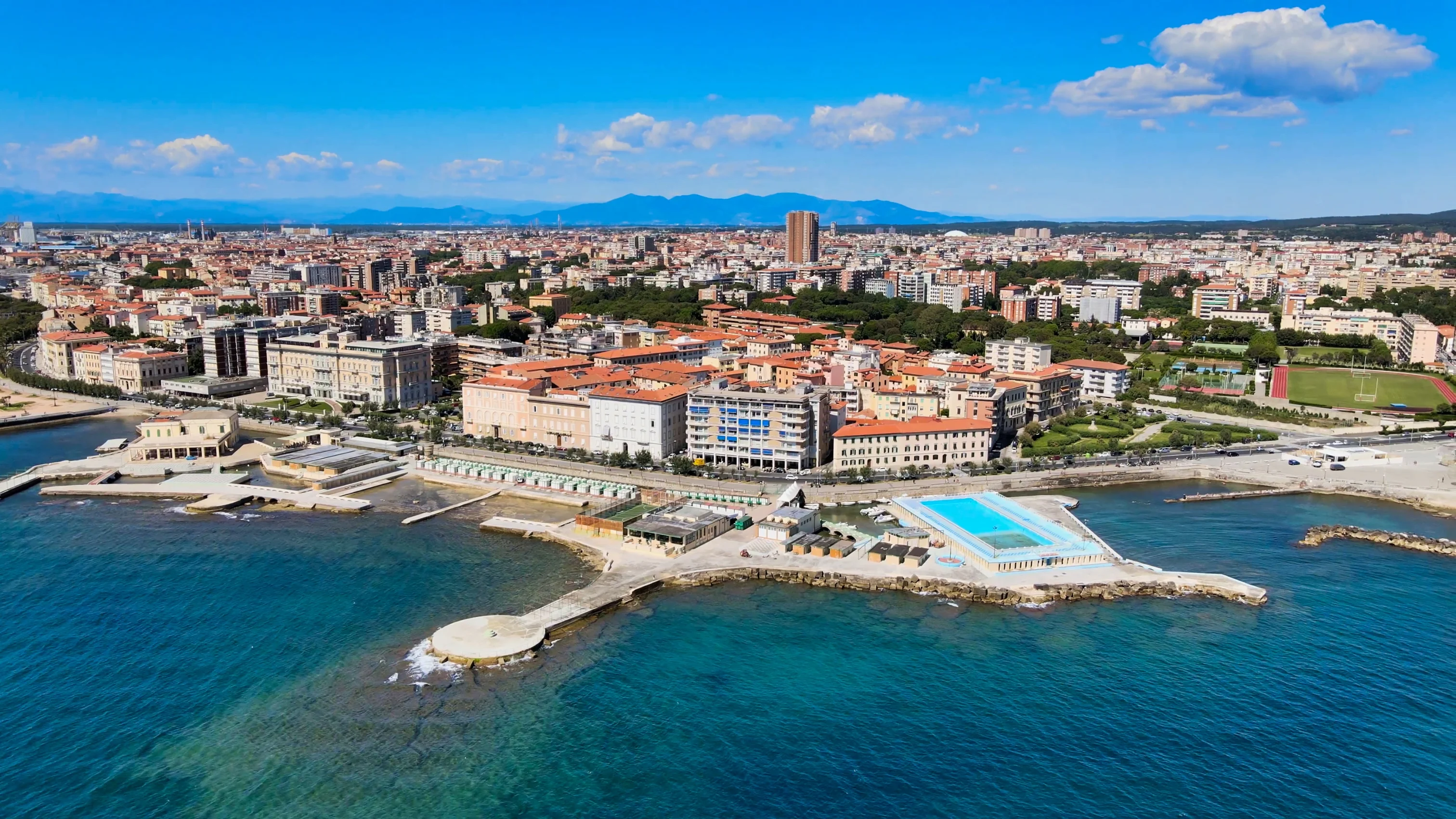
Does the air in Tuscany always smell like cypress trees and warm earth? Not in Leghorn (or Livorno, as the locals say). Here, the air is thick with iodine, the low rumble of ferries, and the calls of seagulls. It is a port city, through and through, with all the grit and raw energy you would expect. It is a side of Italy that many travelers miss while rushing between Pisa and Florence.
Is the misunderstood beauty of Leghorn for you?
Leghorn is a breath of fresh air for anyone seeking an authentic Italy, far from the tourist crowds of its more famous neighbors. It is the perfect destination for independent travelers, curious types who like to feel the pulse of a working city, and anyone who enjoys a harbor atmosphere. If you are dreaming of perfectly preserved medieval architecture and quiet, pastoral landscapes, you might be surprised. The architecture here is more modern, often bearing the scars of history.
Leghorn reveals itself to those who appreciate cities with character, the kind that do not give up all their secrets at first glance.
Regarding your budget, it is significantly more accessible than its famous neighbors. The center is easy to navigate on foot, but if you want to explore the spectacular coastline stretching to the south, a car is a valuable asset.
A dive into the "Little Venice" of Tuscany
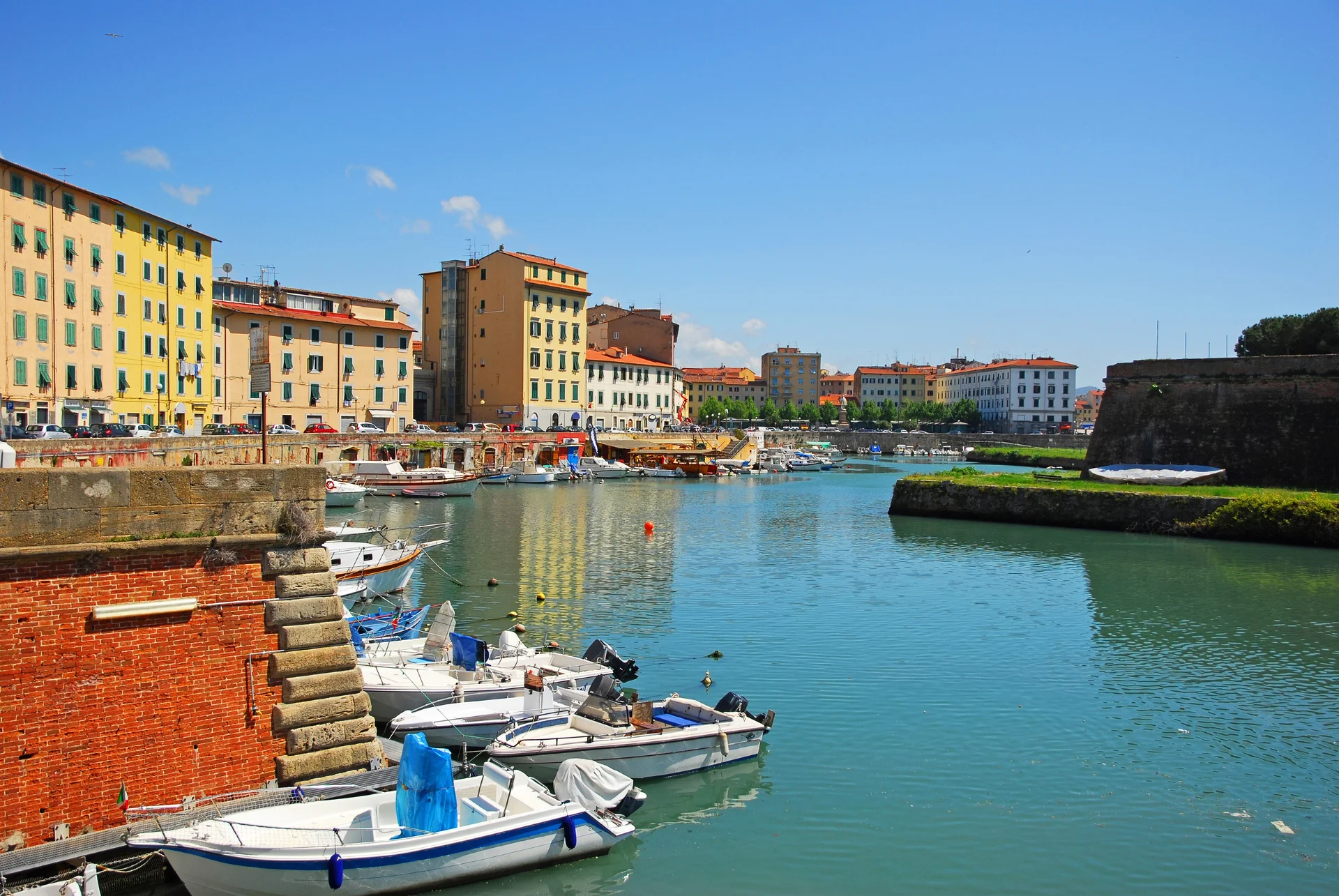
The Venezia Nuova neighborhood is arguably the most fascinating part of the city. Forget gondolas; here, it is small fishing boats that weave under the bridges. This maze of canals was dug in the 17th century to connect merchant warehouses directly to the sea. Strolling along the docks, you can easily imagine the flourishing trade that once animated this district under the Medici family.
This is a living neighborhood, packed with hidden restaurants and artist studios. The comparison to Venice is tempting, but Leghorn has its own identity, one that is more working-class and less polished. The imposing Fortezza Vecchia and Fortezza Nuova frame the area, serving as powerful remnants of its strategic past.
Friendly tip: For a unique perspective, look for one of the small local companies offering boat tours on the canals, known as fossi. It is the best way to grasp the soul of this neighborhood and pass under bridges that are inaccessible on foot.
A walk facing the Tyrrhenian Sea
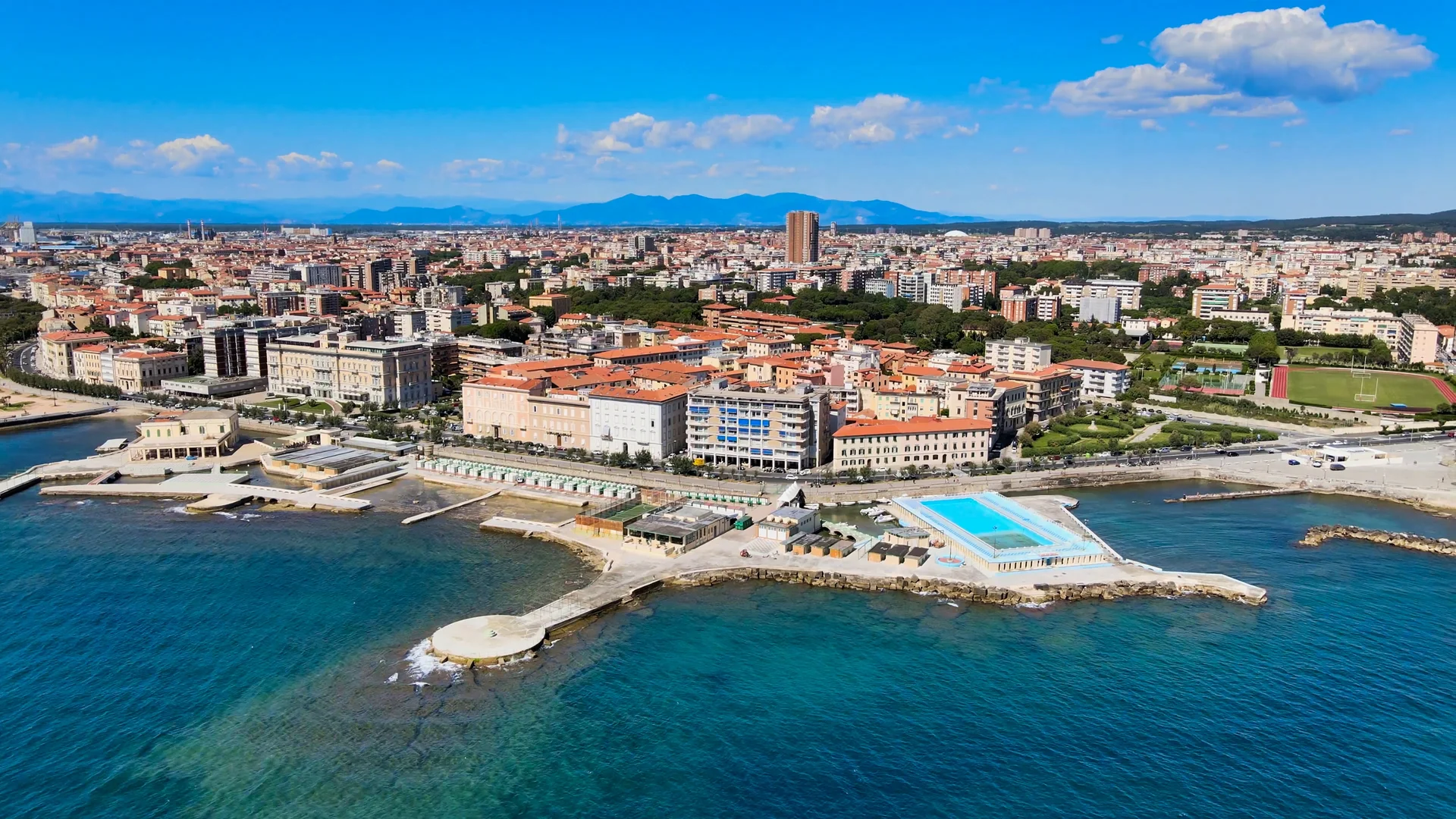
No trip to Leghorn is complete without a long walk on the Terrazza Mascagni. This spectacular esplanade, with its black and white checkered floor that seems to stretch into the horizon, is the city's go-to spot for watching the sun dip into the sea. The vibe is local and family-oriented, a far cry from the stuffy, high-end feel of some other beach resorts.
Heading south along the coast, Viale Italia offers panoramic views of the water. You can walk or drive this route, which leads to small coves and beach clubs where locals gather. It is the relaxed, seaside face of Leghorn.
Friendly tip: Grab an artisanal gelato at one of the gelaterie near the terrace and find a bench facing the sea. It is a simple pleasure, but one of the most authentic experiences the city has to offer.
At the heart of the port city
To feel the commercial pulse of Leghorn, head to the Central Market, also known as the Mercato delle Vettovaglie. Under its magnificent late 19th-century metal structure, it is a festival of colors and scents. The stalls selling freshly caught fish and seafood are particularly impressive.
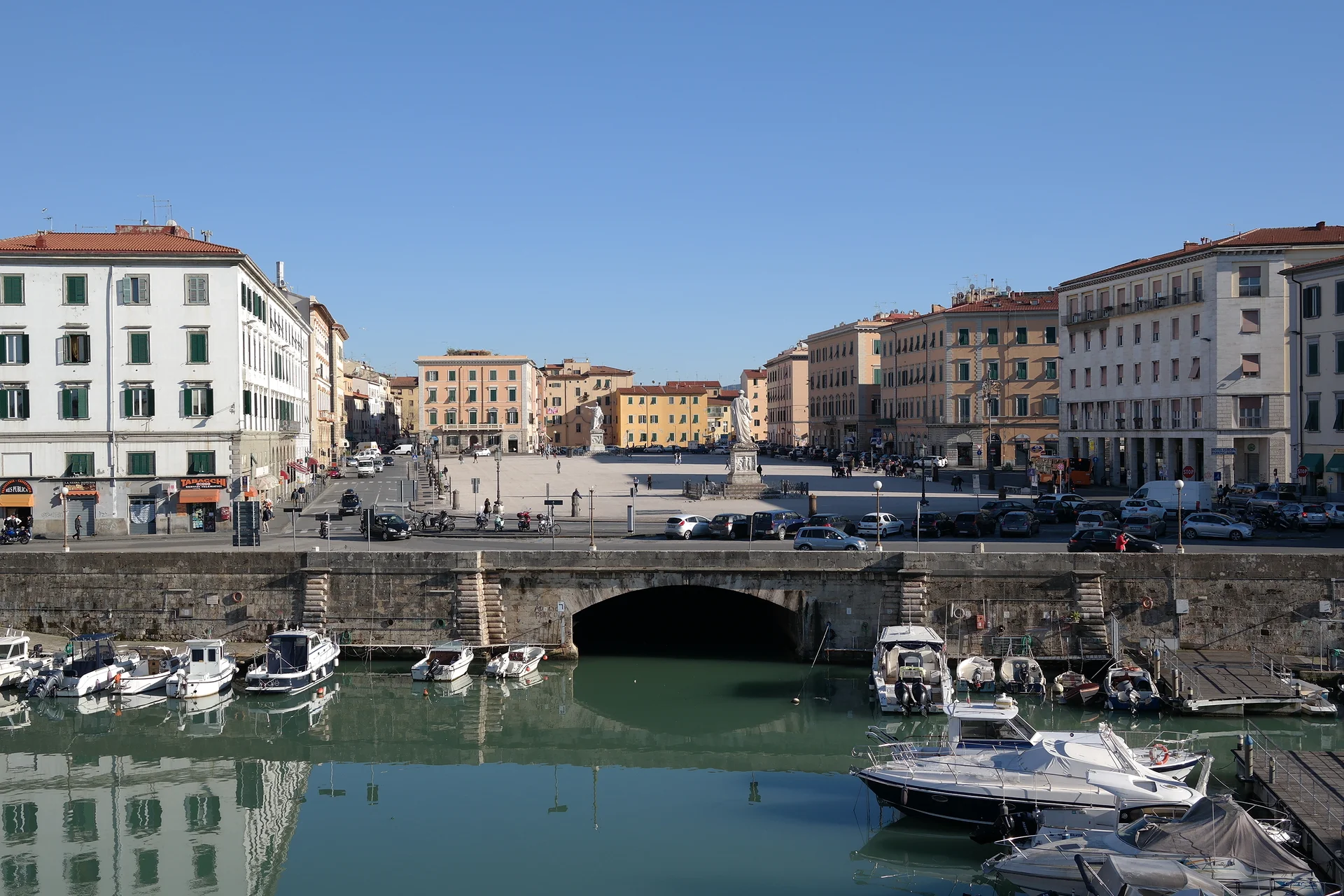
Not far from there, Piazza della Repubblica is one of the largest squares in the city, an airy, open space that contrasts with the narrower side streets. A little further north, facing the harbour, the famous Four Moors monument stands on Piazza Micheli: a statue of Grand Duke Ferdinand I de' Medici ringed by four chained captives. Local legend has it that if you can see the noses of all four prisoners at the same time, good luck will come your way.
Friendly tip: Hit the market in the morning when the activity is in full swing. It is the best time to watch Leghorn residents go about their daily lives, and maybe pick up some local goods for an impromptu picnic.
Where to eat and drink in Leghorn?
Leghorn's cuisine is focused on the sea, simple and packed with flavor. The absolute specialty is cacciucco, a robust and savory fish stew made with several varieties of fish, crustaceans, and mollusks in a spiced tomato sauce. It is a generous dish that embodies the spirit of the city.
To finish your meal or for a quick pick-me-up, try the ponce livornese. It is a strong coffee "corrected" with rum, sometimes a splash of cognac, and a lemon twist. Served hot, it is a true local institution, especially during the cooler months.
Where to stay in and around Leghorn?
For a total immersion in the city's unique atmosphere, choose a place to stay in the Venezia Nuova neighborhood. You will find charming apartments with views of the canals. The city center, around Via Grande, is convenient for its proximity to shops and restaurants.
For those looking for the sea breeze, the neighborhoods south of the Terrazza Mascagni, such as Ardenza, offer hotels and B&Bs with direct access to the water.
How to get to and around Leghorn?
The nearest airport is in Pisa, about 30 to 35 minutes away by car or train. The airport in Florence is another option, located about an hour and 25 minutes away by road. Livorno Centrale train station is well-connected to the Italian rail network, making trips to other Tuscan cities very simple.
The city center is best explored on foot. To explore the coast or the countryside, renting a car is recommended.
When to go?
Spring and autumn are the ideal times to visit Leghorn. The weather is mild, the light is beautiful, and the tourist crowds are much more manageable than in the summer. Summer can be hot and very busy, while winter, though quiet, can sometimes be gray and rainy.