
Visiting the Palatine Gallery
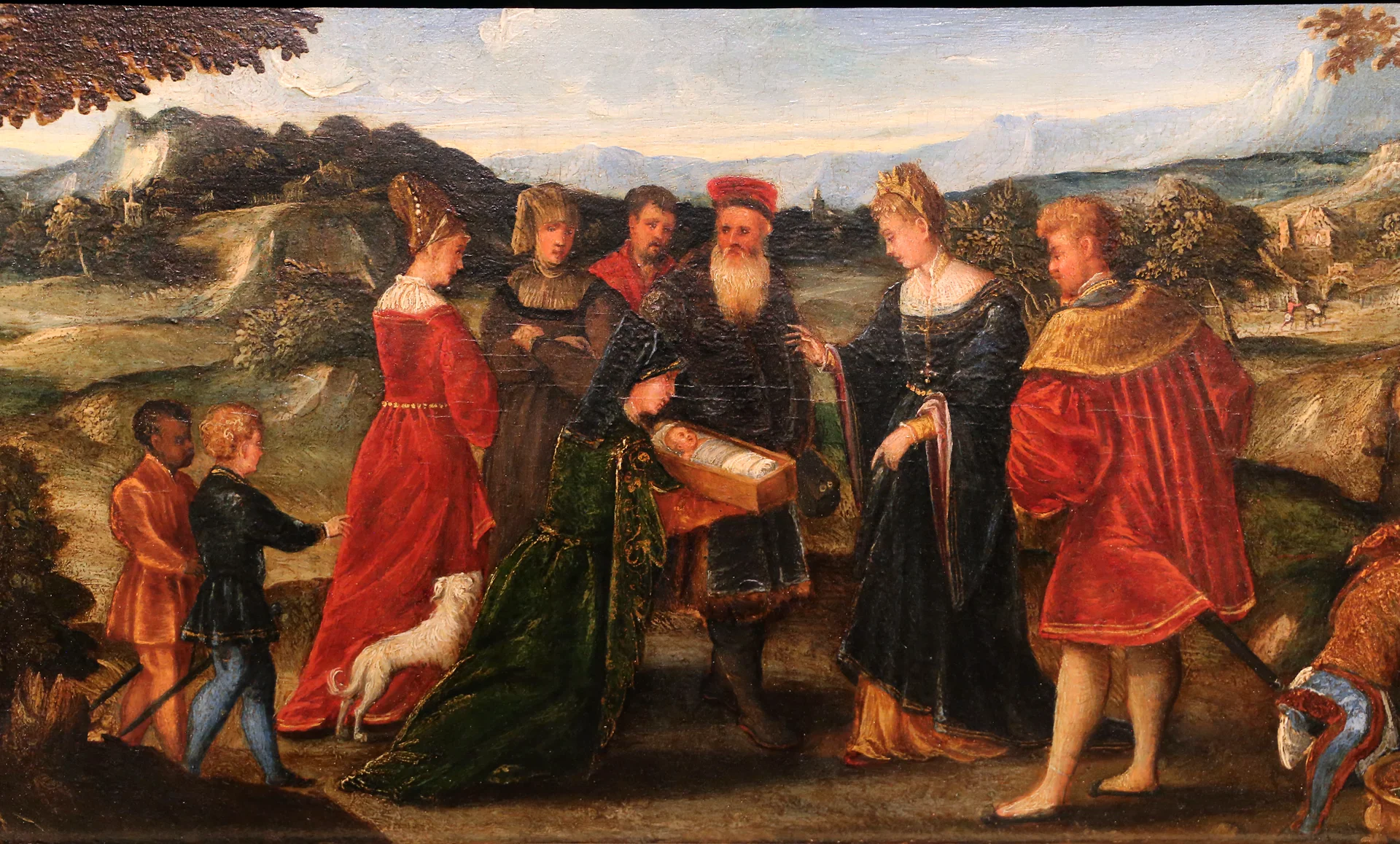
The Palatine Gallery holds an art collection assembled by the Medici family and later the Lorraine dynasty during the 16th and 17th centuries. It occupies the first floor of Palazzo Pitti, the former residence of these powerful families in Florence. In total, 25 lavishly decorated rooms showcase a collection of late Renaissance and Baroque paintings by Italian masters like Raphael, Botticelli, Caravaggio, and Titian, alongside Golden Age Dutch painters such as Rubens and Van Dyck.
A prestigious collection
The Palatine Gallery houses about 500 pieces, primarily paintings by late Renaissance titans such as Madonna della Seggiola by Raphael. Unlike most museums, the works are not arranged chronologically or by artist. Instead, they follow a decorative logic that reflects the aesthetic tastes of the era. The various rooms are further enhanced by period furniture and sculptures that complement the space and the artwork on display.
The Palatine Gallery first opened to the public in 1833. It occupies the most prestigious section of the palace, specifically the former apartments of the Grand Duke and the main reception halls. The most significant rooms feature frescoes by Pietro da Cortona that pay tribute to the glory of the Medici family.
Palazzo Pitti
Built by the Pitti family, who were prominent in the business world, the palace was purchased by the Medici family in 1549. It is a massive Renaissance structure with a bugnato (rusticated stone) facade, composed of interlocking stones that give it a heavy, imposing appearance. Beyond the Palatine Gallery, you should not miss the beautiful Boboli Gardens, which are laid out around a central amphitheater.
Opening hours
| Monday | Closed |
|---|---|
| Tuesday | 08:15-18:30 |
| Wednesday | 08:15-18:30 |
| Thursday | 08:15-18:30 |
| Friday | 08:15-18:30 |
| Saturday | 08:15-18:30 |
| Sunday | 08:15-18:30 |
Hours data: © OpenStreetMap contributors

Museum with a lot of artwork, paintings, sculptures, objects, and even costumes when that last section is open. The problem is that it is poorly explained and poorly lit. You feel a bit overwhelmed by the sheer pile of things to see with no obvious connection.