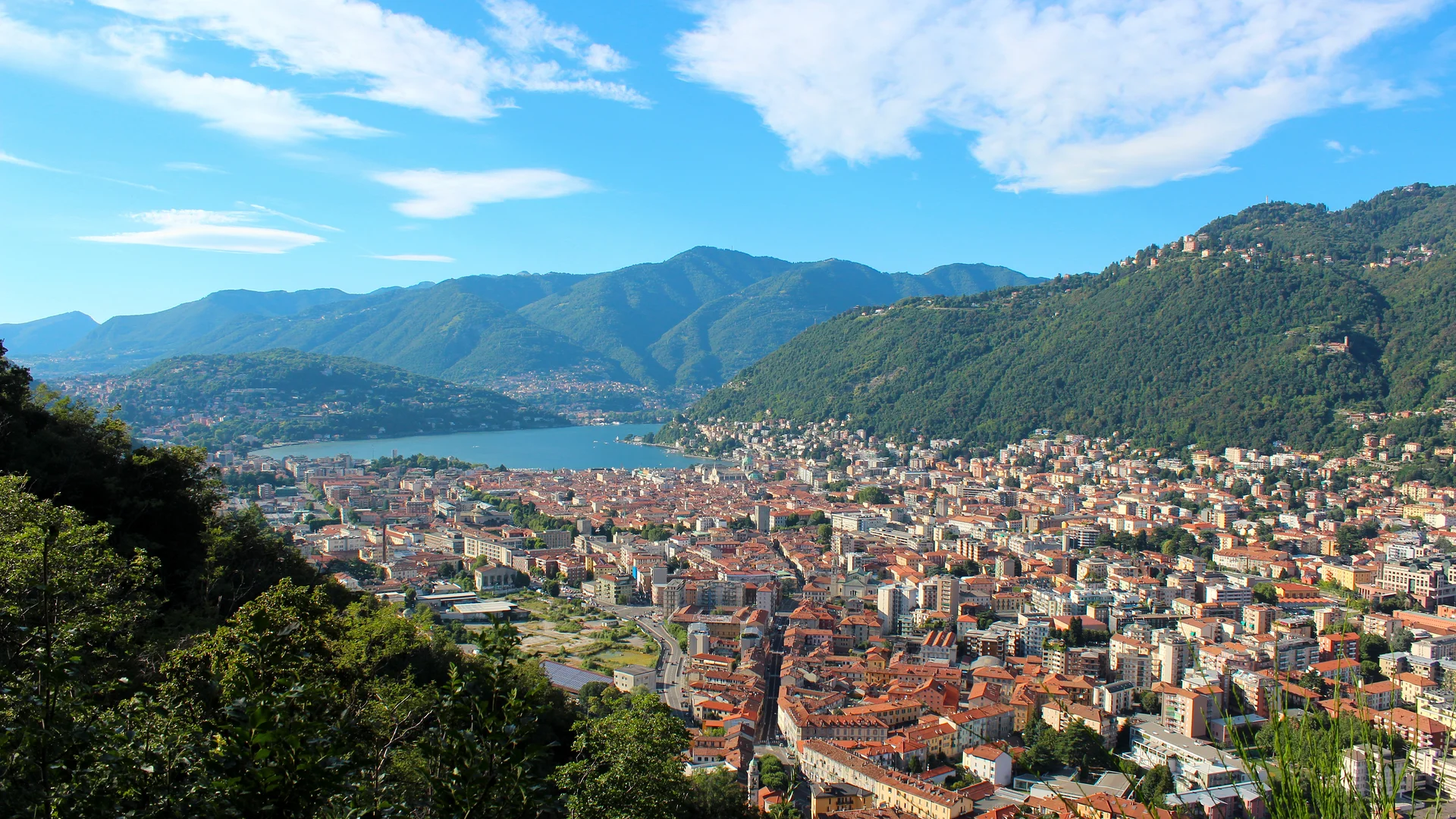
la ville de Côme

What to do in Lombardy: top 18 highlights in 2026

The wealthiest city in Italy, and an hour away by train, three lakes where its people go to breathe. The rankings below are built by travellers like you.

Our members' favourite places in Lombardy

Ranked on recommendations from travellers who went there

#1 Milan +173 recs

Milan balances its reputation as a global fashion and finance hub with a deep sense of history and authentic local character. Beyond the polished storefronts, you will find a city defined by grand architecture, extensive museum collections, and residential neighborhoods that feel as lived-in as any district in Brooklyn. It is a place that rewards the patient traveler who looks past the initial pace of the city to find its understated elegance.

#2 Varese +41 recs

Skip the hectic pace of Milan. Varese is a garden city where ornate villas overlook the calm of alpine lakes. From the UNESCO-listed sacred trail and the Palazzo Estense to quiet lakeside cycling paths, it offers a refined, lesser-known side of Italy. It is a straightforward, refreshing stop for travelers who want to balance history and the outdoors.

#3 Como +26 recs

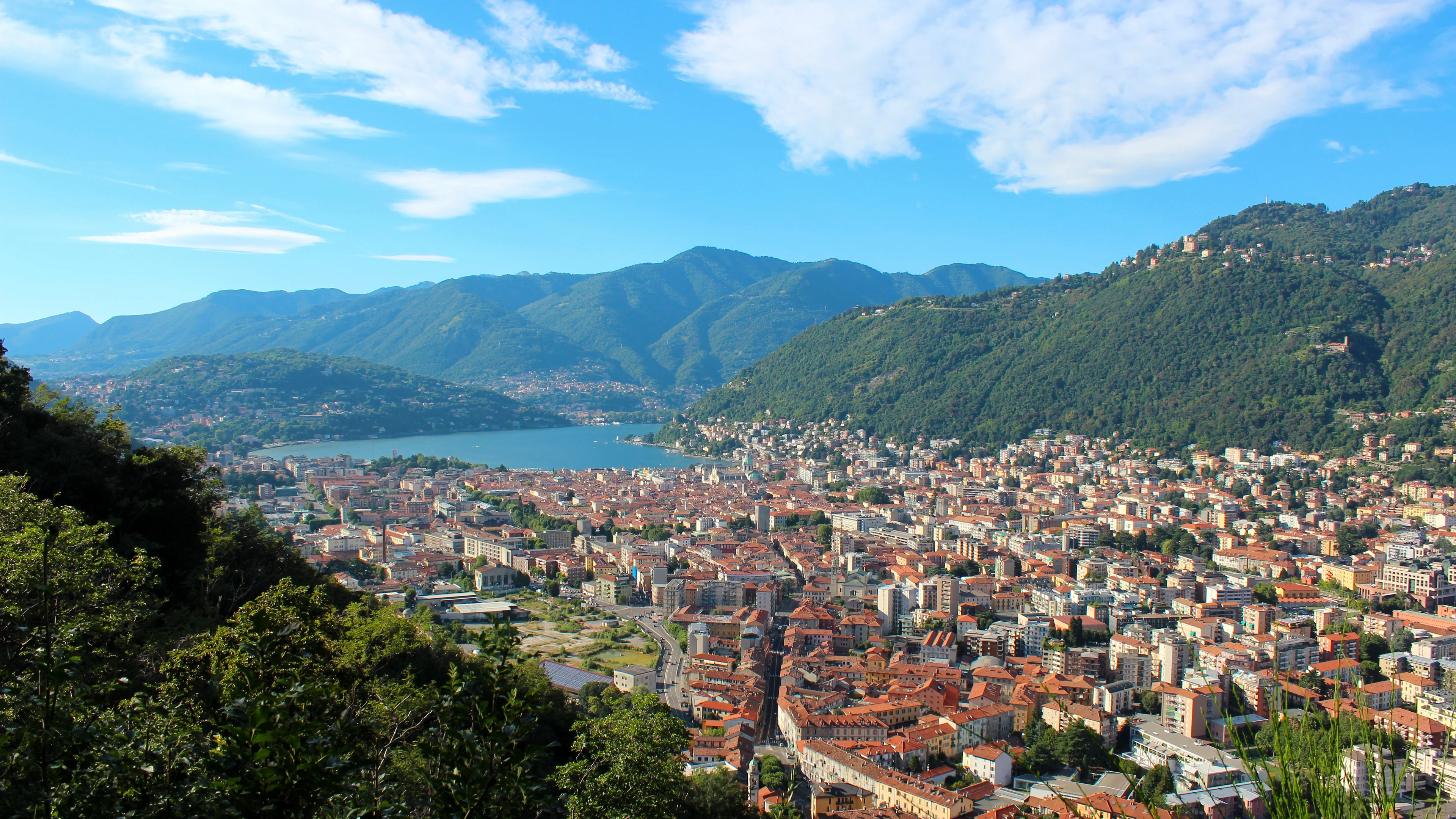
Como serves as the main gateway to Italy's most famous lake. It is a city defined by Roman history and a long-standing silk industry, where open-air piazzas sit right on the water. Beyond the historic center, it acts as the primary hub for catching ferries to the picturesque villages lining the shore, or taking the funicular up for a view of the deep blue lake set against the green peaks of the Alps.

#4 Sirmione +18 recs

Sirmione sits on a narrow peninsula, putting you right in the middle of Italian history. You can walk the ramparts of a medieval castle surrounded by the turquoise waters of Lake Garda or explore the ruins of an ancient Roman villa. It is a prime spot for those who appreciate historic sites and lake views, with the added bonus of thermal springs and unique white rock beaches for relaxing.

#5 Porlezza +9 recs

Porlezza sits on the Italian shore of Lake Lugano, offering a quiet alternative to the high-traffic spots on the nearby lakes. The pace here is set by mountain hiking trails and the calm lakefront, making it a practical choice for families or anyone looking to disconnect. It is a straightforward, authentic destination right on the border between Italy and Switzerland.

#6 Bergamo +7 recs

Bergamo is the fourth-largest city in Lombardy, in northern Italy. This charming city is famous for its Città Alta, or its historic center enclosed by Venetian walls. It is an ideal stop for a city break in Italy that offers a nice change of pace from Milan!

Between strolls and local bites

Bergamo draws visitors from all over because it feels almost like stepping back in time. This medieval city features a remarkably well-preserved old town known as the Città Alta. Walking is the best way to take in its unique atmosphere. You can stroll along the Mura walkway, 3 miles of defensive walls recognized as a UNESCO World Heritage Site. Catching the sunset from here is a must-do. For an expansive view across the area, you can also head slightly outside the center and tackle the numerous stone steps winding through the Parco dei Colli.

After all those steps, treat yourself to Bergamo's traditional culinary specialties. Polenta is a staple found on every restaurant menu, serving as the base for numerous hearty dishes. Sample some formai de mut (an Alpine cheese), and finish with a traditional dessert like polenta e osei, a sponge cake filled with almond paste and chocolate. Creamy stracciatella gelato was also supposedly invented right here at the La Marianna shop up on Colle Aperto.

A city of art and history

It is impossible to list every historic building in Bergamo. On Piazza Vecchia, check out the white marble Renaissance-style Palazzo Nuovo and the Palazzo della Ragione, the oldest civic building in the city. Climb to the top of the Campanone tower overlooking the square to hear its bell strike 100 times every evening at 10pm, a tradition kept alive for centuries. Four monumental stone gates grant entry into the Città Alta. The Venetian gate of San Giacomo is easily the most striking, with its pale stone contrasting against the adjacent viaduct. Piazza Duomo brings together several religious landmarks including the Bergamo Cathedral, the striking Basilica of Santa Maria Maggiore, and the ornate Colleoni Chapel. Art enthusiasts can round out their trip at the Accademia Carrara, which houses an extensive collection of Italian masters from the 15th through the 19th centuries.

When to go

Bergamo works as a year-round destination, offering rewarding walks and cultural outings in every season. Winters bring cold temperatures typical of northern Italy, so pack a heavy coat if you visit during the colder months.

Getting there

Reaching Bergamo is straightforward. If you are flying, the city is served by its own international airport, Il Caravaggio, located just 3 miles away. Bergamo is also situated about 30 miles from Milan, making it easy to access by train or car via a 1-hour drive on the A4 and E64 highways.

#7 Stresa +3 recs

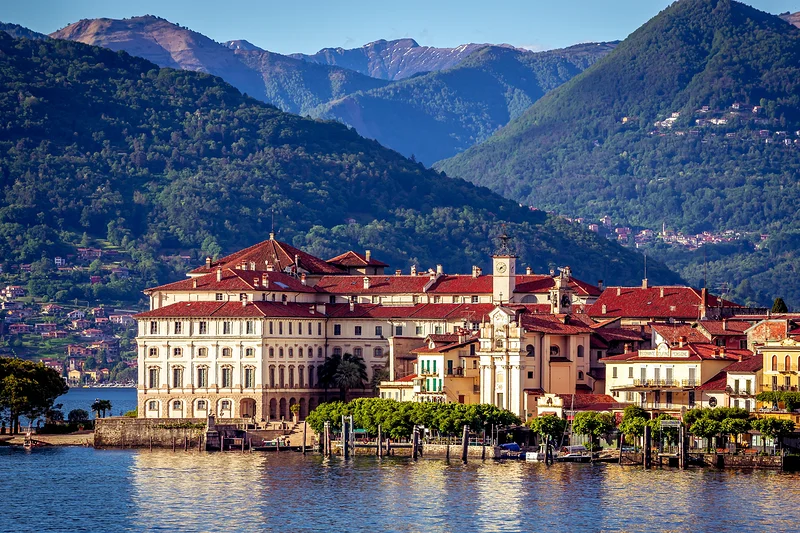
Often called the pearl of the Verbano, Stresa sits on the western shore of Lake Maggiore as a truly one-of-a-kind destination. A treat for the eyes and the senses, records mention “Strixia” as early as 998, though it took the Middle Ages and the arrival of the aristocracy to transform this small farming and fishing village into a hub of refinement and elegance. The construction of palaces and their gardens during the 16th and 17th centuries sealed the fate of a town that attracts fans of exceptional architecture as well as travelers drawn to an environment so polished it feels surreal.

Timeless villas and parks

The setting is enchanting, offering postcard views at every turn. Right at the entrance to Stresa, the Villa Pallavicino pulls visitors into 19th-century romanticism. Built in 1855, this neoclassical noble residence is the first landmark you spot, but its incredible 16-hectare park draws the most acclaim. Part natural woodland, this balcony overlooking the lake overflows with century-old trees and exotic flowers. Functioning as both a botanical garden and a wildlife park, it is home to free-roaming kangaroos and monkeys, stunning aviaries, and the ruins of a 13th-century fortress wall.

Farther up the mountainside, a thousand plant species await at Alpinia, a botanical garden sitting at an altitude of 800 m that allows alpine, Caucasian, and Japanese flora to thrive. The views from up here are phenomenal. That exact scenery captivated literary greats like Stendhal, Dickens, and Lord Byron, though Hemingway captured its essence best in his novel A Farewell to Arms. The author frequented the Grand Hotel des Borromean Islands, where a suite now bears his name in his honor. Like the town's other high-end properties, the Art Nouveau building is lavish, a design theme echoed in the 18th-century Villa Ducale and the 19th-century Villa Dell'Orto.

La dolce vita on the lake

Culture is everywhere here, and the Town Hall houses the Pietro Canonica Museum showcasing the artist's sculptures. The 1790 church of Chiesa dei Santi Ambrogio e Teodulo stands out for its ornate ceilings. Piazza Cadorna serves as the heart of town, lined with charming boutiques and narrow, colorful, flower-draped pedestrian alleys that feel suspended in time. The atmosphere is picturesque, shaded café terraces boast immense charm, and restaurants abound alongside local culinary specialties. Cured meats, risotto, goat cheeses, gorgonzola, and decadent desserts like pralines, Margheritine (butter cookies topped with sugar), or buckwheat cake known as Stinchett fill local menus.

The lakefront promenade leading to the ferry terminal acts as Stresa's signature experience. As the Borromean Gulf opens up before you, walking beneath towering palm trees surrounded by grand estates defines pure relaxation. Across the water sits the hermitage of Santa Caterina del Sasso, clinging to a sheer cliffside since the 12th century, alongside the famous Borromean Islands offering unforgettable boat excursions. Three of these islands are open to visitors, each showcasing stunning villas, palaces, and gardens.

When to go

The spring floral bloom in April and May is spectacular in Stresa, even if the weather can prove unpredictable. Summers feature a temperate climate with reliable sunshine from June to September, though crowds peak during these months. The classical music weeks bring international artists to town every summer.

Getting there

Driving is straightforward thanks to highway connections, whether you are coming via Milan or other regional hubs. Bus lines connect Stresa to major European cities. By train, high-speed rail links get you close, and the Stresa railway station sits about an hour and twenty minutes from Milan. The closest airport is Milan-Malpensa Airport, located 20 km from Lake Maggiore, with direct bus and shuttle lines running to the lake.

#8 Bellagio +2 recs

Perched in northern Italy, Bellagio is often called the most beautiful town in the country, and it is hard to argue with that reputation. Its popularity stems from its prime position on the shores of Lake Como, one of the most sought-after destinations in Italy. A single day here is usually enough to soak in the atmosphere before heading off to explore the rest of the lake.

A village that attracts the elite

Locals know the town by another name, the Pearl of the Lake, because it sits exactly at the junction between the two southern branches of the lake. This strategic location made it a regional power during the Middle Ages. By the 18th and 19th centuries, Bellagio transformed into an exclusive vacation spot. Wealthy figures began snapping up waterfront villas, cementing its status among the European elite. That reputation holds today, as Bellagio remains a playground for deep-pocketed travelers. You will see plenty of high-end villas and luxury hotels, but those on a tighter budget can still enjoy the experience. Simply walking the lakefront, where benches are perfectly positioned to frame the water and sculptures, offers a front-row seat to the scenery.

Pleasant places for a stroll

Bellagio is not a place for checking off a long list of tourist sites. It is a town meant for wandering and staring at the view. The old town is charming, full of steep alleys and stone staircases lined with picturesque facades. Grab a coffee on Salita Serbelloni, a street that winds up from the port into the heart of the village. For gardens, do not miss those at Villa Melzi, laid out by Luigi Canonica and Luigi Villoresi around the house that architect Giocondo Albertolli built between 1808 and 1810. The grounds include a neoclassical palace, a chapel, and an orangery. You can also take a guided tour of the sprawling gardens at Villa Serbelloni, which feature grottoes, statues, and fountains on a site that dates back to the time of Pliny the Younger. Finally, visit the lakeside church of San Giovanni and the Basilica of San Giacomo, which houses several medieval artworks.

When to go

Spring is arguably the best time to visit, when the flowers bloom and give the town a soft, romantic feel. Summer is equally pleasant and great for watersports, but be prepared for heavy crowds.

How to get there

From North America the gateway is Milan Malpensa, the closest airport with direct transatlantic flights. Most visitors then reach Bellagio by starting in the city of Como, which is less than an hour from Milan by train or car. If you decide to drive, keep in mind that the lakeside roads are very narrow and prone to gridlock during the summer. A better alternative is to hop on a ferry. Three companies serve the towns around Lake Como, with regular schedules that ramp up during the summer season.

Our members' favourite things to do in Lombardy

Ranked on recommendations from travellers who did them

#1 Lake Como (Como) +22 recs 5/5

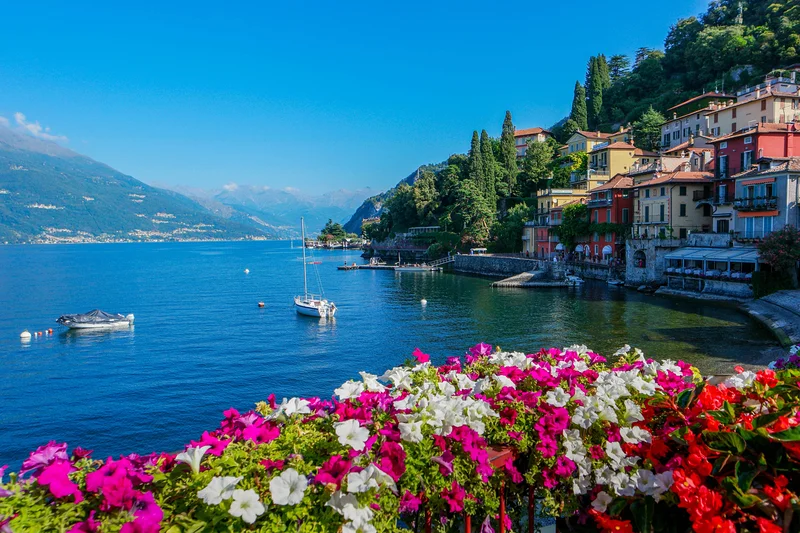
Lake Como is part of the pre-Alpine lake chain in northern Italy. Its inverted Y shape creates a unique atmosphere with views spanning lakes, plains, and mountains. For hikers, the western shore features the Via Regina, a route dating back to Roman times. On the east, the 45-kilometer Sentiero del Viandante (Wayfarer's Path) connects Lecco to Colico. Watersports like windsurfing and waterskiing are also popular.

See the guide See deals

#2 La Scala (Milan) +21 recs 5/5

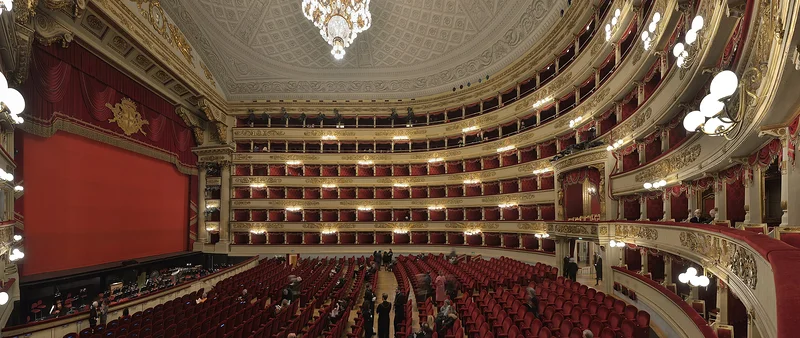
In the heart of Milan, the sober facade of La Scala hides an opulent interior. This legendary stage has hosted elite opera and ballet performers since 1778. Its iconic red velvet boxes, grand auditorium, and massive chandelier define world-class performance. Visit the attached museum to view historic costumes and paintings from its storied past.

#3 Galleria Vittorio Emanuele II (Milan) +19 recs 5/5

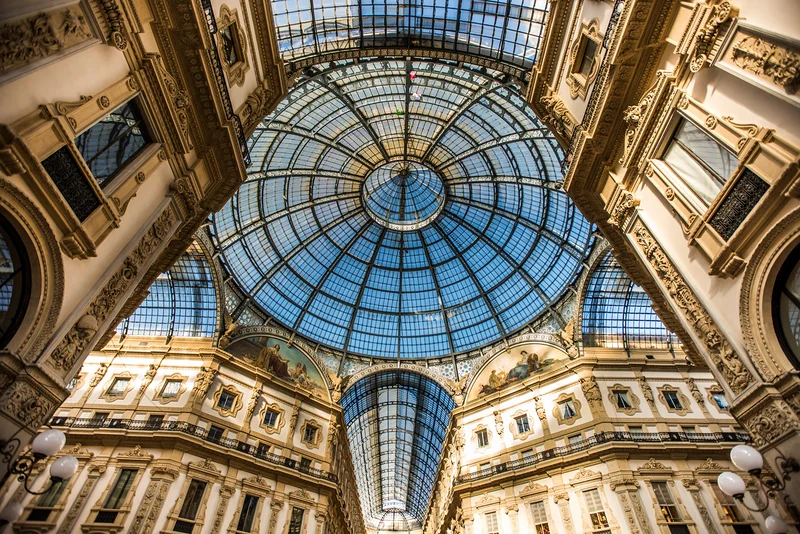
Connecting Piazza del Duomo and Teatro alla Scala, the Galleria Vittorio Emanuele II is a triumph of 19th-century engineering. Its iron and glass dome towers 47 meters above luxury shops and classic restaurants. Marvel at the intricate floor mosaics and neoclassical facades that define this iconic Milan landmark.

See the guide See deals

#4 Ambrosian Library (Milan) +18 recs 4.7/5

In the historic center of Milan, the Ambrosian Library houses priceless treasures. Established in 1609 by Cardinal Federico Borromeo, this collection spans nearly a million books and 40,000 global manuscripts. View Virgil annotated by Petrarch and 1,000 pages of the Codex Atlanticus. A 24-room gallery features works by Caravaggio, Raphael, and Botticelli.

#5 Last Supper (Milan) +18 recs 4/5

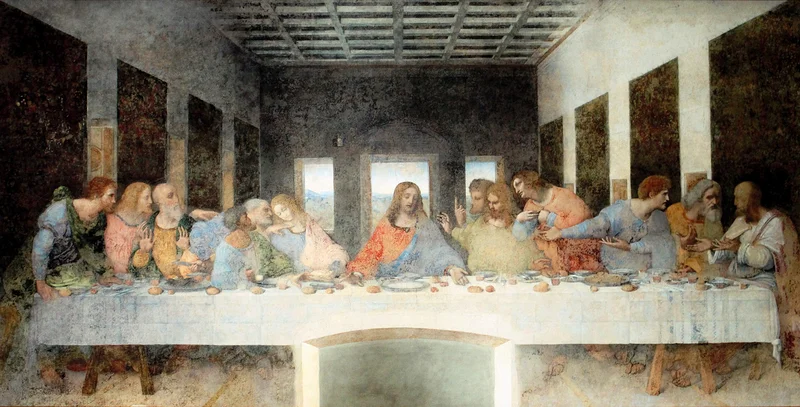
In the heart of Milan, one of the most famous artworks in the world is carefully preserved. Inside the remarkable basilica of Santa Maria delle Grazie, the dining hall wall of the former Dominican convent is illuminated by Leonardo da Vinci's Last Supper. Measuring 4.60 m high and 8.80 m wide, the painting depicts Jesus sharing his final meal with his apostles. Its beauty is wrapped in mystery, heightened by the wear of time that the artist's experimental technique made fragile. Dazzling and unique, the Last Supper is paired with Giovanni Donato Montorfano's Crucifixion, and the site holds UNESCO World Heritage status.

#6 Museum of the 20th Century (Milan) +18 recs 4.3/5

The center of Milan is illuminated by the stunning Piazza del Duomo, framed by the city's most significant landmarks. Since 2010, the Museum of the 20th Century has occupied the Palazzo dell'Arengario (Arengario Palace). Inside, 400 works by artists like Picasso and Fontana are displayed chronologically around a spiral staircase, with a suspended walkway offering panoramic views.

#7 Milan Cathedral (Milan) +15 recs 5/5

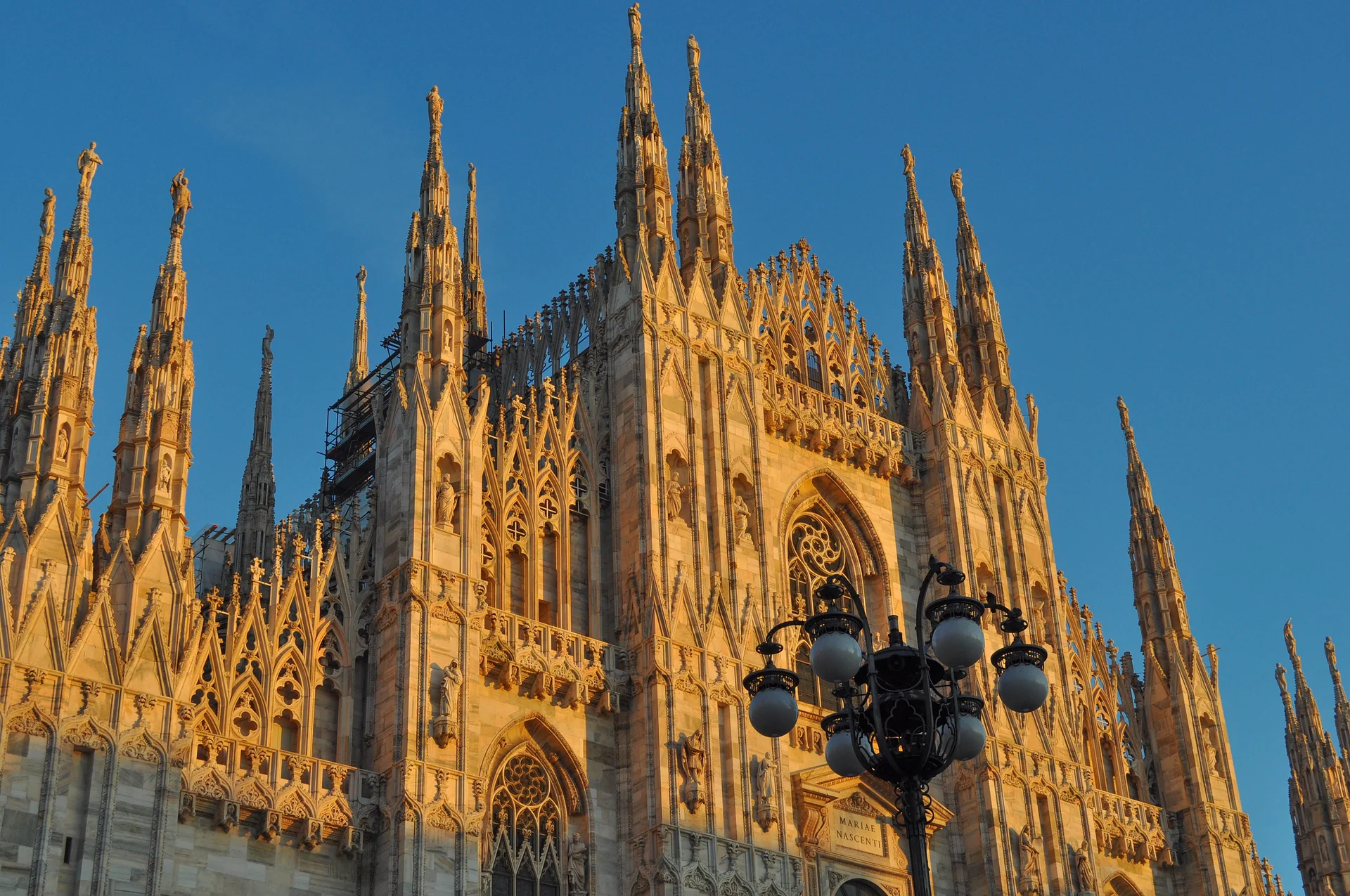
Located in the heart of Milan, the Milan Cathedral is a massive Gothic structure known for its scale and detailed marble carvings. Explore the majestic interior, vibrant stained glass, a historic crypt, and a relic of the True Cross. The rooftop offers expansive city and Alpine views, while the Duomo Museum provides architectural context.

See the guide See deals

#8 Lake Garda (Sirmione) +10 recs 5/5

Lake Garda offers shifting landscapes, from the narrow, cliff-lined northern Alto Lago to the gently sloping shores of the Basso Lago. Windy northern conditions near Riva del Garda favor water sports. The area is also famous for thermal springs, with popular spots including the public baths in Sirmione and the landscaped Parco Termale del Garda.

See the guide See deals-7%AVYGEO7

#9 Lake Varese (Varese) +9 recs 5/5

Lake Varese sits in northern Italy within the Lombardy region. Alongside six other lakes, including the famous Lake Maggiore, it forms a natural cluster at the base of the Italian Alps. Quieter than its neighbors, Lake Varese is perfect for cycling or birdwatching, home to gray herons and black kites. It is also the start of the Verde Varesina, a multi-day trail through the pre-Alpine hills.

See the guide See deals

#10 Lake Lugano (Porlezza) +9 recs 5/5

Lake Lugano spans the border between Italy and Switzerland, sitting near Lake Maggiore and Lake Como. Framed by high mountains, the area features diverse landscapes, from wooded shores and traditional villages to the prosperous Swiss city of Lugano. Visit the Sanctuary of Santa Maria dei Ghirli, a historic pilgrimage site in the Italian enclave of Campione d'Italia.

See the guide See deals

Map of Lombardy

Visiting Lombardy

Milan is like no other Italian city: it works, it builds, and its historic centre fits into a few streets around the cathedral. What you come to see is concentrated, and the rest is a metropolis of offices.

To the north the plain runs into the pre-Alps and sinks into lakes. Como is the deepest, squeezed between two walls of mountain; Lake Garda is the largest, with olive trees along its shores and wind in the afternoon.

You will love it if

  • You want a big city and lakes in the same trip
  • Design, fashion and opera matter to you
  • You come in May, June or September, when the plain is breathable

Look elsewhere if

  • You are after medieval lanes: Milan has very few
  • Humid heat floors you: July passes thirty-five degrees without a breath of air
  • You come in August: the city empties and closes, restaurants included

The must-sees

The highlights

  1. Leonardo's Last Supper

    1 Leonardo's Last Supper +18 recs

    Painted dry on a refectory wall, which is why it began deteriorating within the following century. Fifteen minutes of viewing, in groups of thirty, and slots go weeks ahead.

  2. La Scala

    2 La Scala +21 recs

    Opened in 1778, with a pit designed so that the voice carries without amplification. Gallery seats are sold on the day at the box office, and the museum gives access to a box during the day.

  3. The Galleria Vittorio Emanuele II

    3 The Galleria Vittorio Emanuele II +19 recs

    A covered arcade from 1877, glass and iron on four arms in a cross, between the cathedral and La Scala. The bull mosaic in the floor is worn hollow by generations of heels spun on it for luck.

  4. Lake Como

    4 Lake Como +22 recs

    Four hundred metres deep, two arms that part at Bellagio. The boat is the real way to see it: the shore road is narrow, hemmed in, and almost never gives a view of the water.

  5. San Siro Stadium

    5 San Siro Stadium +5 recs

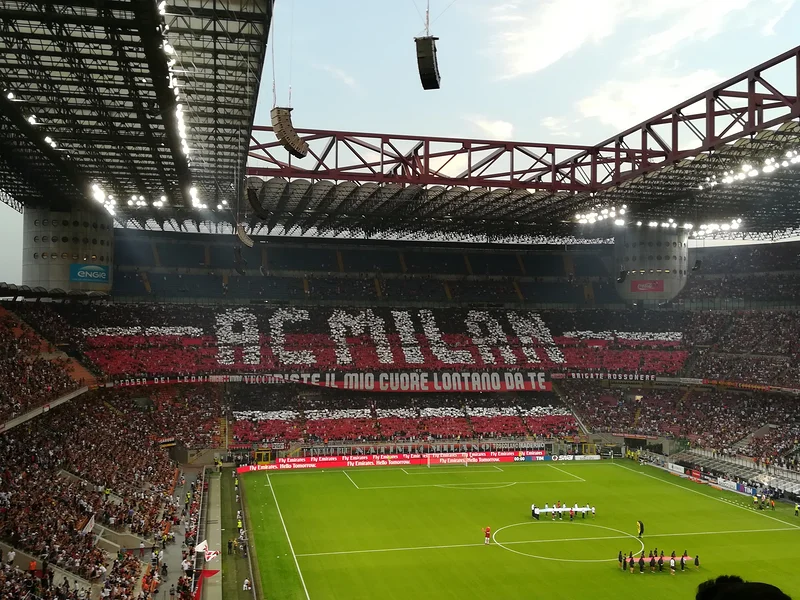
    Eighty thousand seats and two clubs sharing it, almost unique in Europe. The tour goes through the dressing rooms and the tunnel, and on match days it is closed, which is worth checking before you go.

The classic mistake

Staying in Milan and expecting to do the lakes as day trips. Como is an hour by train, but the lake itself is covered by boat, and the last return leaves in the late afternoon out of season.

Our itineraries in Lombardy

Our itineraries by length of stay
LengthItineraryWhat you see
Long weekend (3 days)Milan › BergamoCathedral, Last Supper, upper town
1 weekMilan › Como › BellagioCity, boat, lakeside villas
10 daysMilan › Como › Varese › Bergamo › SirmioneAll three lakes and both cities

The train does everything: Como in an hour, Bergamo in fifty minutes, Sirmione via Desenzano in an hour and a half. A car only helps you drive round a lake, and the shores are jammed at weekends.

Once there, the boat replaces the road. The public service lines call at every village on Lake Como and cost a fraction of a private excursion.

When to visit Lombardy

RatingSeasonWeatherCrowds and prices
May, June and September20 to 28 °C, brightBusy, mid-range prices
April and October14 to 21 °C, showersModerate, good prices
July and August28 to 36 °C, heavyLakes full, city shut in August
November to March2 to 10 °C, fogQuiet, boats on a reduced service

Our advice

Avoid the second half of August in Milan: the city goes on holiday, and many restaurants and workshops close for three weeks. The lakes, meanwhile, are at their busiest in exactly that period.

Getting to Lombardy

  1. 1 By plane Fastest

    Three airports, Malpensa, Linate and Bergamo, served from across Britain by easyJet and Ryanair in about two hours. Linate is fifteen minutes from the centre by metro, Malpensa fifty by train.

  2. 2 By train Most comfortable

    Eurostar to Paris, then Paris to Milan in seven hours through the Maurienne valley and Turin. A sleeper also runs from Paris, and you are in town for breakfast.

  3. 3 By car On the ground

    useful only for the lakes. Central Milan sits inside both a congestion charge zone and a limited traffic zone, and parking costs the price of a meal a day.

The cheapest combination: fly to Milan, take the regional train to the lake, and use the boat once there. A car is only justified if you want to sleep in a village with no station, which is common on the western shore.

Getting around Lombardy

Milan has four metro lines and old trams still in service, with a single ticket valid on everything. Bergamo is climbed by funicular, and on the lakes the boat beats the road.

Worth knowing

On Lake Como, the fast boats and the car ferries have neither the same stops nor the same fares, and only the ferries take cars. The service thins out sharply from November to March: check the day's timetable before setting off for the far shore.

What to eat in Lombardy

  • Risotto alla milanese: carnaroli rice, beef marrow and saffron, stirred for twenty minutes without a break. The yellow comes from saffron alone, never from colouring.
  • Cotoletta: a breaded veal chop cooked in butter and served on the bone. The Milanese version keeps the bone and is eaten thick, unlike its Viennese cousin.
  • Ossobuco: braised veal shin, served with gremolata, a chop of lemon zest, garlic and parsley. You eat the marrow with a small spoon.
  • Panettone: a tall naturally leavened cake, three days of proving, traditionally Christmas fare but sold year round by the good houses.
  • Pizzoccheri: buckwheat pasta from the Valtellina, cooked with cabbage and potato, bound with melted butter and mountain cheese.
  • Lake fish: perch, whitefish and shad are served grilled or breaded on the shores of Como. Risotto with lake fish is a lakeside speciality.
  • Franciacorta: a sparkling wine with second fermentation in the bottle, made west of Brescia. The estates open to visitors, and the style is more vinous than festive.

The aperitivo is an institution in Milan: from six to nine in the evening, the price of the glass gives access to a buffet, and it often replaces dinner. Neighbourhood kitchens close between three and seven.

Where to stay in Lombardy

AreaWhat it is forWorth knowing
Milan, centreCathedral, La Scala, museumsAll on foot, the dearest in the region
Milan, Navigli or IsolaAperitivo, design, evenings outFifteen minutes by metro, far cheaper
ComoBoats, villas, mountain aboveDirect station from Milan, a living town out of season
Bellagio or PorlezzaHeart of the lake, gardens, quietLittle capacity, full from June to September
BergamoUpper town, walls, airportThe best value in the region

Two bases are enough: Milan for the city and the museums, a lakeside village for the rest. An hour of train separates them, which makes the split painless.

On the lake, sleeping on the eastern shore of Como gives more frequent boats and lower prices than the more photographed western side.

How much does a trip in Lombardy cost?

Indicative budget per person, excluding travel to Lombardy
StyleLengthBudget per person
Budget (hostel, aperitivo, public transport)7 days500 to 700 €
Comfortable (hotel, restaurants, Last Supper and Scala booked)7 days1,100 to 1,600 €
High end (lakeside hotel, starred tables)7 days3,000 to 4,500 €
  • Booking the Last Supper: fifteen minutes of viewing that must be booked weeks ahead. Without a ticket there is no queue to join: it is sold out or nothing.
  • The aperitivo: a glass and its buffet cost half a sit-down dinner, and Milanese people make it their evening meal several times a week.
  • The scheduled boat: on Lake Como the public crossing costs a few euros where a private excursion asks fifty.
  • The Scala gallery: the highest seats are sold on the day at a very low price, with partial sightlines but intact acoustics.
  • Lunch: the midday menu is half the evening card, and in the business district it is built to be quick.

Traditions and way of life in Lombardy

Lombardy takes its name from the Lombards, a Germanic people who ruled here for two centuries after the fall of Rome. That left a body of law, monasteries and a dialect with nothing Tuscan about it, still spoken by older people in the valleys.

Industrial design was born here in the 1950s, around a handful of furniture makers and a trade fair that went global. The Museum of the 20th Century tells that shift, from futurism to the mass-produced chair.

Two useful habits. Coffee is drunk at the counter, in three minutes, and sitting down doubles the price. And in churches covered shoulders are required, Milan cathedral included, where the check is made at the entrance to the square.
Top photos posted by members

la ville de Côme
Basilique San Vittore à Varese (photo d'Ottantafame)
Cathédrale Duomo de Milan

Articles posted by members

Traveler reviews

Right on the lake

A lovely little town sitting right on the edge of its lake, Como is well worth a stop. My favorite part was definitely the gorgeous cathedral. I took my time admiring its remarkable facade and unique…

482

A condensed beauty

Lake Como is a must-see among the Italian lakes! Among all the beauties that catch the eye, I especially appreciated the variety of landscapes between the walls plunging into the lake, the semi-tropic…

407

Economic capital

For me Milan is an economic and international metropolis. That might appeal to shopping fanatics and city vibes. I am going to pass, even though you have to give it credit with its fashion boutiques,…

456

A great discovery

If you are visiting the big lakes, after the most famous ones, I recommend stopping by Lake Lugano, which has nothing to envy its neighbors for. It is set in a location surrounded by nature. You can g…

242

Stunning setting

Lake Garda is one of those places you absolutely have to see in Italy. I recommend spending at least three days there. The setting is exceptional, with mountains and plenty of nature. The villages aro…

164