
Visiting Milan: Where Tradition Meets Modernity
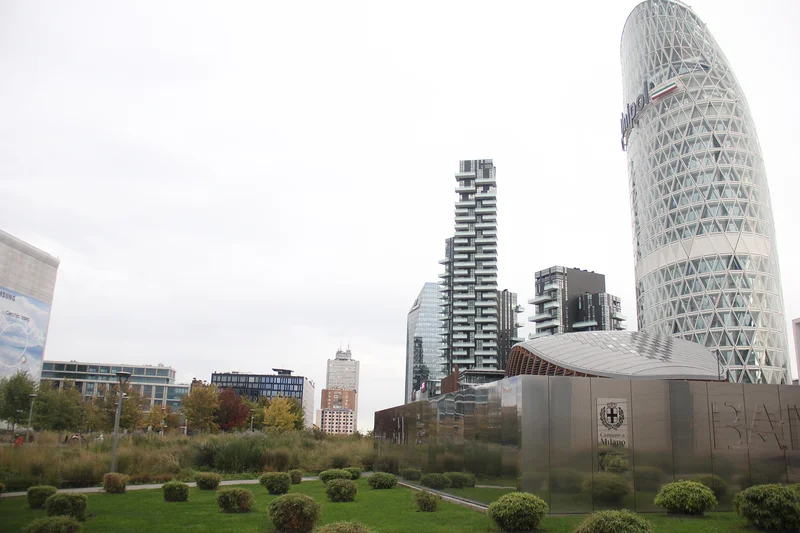
Milan is an industrial powerhouse and the fashion capital of Italy, and it's more complicated than that reputation suggests. Behind the glass-and-steel facades sits a deep layer of art and history that rewards a detour. If you want an Italian city that blends heritage, food, and contemporary creativity, Milan can catch you off guard in the best way.
The Historic Heart: Gothic Meets Renaissance
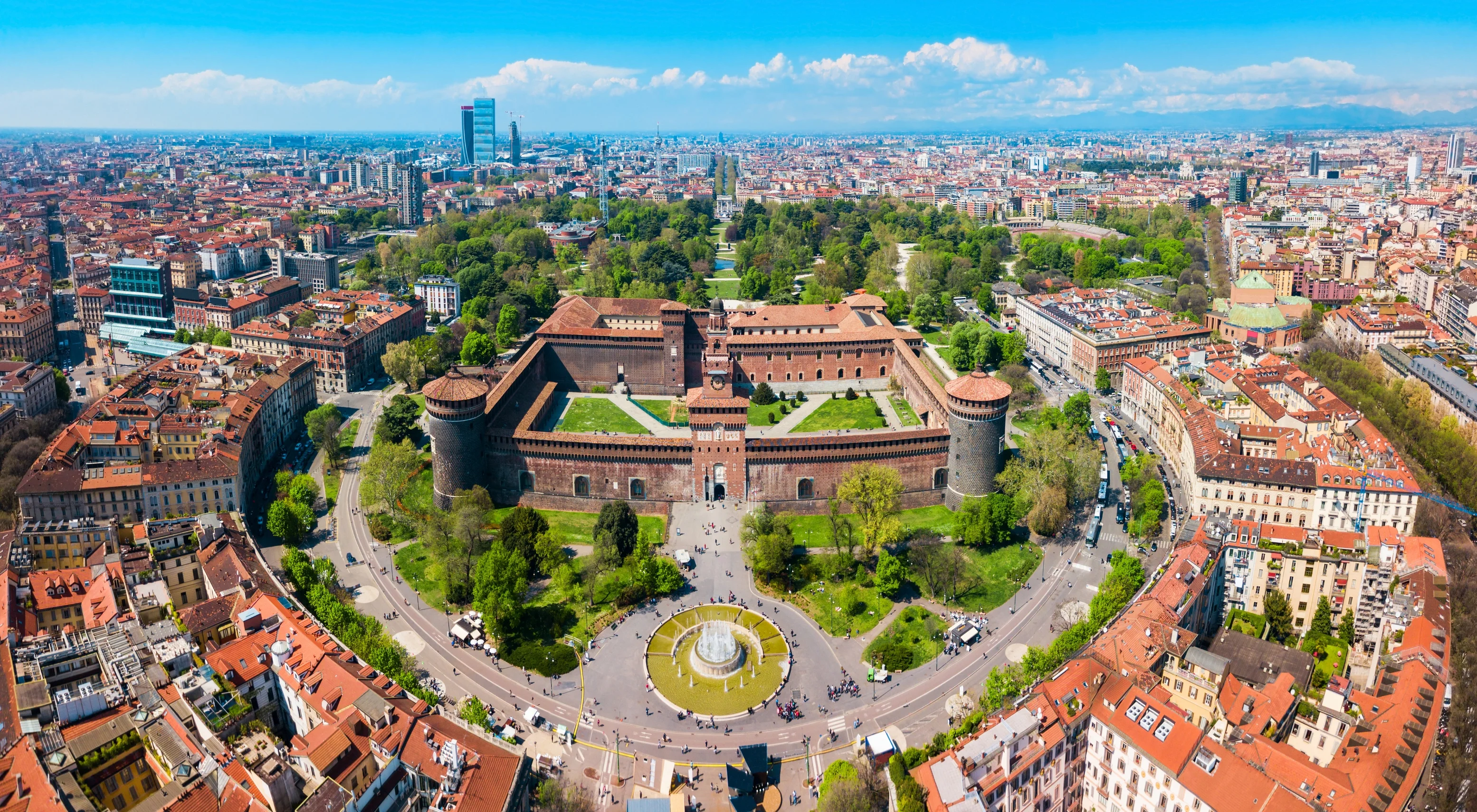
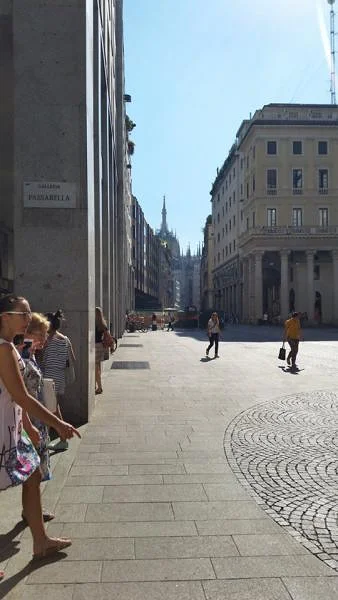
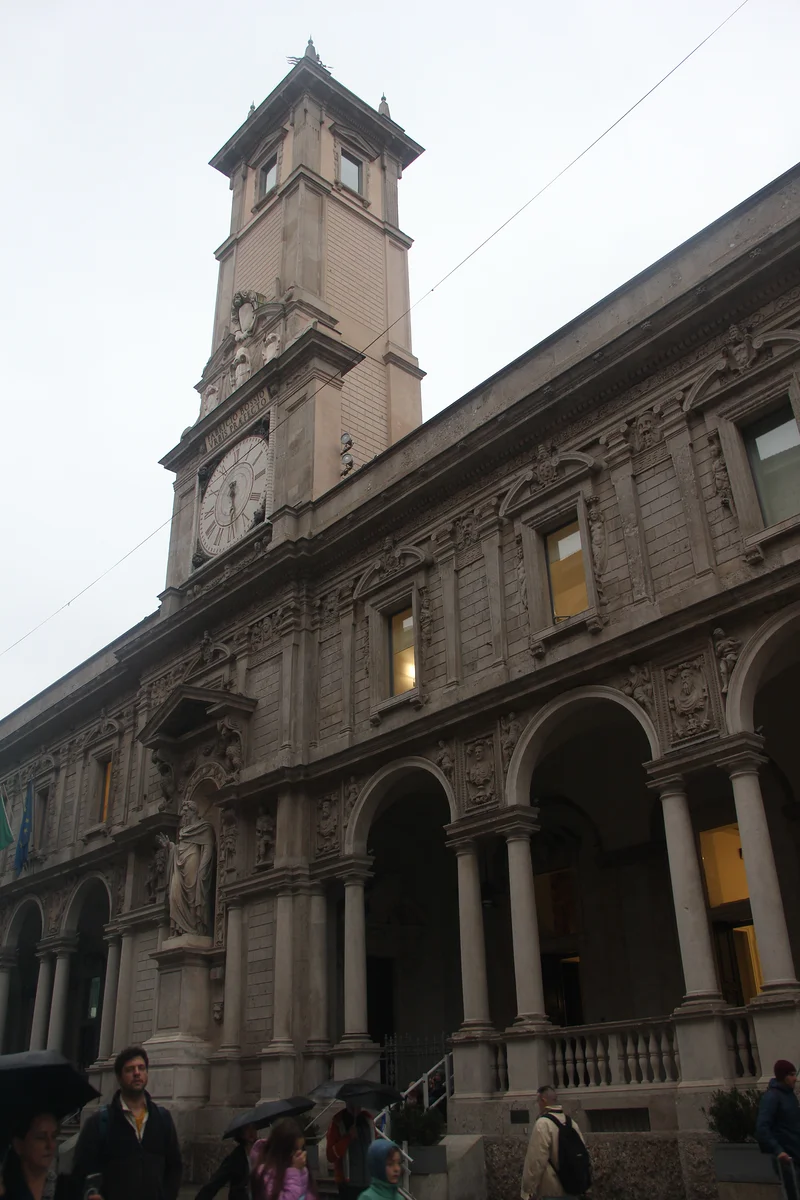
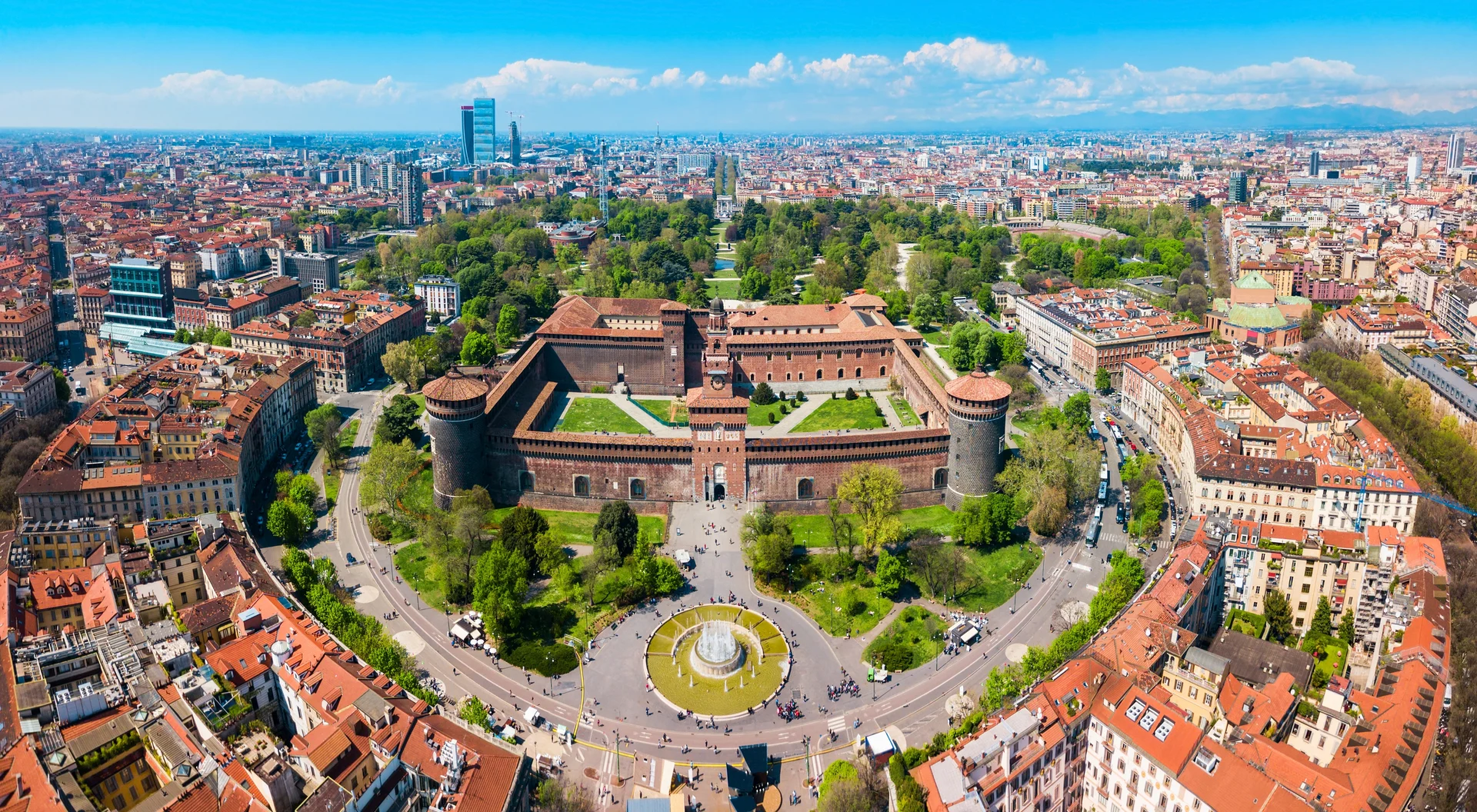
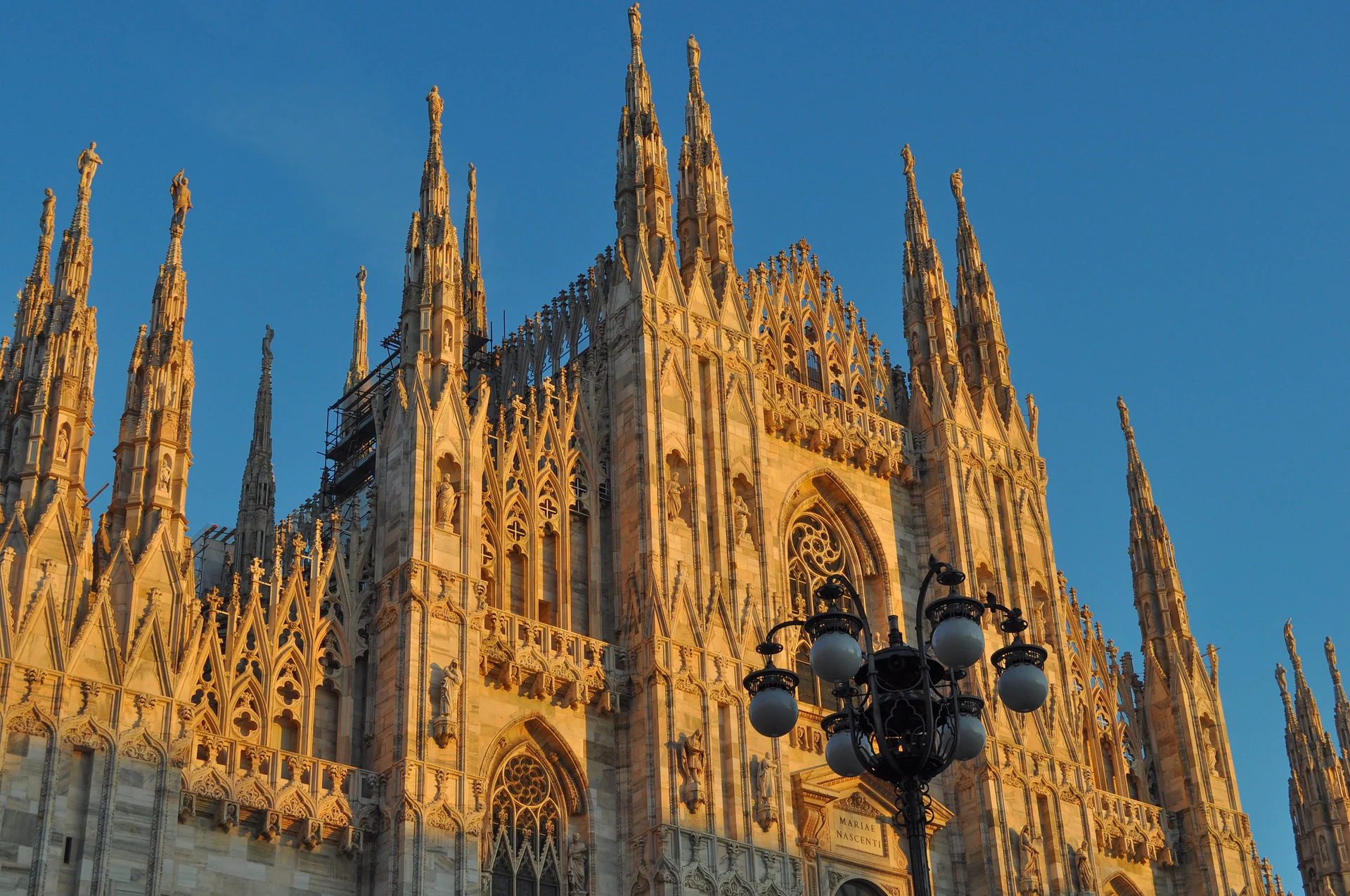
The Milan Cathedral, a massive Gothic cathedral, towers over the city with its slender spires. Head up to the rooftop terraces for a panoramic view of Milan. A few steps away, the Galleria Vittorio Emanuele II stuns with its 19th-century architecture and luxury boutiques. Not far from there, the Castello Sforzesco houses several museums and tells the story of the city's ducal past.
A Lively Arts Scene
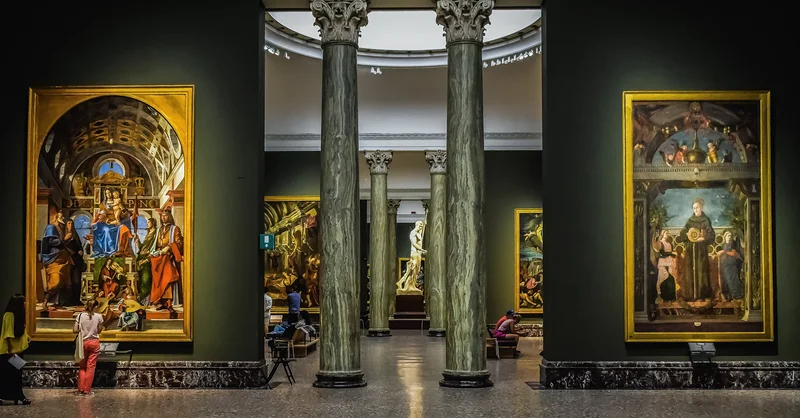
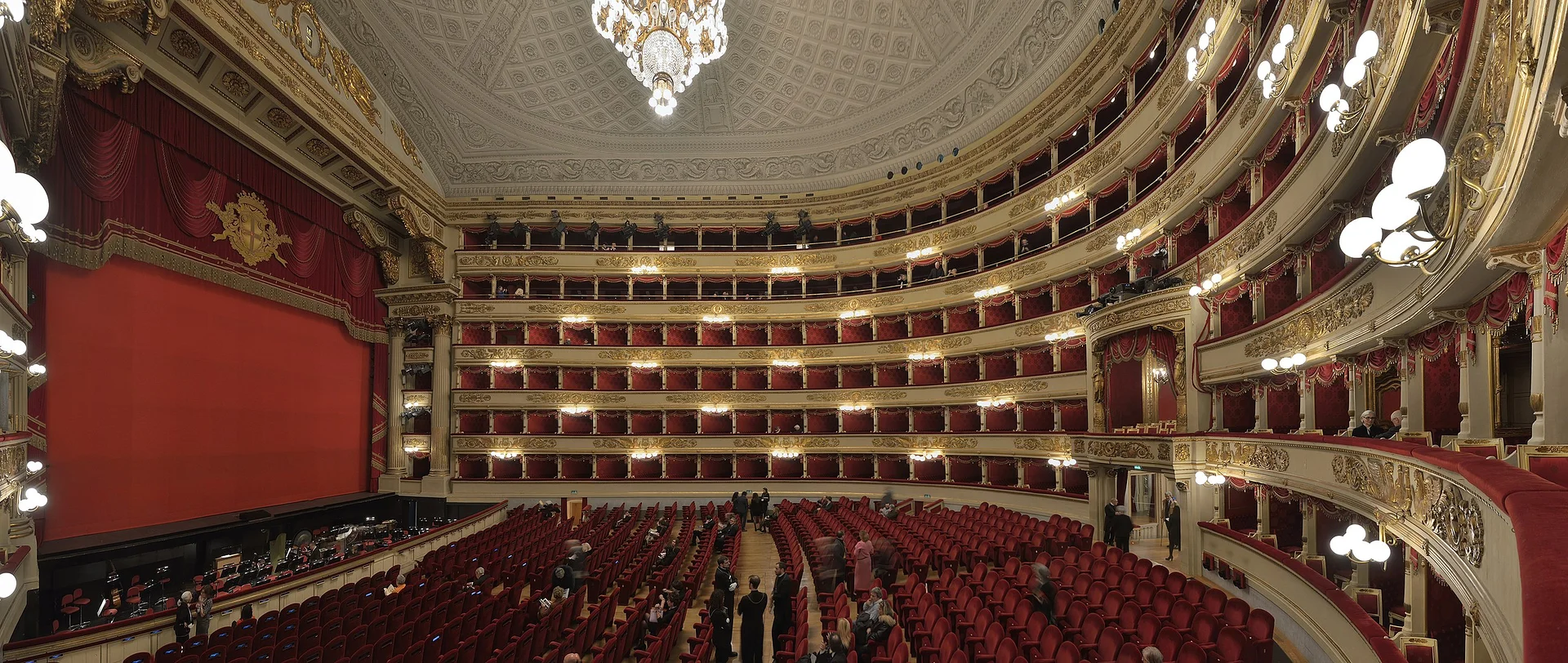
Milan is also a major cultural center. The La Scala is one of the most famous opera houses in the world. Art lovers will enjoy the Pinacoteca di Brera, packed with works by Italian masters. For something more contemporary, the Fondazione Prada stages modern art exhibitions in a bold architectural setting.
Urban Strolls and Lively Neighborhoods
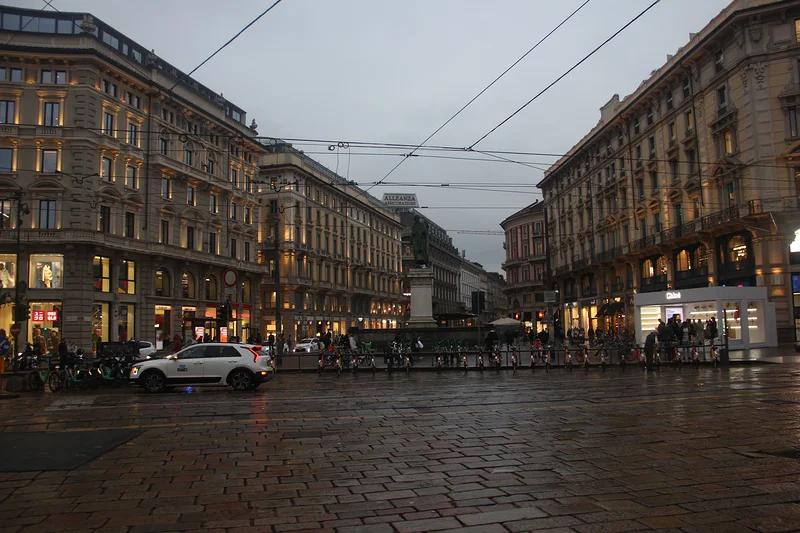
The Navigli district, with its canals lined with cafes and galleries, is ideal for a late-afternoon walk. The Quadrilatero della Moda will thrill shoppers with its designer boutiques. For a more bohemian feel, the Brera neighborhood offers cobblestone lanes, artists' studios, and small restaurants.
Green Spaces and Downtime
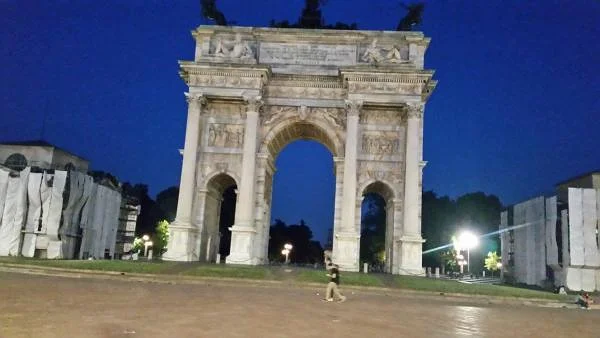
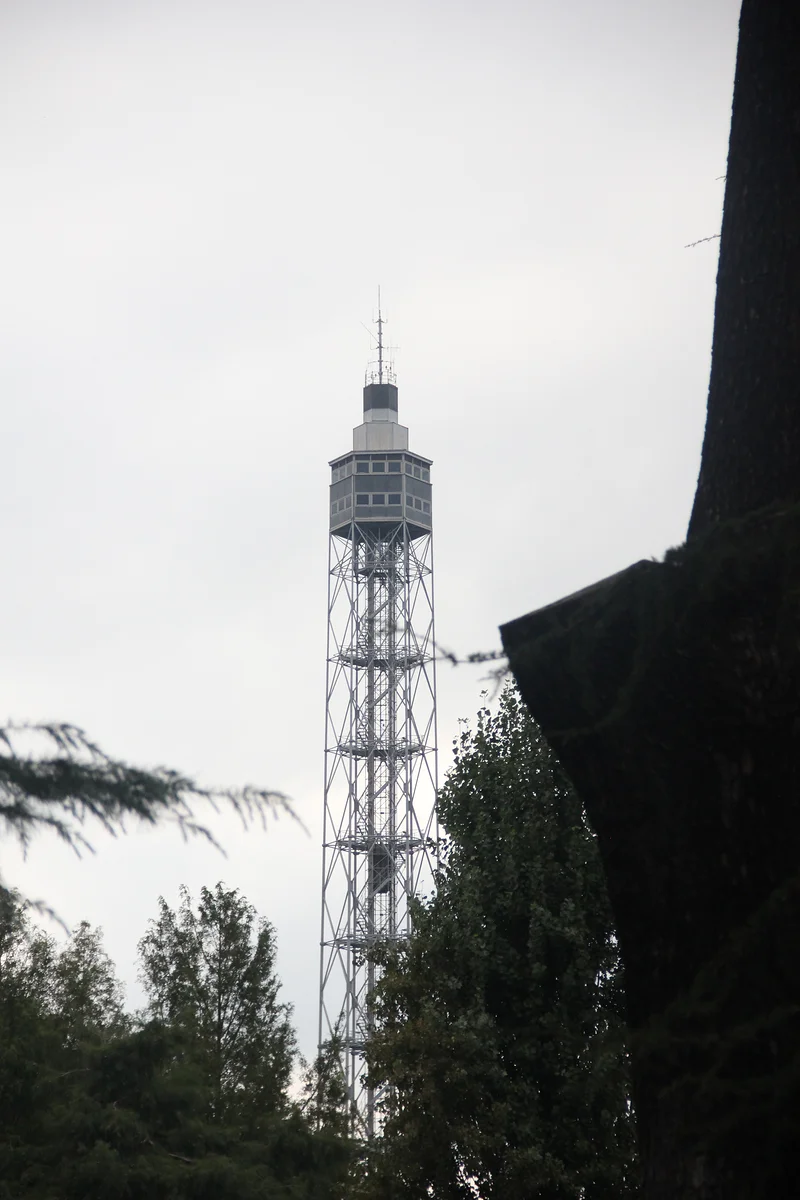
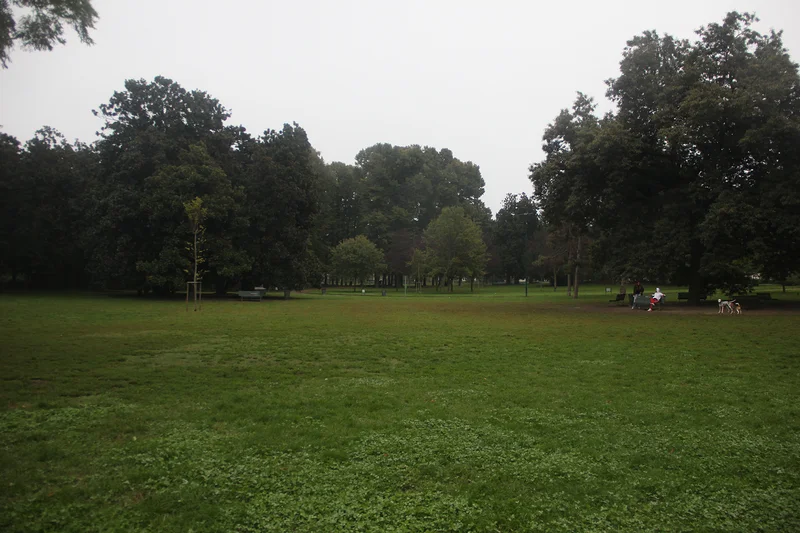
Dense as it is, Milan has some welcome green space. The Parco Sempione, tucked behind the Castello Sforzesco, is a good spot for a break from the city. The Giardini Pubblici Indro Montanelli is another patch of green right in the center of town.
A Cuisine Rooted in Lombard Tradition
Milanese cooking leans rich and hearty. The risotto alla milanese, scented with saffron, is a must. Ossobuco, slow-braised veal shank, is often served alongside it. For dessert, there's panettone, a sweet bread studded with candied fruit, a local specialty that people eat all year, not just at Christmas.
Where to eat
- Trattoria Milanese (Navigli): traditional cooking in a friendly, easygoing atmosphere.
- Ristorante Da Giacomo (Porta Vittoria): elegant setting and refined dishes.
- Osteria del Binari (Navigli): Lombard specialties in a rustic dining room.
- Antica Trattoria della Pesa (Porta Garibaldi): a local institution since 1880.
When to go
Spring (April-May) and fall (September-October) bring pleasant temperatures and thinner crowds. In June, the city hosts Men's Fashion Week, drawing industry insiders and curious visitors from around the world.
How to get there
There are no nonstop flights to Milan from the US East Coast hubs you'd leave from, so the usual routing is via a European hub. Prices are competitive if you book early. Within Europe, the train is also an option: from Paris, connections run via Lyon and Turin and take about 7 hours. A nonstop flight from European hubs like Paris takes about 1 hour and 30 minutes.
How to get around
Milan's public transit is efficient, with a metro, trams, and buses covering the whole city. Still, walking is the best way to get a feel for the different neighborhoods at your own pace.
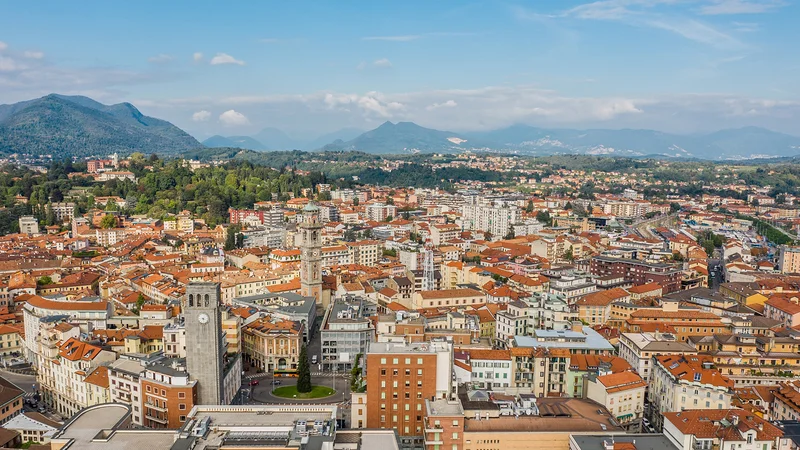
For me Milan is an economic and international metropolis. That might appeal to shopping fanatics and city vibes. I am going to pass, even though you have to give it credit with its fashion boutiques, the remarkable architecture of the Duomo and the beautiful Galleria Vittorio Emanuele. Furthermore, culture is very present between its museums and the famous La Scala theater. I find that there are much more endearing cities in Italy.