
Visiting the Capitoline Museums
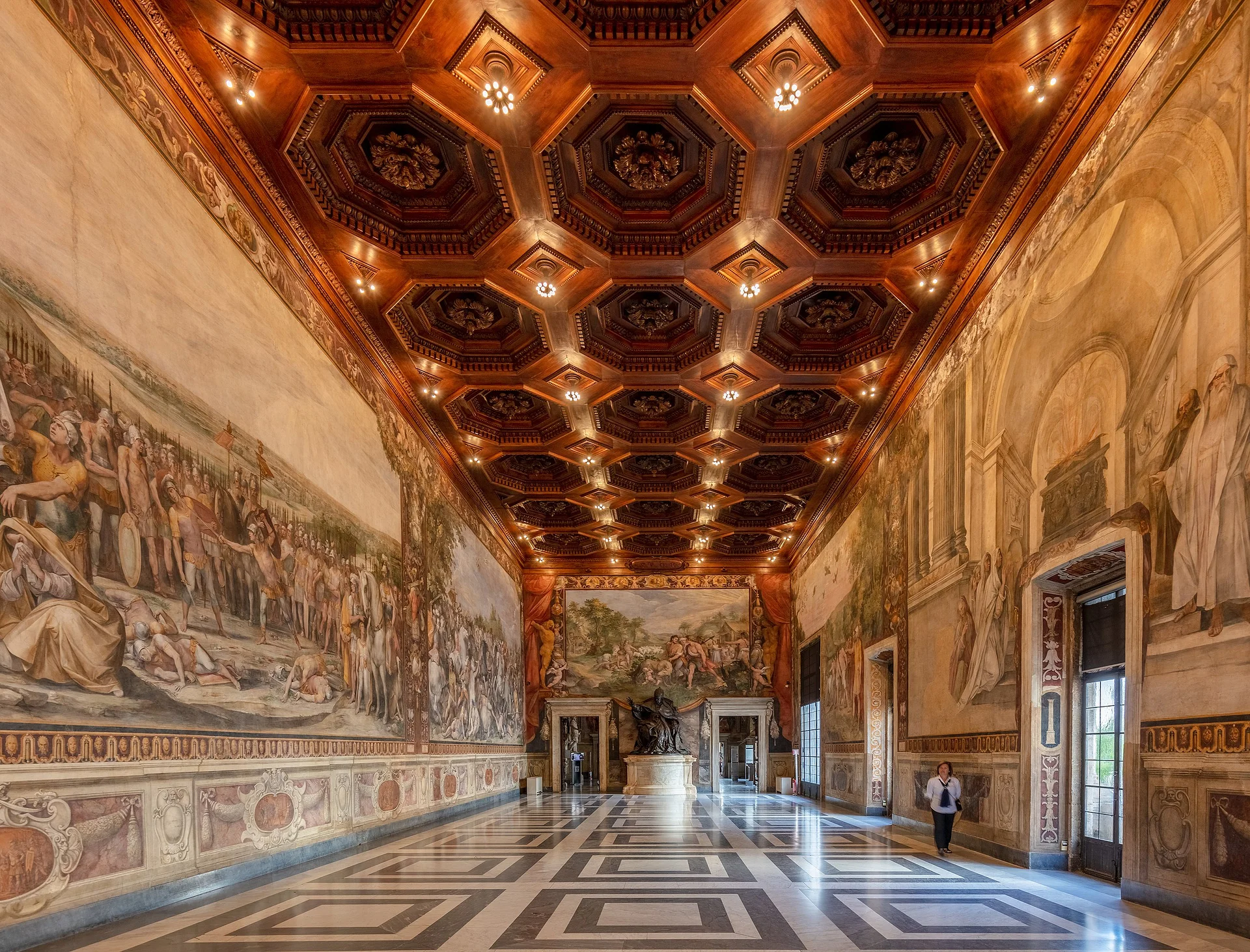
The Capitoline Museums in Rome are celebrated as the oldest public museums in the world. They opened their doors to the residents of Rome in 1734 following a decision by Pope Clement XII. The exhibition space spans 12,977 m². The artworks are distributed across two buildings, the Palazzo Nuovo and the Palazzo dei Conservatori, along with several annexes and an underground gallery dedicated to ancient inscriptions built in the 1930s.
A collection spanning over 500 years
The collection was established in 1471 by Pope Sixtus IV, who displayed a group of ancient bronze statues, including the symbol of the city of Rome, the Capitoline Wolf, an ancient 5th century BC bronze. Gradually, the gallery expanded with new pieces: in 1515, three large high-relief panels depicting scenes from the life of Emperor Marcus Aurelius were added to the collection. The museums also acquired a group of sculptures originating from monumental statues, such as that of Emperor Constantine.
Artworks that bear witness to the artistic genius of Rome
Since their origins, the Capitoline Museums have been dedicated to gathering artworks originating mainly from the city of Rome that bear witness to its history. The Capitoline Picture Gallery, located on the second floor of the Palazzo dei Conservatori, features works purchased in 1750 by Pope Benedict XIV from the Sacchetti marquises and the Pio princes. Eager to preserve the rich heritage of Rome, the pope acquired a collection of paintings by emblematic Renaissance artists.
Finally, when Rome was chosen as the capital of reunified Italy in 1870, objects and relics discovered during excavations tied to the construction of new neighborhoods gradually joined the collections of the Capitoline Museums.
Opening hours
| Monday | 09:30-19:30 |
|---|---|
| Tuesday | 09:30-19:30 |
| Wednesday | 09:30-19:30 |
| Thursday | 09:30-19:30 |
| Friday | 09:30-19:30 |
| Saturday | 09:30-19:30 |
| Sunday | 09:30-19:30 |
*Information subject to change

Superb museum that you shouldn't miss. Very beautiful statues, all in a magnificent setting.
A lot fewer people than at the Vatican, but just as many beautiful works.