
Visiting Turin: Piedmontese Elegance and Understated Charm
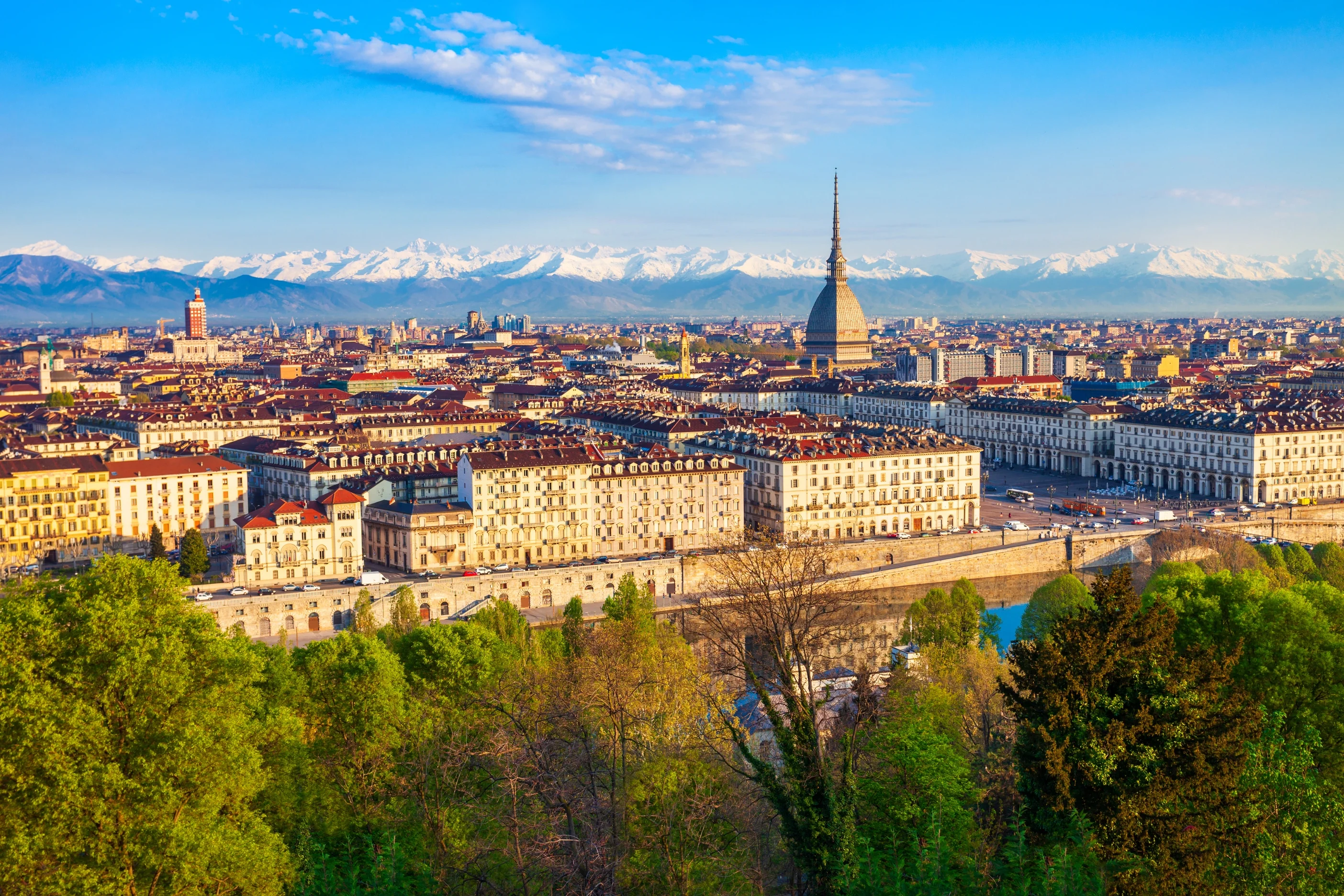
Turin has none of the crowds of Rome or Florence, and that is half the appeal. The capital of Piedmont greets you with quiet elegance and a deep cultural heritage: Baroque palaces, major museums and historic cafés where the waiters have seen it all. Because fewer travelers make it here than to Italy's other big cities, you get a more authentic version of the country, one that blends history, food and everyday style. And on a clear day, the Alps rise at the end of the avenues, closing the perspective of streets laid out on a Roman grid.
A Historic Center Steeped in History
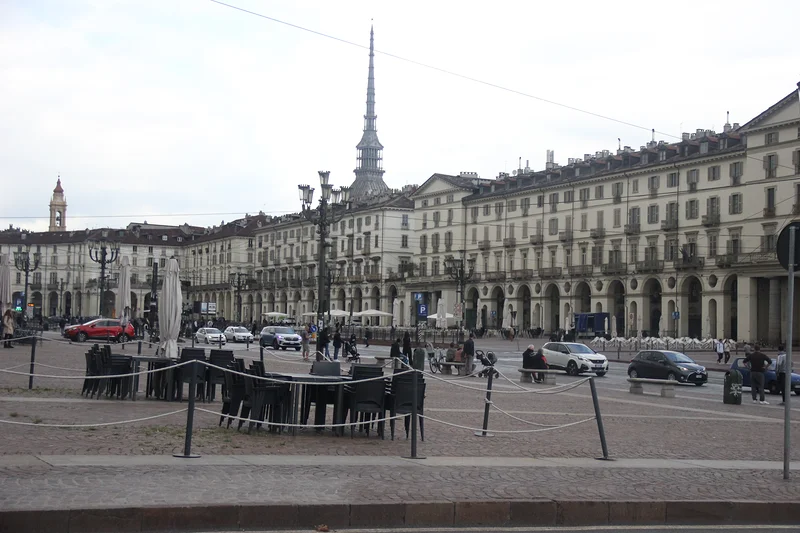
Turin's center is elegant and laid out on a tidy grid, a legacy of the House of Savoy. Piazza Castello is the best place to start for the main landmarks, including the Palazzo Reale, the former royal residence, and the Palazzo Madama, an odd and fascinating mix of medieval and Baroque architecture. A little farther on, Via Roma makes for a pleasant stroll past arcades, luxury boutiques and period cafés.
Top-Tier Museums
Turin is home to one of Italy's most unusual museums: the Egyptian Museum, the second largest in the world after the one in Cairo. It is worth a visit even if you're no Egyptology buff. The National Museum of Cinema, housed inside the Mole Antonelliana, the building that serves as the city's emblem, is a playful, immersive trip through the history of film. Don't skip the GAM, the modern and contemporary art gallery, a good option when you want a cultural break.
Strolls and Cafés in the Shade of the Porticoes
With more than 18 km of arcades, Turin is made for wandering, even when it rains. The Quadrilatero Romano neighborhood wins you over with its lively lanes, antique dealers and trendy bars. From there, you can head up to the Gran Madre di Dio, a church perched on the right bank of the Po, and continue to the Monte dei Cappuccini for a great view over the city.
A Green, Airy City
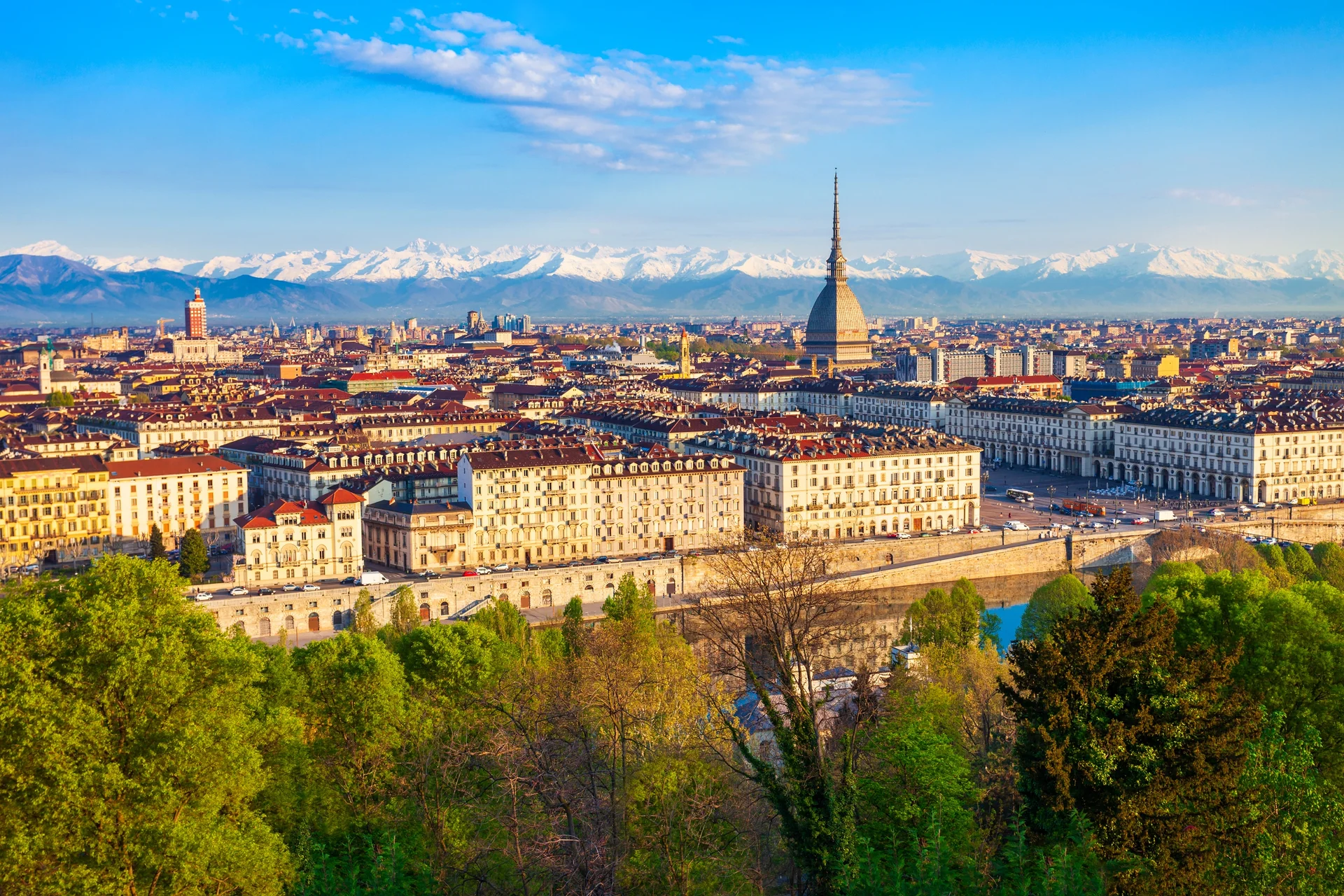
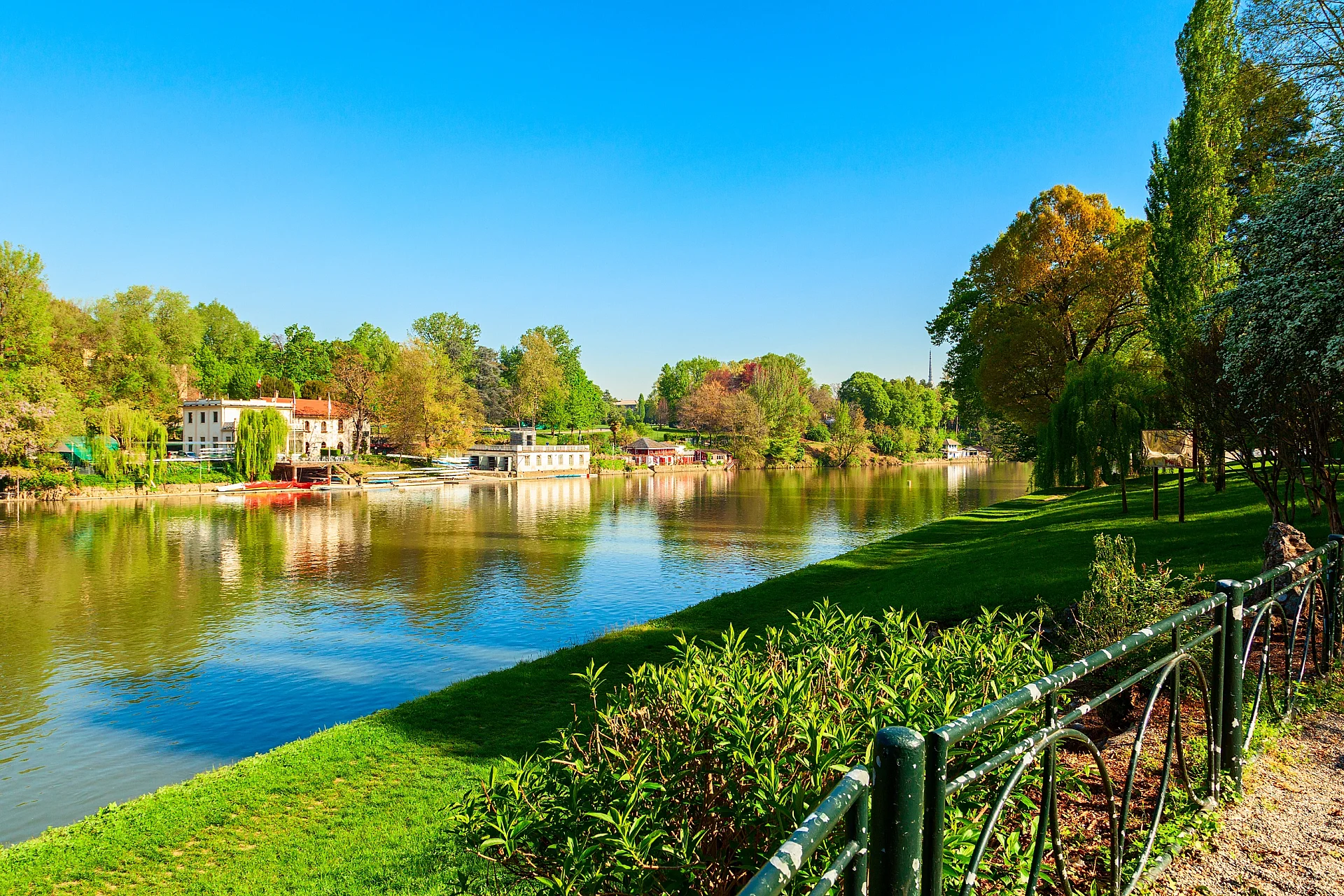
Despite its reputation as an industrial town, Turin has plenty of green space. The Parco del Valentino, along the Po, is a popular spot for relaxing or going for a run. It holds a botanical garden and a surprising reconstructed medieval village, built for an exhibition in the 19th century. The Parco della Rimembranza, up on the hill, gives you a sweeping panorama of the city and the Alps.
The Taste of Piedmont: Refinement with Character
Turin's cooking reflects the rich, earthy flavors of Piedmont. Two specialties take pride of place: vitello tonnato (cold sliced veal under a tuna sauce) and agnolotti (small stuffed pasta). On the sweet side, Turin is the home of gianduja, a chocolate and hazelnut paste (the ancestor of Nutella), and of the bicerin, a hot drink layering chocolate, coffee and cream, best tried in one of the historic cafés.
Where to eat
- Tre Galline (Quadrilatero Romano): a local institution serving traditional Piedmontese dishes in a warm setting.
- Porto di Savona (Piazza Vittorio Veneto): a historic address known for its antipasti and homemade agnolotti.
- Scannabue (San Salvario): a contemporary bistro combining local recipes with modern touches.
- Caffè Al Bicerin (Centro): an elegant little café, perfect for a bicerin alongside something sweet.
When to go
Spring and early fall are the most pleasant times to see Turin, with mild temperatures and flattering light. Winter, sometimes foggy, has its own charm, especially around the holidays. In November the city hosts Cioccolatò, a festival devoted to chocolate in every form.
How to get there
Most US travelers reach Turin by connecting through a European hub such as Frankfurt, Munich or Zurich, then flying into Turin-Caselle Airport, or by taking a train from Milan, a roughly 1-hour-to-1.5-hour ride. There is no need to rent a car. Inside Italy and the neighboring countries, buses are also an inexpensive option, with several companies running regular routes.
How to get around
Turin is easy to explore on foot, at least in the center. For longer trips, an efficient network of trams and buses makes getting around simple. Bike-share bikes are also available for exploring the parks and the banks of the Po.
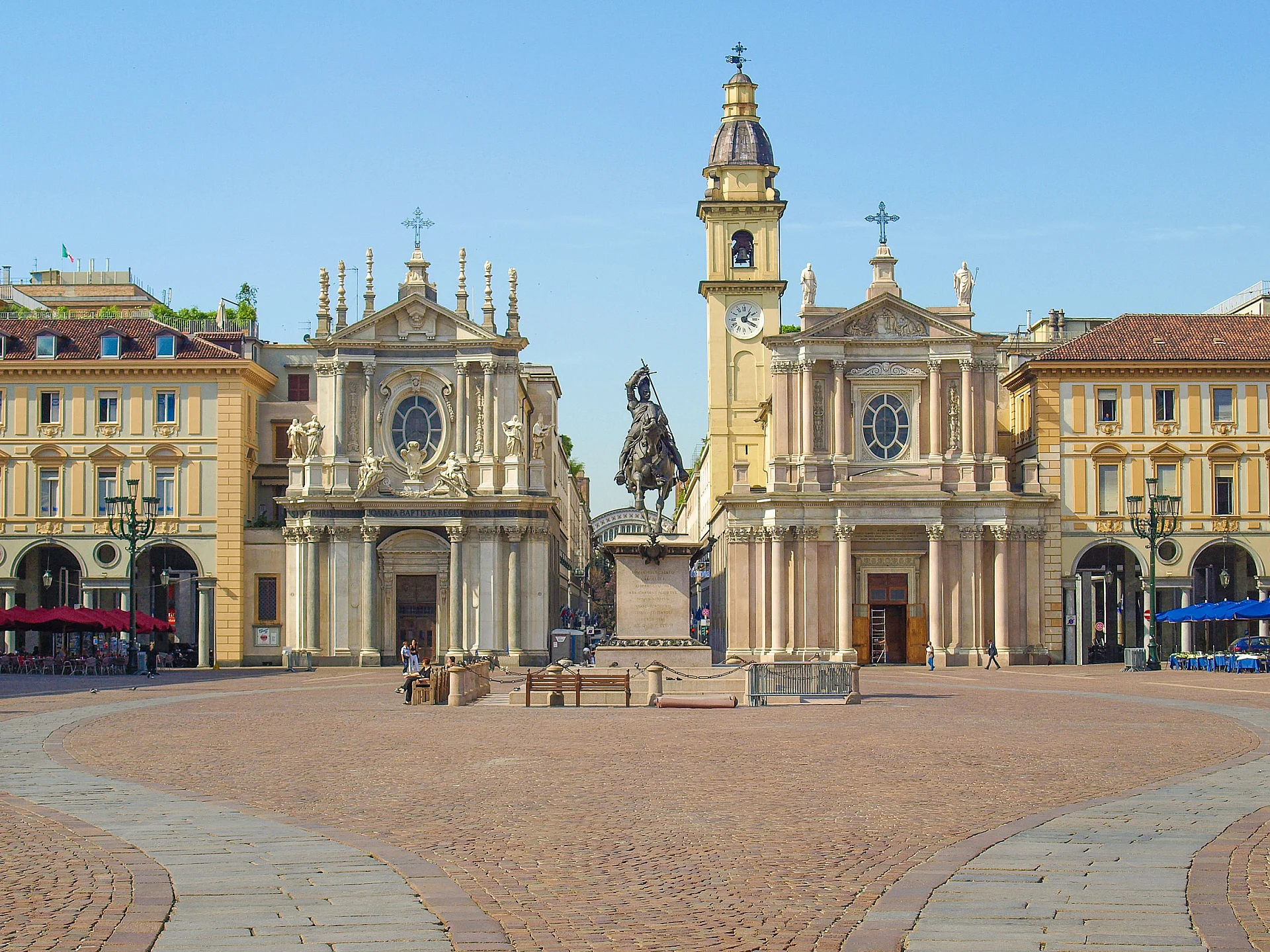
I hadn't planned on going to Torino, but my little 4-day detour was totally worth it. It's a city that shines with its rich architecture. Longtime capital of unified Italy as well as the Kingdom of Savoy, it managed to keep moving forward thanks to the automotive industry. I loved the architecture, the food, and the super friendly people. I'd gladly go back. A great discovery.