
Visiting Guillestre
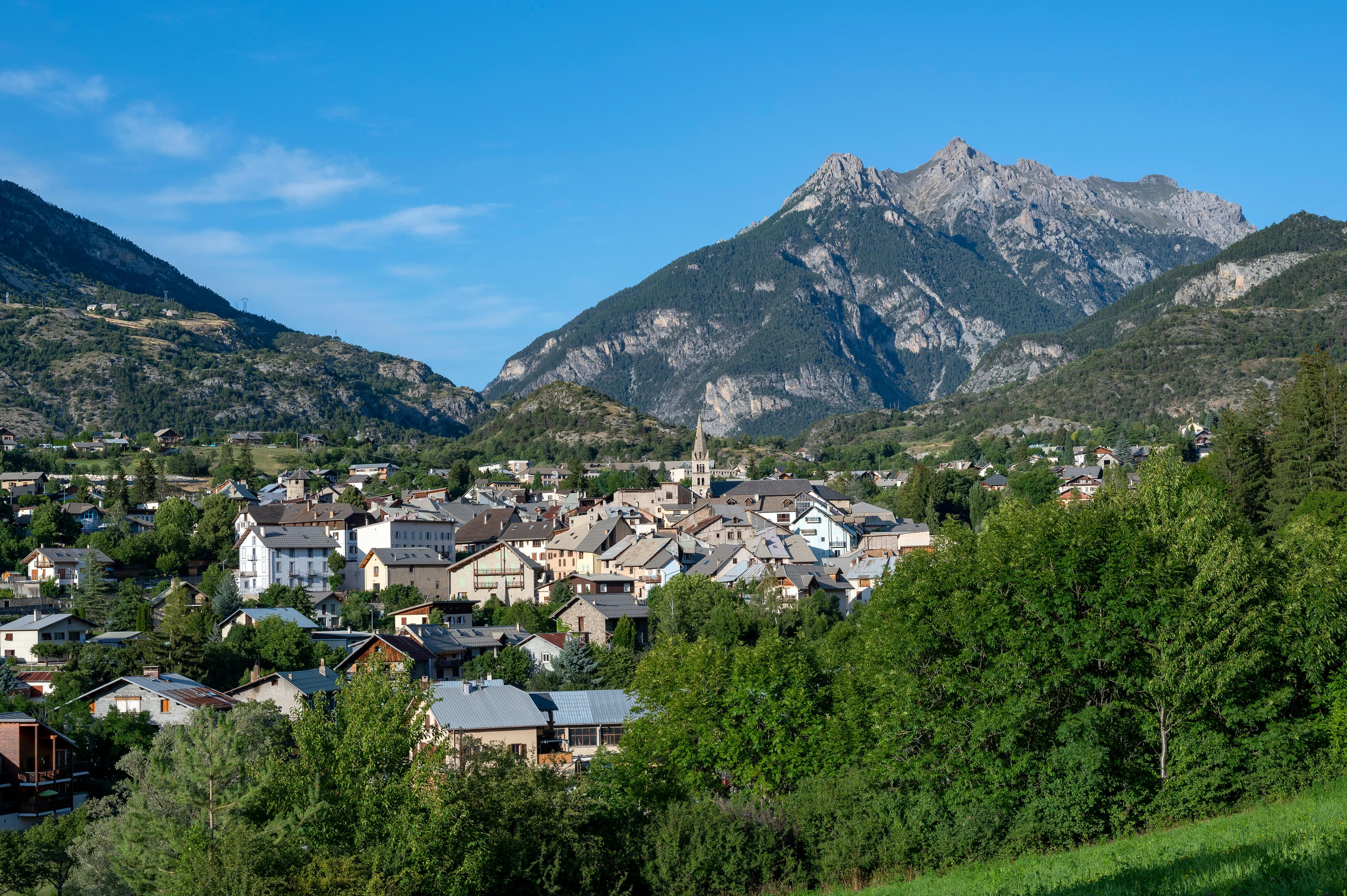
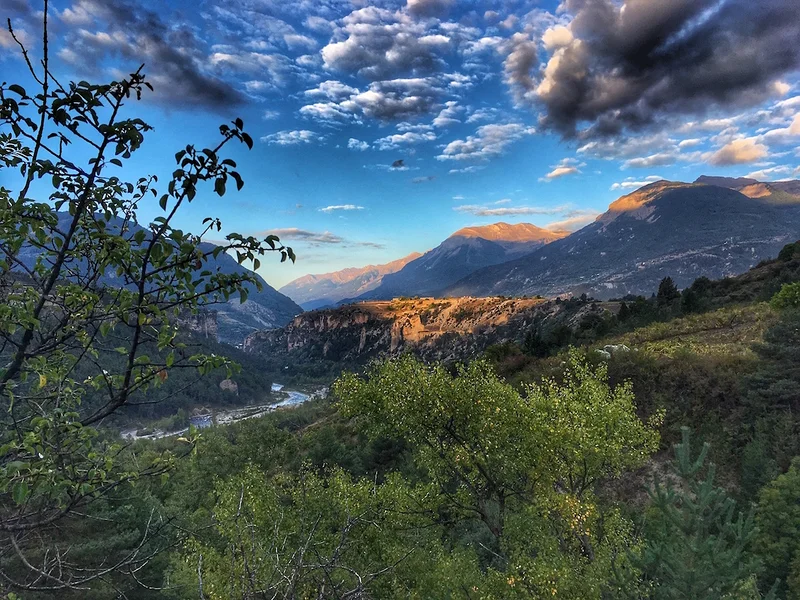
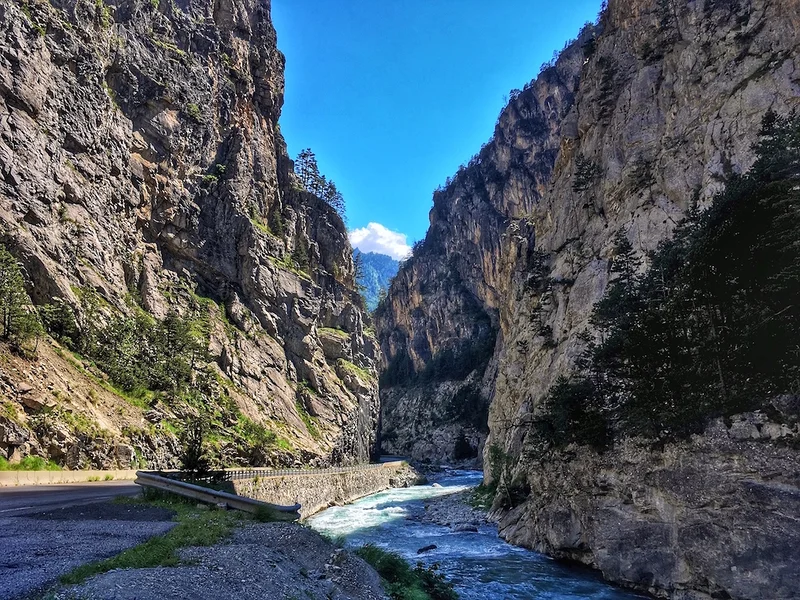
Located in the heart of the Hautes-Alpes (Provence-Alpes-Côte d'Azur), the town of Guillestre occupies a prime position tucked between two natural parks, the Écrins and the Queyras. Travelers come here for a change of pace and to explore this designated town of Art and History.
A breath of fresh air in nature
Guillestre is defined by its natural surroundings, which draw visitors from across southeastern France throughout the summer. Two major long-distance hiking trails, the GR5 and GR58, pass through the area. For a more family-friendly outing, the Sentier des Marmottes (Marmot Trail) is a local highlight. This path is part of the Natura 2000 network and is best explored from May to October. A large colony of marmots lives in the immediate vicinity and is easy to spot, much to the delight of kids and adults alike. Educational signage along the way explains the habits and distinct whistling calls of these animals.
Nearby, the plan d'eau d'Eygliers is a popular swimming spot during the summer months. It is a recreational area where you can picnic, fish, go kayaking, or take a horseback ride.
The plan de Phazy is another essential stop in Guillestre. This site features a natural hot spring that sits at an altitude of 900 meters (about 2,950 feet) with water temperatures around 28 degrees Celsius (82 degrees Fahrenheit). Entry to these four pools, known for their therapeutic properties, is free. A short distance away in Réotier, you can see the unusual Fontaine Pétrifiante (Petrifying Fountain).
Remarkable architecture
Take time to wander through the streets of Guillestre before heading into the mountains. Ruelle Sainte-Catherine, which begins at the main square, features beautiful pastel-colored facades with details dating back to the 18th century. Don't miss the église Notre-Dame-d'Aquilon, built in the 16th century using the town's signature pink marble. It is a registered historic monument, noted for its Romanesque bell tower and a Gothic porch framed by lion statues. Right next door, the chapelle Saint-Sébastien is known for its trompe-l'oeil murals. From there, head up to the fort de Mont-Dauphin, a UNESCO World Heritage site designed by Vauban. It overlooks the entire valley and offers a panoramic view. This defensive complex was never defeated in battle. It is worth visiting with a guide to fully appreciate the intricacies of its design and history, especially during the festivals and events held there throughout the year.
When to go
The best time to visit Guillestre is during the warmer months to take advantage of the swimming and hiking. Winters here can be quite cold. If you are traveling with children, try to time your visit for the Potes de Marmots festival held every August, which features various performances, activities, and workshops for younger audiences.
How to get there
The town is served by train via the Mont-Dauphin - Guillestre station. Regional TER trains connect it to Valence, which is easily accessible by TGV from major French cities. You can also arrive by car (a 2 hour and 45 minute drive from Marseille, or 4 hours from Nice).
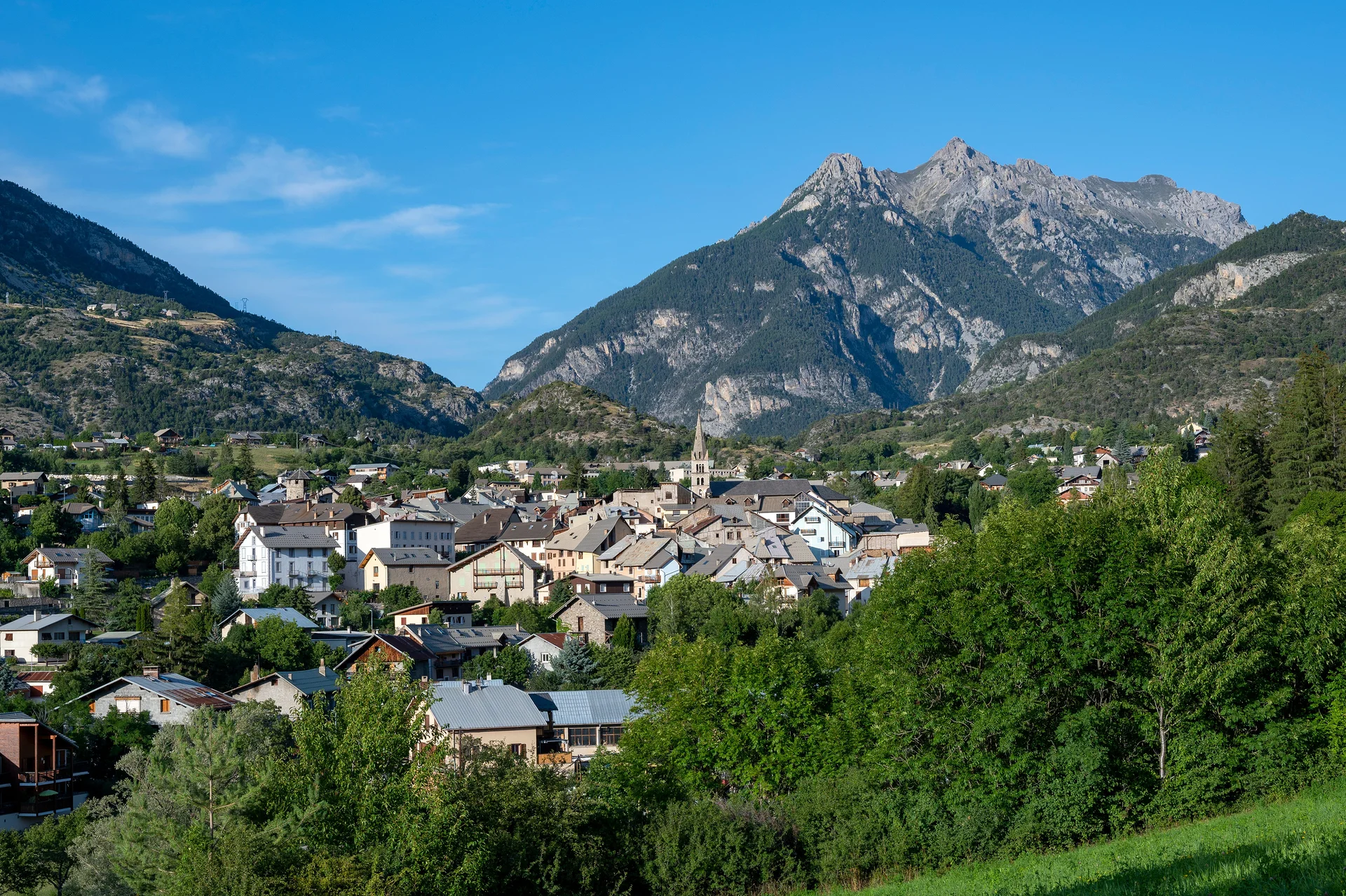
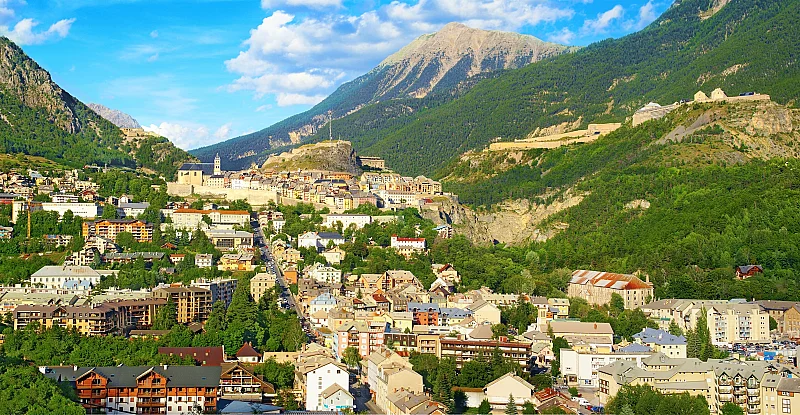
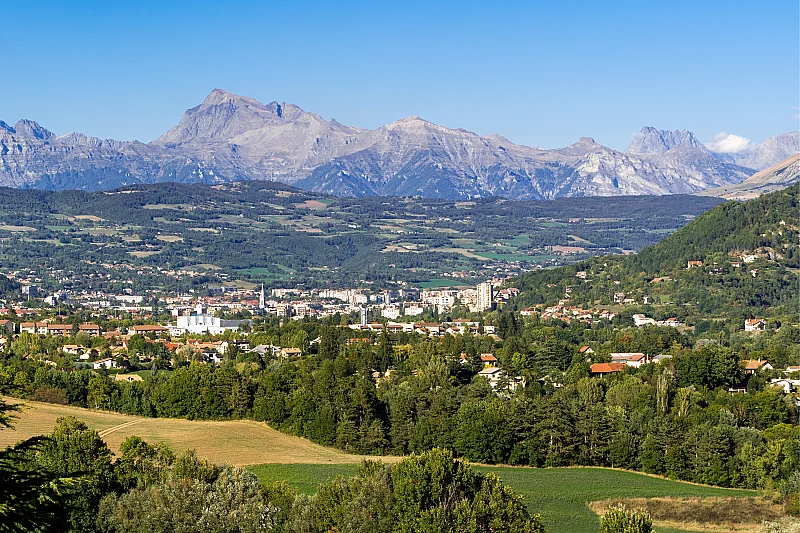
Guillestre is a practical village, and I appreciated its location near the Queyras. The town is remarkable with its typical architecture and imposing church, so take the time to wander through its narrow streets. I loved how rich its market is and the lively atmosphere here during the nice weather. It is a very pleasant stopover village. That said, you would not stay for more than a few nights.