Visiting Courchevel
Did you know that Saint-Bon-Tarentaise no longer exists as an independent town? It merged in 2017 with La Perrière to form the new municipality of Courchevel. Local officials likely wanted to make it easier for people to associate the area with the famous Courchevel ski resort. Even so, old habits die hard, and plenty of people still refer to Saint-Bon-Tarentaise or La Perrière as distinct villages.
Winter activities
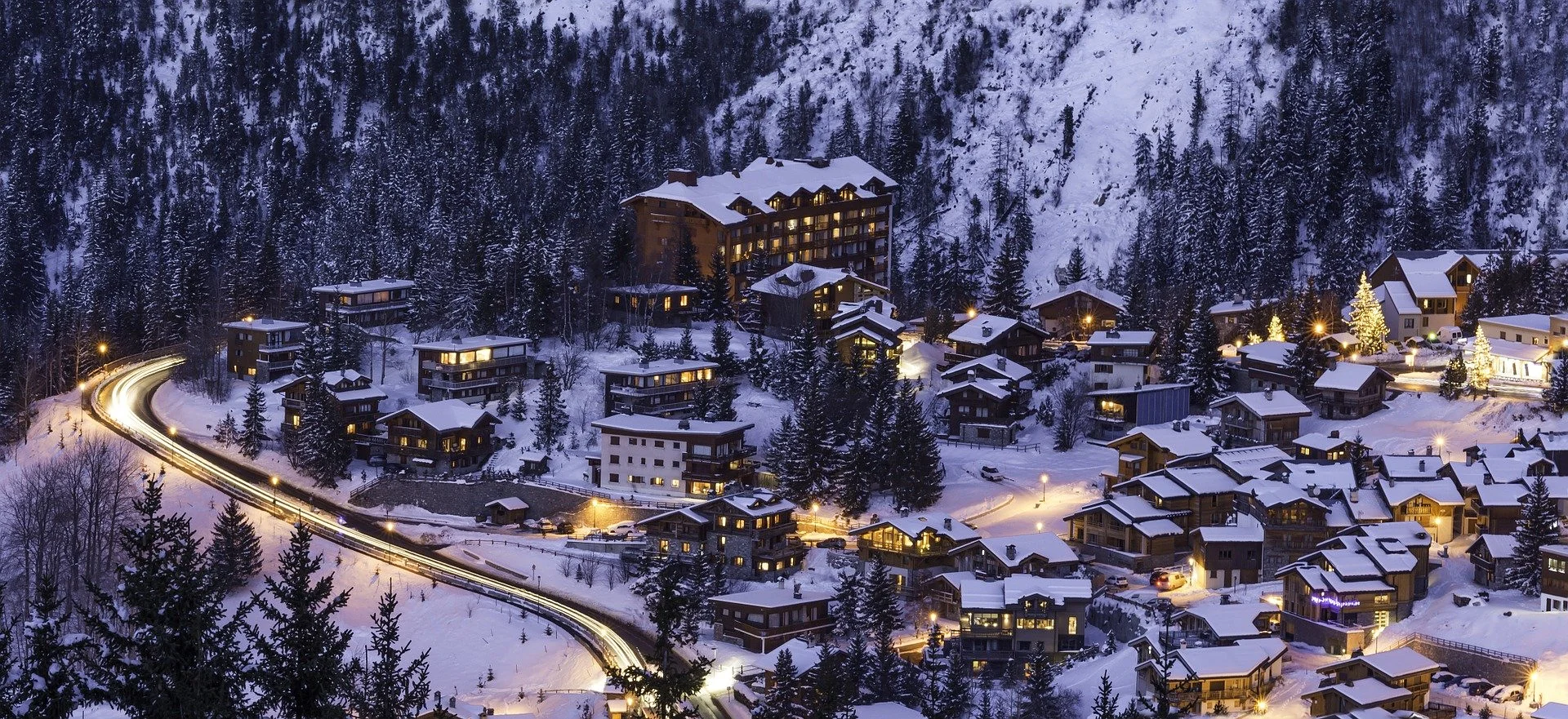
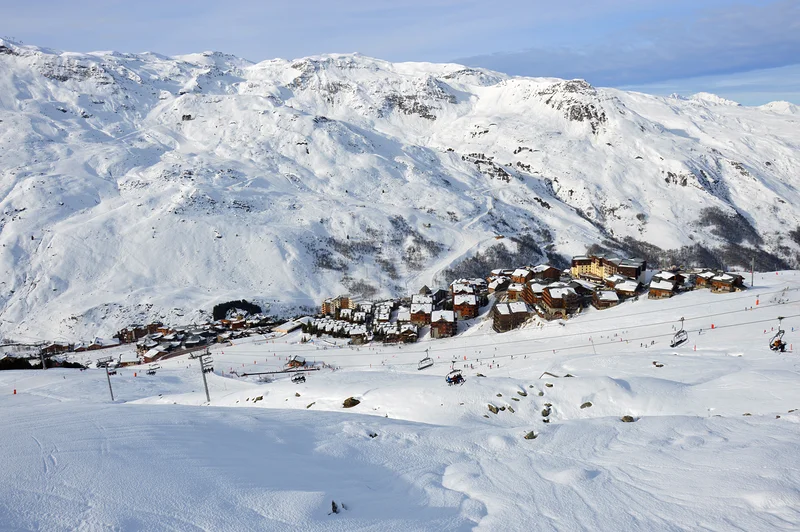
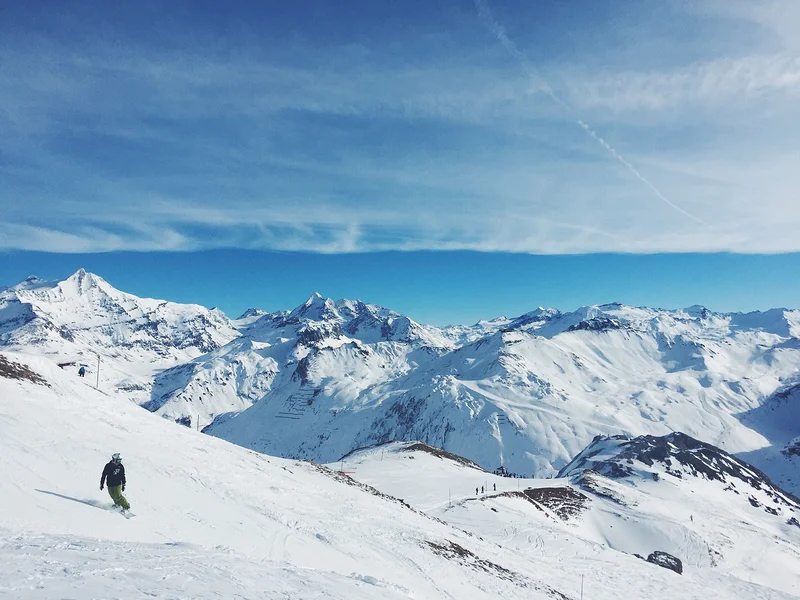
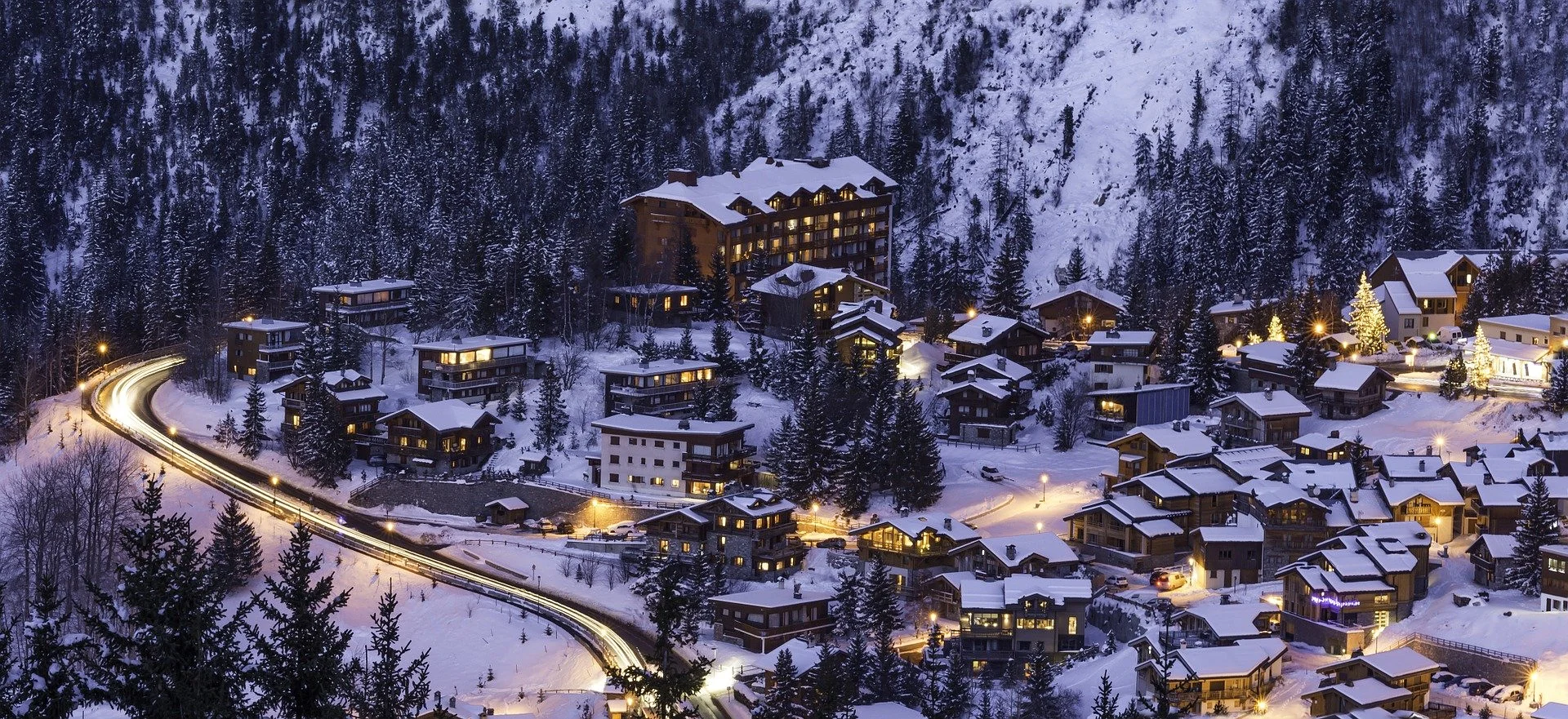
Sitting at an altitude of 1100 metres, Courchevel draws the heaviest crowds in the dead of winter. The village offers plenty of lodging for travelers looking to hit the slopes. The Courchevel sector alone offers 150 kilometres of alpine runs, within Les 3 Vallées, the largest ski area in the world, while the Nordic ski trails add another 66 kilometres. Many trails wind through the forest, creating a quiet atmosphere framed by snow-covered trees. Snowboarding and other mountain sports are also widely available. From the hamlet of Saint-Bon-Tarentaise, a free 20-minute shuttle bus takes you straight to the heart of the ski area.
Summer activities
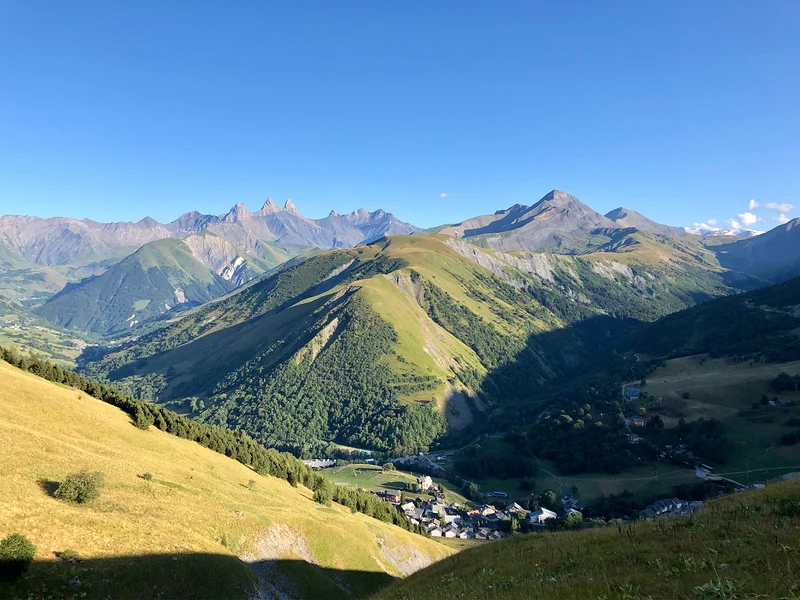
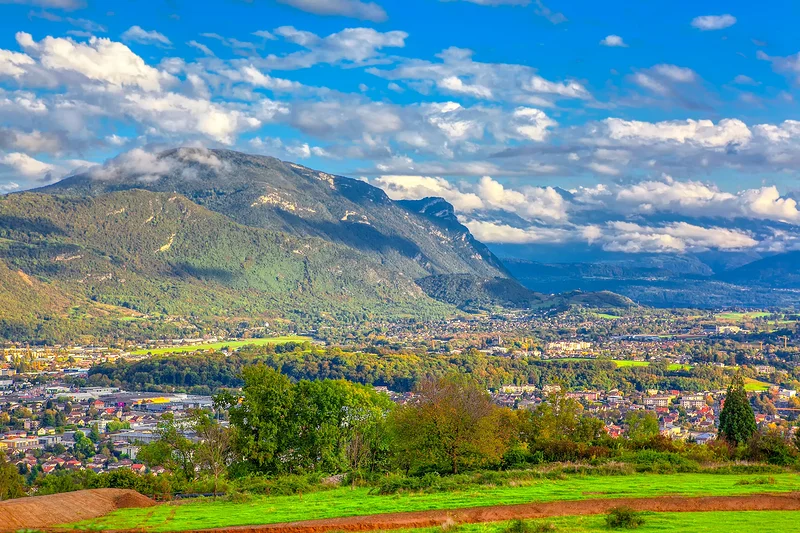
Courchevel holds its own during the warmer months too. The municipality sits inside the Vanoise National Park, the very first national park established in France during the 1960s. This protected landscape shelters a diverse mix of wildlife, including ibex, marmots, foxes, chamois, and black grouse. Twenty-one plant species are protected here, with three classified as rare. That makes it prime territory for hiking, especially if you want to spot wildlife. Beyond casual walks, local mountain guides based in Courchevel lead alpine climbing and high-altitude excursions. Mountain biking is another great option for adventurous athletes.
Cultural heritage
Saint-Bon-Tarentaise packs plenty of visual appeal, with close to 50 buildings protected for their architectural significance. That includes numerous chalets and grand vacation homes known for their craftsmanship. The baroque Saint-Bon church and the Notre-Dame-de-l’Assomption chapel in Courchevel are worth a stop for architecture fans. Wander through the village streets to spot historical remnants like an old brandy still, a traditional village bakehouse, and a flour mill.
You can also explore the neighboring hamlets of Le Praz and Moriond, which now fall under the Courchevel umbrella.
When to go
As mentioned above, Saint-Bon-Tarentaise stays active year-round. Summer and winter stand out as the peak seasons with the most amenities open to visitors. You can also visit in the spring if you prefer to experience the village in a quieter setting.
How to get there
Getting to Saint-Bon-Tarentaise is tough without a car, sitting about 2 hours and 10 minutes from Lyon or 1 hour and 25 minutes from Grenoble. If you are flying in, your best bet is landing in Lyon or Geneva. From there, take a train to the Moûtiers station, followed by a bus or shuttle up to Saint-Bon-Tarentaise.