
Turin Cathedral: Guardian of the Greatest Christian Mystery
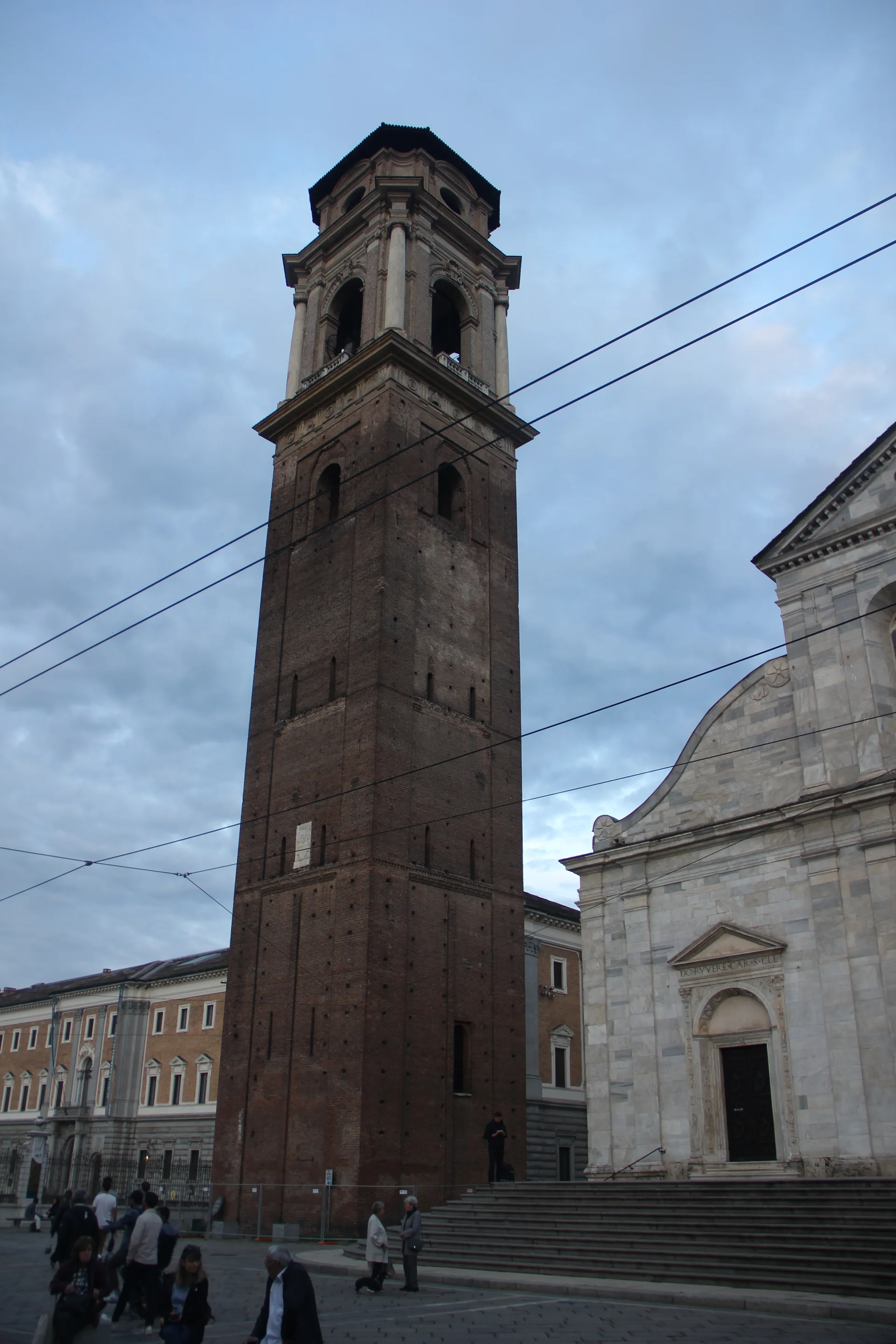
A facade of pristine white marble stands in sharp contrast to the ochre tones of surrounding buildings in Turin. Three Renaissance portals lead you into the only architectural relic of that era remaining in Turin. Yet, visitors do not flock here for the clean lines of the architecture. They come for what rests behind the high altar: a relic that fascinates and divides in equal measure, the Shroud of Turin.
Why is the Cathedral of Saint John the Baptist a must-visit?
Built between 1491 and 1498 on the site of an ancient Roman theater and three early Christian churches, this cathedral chronicles a millennium of local history. It is dedicated to Saint John the Baptist, the patron saint of the city, and remains tied to the House of Savoy, which transformed the space into a royal sanctuary.
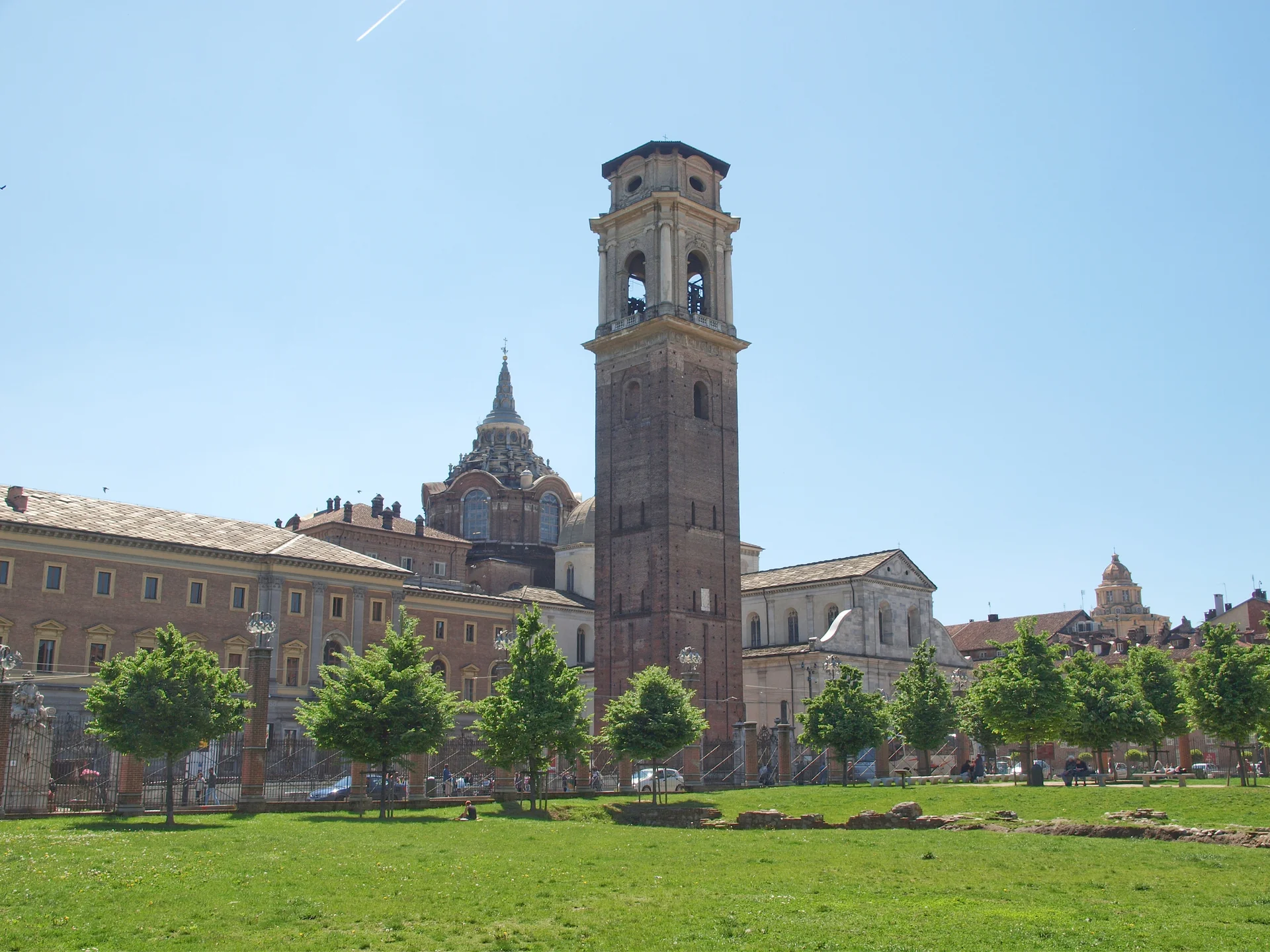
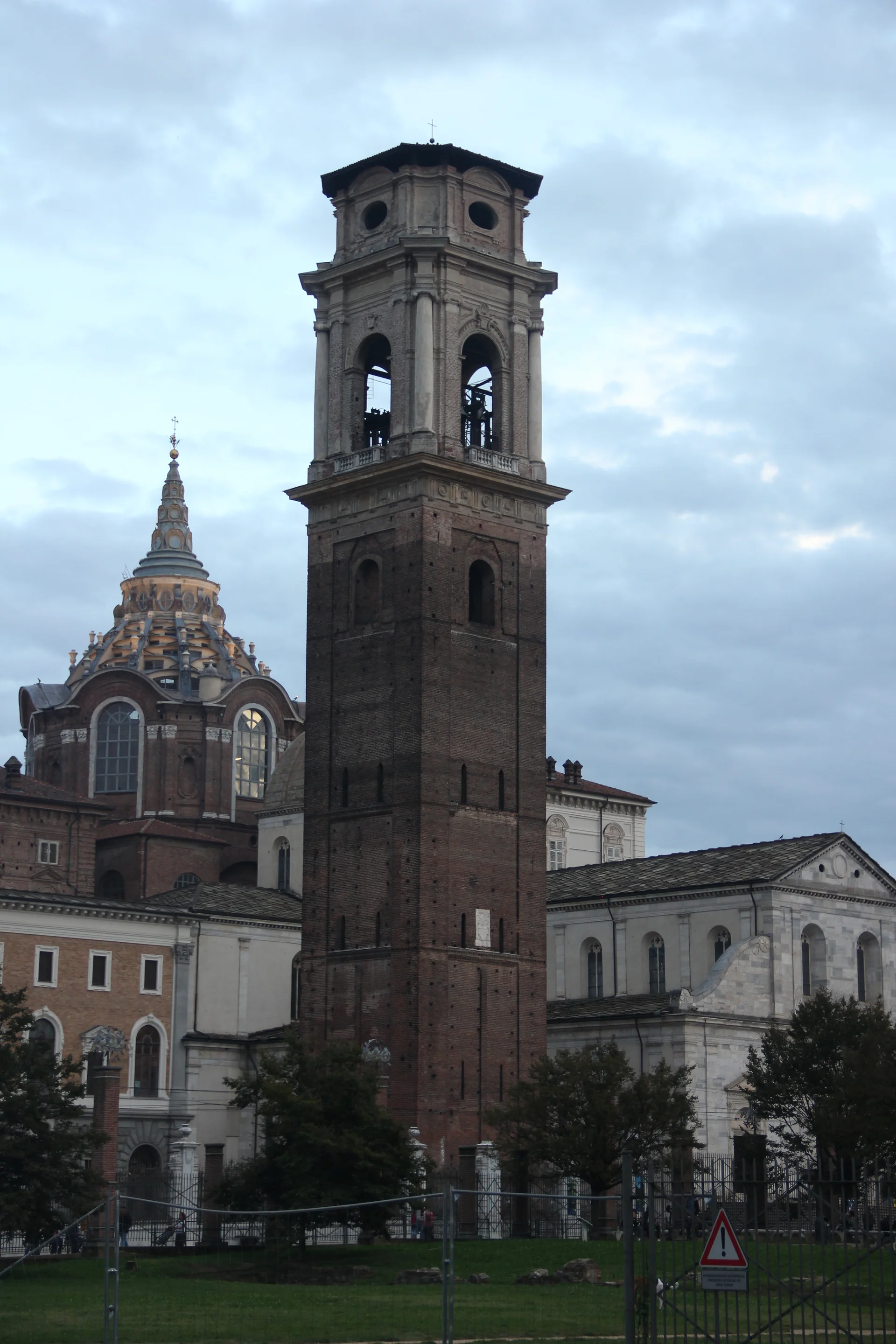
The structure follows a Latin cross plan with three naves and Gothic decorative touches. The red brick bell tower was finished by 1469, even before the cathedral itself, and was later heightened in 1720 by architect Filippo Juvarra. However, the cathedral underwent its most dramatic shift in the 17th century with the addition of the Chapel of the Holy Shroud by Guarino Guarini.
The Chapel of the Holy Shroud: A Baroque Masterpiece
Between 1668 and 1694, Guarini designed a space that seems to defy physics. The chapel sits between the cathedral and the Royal Palace, reached by two symmetrical staircases that descend into a dim, black marble atmosphere. Each step feels like a departure from the world outside.
Then, light floods in. Guarini's dome rises like a tunnel toward the heavens. Interlaced arches create a lace-like effect of stone and light, symbolizing the ascent from earth to sky and from death to resurrection. A floor scattered with bronze stars draws your eyes toward this dizzying cupola, which looks like nothing else in the world of Baroque design.
A devastating fire ravaged the chapel on the night of April 11, 1997. After twenty years of painstaking restoration, it reopened to the public in September 2018. Now fully restored, it has regained its original power to inspire awe.
The Shroud: Between Faith and Science
Measuring 14 feet long by 3.6 feet wide, the burial shroud is said to bear the imprint of the body of Christ. Brought to Turin in 1578, it remains in a climate-controlled, armored case and is only displayed during rare, papal-decreed exhibitions. It was shown to the public from 19 April to 24 June 2015; in 2025 it was the subject of a digital ostension.
In the meantime, a life-size photographic replica is on display near the cathedral entrance. The photographic negative reveals the contours of the face and body printed on the fabric with surprising clarity. In the underground galleries accessible from inside the church, a permanent exhibition covers the history of the shroud, the scientific testing performed on it, and the ongoing debates surrounding its origins.
The Museum of the Holy Shroud
To dig deeper into the mystery, the Museo della Sindone (Museum of the Shroud) is located just a few blocks from the cathedral. It offers a detailed historical and scientific breakdown of the relic, including explanations of carbon-14 dating, textile analysis, and theological arguments.
The Artistic Treasures of the Cathedral
Beyond the shroud, the cathedral holds significant works. In the second chapel on the right, look for the polyptych of Saints Crispin and Crispinian, painted by Giovanni Martino Spanzotti and Defendente Ferrari between 1498 and 1504. The sixth chapel features a large icon of Saint John the Baptist painted by Morgari in 1862.
The side chapels, donated by noble families of Turin, each carry a distinct character. Some are adorned with 17th-century stucco, while others feature polychrome marble. The royal gallery, designed by Francesco Valeriano Dellala di Beinasco in 1775, houses the Shroud during major exhibitions.
The cathedral also serves as a final resting place for many members of the House of Savoy. It is also where the remains of the blessed Pier Giorgio Frassati are kept. He was a young Turinese man beatified in 1990 by John Paul II and nicknamed the saint of the youth of the third millennium.
Friendly tip: Visit the cathedral in the late afternoon around 5 PM, when golden light filters through the stained glass and illuminates the marble. Access to the Chapel of the Holy Shroud is now only possible through the Royal Palace circuit, which requires a separate ticket. If you are only visiting the cathedral, entry is free. Dress appropriately, as shoulders and knees must be covered.
Opening hours
Chapel of the Holy Shroud: accessible only as part of the Royal Museums of Turin circuit, open daily from 2:00 PM to 7:00 PM. Access to the Turin Cathedral is free. A separate ticket is required for the chapel and the Royal Palace.
*Information subject to change

For my part, I found the visit to the Turin Cathedral very interesting. The monument has beautiful architecture. But the most interesting part is the interior. In fact, this cathedral is known for housing the Holy Shroud, which makes it a highly spiritual and symbolic place. It would be a shame to miss this visit. Try to come early because it is often very crowded.