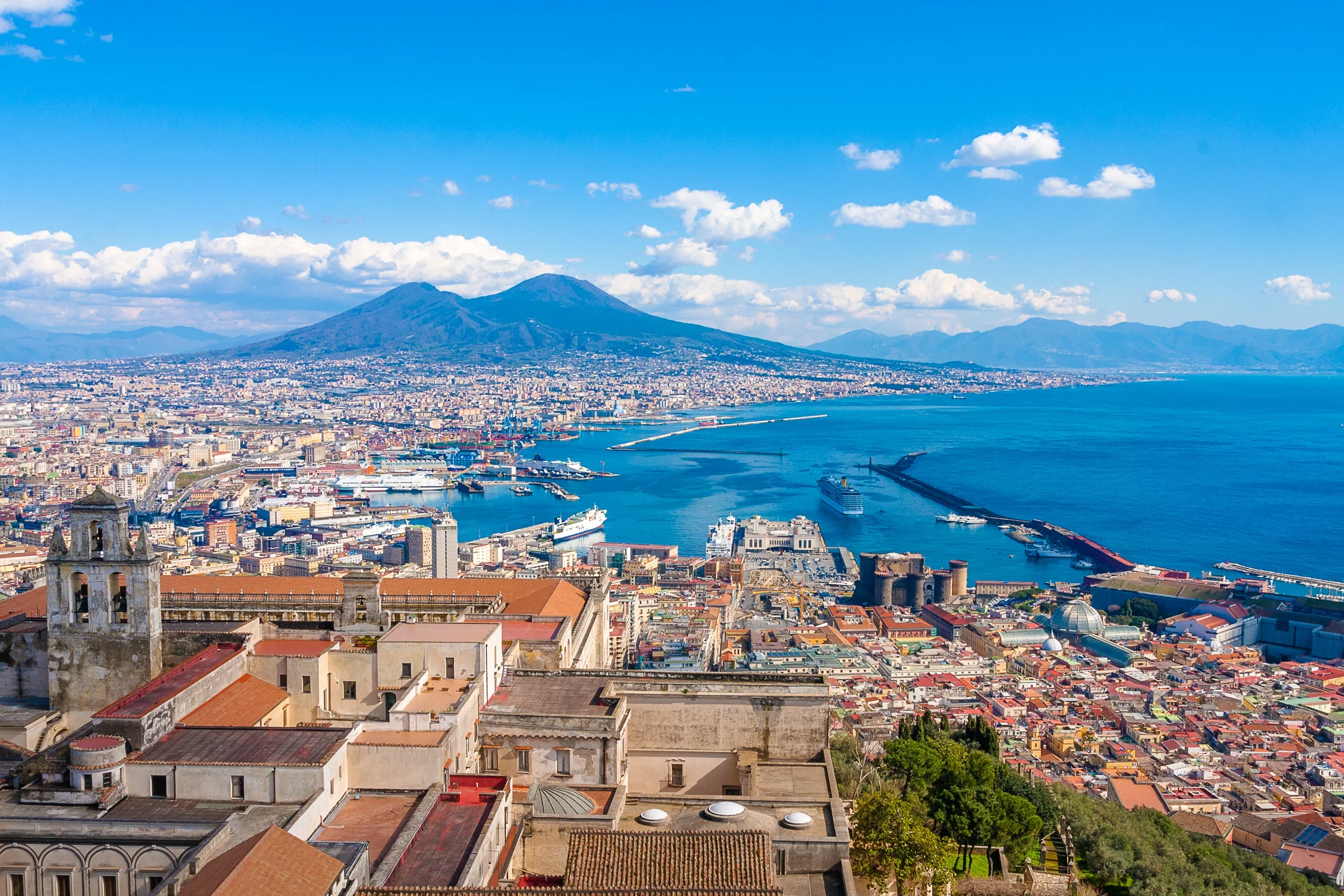
Naples

What to do in Campania: top 17 highlights in 2026

Vesuvius fills the skyline from every terrace in Naples, and an hour away by train the streets of Pompeii wait beneath the same volcano. The rankings below are built by travellers like you.

Our members' favourite places in Campania

Ranked on recommendations from travellers who went there

#1 Naples +72 recs

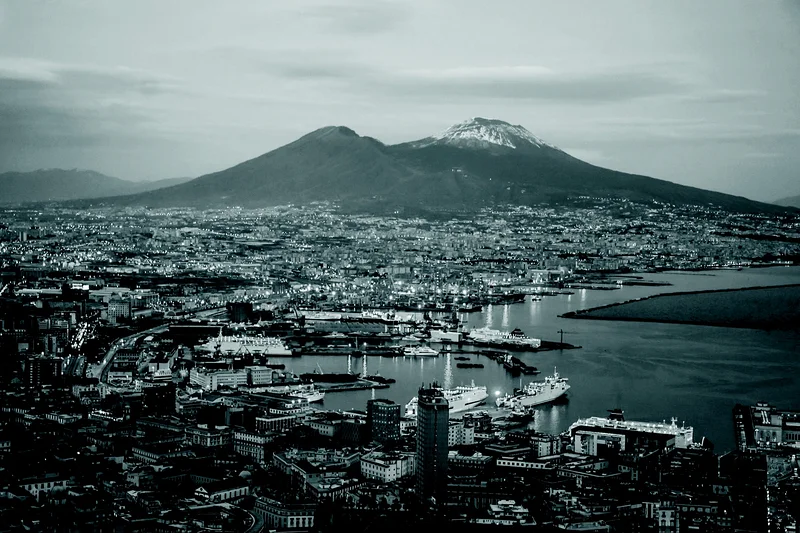
Naples is raw, loud, and unapologetic. It is a city of high-contrast energy where laundry lines crisscross narrow alleys above legendary pizzerias and UNESCO-listed historic streets. With the silhouette of Mount Vesuvius looming over the bay and the ruins of Pompeii just a short trip away, this is an Italy that refuses to sanitize itself for tourists. You will likely walk away either obsessed or overwhelmed, but you will definitely not be bored.

#2 Pompeii +34 recs

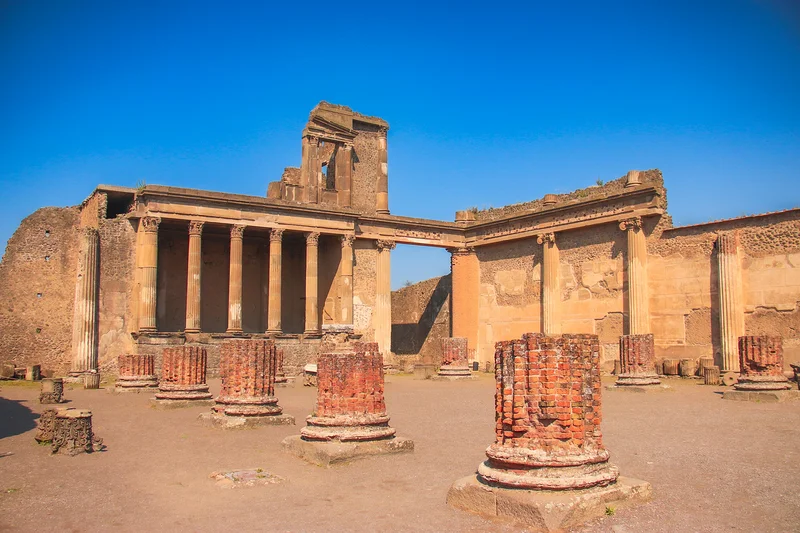
Buried under the ashes of Vesuvius in 79, Pompeii functions as a full-scale time capsule. Forums, thermal baths, frescoes, and ancient taverns reveal everyday Roman life on every corner. This 66-hectare UNESCO World Heritage site continues to yield new finds, such as children's drawings uncovered in 2024, offering a striking trip two millennia back in time.

#3 Sorrento +15 recs

Sorrento is one of the top destinations in the province of Naples, in Italy. Most visitors use the town as a base to also check out the ancient city of Pompeii and the nearby islands of Capri, Ischia, and Procida. Sorrento itself easily warrants a full day just to take in its coastal atmosphere.

A lively historic center

Often called the city of sirens, Sorrento draws travelers in with its striking historic core and dramatic clifftop setting above the Mediterranean. Sitting right at the gateway to the famous Amalfi Coast, it is an essential stop on any regional itinerary. Start your walk at Piazza Tasso, the town gathering spot since 1886. Grab a drink at an outdoor café while watching the statue of the writer Torquato Tasso, who gave the square its name. From there, wander through narrow lanes lined with baroque and Renaissance pastel facades. During the summer months, souvenir shops sit right alongside small artisan workshops and gelato stands. Via San Cesareo is the ideal street for sampling local food specialties. Gnocchi alla sorrentina featuring tomato sauce, mozzarella, and basil; a panino with pomodorini and prosciutto, there is plenty to eat here. Finish your meal with a glass of authentic limoncello, the lemon liqueur native to the Amalfi Coast.

Cultural treasures

Sorrento holds plenty of architectural and historical gems. The small medieval cloister of the Church of Saint Francis stands out as a prime example, offering a shady, plant-filled retreat from the midday sun. The Cathedral of Saints Philip and James, built in the 15th century, is worth visiting for its bell tower and intricate interior marquetry doors. For elevated views, head up the cliffs to the Villa Comunale and its public gardens, which look out over the Bay of Naples. Tucked away from the main tourist paths, Il Vallone dei Mulini is a striking sight. You can peer down from the street into a deep ravine to see the moss-covered ruins of an old mill sitting at the bottom, creating a moody, atmospheric scene. Finally, an evening stroll around the Marina Grande port lets you watch local fishermen mend their nets after a day out on the water.

When to go

If you prefer to avoid the crowds, skip midsummer when the town fills to capacity. Spring and early fall offer much more manageable visitor numbers.

Getting there

The easiest way to reach Sorrento is through Naples. Naples features an international airport and a major train station, and the drive takes 55 minutes by car. From Naples, you can also take a 40-minute ferry across the gulf straight to the Sorrento pier. The most budget-friendly option is the Circumvesuviana train, which runs from Naples to Sorrento in an hour and fifteen minutes and stops at Pompeii along the way.

#4 Capri +14 recs

The legendary island of Capri has drawn travelers for generations with its dramatic cliffs and undeniable Mediterranean charm.

The Legend of Capri

Capri's reputation skyrocketed in the 20th century when artists and intellectuals like Cocteau, Picasso, Gide, Brigitte Bardot, and Godard (who filmed Contempt here) began singing its praises. The jet set followed quickly, turning the island into a playground for the rich and famous.

Today, the island is a premier luxury destination that still captures the attention of everyone from international travelers to locals. Capri makes an immediate impression as your ferry approaches: a steep, rugged rock measuring 6 kilometers by 3 kilometers with striking topography. The typical Mediterranean vegetation blends pine trees, strawberry trees, and vineyards, all framed by open water that shifts through every shade of blue from morning to night.

Capri certainly caters to an affluent crowd, making Capri town feel like Italy's answer to Saint-Tropez. Yet the island remains a natural sanctuary that equally rewards hikers and history buffs. Do not miss Villa Jovis, built by Tiberius in the 1st century AD, or Villa San Michele, the house-museum of Swedish physician Axel Munthe, built on the remains of a chapel dedicated to Saint Michael.

Grottos, Panoramas, and Good Food

Among the top natural sights on Capri, the Blue Grotto is essential. Discovered by a writer in 1826, the cave lets sunlight filter through an underwater cavity and illuminate the stone walls with a vivid cobalt glow. Its counterparts, the White Grotto and the Green Grotto, are equally worth viewing. Capri also features numerous marked walking and hiking trails. The Arco Naturale is the most famous for its sweeping view from the heights of the island. After a long hike around the cliffs, the water is always waiting.

You can also unwind at one of Capri's many wellness spots. The local spas and beach clubs offer relaxing treatments that draw visitors looking to recharge. Away from the bustle of Capri town, wandering the narrow streets of Anacapri offers a quieter pace. Its historic center features colorful homes alongside bars and restaurants specializing in classic Neapolitan cooking. Wood-fired pizzas, lasagna, cannelloni, scorpion fish, cod, and house-made limoncello fill local menus.

The nearby islands of Ischia and Procida are also easy to reach for a day trip.

When to go

You can visit Capri year-round thanks to its mild Mediterranean climate. However, plan your trip between April and early October to experience the island at its best. Keep in mind that crowds peak during July and August.

How to get there

You can easily reach Capri by ferry from Naples (a 1-hour crossing) or by hydrofoil from Sorrento (a 20-minute crossing), as well as from Amalfi, Salerno, and Positano. Capri's harbor handles these regional services only: long-distance ferries from Sardinia, Spain, Corsica, and Tunisia dock in Naples, where you switch to a Capri boat.

#5 Herculaneum +8 recs

While Pompeii tends to draw every traveler around the Bay of Naples, skipping its neighbor Herculaneum would be a real mistake. It holds remarkably well-preserved ruins that easily warrant a full-day visit.

A small Italian town that draws visitors

Herculaneum is a municipality located in the southeast suburbs of Naples, within the region of Campania. Sitting at the foot of Mount Vesuvius, it makes a solid base for exploring the area. It used to be called Resina, but it was renamed Ercolano in 1969 because of the ancient city ruins within its borders. On the tourism front, there is not much else exceptional about the town outside of the ruins. Still, the main street, Via Veneto, is a pleasant place for a stroll and window shopping. Stop by one of the pastry shops (pasticceria) to try a regional culinary specialty. Special mention goes to the sfogliatella, a traditional pastry filled with ricotta cream, which pairs perfectly with a hot drink.

Herculaneum, Pompeii's smaller counterpart

The true star of the town is its ancient city of Herculaneum, destroyed by the devastating eruption of Vesuvius in the year 79. In ancient times, it was a seaside town largely occupied by the villas of wealthy Campanian residents. It is less famous than its famous neighbor Pompeii because it is much smaller. However, Herculaneum is much better preserved because it was not covered in ash and small stones, but buried under a thick layer of pyroclastic flows and mud until its rediscovery in the 18th century. Most of the buildings therefore survived the disaster as well as the passage of time.

Herculaneum makes a strong impression at first glance when you discover its remarkably preserved ruins set twenty metres deep in a valley. Entering the archaeological site leads to a walkway descending toward the buildings. Villas with walls adorned with decorative friezes, shops, Roman baths, public buildings... Walking through the streets of the ancient city, it is easy to picture its residents going about their business without knowing the tragedy heading their way. Plan for about 2 hours for a complete visit. To learn more and see artifacts recovered from the digs, head to the Naples National Archaeological Museum.

When to go

You can visit Herculaneum year round, as the ancient site is open in every season. It never gets the massive tourist crowds you see at Pompeii, but if you prefer true peace and quiet, pick spring and fall over summer.

How to get there

Herculaneum sits right next to Naples, just a fifteen-minute drive away via the A3. If you do not have a car, take the train to the Ercolano Scavi station, which takes 20 minutes from Naples. To reach Naples, you will find plenty of competitive flights from major European hubs. Rome is also not far from Herculaneum, at a 2h15 drive by car.

#6 Massa Lubrense +7 recs

Massa Lubrense sits at the tip of the Sorrento Peninsula, where the Gulf of Salerno meets the Gulf of Naples. It offers a rare mix of rugged mountains and Mediterranean coastline, with direct views of Capri that feel like a scene from a classic Italian film. Wander to the Santa Maria delle Grazie cathedral, spend an afternoon on the local beaches, and be sure to taste the regional specialty, the bright and fragrant Massa Lubrense lemon.

#7 Amalfi -2 recs

Among the wonders that earned the Amalfi Coast its UNESCO World Heritage status, the town that gave it its name stands out. As early as the 6th century, Amalfi and its port rose to prominence, fueled by sailors who mastered the compass and expanded trade routes to the East. The golden age of Italy's first Maritime Republic thrived until 1343, when a devastating tsunami altered its path. It took the rise of tourism and the 19th century for this jewel of the Salerno province to reclaim its glory. As a charming seaside resort, its natural setting is just as captivating as its historic core, blending rugged rock, stone architecture, the sea, and lush vegetation into a unique landscape.

Below the hillside homes, the beach

Walking through Amalfi feels like stepping into a medieval urban maze. The narrow streets climb and crisscross, punctuated by passageways and staircases that often lead to unexpected corners. Saint Andrew's Cathedral, located in Piazza Duomo, serves as a magnificent landmark. Its imposing flight of 62 steps leads to a building of striking beauty. Inspired by Arab art and reworked over centuries, this 987-construction is impressive. Its Byzantine door, colorful facade, and mix of neo-Gothic, Romanesque, and Baroque influences create a dazzling stylistic ensemble. The crypt is a must-see, and adjacent to the cathedral, the 13th-century Cloister of Paradise, with its interlaced arches and columns, hides palm trees that heighten the Moorish atmosphere. A diocesan museum rounds out the site.

At the bottom of the steps, you will find restaurant terraces, the fountain also dedicated to Saint Andrew, and the historic core, including the incredible Vagliendola neighborhood. Typical of the area with its high passageways between buildings, the main street, Via Lorenzo, is lined with shops ranging from artisan crafts and pizzerias to gelato shops, souvenir stores, and boutiques. The stroll is marked by picturesque squares with fountains, most notably the Fontana de Cape E Ciucci, a miniature wonderland representing the nativity among 18th-century marble figures. The marina facing the Gulf of Salerno sits at the end of the town center. Ferries allow you to explore the surroundings, such as the island of Capri.

The beach is right at the foot of the town, overlooked by hillsides where pristine white houses seem to keep watch. It offers fine sand, transparent water, and an exceptional setting. Popular as it is, the Marina Grande is quite small at 184 meters long. Some locals prefer the beach at Atrani, which tends to be less crowded.

Lemons, nature, and exceptional paper

Amalfi is also renowned for its artisanal paper, a high-quality craft celebrated since the 12th century. The Paper Museum reveals the secrets of this history and the 16 mills that once lined the Via delle Cartiere. This former 14th-century factory remains the only one featuring original machines and mills. The remains of the ancient Arsenal, housing the museum of the compass and maritime duchy, are also unmissable. Equally famous, the lemon grown in terraced gardens is a tasty emblem that local gastronomy elevates through cremoncello, a creamy liqueur with unique fragrances, or the classic limoncello. The port naturally favors fish and seafood dishes, but the buffalo mozzarella, cannelloni, and antipasti are equally impressive.

The hinterland, with vegetation as lush as the coast, is a hiker's paradise. Between waterfalls and rare flora, the Vallone delle Ferriere is a magical playground that includes an area with historic water mills and lemon groves.

When to go

From Easter to the end of October, the tourist season is in full swing, with high density in the summer. June and September are the best months to enjoy the mild Mediterranean climate without the intense crowds, though the spring blooms of April and May are spectacular to witness. From November to February, many businesses close. As for local events, the city celebrates its festivals on June 27 and November 30.

How to get there

The nearest airport is Naples-Capodichino, located 65 km away. Buses provide connections to Sorrento and then on to Amalfi. By car, take the A3 Naples-Salerno motorway, then the SS163 coast road, which gets busy in season. Ferries also run between the various towns on the coast, but Amalfi is not accessible by train. The train line stops in either Sorrento or Salerno.

Our members' favourite things to do in Campania

Ranked on recommendations from travellers who did them

#1 Pompeii (Pompeii) +22 recs 4.7/5

Pompeii is the story of absolute tragedy turned into an invaluable heritage for future generations. In the autumn of 79 AD, the city built at the foot of Mount Vesuvius was entirely buried during a volcanic eruption that lasted 20 hours. Frozen for eternity in the daily scenes of that exact day, it remained hidden under a mix of ash and pumice until the 16th century. Since 1748, excavations have uncovered every corner of the city. The archaeological site of Pompeii still keeps a few secrets, offering an exceptional encounter with life in ancient Rome.

See the guide See deals-7%AVYGEO7

#2 Augustus Gardens (Capri) +11 recs 5/5

Of all the spots to take in the beauty of Capri, the Augustus Gardens are easily the most dramatic. These terraced gardens feature lush Mediterranean plants playing with light and shadow. Visitors primarily come for the panoramic views over Marina Piccola, Monte Solaro, and the Faraglioni rock formations. Commissioned by industrialist Friedrich Alfred Krupp, the gardens connect to the cliffside Via Krupp (Krupp Road).

See the guide See deals

#3 Vesuvius National Park (Naples) +9 recs 5/5

If any area demanded protection, it is the home of the most legendary volcano in Europe. Since 1995, Vesuvius National Park has safeguarded 8,424 hectares of precious terrain. Bordering the Bay of Naples, it features coastal mountain scenery and hiking trails with panoramic views. The Gran Cono crater rim walk is the highlight, while nearby Pompeii and Herculaneum ruins complete this historical landscape.

#4 Castel dell'Ovo (Naples) +9 recs 4.5/5

Megaride Island is closely tied to the history and legends of Naples. Set on this historic spit of land, Castel dell'Ovo rises right along the waterfront near upscale neighborhoods. Built in 1140 with the arrival of the Normans, it stands as the oldest castle in the city. Its name comes from a legend that the poet and wizard Virgil hid a magic egg in its foundations to protect the fortress. Featuring towers, a bastion, and stone walls sheltering the harbor and the restaurants of Borgo Marinari, it is a magnificent landmark.

#5 Port of Sorrento (Sorrento) +9 recs 4.5/5

Perched on a mountainside, Sorrento sits between cliffs and the sea, a signature look for Southern Italy. Its peninsula is a favorite for sailors, and the Port of Sorrento remains a hub of the Gulf of Naples. Ferries run daily to the Amalfi Coast, Capri, and Procida, just steps from the historic center.

See the guide See deals

#6 Plebiscito Square (Naples) +8 recs 4.5/5

This massive paved plaza opens between the Royal Palace and the sweeping colonnade of the San Francesco di Paola basilica. You will find a vast white-stone amphitheater featuring the equestrian statues of Charles III and Ferdinand I.

Now transformed into a fully pedestrian gathering space, it invites you to stroll freely toward the waterfront.

#7 Mergellina Harbour (Naples) +6 recs 5/5

Mergellina Harbour in Naples blends daily maritime activity with iconic views of Mount Vesuvius and the bay. More intimate than larger docks, it offers a real Naples experience. Watch local fishermen, catch boats to Procida or Ischia, or grab fresh seafood at harbor-side spots. It is a perfect spot for an immersive, delicious stroll.

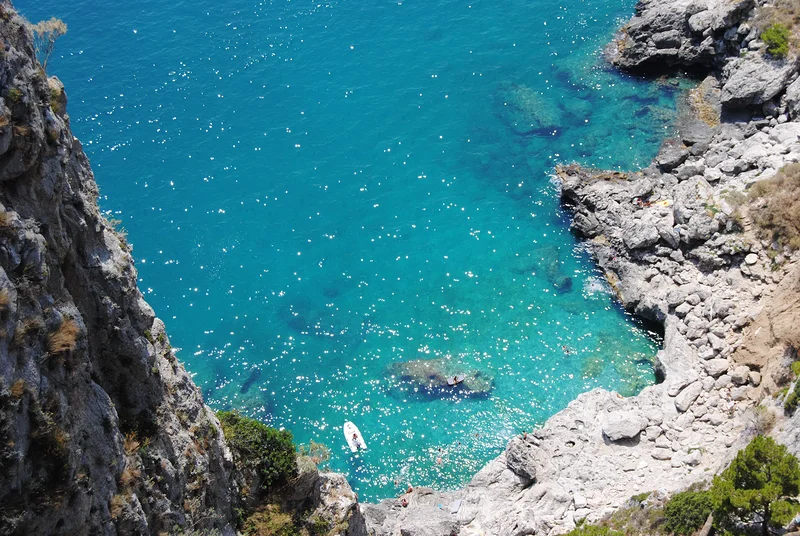
#8 Baia di Ieranto (Massa Lubrense) +5 recs 4.5/5

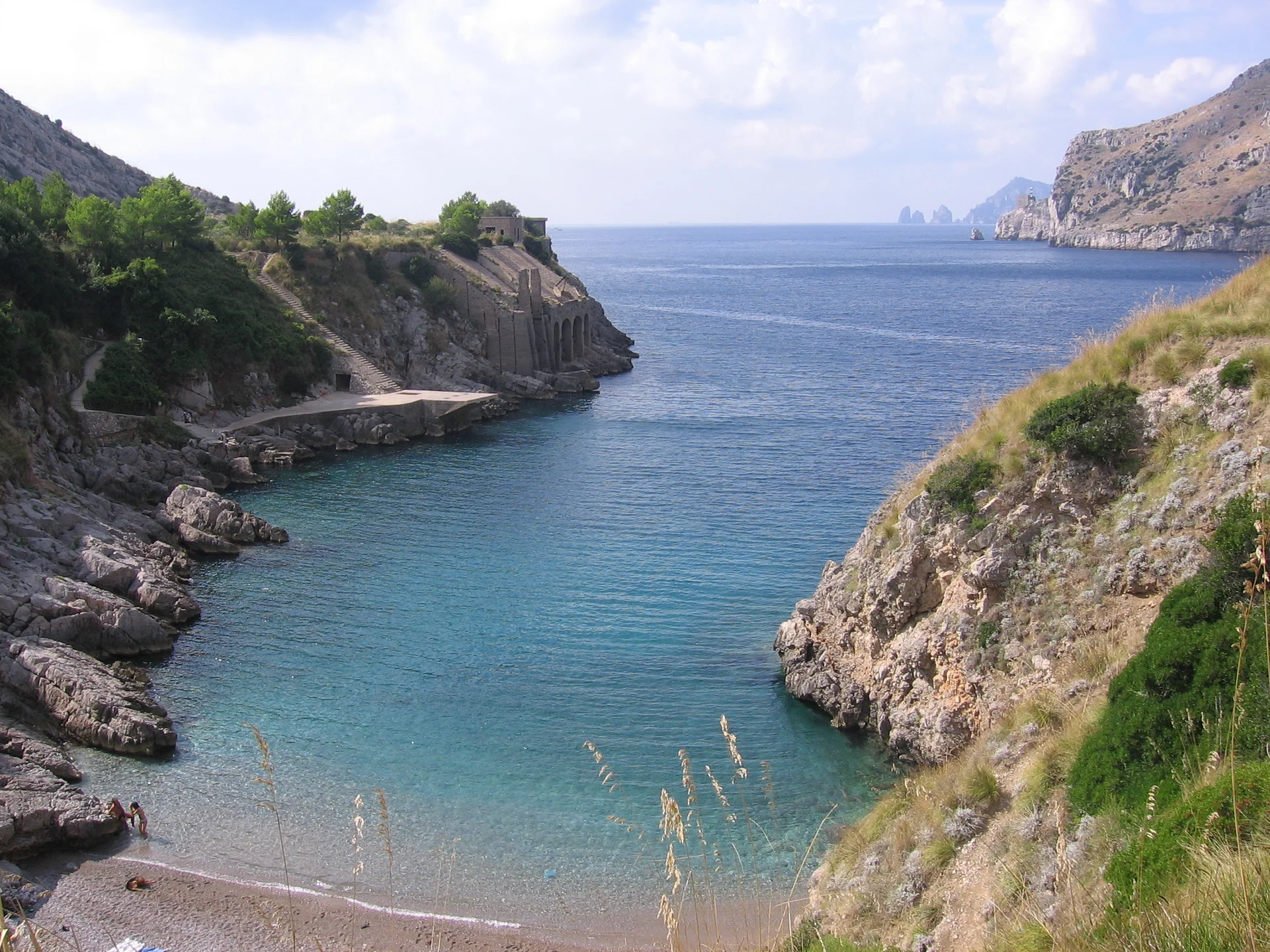
Campania is gorgeous, and the Amalfi Coast is just one of its many draws. Far from the crowds sits a tiny gem at the tip of the Sorrento Peninsula, reached only by a footpath starting in Massa Lubrense. Baia di Ieranto is a 63-hectare natural area with 47 protected hectares. The scenery is striking, dramatic viewpoints line the route, and the trail ends at a secluded cove beach. Swimming in this quiet, authentic haven is unforgettable.

See the guide See deals

#9 Herculaneum (Herculaneum) +5 recs 4.5/5

It is hard to separate Mount Vesuvius from the surrounding region, as this volatile volcano erupted in 79 AD and destroyed four nearby towns, encasing them in a protective layer of debris. Less famous than Pompeii, Herculaneum is actually much better preserved, having been hit a day later. Located a few kilometres from Naples, its ruins offer an incredible window into everyday life in ancient Rome. With only a quarter of its 12 hectares excavated, packed with residential insulae and structures like the urban Thermae and the Forum, the site is truly priceless.

#10 National Archaeological Museum (Naples) +3 recs 5/5

Inside the Palazzo degli Studi, the National Archaeological Museum in Naples displays the finest artifacts recovered from the cities buried by the Vesuvius eruption in 79 AD. Spanning four floors and 12,650 square meters, the collection includes statues, jewelry, coins, and everyday objects. Beyond Roman treasures, frescoes, and mosaics, explore an Egyptian collection and the curious Gabinetto Segreto (Secret Cabinet) featuring erotic artifacts.

Map of Campania

Visiting Campania

Campania makes sense around a bay and a volcano. At the back of the bay sits Naples: loud, generous, the city of pizza. At the foot of Vesuvius, Pompeii and Herculaneum, frozen in the year 79. Across the water, the Sorrento peninsula runs on towards the Amalfi Coast, its villages clinging to the cliffs, and towards the islands: Capri, Ischia, Procida.

This is Italy at its most concentrated: in a single week you go from an ancient site to a cove, from a Neapolitan back street to a garden in Ravello.

You'll love it if

  • Ancient history, the sea and good food matter equally to you
  • You enjoy the noise and energy of a big southern city
  • You like walking: clifftop paths, steps, narrow lanes

Look elsewhere if

  • You want long, free sandy beaches
  • Summer crowds at famous sites wear you down
  • You plan to drive along the Amalfi Coast

The must-sees

  1. 1 The Path of the Gods Amalfi Coast

    From Bomerano, above Agerola, to Nocelle and then Positano: a path that runs along the cliff several hundred metres above the sea. Allow three to five hours, almost all of it downhill. It isn't difficult, but it's not for anyone with a fear of heights. Set off early, carry water, and finish on the beach at Positano.

  2. The crater of Vesuvius

    2 The crater of Vesuvius Tickets online +9 recs

    A shuttle drops you on the side of the volcano, then a path of four kilometres there and back climbs to the rim of the crater, at 1,175 metres, among the fumaroles. The view takes in the whole bay. Tickets are sold online only, in time slots, under your name: book before you come.

  3. 3 The Veiled Christ at Sansevero Naples

    In a small chapel in the historic centre of Naples, a marble figure of the dead Christ seems covered by a veil so fine you'd swear it was breathing. Entry is limited and booked online, up to sixty days ahead. The chapel is closed on Tuesdays. Allow half an hour, then lose yourself in the lanes nearby.

  4. 4 The temples of Paestum Cilento

    South of Salerno, three Greek temples stand in a field, among the best preserved in the Greek world. The ticket also covers the museum and the site of Velia, and stays valid for three days. Come in the late afternoon, when the golden stone catches the light, and save the region's buffalo mozzarella for the evening.

  5. 5 The Ravello Festival July to September

    Every summer, concerts are held on a terrace suspended above the sea, in the gardens of Villa Rufolo. In 2026, the festival ran from 4 July to 5 September. Book early, and arrive before sunset to watch the coast fade into darkness to the sound of the music.

The classic mistake

Trying to see everything from a single base. Pompeii, the Amalfi Coast and the islands are each one to two hours away by train, bus or boat. If you want the coast, sleep on the coast; if you want Capri early in the morning, sleep in Sorrento or Naples.

Our itineraries in Campania

Our itineraries by length of stay
LengthItineraryWhat you see
Long weekendNaples › Pompeii › VesuviusCity, antiquity, volcano
1 weekNaples › Pompeii › Sorrento › Amalfi Coast › CapriThe essentials of the bay
10 daysNaples › Ischia or Procida › Sorrento › Amalfi › PaestumIslands, coast, Greek temples

Start in Naples, where the trains leave for Pompeii and the boats for the islands. Then head down to Sorrento and the Amalfi Coast, and finish at Paestum if you're leaving from Salerno. Keep half a day in hand for the boats: in winter or in rough seas, some crossings stop running.

When to visit Campania

When to go, season by season
RatingSeasonWeatherCrowds and prices
SpringApril to JuneMild, sea still coolMedium
SummerJuly and Aug.Hot, above 30 °CHigh
Late summerSept. and Oct.Sea still warmMedium
WinterNov. to MarchMild in Naples, the coast asleepLow

Our advice

Aim for May, June or September: you can swim, and Pompeii can be visited without wilting under the midday sun. In winter, Naples is still a very good destination, but many hotels on the coast and the islands close, and boats become scarce.

Getting to Campania

  1. By air to Naples The simplest

    Naples airport has direct flights from London and from many cities across Europe, with more routes in summer. From North America, you fly in through a European hub or land in Rome and continue by train. The Alibus shuttle links the airport with the central station and the port in half an hour.

  2. By train via Rome Without flying

    From Rome, a high-speed train reaches Naples in just over an hour. Coming from further north in Europe, you connect in Milan or Rome, and the whole journey can be done by rail.

  3. By boat, once you're there For the islands

    From the port of Naples, hydrofoils reach Capri in under an hour, Ischia and Procida in about an hour. Others leave from Sorrento and, in summer, from the Amalfi Coast.

On Capri, a landing tax of 5 € is added to the ticket from April to October. In winter, there are fewer boats and some routes stop: check that week's timetables before building your plans.

Getting around Campania

The Circumvesuviana railway links Naples with Herculaneum, Pompeii and Sorrento in just over an hour, for 5 €. On the Amalfi Coast, buses and boats shuttle between the villages. A car brings you nothing here: the coast road is narrow and jammed in summer, and parking is scarce and expensive.

Good to know

The Campania Express tourist train, which linked Naples with Pompeii and Sorrento, has been suspended since 1 October 2026. Take the ordinary Circumvesuviana, and keep an eye on your belongings at rush hour: the carriages are often packed.

What to eat in Campania

  • Neapolitan pizza: a thick, soft rim, baked in a minute in a wood-fired oven. The art of its pizzaioli is on UNESCO's heritage list. A margherita costs 6 to 9 €.
  • Mozzarella di bufala: made that day from buffalo milk, around Caserta and Paestum. Eat it plain, at room temperature.
  • Sfogliatella: a shell-shaped pastry of crisp layers, filled with ricotta scented with citrus, best eaten warm in the morning.
  • Babà: a light, yeasted cake soaked in rum syrup, sold in every pastry shop in Naples.
  • Colatura di alici from Cetara: an amber liquid from fermented anchovies, drizzled over spaghetti. A village on the Amalfi Coast has made it its speciality.
  • Limoncello: the liqueur made from the lemons of the Amalfi Coast and Sorrento, served ice-cold at the end of a meal.

In Naples, drink your coffee standing at the counter, for less than a euro, and order pizza in a neighbourhood pizzeria rather than on the big squares. On the coast, tables with a view come at a price: walk one level higher up the village and prices drop.

Where to stay in Campania

Where to base yourself
AreaWhat it's forGood to know
NaplesCity, museums, boats to the islandsNoisy, the cheapest
SorrentoPompeii, Capri, Amalfi CoastThe most practical base
Amalfi CoastVillages, paths, viewsExpensive, lots of steps
CapriBlue Grotto, gardens, quiet eveningsVery expensive, packed by day
Ischia and ProcidaThermal baths, beaches, colourful villagesQuieter and more affordable
CilentoPaestum, beaches, national parkFar from the bay, a car helps

Read the full guide: where to stay in Campania

How much does a trip in Campania cost?

Indicative budget per person, excluding travel to the region
TripLengthBudget per person
Budget (B&B in Naples, trains, pizzerias)7 days450 to 700 €
Comfort (hotel in Sorrento, boats, restaurants)7 days1,000 to 1,600 €
Luxury (hotel with a coast view, private boat)7 days2,800 to 5,000 €
  • Your base: you sleep for much less in Naples than on the Amalfi Coast or Capri, for the same category of hotel.
  • The sites: Pompeii costs 20 €, Herculaneum 13 €, Vesuvius 10 €; the Campania Artecard bundles entry tickets and transport.
  • The boats: allow 17 to 25 € one way to the islands, plus the 5 € tax on Capri.
  • Tourist tax: in Naples, 5 to 6 € per person per night depending on where you stay.
  • The beach: beach clubs rent umbrellas and loungers by the day, and they take up much of the shoreline.

Traditions and way of life in Campania

Naples lives to the rhythm of its patron saint, San Gennaro. Three times a year, in May, on 19 September and on 16 December, the city waits in the cathedral for the saint's blood to liquefy, a sign of good fortune. Football is the other religion: Maradona has murals and shrines here.

Calmer, Procida was the first island named Italian Capital of Culture, in 2022, with its pastel houses packed around the harbour of Corricella.

Local etiquette

Go into churches with your shoulders and knees covered: in Pompeii, at the sanctuary in the modern town, shawls are lent at the entrance. In a café, pay at the till first, then hand your receipt over at the counter.
Top photos posted by members

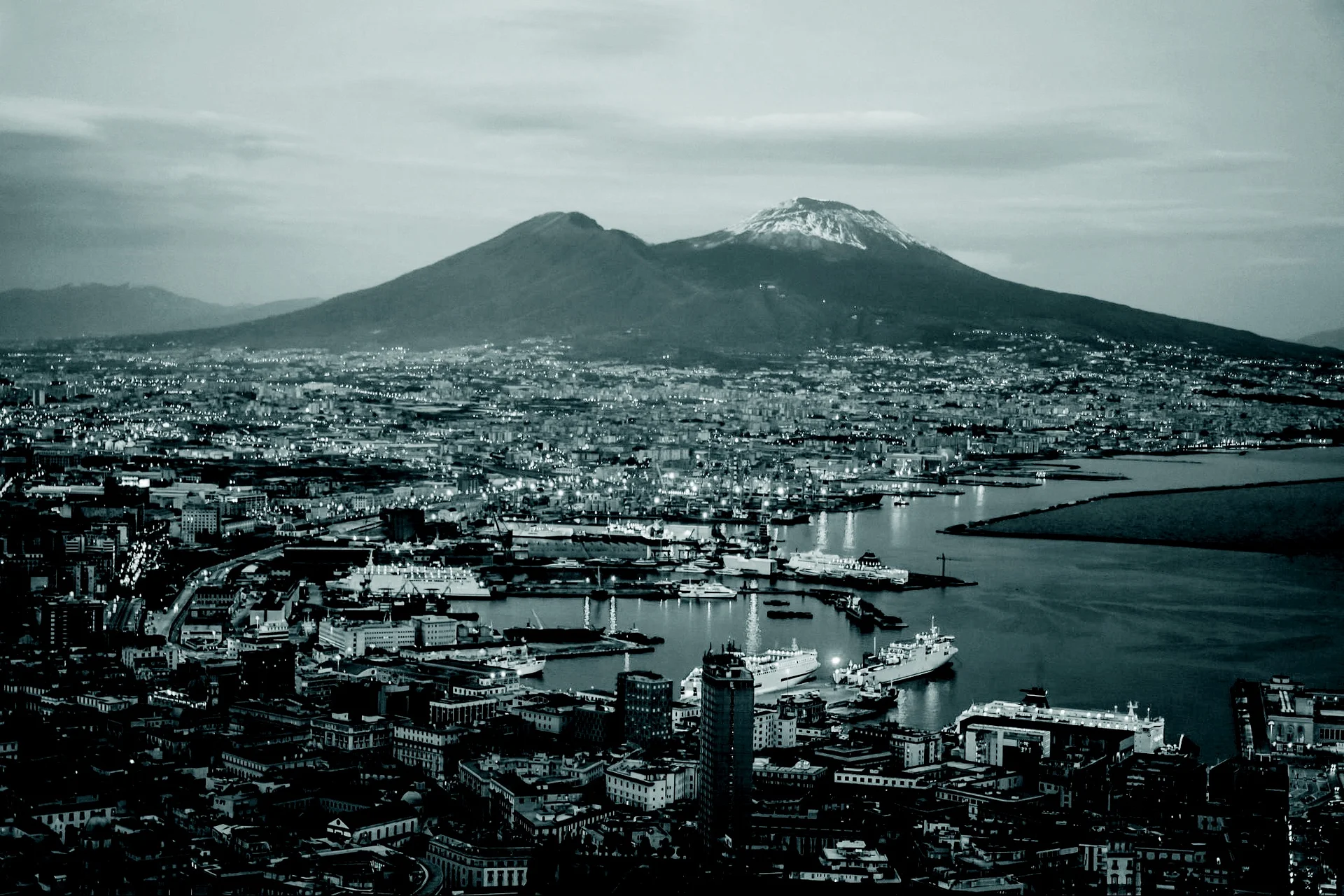
Naples et le Vesuve
Baia di Ieranto
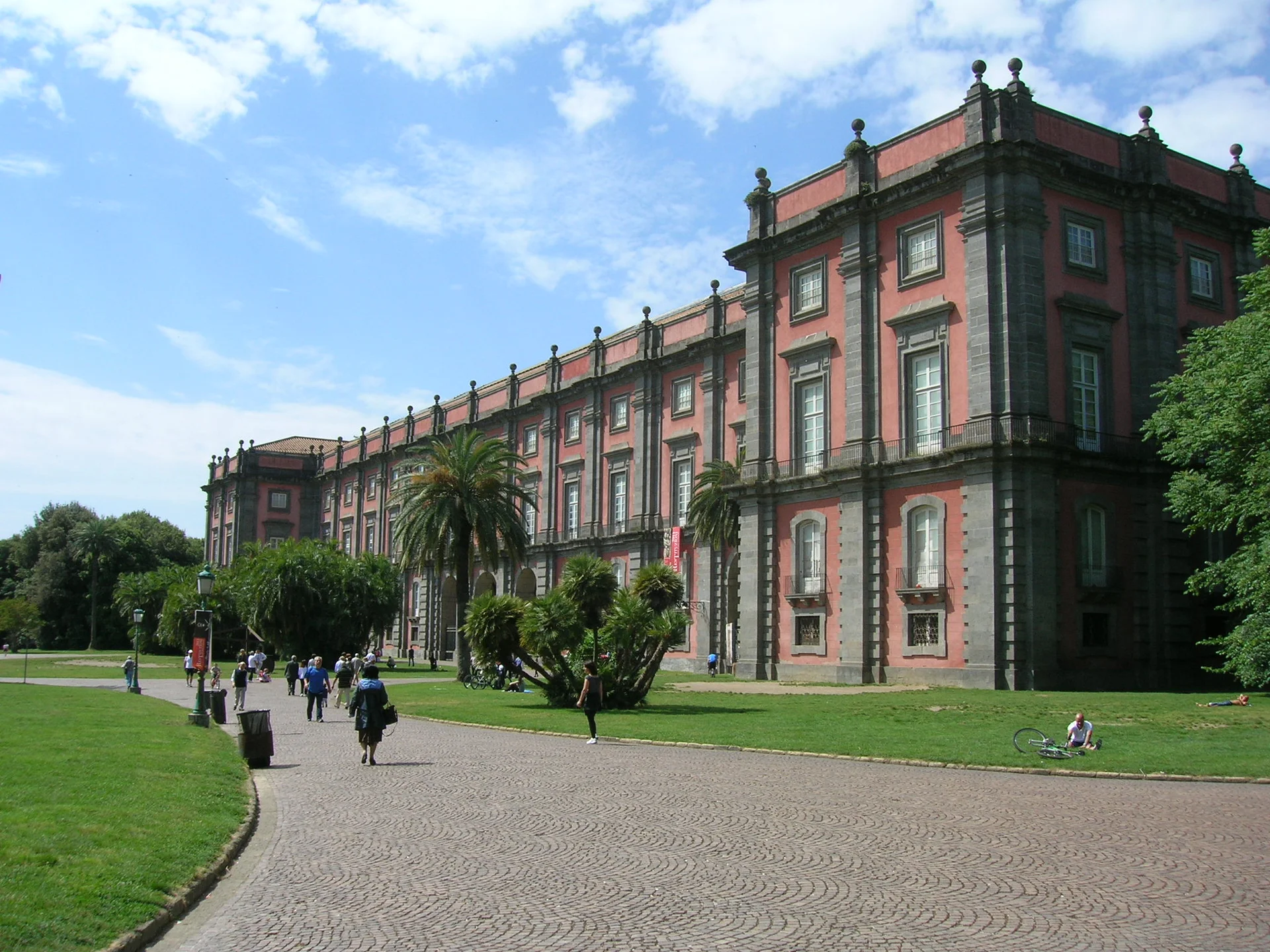
Musée National de Capodimonte à Naples

Articles posted by members

Traveler reviews

Pizza lover paradise

For me you either love it or you hate it, there is no in between. Naples is unlike any other city, the people are amazingly kind and the food is top notch. Leave the clichés at home and set out to…

122

The view from the top is unbeatable

The visit is worth it just for the panorama

118

Very pleasant

These gardens are very pleasant during nice weather. The layout is very well done, on a sloping terrain. From there, you have a beautiful view of the surroundings. It is the perfect place to rest a bi…

42

An exceptional site

I had always dreamed of visiting Pompeii because my grandfather was passionate about the history of this city, and he passed that fascination for this place on to me. The visit is incredible, with som…

37