
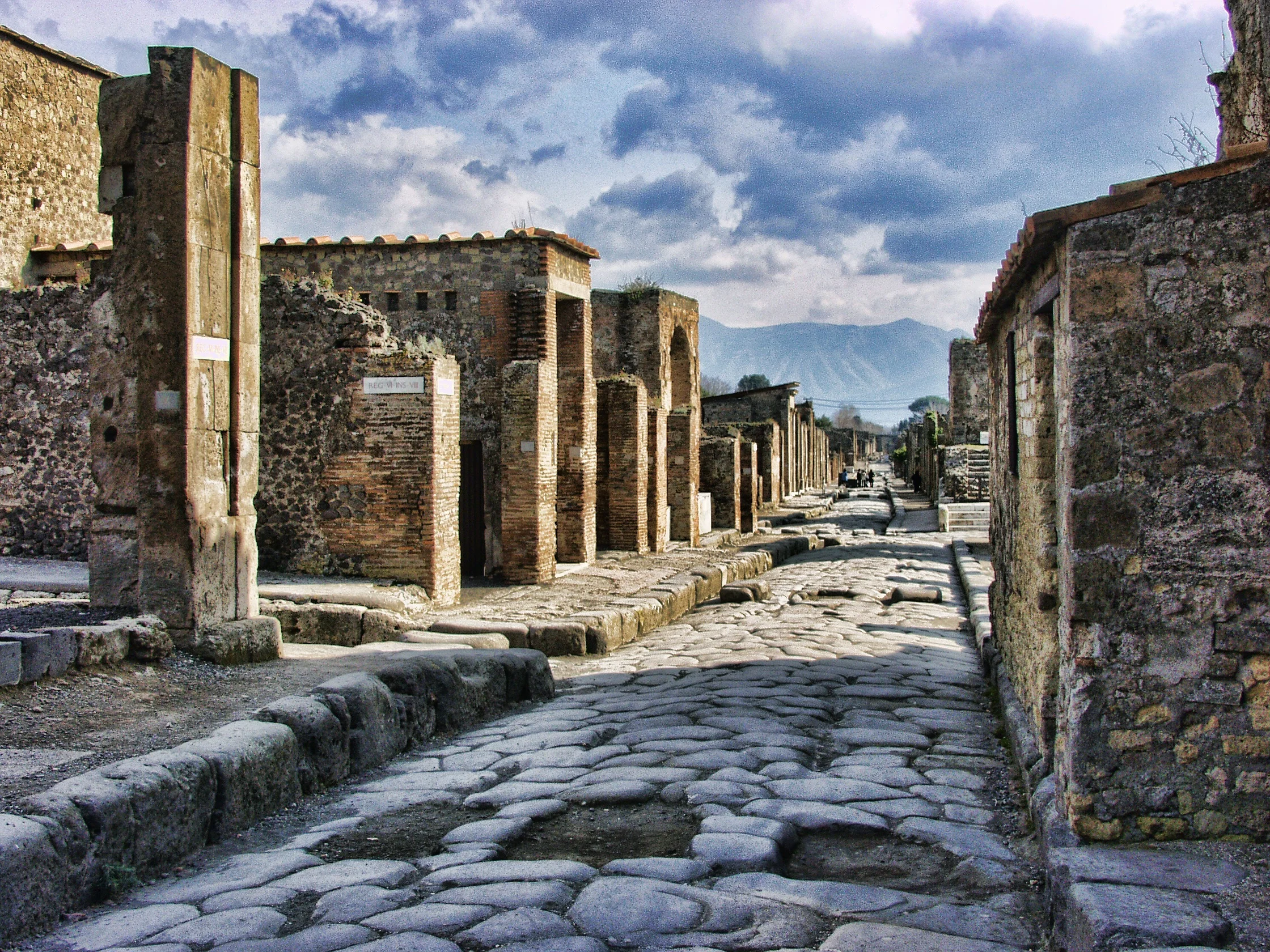
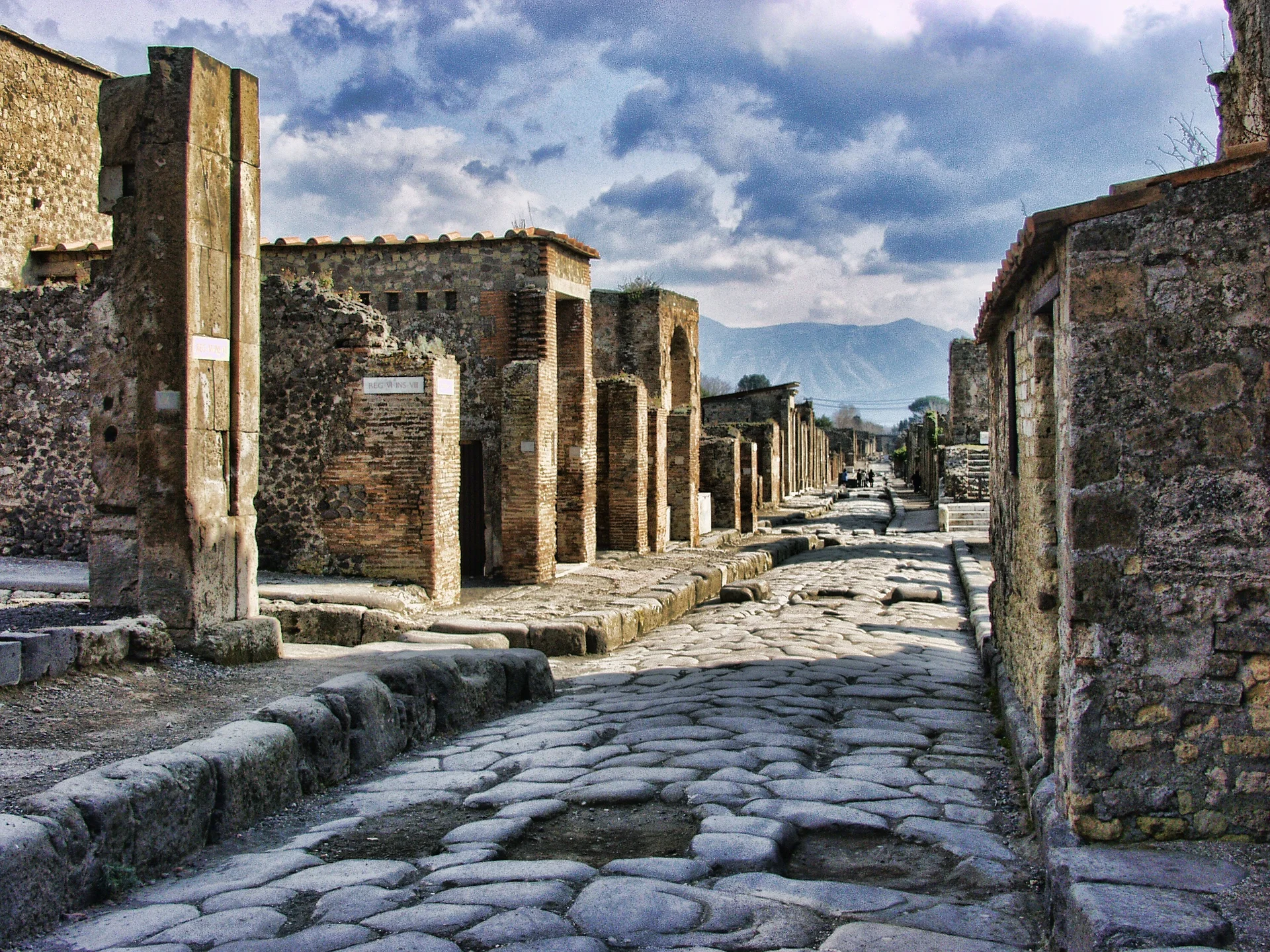
Pompeii, a city frozen in time
A carbonized loaf of bread discovered intact inside an oven. Grumpy customer graffiti scrawled on the walls of a brothel. Charcoal sketches of gladiators drawn by kids, found in a corridor where they played. These details turn Pompeii into much more than a typical archaeological site. It is a time capsule where first-century daily life crystallized in a few fateful hours during the eruption of Vesuvius in 79 AD, long dated to August 24 and now placed in the autumn.
A time travel experience that leaves an impression
This site draws anyone curious about how Romans actually lived. History buffs can easily spend a full day here without watching the clock. Families find a tangible way to introduce kids to antiquity. Even visitors who usually care little for old ruins generally come away impressed by the sheer scale and preservation of the place.
At the same time, the site spans 66 hectares under an unforgiving sun. The Roman paving stones are uneven, and shady spots are scarce. If you struggle with heat or have mobility limitations, prioritize spring, autumn, or the first hour after opening. Rushed travelers often end up frustrated by the sheer scale of the grounds.
A reasonable price for a major site
Admission costs $23* for the basic Pompei Express ticket, or $29* for Pompei+ with the suburban villas. Budget $3.80* for the train from Naples. Lunch on site or nearby runs $12-$17*. Admission is free for visitors under 18 and only costs $2.30* for EU citizens aged 18 to 25.
The Forum and the heart of the city
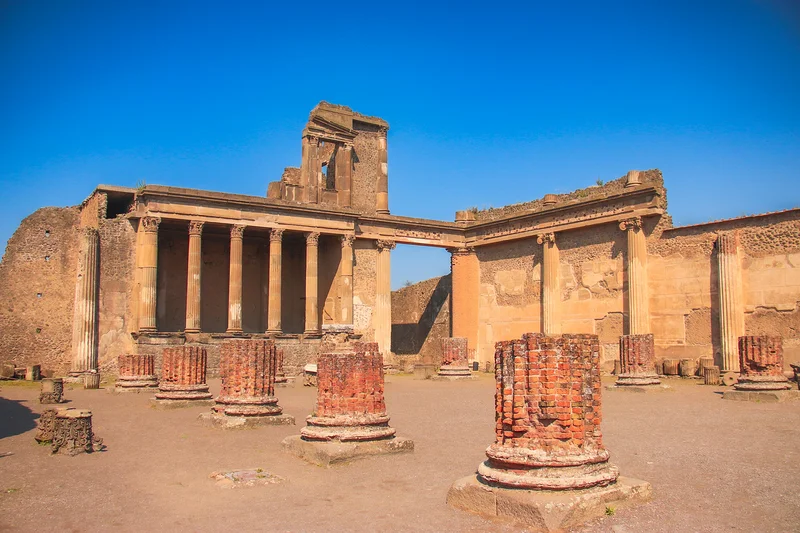
Enter through Porta Marina, the main gate located steps from the train station. The Forum makes the most logical starting point. This grand rectangular plaza served as the nerve center of Pompeian life, bringing together commerce, politics, and religion. Even today, the view of Mount Vesuvius framed by the columns of the Temple of Jupiter is striking.
Around the Forum, do not miss the Macellum, the old food market where merchant counters remain visible. The Forum Baths reveal Roman engineering with locker rooms, hot and cold baths, and underfloor heating systems. The recently renovated Antiquarium displays everyday artifacts and several of the famous plaster casts of victims.
Patrician houses and domestic life
The House of the Vettii, reopened after extensive restoration, represents the pinnacle of Pompeian opulence. Two freedman brothers made a fortune here, and the decor shows it, featuring brightly colored mythological frescoes and interior gardens dotted with fountains. Guides often pause by the phallic figure of Priapus near the entrance, a symbol of prosperity for the Romans.
Friendly tip: The House of the Golden Cupids, set slightly back from the main routes, offers a quiet haven with a peaceful courtyard. It remains one of the least crowded spots on the grounds, perfect for catching your breath between sights.
The House of the Faun gets its name from the dancing bronze statue that once stood in its impluvium. It also housed the famous mosaic depicting Alexander the Great fighting Darius, which now sits in the Naples National Archaeological Museum. Visiting that museum rounds out the trip nicely if you want to see the most fragile pieces.
Daily life: shops, taverns, and entertainment
Pompeii had its own version of fast food. Thermopolia served hot takeout to residents whose homes lacked kitchens. The one belonging to Vetutius Placidus preserves its counter embedded with storage jars and decorated walls. Nearby, the Lupanar draws adult visitors with its explicit frescoes and tiny rooms.
The Amphitheater, built in 80 BC, predates the Colosseum in Rome. It held 20,000 spectators for gladiatorial games. Located at the eastern edge of the site, it tends to quiet down late in the day. The nearby Garden of Fugitives displays some of the most poignant plaster casts, showing whole families frozen mid-flight.
The Villa of the Mysteries and recent finds
Outside the main city walls, the Villa of the Mysteries justifies the $29* Pompeii Plus ticket. Its monumental frescoes depicting a Dionysian ritual rank among the best-preserved paintings from antiquity, and the famous Pompeian red reaches a striking intensity here. Excavations keep turning up surprises, including an exceptionally large private bath complex uncovered in a Pompeian residence.
Friendly tip: Pompeii limits daily entries to 20,000 visitors using named tickets. Book online through the official platform well in advance, especially during peak season. The first Sunday of every month offers free entry, but it gets extremely crowded.
Where to eat and drink in Pompeii
The site only features one cafeteria near the Forum, which struggles with the crowds. Pack a picnic or head out for a meal. Bar Sgambati right next to the station works fine for a quick coffee. For a proper sit-down meal, walk into the modern town of Pompeii where local trattorias serve solid Campanian cooking. A glass of local limoncello makes a solid finish to the meal.
How to get to and around Pompeii
From Naples, take the Circumvesuviana train from the central station on the lower level. Get off at Pompei Scavi - Villa dei Misteri after a 36-minute ride. The ticket costs $3.80*. From Rome, take a high-speed train to Naples followed by the Circumvesuviana, which takes about 2.5 hours total.
If you drive, expect a 25 km trip from Naples, but parking lots close to the site charge steep rates around $23* for the day. If you arrive from the Amalfi Coast, the Circumvesuviana train from Sorrento takes 30 minutes.
When to go
Spring and autumn offer the best balance of pleasant weather and manageable crowds. Summer brings crushing heat, thick crowds, and very little shade across the ruins. Winter lets you explore in peace despite shorter days. Whenever you visit, arrive right at 9 AM to beat the tour groups.
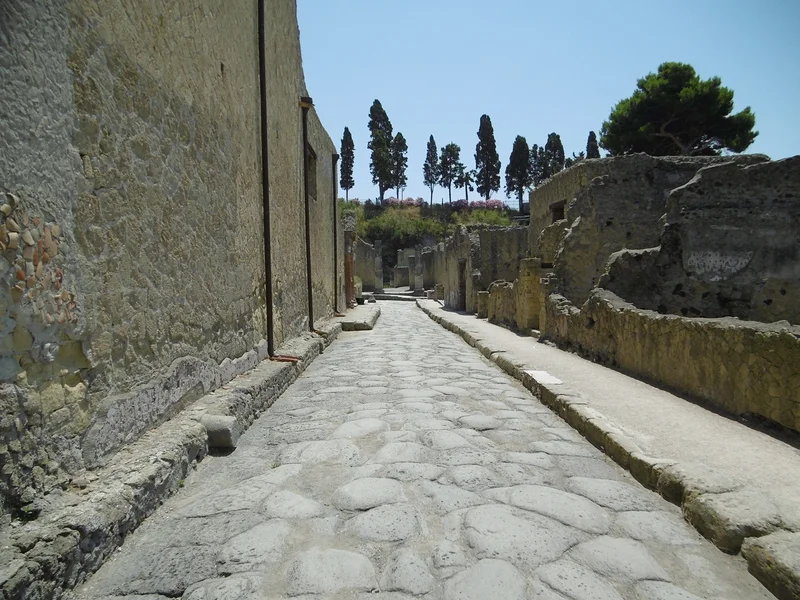
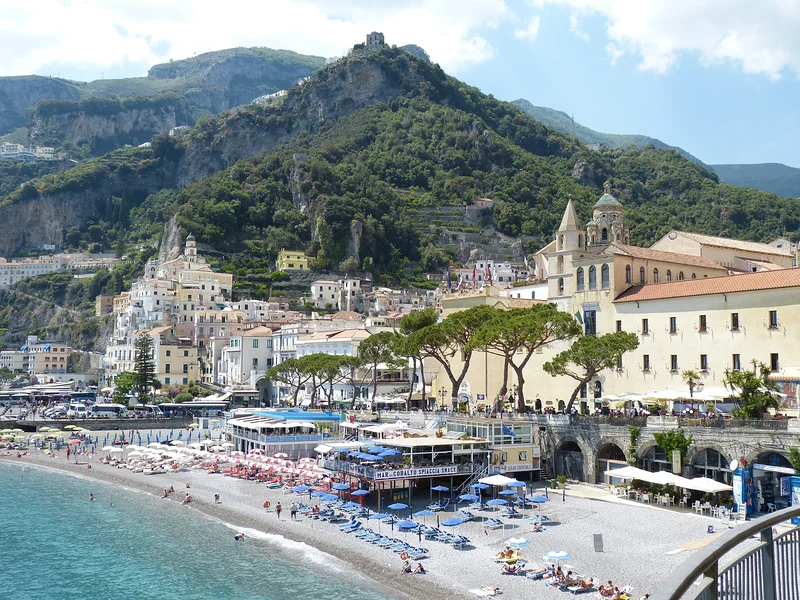
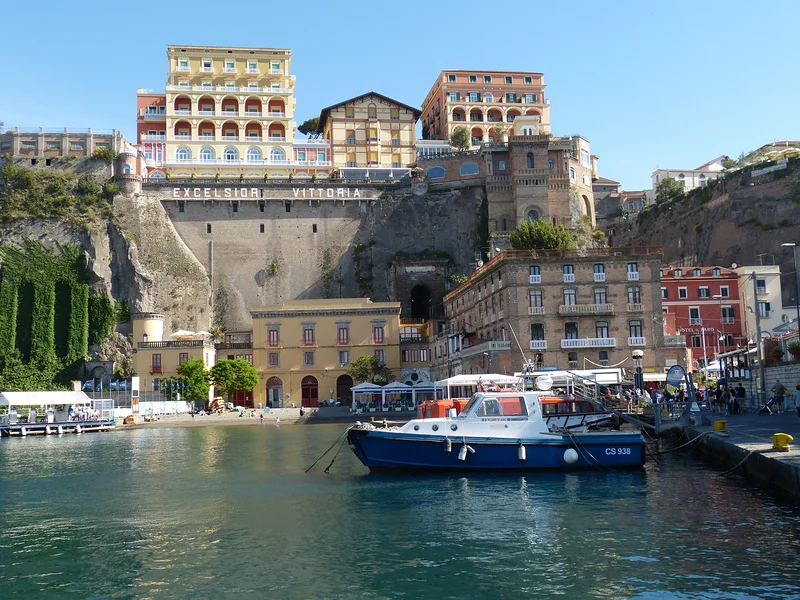
I found the city of Pompeii just as interesting as the archaeological site. We stayed in an Airbnb on Via Roma, and it was nice to walk around as a tourist. The architectural style is really beautiful, with the colorful house fronts and cobblestone streets. There was the De Vivo ice cream shop, the little playground for the kids, and plenty of restaurants with Italian specialties (a bit disappointed by the pizzas, but the tomato and mozzarella was the best I have ever eaten in my life!).