
Visiting Herculaneum
While Pompeii tends to draw every traveler around the Bay of Naples, skipping its neighbor Herculaneum would be a real mistake. It holds remarkably well-preserved ruins that easily warrant a full-day visit.
A small Italian town that draws visitors
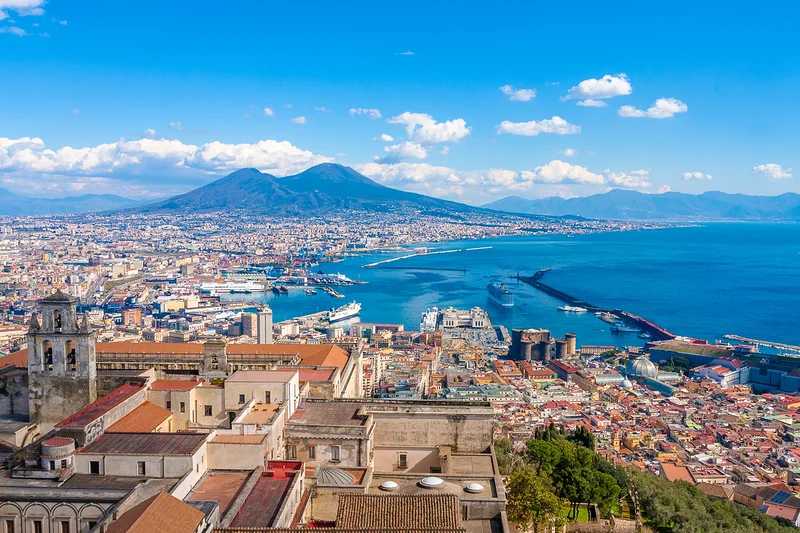
Herculaneum is a municipality located in the southeast suburbs of Naples, within the region of Campania. Sitting at the foot of Mount Vesuvius, it makes a solid base for exploring the area. It used to be called Resina, but it was renamed Ercolano in 1969 because of the ancient city ruins within its borders. On the tourism front, there is not much else exceptional about the town outside of the ruins. Still, the main street, Via Veneto, is a pleasant place for a stroll and window shopping. Stop by one of the pastry shops (pasticceria) to try a regional culinary specialty. Special mention goes to the sfogliatella, a traditional pastry filled with ricotta cream, which pairs perfectly with a hot drink.
Herculaneum, Pompeii's smaller counterpart
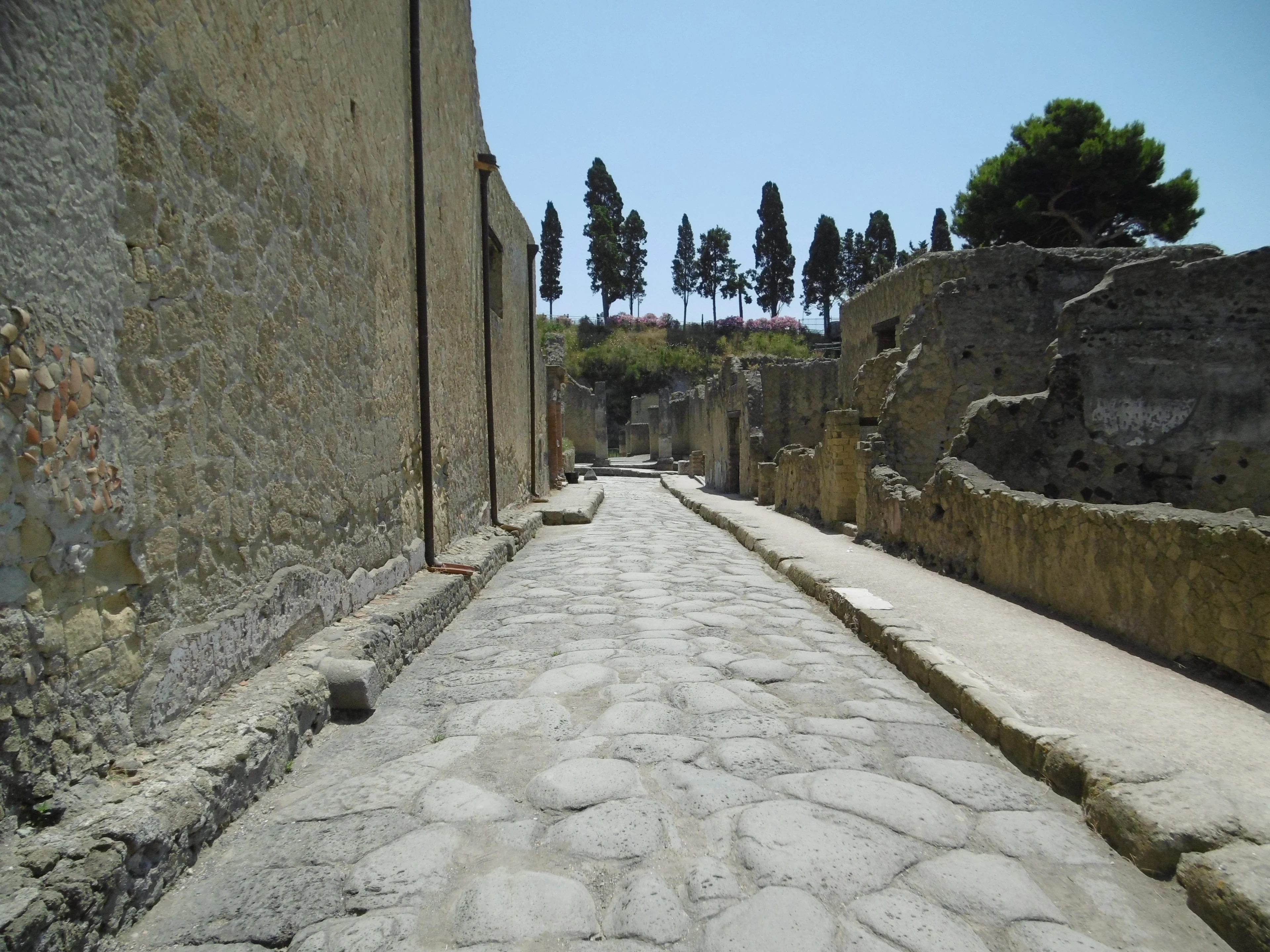
The true star of the town is its ancient city of Herculaneum, destroyed by the devastating eruption of Vesuvius in the year 79. In ancient times, it was a seaside town largely occupied by the villas of wealthy Campanian residents. It is less famous than its famous neighbor Pompeii because it is much smaller. However, Herculaneum is much better preserved because it was not covered in ash and small stones, but buried under a thick layer of pyroclastic flows and mud until its rediscovery in the 18th century. Most of the buildings therefore survived the disaster as well as the passage of time.
Herculaneum makes a strong impression at first glance when you discover its remarkably preserved ruins set twenty metres deep in a valley. Entering the archaeological site leads to a walkway descending toward the buildings. Villas with walls adorned with decorative friezes, shops, Roman baths, public buildings.. Walking through the streets of the ancient city, it is easy to picture its residents going about their business without knowing the tragedy heading their way. Plan for about 2 hours for a complete visit. To learn more and see artifacts recovered from the digs, head to the Naples National Archaeological Museum.
When to go
You can visit Herculaneum year round, as the ancient site is open in every season. It never gets the massive tourist crowds you see at Pompeii, but if you prefer true peace and quiet, pick spring and fall over summer.
How to get there
Herculaneum sits right next to Naples, just a fifteen-minute drive away via the A3. If you do not have a car, take the train to the Ercolano Scavi station, which takes 20 minutes from Naples. To reach Naples, you will find plenty of competitive flights from major European hubs. Rome is also not far from Herculaneum, at a 2h15 drive by car.
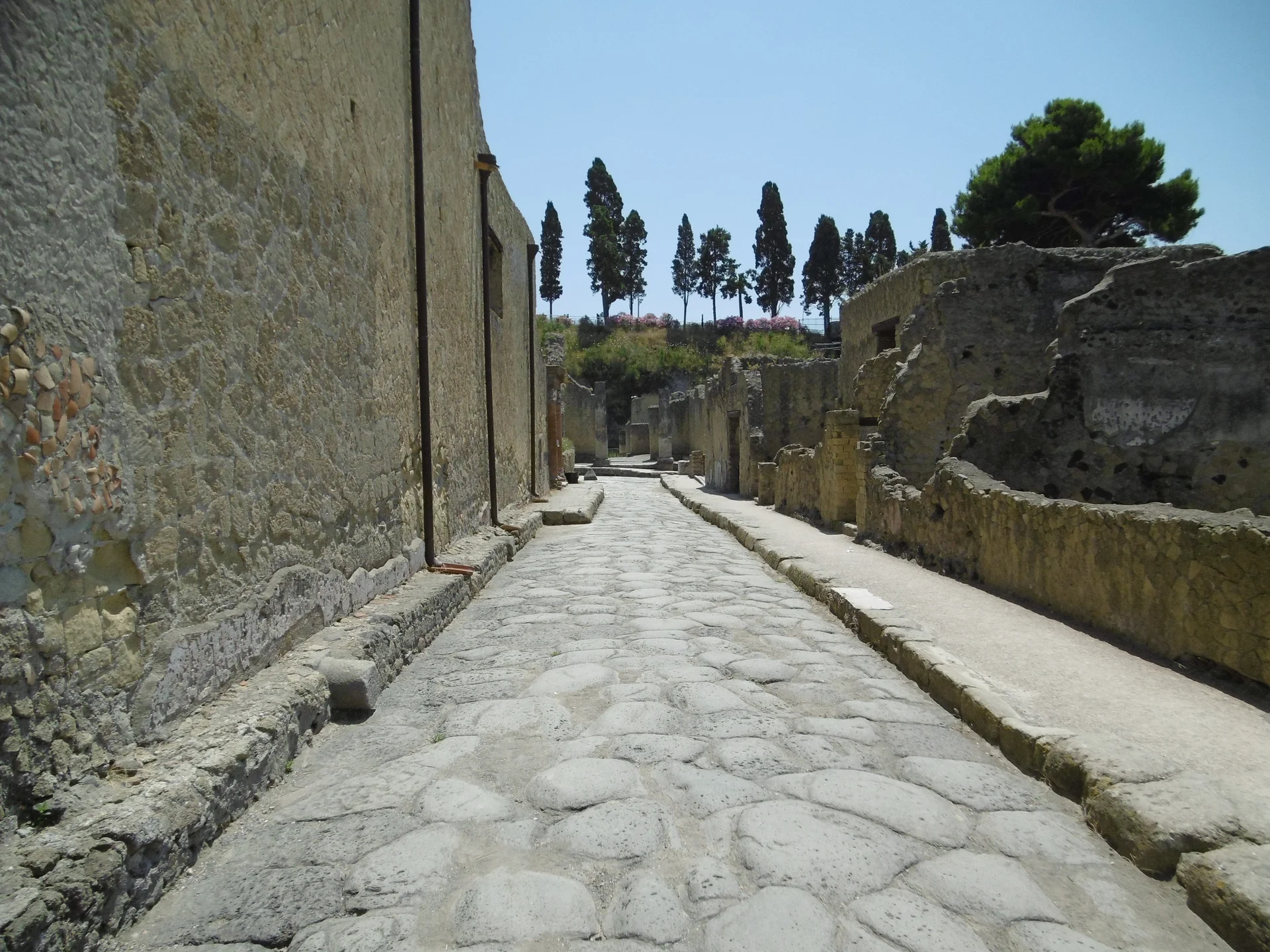
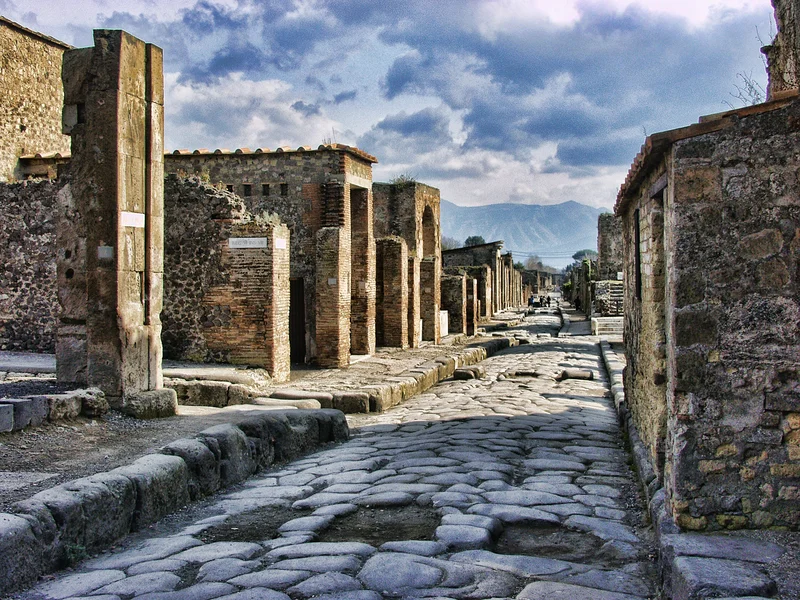
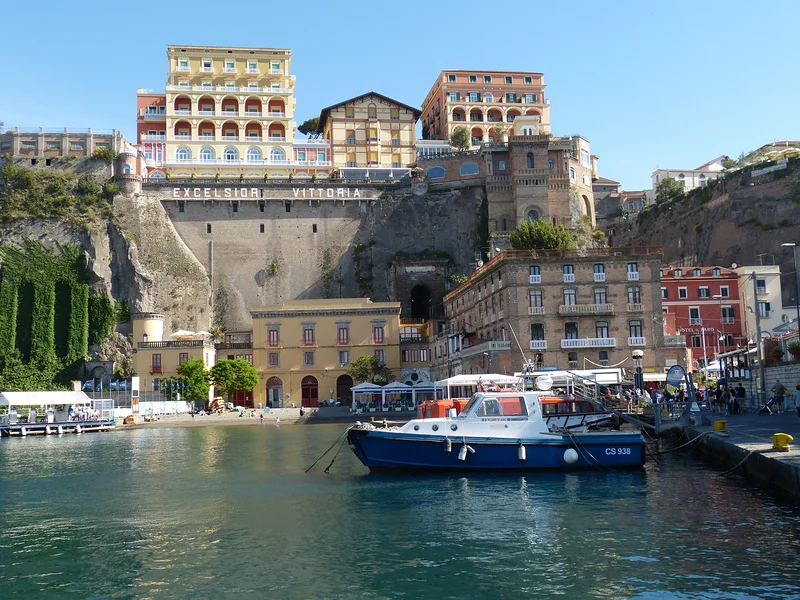
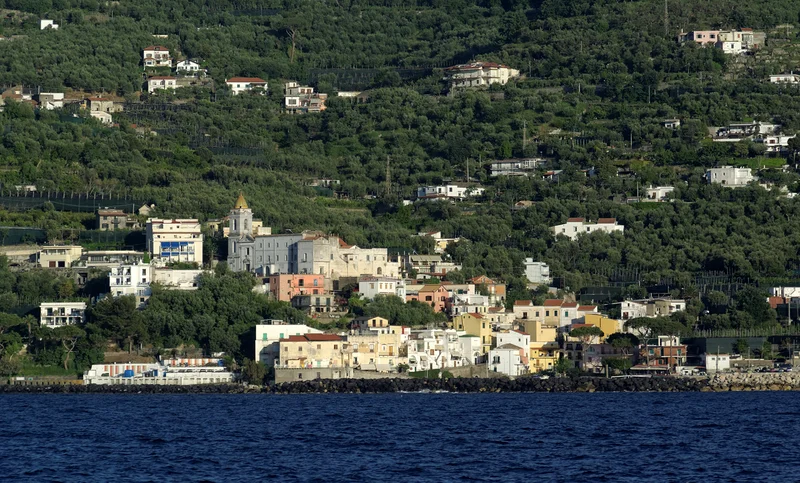
I made a stop in Herculaneum while heading back to Naples in the morning from Pompeii. I had bought the €20 ticket in Pompeii that gives access to 5 sites, and this one is the second main one. It is definitely not as big, but it has some interesting and different buildings, and it was less crowded too. It might not be a must-see, but I recommend it if time allows!