


Visiting Naples, the high-energy capital of southern Italy
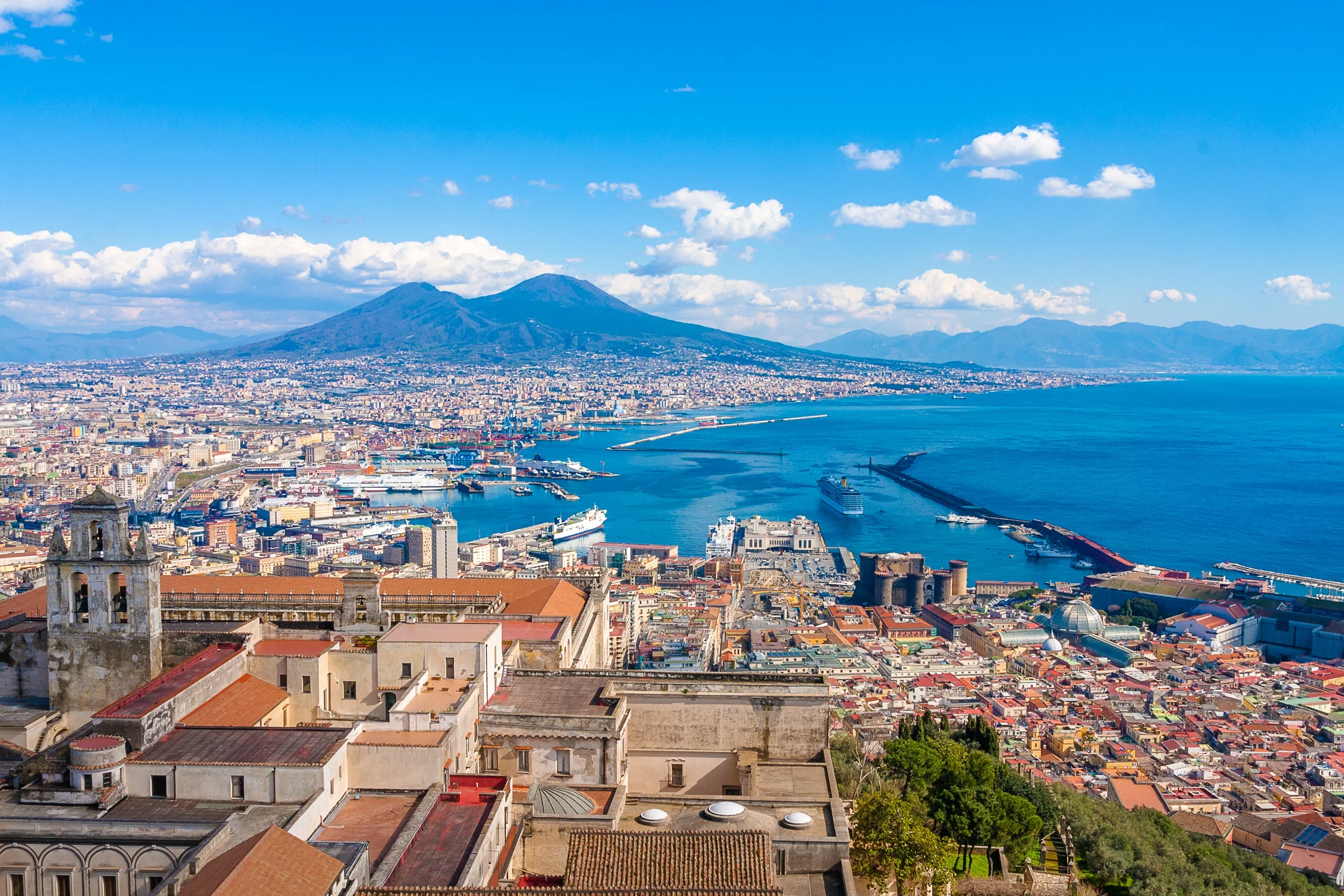
Picture a city where laundry flaps between faded balconies, the smell of fresh-baked pizza mingles with steaming espresso, and the Vesuvius looms in the background. This scene sounds like something straight out of a movie, but it is just everyday life in Naples, a place that throws you off balance as much as it mesmerizes you.
Here, chaos is an art form. Scooters weave aggressively between pedestrians, vendors shout out their prices, and neighbors chat across narrow streets from their windows. That raw energy, an intensity that might feel overwhelming at first glance, is precisely what gives this southern metropolis its soul.
A destination that splits opinions
You are going to either love this city or want to run away from it. If you are looking for a sterile, orderly destination, keep moving. But if you are ready to embrace Italian authenticity in its most lively, theatrical form, you are in the right spot.
This destination suits history buffs dreaming of exploring Pompeii and Herculaneum, food lovers chasing the real deal on Neapolitan pizza, and travelers searching for genuine experiences far from a sanitized tourist veneer. On the flip side, if you are a neat freak or have a low tolerance for noise and commotion, the city might rough you up a bit.
Families with kids will do well here thanks to the fascinating archaeological sites and walks along the Lungomare. Couples looking for standard romantic charm might need to temper their expectations because this city has nothing to do with a polished postcard, yet it delivers magical moments around a random alley corner or facing the bay at sunset.
A surprisingly easy budget
Good news: unlike Rome or Florence, your wallet gets to breathe here. Plan for between $79 and $113* per day per person for a comfortable stay. A pizza in an authentic parlor costs between $4.50 and $9*, and an espresso is barely $1.20* at the counter. Lodging hovers between $34 and $68* a night for a decent double room, and museums stay approachable with tickets averaging $12-$17*.
The Centro Storico: Neapolitan soul in the alleyways
The historical center, a UNESCO World Heritage site, is a maze where getting lost is half the fun. Between Spaccanapoli, the straight street that literally splits the old town in two, and buzzing squares like Piazza del Gesù Nuovo, every street corner throws a surprise your way.
This is where the heartbeat of the city happens, inside exuberantly decorated baroque churches, traditional nativity scene workshops along Via San Gregorio Armeno, and trattorias where local grandmothers still roll the dough by hand. The Duomo deserves a stop for its San Gennaro chapel, while the Cappella Sansevero houses the mysterious Veiled Christ, a sculpture that defies logic.
Take the time to head down into the belly of the city with Napoli Sotterranea, a network of Greco-Roman tunnels sitting 40 meters underground. The atmosphere down there is striking and almost surreal.
Friendly tip: intentionally lose yourself in the alleys early in the morning before 9 AM. You will cross paths with locals running daily errands, bakeries pulling their first batches from the ovens, and catch the true essence of Neapolitan life.
The Quartieri Spagnoli: The real face of the city
If you want to understand what living in Naples actually feels like, head straight to the Spanish Quarters. This grid of narrow streets climbing toward Vomero long carried a rough reputation, but it has completely transformed in recent years.
Today, it is a high-energy neighborhood where laundry still hangs between apartment blocks, women holler down to their kids from balconies, and hip little eateries and street art shops have moved in. The vibe is electric, working-class, and unapologetically Neapolitan.
Piazza del Plebiscito, just to the south, offers a striking contrast with its neoclassical elegance. This massive semicircular square, bordered by the Palazzo Reale and the Basilica di San Francesco di Paola, oozes grandeur. You can tour the royal palace for a glimpse into Bourbon opulence.
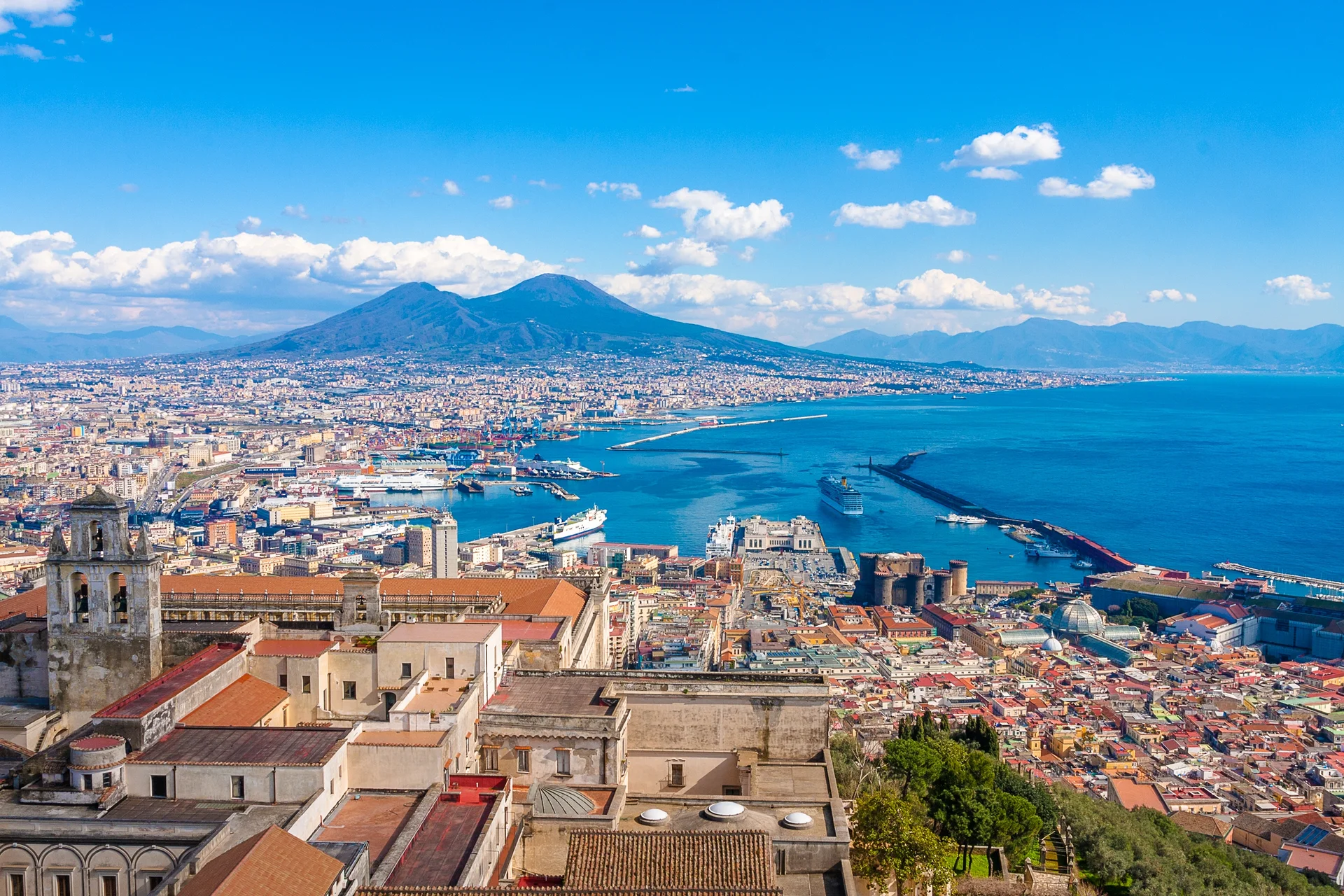
Friendly tip: head up to Castel Sant'Elmo in the late afternoon via the funicular. From the top, the 360-degree view over the city, the bay, and Vesuvius is worth the trip all by itself, especially at sunset.
Chiaia and the waterfront: When Naples catches its breath
Need a break from the intensity of the center? Head to Chiaia, the upscale neighborhood where affluent locals go to stroll. The vibe is entirely different here with tree-lined avenues, luxury boutiques along Via dei Mille, and a sense of relative order that clashes with the rest of the city.
The Lungomare Caracciolo, the waterfront promenade, stretches for miles between Santa Lucia and Mergellina. This is THE spot for Sunday walks among locals, and for good reason: the view of Castel dell'Ovo (the egg castle sitting on a small islet) and the gulf is gorgeous.
Take a breather in the Villa Comunale gardens, the green strip running parallel to the sea. For art fans, the Museo Pignatelli is worth a detour.
Friendly tip: at sunrise, the Lungomare is nearly empty. It is the perfect time for a run or a quiet walk facing the sea before the city wakes up to its usual roar.
At the gates of Naples: Pompeii, Vesuvius, and beyond
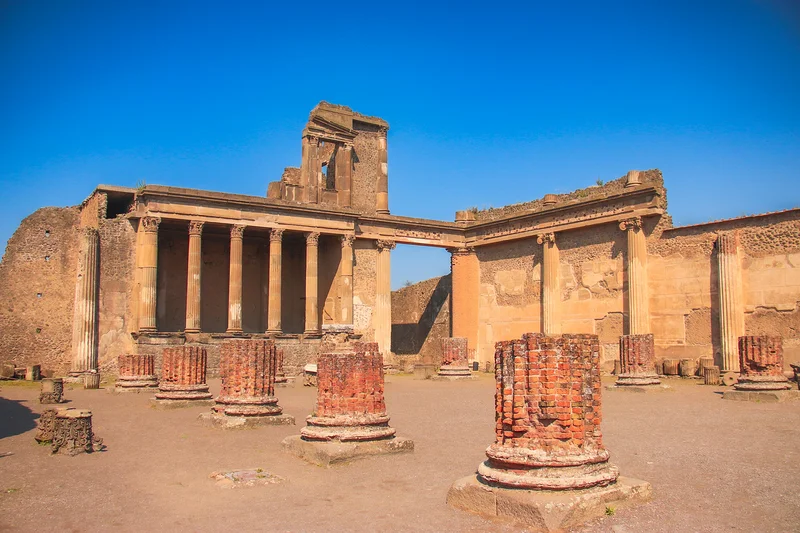
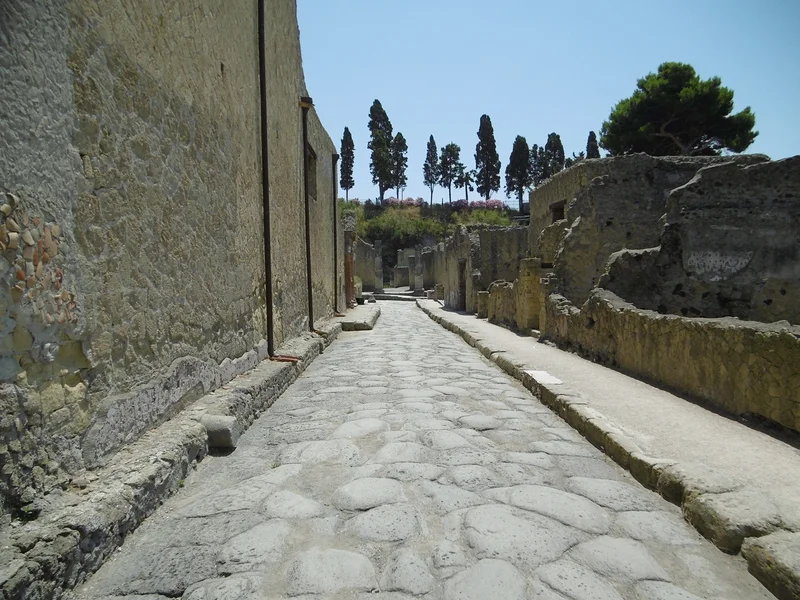
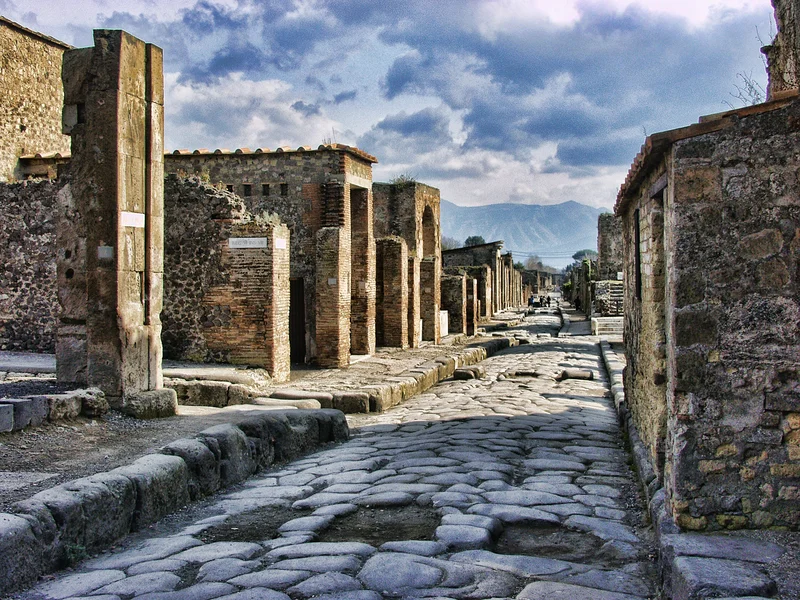
Visiting without exploring the surrounding treasures is out of the question. Pompeii and Herculaneum, frozen in time since the eruption of 79 AD, are reachable by train from the central station in 30 to 40 minutes. Plan for at least half a day for Pompeii, and less for Herculaneum, which is smaller but better preserved.
You can also hike up Vesuvius! A bus takes you up near the crater, where you can gaze down at the massive gulf. The final climb on foot takes about thirty minutes and delivers a unique experience.
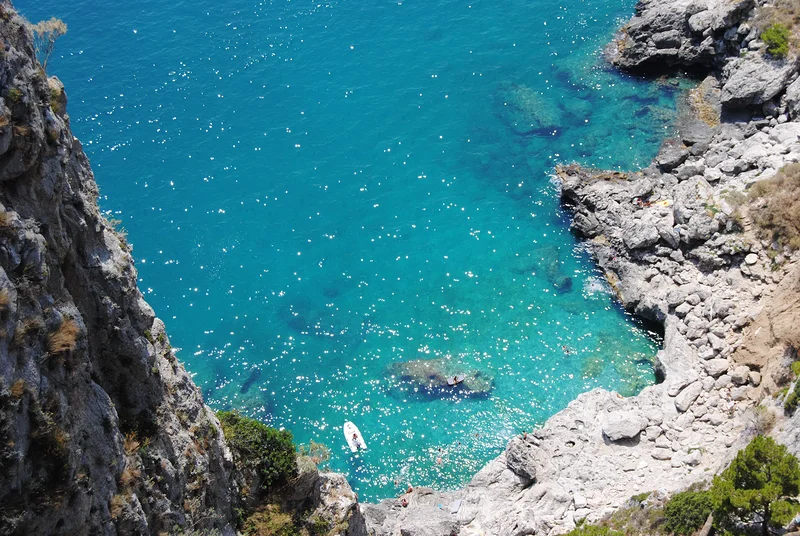
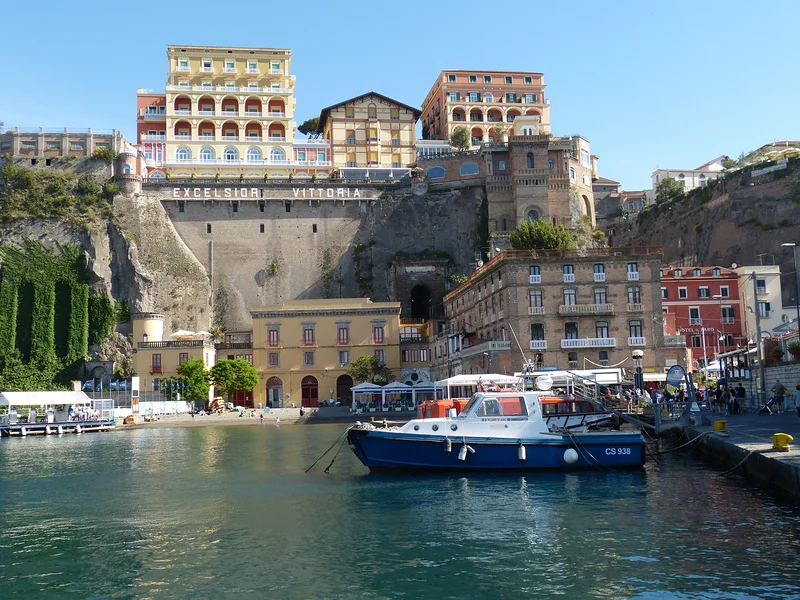
Further out, the Amalfi Coast is reachable by car or bus, though the road is famously winding and dramatic. Positano, Amalfi, and Ravello are postcard-perfect stops. The islands of Capri, Ischia, and Procida are connected by ferries leaving from the port, taking roughly 50 minutes to Capri and a bit longer for the others.
Friendly tip: for Pompeii, arrive right at opening time at 9 AM to beat the crowds and the heat. Pack water, a hat, and good walking shoes. Do not skip the National Archaeological Museum back in Naples, which holds the finest artifacts recovered from the digs.
Where to eat and drink in Naples?
Let us get straight to pizza. You are in its hometown, and nobody messes with tradition here. True Neapolitan pizza features a pillowy center, a puffed-up and slightly charred crust, topped with San Marzano tomato sauce, buffalo mozzarella, and fresh basil. Forget your usual standards because an authentic Margherita sets you back between $4.50 and $7.90*.
Looking for legendary spots? Try Da Michele, Sorbillo, or Starita in the center, or hit up Concettina ai Tre Santi in the Sanità neighborhood. Realistically though, almost any pizzeria sporting the "Vera Pizza Napoletana" seal serves incredible pie.
For something sweet, try sfogliatelle, those flaky pastries stuffed with ricotta and candied fruit. Head to Attanasio near the station or Scaturchio on Piazza San Domenico Maggiore. As for babà, the rum-soaked cake, grab one at Poppella or pretty much any reputable bakery.
On the seafood front, Santa Lucia is packed with trattorias serving linguine with clams or fresh-caught fried fish. A short, bold Neapolitan espresso is meant to be slugged down standing at the counter for $1.20*.
How to get to and around Naples?
Capodichino Airport sits just 6 kilometers from downtown. The Alibus shuttle connects the airport to Piazza Garibaldi (the central station) and the port in 15 to 20 minutes for $5.70*. Official white taxis charge a flat rate between $21 and $29* depending on your destination.
Trains remain the most practical way to arrive from Rome: plan for 1 hour and 10 minutes on the high-speed train for roughly $45-$57*, or 2 hours and 30 minutes on a regional train for $17-$23*. Once you step off at the central station, you are right in the city.
On the ground, walk! The historical center is made for walking. For longer distances, Metro Line 1 is your best friend. It is modern and decorated like a museum with stations acting as actual art installations, connecting the central station to downtown and Vomero. A ticket costs $1.50* for a single ride; the integrated hourly ticket, valid 90 minutes across networks, costs $2.10*. Funiculars make getting up to Vomero easy. Skip renting a car because traffic is a nightmare and parking is an extreme sport.
When to go?
The ideal months are May, June, September, and October. Temperatures hover between 68 and 82 degrees, making sightseeing comfortable without feeling baked. September remains a personal favorite because the sea is still warm, crowds drop compared to summer, and the light is unreal.
July and August bring heatwaves hitting up to 95 degrees along with heavy crowds, particularly around Ferragosto on August 15th. Avoid this window unless you are chasing beach days and do not mind fighting through throngs of people. Spring offers a great compromise with mild weather and a city shaking off winter.
Winter stays mild, rarely dropping below 50 degrees, but brings more rain, especially in November. It is low season, meaning fewer tourists and softer prices, though some coastal attractions close down.


For me you either love it or you hate it, there is no in between.
Naples is unlike any other city, the people are amazingly kind and the food is top notch.
Leave the clichés at home and set out to discover this unique city. 😍