

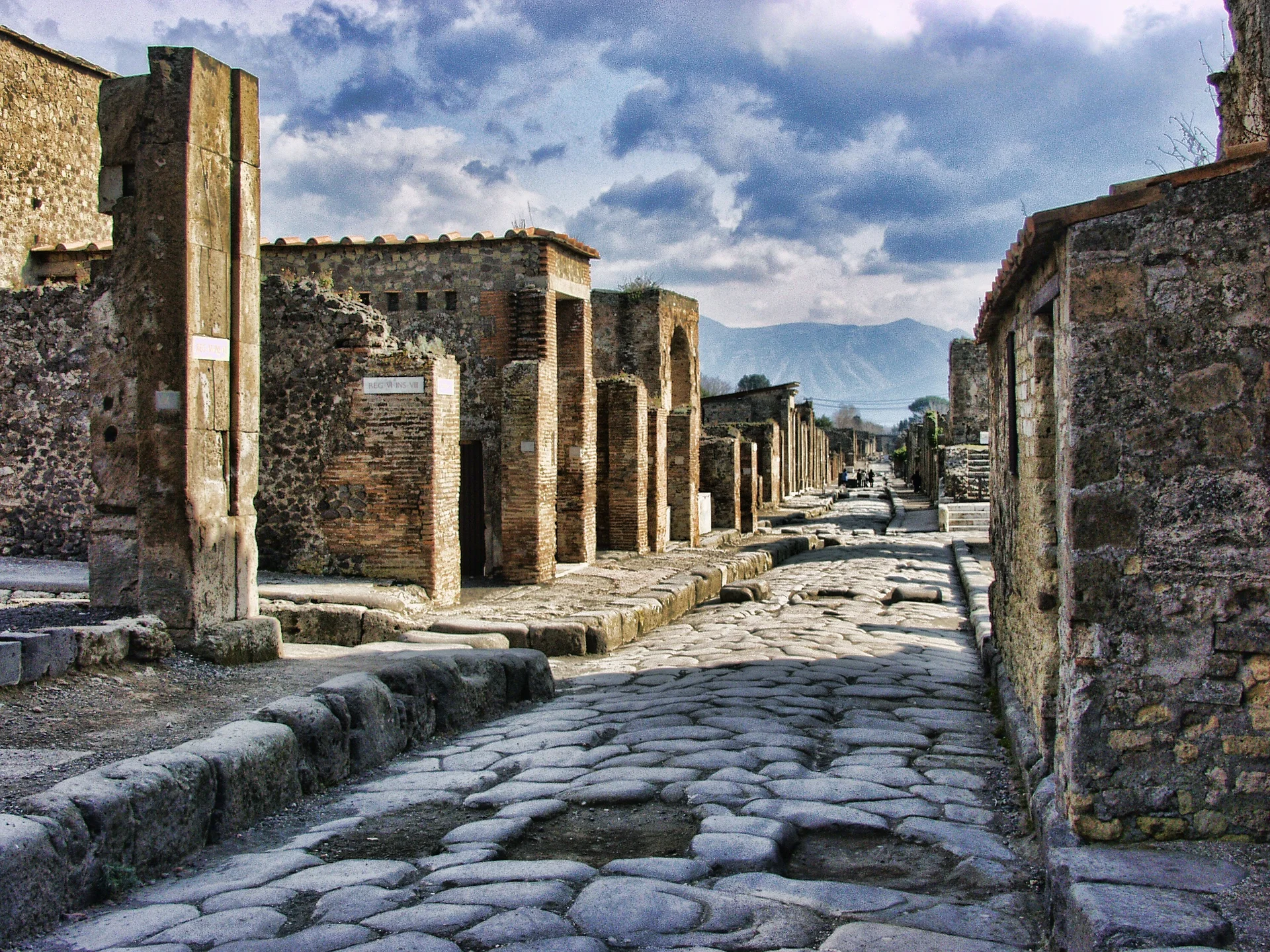
Pompeii, a city frozen in time
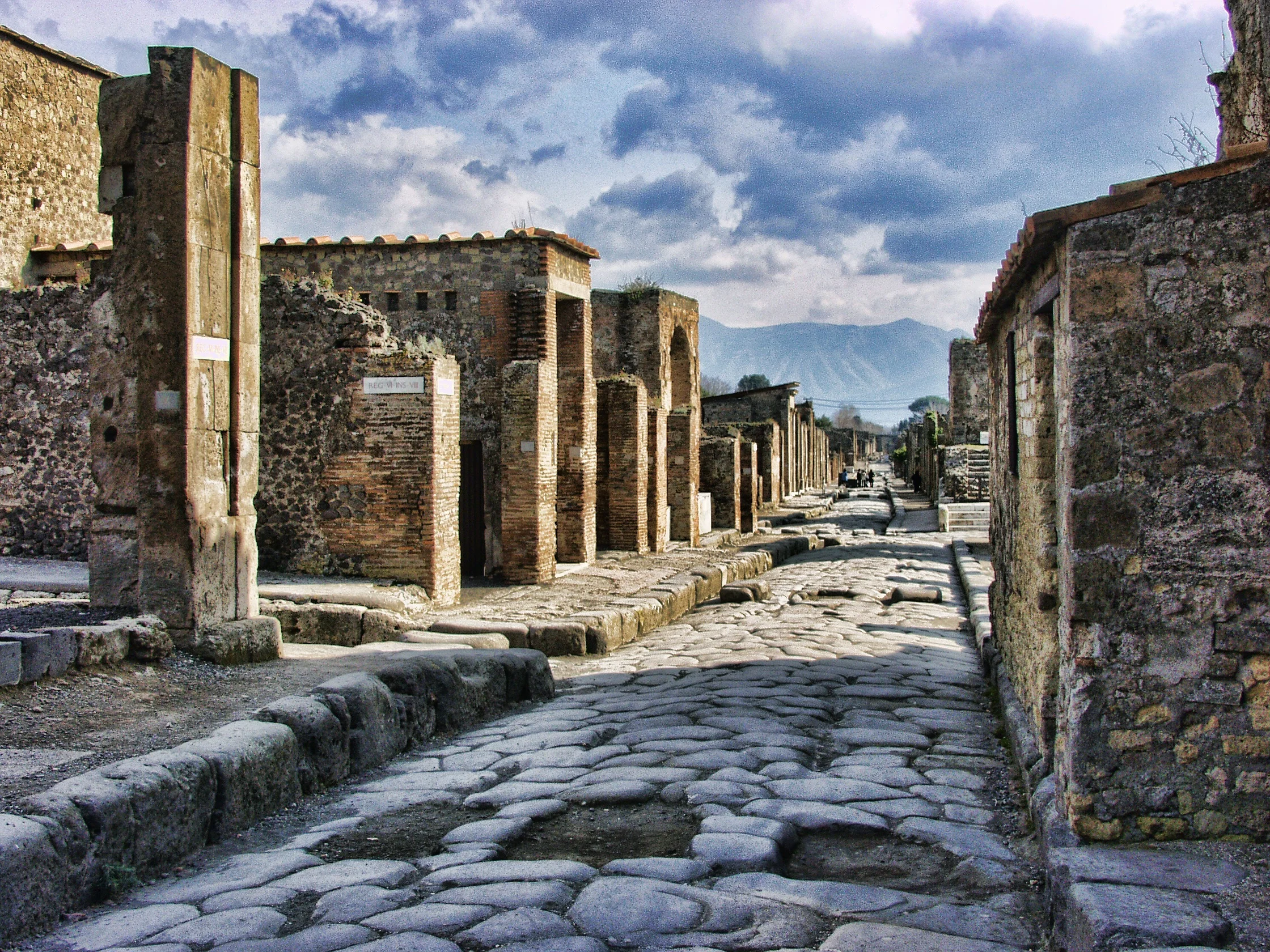
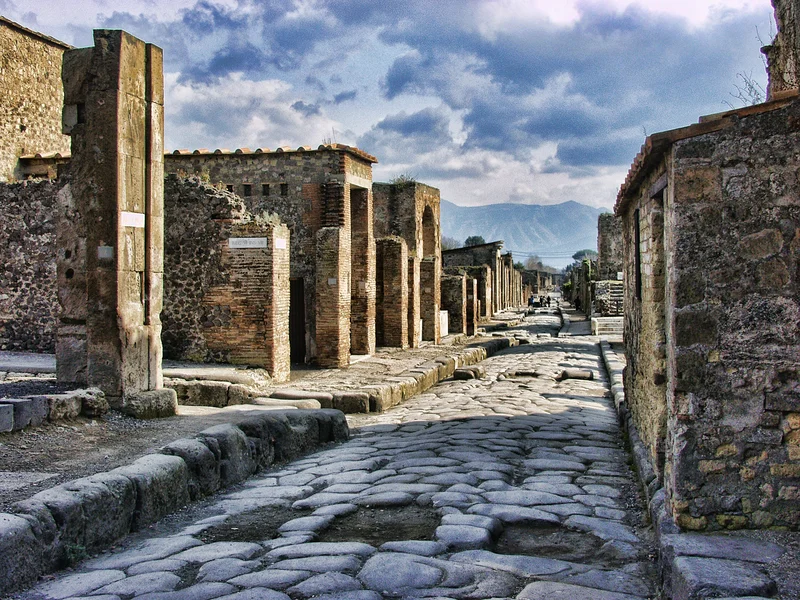
A charred loaf of bread found intact inside an oven. Scrawled complaints from unhappy patrons on the walls of a brothel. Charcoal drawings of gladiators made by children, discovered in early 2024 in a hallway where they once played. These details elevate Pompeii beyond a typical archaeological site. It is a time capsule where daily life from the 1st century was preserved in a few fateful hours on August 24, 79 AD.
A journey through time that leaves no one indifferent
This site is for anyone curious about how the Romans actually lived. History buffs can easily spend an entire day here without noticing the hours pass. Families will find a tangible outdoor classroom for teaching children about the ancient world. Even visitors who are not particularly interested in ancient ruins usually leave impressed by the sheer scale and preservation of the city.
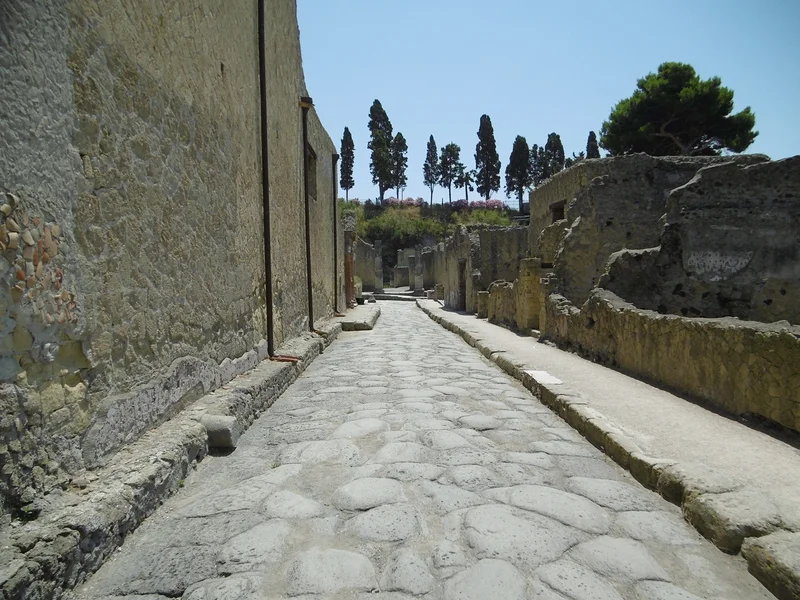
However, let us be realistic. The site spans 66 hectares (about 163 acres) under an often relentless sun. The Roman cobblestones are uneven, and shade is scarce. If you struggle with heat or have mobility issues, prioritize visiting in the spring, the fall, or during the early morning hours. Travelers on a tight schedule may also find the vastness of the site overwhelming.
A reasonable budget for a major site
General admission costs 18€ (about $20), or 22€ (about $24) if you include the suburban villas. Budget 3.10€ (about $3.40) for the train ride from Naples. A lunch on-site or nearby runs 10-15€ (about $11-16). Good news: admission is free for those under 18 and just 2€ (about $2.20) for EU citizens aged 18-25.
The Forum and the city center
Enter through the Porta Marina, the main gate located just steps from the train station. The Forum is the logical starting point. This large rectangular plaza was the nerve center of Pompeian life, where commerce, politics, and religion converged. Even today, the view of Mount Vesuvius from the columns of the Temple of Jupiter is striking.
Around the Forum, do not miss the Macellum, the former food market where you can still see the merchants' stone counters. The Stabian Baths offer an excellent look at Roman refinement, featuring locker rooms, cold and hot rooms, and an underfloor heating system. The Antiquarium, reopened after renovations, displays everyday objects and some of the famous plaster casts of victims.
Patrician houses and domestic life
The House of the Vettii, reopened in 2023 after a long restoration, represents the height of Pompeian opulence. Two freedmen once made their fortune here, and the decor shows it, featuring mythological frescoes with colors that remain vibrant, alongside interior gardens adorned with fountains. Guides often point out the famous Priapus statue at the entrance, which the Romans viewed as a symbol of prosperity.
Pro tip: The House of the Gilded Cupids, tucked away from the main circuits, offers a peaceful sanctuary with its quiet inner courtyard. It is one of the least crowded areas of the site, perfect for a break between visits.
The House of the Faun takes its name from the bronze dancing statue that once adorned its impluvium. It also housed the famous mosaic of Alexander the Great facing Darius, which is now at the National Archaeological Museum of Naples. Visiting that museum is the perfect complement to the site, allowing you to see the more fragile artifacts.
Daily life: shops, taverns, and entertainment
Pompeii had its own version of fast food. Thermopoliums served hot meals to residents whose homes lacked kitchens. The one belonging to Vetutius Placidus still has its counter fitted with storage jars and decorative frescoes. Nearby, the Lupanar with its explicit frescoes and small rooms draws the curiosity of adult visitors.
The Amphitheater, built in 80 BC, is older than the Colosseum in Rome. It could accommodate 20,000 spectators for gladiator fights. Located at the eastern edge of the site, it is often quieter in the late afternoon. The Garden of the Fugitives, located nearby, displays some of the most moving plaster casts, showing entire families frozen in their final attempt to escape.
The Villa of the Mysteries and recent discoveries
Outside the city walls, the Villa of the Mysteries justifies the 22€ (about $24) Pompei Plus ticket. Its monumental frescoes depicting a Dionysian ritual are among the best-preserved of the ancient world. The famous Pompeian red reaches a remarkable intensity here. Excavations continue to yield surprises, and as of early 2024, archaeologists uncovered private baths of exceptional size, potentially the largest ever found in a Pompeian house.
Pro tip: Since late 2024, Pompeii has capped entry at 20,000 visitors per day with name-specific tickets. You must book online via the official OneTicket website, especially in high season. The first Sunday of the month is free, but it becomes extremely crowded.
Where to eat and drink in Pompeii?
The site only has one cafeteria near the Forum, which is insufficient for the crowds. Plan to bring a picnic or eat outside the gates. The Bar Sgambati, right next to the station, is a decent option for a quick bite. For a real meal, head into the modern city of Pompeii, where trattorias serve honest Campanian cuisine. Local limoncello is a standard way to finish the meal.
Where to sleep in Pompeii and the surrounding area?
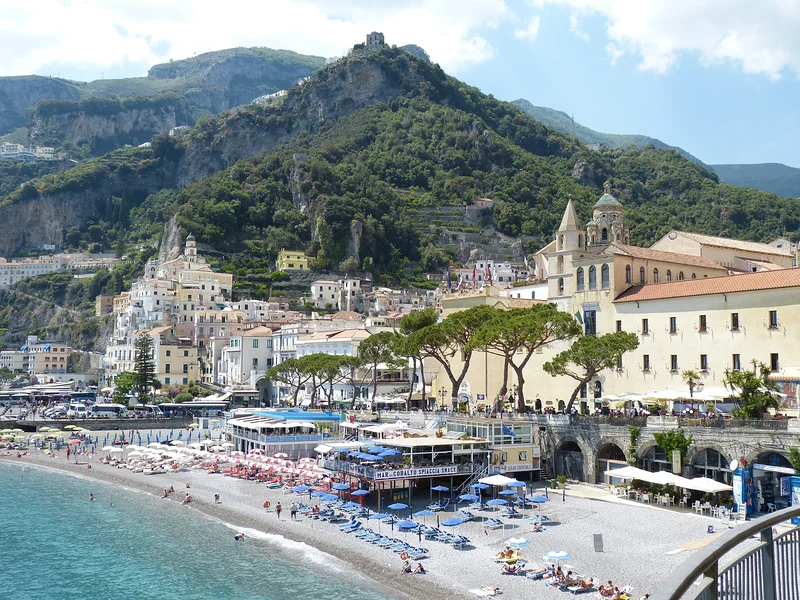
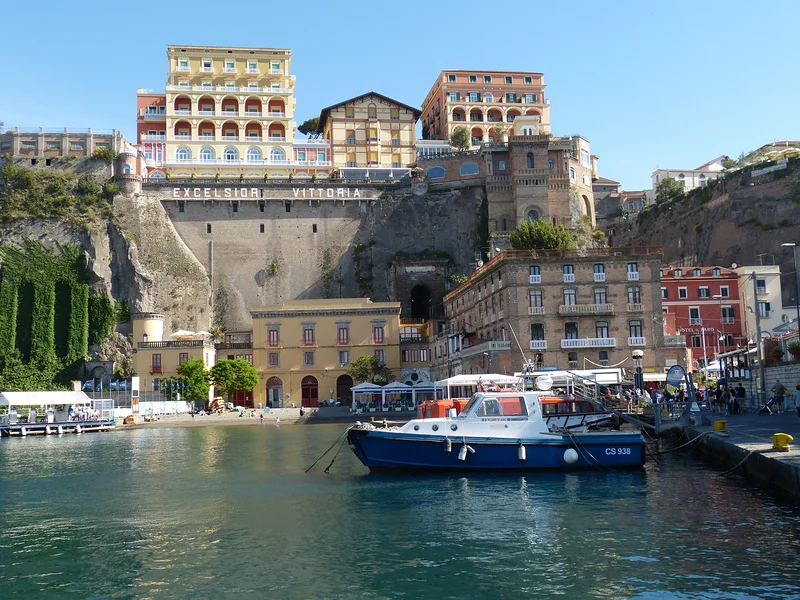
Naples remains the most practical base, with a 40-minute train ride, a wide range of hotels, and a lively nightlife. Sorrento, on the Amalfi Coast, offers a calmer setting about 30 minutes away. Staying in Pompeii itself allows you to arrive at the site opening, a definite advantage during high season. A few B&Bs and hotels line the Via Villa dei Misteri.
How to get to and around Pompeii?
From Naples, take the Circumvesuviana train at the central station, located at level -1. Get off at Pompei Scavi - Villa dei Misteri after a 36-minute ride. The ticket costs 3.10€ (about $3.40). From Rome, a high-speed train to Naples followed by the Circumvesuviana takes about 2.5 hours total.
By car, it is about 25 km (15 miles) from Naples, but parking near the site is expensive, typically around 20€ (about $22) for the day. If you are coming from the Amalfi Coast, the Circumvesuviana train from Sorrento takes 30 minutes.
When to go?
Spring and autumn offer the best balance between mild weather and manageable crowds. Summer is best avoided due to crushing heat, dense crowds, and very little shade. Winter allows for a quiet visit, though the days are shorter. Regardless of the season, arrive at 9 AM sharp to enjoy the site before the tour groups arrive.
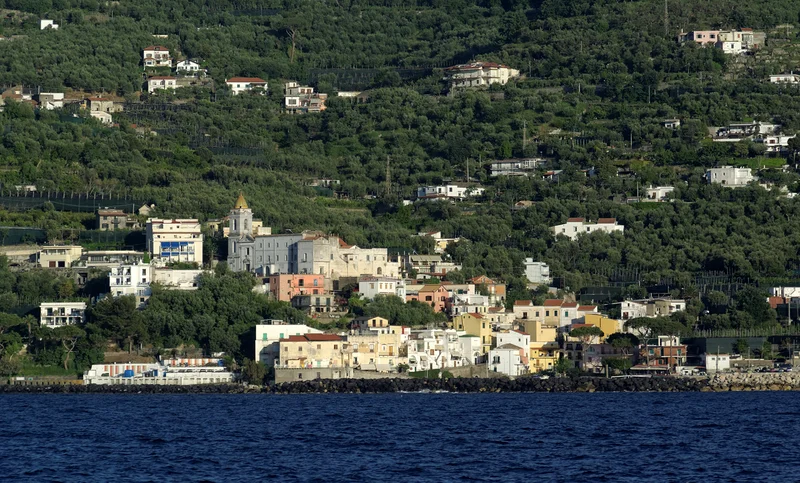
I found the city of Pompeii just as interesting as the archaeological site. We stayed in an Airbnb on Via Roma, and it was nice to walk around as a tourist. The architectural style is really beautiful, with the colorful house fronts and cobblestone streets. There was the De Vivo ice cream shop, the little playground for the kids, and plenty of restaurants with Italian specialties (a bit disappointed by the pizzas, but the tomato and mozzarella was the best I have ever eaten in my life!).