
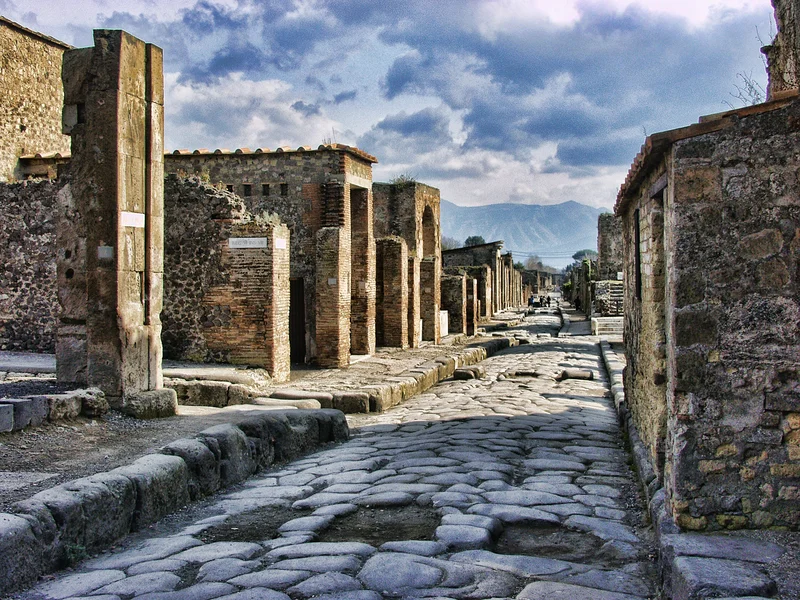
Visiting Massa Lubrense
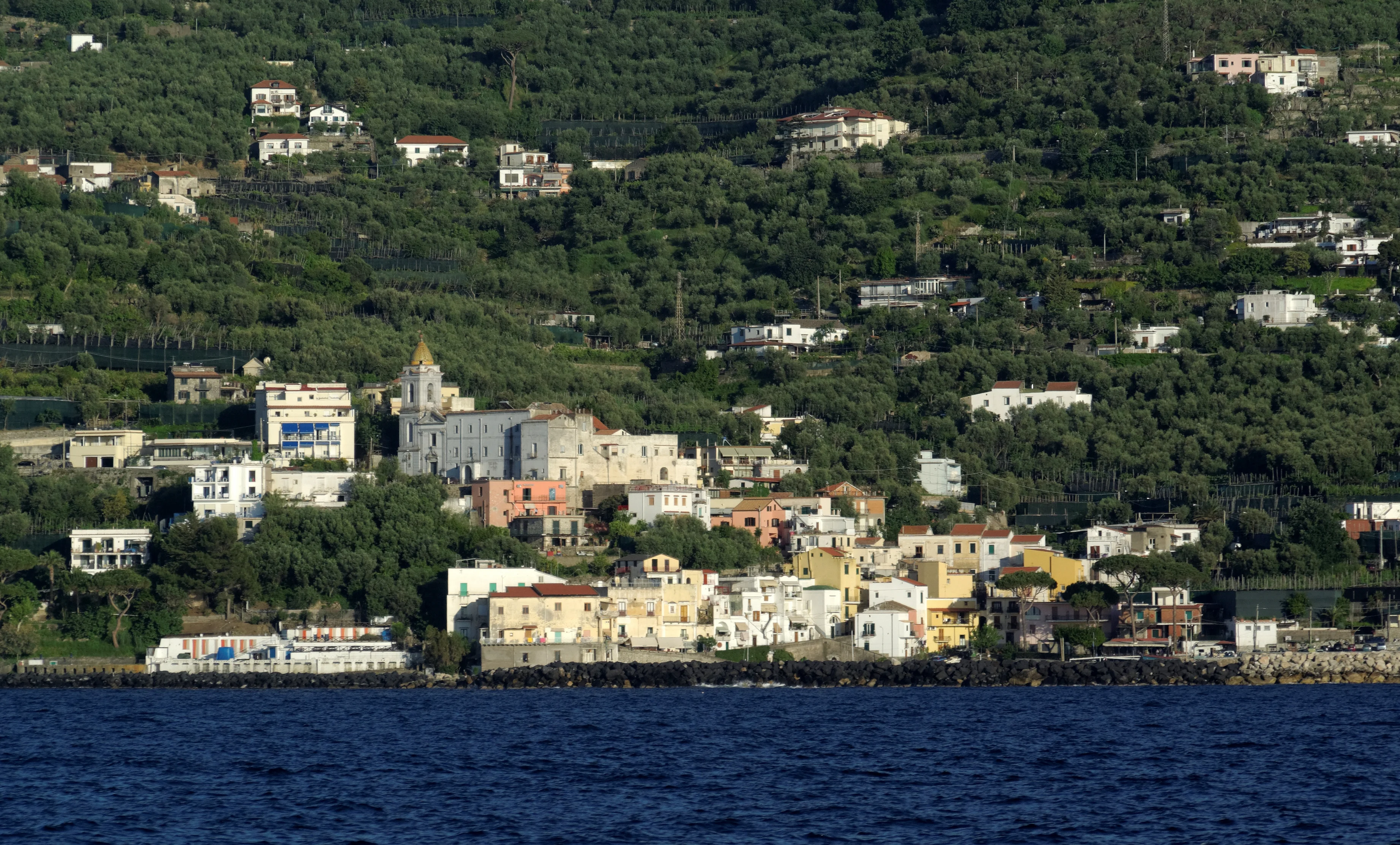
Massa Lubrense is a quiet sanctuary in Campania, tucked away at the very tip of the Sorrento Peninsula. This unassuming village blends sea, mountain, and countryside into a landscape that feels unchanged by time. Legend says this was the fabled land of Ulysses and his sirens. Today, it is defined by its 18 distinct hamlets, each holding its own character.
The best panoramic views
The scenery here is the main event. Positioned between the Gulf of Salerno and the Gulf of Naples, the Tyrrhenian Sea, and the island of Capri, Massa Lubrense offers some of the most expansive vistas on the Amalfi Coast. For the best perspective, head to a panoramic terrace near the town center. From this vantage point, the horizon dissolves between the sky and the deep blue water.
Monuments to see
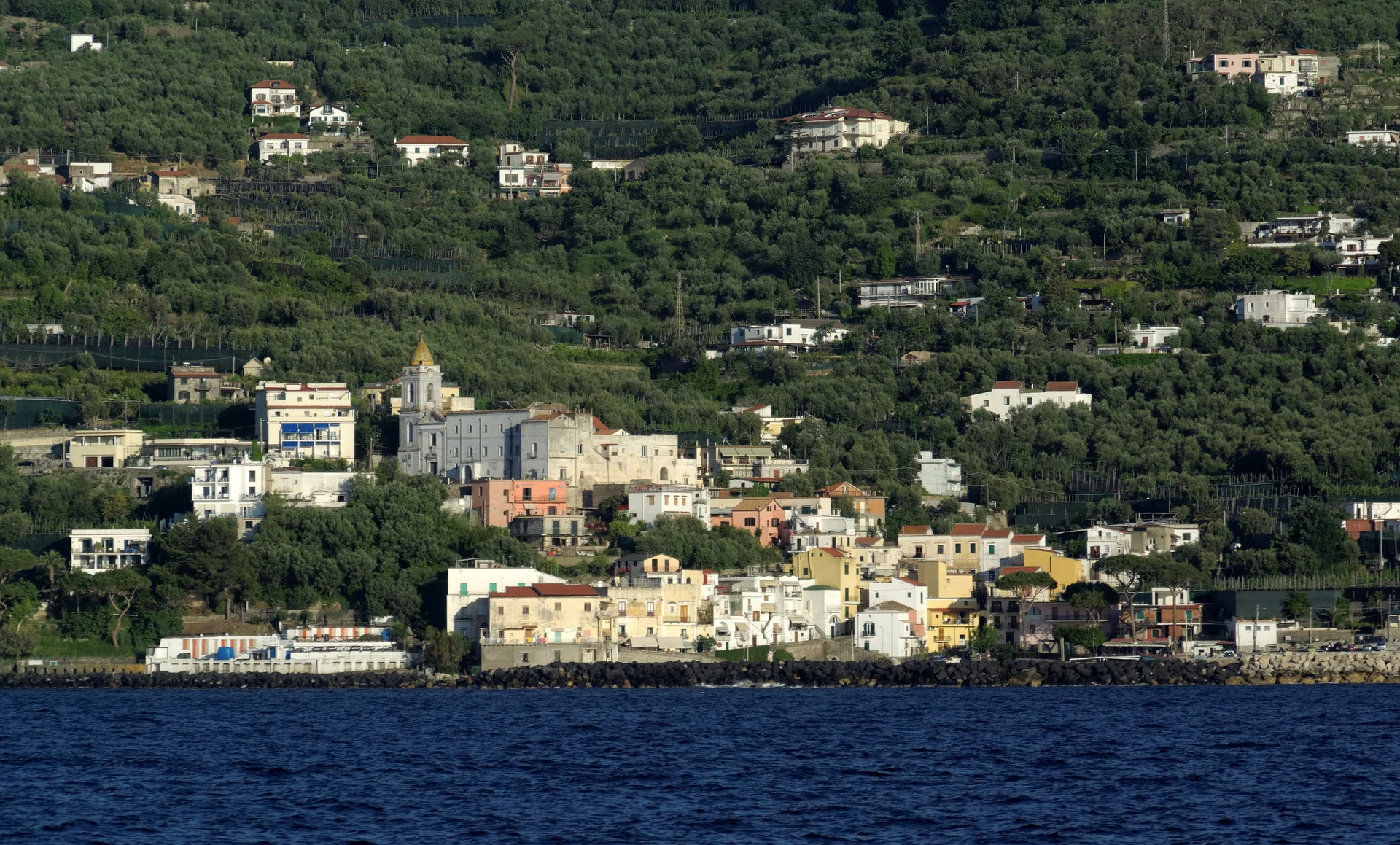
The village itself is compact, characterized by colorful houses and the chiesa di Santa Maria delle Grazie from 1745. While the building has been relocated and renovated several times over the centuries, its neoclassical facade remains pristine. Its white structure stands out against the blue sky, framed by intricate stucco work and an arched tympanum. Inside, look for the 17th-century wooden altar and well-preserved paintings from the 16th and 17th centuries. For those exploring the surrounding hamlets, the area is rich in religious architecture. To navigate the many sites, pick up a copy of the Musée Diffusé at the tourist office, which categorizes these landmarks by theme.
A paradise between land and sea
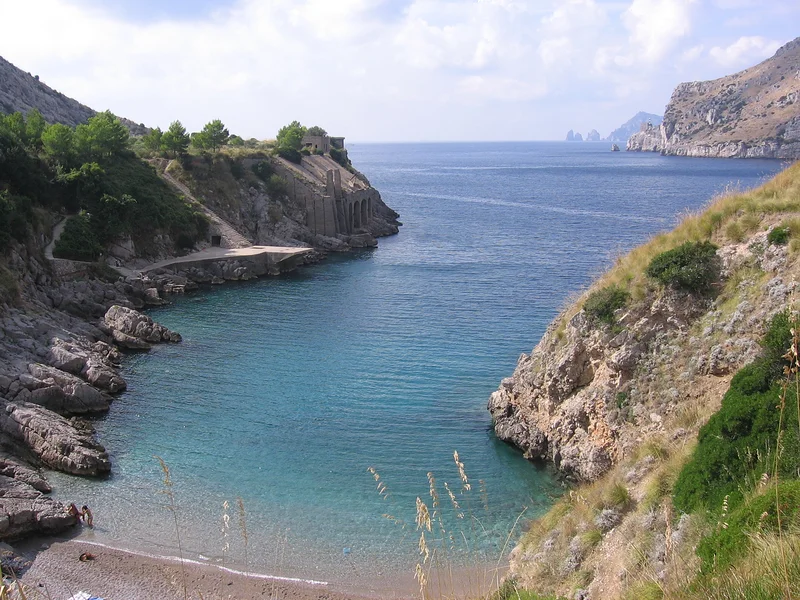
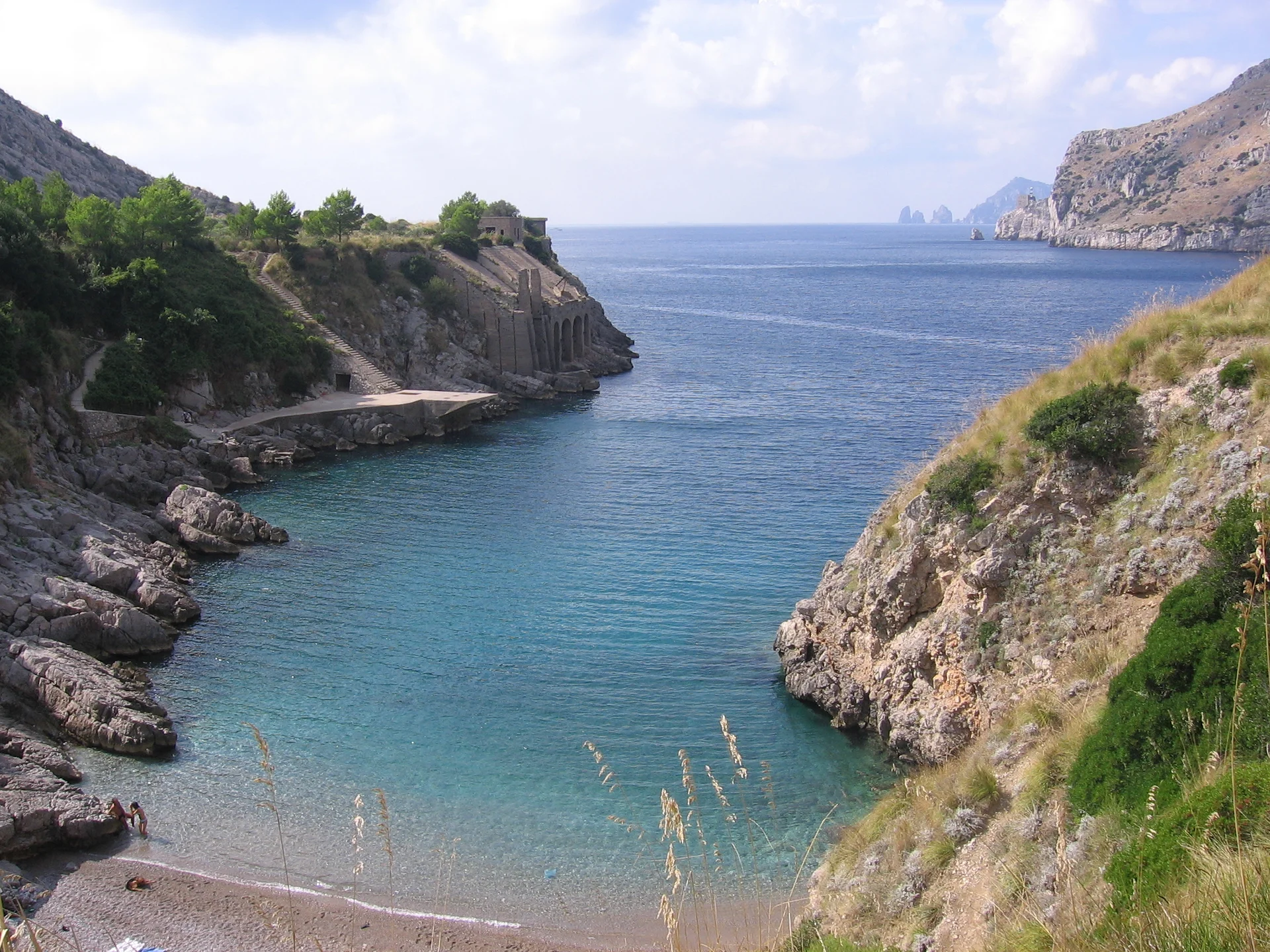
Boat excursions, particularly to the island of Capri, are a local staple, and kayaking is a primary way to explore the coastline from the various hamlets. In the Baia di Leranto, snorkeling reveals a protected, wild stretch of coast with crystal-clear water. This rocky cove is accessible only by foot or by boat. Beaches are plentiful across the two gulfs. Many are pebbled, such as Recommone at the Marina del Cantone. Others offer dramatic rock formations and views, like the Cala di Mitigliano, or small stones and caves, like the Plage de la Commune, which features an on-site restaurant.
Olive groves and citrus orchards provide the backdrop for hiking, especially in the Termini, Monte San Costanzo, and Punta Campanella area. From the hamlet of Torca, a hike leads to the Fjord of Crapolla. Along the path, you will find the Chapel of San Pietro and views of distant islands, while the peaks of Monte di Torca still feature the remains of ancient watchtowers. The narrow, 160-meter-long rocky fissure leads down to a private, secluded beach. You can also see the remains of a Roman villa here, and local fishermen still use the ancient monazeni boat shelters carved into the rock. Massa Lubrense remains an authentic, off-the-beaten-path destination.
Authentic Mediterranean cuisine
The local food scene is defined by fresh seafood and regional specialties like spaghetti alla Nerano, made with zucchini. The village is synonymous with its lemons. Whether called the Massa Lubrense lemon, oval lemon, or femminiello, this fruit is a local icon. It is used to brighten fish dishes and vegetables, or distilled into limoncello. Local wine is often produced using traditional vine-training methods, the olive oil is DOP certified, and provolone del Monaco, a spicy and aromatic cheese, is a must-try.
When to go
With a Mediterranean climate and average temperatures around 64°F (18°C), the weather is ideal from April through November. Massa Lubrense stays lively with events like the Lemon Festival in July and the popular festival of the Madonnina del Vervece in September.
How to get there
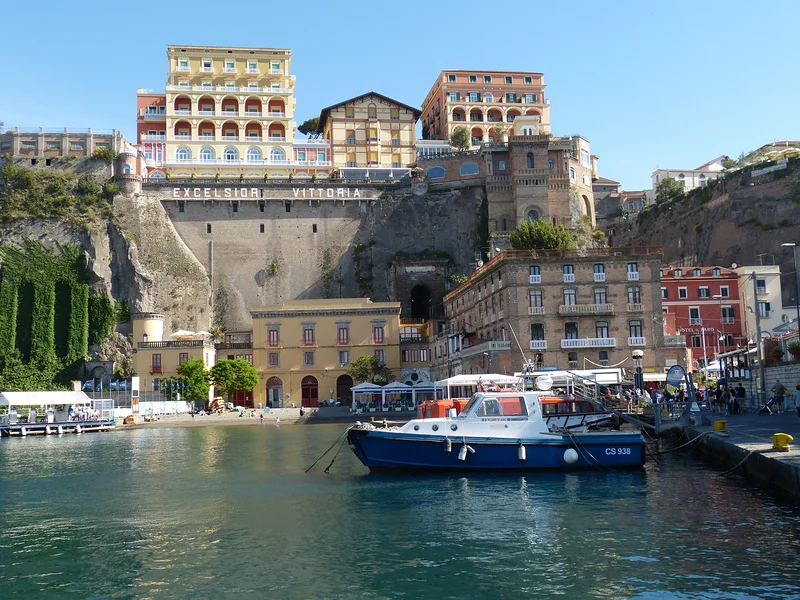
The nearest airport is in Naples, about 30 miles (50 km) away. You can take a train to Sorrento and transfer to a bus for the final leg to Massa Lubrense. Renting a car or taking a taxi is the fastest and most convenient way to reach the area, especially if you plan to explore the various hamlets across the peninsula.
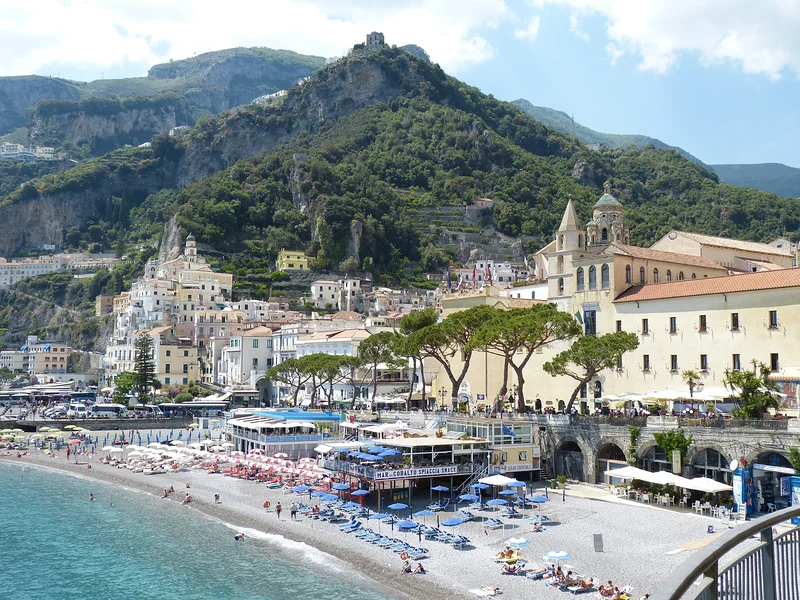
Whether it is Naples, Mount Vesuvius, or the coast, Massa Lubrense is a great place to explore the region while staying in a quiet area.