
Capri at a Glance
The legendary island of Capri has drawn travelers for generations with its dramatic cliffs and undeniable Mediterranean charm.
The Legend of Capri
Capri's reputation skyrocketed in the 20th century when artists and intellectuals like Cocteau, Picasso, Gide, Brigitte Bardot, and Godard (who filmed Contempt here) began singing its praises. The jet set followed quickly, turning the island into a playground for the rich and famous.
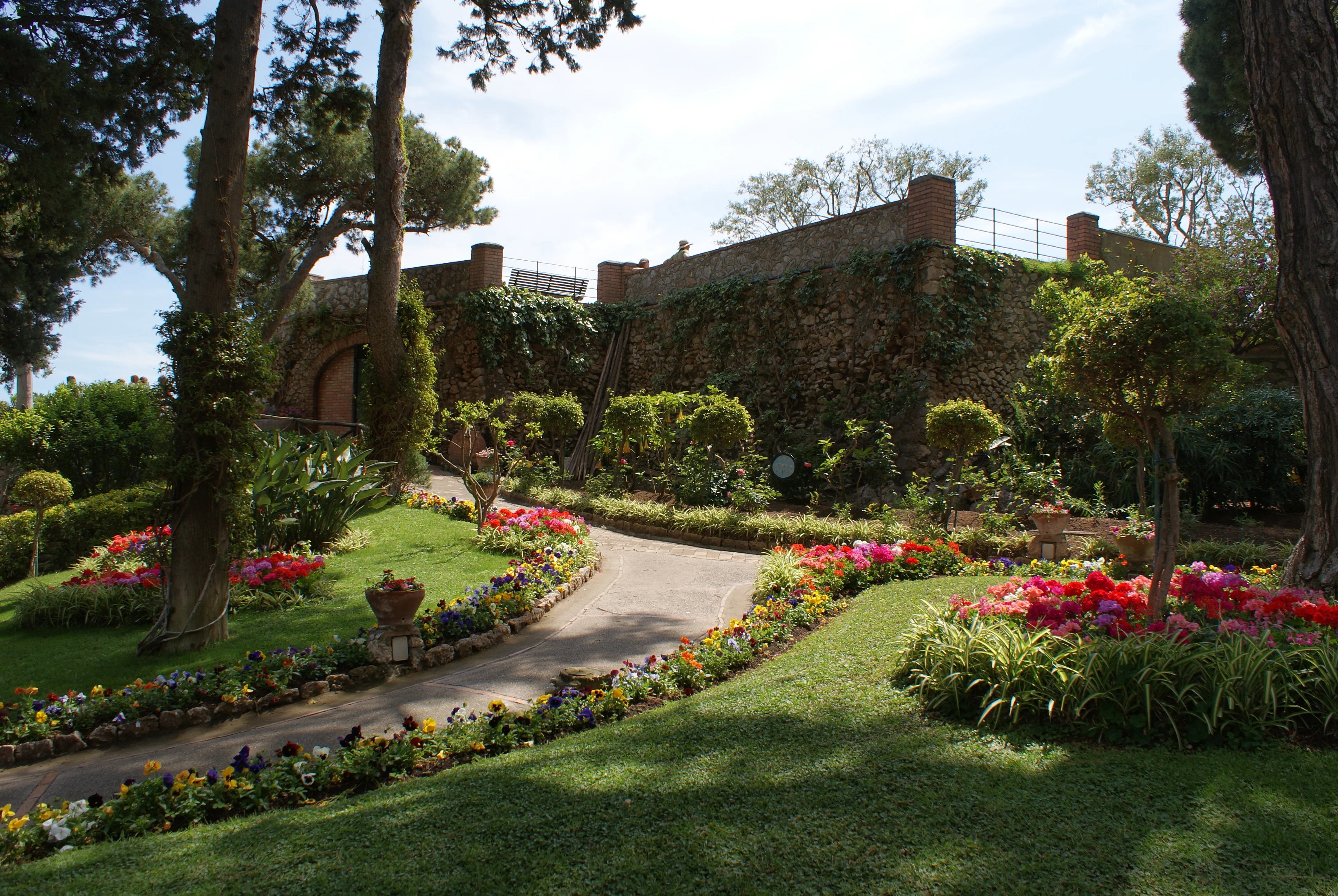
Today, the island is a premier luxury destination that still captures the attention of everyone from international travelers to locals. Capri makes an immediate impression as your ferry approaches: a steep, rugged rock measuring 6 kilometers by 3 kilometers with striking topography. The typical Mediterranean vegetation blends pine trees, strawberry trees, and vineyards, all framed by open water that shifts through every shade of blue from morning to night.
Capri certainly caters to an affluent crowd, making Capri town feel like Italy's answer to Saint-Tropez. Yet the island remains a natural sanctuary that equally rewards hikers and history buffs. Do not miss Villa Jovis, built by Tiberius in the 1st century AD, or Villa San Michele, the house-museum of Swedish physician Axel Munthe, built on the remains of a chapel dedicated to Saint Michael.
Grottos, Panoramas, and Good Food
Among the top natural sights on Capri, the Blue Grotto is essential. Discovered by a writer in 1826, the cave lets sunlight filter through an underwater cavity and illuminate the stone walls with a vivid cobalt glow. Its counterparts, the White Grotto and the Green Grotto, are equally worth viewing. Capri also features numerous marked walking and hiking trails. The Arco Naturale is the most famous for its sweeping view from the heights of the island. After a long hike around the cliffs, the water is always waiting.
You can also unwind at one of Capri's many wellness spots. The local spas and beach clubs offer relaxing treatments that draw visitors looking to recharge. Away from the bustle of Capri town, wandering the narrow streets of Anacapri offers a quieter pace. Its historic center features colorful homes alongside bars and restaurants specializing in classic Neapolitan cooking. Wood-fired pizzas, lasagna, cannelloni, scorpion fish, cod, and house-made limoncello fill local menus.
The nearby islands of Ischia and Procida are also easy to reach for a day trip.
When to go
You can visit Capri year-round thanks to its mild Mediterranean climate. However, plan your trip between April and early October to experience the island at its best. Keep in mind that crowds peak during July and August.
How to get there
You can easily reach Capri by ferry from Naples (a 1-hour crossing) or by hydrofoil from Sorrento (a 20-minute crossing), as well as from Amalfi, Salerno, and Positano. Capri's harbor handles these regional services only: long-distance ferries from Sardinia, Spain, Corsica, and Tunisia dock in Naples, where you switch to a Capri boat.
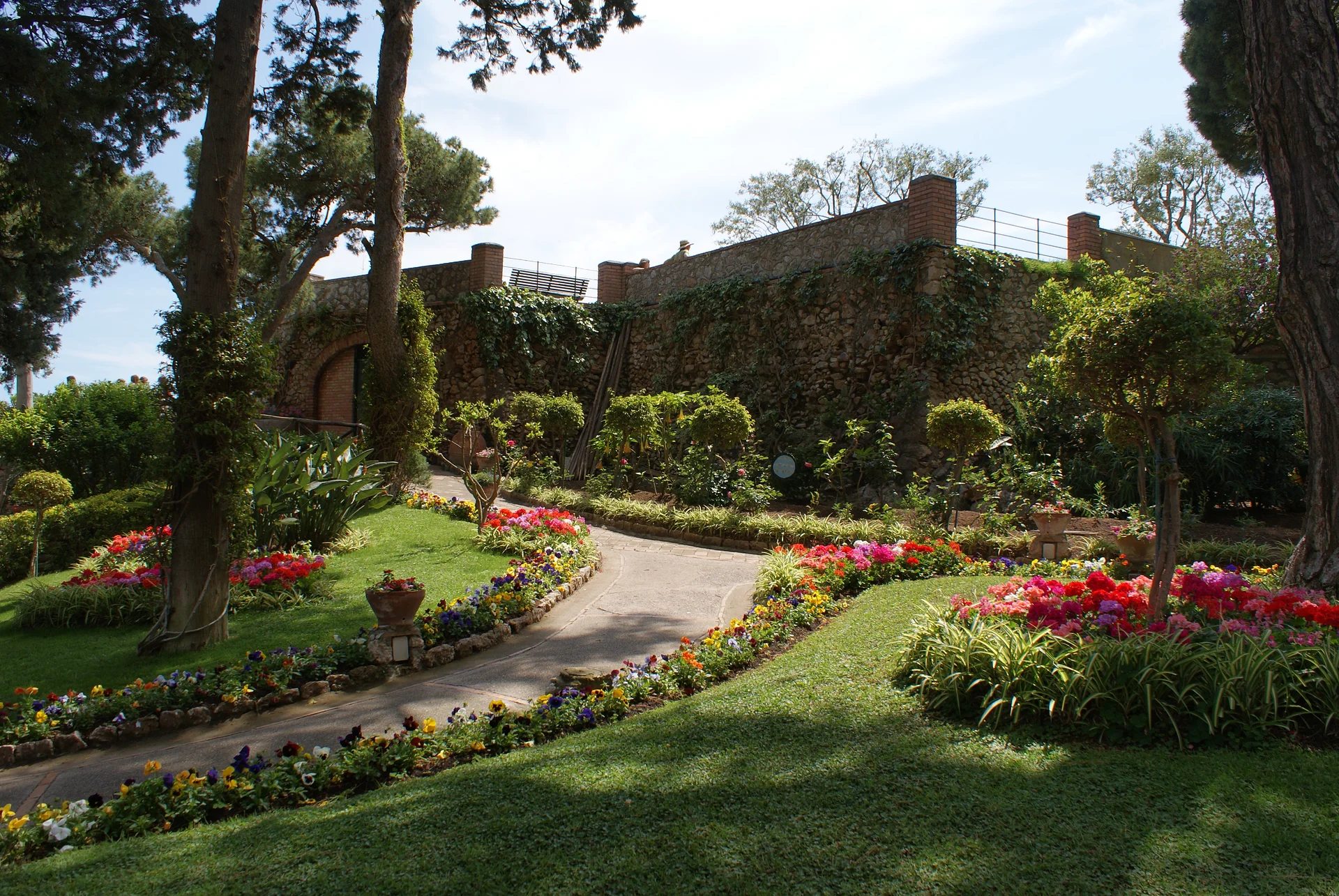
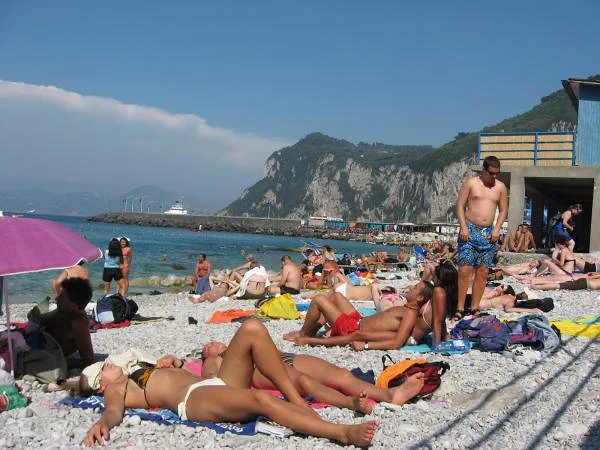
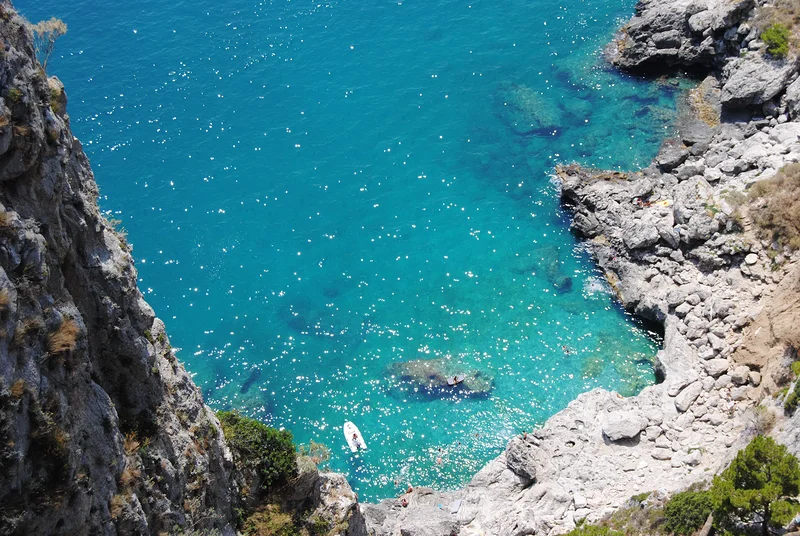
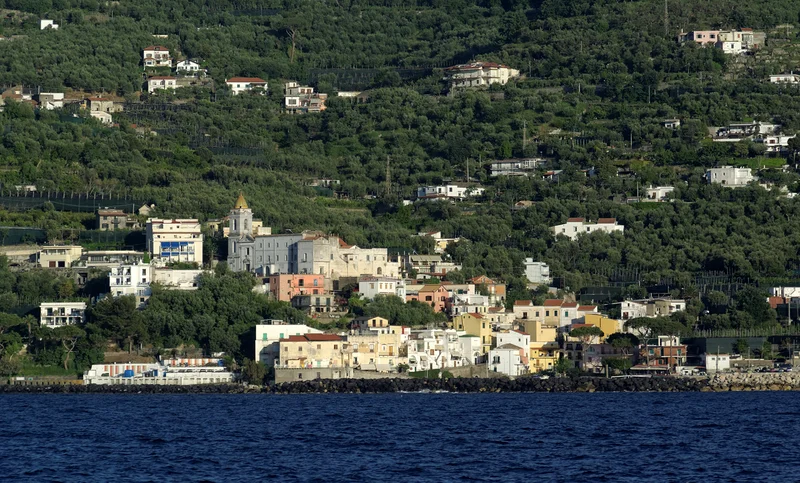
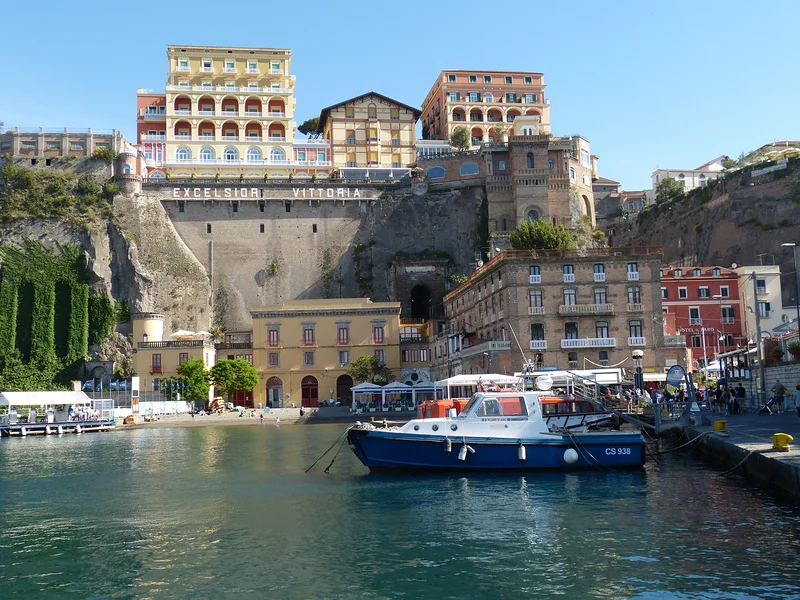
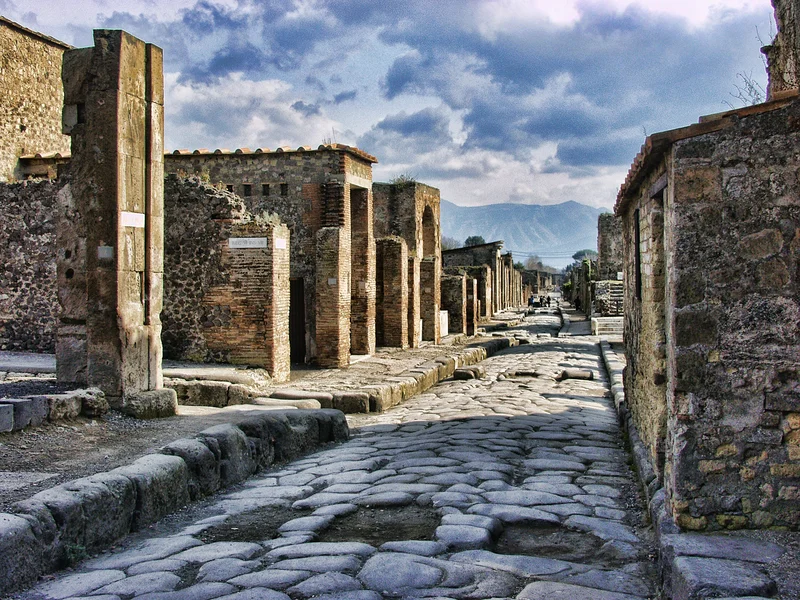
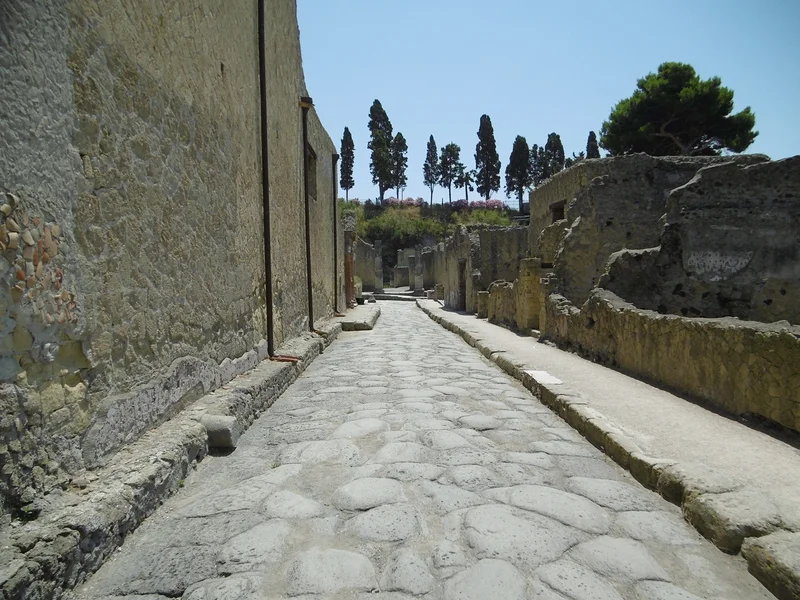
Less touristy than its neighbor Naples, Capri and its surroundings match the image I had of southern Italy, Mediterranean, with its sounds, its colors, its smells, and its wilder nature.