Visiting Sicily
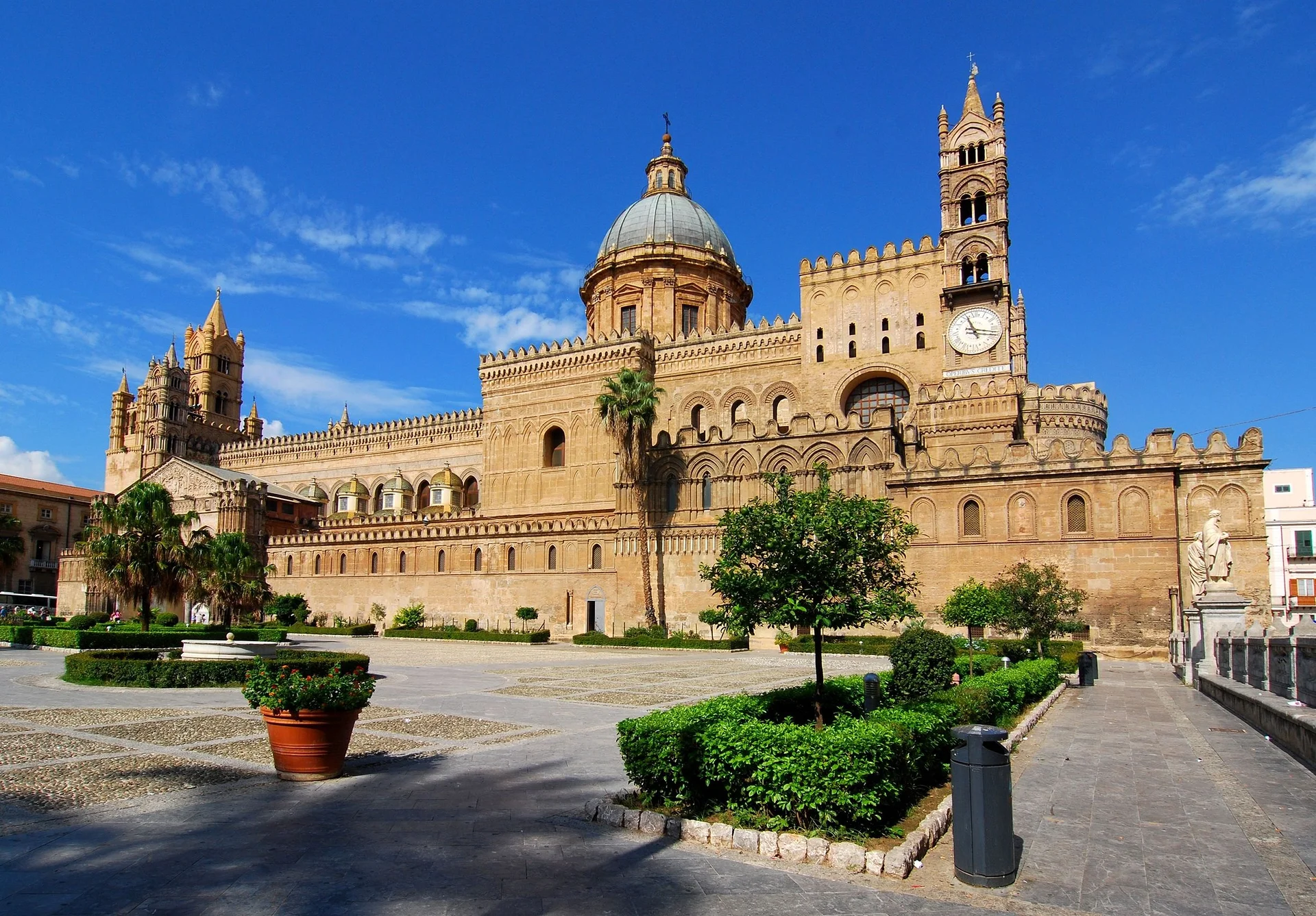
Palermo is read in layers: a Punic city, then Roman, then Arab for two centuries, then Norman, then Spanish. Nothing was erased, everything was reused, and the most striking monuments are the ones where the layers still show.
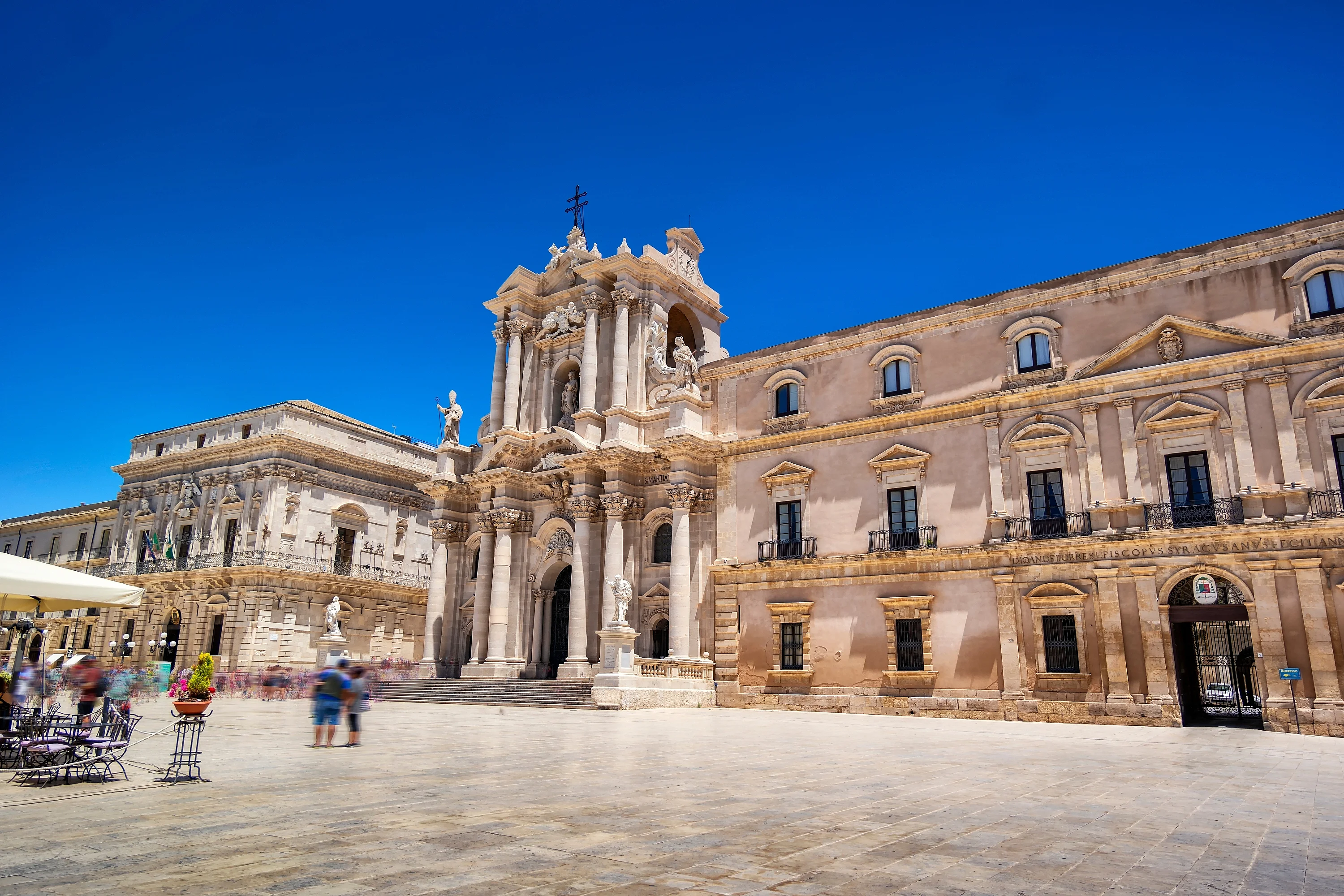
Three hours east by road, Syracuse tells another story: that of a Greek city that rivalled Athens, and whose cathedral is a temple of Athena with the gaps between the columns simply walled in.
You will love it if
- Mixtures interest you more than pure styles
- You eat in the street without a second thought
- You come in April, May or October, when the heat is bearable
Look elsewhere if
- You want order: traffic and opening hours are a permanent negotiation
- You come in July or August: the interior passes forty degrees
- You expect to see it all without a car: the island is twenty-five thousand square kilometres
The must-sees
The highlights
-
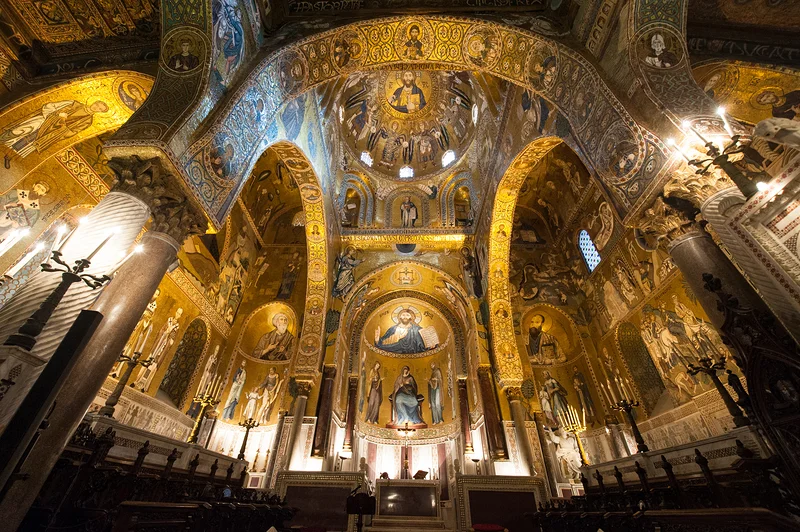
1 The Palatine Chapel +3 recs
The royal palace chapel, finished in 1140: Byzantine mosaics on the walls, a wooden stalactite ceiling painted by Arab craftsmen, inscriptions in three languages. The only place where the island's three cultures fit into one room.
-
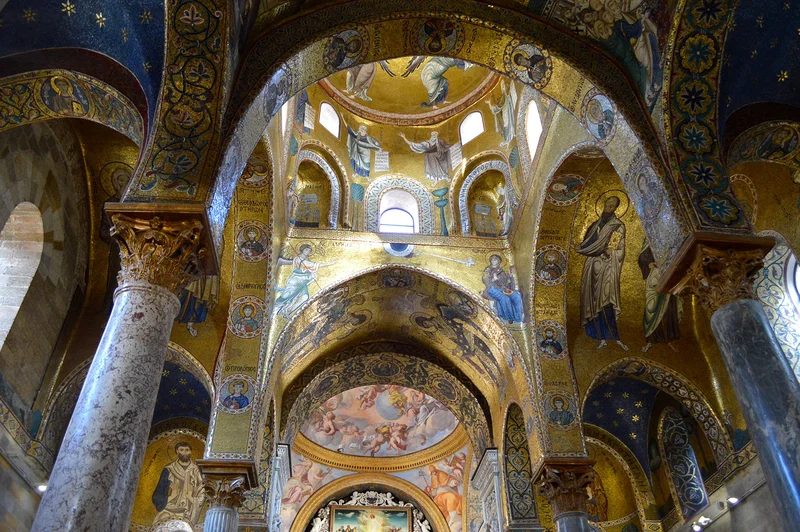
2 The Martorana Church +11 recs
Founded in 1143 by Roger II's Greek admiral, with mosaics from a Byzantine workshop and a Norman bell tower added later. The liturgy is still celebrated there in the Byzantine rite by Sicily's Albanian community.
-
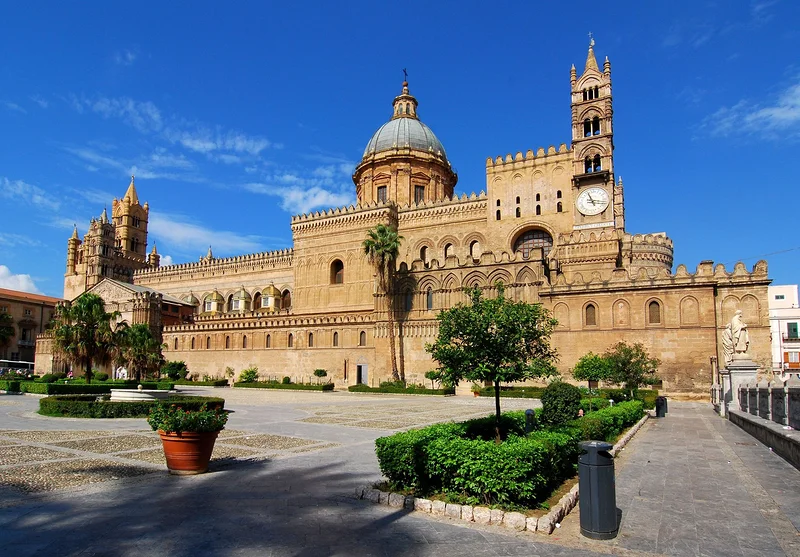
3 Palermo Cathedral +3 recs
A ninth-century mosque turned cathedral, then reworked for six hundred years: a Koranic inscription can still be read on a column of the south portico. The royal porphyry tombs are in the right-hand nave.
-
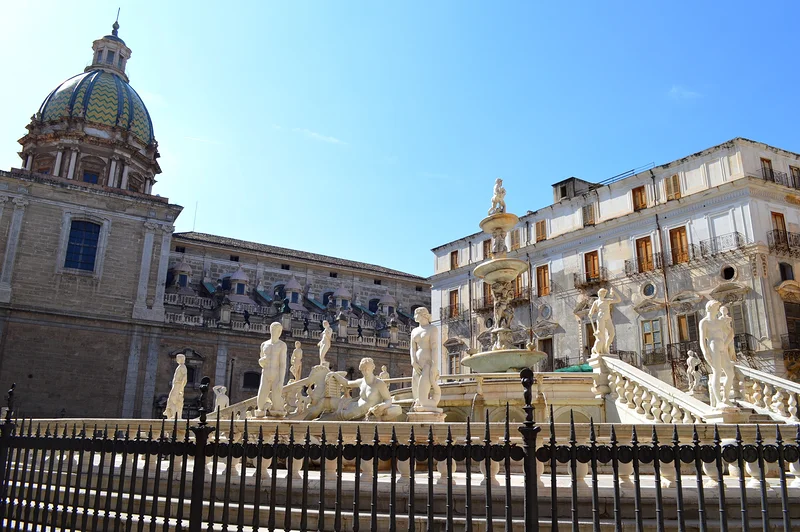
4 The Pretoria Fountain +3 recs
Fifty white marble statues carved in Florence for a private garden, bought by the city in 1573 and reassembled on the square. Palermitans long called it the fountain of shame, because of the nudes.
-
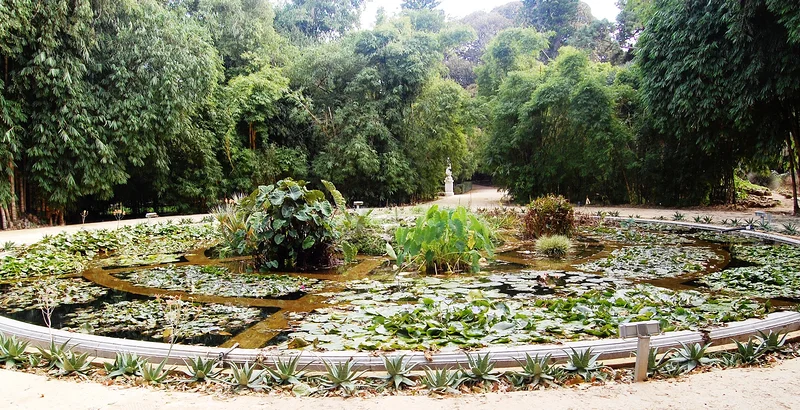
5 The Botanical Garden of Palermo +3 recs
Opened in 1789, ten hectares where tropical species grow in open ground because the island's climate allows it. The ficus macrophylla by the entrance covers more than a thousand square metres on its own.
Our itineraries in Sicily
| Length | Itinerary | What you see |
|---|---|---|
| Long weekend (3 days) | Palermo | Arab-Norman, markets, street food |
| 1 week | Palermo › Syracuse | Both capitals, the west and the south east |
| 10 days | Palermo › the interior › Syracuse | The two cities and the wheat country between them |
The train links Palermo to Catania and Syracuse, slowly, with a change. It will do, but it does not serve the interior, where the most isolated sites are.
A car is therefore the rule, unless you stick to the two cities. In Palermo it is a burden: the centre is dense, badly parked and noisy, and everything there is done on foot.
When to visit Sicily
| Rating | Season | Weather | Crowds and prices |
|---|---|---|---|
| April, May and October | 19 to 26 °C, bright | Moderate, good prices | |
| June and September | 26 to 31 °C, sea at 25 | Busy, mid-range prices | |
| July and August | 32 to 40 °C inland | Peak, the heat is hard work | |
| November to March | 12 to 18 °C, showers | Quiet, the cities are pleasant |
Our advice
The Sicilian winter is an underrated travel season: the cities stay at fifteen degrees, the monuments are empty, prices are at the floor, and only the seaside resorts close. It is the best time for Palermo, which is not a beach city.
Getting to Sicily
-
1 By plane Fastest
Palermo and Catania take direct flights from across Britain, with Ryanair and easyJet on most routes, in about three hours. Palermo serves the west, Catania the east: choose by the half you are visiting.
-
2 By boat With a car
overnight sailings link Genoa and Naples to Palermo, with a car aboard. Useful if you are already driving down through Italy, pointless otherwise.
-
3 By car On the ground
essential once you leave the two cities, hired at the airport. The motorway covers the north and the east, but the interior is crossed on slow country roads.
The simplest combination: fly into Palermo, fly out of Catania, and hire a car in between. The rental companies allow one-way between the two airports, and it saves crossing the island twice.
Getting around Sicily
Palermo is entirely walkable: the four historic quarters sit around one crossroads, and the monuments are ten minutes apart. Ortygia, the old town of Syracuse, is an island crossed in twenty minutes.
Worth knowing
Many churches and sites close between one and three, and some open only in the morning. The hours published online are often wrong: the sheet stuck to the door is the one that counts, and it changes with the season.
What to eat in Sicily
- Arancine: balls of saffron rice, stuffed and fried, with ragù or butter. In Palermo they are round and the word is feminine; in the east they are conical and masculine, and the argument is taken seriously.
- Pane e panelle: fried chickpea flour fritters served in a sesame roll. The city's oldest street snack, inherited from the Arab period.
- Pasta con le sarde: sardines, wild fennel, pine nuts and raisins, with toasted breadcrumbs instead of cheese. The sweet and savoury mix comes from the same period.
- Caponata: fried aubergine, celery, capers and olives in a sweet and sour sauce, served cold. Eaten as a starter, and it keeps for days.
- Cannolo: a fried pastry tube filled with sheep's milk ricotta, filled to order. If it is ready in advance the shell is soft, and that is the sign to leave.
- Granita and brioche: crushed ice of lemon, almond or coffee, dipped into a brioche. It is a summer breakfast, not a dessert.
- Etna wines: nerello reds from volcanic soil, taut and mineral, the opposite of the warm wines you expect from a southern island.
The markets of Palermo, Ballarò, Capo and Vucciria, are places of cooking as much as of selling: you eat standing, at trestle tables, whatever has just come out of the fryer. They empty at two, and Vucciria fills up again at night.
Where to stay in Sicily
| Area | What it is for | Worth knowing |
|---|---|---|
| Palermo, Kalsa | Pretoria Fountain, markets, sea | The most restored quarter, all on foot |
| Palermo, Capo or Ballarò | Markets, street food, everyday life | Noisy and alive, the cheapest part of the centre |
| Syracuse, Ortygia | Temple of Athena, lanes, waterfront | A pedestrian island, expensive in summer |
| Syracuse, modern town | Archaeological park, budget | Ten minutes' walk from Ortygia, half the price |
| Around the botanical garden | Quiet, university, gardens | On the edge of the centre, well served |
How much does a trip in Sicily cost?
| Style | Length | Budget per person |
|---|---|---|
| Budget (hostel, markets, churches) | 7 days | 350 to 500 € |
| Comfortable (hotel, restaurants, hire car) | 7 days | 800 to 1,200 € |
| High end (restored palazzo, well-known tables) | 7 days | 2,000 to 3,000 € |
- Street food: panelle, arancine and sfincione cost a few euros at the market, and that is the best cooking in the city, not a fallback.
- The Arab-Norman combined ticket: several monuments on the World Heritage route are covered by a single admission, bought at the first site.
- Winter: Palermo hotels cost half as much from November to March, and the city loses none of its interest.
- The churches: most are free, including the ones carrying mosaics. Only the Palatine Chapel and a few cloisters charge.
- The lunch menu: the daytime set meal is half the evening card, and the market trattorias do not need one, they are cheap already.
Traditions and way of life in Sicily
The Norman kingdom of Sicily, in the twelfth century, employed Greek, Arab and Latin officials and issued its acts in three languages. It was not tolerance in the modern sense but administrative calculation, and it produced an art seen nowhere else.
Syracuse counted as many as three hundred thousand inhabitants in the fifth century before our era, more than Athens. Its Greek theatre, cut into the rock, is still used each spring to stage the ancient tragedies.
Two useful habits. At the market you do not touch the goods: you point, and the seller hands them over. And in churches, covered shoulders and knees are required everywhere, including at thirty-five degrees: a scarf in your bag settles it for the day.