
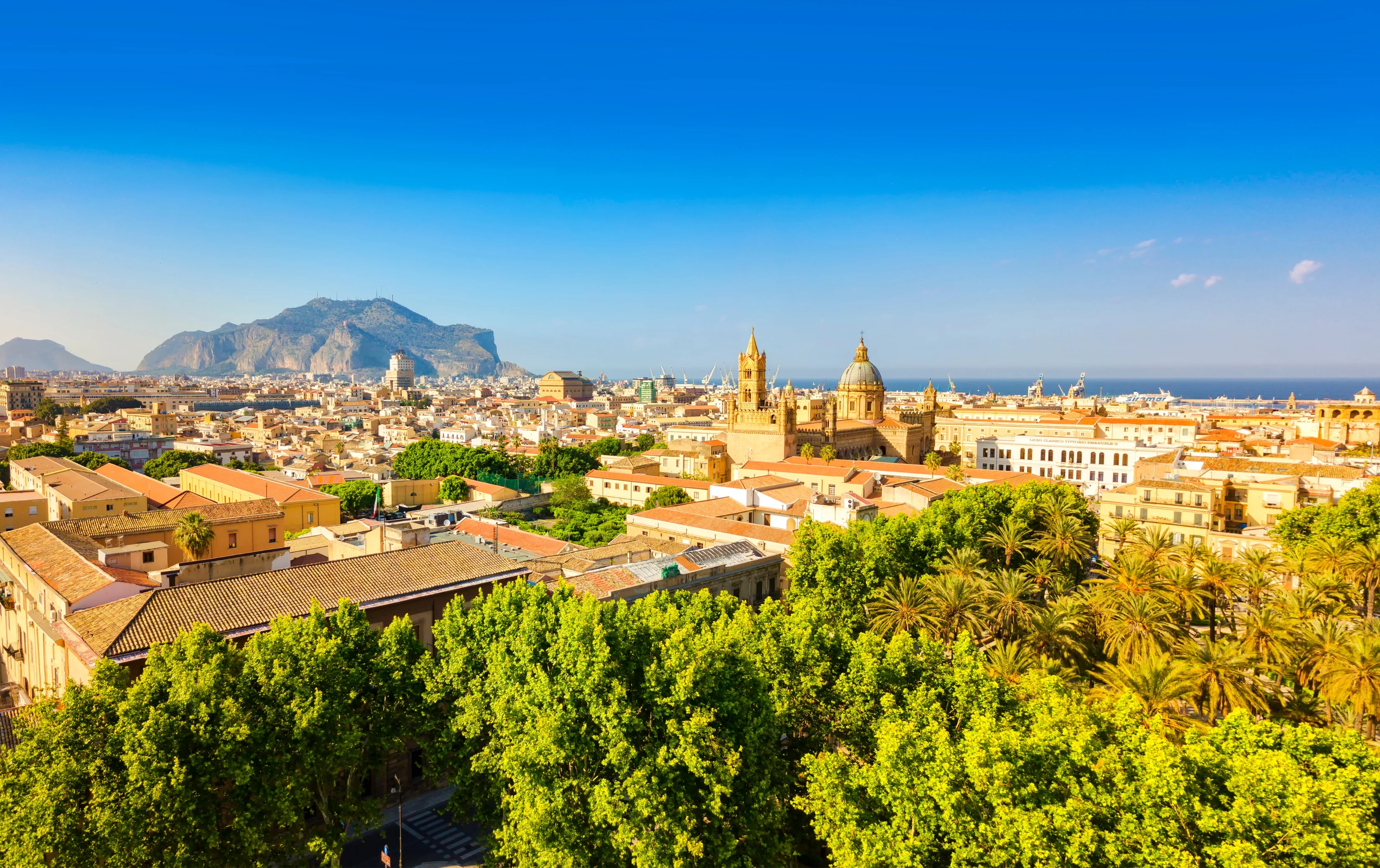
Visiting Palermo, the sublime chaos of Sicily
The scent of arancini sizzling in oil tangles with the shrill blast of a scooter horn, all set against a backdrop of baroque facades where gilded stucco crumbles under the sun. You do not visit Palermo for perfection. You dive into it for its raw energy, its opulent history, and its flawed beauty. How can a city be so exhausting and yet so deeply mesmerizing?
Palermo: a feast for the senses, not the faint of heart
This city is a promise to hungry travelers. Hungry for history, flavors, and life. It is a dream destination for art lovers who do not mind a bit of dust, for foodies who prefer street stalls to white tablecloths, and for urban explorers who find poetry in a decaying palazzo. If you are looking for quiet, pristine streets and seamless organization, you are in for a culture shock.
Palermo is a permanent theater. It is loud, chaotic, sometimes confusing, but always alive. It gives itself entirely to those who accept getting lost in its maze, who let themselves be carried by its rhythm, and who look past the surface. It is an intense trip best done on foot and with a strong stomach.
Quattro Canti and the baroque heart
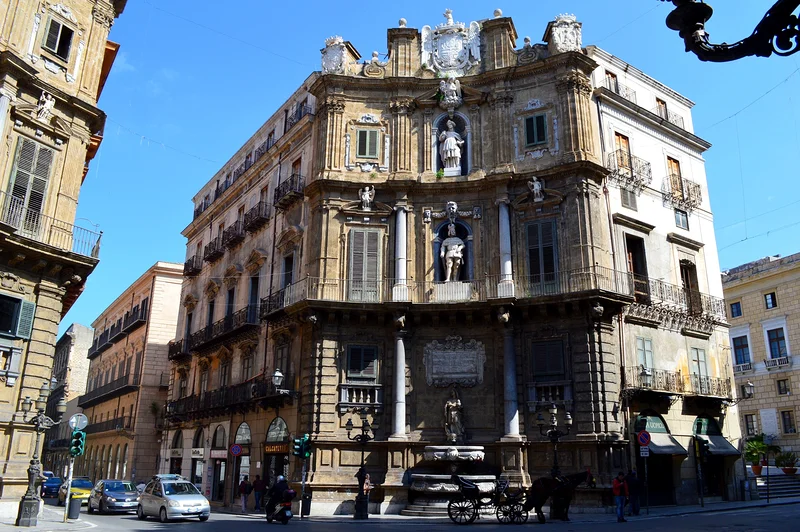
The nerve center of the old city is the Quattro Canti (Four Corners) intersection, an octagonal square where baroque theater takes center stage. Each facade tells a story, from the seasons to the Spanish kings. Just steps away, Piazza Pretoria reveals its monumental fountain, nicknamed the Fountain of Shame by locals because of its nude statues.
The neighborhood is packed with opulent churches like the Church of the Gesù, a masterpiece of inlaid marble, and architectural surprises like the red domes of San Cataldo church, a direct testament to the Arab-Norman legacy. This is the monumental, sumptuous face of the city.
Friendly tip: Push open the doors of small churches that seem modest from the outside. They often hide treasures of stucco and marble, far from the crowds of the major monuments.
Historic markets: the belly of the city
To truly understand Palermo, you must dive into its markets. Forget calm shopping. Here, it is a total sensory experience. The Ballarò market is the largest and most chaotic, a vibrant labyrinth where sellers call out to passersby with their songs, the abbanniate. The Capo market, near the Teatro Massimo, is just as lively and photogenic.
This is where the city’s working-class heart beats. You will find everything here: pyramids of spices, fish that are still wiggling, mountains of olives, and, most importantly, exceptional street food. It is a permanent spectacle, colorful and deliciously noisy.
The Arab-Norman legacy, a world treasure
The city's most precious treasure is surely its UNESCO-listed Arab-Norman heritage. It is a fusion of styles unique in the world, bearing witness to Sicily's golden age. The absolute jewel is the Palatine Chapel, nestled in the heart of the Palace of the Normans. Its Byzantine mosaics on a gold background are breathtaking.
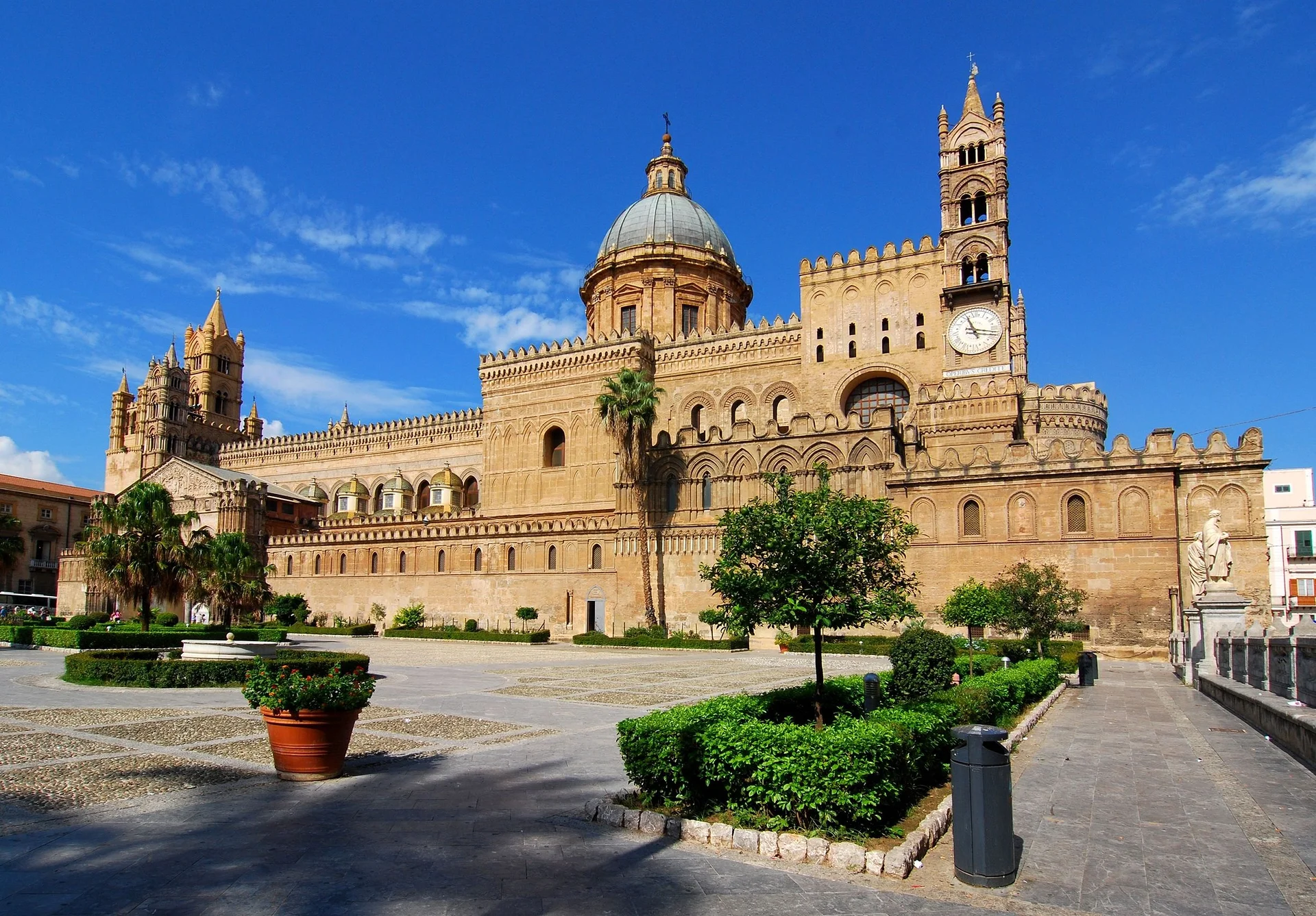
The Cathedral is another example of this architectural syncretism. Modified over the centuries, it looks like a history book of Sicily. Do not miss climbing to the roof for an unbeatable view of the city and the sea.
Friendly tip: Book your tickets online for the Palace of the Normans and the Palatine Chapel. The wait can be very long, and this will save you precious time.
Beyond the center: from the macabre to neighborhood life
For a radically different experience, dare to visit the Capuchin Catacombs. This macabre site displays thousands of mummified bodies dressed in their period clothing. It is a striking and slightly disturbing insight into Sicilian funerary rites.
For a lighter vibe, explore the Kalsa neighborhood. Once an Arab quarter, it is now an airier zone with charming squares, art galleries, and friendly bars where you can grab an aperitivo. It is the face of a city that is renovating itself while preserving its soul.
Where to eat and drink in Palermo?
Cuisine is the main reason for a trip here. The queen is street food. You must taste the arancina (a stuffed, fried rice ball, which is feminine here), the pane con la milza (spleen sandwich, for the brave), or panelle e crocchè (chickpea flour and potato fritters). To finish, a fresh cannolo, filled to order, is mandatory.
How to get there and get around in Palermo?
The Falcone-Borsellino (PMO) airport is well-connected to the city center by a shuttle bus service (Prestia e Comandè) or by train. Once in town, the historic center is almost entirely walkable. Driving is a nightmare for the uninitiated, and renting a car to visit the city itself is strongly discouraged.
When to go?
Spring (April to June) and autumn (September-October) are by far the best seasons. The climate is perfect for exploring, the light is beautiful, and the crowds are more manageable. Summer, especially in August, can be suffocatingly hot, and the city is packed, which can make the experience trying.
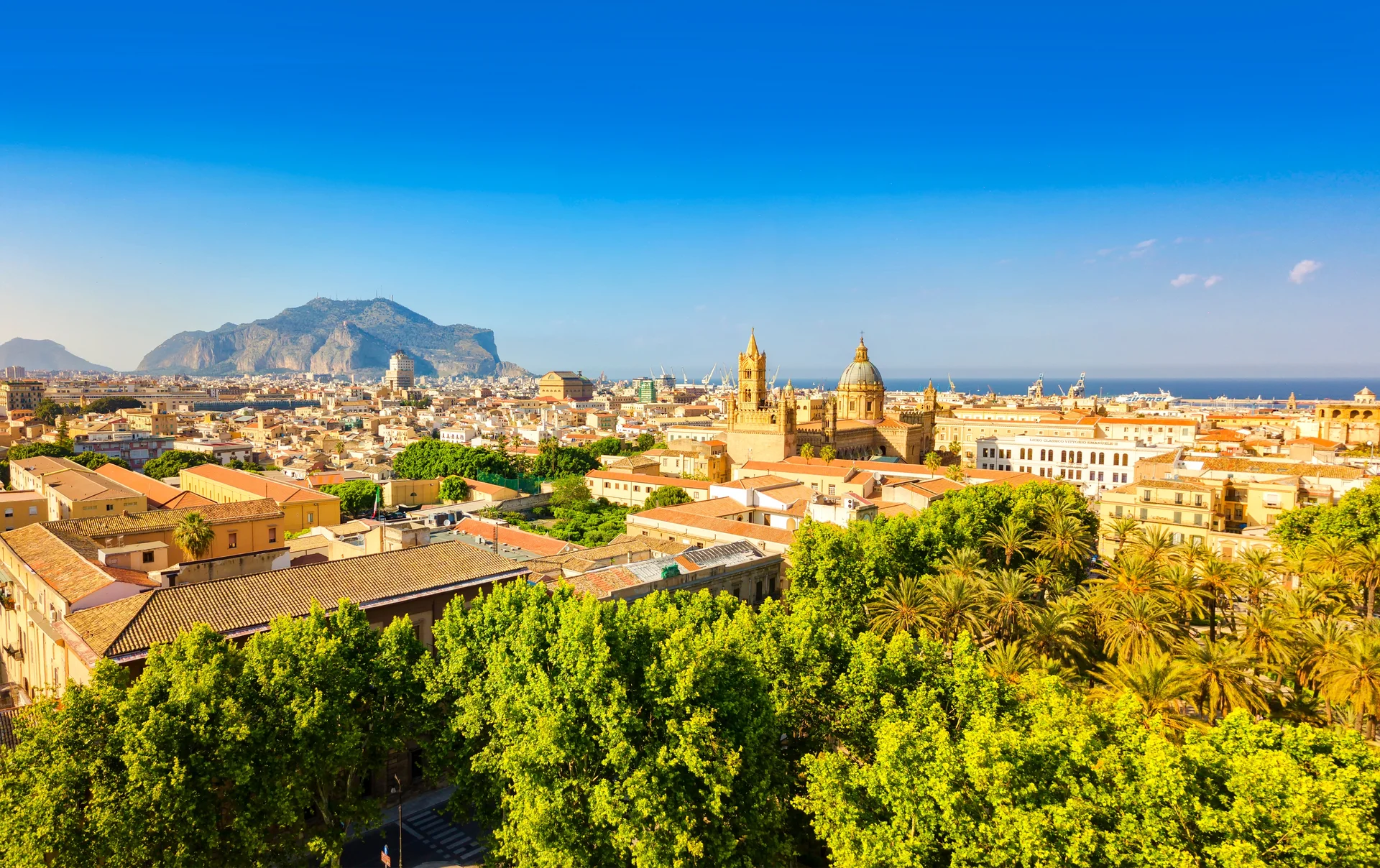
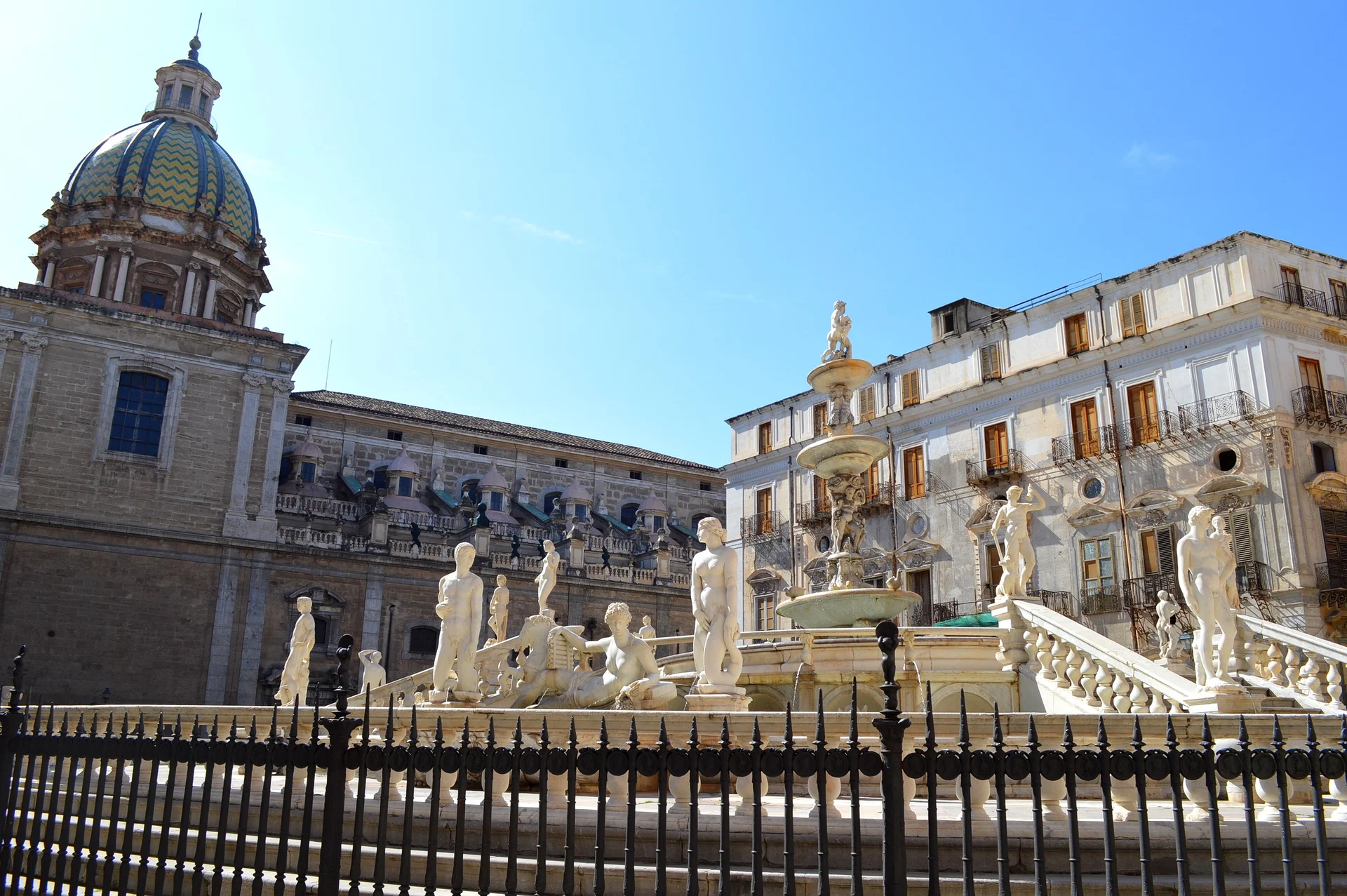
Palermo is a really charming city and I found it quite authentic. You can wander through all its little side streets that also have beautiful historical buildings. You eat really well there and life is lively both during the day and in the evening. I recommend spending at least two to three days there.