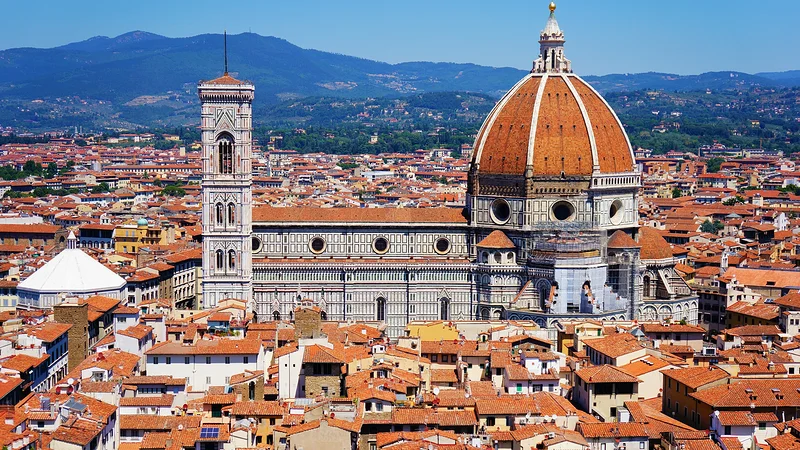
Italy: 59 UNESCO Sites and 3,000 Years of History
No other country on earth packs this many World Heritage Sites into one place. Under every piazza, Roman ruins. Behind every church, a Renaissance fresco. Italy doesn't work like a museum visit, you're literally walking on history while ordering an espresso at the counter.
Is Italy the right trip for you?
This country rewards the curious and the food-obsessed. Art lovers, architecture nerds, and serious eaters could spend weeks here without running out of things to do. That said, if you need everything to run on schedule, Italy will test your patience. Trains run late, bureaucracy moves at its own pace, and improvisation is basically a national sport.
Costs swing dramatically by region. Rome, Milan, and Venice are expensive, budget roughly €120 to €180 per day (about $130, $195) for two people. Head south or into the countryside and things get considerably more reasonable: agriturismos (working farm stays with meals included) run €70, €90/night (around $75, $100) with half-board.
thumb_up Italy works well for:
- Anyone passionate about art, history, and architecture
- Food and wine lovers who care about regional terroir
- Couples after romance and the whole dolce vita experience
- Hikers drawn to the Dolomites or the Amalfi Coast
- Travelers who want beaches, culture, and great food in a single trip
warning Italy is a tough fit if:
- You're trying to see everything in five days
- You can't handle crowds at major sites in summer
- You're on a very tight budget, the big cities are genuinely expensive
- You're after remote wilderness with no other people around
What to budget, by trip type
| Trip Type | Where | Duration | Estimated Budget |
|---|---|---|---|
| City culture trip | Rome | 4, 5 days | €500 to €1,000 ($540, $1,080) |
| Classic cities circuit | Milan, Venice, Florence, Rome | 10 days | €1,000 to €2,200 ($1,080, $2,375) |
| Wine and food road trip | Tuscany and Umbria | 1 week | €700 to €1,500 ($755, $1,620) |
| Beach and relaxation | Sardinia or Sicily | 1 week | €600 to €1,400 ($648, $1,512) |
| Mountain hiking | Dolomites | 1 week | €500 to €1,200 ($540, $1,296) |
| Deep South and villages | Puglia, Basilicata, Calabria | 10 days | €600 to €1,300 ($648, $1,404) |
Getting around is easy, with a few catches
Tourist infrastructure is solid in the North and Center. The high-speed rail network connects major cities in just a few hours. The South is a different story: a car becomes essential for most of it. Mountain roads and the Amalfi Coast in particular require patience and a steady nerve behind the wheel.
Italy is generally safe. Pickpockets are a real issue in tourist-heavy areas of Rome, Naples, and Milan, especially on public transit, keep your bag in front of you and don't flash your phone. Naples traffic can look genuinely chaotic to first-timers. A few words of Italian go a long way; locals genuinely appreciate the effort, even when it's clumsy.
The major cities and their ancient treasures
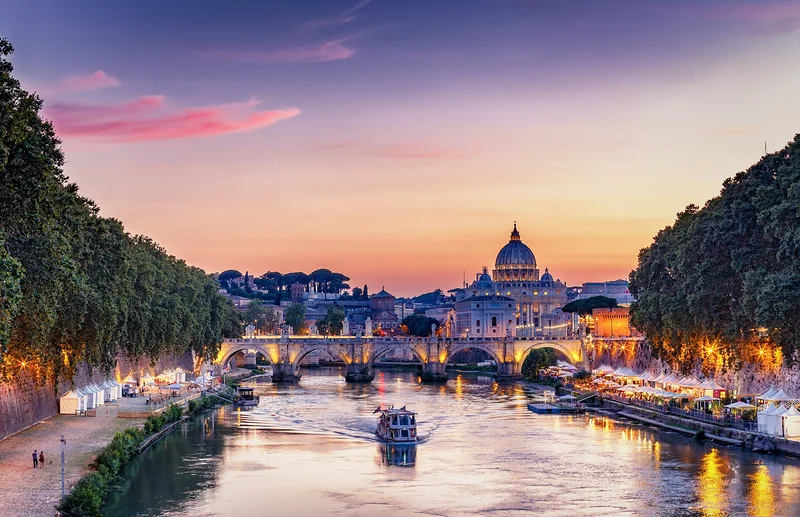
The Colosseum still hits hard despite the crowds. Pair it with the Roman Forum and the Pantheon for a full trip through two thousand years of history. Plan at least three days in Rome to cover the essentials without feeling rushed.
Florence has one of the densest concentrations of Renaissance art anywhere on earth. Michelangelo's David at the Galleria dell'Accademia and the Uffizi Gallery both require advance booking. You can walk the historic center in a day, but the city rewards a slower pace.
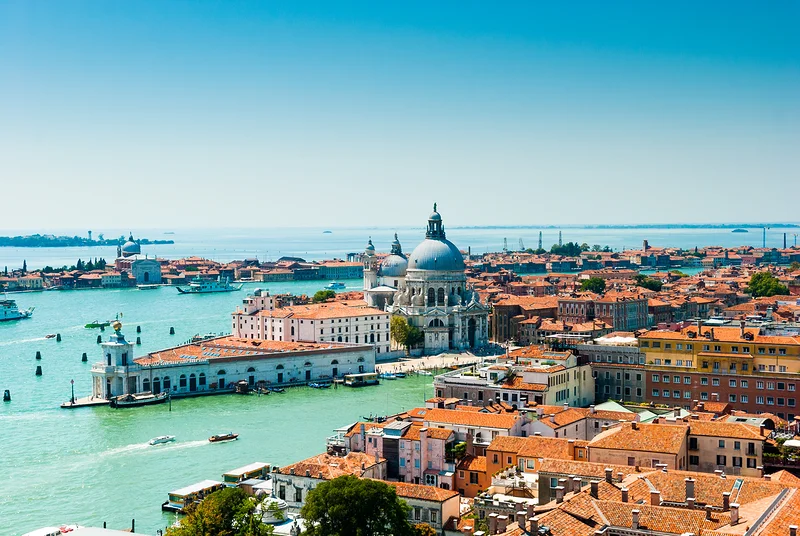
In Venice, St. Mark's Square and the Doge's Palace are worth the visit. The real soul of the city, though, lives in neighborhoods like Cannaregio and Dorsoduro, away from the main tourist drag. Crowds thin out fast once you start wandering, get intentionally lost.
Insider tip: Book tickets for the Colosseum, the Uffizi, and the Vatican Museums at least two weeks ahead. In peak season, walk-up lines can stretch past two hours.
Mountains, lakes, and the Tuscan countryside
Tuscany and its hills
The Tuscany you've seen in photos is exactly what you get in person, cypress-lined roads, Chianti vineyards, and hilltop villages like San Gimignano and Montepulciano that look frozen in time. The Val d'Orcia, a UNESCO-listed valley, is best explored by car on winding back roads.
The Dolomites
In the northeast, the Dolomites rise above 9,800 feet on sheer limestone walls. The Val di Funes valley delivers some of the most dramatic alpine scenery in Europe, comparable to the best of the Colorado Rockies but with a distinctly Italian flavor. Hiking in summer, skiing in winter: the region draws mountain lovers year-round. Cortina d'Ampezzo makes a solid base.
The northern lakes
Lake Como and Lake Maggiore offer a quieter pace. Historic villas, botanical gardens, and villages like Varenna and Bellagio attract visitors looking to slow down. May through September is the sweet spot. Lake Maggiore is worth calling out specifically, it gets overlooked by most itineraries, but it's less crowded than Como and delivers the same scenery.
Naples and the Mediterranean South
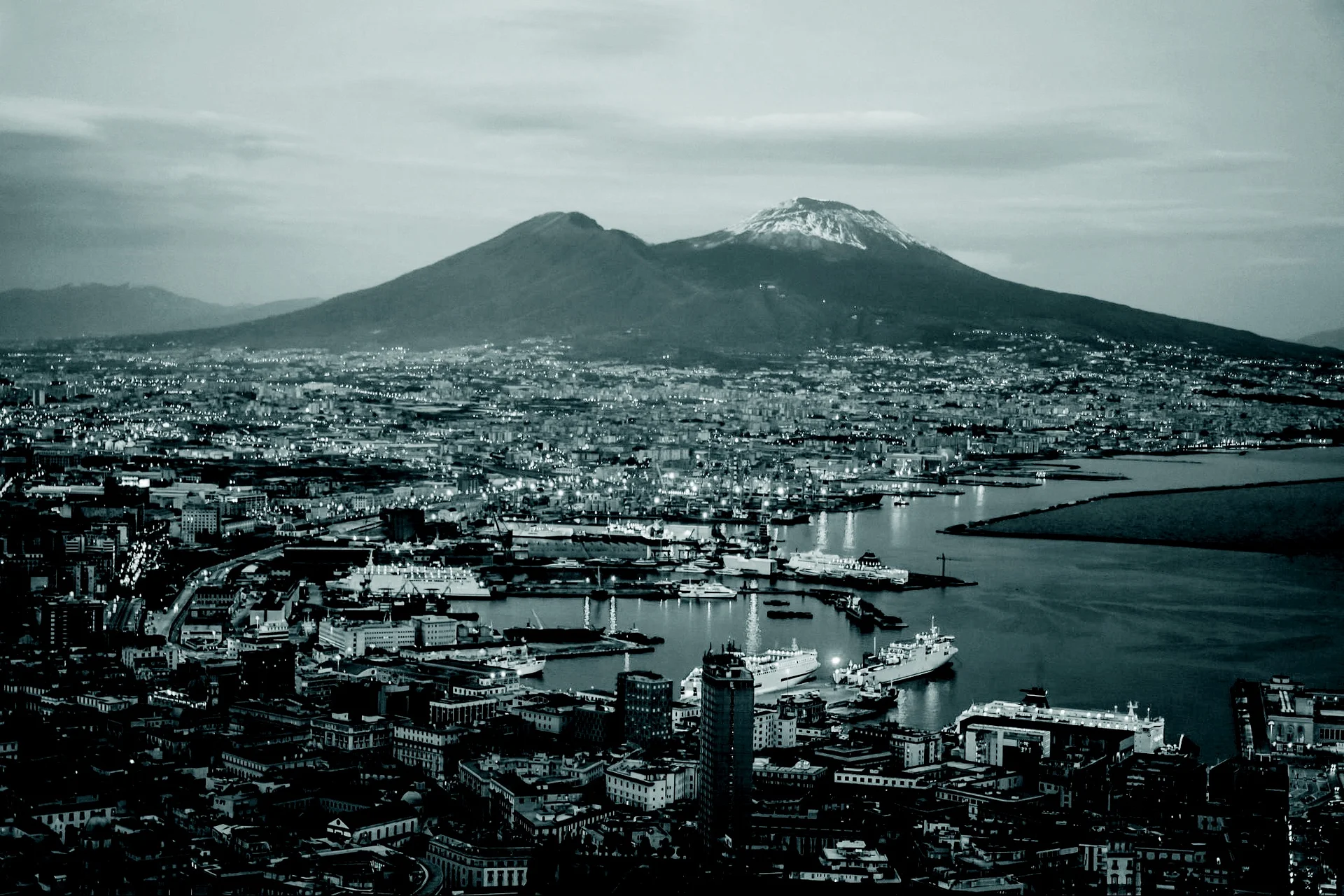
Naples polarizes people. It's chaotic, loud, and intense, and it earns its fans. The historic center is packed with baroque churches and century-old pizzerias. The ruins of Pompeii are just 30 minutes away by train.
The Amalfi Coast strings its cliff-hanging villages between Positano and Ravello. Narrow roads and summer crowds make July and August genuinely difficult. Ravello, perched above the coast, is a calmer alternative to the waterfront towns.
In Sicily, Syracuse holds well-preserved Greek and Roman remains. Taormina combines beach access with ancient ruins and views of Etna. The baroque town of Noto is worth a detour for its main street of honey-colored facades.
Sardinia has turquoise-water beaches, particularly along the Costa Smeralda and in the Gulf of Orosei. The island feels wilder and less accessible than Sicily.
The regions most itineraries skip
Puglia looks unlike anywhere else in Italy. The trulli of Alberobello, whitewashed stone houses with conical roofs, form a landscape you won't find anywhere else in Europe. Locorotondo and Polignano a Mare round out a great itinerary through the heel of the boot.
Umbria lives in Tuscany's shadow, which works in your favor. Assisi, Perugia, and Orvieto are all worth the stop. The region's black truffles rank among the best in the country.
In Basilicata, Matera is genuinely surprising. Its cave dwellings carved directly into the rock were considered an embarrassment to the Italian state as recently as the 1950s. Today, those same caves house boutique hotels and restaurants.
Insider tip: Between Matera and Puglia, make time for Castelmezzano and Pietrapertosa in Basilicata. These two villages cling to the Lucanian Dolomites and are connected by a zipline with some of the most dramatic views in southern Italy.
Italian food: twenty regions, twenty distinct cuisines
There's no single "Italian cuisine." Every region defends its own specialties fiercely. In Rome, carbonara, cacio e pepe, and amatriciana are the holy trinity. Naples claims the original wood-fired Neapolitan pizza, eat it at Da Michele or Sorbillo for under €10 (about $11).
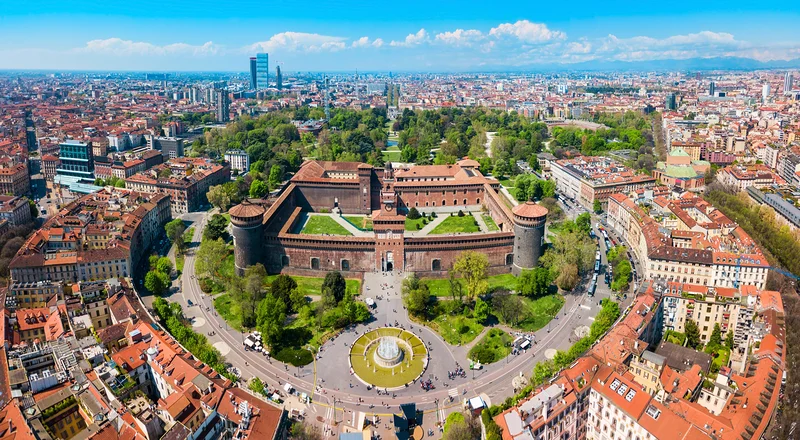
Emilia-Romagna is essentially Italy's pantry: parmigiano reggiano, prosciutto di Parma, and balsamic vinegar from Modena. Bologna's tortellini in brodo and tagliatelle al ragù bear no resemblance to what gets called "Bolognese" outside Italy. In Milan, risotto alla milanese, made with saffron, and ossobuco dominate traditional menus.
The aperitivo ritual happens everywhere around 6 p.m. A spritz or negroni with small savory bites marks the shift from workday to evening. In Milan, some bars include generous food spreads in the price of your drink.
When to go to Italy
Spring and fall are the best windows. April through June and September through October give you good weather without the worst of the crowds. Temperatures across central Italy typically run 59, 77°F (15, 25°C).
July and August are hot and packed. Rome and Florence regularly hit 95°F (35°C). Coastal areas fill up fast, prices spike, and around Ferragosto in mid-August, a large portion of Italian businesses simply close as locals take their own vacations.
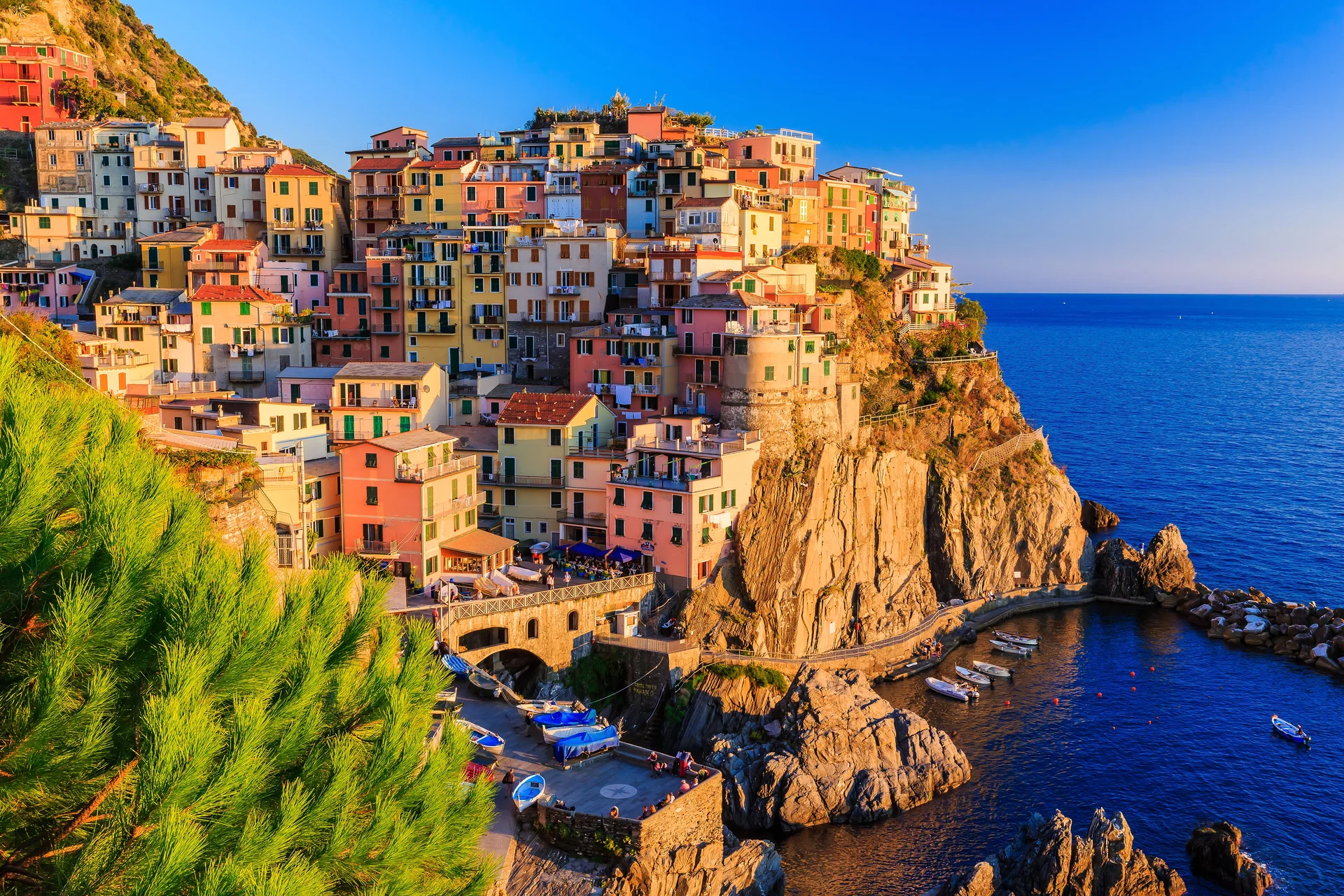
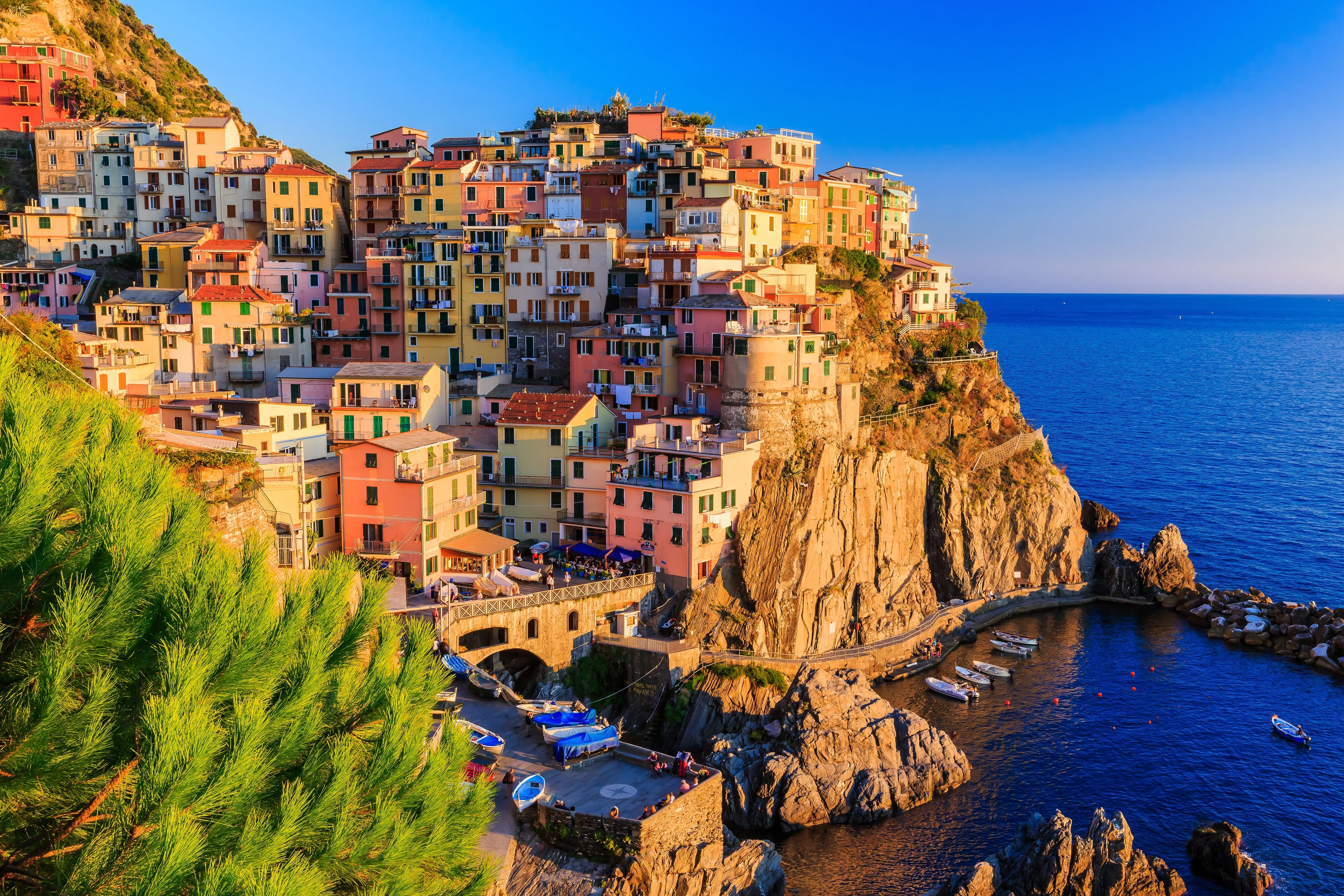
Winter works well for art cities and Alpine ski resorts. Venice Carnival in February draws a crowd worth seeing. Keep in mind that the Amalfi Coast and the Cinque Terre go into semi-hibernation from November through March.
Getting to Italy from the US
Direct flights from major US hubs connect to Rome (FCO), Milan (MXP or LIN), and Venice (VCE). Nonstop transatlantic flights run roughly 9 to 11 hours depending on your departure city. US citizens don't need a visa for stays under 90 days, your US passport gets you in, no ESTA required (Italy is part of the Schengen Area, which has its own entry rules). Make sure your passport is valid for at least six months beyond your travel dates.
Within Europe, budget carriers including easyJet, Ryanair, and Vueling connect Italian cities to other European hubs for as little as €30, €50 ($32, $54) booked in advance, useful if you're combining Italy with another stop.
High-speed trains link Italy's major cities once you're on the ground. The Frecciarossa (Trenitalia) and Italo trains run the Milan-Bologna-Florence-Rome-Naples corridor. Rome to Naples takes 1 hour, Florence to Rome about 1.5 hours, Milan to Rome around 3 hours.
Getting around Italy
The high-speed rail network is the backbone of intercity travel. Super Economy tickets on Trenitalia start at €9.90 ($11) when booked early. The Italia in Tour pass from Trenitalia covers regional trains for 3 days at €35 ($38). Always compare Trenitalia and Italo for the same route, prices vary.
For rural areas, Tuscany, Puglia, Sicily, renting a car is your best option. Watch out for ZTL zones (restricted traffic areas) in historic city centers. Driving into one without a permit triggers an automatic fine that often arrives months later at home. Ferries to Sardinia depart from Civitavecchia, Genoa, or Livorno and take 5 to 10 hours depending on the crossing.
Insider tip: For long-distance train routes, book at least 3 weeks ahead on the Trenitalia or Italo websites. Last-minute fares can be two to three times higher than advance prices.