
Visiting the Colosseum
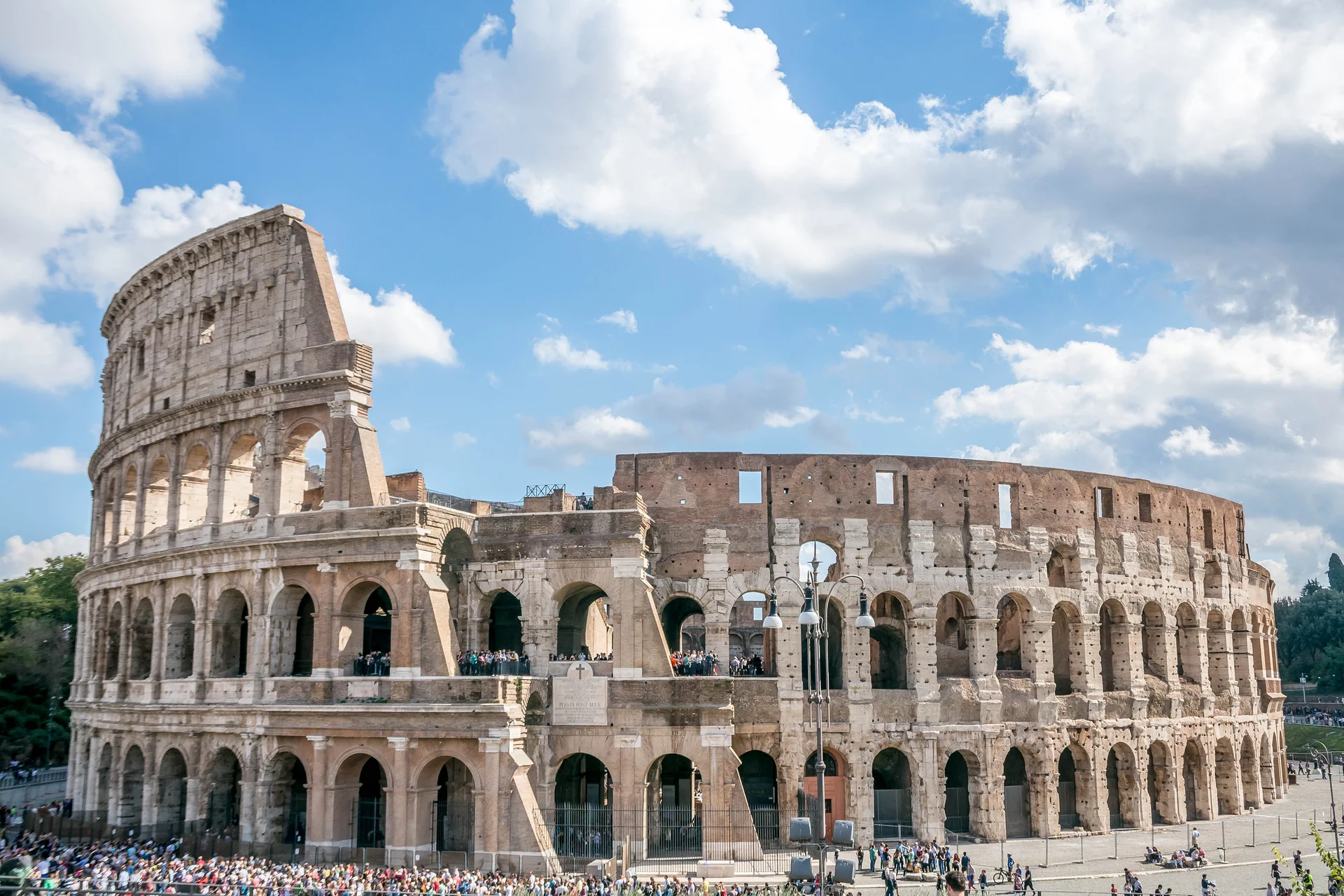
As the largest amphitheater of the Roman Empire, the Colosseum stands as the symbol of the Italian capital and remains the most visited monument in the country. A designated Unesco World Heritage site, it draws over 6 million visitors annually. Also known as the Flavian Amphitheatre, named for the emperors Vespasian and Domitian who initiated its construction in the year 72, its sheer scale will surprise you. It measures 188 meters long, 156 meters wide, and 50 meters high, all while maintaining a striking profile.
An arena of unmatched scale
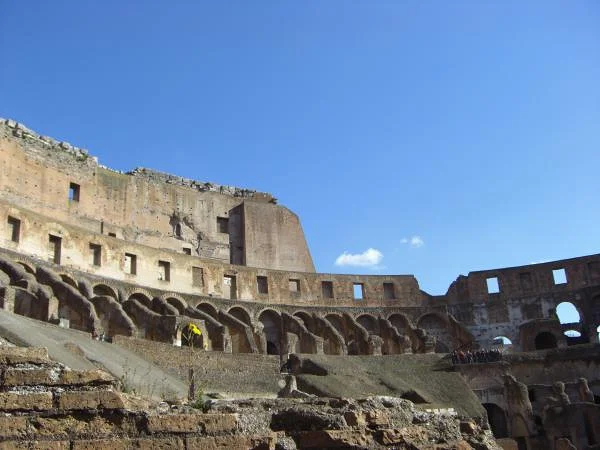
While you likely associate this space with gladiator combat, exploring the ruins provides deep insight into its engineering and multi-century evolution. Thousands of slaves constructed the structure in roughly a decade. Equipped with an ingenious system of 80 entrances that functions much like a modern NFL stadium, it could accommodate an estimated 50,000 to 80,000 spectators, divided into 4 categories based on social standing. A massive canopy was even deployed to shade visitors from the sun. The emperor provided these spectacles, which sometimes spanned several days, to the public, featuring traditional games, wild animal hunts, and executions. In the 4th century, as Rome became Christian, these events were eventually banned, largely due to a lack of funding.
A monument saved from ruin
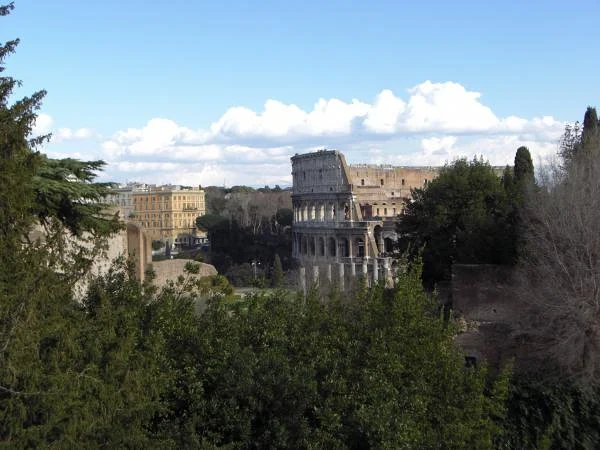
The Colosseum later served as a fortress before being slowly dismantled for building materials to construct the St. Peter's Basilica and the Church of Saint Mark. It was not until 1753 that Benedict XIV officially banned the use of the site as a quarry. In 2011, a partnership with the footwear brand Tods funded restoration work totaling 25 million EUR. Today, you can visit about 35% of the site, primarily the central arena, which retains a distinct sense of power and architectural harmony. Make sure to climb to the top level for a view of the city. The sight overlooking the Palatine Hill and the Roman Forum is worth the effort.
Opening hours
*Information subject to change

Je suis d'accord avec l'image surprenante des voitures roulant juste autour du Colisée (qui se trouve en plein centre ville). Dans la même idée, j'ai été aussi très surpris de voir les Pyramides de Gizeh côtoyées par les bidonvilles du Caire