Palerme

Things to do in Palermo: top 9 must-see attractions

Looking for inspiration to visit Palermo? Browse the attractions our traveler community loves most — historic sites, cultural visits, scenic walks and laid-back spots...

Top 9 attractions our members recommend

Martorana Church

#1 Martorana Church +11 5

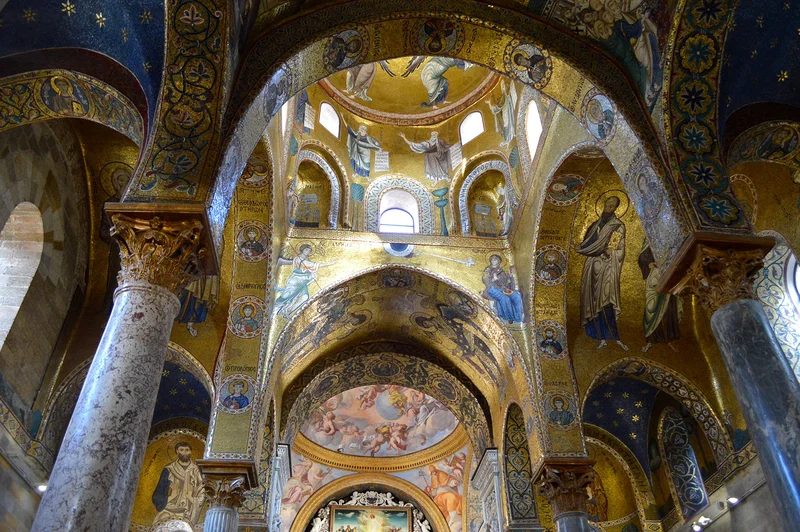
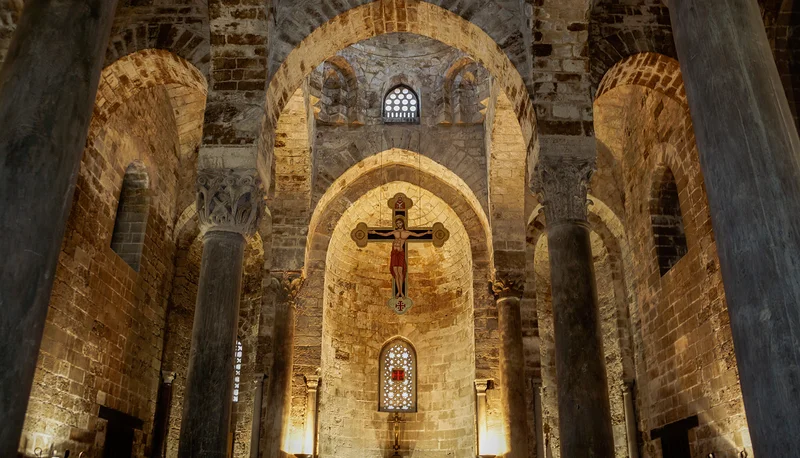
Fidèle au patrimoine exceptionnel de Palerme, l'église la Martorana, également appelée Santa Maria dell'Ammiraglio, illumine le centre historique de la ville. Intimiste par sa taille, éblouissante par son mélange architectural, entre art byzantin et baroque, c'est un édifice unique dont l'originalité séduit ou déroute. Bâtie en 1149 sous la volonté de l'amiral Georges d'Antioche, elle a connu de nombreuses restaurations au fil des siècles, visibles sur la façade. A l'intérieur, les plus somptueuses mosaïques byzantines et peut-être les plus anciennes de la Sicile se nichent, une décoration magistrale qui atteint son sommet dans la coupole où un Christ pantocrator est dessiné.

Voir le guide View offers
Santa Maria dello Spasimo

#2 Santa Maria dello Spasimo +3 5

Les amoureux des histoires atypiques seront fascinés par le destin de l’Église Santa Maria dello Spasimo. Projet grandiose qui l'inclut au Monastères des Pères olivétains de Palerme, sa construction débute en 1506 et ne se terminera pas. Le site devient un bastion défensif contre les Turcs sans que sa nef centrale n'aie de toit. Un vide que le temps ne comblera pas, utilisée comme théâtre, lieu d'isolement des pestiférés, auberge pour indigents puis laissée à l'abandon jusqu'à devenir une décharge, l'église n'en sera jamais une. En 1995, une réhabilitation la transforme en lieu culturel où les spectacles se déroulent à ciel ouvert.

Villa Giulia

#3 Villa Giulia +3 5

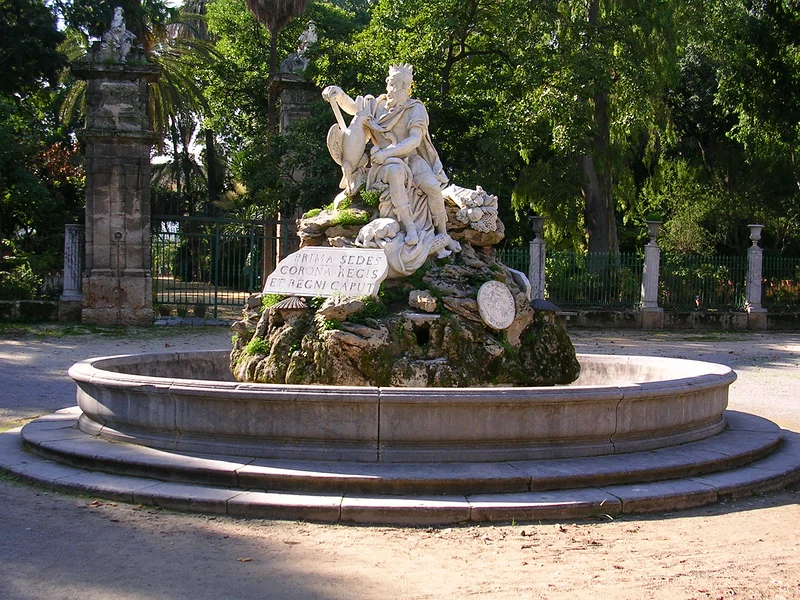
Tout près de la mer, la Villa Giulia est l'escapade romantique de la vieille ville. Premier jardin public de Palerme, depuis 1777 son charme exquis offre des balades hors du temps. Ses arbres majestueux bordent les allées qui composent un parc au schéma à l'italienne, palmiers et orangers sont savamment disposés. Une élégance qui mène à une esplanade poétique avec quatre kiosques avec des dômes et des colonnes inspirés des exèdres et des larges bancs de pierre grise. En son cœur, une fontaine avec l'Atlas qui soutient une horloge dodécadréique en marbre, une œuvre monumentale signée Ignacio Marabitti.

Botanical Garden of Palermo

#4 Botanical Garden of Palermo +3 5

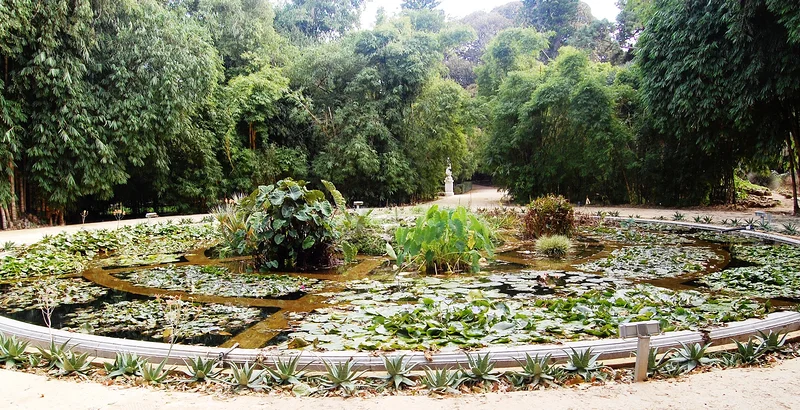
Véritable havre de paix aux allures de paradis, le Jardin botanique de Palerme est un des poumons verts de la ville. Géré par l'Université de Palerme, il offre depuis 1789 l'occasion d'admirer les espèces les plus rares tout en les étudiant. Ici la science se met au service de l'esthétisme, sur dix hectares, le jardin antique est agencé selon les systèmes en quatre secteurs. Palmeraie, serres, bassins, essences du bout du monde, précieuses ou rares, l'enchantement est partout. Aussi instructif que magnifique, c'est un des sites les plus somptueux et reposants de la capitale de la Sicile.

Church of the Gesù

#5 Church of the Gesù +3 5

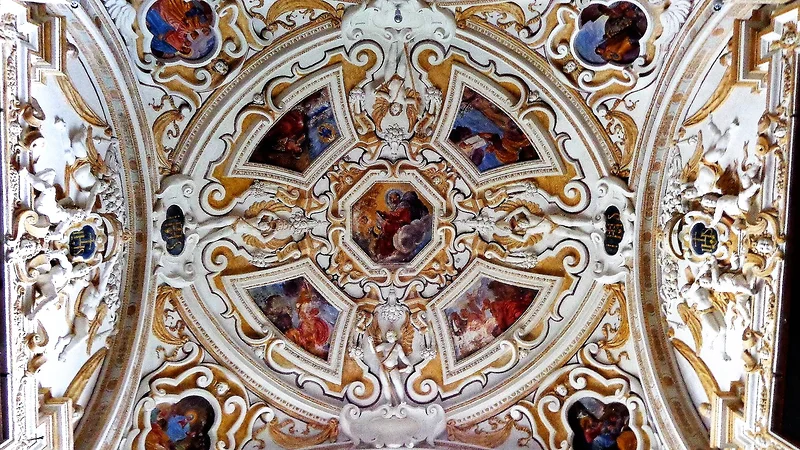
Si le baroque sicilien devait avoir un symbole, l’Église del Gesù serait celui-là. Magnifique exemple de cette exubérance architecturale, sous sa façade sobre se révèle un intérieur époustouflant. Marbre blanc ou coloré, stucs, marqueteries, sculptures et fresques d'artistes signent une décoration qui s'est élaborée dans la profusion pendant des dizaines d'années. Inaugurée en 1577, l'église est étroitement liée à la Maison Professe des Jésuites de Palerme et elle a été agrandie au rythme du développement de la congrégation. Au cœur du centre historique, elle offre une visite fascinante et fait partie du patrimoine artistique de la Sicile depuis 1892.

Palatine Chapel

#6 Palatine Chapel +3 5

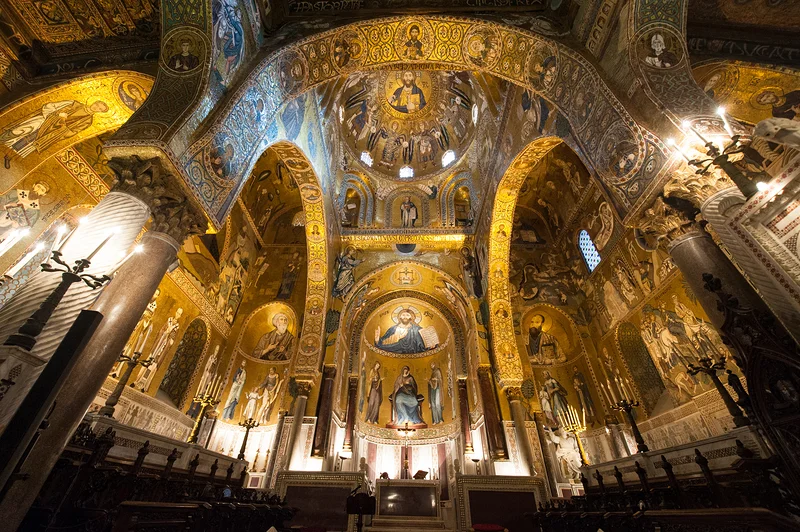
Au cœur de la vielle ville de Palerme, le Palais des Normands est un édifice splendide qui cumule raffinement et architecture imposante grâce aux diverses influences qui l'ont transformé. Insérée dans le corps du palais, la Chapelle Palatine est son fabuleux joyau. Bâtie sous Roger II en 1143, c'est un site religieux unique au monde par la richesse de sa décoration. L'art byzantin vient magnifier les codes de la tradition chrétienne, l'intérieur, composé de trois nefs, est illuminé par des mosaïques sur fond doré. L'ensemble est une merveille qui relève d'une œuvre, elle est inscrite au Patrimoine mondial de l'UNESCO.

Church of San Cataldo

#7 Church of San Cataldo +3 5

L'architecture arabo-normande marque le patrimoine éblouissant de la Sicile. Au fil des siècles, les restaurations baroques ont parfois transformé les édifices à grands renforts de dorures et de mosaïques auxquelles l’Église de San Cataldo a échappé. Au cœur de Palerme, dans la belle Piazza Bellini, son originalité tient à la pureté de ses lignes. Point de décorations ostentatoires, la pierre garde son âme médiévale et seuls trois dômes rouges qui surmontent le bâtiment signent son caractère atypique. Construite en 1160 dans le complexe du grand amiral Maione da Bari, l'église est une magnifique ode à une architecture d'exception.

Palermo Cathedral

#8 Palermo Cathedral +3 5

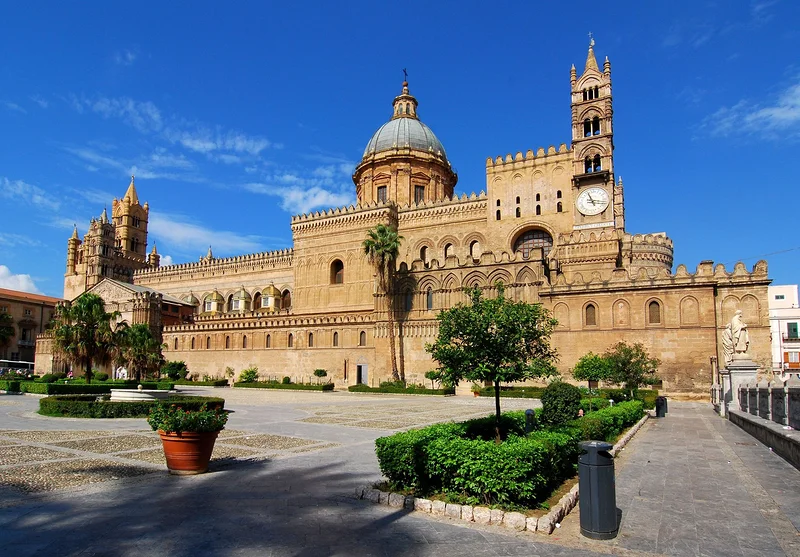
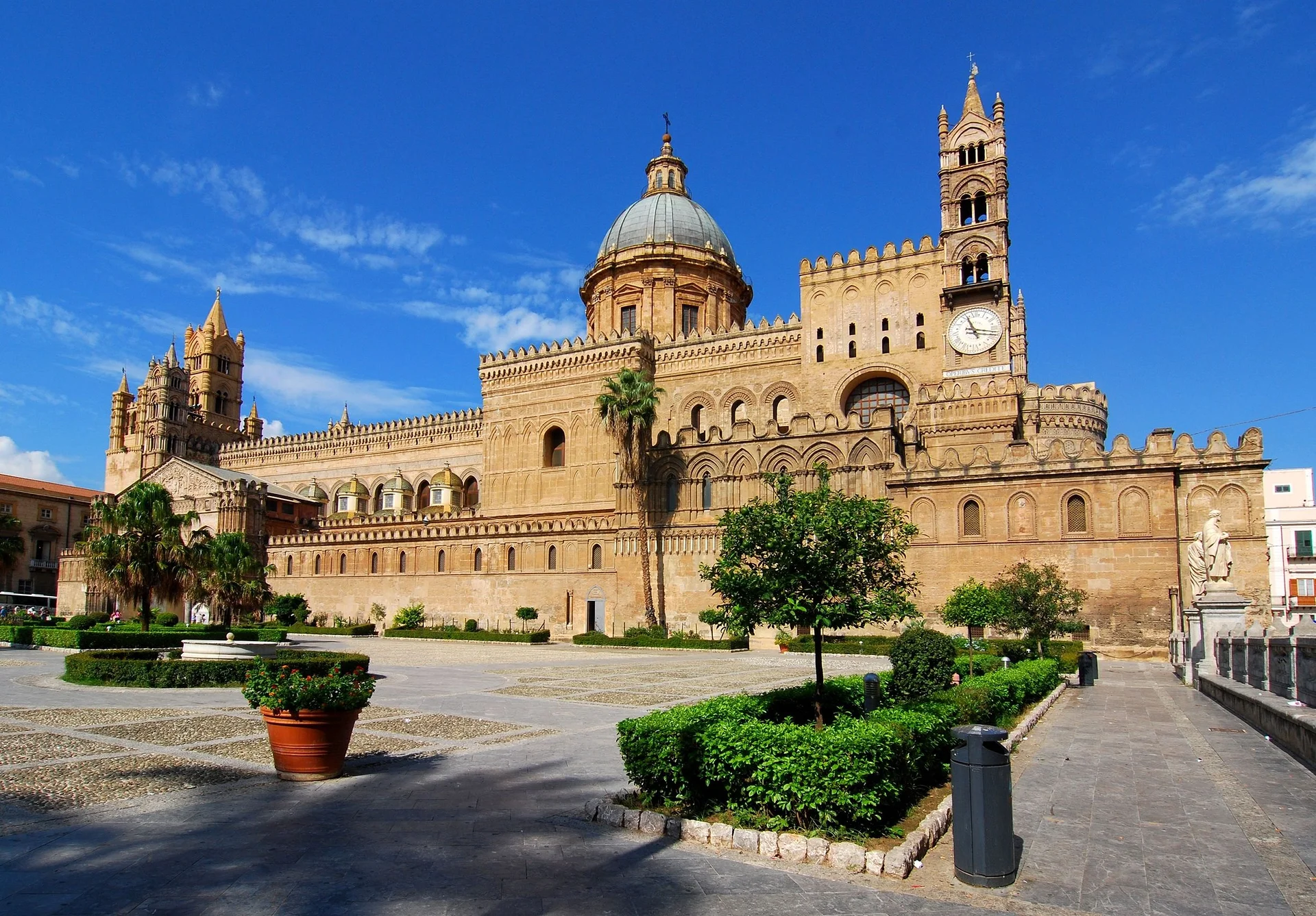
Rare monument est aussi éblouissant que la Cathédrale de Palerme. Située au quartier Monte di Petà, au centre histoire, elle fait partie des édifices dont l'architecture arabo-normande est remarquable et classé par l'UNESCO. Des ajouts médiévaux l'ont magnifiée, au fil du temps et des restaurations, les diverses influences l'ont rendue unique. Bâtie en 1185 à la place d'une mosquée qui venait déjà remplacer une basilique du IVe siècle, elle a vu les premiers Rois de Sicile être couronnés. Ils y résident encore dans les chapelles. Une crypte, une salle au trésor et un accès aux toits complètent cet ensemble inoubliable.

Pretoria Fountain

#9 Pretoria Fountain +3 5

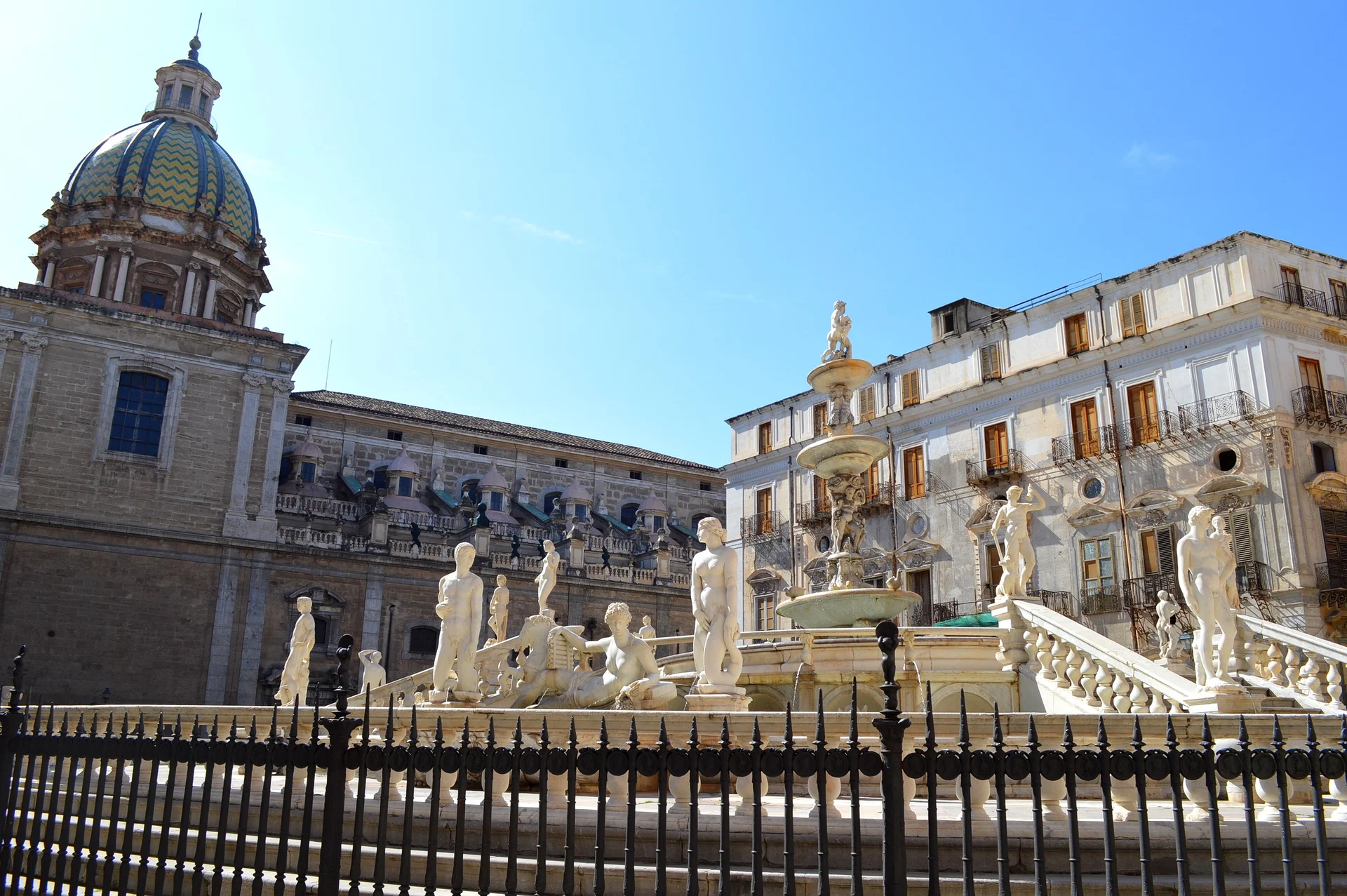
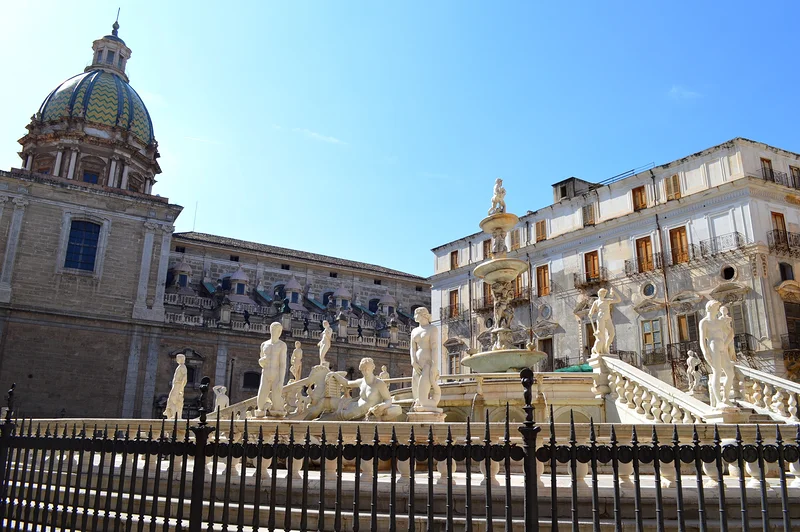
Le centre historique de Palerme est un délice de monuments remarquables, la Piazza Pretoria en est un magnifique exemple avec ses palais seigneuriaux et l'église Sainte-Catherine. En son cœur trône un vrai chef-d’œuvre, la Fontaine Pretoria composée des statues des douze dieux de l'Olympe. Quatre ponts symbolisent les quatre rivières de la ville, ils mènent au bassin central où trois vasques se superposent. Sculptée en 1554 pour un jardin privé de Florence, elle est achetée par Palerme en 1574 et nécessitera sept années d'assemblage. Sulfureuse par la nudité des sculptures, cette fontaine monumentale est surtout un trésor du patrimoine artistique.

Map of must-see attractions in Palermo

Visiting Palermo, the sublime chaos of Sicily

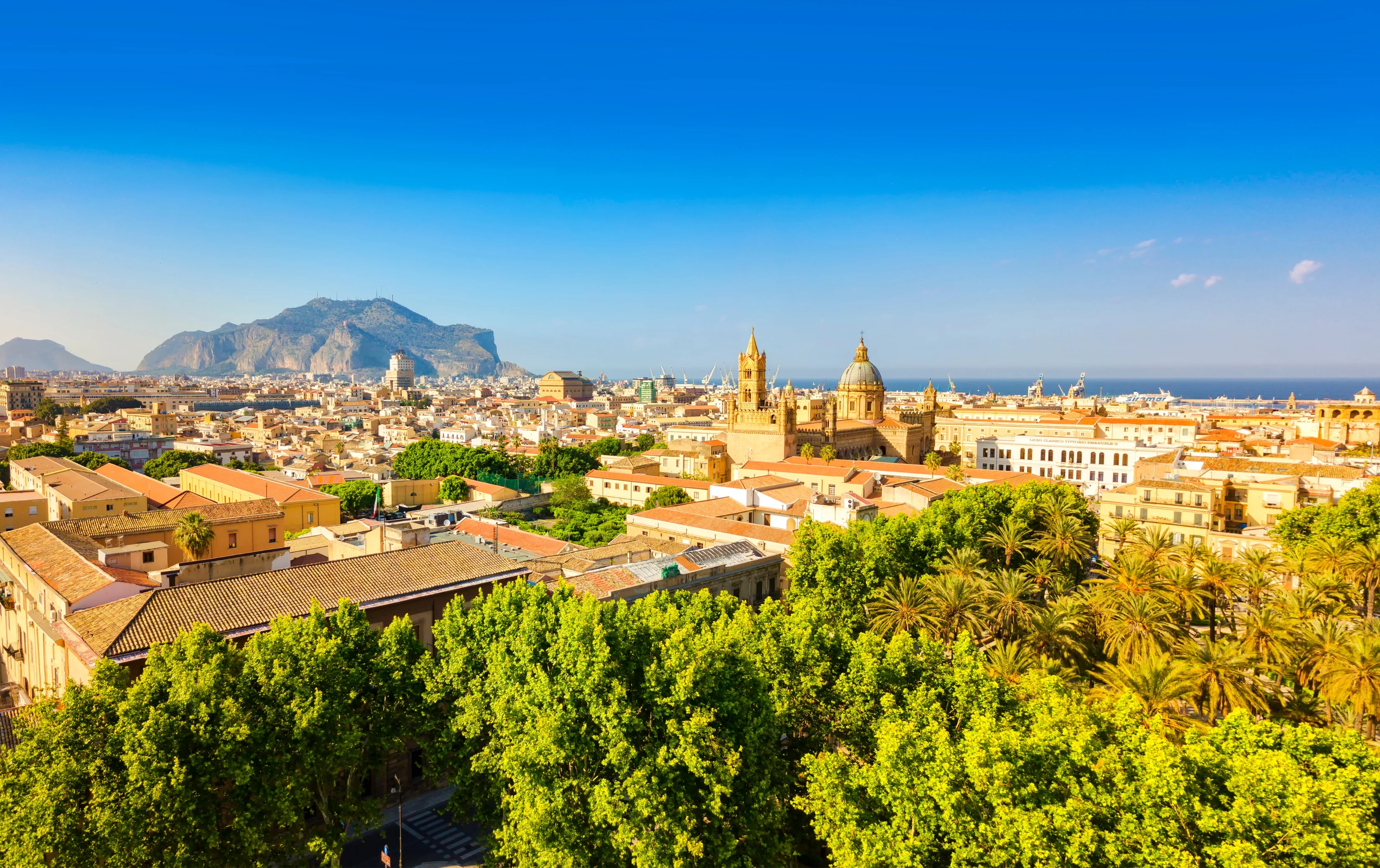
The scent of arancini sizzling in oil tangles with the shrill blast of a scooter horn, all set against a backdrop of baroque facades where gilded stucco crumbles under the sun. You do not visit Palermo for perfection. You dive into it for its raw energy, its opulent history, and its flawed beauty. How can a city be so exhausting and yet so deeply mesmerizing?

Palermo: a feast for the senses, not the faint of heart

This city is a promise to hungry travelers. Hungry for history, flavors, and life. It is a dream destination for art lovers who do not mind a bit of dust, for foodies who prefer street stalls to white tablecloths, and for urban explorers who find poetry in a decaying palazzo. If you are looking for quiet, pristine streets and seamless organization, you are in for a culture shock.

Palermo is a permanent theater. It is loud, chaotic, sometimes confusing, but always alive. It gives itself entirely to those who accept getting lost in its maze, who let themselves be carried by its rhythm, and who look past the surface. It is an intense trip best done on foot and with a hearty appetite.

Quattro Canti and the baroque heart

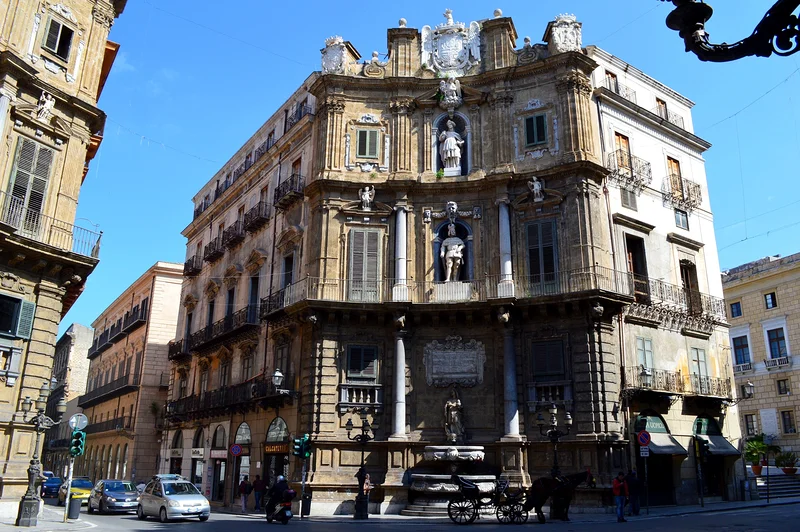
The nerve center of the old city is the Quattro Canti (Four Corners) intersection, an octagonal square where baroque theater takes center stage. Each facade tells a story, from the seasons to the Spanish kings. Just steps away, Piazza Pretoria reveals its monumental fountain, nicknamed the Fountain of Shame by locals because of its nude statues.

The neighborhood is packed with opulent churches like the Chiesa del Gesù, a masterpiece of inlaid marble, and architectural surprises like the red domes of San Cataldo church, a direct testament to the Arab-Norman legacy. This is the monumental, glitzy face of the city.

A local tip: Push open the doors of small churches that seem modest from the outside. They often hide treasures of stucco and marble, far from the crowds of the major monuments.

Historic markets: the belly of the city

To truly understand Palermo, you must dive into its markets. Forget calm shopping. Here, it is a total sensory experience. The Ballarò market is the largest and most chaotic, a vibrant labyrinth where sellers call out to passersby with their songs, the abbanniate. The Capo market, near the Teatro Massimo, is just as lively and photogenic.

This is where the city’s working-class heart beats. You will find everything here: pyramids of spices, fish that are still wiggling, mountains of olives, and, most importantly, exceptional street food. It is a permanent spectacle, colorful and deliciously noisy.

The Arab-Norman legacy, a world treasure

The city's most precious treasure is surely its UNESCO-listed Arab-Norman heritage. It is a fusion of styles unique in the world, bearing witness to Sicily's golden age. The absolute jewel is the Palatine Chapel, nestled in the heart of the Palace of the Normans. Its Byzantine mosaics on a gold background are breathtaking.

The Cathedral is another example of this architectural syncretism. Modified over the centuries, it looks like a history book of Sicily. Do not miss climbing to the roof for an unbeatable view of the city and the sea.

A local tip: Book your tickets online for the Palace of the Normans and the Palatine Chapel. The wait can be very long, and this will save you precious time.

Beyond the center: from the macabre to neighborhood life

For a radically different experience, dare to visit the Capuchin Catacombs. This macabre site displays thousands of mummified bodies dressed in their period clothing. It is a striking and slightly disturbing insight into Sicilian funerary rites.

For a lighter vibe, explore the Kalsa neighborhood. Once an Arab quarter, it is now an airier zone with charming squares, art galleries, and friendly bars where you can grab an aperitivo. It is the face of a city that is renovating itself while preserving its soul.

Where to eat and drink in Palermo?

Cuisine is the main reason for a trip here. The queen is street food. You must taste the arancina (a stuffed, fried rice ball, which is feminine here), the pane con la milza (spleen sandwich, for the brave), or panelle e crocchè (chickpea flour and potato fritters). To finish, a fresh cannolo, filled to order, is mandatory.

Where to stay in Palermo and its surroundings?

For total immersion, stay in the historic center. The Kalsa neighborhood is ideal for its charm and bars. The area around the Teatro Massimo is convenient and lively. The Politeama district, which is more modern, is a good option if you are looking for more quiet and shops. Avoid areas too close to the markets if you are a light sleeper.

How to get there and get around in Palermo?

The Falcone-Borsellino (PMO) airport is well-connected to the city center by a shuttle bus service (Prestia e Comandè) or by train. Once in town, the historic center is almost entirely walkable. Driving is a nightmare for the uninitiated, and renting a car to visit the city itself is strongly discouraged.

When to go?

Spring (April to June) and autumn (September-October) are by far the best seasons. The climate is perfect for exploring, the light is beautiful, and the crowds are more manageable. Summer, especially in August, can be suffocatingly hot, and the city is packed, which can make the experience trying.
Find the best deals to travel to Palermo

Activities and guided tours Hotels and stays Flights Custom trips

When to visit Palermo?

The most favorable period to discover Palermo covers:

March April May August

Favorable months also include:

February June July September

Check the details below to fine-tune your choice based on your preferences!

Climate and atmosphere in Palermo month by month

January Less Favorable

Temperatures
9°C to 15°C
Sea water
16°C
Sunshine
4.5h / day
Rainy days
9 days
Rainfall
65 mm

Palermo in January offers a quiet winter atmosphere, perfect for exploring baroque churches and covered markets without the usual crowds. The narrow streets of the historic center are peaceful, making it easy to wander at your own pace and enjoy a hot arancino on an outdoor terrace during the mild afternoons.

February Less Favorable

Temperatures
9°C to 16°C
Sea water
15°C
Sunshine
5.1h / day
Rainy days
7 days
Rainfall
52 mm

The city slowly shakes off the winter chill. The Teatro Massimo offers a solid performance schedule, and you can explore landmarks like the Palazzo dei Normanni without dealing with long lines. The vibe is laid-back, and the mild temperatures attract travelers looking for a mix of culture and soft, low-key sunshine.

March Favorable

Temperatures
10°C to 17°C
Sea water
15°C
Sunshine
6.1h / day
Rainy days
6 days
Rainfall
45 mm

Orange trees scent the public squares and the outdoor cafes are starting to fill up. It is a great time to explore the old town on foot or head over to nearby Monreale. The golden late afternoon light makes the stone facades glow, and the sunsets over the sea are particularly sharp.

April Very Favorable

Temperatures
12°C to 20°C
Sea water
16°C
Sunshine
7.5h / day
Rainy days
5 days
Rainfall
35 mm

Gardens are in full bloom and Palermo is at its best. Markets like <strong>Ballarò</strong> are lively, seaside trips become comfortable, and sites like the <strong>cathedral</strong> shine under clear skies. This spring energy turns the city into a classic Mediterranean scene.

May Very Favorable

Temperatures
16°C to 24°C
Sea water
18°C
Sunshine
9h / day
Rainy days
3 days
Rainfall
20 mm

The dolce vita lifestyle really hits its stride now. The sea is finally inviting, evenings linger on outdoor terraces, and the music festival season kicks off. A trip to <strong>Mondello</strong> makes for a perfect beach break. You get plenty of cultural activity without the oppressive heat that defines the later summer months.

June Very Favorable

Temperatures
20°C to 29°C
Sea water
22°C
Sunshine
10.5h / day
Rainy days
1 days
Rainfall
7 mm

Palermo hits its summer stride in June. The water is warm, the beaches at <strong>Mondello</strong> are packed, and the city comes alive after dark with outdoor concerts and events. It is a high-energy time of year, perfect for seeing <strong>Sicily</strong> at its brightest.

July Favorable

Temperatures
23°C to 32°C
Sea water
25°C
Sunshine
11.1h / day
Rainy days
0 days
Rainfall
2 mm

Daytime temperatures climb to intense levels, but the early mornings are perfect for sightseeing. As the sun sets, the city comes alive around the piazzas, with locals and travelers alike enjoying artisanal gelato and aperitifs under the palm trees. The nightlife is the real highlight of this season, even with the relentless midday heat.

August Favorable

Temperatures
24°C to 33°C
Sea water
26°C
Sunshine
10.4h / day
Rainy days
0 days
Rainfall
3 mm

The energy in the city is at its peak. Life in Palermo happens outdoors, from swimming at Mondello to festivals held in ancient ruins and concerts filling the public squares. You will see plenty of other travelers, yet the city retains its character, especially in the local neighborhoods and trattorias tucked away from the main thoroughfares.

September Very Favorable

Temperatures
22°C to 30°C
Sea water
25°C
Sunshine
9.3h / day
Rainy days
2 days
Rainfall
18 mm

The light softens and the crowds thin out just a bit. This is one of the best times to visit the city, as you can still go for a swim and catch local celebrations like Santa Rosalia. The balance of heat, culture, and downtime is particularly appealing during this part of the year.

October Favorable

Temperatures
18°C to 25°C
Sea water
23°C
Sunshine
7.2h / day
Rainy days
5 days
Rainfall
40 mm

The narrow streets take on a golden hue, temperatures remain comfortable, and the beaches are nearly empty. Culture enthusiasts appreciate the return of art events in museums and theaters. It is an elegant and still very active transition season.

November Less Favorable

Temperatures
14°C to 20°C
Sea water
20°C
Sunshine
5.3h / day
Rainy days
7 days
Rainfall
65 mm

Mild temperatures stick around as the city settles back into its local rhythm. Street markets are stocked with chestnuts and fall produce, and the narrow side streets quiet down. You will find a more intimate side of Palermo, perfect for leisurely walks and sunny breaks to grab a bite.

December Less Favorable

Temperatures
11°C to 17°C
Sea water
18°C
Sunshine
4.6h / day
Rainy days
9 days
Rainfall
70 mm

Christmas lights decorate the avenues, and churches host concerts and traditional nativity scenes. Even if the sea is no longer inviting for a swim, the mild temperatures make it easy to enjoy sightseeing. Palermo in winter is warm, lively, and a surprising choice for a getaway far from the continental cold.

Weather charts for Palermo

Flight prices to Palermo, month by month

Tip: click the filter icon below to choose your departure city and trip duration.

Top photos posted by members

Palerme
Cathédrale de Palerme
Fontaine Pretoria à Paleme

Traveler reviews on Palermo

Write a review

Reviews summary

On the city

4 reviews
+15
recos
  • Overall 4.8/5
  • Family 4.8/5
  • Couple 5/5
  • Friends 4.8/5

On the attractions

20 reviews
+35
recos
  • Churches and cathedrals +26
  • Parks and gardens +6
  • Monuments +3

Charming

Palermo is a really charming city and I found it quite authentic. You can wander through all its little side streets that also have beautiful historical buildings. You eat really well there and life is lively both during the day and in the evening. I recommend spending at least two to three days there.

8
Recommends :
Overall rating :
With family :
As a couple :
With friends :

Pleasantly surprised by the architectural heritage

When you think of Sicily, it is often the sun and beautiful beaches that come to mind. While visiting Palermo, I was surprised to discover a lively city with lots of shops and great places to eat, and above all, a multitude of charming monuments and historical buildings scattered throughout a maze of small alleyways where it is a pleasure to get lost.
Don't hesitate to take a few days to discover the city!

4
Recommends :
Overall rating :
With family :
As a couple :
With friends :

A destination with a lot to offer

There is something for everyone here: cultural, artistic, and historical tours, hiking in the hills covered with forests and scrubland in the countryside, lounging on sandy beaches or in wild coves, and gastronomy featuring local products...

3
Recommends :
Overall rating :
With family :
As a couple :
With friends :

Sicilian beauty

Sunny city (we wouldn't expect anything less from Italy), dynamic, very bright, and right by the sea (which helps regulate the heat), with tons of monuments and historic buildings. If you want to see it all, there are two options. Either plan for several days, or bring some good walking shoes. Yep! The charm of Palermo is all those little streets, with hours of strolling in store. Those who aren't as athletic can just focus on the main beach.

5
Recommends :
Overall rating :
With family :
As a couple :
With friends :

You've seen every review.