Portovenere

What to do in Liguria: top 14 highlights in 2026

A strip of land three hundred kilometres long and thirty wide, where the mountain falls into the sea and the villages clung on wherever they could. The rankings below are built by travellers like you.

Our members' favourite places in Liguria

Ranked on recommendations from travellers who went there

#1 Portovenere +50 recs

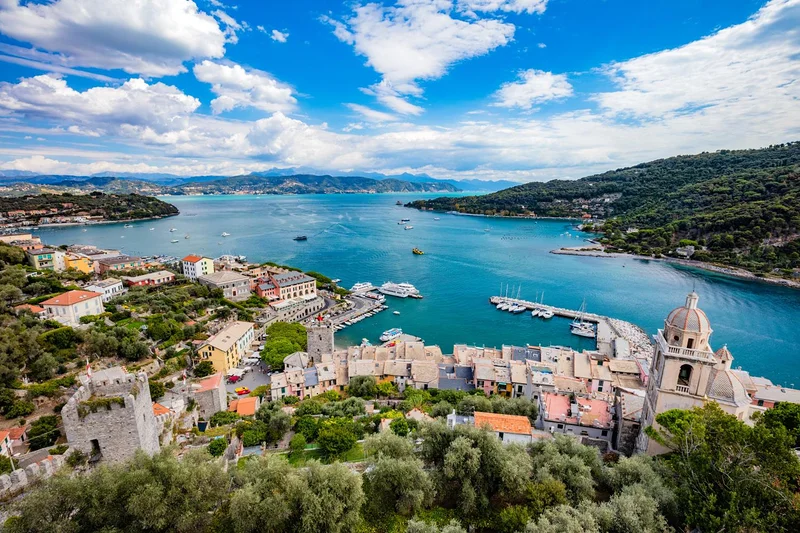
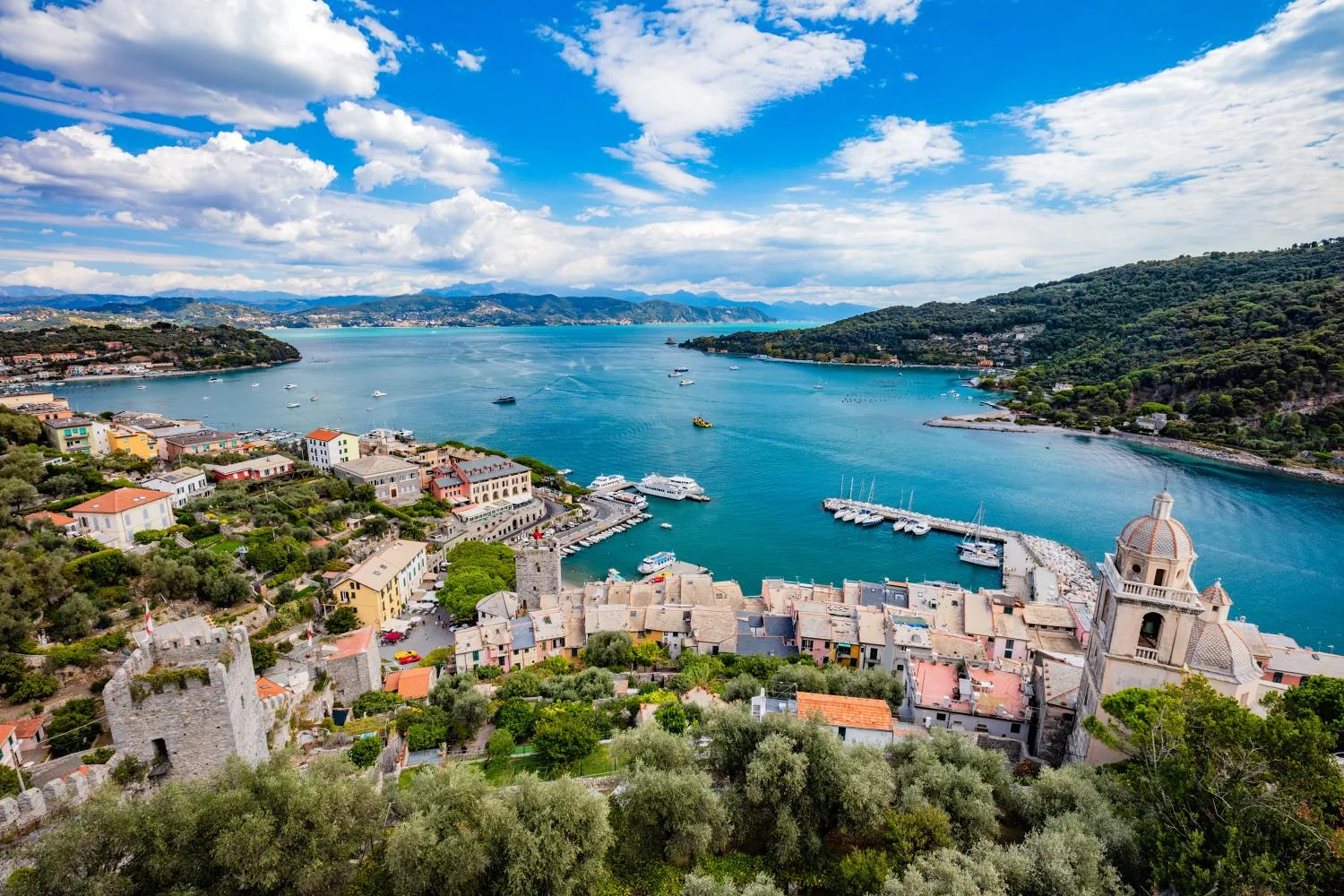
Portovenere takes some effort to reach, but you escape the train-hopping crowds of the Cinque Terre for a UNESCO-listed medieval village perched on a promontory facing Palmaria Island. You can swim in the Lord Byron Grotto, eat stuffed mussels by the harbor, and look out over the Gulf of Poets from a Genoese fortress. It is the Italian Riviera, just without the masses.

#2 Riomaggiore +27 recs

Perched on a cliffside, Riomaggiore serves as the gateway to the Cinque Terre with its vibrant tower houses and a tiny harbor that turns into a stage at sunset. Think of the stacked architecture as a Mediterranean version of a coastal hillside town in Big Sur.

The Via dell'Amore, reopened in 2025 after twelve years of construction, once again connects the village to Manarola via a path carved directly into the rock above the sea. Grab a plate of trofie al pesto by the water, sip some golden Sciacchetrà on the rocks, and plan your return.

#3 Monterosso al Mare +14 recs

Monterosso al Mare stands out among the Cinque Terre villages. It is the only one with a real sandy beach, oceanfront hotels, and flat streets. The historic center hides a striped Gothic church, a baroque ossuary, and the legacy of poet Montale. Known as the capital of Ligurian anchovies, the village hosts two festivals dedicated to the fish, held in June and September.

#4 Vernazza +8 recs

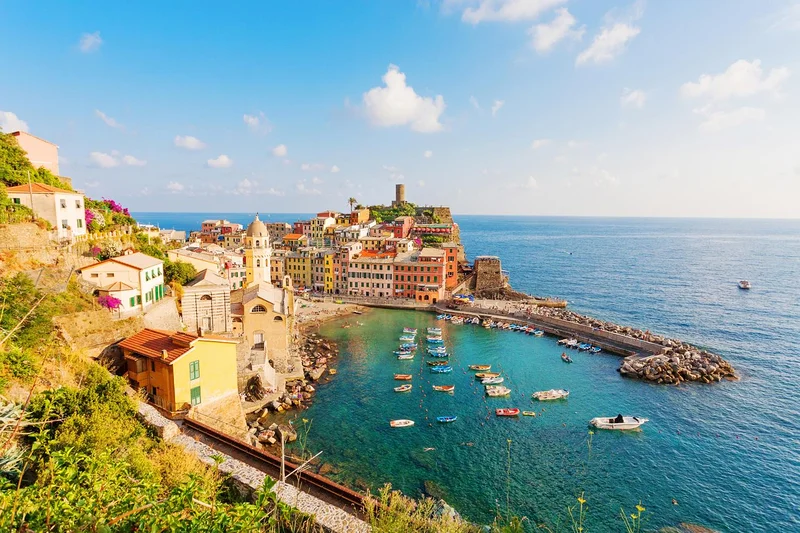
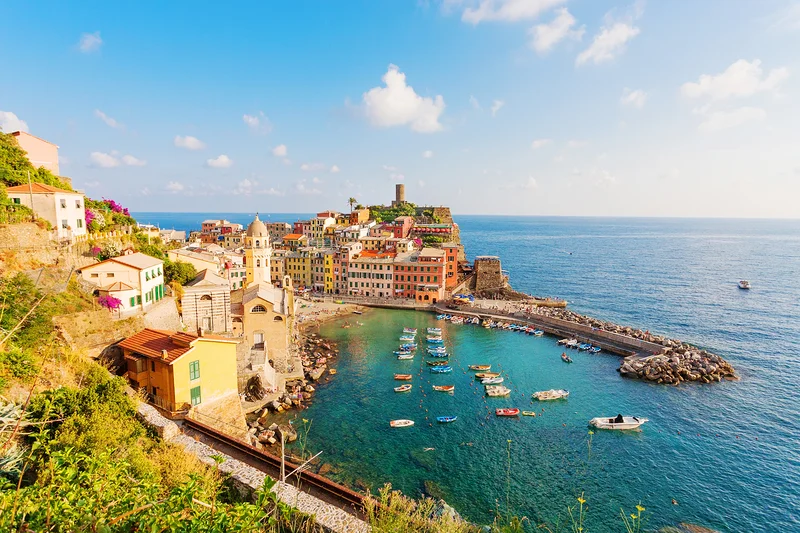
Vernazza features the only natural harbor in the Cinque Terre, a thousand-year-old castle once used to spot pirates, and a Gothic church built on a headland following the legend of a relic chest that washed ashore. After a 2011 mudslide devastated the village, residents rebuilt it from the ground up. High above, a sanctuary houses a 14th-century Black Madonna and an 800-year-old cypress tree.

#5 Corniglia +7 recs

As the only Cinque Terre village without direct sea access, Corniglia requires effort to reach. You will need to climb 377 steps from the train station to the promontory perched 100 meters above the water, but the payoff is worth it. Expect terraced vineyards dating back to Roman times, a crisp white wine famously praised by Boccaccio, and the most expansive views along the Ligurian coast. It is the quietest, most affordable, and most authentic of the five towns.

#6 Manarola +7 recs

Manarola consists of a few narrow alleys and a handful of colorful tower houses clinging to the cliffside. The Punta Bonfiglio viewpoint offers the most photographed scene in the Cinque Terre, while the terraced vineyards produce a rare dessert wine, Sciacchetrà. Every winter, the world's largest nativity scene lights up the hillside. This is a place where time slows down, especially after the last train leaves for the night.

#7 Ventimiglia +6 recs

Ventimiglia sits right on the border between France and Italy, drawing visitors with its historic hilltop center, Romanesque cathedral, and famous weekly market. You can wander the authentic old town streets or walk through the nearby Hanbury Gardens for a botanical excursion. The massive Friday market along the waterfront is a major draw, though it pays to be selective about product quality. The city is a solid spot for a quick day trip.

#8 Genoa +5 recs

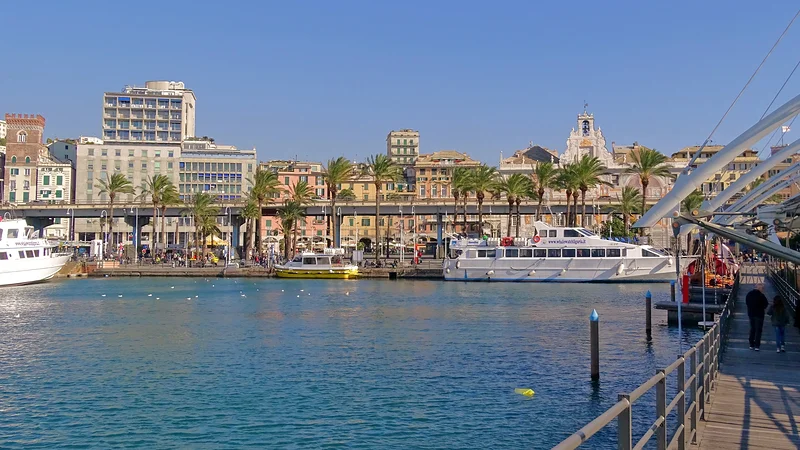
They call it la Superba, and few cities can claim to be as visually arresting as Genoa. The capital of Liguria pulls you in with an incredibly dense history. Its streets function as an open-air museum filled with palaces, grand squares, and opulent architecture. Once a dominant maritime republic with an empire stretching across the Mediterranean and Black Seas, this city of shipbuilders and navigators was a fierce rival to Venice. It has successfully balanced its deep-rooted cultural heritage with modern amenities, establishing itself as a serious destination for food lovers. This is the city of Christopher Columbus, and it retains a sense of wonder in every corner.

A Cradle of Grand Architecture

Piazza de Ferrari serves as the heart of Genoa. It is the best starting point to explore both the 113-hectare historic center and the modern districts, and it features its famous bronze monumental fountain dating back to 1936. Surrounding the square, iconic buildings stand with authority, such as the Teatro Carlo Felice from 1827 with its original columns and the Palazzo della Nuova Borsa, a fine example of Genoese Art Nouveau. Just a few steps away, you will find the side facade of the massive Palazzo Ducale, residence of the Doge since 1339. This complex includes its "People's Tower", the Grimaldina, which once served as a prison and now houses incredible exhibition spaces.

The maze of narrow alleys, known as caruggi, defines the medieval quarter. Luxurious buildings, churches, monuments, and small Gothic architectural gems create a unique atmosphere here. On Via Garibaldi, you hardly know where to look. This street is a UNESCO World Heritage site, defined by the opulence of the Renaissance and Baroque eras. The prestigious Palazzi dei Rolli, noble residences from the 16th and 17th centuries, compete in elegance and luxury. There are 42 of them, including those on Via Lomellini and Via Balbi.

The Royal Palace (Palazzo Reale) is one of the most extraordinary museums in Europe, featuring state rooms, a hall of mirrors, a terrace overlooking the city, and exotic gardens. Masterpieces could not ask for a more beautiful setting. Nearby, the Cathedral of San Lorenzo with its incredible striped facade of black and white marble, guarded by sculpted lions, is another local masterpiece. It blends various architectural styles due to multiple reconstructions, and its interior, filled with Gothic columns, is equally lavish. The chiesa del Gesu, an ultimate ode to the Baroque with its paintings and frescoes, the Embriaci Tower, and the Porta Siberia, a remnant of the 1551 city walls, are just a few more highlights. The Musei di Strada Nuova further prove that Genoa shines with countless splendors.

A Flavorful City

In this quintessential port city, the Porto Antico district has taken a modern turn and is one of the most social spots in town. On the water, you will find the striking Galeone Neptune, a replica of a pirate ship, and the Bigo elevator, which offers a panoramic view. The Palazzo San Giorgio with its beautiful painted facade serves as the port authority building. At the end of the port, in the former Quai Spinola, you will find the Genoa Aquarium. It is one of the most impressive in Europe, with 70 tanks and 12,000 animals, including cetaceans. Standing 76 meters tall on a 40-meter rock, the Lanterna is the oldest active lighthouse in the world and the tallest in the Mediterranean. Climbing into the hills, the Belvedere district is home to the Genoese forts, as well as vegetable gardens and orchards. However, the city would not be complete without its famous gastronomy.

At the top of the list is the famous pesto alla genovese, which is right at home here, made with DOP basil, parmesan, and sometimes pecorino, served with focaccia. Ravioli al tocco and pasta served with walnut sauce are on every menu. The proximity to the sea provides excellent fish stews, salt-cured anchovies, and fried pignolini. Pastries follow the same traditional spirit, especially the famous pandolce. In the heart of the XX Settembre avenue, the Oriental Market of 1899 gathers producers from all regions under its halls, making it the epicenter of these local flavors.

A few minutes from the center, beach clubs and public beaches await, notably in the Nervi district. Just 3 km away, the fishing village of Boccadasse, with its colorful houses overlooking the sea, makes for a superb excursion.

When to go

With a Mediterranean climate, mild weather is the norm year-round. From April to October, the conditions are ideal for exploring Genoa. Tourism peaks in July and August, months you might want to avoid for a more relaxed experience. Cultural events keep the city lively throughout the year.

How to get there

The city's airport is located 6 km from the city center, with the Volabus shuttle providing a connection. Trains and buses are also viable options, especially if you are arriving from the south of France. Genoa is located 175 km from the French border and is well-connected by four major highways.

#9 La Spezia +4 recs

La Spezia serves as the gateway to the Gulf of Poets, the stretch of Ligurian coastline that once captivated Byron and Shelley. Most travelers blow right past it on their way to the Cinque Terre, missing a city with an authentic edge, hearty port-style cooking, and quiet museums. It makes a strategic base for exploring the entire Riviera di Levante without the premium prices of the smaller, more famous tourist towns.

#10 Varazze +3 recs

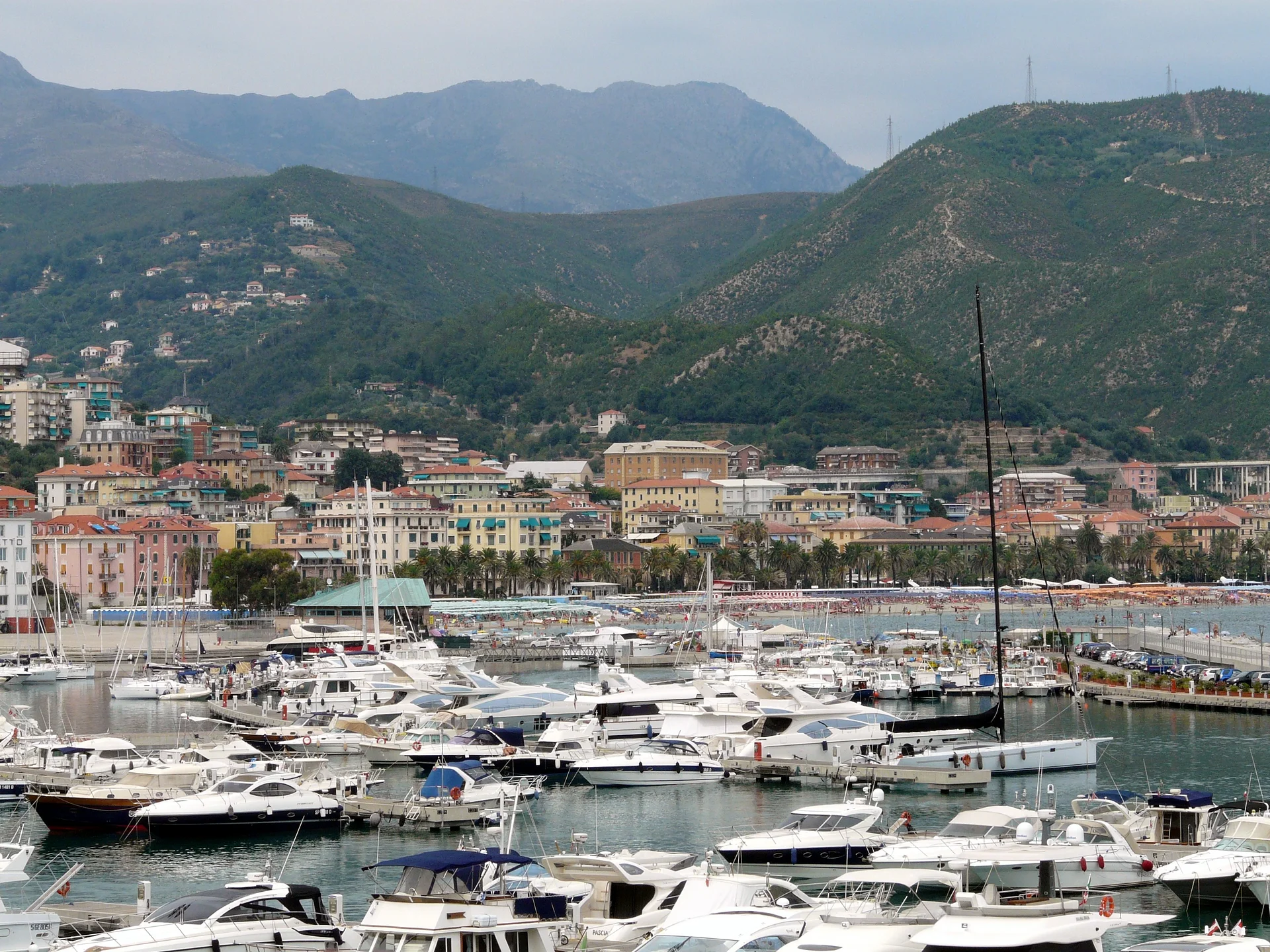
Varazze is a charming coastal town located not far from Genoa, in the Liguria region of northwestern Italy. It has a year-round population of 13,700, which swells significantly during the summer months. It makes for an ideal weekend getaway or a recommended stop during a trip to Genoa and its surrounding area.

A town defined by the sea

Varazze once marked the spot where ships set sail. The town boasts a deep-seated maritime tradition that remains palpable today. Where a major shipbuilding center once stood, you will now find a modern marina named Marina di Varazze. The town has also evolved into a top-tier beach destination thanks to its pleasant beaches and warm waters. You are sure to find a stretch of sand to lay down your towel between Punta della Mola and Marina di Varazze. Active travelers can try out kayaking, windsurfing, mountain biking, surfing, horseback riding, or even a relaxed game of bocce. To take in the Mediterranean views, walk the Lungomare Europa trail. Built on a former railway line, it winds for five kilometres past mimosas, oleanders, and palm trees. It passes near Piani d'Invrea, a historic rest stop for pilgrims heading toward Santiago de Compostela.

A rich religious heritage

Varazze was the birthplace of a major figure in Italian religious history, Jacobus de Voragine, who served as the Archbishop of Genoa from 1292 to 1298. The San Domenico church houses the remains of this Blessed figure of the Catholic Church. Do not miss the Campanin Russu, the bell tower of the Church of Saint Ambrose, which stands as the town's emblem. It is a prime example of Lombard Romanesque architecture. If you happen to be in Varazze in late April, you can attend the procession in honor of Saint Catherine, the town patron who has her own sanctuary. A traditional parade winds through the streets to celebrate her. On the cultural side, you can visit the 19th-century Villa Cilea, built by a musician who fell in love with Varazze. Every year, the Francesco Cilea prize is awarded to the top opera singer during major festivities.

When to go

Summer is the ideal time to visit Varazze so you can fully enjoy what the coastal town has to offer. Sea temperatures climb quite high during the warm season, reaching up to 27 degrees. You can also visit Varazze off-season, though the town will be much quieter and not all restaurants and beach shops may be open.

How to get there

The nearest major cities are Savona, 20 minutes away by car via the A10 and E80, and Genoa, 40 minutes away along the same route, where you will find the closest airport if you are arriving by plane. If you are coming from southeastern France, you can easily drive from Nice in about 2 hours or take the train straight to the Varazze station.

Our members' favourite things to do in Liguria

Ranked on recommendations from travellers who did them

#1 Boat excursions from Portovenere (Portovenere) +8 recs 5/5

Portovenere is the perfect jumping-off point to explore the Gulf of Poets by boat. Choose from 40-minute tours of the three islands, cruises to the Cinque Terre, sunset sails, or private gozzo trips. Options range from quick outings to full-day adventures. From the water, you will see sea caves, Torre Scola, and coves inaccessible by land.

See the guide See deals

#2 Portovenere Marina (Portovenere) +8 recs 5/5

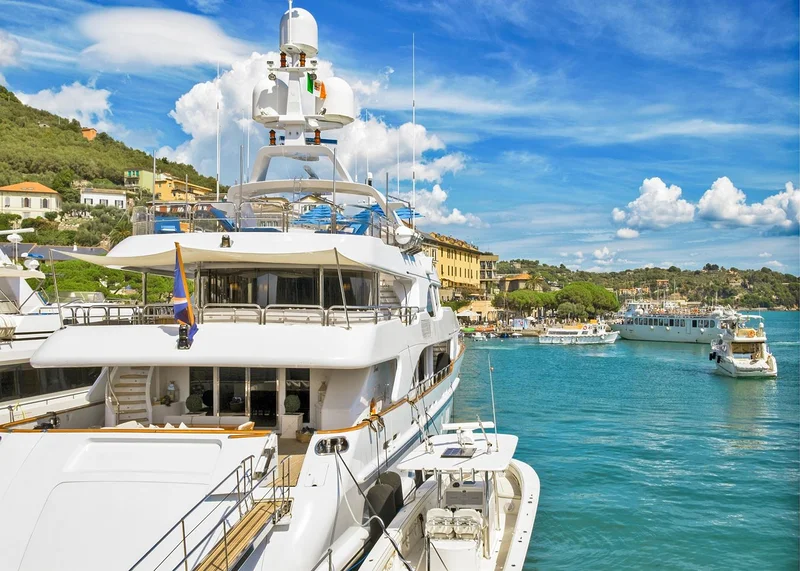
Portovenere Marina sits against the Palazzata, a UNESCO-listed row of pastel medieval tower houses. This harbor hosts fishing gozzi boats and visiting sailboats in a singular setting. It serves as the primary departure point for Palmaria Island, the Cinque Terre, and boat tours across the Gulf of Poets.

See the guide See deals

#3 Doria Castle (Portovenere) +7 recs 5/5

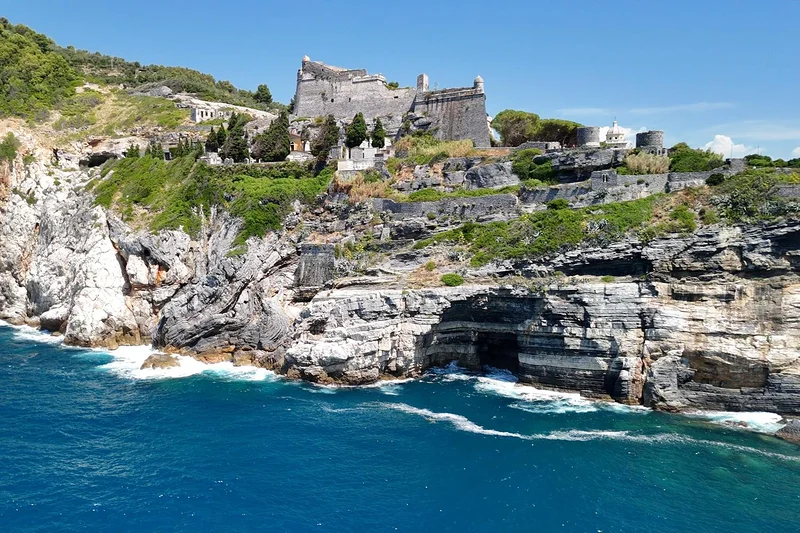
This 12th-century Genoese fortress sits atop Portovenere. Doria Castle offers the most complete panorama of the Gulf of Poets, San Pietro church, and the Palmaria archipelago. The interior is austere, but the climb up medieval stairs and the 360-degree view from the ramparts fully justify the 5 EUR entry fee.

#4 Marina di Varazze (Varazze) +3 recs 5/5

Marina di Varazze stands as one of the most modern ports on the Italian Riviera. With 800 slips for vessels 5 to 50 meters long, it serves as a premier home for pleasure craft. Located 37 kilometers from Genoa, Varazze has been a shipbuilding hub since the Roman era.

Map of Liguria

Visiting Liguria

Liguria is a crescent: Ventimiglia and the French border at one end, La Spezia at the other, and Genoa in the middle, holding the largest medieval centre in Europe.

The part everyone comes for runs fifteen kilometres: five villages set on cliffs, Monterosso, Vernazza, Corniglia, Manarola and Riomaggiore, and right next door Portovenere, which is not one of them and is worth as much.

You will love it if

  • You walk: the paths between the villages are the real show
  • The train suits you: it serves everything, and a car serves nothing
  • You come in May, June or September, when the paths are open and empty

Look elsewhere if

  • You want big beaches: the coast is coves and shingle
  • Crowds wear you down: the Cinque Terre take millions of visitors a year
  • You plan to drive into the villages: they are closed to traffic

The must-sees

The highlights

  1. Portovenere

    1 Portovenere +50 recs

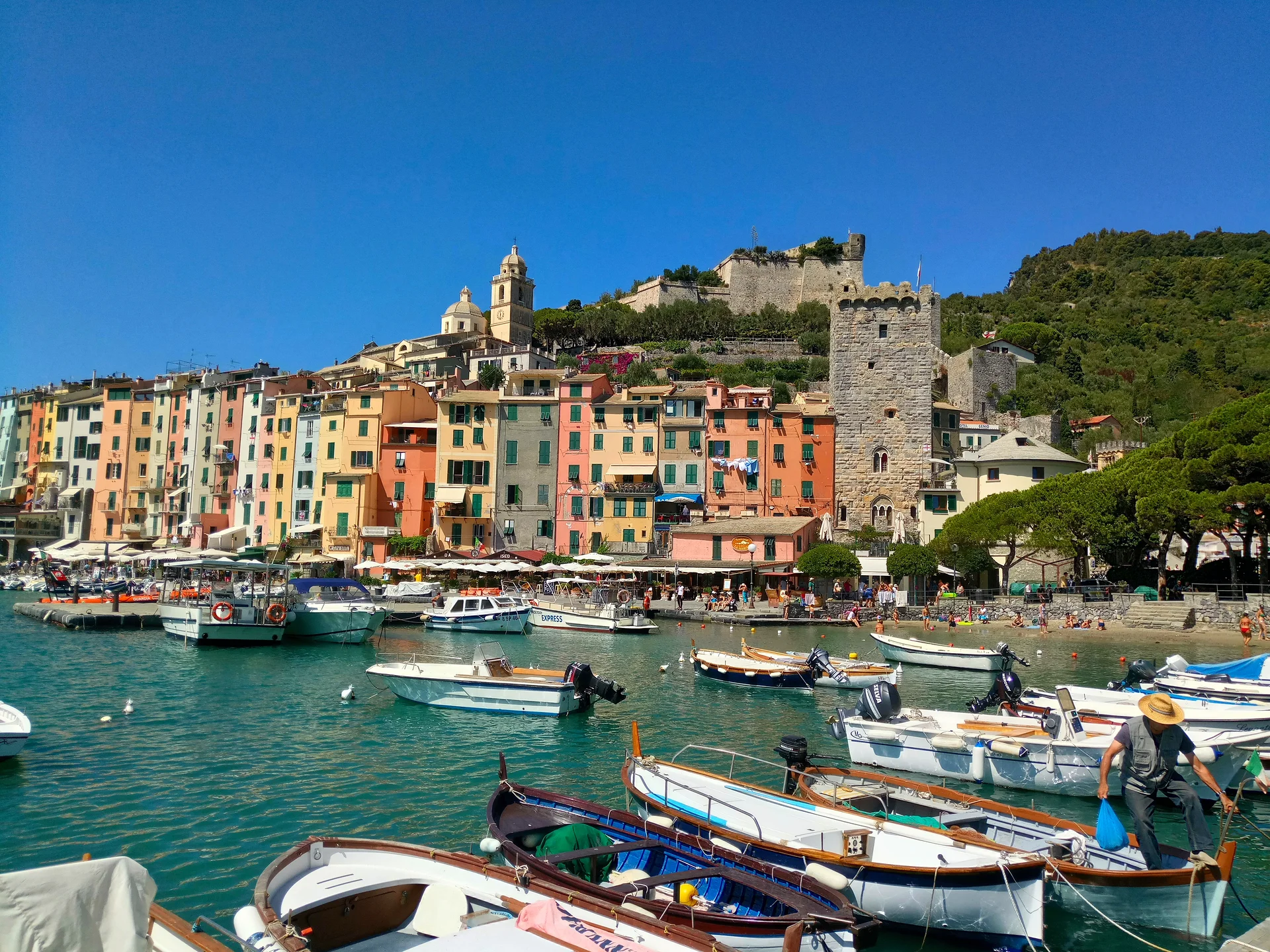
    A front of tall narrow coloured houses, built as a rampart facing the sea, and at the tip a black and white church set on bare rock. World Heritage listed with the Cinque Terre and the three islands facing it.

  2. Doria Castle

    2 Doria Castle +7 recs

    The fortress above Portovenere, built by Genoa in the twelfth century and enlarged since. You climb to it on stairways between the houses, and the terrace takes in the whole gulf.

  3. Boat excursions from Portovenere

    3 Boat excursions from Portovenere +8 recs

    The only way to see the Cinque Terre from the sea, which is the side they were built to face. Departures are in the morning, and the sea often gets up in the afternoon, which cancels the returns.

  4. Vernazza

    4 Vernazza +8 recs

    The only natural harbour of the five villages, with a small square at water level and a castle above. The path in from Monterosso comes out on the overhang, and that is where the photograph everyone knows is taken.

  5. Genoa and its caruggi

    5 Genoa and its caruggi +5 recs

    The largest medieval centre in Europe, a tangle of lanes so narrow the sun never reaches the ground. Forty-two Renaissance palaces, the Rolli, are World Heritage listed and open on a few weekends a year.

The classic mistake

Coming by car. The five villages are closed to traffic, their car parks are tiny and perched a twenty-minute walk above, and the ridge road is narrow. The train from La Spezia to Monterosso runs every twenty minutes and stops everywhere.

Our itineraries in Liguria

Our itineraries by length of stay
LengthItineraryWhat you see
Long weekend (3 days)La Spezia › the five villagesCoastal train, paths, harbours
1 weekGenoa › La Spezia › PortovenereCity, Gulf of Poets, Cinque Terre
10 daysVentimiglia › Varazze › Genoa › PortovenereBoth rivieras, west to east

Everything is done by train: the line follows the coast from one end of the region to the other, and the Cinque Terre card gives unlimited journeys between the five villages. It is the one place in Italy where a car is a clear handicap.

Allow an hour and a half from Genoa to La Spezia, and ten minutes between two neighbouring villages. The boat doubles the line from April to October, slower and finer.

When to visit Liguria

RatingSeasonWeatherCrowds and prices
May, June and September20 to 27 °C, sea at 22Busy, mid-range prices
April and October15 to 21 °C, showersModerate, fewer boats
July and August26 to 31 °C, sea at 25Saturated, paths packed
November to March8 to 15 °C, heavy rainQuiet, paths often closed

Our advice

Check the state of the paths before you set out: the national park closes sections after heavy rain, sometimes for months, and landslips are common in autumn. The information comes from the park, not from the places you are staying in.

Getting to Liguria

  1. 1 By plane Fastest

    Genoa takes few flights from Britain; Pisa and Milan are the usual gateways, served by easyJet and Ryanair, with two hours of train afterwards. Pisa is the closer of the two for the Cinque Terre.

  2. 2 By train Most scenic

    Eurostar to Paris, then Paris to Milan and the coastal line to La Spezia, around fourteen hours in all. Worth it for the run along the Riviera, which the plane skips entirely.

  3. 3 By car To arrive

    the motorway follows the coast through one tunnel and viaduct after another. It is for reaching the region, not for moving around it: park at La Spezia or Levanto and take the train.

The simplest combination: train to La Spezia, which is the gateway to the Cinque Terre, and nothing else after that. For the western half, Genoa is the pivot between the two rivieras.

Getting around Liguria

The regional train calls at all five villages every twenty minutes, and the platforms are often in tunnel, cut into the cliff. Genoa has a metro, funiculars and public lifts that make up for its gradients.

Worth knowing

The coastal path between the villages is paid for and requires a card, checked at the entrance to each section. The ridge paths are free, longer, steeper and far emptier: that is the best trade in the region.

What to eat in Liguria

  • Pesto genovese: basil, pine nuts, garlic, pecorino, parmesan and oil, crushed in a marble mortar. The coastal basil, small and not minty, is what makes the difference.
  • Focaccia genovese: two centimetres thick, dimpled, salted and oiled. It is eaten at breakfast, dipped in cappuccino, and nobody objects.
  • Farinata: a chickpea flour pancake baked in a copper dish in a wood oven. Sold by the slice, scalding, at bakeries.
  • Trofie al pesto: hand-twisted pasta served with green beans and potato cooked in the same pot. That is the complete version, not an addition.
  • Pansoti with walnut sauce: wild herb ravioli under a sauce of walnuts and soaked bread. The one Ligurian sauce with neither tomato nor basil.
  • Anchovies from Monterosso: caught by lamp boat and salted on the spot, served raw with lemon or fried. An appellation protects the village's own.
  • Sciacchetrà: a sweet wine from grapes dried on racks, made in tiny quantities on the Cinque Terre terraces. A bottle costs a lot, and the yield explains why.

In Genoa, the sciamadde are neighbourhood fry shops that have sold farinata and salt cod fritters since the nineteenth century. In the villages, kitchens close early and many do not open from November to March.

Where to stay in Liguria

AreaWhat it is forWorth knowing
La SpeziaCinque Terre base, train, boatThe most practical and the cheapest
MonterossoThe only real beach of the fiveThe easiest village to reach, full in summer
PortovenereThe gulf, the marina, the islandsOutside the park, so quieter in the evening
GenoaCaruggi, palaces, aquariumA real city, open all year
VarazzeBeach, marina, western rivieraWest of Genoa, where Italians go

Sleeping in one of the five villages costs twice what it costs in La Spezia, ten minutes by train from the first of them.

What the night on the spot buys is the hour before nine and the hour after six, when the trains have taken everyone home and the lanes are walkable again. Whether that is worth double is yours to decide.

How much does a trip in Liguria cost?

Indicative budget per person, excluding travel to Liguria
StyleLengthBudget per person
Budget (hostel in La Spezia, focaccia, ridge paths)5 days300 to 450 €
Comfortable (hotel, restaurants, park card and boat)5 days700 to 1,000 €
High end (village hotel, seafront tables)5 days1,800 to 2,800 €
  • The park card: it covers unlimited trains between the villages and access to the coastal path. Bought by the day, it pays off from the third journey.
  • The ridge paths: free, where the shore path is paid for. They climb more, they are empty, and the views are wider.
  • Focaccia: a whole lunch for the price of a seated coffee, and it is what local people eat at midday.
  • Staying in La Spezia: half the price of a village, ten minutes by train, with restaurants open all year.
  • The boat: dearer than the train but it is a sight in itself, and it only runs from April to October.

Traditions and way of life in Liguria

The Cinque Terre terraces rest on seven thousand kilometres of dry stone walls, built by hand since the Middle Ages. Their upkeep stopped in the twentieth century with rural depopulation, and the landslips that close the paths come from that, not from chance.

Genoa was a maritime republic for seven centuries, a rival of Venice, with trading posts as far as the Black Sea. Its banking families financed the kings of Spain, and their palaces lined along two streets are what remains visible of it.

Two useful habits. In the lanes of Genoa you keep right as you would on a road: they are too narrow for anything else, and the delivery scooters do not slow down. And on the paths you give way to those coming up: the rule is the same in any mountain, and here it avoids passing each other above a drop.
Top photos posted by members

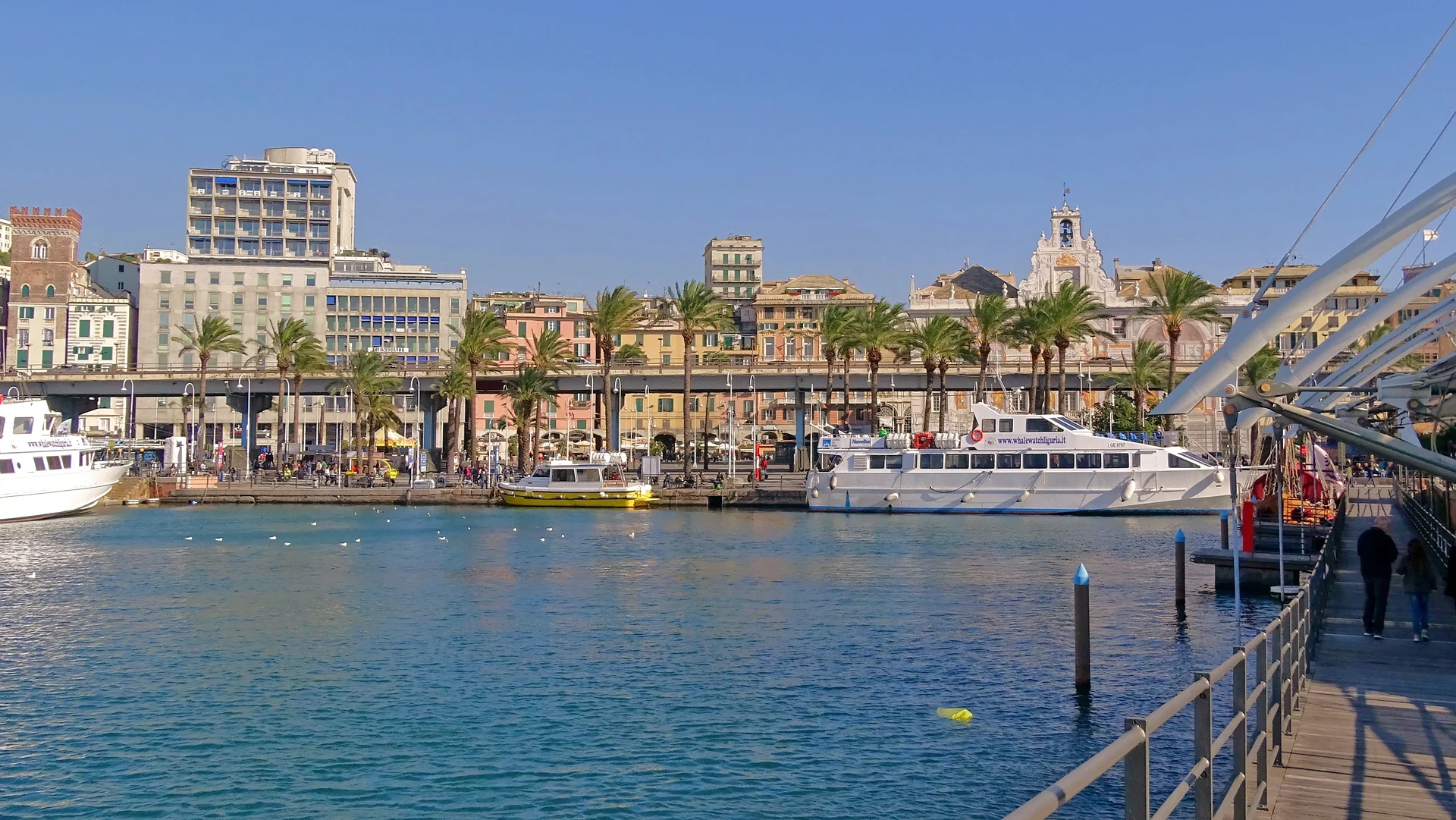
Vieux de port de Gênes
Marina de Fezzano à Portovenere
Port de Varazze

Articles posted by members

Traveler reviews

A balcony over the sea

Genoa is a wonderful surprise, raw and rebellious, this port city is passed through much too quickly! I was completely charmed by its old town, so well hidden behind its highway barrier. You have to t…

895

One of the gateway points to the Cinque Terre

It is a great place to use as a base for visiting the Cinque Terre villages, and the city itself is actually quite nice and convenient for finding much cheaper lodging! While it may not have the charm…

247

The stop you cannot miss when visiting Cinque Terre

The little town that you absolutely cannot miss if you are visiting the Cinque Terre! It is a bit harder to get there since there is no train station, and access is by bus from La Spezia (a whole expe…

72

Stunning, off-season

My favorite village in the Cinque Terre. It offers sublime landscapes, but it is overcrowded during the summer vacation. Try to come in the off-season, the experience is different.

48

The biggest beach in Cinque Terre

A stunning beach, with soft white sand, the big gray rock, and of course the cliffs in the background! It makes you forget the few downsides, like the fact that a large part is taken up by private clu…

35