
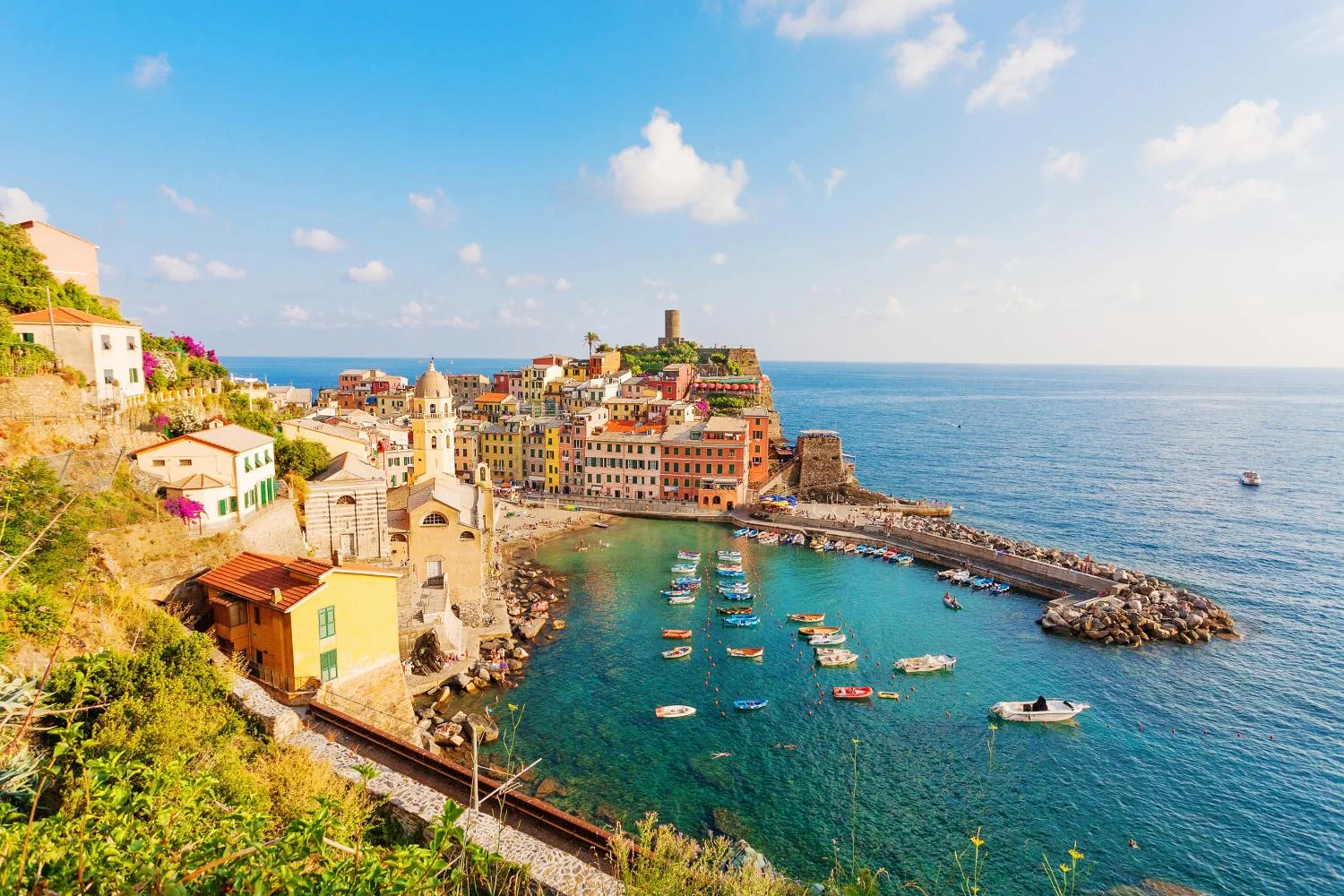
Vernazza, the Cinque Terre village that almost disappeared
On October 25, 2011, a 4-meter mudslide tore through the narrow streets of this village in less than an hour. Cars were swept into the sea, the main square vanished beneath the debris, and three people lost their lives. The storm caused more than 100 million euros in damage.
The residents could have walked away. Instead, they chose to rebuild everything, stone by stone, shop by shop. Today, along the lampposts on Via Roma, the high-water mark of the mud is still visible if you know where to look. The harbor, restored to its original colors, remains one of the most photographed spots on the entire Mediterranean.
The prettiest village in the Cinque Terre, and the most vertical
This is the favorite village of Rick Steves, the American travel guru who put the Cinque Terre on the global tourism map. Its natural harbor, the only one among the five villages, along with its Genoese tower houses and medieval castle, creates a postcard setting that feels almost surreal. Photographers, couples on vacation, and coastal hikers will find exactly what they are looking for here.
Let's be direct. This village is built straight up. Almost every rental requires climbing steep, narrow stairs with no elevators or luggage help. The streets are not wheelchair accessible, and rolling a suitcase here is a genuine workout. For travelers with limited mobility or families pushing strollers, Monterosso is a much more practical choice.
A tiny village facing massive crowds
With fewer than 600 permanent residents, the village absorbs thousands of day-trippers every single day during peak season. Via Roma, the sole thoroughfare connecting the train station to the harbor, becomes gridlocked between 11 AM and 4 PM. The vast majority of visitors are here just for the day. The trick to actually enjoying the place is staying overnight, exploring early in the morning, and waiting until after 6 PM when the last ferry leaves and the golden hour light transforms the facades.
Prices that match the reputation
Expect to pay $169 to $340* a night during peak season for a decent apartment, $34 to $57* per person for a restaurant meal, and $2.30* for admission to Doria Castle. The Cinque Terre Treno Card costs between $22 and $37* per day depending on the season. Prices drop noticeably in May and October.
The harbor and the square: the beating heart of the village
Everything funnels toward Piazza Marconi, the small triangular square opening right onto the harbor. This is where local fishermen still haul their colorful wooden boats ashore during rough weather, sometimes dragging them right into the middle of the square. Restaurant terraces spill out here as soon as the weather warms up, looking straight out at the water.
The Church of Saint Margaret of Antioch, built in 1318 in the Ligurian Gothic style, juts out onto a rocky promontory right above the waves. Local legend says a box containing the bones of Saint Margaret washed ashore on this exact beach, determining where the church would stand. Its octagonal bell tower, detached from the main body, is one of the most recognizable landmarks on the Ligurian Riviera. Most visitors actually enter through the apse facing the square, as the main entrance on the sea side is less obvious.
Friendly tip: The small hidden beach, reached through a short tunnel blasted into the rock near the harbor, appeared after the 2011 floods. It is wilder and rockier than the main harbor beach, offering some relative quiet even in the middle of summer.
Doria Castle and a thousand years of watchtowers
Perched on a rocky spur 230 feet above the sea, Castello Doria is the oldest surviving fortification in the Cinque Terre. Its core dates back to the 11th century, when the Obertenghi marquises ruled eastern Liguria. The central cylindrical tower served as a lookout against the pirates who raided this coast for centuries. Its nickname, Belforte, translates to "the place of loud shouts," referencing the guards who used to scream to warn the village whenever enemy ships approached.
During World War II, German forces converted the underground rooms into air-raid shelters. Admission costs $1.70*, and the rooftop terrace gives you a 360-degree view over the village, harbor, and coastline. On a clear day, you can see Corsica in the distance. The castle is open from 10 AM to 9 PM in the summer, and from 10 AM to 7 PM the rest of the year.
The climb to the Reggio Sanctuary: the other hike
The Sentiero Azzurro coastal trail linking Corniglia and Monterosso passes through the village, but a different walk deserves your attention. The trail to the Sanctuary of Our Lady of Reggio climbs for 2 kilometers (1.2 miles) through olive groves and terraced vineyards up to a shaded esplanade over 1,000 feet above sea level. Plan for a solid hour of steep climbing, and about 40 minutes for the return trip down.
The sanctuary was first mentioned in 1248, but the site was already occupied during Roman times. Inside, you will find a painting of the Black Madonna with Child, venerated since 1615 after a series of reported miraculous healings. Out on the esplanade, an 800-year-old cypress tree, listed among Italy's monumental trees, oversees a quiet space equipped with a fountain, benches, and a small self-service refreshment stand. It is the perfect antidote to the bustling crowds down in the village.
Friendly tip: This hike is entirely free, unlike the Sentiero Azzurro. Start early in the morning from the train station by taking the Pastenello steps, and make a quick stop at the cemetery along the way for an incredible vantage point looking down on the village.
The upper alleys: where locals still live
Most visitors never wander beyond Via Roma and the harbor square. However, the caruggi, the steep alleyways climbing from the main street up into the heights of the village, preserve the last remnants of everyday local life. You will see laundry hanging between building facades, cats napping on stone steps, and tiny shrines tucked into stone walls. The northern section, known as Lùvegu in the local dialect, means "the damp side." The walls there are thicker, the passageways darker, and the overall atmosphere much more secretive.
This upper neighborhood is also where a few stubborn winemakers keep going. Bartalo Lercari still tends terraced vineyards high above the village, producing Cinque Terre wine right on the cliffside. Some of these plots, destroyed by the 2011 floods, were rebuilt meter by meter.
Where to eat and drink in Vernazza
The Ristorante Belforte occupies the stone walls of an 11th-century tower carved directly into the rock face, looking out over the sea for over 50 years. Its tiered cliffside terraces provide a dramatic backdrop for solid cooking featuring homemade trofie al pesto, Monterosso anchovies served as antipasti, and the catch of the day grilled to order. Prices are high and reservations are mandatory, but the setting makes it worth it.
For a more casual bite, Pippo a Vernazza serves fresh pasta and stuffed focaccia to go in plastic-free street food packaging. Il Gambero Rosso, with its terrace sitting right on the harbor square, dishes out reliable local seafood with a front-row view of the boats. In the morning, head over to Il Pirata delle Cinque Terre, run by two brothers, for a breakfast of fresh cannoli and cappuccinos.
Friendly tip: Ristorante Bar La Torre, perched high in the upper reaches of the village, offers a panoramic view that rivals Doria Castle, best enjoyed with a glass of Cinque Terre DOC wine. Be sure to book well in advance.
Where to stay in Vernazza and nearby
La Mala is a tiny boutique hotel with sea-facing terraces, frequently ranked among the best addresses in the village. Gianni Franzi offers rooms and apartments in the historic center with varying levels of comfort and pricing. True budget options are virtually nonexistent here, and the rare rooms priced under $113* book out months ahead.
A smart alternative is staying in Levanto, an 8-minute train ride away, which features a sandy beach, broader lodging choices, and much friendlier price tags. La Spezia, 18 minutes down the line, remains the most economical base for exploring the entire region without breaking the bank.
How to get to and around Vernazza
The train is the only practical way to arrive. From La Spezia Centrale, the trip takes 18 minutes. From Levanto, it is 8 minutes. From Genoa, expect about an hour and a half with one transfer. From Pisa, it takes 1.5 to 2 hours via La Spezia. The closest airports are Pisa and Genoa.
Leave the car behind: tourists are not permitted to drive into the village, and the parking lot located a half-mile out costs around $23* per day, which includes a shuttle bus running from 8 AM to 8 PM. In season, ferries connect the coastal villages and offer the most scenic approach from the water.
When to go
The ideal windows are from mid-May to late June and from September to mid-October, when you get great light, comfortable temperatures, open trails, and manageable crowds. On July 20, the feast of Saint Margaret of Antioch, the village patron saint, fills the streets with processions, music, fireworks, and a community dinner right in the square. Try to avoid midsummer: in August, the village routinely exceeds its visitor capacity.
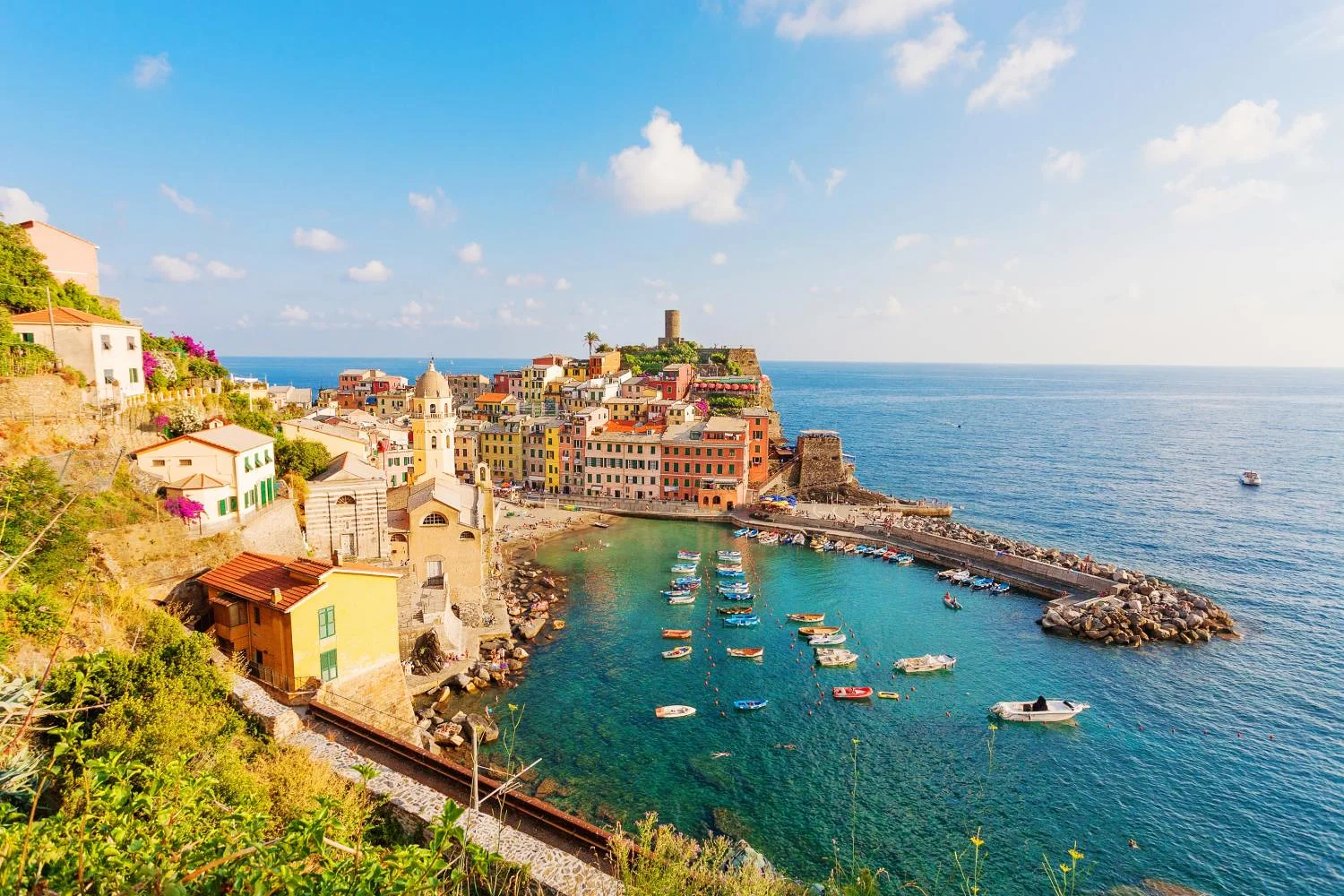
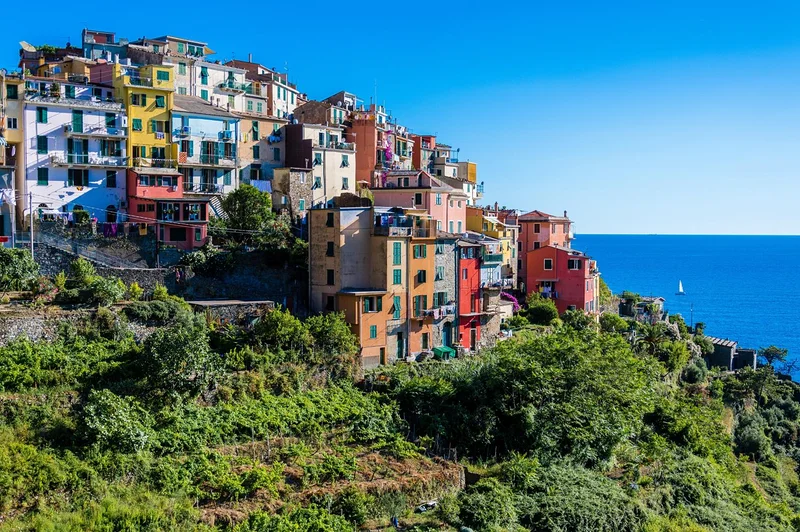
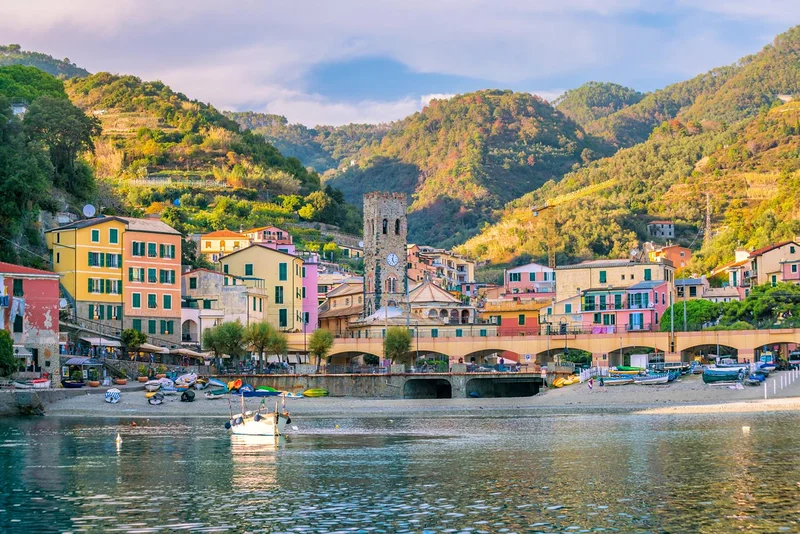
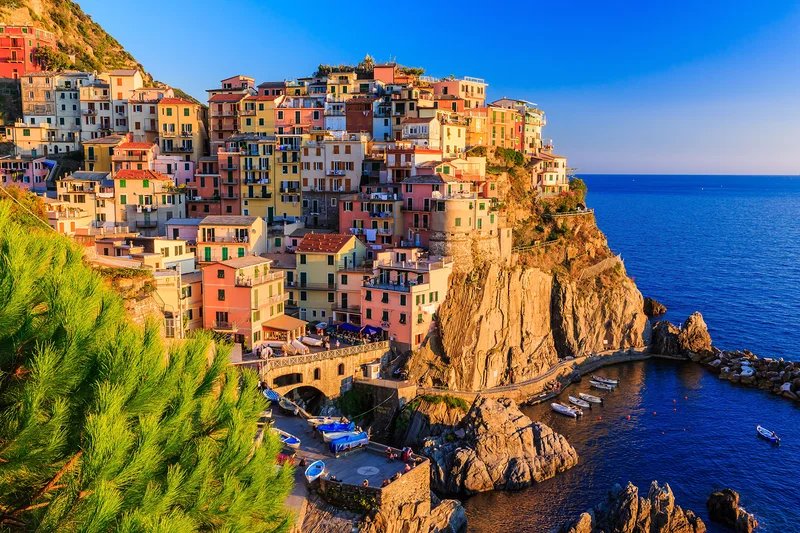
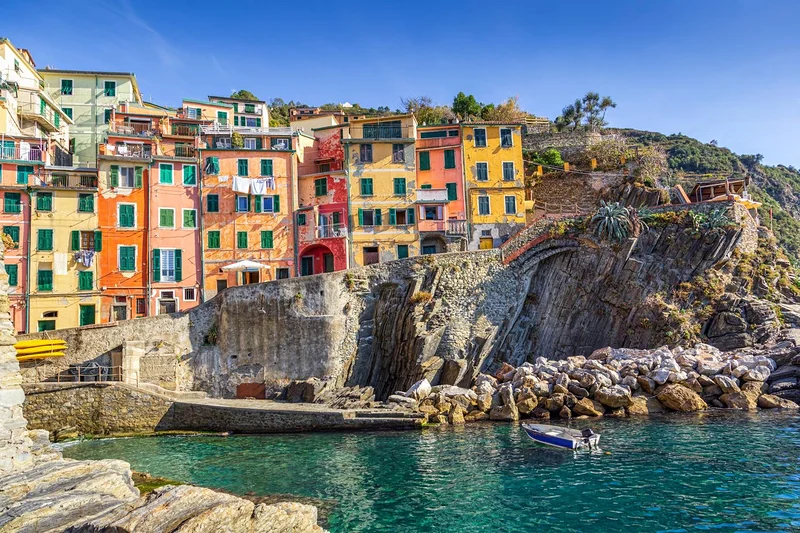
My favorite village in the Cinque Terre. It offers sublime landscapes, but it is overcrowded during the summer vacation.
Try to come in the off-season, the experience is different.