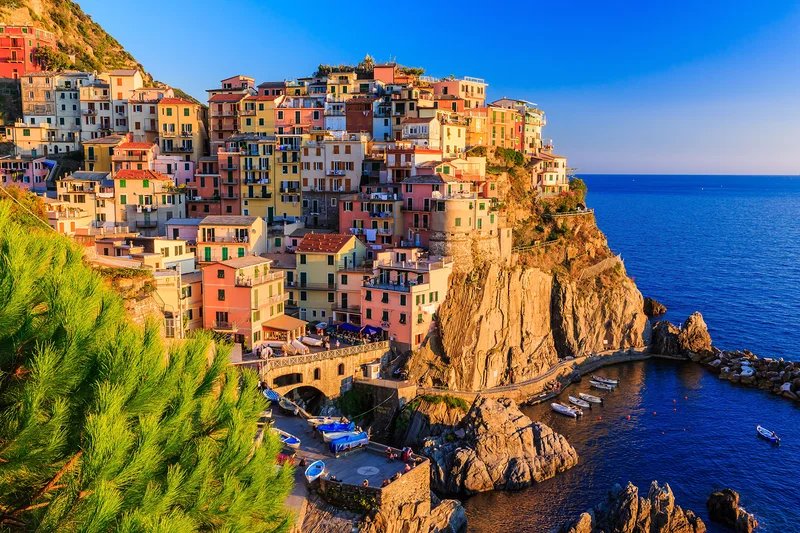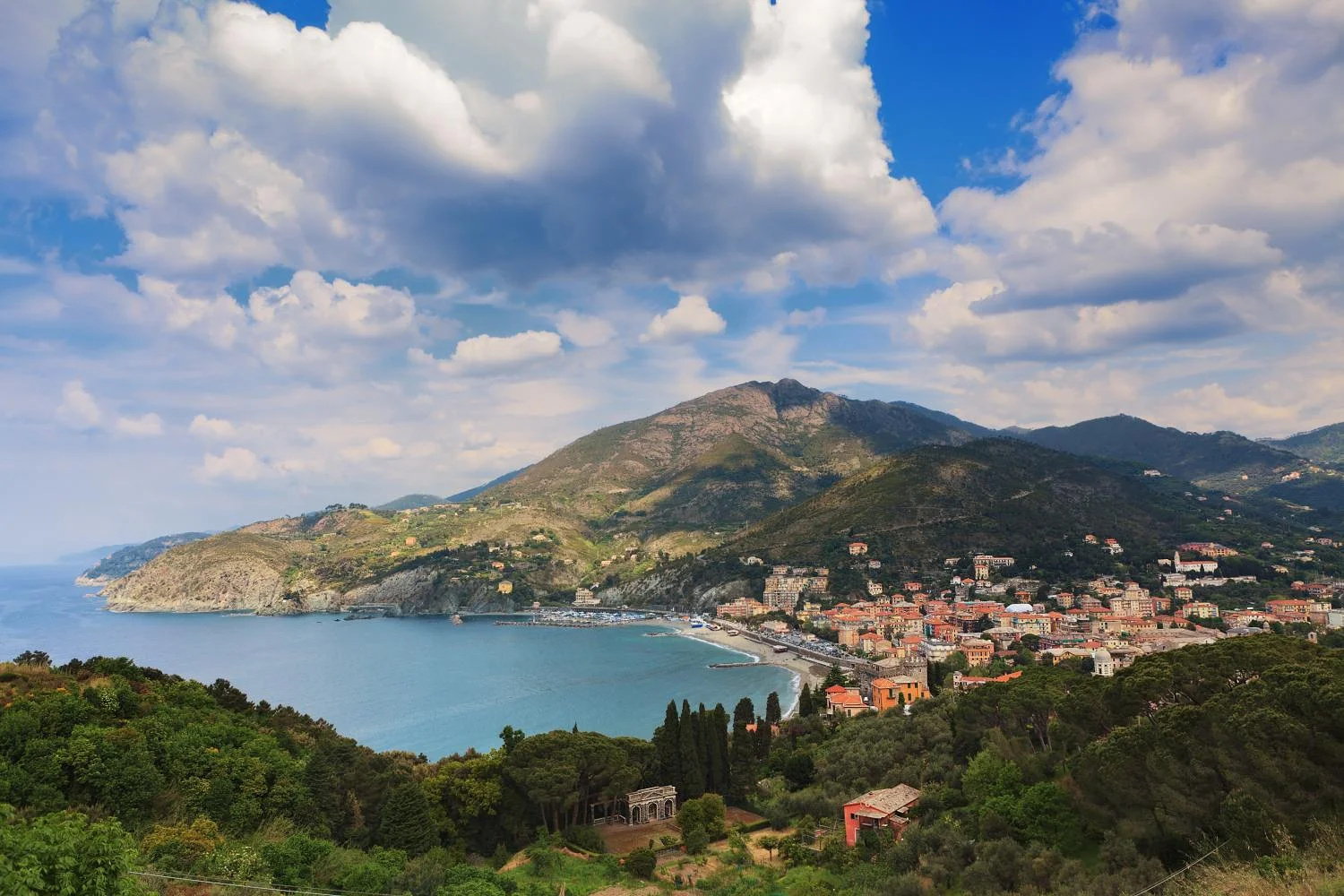
Levanto, the beach town the Cinque Terre couldn't overshadow
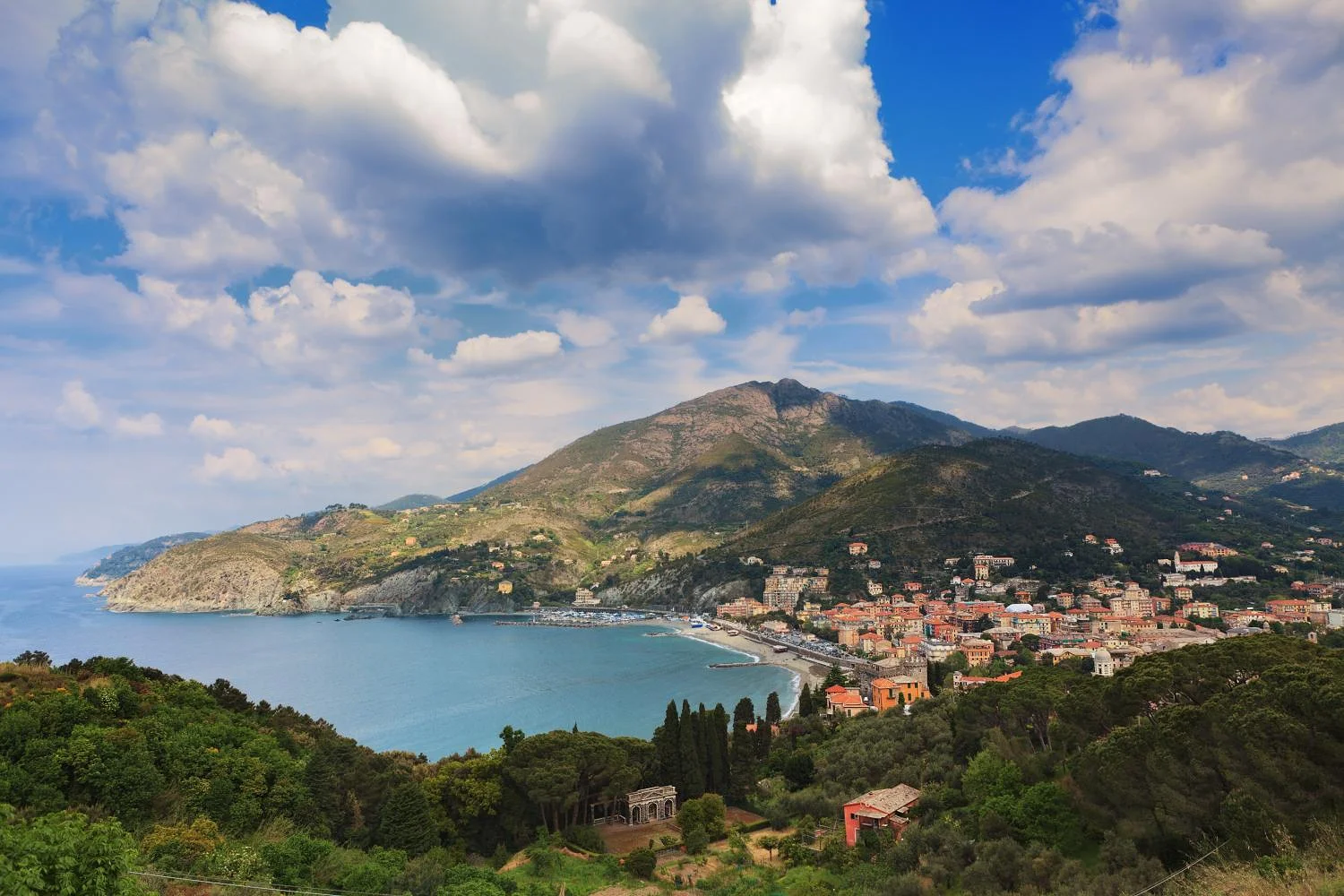
Few travelers realize that Levanto stands out as a prime surf spot in Italy. When the winter swell rolls in from the southwest, waves reach four meters in the bay, drawing surfers from all over Northern Europe. The rest of the year, this Ligurian town of 5,000 residents serves a different purpose: a smart home base for visiting the Monterosso, located just a four-minute train ride away.
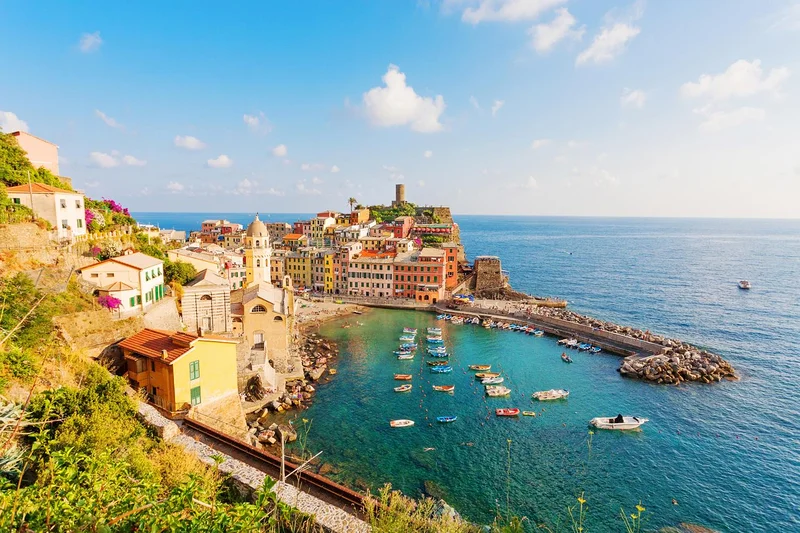
Reducing Levanto to a cheap dormitory misses a town with its own distinct identity. Its sandy beach, medieval center featuring trompe-l'œil facades, and fried gattafin herbs-and-cheese pastries eaten on a street corner tell a story quite different from the famous five neighboring villages.
Levanto: the smart alternative to the Cinque Terre
This village suits travelers wanting the best of both worlds. On one side, you get express access to the UNESCO-listed coastal cluster. On the other, you find an authentic local community with restaurants not calibrated for cruise passengers, a wide shoreline, and a noticeably slower pace.
Levanto holds the Città Slow designation, a label recognizing towns that protect their quality of life. Families, couples, hikers, and cyclists feel right at home here. Anyone seeking intense nightlife or a heavy cultural schedule will want to look elsewhere, as evenings here typically wind down with gelato along the lungomare waterfront promenade.
A practical layout without surprises
Levanto is safe, easy to navigate, and entirely walkable or bikeable. The train station sits five minutes from the center, shops line Via Garibaldi and Via Roma, and the beach is just down the block.
An accessible budget compared to the rest of the region
This is Levanto's biggest advantage. Expect to pay $79 to $146* a night for a double room depending on the season, roughly thirty to fifty percent less than inside the Cinque Terre proper. A full restaurant meal runs $23 to $40* per person, with a realistic daily budget of $90 to $135* per traveler.
The beach and surf scene
Levanto Beach is a welcome anomaly on the Ligurian coast: large, sandy, and easily accessible. Free public sections sit alongside private bagni beach clubs where lounge chairs and umbrellas rent for about $17* a day. The shoreline slopes gently into the water, making it ideal for families.
Surfing is taken seriously here. The Blackwave Surf School welcomes beginners, while the Casinò, Pietra, and Nadia breaks keep experienced surfers happy. The Surfestival, held between May and June, brings in competitors from across the peninsula.
The MareMonti bike path and neighboring villages
This is arguably the most enjoyable activity in Levanto. The piste cyclable MareMonti follows a converted nineteenth-century railway for nearly 6 km, passing through old train tunnels that open up to coastal views. The flat, paved path connects Levanto to Bonassola and then Framura, two villages worth stopping in for their beaches and cafes.
Friendly tip: rent your bikes at Surf Levanto on Piazza del Popolo. The owner, an Aussie expat who has lived here for years, gives great advice on lunch stops along the way. Rental shops generally close between 12:30 PM and 3:30 PM.
Hiking and the medieval center
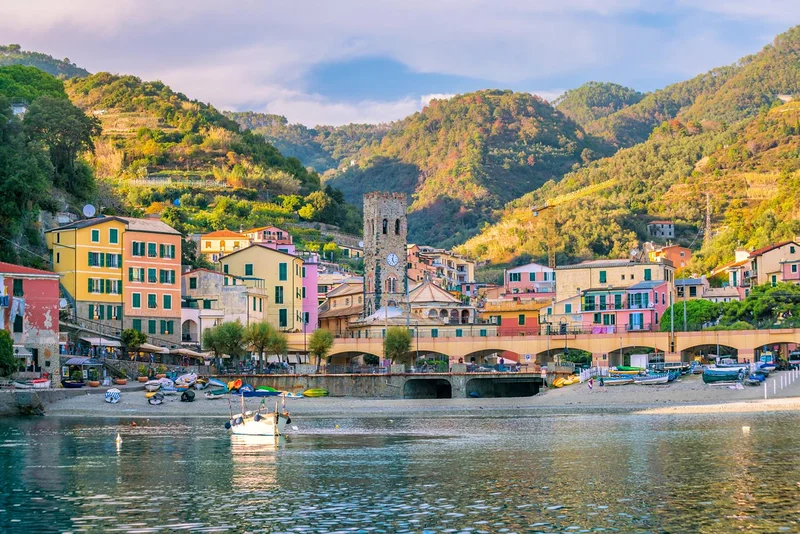
The hiking trail from Levanto to Monterosso, part of the Sentiero Verde Azzurro coastal path, winds for 7 km through olive groves, vineyards, and Mediterranean scrub. Budget two to two and a half hours of walking, and take the four-minute train back. A detour to Punta Mesco delivers one of the finest viewpoints on the Ligurian shore.
You can tour the medieval core in an hour, but it warrants a closer look. The thirteenth-century Sant'Andrea church displays a dark green and white striped marble facade typical of Ligurian Gothic architecture. The loggia médiévale on Piazza del Popolo, built in 1405, recalls Levanto's history as a prosperous trading town long before the tourist era.
Where to eat and drink in Levanto
The quintessential local specialty is gattafin, herb-filled fried ravioli that stay crisp outside and soft inside, eaten right on the street with your fingers. As throughout the eastern Ligurian Riviera, focaccia, farinata chickpea flatbread, and pesto sur trofie pasta are omnipresent.
Trattoria Tumelin, operating inside a twelfth-century Gothic home on Via Grillo, has served traditional seafood since 1970. For straightforward pizza, Da Rino on Via Garibaldi is a local favorite. Ristorante Casinò, housed in the Art Deco municipal casino building right on the waterfront, offers a more refined menu in a 1920s setting.
Where to stay in Levanto and surroundings
The historic center and the streets near the train station offer the best balance of convenience and value, featuring B&Bs, small family-run hotels, and apartments. The surrounding hills hold farmstay agriturismos with valley views, though you will need a car to reach them. Bonassola, one train stop away, provides an even quieter alternative if Levanto feels too lively in August.
How to get to and around Levanto
The closest airports are Genoa Cristoforo Colombo, an hour and a half away by train, and Pisa Galileo Galilei, about two hours away with a transfer in La Spezia. Driving from the French border takes roughly five hours from Nice via the A12 highway. By train, Levanto sits thirty minutes from La Spezia and one to one and a half hours from Genoa.
Parking a car is easier here than in the Cinque Terre, costing about $2.30* per hour up to a $17* daily maximum. Once you arrive, everything is accessible on foot or by bicycle. The Cinque Terre Express runs every twenty to thirty minutes.
When to go
From April to June and September to October, you get pleasant weather, manageable trails, and uncrowded beaches. In September, the Festival della Sciacchetrà celebrates the local sweet dessert wine. July and August bring warm temperatures and heavy crowds, while autumn and winter draw surfers.