
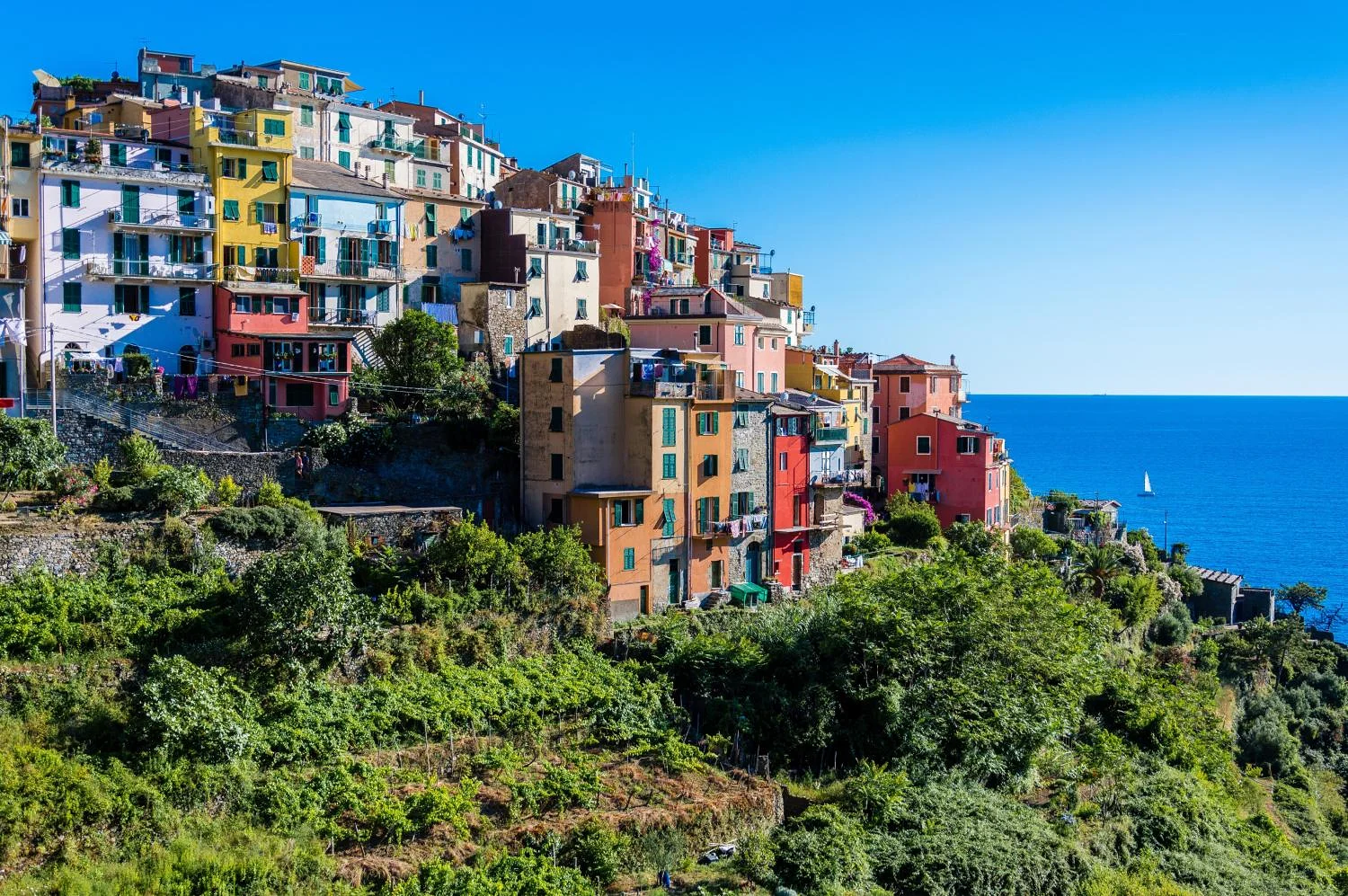
Corniglia, the Cinque Terre village that refuses to touch the sea
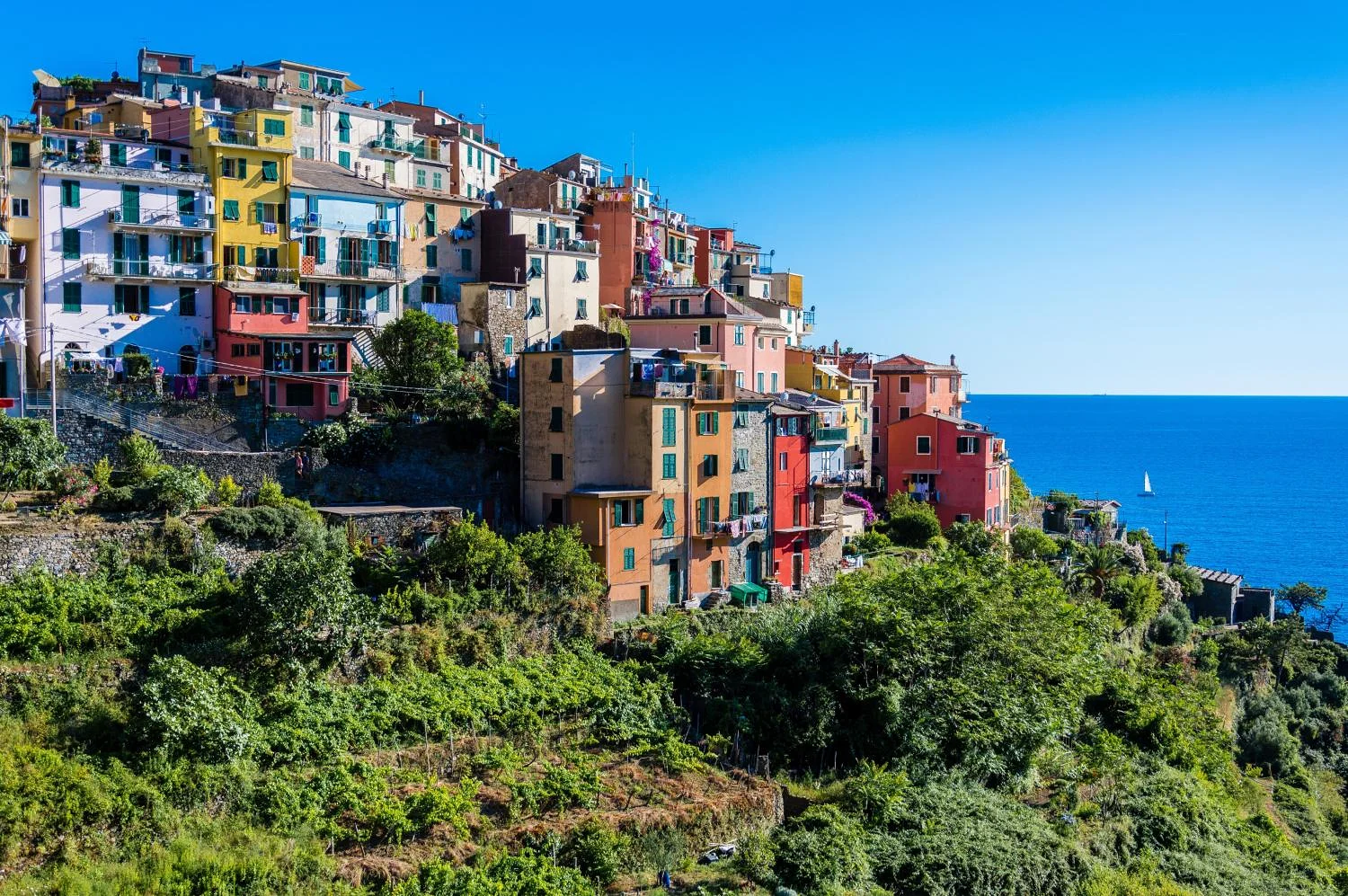
Archeologists found amphorae etched with vinum Corneliae in the cellars of Pompeii. Two thousand years ago, wine produced on this rocky promontory along the Ligurian coast was already reaching Campania. In the Decameron, Boccaccio recounts a story of a bandit who cured a prisoner abbot's stomach woes with two slices of toasted bread and a large glass of Vernaccia di Corniglia.
Today, the village still produces wine on its dizzying terraces, but you have to climb 377 steps just to get a taste.
The quietest village in Cinque Terre, for those who don't mind the stairs
This village is built for hikers, wine lovers, and anyone who prefers peace and quiet over a postcard view. It sits in the center of the five villages, offers some of the most expansive coastal panoramas, and remains relatively uncrowded even in high season. It is the ideal base camp for exploring the region on foot without getting caught in the mobs that overwhelm Vernazza or Monterosso.
That said, if you dream of diving into the sea from your terrace or eating dinner with your feet in the sand, look elsewhere. There is no direct access to the sea here. No port, no ferry, and no real beach. Families with strollers or anyone with mobility issues will find access difficult. You have to climb the Scalinata Lardarina from the train station or wait for the shuttle, which stops running after 7:30 PM.
The most affordable of the five villages
This is the budget-friendly choice in Cinque Terre. Accommodations start around 70 to 90 EUR (about $75, $95) per night for a guesthouse, compared to 150 to 300 EUR (about $160, $320) in neighboring towns. A restaurant meal costs between 25 and 40 EUR (about $27, $43) per person. The Cinque Terre Card, which includes unlimited train travel, costs 19.50 EUR (about $21) per day in the low season.
The 377 steps and Via Fieschi: the village in a nutshell
The arrival is an adventure in itself. From the train station at sea level, the Lardarina unfolds in 33 zigzagging brick ramps through vineyards and olive groves. It takes about 15 minutes to climb, but the steady pace and the views of the coast toward Manarola that reveal themselves at every turn make it worth it. This climb acts as a natural filter for visitors, ensuring those who make it to the top have earned their reward.
The entire village fits along a single axis, Via Fieschi, which connects the Church of San Pietro to the Santa Maria terrace. Less than 500 meters separate the two ends. Everything is accessible on foot in just a few minutes.
The Church of San Pietro dates back to 1334 and was built in local sandstone in the Ligurian Gothic style. Its white Carrara marble rose window, added in 1351, depicts a deer, the ancient symbol of the village. The interior was later updated in the Baroque style and still houses 12th-century baptismal fonts, frescoes, and a polychrome marble altar.
Friendly tip: The shuttle between the station and the village is included in the Cinque Terre Card. If you are staying in town, walk down the Lardarina in the morning for the view, and take the shuttle back up in the evening with your groceries.
Panoramic terraces: two views, two vibes
At the end of Via Fieschi, the Santa Maria terrace offers a 180-degree panorama of the sea. It is the most expansive viewpoint of the five villages because the promontory dominates the coast without any obstructions. Telescopes are available for spotting Vernazza to the north and Manarola to the south. The Bar Terza Terra, located right next door, is the perfect spot to enjoy the spectacle with a glass of local white wine.
The other view is more of a hidden treasure. Behind the Oratory of Santa Caterina, on Largo Taragio, a small, discreet terrace faces south toward the cliffs plunging into the sea toward Manarola. The oratory itself, built in the 18th century, conceals a trompe-l'oeil ceiling painted to mimic the sky. Few visitors make the trek up here.
Vineyards and wine: the agricultural soul of the village
This is where Cinque Terre reveals its true identity. Before tourism, and even before fishing, there was wine. The fasce, or dry-stone terraces carved into the cliffside, still produce grapes on slopes where the vines grow no more than a meter high to withstand the wind. The harvest is done entirely by hand, often on your knees, on plots accessible only by miniature rack railways.
Three wines are worth your attention. The Cinque Terre DOC is a dry, fresh white made from Bosco, Albarola, and Vermentino grapes. Vernaccia di Corniglia is a more robust white produced here since the 14th century, the very same wine celebrated by Boccaccio. Finally, there is Sciacchetrà, a sweet, amber-colored dessert wine made from grapes dried for 40 days. It takes 20 kilos of fresh grapes to produce a single bottle, which is then aged for at least six years.
Friendly tip: The Terra Rossa Wine Bar on Via Fieschi offers a list of local wines, including organic and biodynamic vintages, with a view of the coast. It is the ideal place for an evening tasting when the day-trippers have left.
Hiking from the village
The village's central position makes it an excellent starting point. The Sentiero Azzurro toward Vernazza winds for 4 km through terraced vineyards and Mediterranean brush, with constant views of the sea. Expect a 1.5 to 2-hour walk of moderate difficulty. The trail to Manarola is shorter, but it can be closed depending on the season, so check the National Park website before you go.
To escape the main trail, the path to the Sanctuary of San Bernardino climbs into the hills toward the hamlet of the same name. The church houses a painting of the Virgin and Child that has been venerated for centuries. The sanctuary festival takes place every September 8th, featuring a pilgrimage by the village residents.
Where to eat and drink in Corniglia?
The options are limited, but they are honest and often of higher quality than elsewhere in Cinque Terre, precisely because the village doesn't get the same volume of foot traffic. Ristorante Cecio, slightly set back from the center, serves refined fish dishes with a terrace overlooking the colorful rooftops. Bar da Matteo is more casual and offers simple, hearty daily specials at reasonable prices.
In terms of specialties, try the torta di riso, a savory rice pie with cheese and eggs traditionally prepared for the feast of San Pietro on June 29th. Fresh focaccia from Pan e Vin in the morning, enjoyed with a coffee facing the sea, is the best breakfast in the village. And do not leave without a basil-lemon gelato from Alberto Gelateria, made with herbs from the owner's garden.
Where to stay in and around Corniglia?
There are no hotels in the traditional sense. Accommodations consist of guesthouses and apartments, which should be booked early because supply is the most limited of all five villages. Madüneta 5 Terre offers renovated rooms with sea views starting at 135 EUR (about $145) per night, breakfast included. Locanda Il Carugio offers a more polished setting with three rooms, a rooftop terrace, and free parking, which is a rarity in the region.
A smart alternative is to stay in Levanto or La Spezia. La Spezia is 14 minutes away by train, with prices two to three times lower. Levanto, about 20 minutes away, adds a large sandy beach and the vibe of a small seaside town.
How to get to and around Corniglia?
The train is the only reasonable option. From La Spezia Centrale, the trip takes 14 minutes with departures every 20 to 30 minutes. From Genoa, it takes about 1.5 hours with one transfer. From Pisa, it takes 1.5 to 2 hours via La Spezia. The closest airports are Pisa and Genoa, both well connected by regional trains.
Driving is a poor choice. The village parking lot has only about 60 spaces at 2.50 EUR (about $2.70) per hour, and it fills up early in the morning during the summer. From the train station, a shuttle bus heads up to the village every 15 minutes or so, stopping around 7:30 PM. After that, you are left with the Lardarina. The ferry does not service the village because there is no port.
When to go?
The ideal time is from mid-May to late June and from September to mid-October, when the trails are open, the light is soft, and the vineyards begin to change color. On June 29th, the feast of San Pietro brings the village to life with a procession and the distribution of the Torta dei Fieschi in the square. Avoid the height of summer, as even here, the trails become saturated and the heat makes the Lardarina climb punishing.
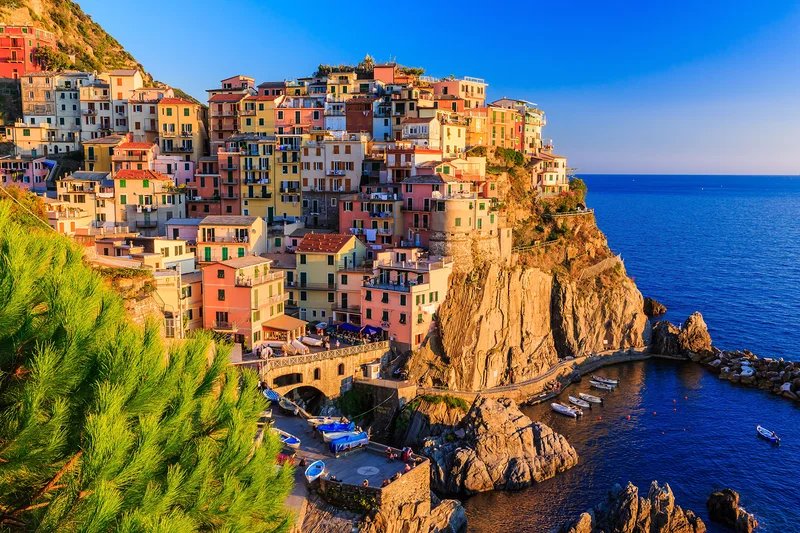
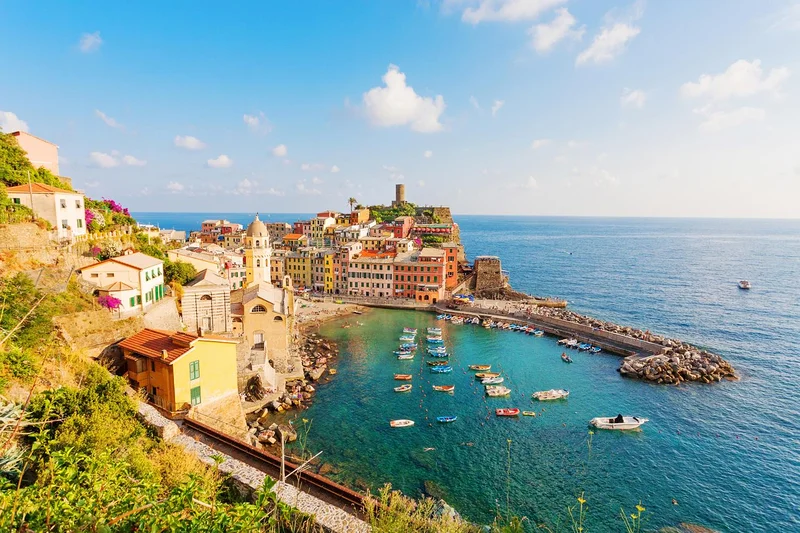
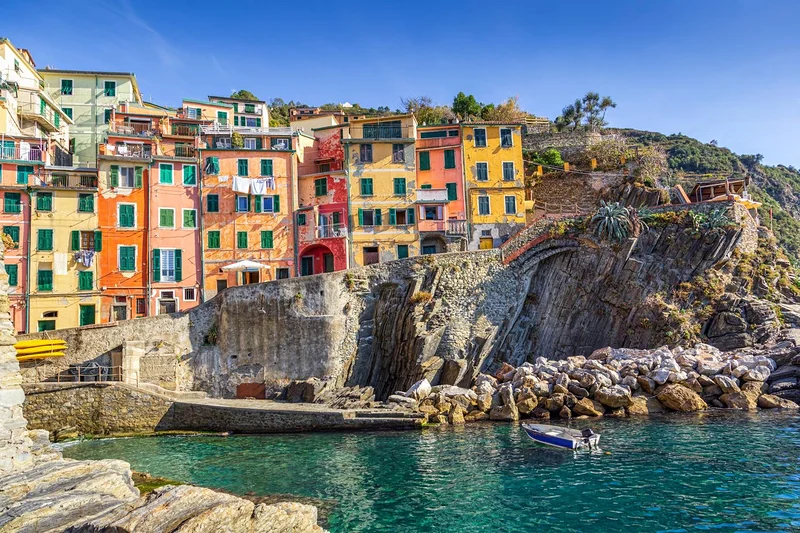
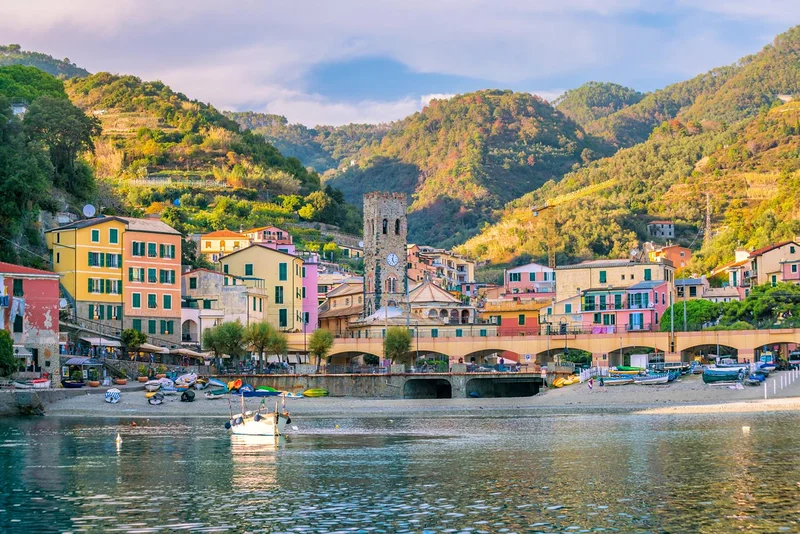
A trip to reserve for those who aren't afraid of putting in a little effort! 382 steps! That is what you have to climb. The reward is extremely satisfying, though. You get the feeling of entering a preserved place that you really have to earn. An atmosphere more anchored in the land, which reminded me of some of the villages in Corsica. Plus, the charm of the vineyards gives it a unique identity.