
Riomaggiore, the village that stole the Cinque Terre sunset
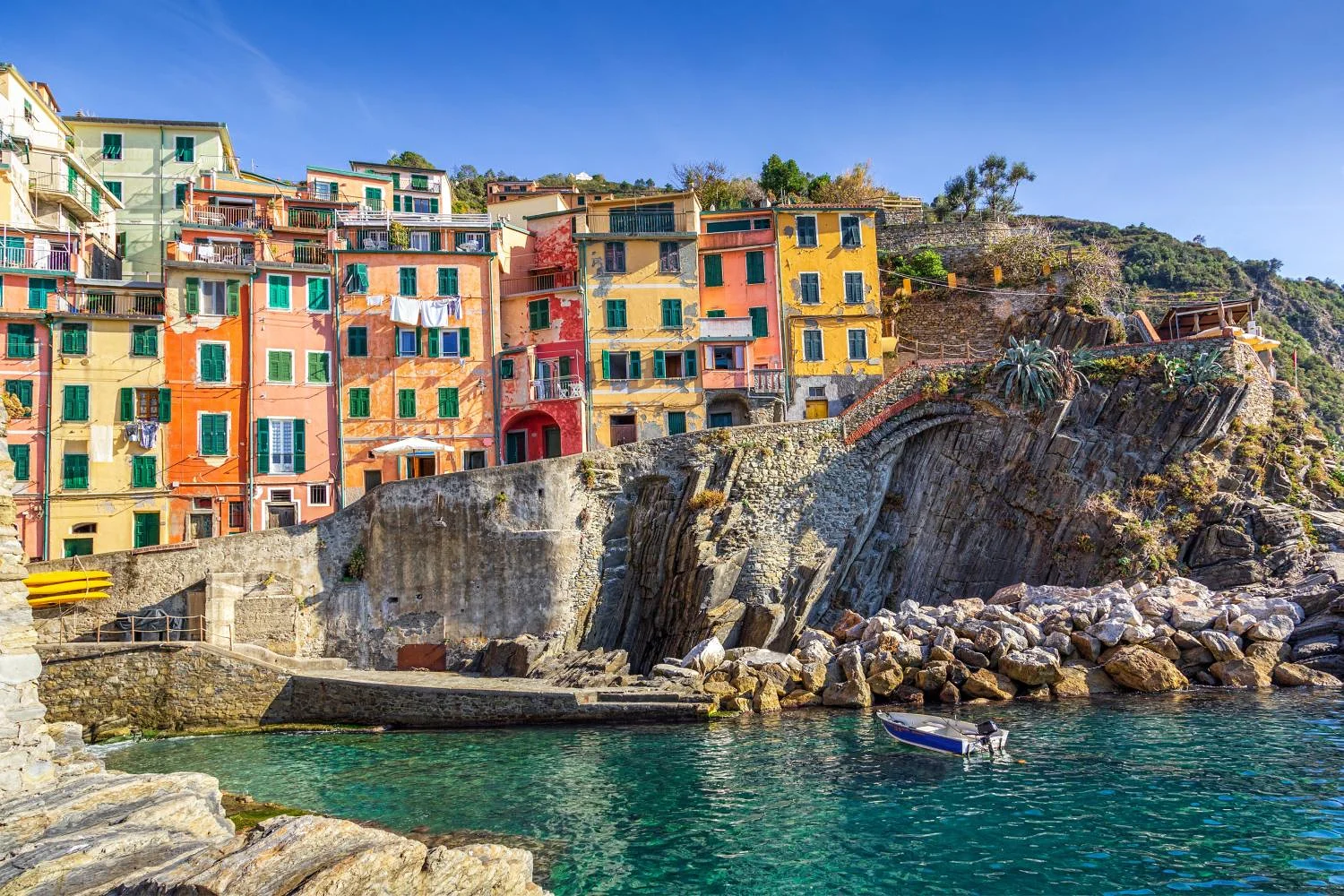
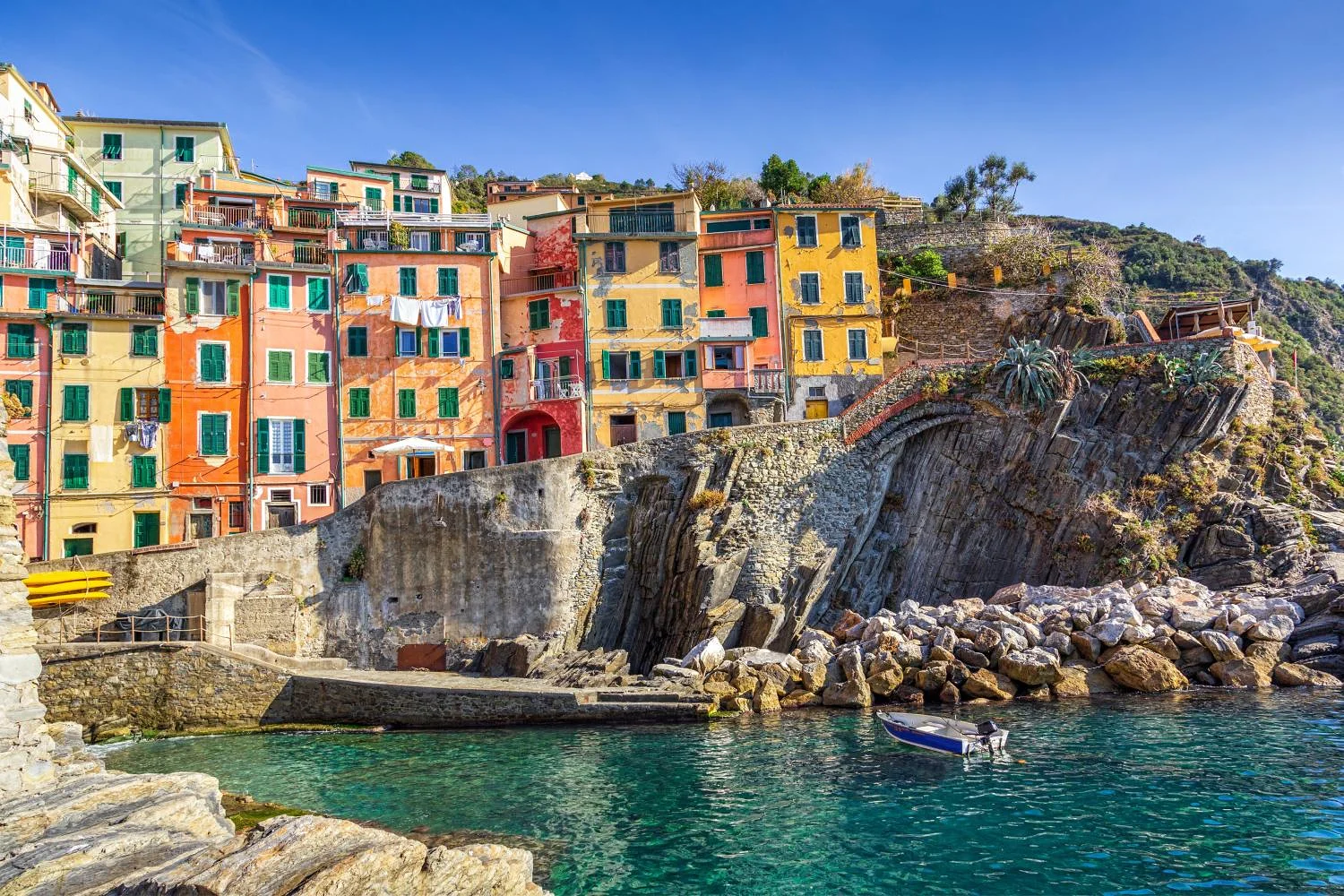
On the rocks of the tiny harbor, dozens of silhouettes stand out against a sky turning orange. Bottles of Sciacchetrà, the golden wine of the Cinque Terre, pass from hand to hand. Behind them, tower houses with pink, yellow, and ocher facades seem to cling to the cliffside by sheer stubbornness.
Riomaggiore is the kind of place where you sit on a rock at 5 PM just to watch the sun go down and find yourself chatting with strangers three hours later. The southernmost village of the Cinque Terre is also the first one you encounter arriving from La Spezia, and often the one that leaves the longest-lasting impression.
Riomaggiore, love at first sight for hikers and romantics
This village appeals first to those who love to walk. The Cinque Terre region is a haven of coastal paths, and Riomaggiore serves as an ideal starting point to explore them. Couples will not feel left out either, as the famous Via dell'Amore, reopened on February 14, 2025 after a twelve-year closure due to a landslide, connects the village to Manarola in a twenty-minute cliffside walk. Photographers, fresh seafood lovers, and travelers who prefer the laid-back vibe of a fishing village over concrete high-rises will feel right at home here.
On the flip side, if you are looking for long sandy beaches, look elsewhere. The only beach here, Fossola, is a tiny patch of pebbles. Travelers with limited mobility will also struggle. The village is vertical, featuring steep staircases, sloped alleys, and no elevators to reach most accommodations. That looks charming in photos, but exhausting with a fifty-pound suitcase.
A village built for pedestrians, not cars
Riomaggiore is almost entirely pedestrian. Forget about driving, as parking costs about $40* per day and spaces are scarce. The train remains the king of transportation. The village runs to the rhythm of the Cinque Terre Express, which runs about every 15 minutes in season. Wi-Fi works in most accommodations, safety is not a particular issue, and shopkeepers all speak enough English to get by. The pace of life follows a classic Italian rhythm: slow in the morning, lively at night.
A budget to watch closely in high season
Riomaggiore is not cheap, especially between June and September. Expect $135 to $230* a night for a decent double room in mid-summer, $45 to $85* for a meal for two at a restaurant with a view, and about $23 to $40* per person for daily transport if you buy the Cinque Terre Treno Card. In the off-season, prices drop by 30 to 50 percent, and the village regains its welcome calm.
The harbor and the main street: the beating heart of the village
Everything starts on Via Colombo, the single thoroughfare leading down from the station to the harbor. This is where you find most of the restaurants, wine bars, artisan shops, and fresh focaccia stands. The street is narrow and crowded during peak hours, but every facade tells a story, from a ceramic workshop here to an enoteca pouring Vermentino by the glass there.
The harbor itself is minuscule, featuring a few colorful boats, flat rocks for lounging, and water of an almost surreal blue. It is from these rocks that the sunset takes on its full character. On a clear day, you can make out the outline of the Alps on the horizon.
Friendly tip: for sunset, arrive at the harbor at least 45 minutes early. The best spots on the rocks fill up fast, especially in July and August. Bring your own bottle of local wine bought at a grocery store for $5.70 to $9* rather than paying triple at a terrace cafe.
Hiking and sea: the call of the open water and the heights
The Via dell'Amore is the star attraction, and for good reason. This 950-meter path carved into the rock overlooks the Mediterranean and links Riomaggiore to Manarola without difficulty. Access requires a fee: you need a Cinque Terre Card plus a $12* supplement and a time-slot reservation online through the official website. The trail is one-way, from Riomaggiore to Manarola, and welcomes a maximum of 400 people per hour.
For more seasoned hikers, Trail 531, known as Via Beccara, offers a free but demanding alternative between the two villages, with about 600 steps up, just as many down, and breathtaking panoramic views of the terraced vineyards and the coast. Pack sturdy shoes and allow an hour of walking time.
On the water
Riomaggiore is the best village in the Cinque Terre for water activities. Several companies down at the harbor offer kayak rentals, small motorboat rentals, or sunset cruises complete with prosecco and swimming. The village also houses the national park's only scuba diving center, perfect for exploring the marine life of the Ligurian coast.
Friendly tip: sunset boat tours fill up fast. Book at least two days in advance, or head straight to the harbor on the morning of your arrival to lock in a spot.
The upper village: castle, churches, and forgotten alleys
Most visitors stick to Via Colombo and the harbor, which is a missed opportunity. The alleys climbing toward the upper village hold the real surprises. From the post office, take Scalinata della Valle, a small staircase leading upward. The atmosphere changes immediately with fewer crowds, laundry hanging between windows, and sleepy cats on the steps.
The Castello di Riomaggiore, built in the 13th century to protect residents from pirate raids, offers a complete panorama of the village and the sea. Admission costs just a few euros. Right next door, the Oratory of San Rocco and San Sebastiano, built in the 15th century after a plague outbreak, is worth a detour for its colorful and unexpected interior. Lower down, the Church of San Giovanni Battista, founded in 1340, offers a striking view over the rooftops of the village from its small square.
For a cocktail break after the climb, the Four Rotta bar on the path to the castle makes a welcome stop far from the harbor crowds.
Where to eat and drink in Riomaggiore?
The cuisine here is proudly Ligurian. The signature dish remains trofie al pesto, small twisted pasta served with local basil pesto, pine nuts, and parmesan, often accompanied by green beans and potatoes. The region's basil has a distinct aroma shaped by the Ligurian microclimate, and the result bears no resemblance to supermarket pesto.
From the sea, fresh acciughe (anchovies), either marinated or fried, are the local specialty. Muscoli ripieni, Ligurian-style stuffed mussels, also deserve a try. For a quick bite, the focaccia sold by the slice at Panificio Rosi on Via Colombo is a treat, golden, soaked in olive oil, and topped with tomatoes or olives. Expect to pay $3.40 to $5.70* a slice.
For a more elaborate dinner, Rio Bistrot is recommended by the Michelin Guide, highlighting fish with expert cooking and a well-curated wine list. Reserve a few days in advance for a terrace table. For better value, Kepris Pizzeria, set back a bit from the tourist flow on Via Telemaco Signorini, serves great pizzas for under $11*. For aperitivo, Vertical Bar on Via Colombo is where locals hang out for good cocktails, music, and the only true nightlife vibe in the village.
Finish your meal with a glass of Sciacchetrà, the dessert wine of the Cinque Terre. This golden and potent wine, coming in at 18% alcohol, is produced from grapes left to nearly dry on the terraced vines. It takes ten kilos of grapes to produce just a liter and a half of Sciacchetrà, compared to seven liters for standard wine. Reflecting that labor, prices run $4.50 to $14* for a small glass depending on the vintage.
How to get to and around Riomaggiore?
The train is the only sensible way to travel here. From La Spezia Centrale, Riomaggiore is the first stop, just 8 minutes away. From Pisa Station, allow about 1 hour and 30 minutes with a transfer in La Spezia. From Florence Santa Maria Novella, plan for 2.5 to 3 hours. From Genoa, it takes about 1 hour and 30 minutes with a change in Levanto.
For travelers coming from afar, the most direct option is flying into Pisa or Genoa, then taking the regional train. The Pisa train station sits 10 minutes from the airport via shuttle.
On-site, the Cinque Terre Treno MS Card gives unlimited train access between La Spezia and Levanto as well as access to the national park's paid trails. Prices range from $22 to $37* depending on the season. Never board a train without validating your ticket at the green machines on the platform, as the fines are steep.
When to go?
The ideal window runs from mid-May to late June, and again from early September to mid-October. Temperatures are mild, the light is stunning, and the crowds remain manageable. July and August are hot, heavily touristed, and expensive. From November to March, many restaurants and lodgings close, but the trails are deserted and prices hit rock bottom for calm-seeking travelers who do not mind occasional gloomy weather.
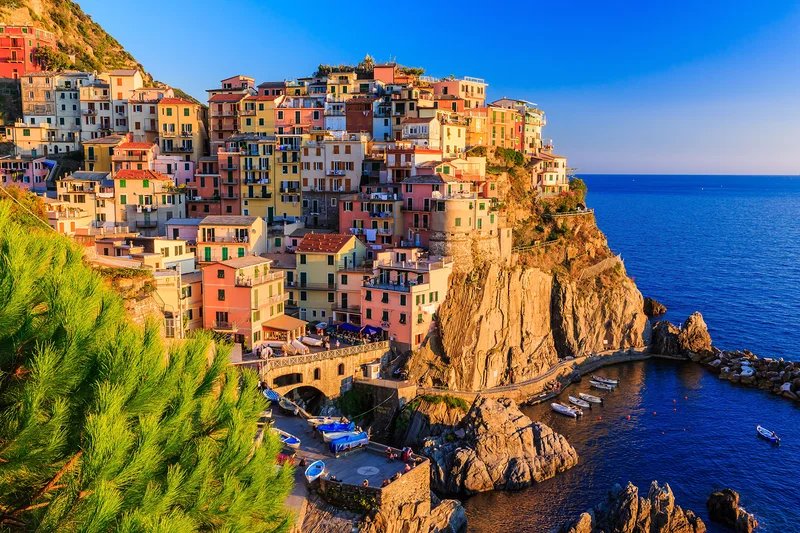
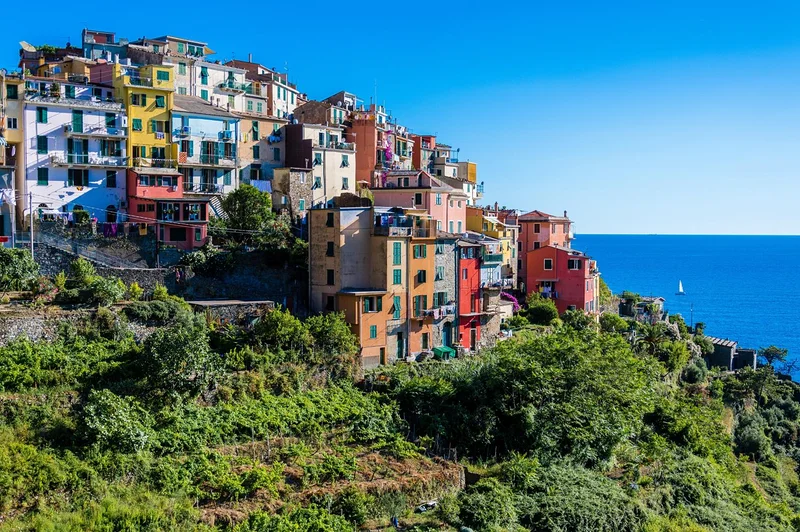
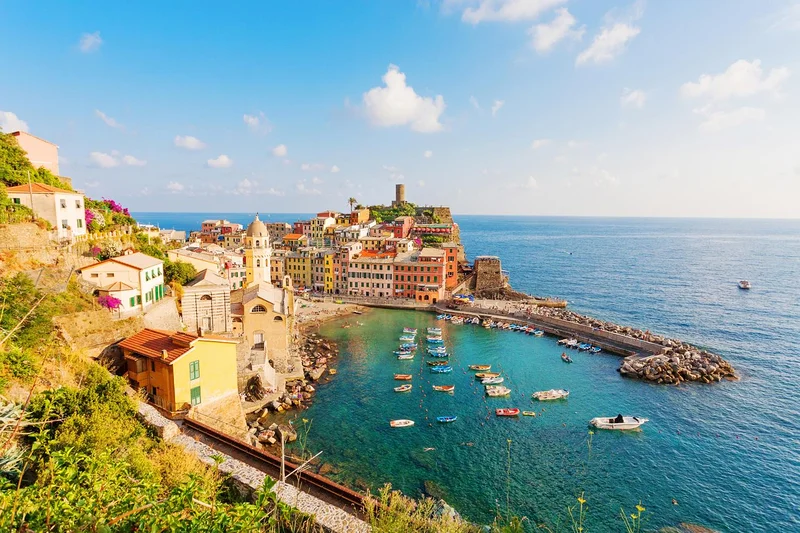
If possible, I recommend taking the Via dell’Amore, a very gentle walk that connects this village to Manarola. You will have a superb view the whole way. Just be careful, it is sometimes closed, so check before planning your itinerary. Otherwise, the train or the boat are still great ways to visit the villages. You really find that very Mediterranean, easygoing lifestyle in these fishing villages all over again.