
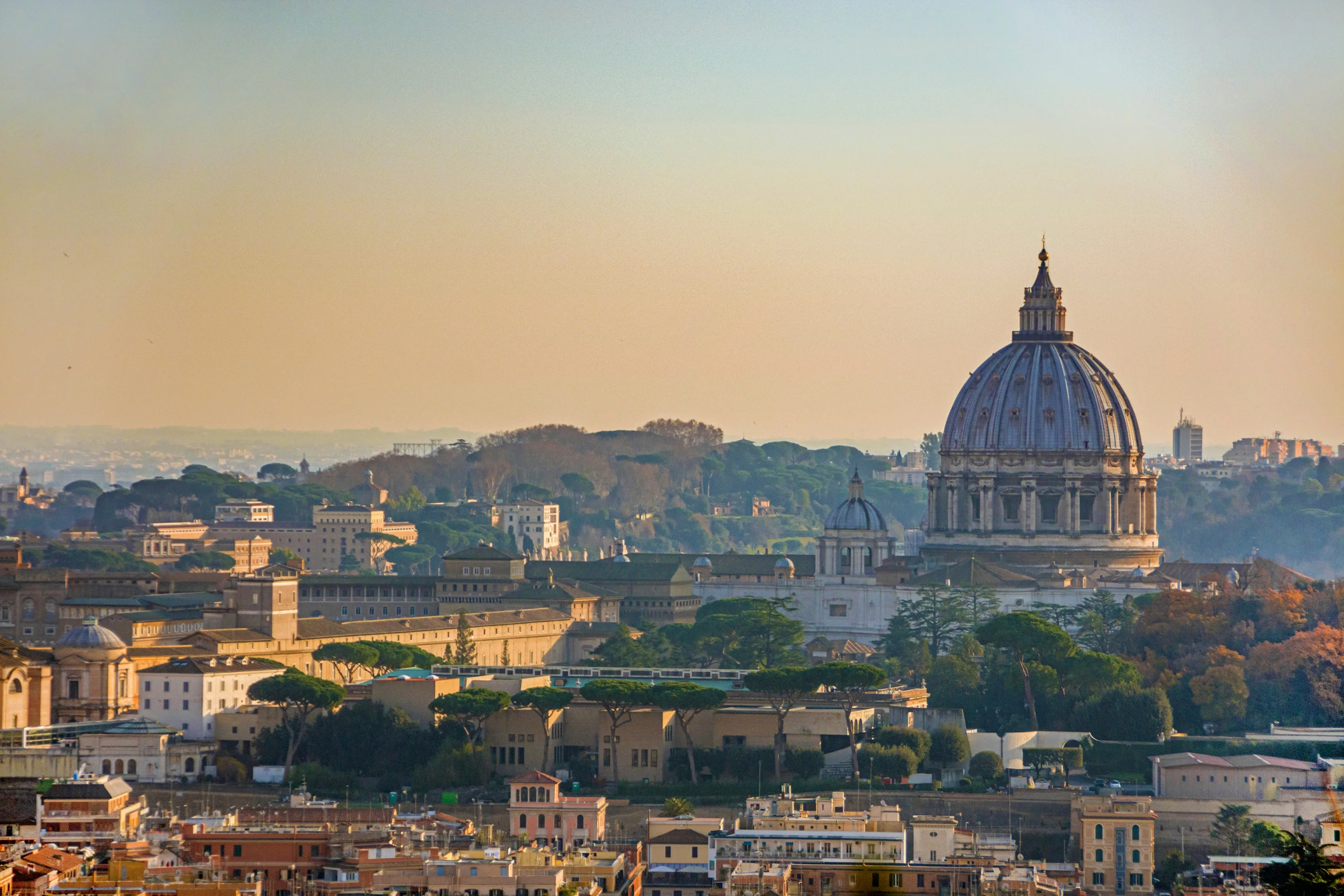
Rome, the Eternal City... After several trips to the Italian capital, I can tell you one thing for sure: choosing the right neighborhood can make or break your trip. During my first visit, I booked a place near Termini station a bit randomly. The result? Endless commutes and an atmosphere that left me feeling a bit cold in the evenings.
Since then, I’ve tested various neighborhoods and types of accommodation. In this guide, I’m sharing everything I’ve learned to help you find the perfect spot for your profile, budget, and travel style.

How to choose your neighborhood in Rome? The criteria that really matter
Before you rush to Booking, take 5 minutes to ask yourself the right questions. Rome is three times larger than Paris, and contrary to what you might think, the metro doesn't serve the historic center!
Budget: the primary selection criterion
Prices vary wildly from one neighborhood to another. For a decent double room, expect to pay:
| Neighborhood | Budget | Average price/night |
|---|---|---|
| Centro Storico (Pantheon, Navona) | €€€ | €150 to €250 |
| Trastevere | €€ | €100 to €180 |
| Monti | €€ | €90 to €150 |
| Prati / Vatican | €€ | €80 to €140 |
| Termini | € | €50 to €100 |
| Testaccio / San Lorenzo | € | €60 to €110 |
The length of your stay changes everything
For a 2-3 day weekend, definitely prioritize the historic center or its immediate surroundings. Every minute counts, and you don't want to waste them on public transport.
On the other hand, if you're staying for a week or more, you can afford to stay in a slightly more outlying neighborhood. You’ll save on accommodation while discovering a more authentic side of Rome.
The experience you're looking for: touristy or local?
This is THE question to ask yourself. Do you want to be in the heart of the action, surrounded by monuments and tourists? Or do you prefer to live like a Roman, even if it means walking a bit more?
Between these two extremes, there is an option I particularly love: boutique hotels. These charming establishments, often tucked away in renovated historic buildings, offer a unique experience halfway between an impersonal grand hotel and an apartment. If this appeals to you, here is a link to discover a selection of boutique hotels and find spots with real character.
My advice: Rome is best explored on foot. The metro only has 3 lines and doesn't run through the historic center. Choose accommodation from which you can reach the main sites in a maximum of 20-30 minutes of walking.
The must-visit neighborhoods for a first trip to Rome
If it's your first time in the Eternal City, here are the areas I recommend first.
Centro Storico: the beating heart of Rome

The historic center brings together everything you dream of: the Pantheon, Piazza Navona, the Trevi Fountain, Campo de' Fiori... Sleeping here means waking up in the middle of an open-air museum.
Pros
- Everything is walkable; you won't waste a minute
- The magical atmosphere at night, when the piazzas light up
- Hundreds of restaurants, gelaterias, and cafes at your fingertips
- Perfect for a short 2-3 day stay
Cons
- The highest prices in Rome (expect to pay 30-50% more than elsewhere)
- Constant crowds, even late at night
- Noise: it's hard to sleep with the window open
- Lots of tourist-trap restaurants
My tip: in the Centro Storico, not all micro-neighborhoods are created equal. The immediate surroundings of the Pantheon and Trevi are the most expensive and noisy. Look instead toward the Jewish Ghetto or the streets behind Piazza Navona; you'll gain some peace and quiet without sacrificing location.
For whom? First-time visitors in a rush who want to see everything in a weekend.
Trastevere: my absolute favorite

If there’s one neighborhood where I’d love to live, it’s Trastevere. On the other side of the Tiber, this labyrinth of ivy-covered cobblestone alleys won me over from my very first visit.
This is where I ate the best cacio e pepe pasta of my life in a small, unassuming osteria. At night, the squares come alive, street musicians play, and you truly understand what la dolce vita means.
Pros
- Bohemian and authentic atmosphere, far from the big tourist boulevards
- The best gastronomy in Rome: family trattorias, aperitivo, gelaterias
- A real neighborhood feel with actual Romans
- Accommodation is often cheaper than in the center
Cons
- No metro: you have to take the tram or walk 20-25 mins to the center
- Can be noisy at night (bars, revelers)
- Increasingly touristy on the main streets
My tip: avoid the streets around Piazza Santa Maria in Trastevere if you're looking for quiet. Prefer the southern part of the neighborhood, beyond Viale Trastevere, which is much more peaceful.
For whom? Couples looking for romance, foodies, and nightlife lovers.
Monti: the trendy neighborhood near the Colosseum

Monti is a gem. This small neighborhood wedged between Termini station and the Colosseum long had a bad reputation. Today, it has become the spot for trendy Romans: vintage boutiques, natural wine bars, hipster cafes, and art galleries.
I stayed there on my last trip and loved being able to reach the Colosseum in 10 minutes on foot while staying in a lively and authentic neighborhood.
Pros
- Excellent location: Colosseum, Forum, and center all within walking distance
- Two metro stations (Cavour and Colosseo)
- Village atmosphere with a real neighborhood life
- Good value for money for accommodation
Cons
- Small neighborhood: hotel supply is limited, book early
- A few tourist-trap restaurants on Via Cavour
My tip: Piazza della Madonna dei Monti is the heart of the neighborhood. At night, young Romans gather there with a beer in hand. Perfect for feeling the pulse of the city.
For whom? Young travelers, lovers of authentic and trendy neighborhoods.
Prati and the Vatican: ideal for families

The Prati neighborhood, right next to the Vatican, is my preferred choice when I travel with family or want some peace and quiet. It’s a residential neighborhood with beautiful avenues, local shops, and an atmosphere very different from the tourist center.
Pros
- Quiet and safe, perfect for families
- Excellent value for money
- A stone's throw from the Vatican: ideal for arriving early and avoiding lines
- Well served by the metro (line A: Ottaviano, Lepanto)
Cons
- Far from the Colosseum and the historic center (20-25 min by metro)
- Little nightlife
- Atmosphere less "Roman" than Trastevere or Monti
My tip: Via Cola di Rienzo is a large shopping street where you'll find everything you need. And for eating, move 2-3 streets away from the Vatican to find authentic trattorias.
For whom? Families, organized travelers who want to visit the Vatican right at opening time.
Alternative neighborhoods to get off the beaten path
Do you already know Rome, or are you looking for a more authentic experience? These less touristy neighborhoods are definitely worth a detour.
Testaccio: a foodie's paradise
If gastronomy is your priority, head straight to Testaccio. This former working-class neighborhood, built around the old slaughterhouses, is the cradle of Roman cuisine: it’s here that the offal-based dishes that built the city's reputation were invented.
The Mercato di Testaccio is a marvel: a covered market where Romans have been shopping for generations. You'll find incredible street food stalls there, notably the famous supplì (fried rice ball with a gooey center).
Don't miss: Testaccio is home to some of the best trattorias in Rome, such as Felice a Testaccio (reservations essential) or Flavio al Velavevodetto, carved into the Monte dei Cocci, an artificial hill made of shards of ancient amphorae!
For whom? Foodies, travelers in search of authenticity, those who avoid tourists.
San Lorenzo: student energy
Just behind Termini station, San Lorenzo is the neighborhood of La Sapienza University. Here, no monuments or tourists, but a young and alternative energy: street art on the walls, cheap beer bars, independent bookstores, and pizzerias where a slice costs €2.
It’s the ideal neighborhood if you’re looking to party without breaking the bank. At night, the terraces are overflowing with students and the atmosphere is electric.
Warning: it's not the most visually charming neighborhood, and it can be noisy late at night. But for tight budgets and night owls, it's perfect.
For whom? Young travelers, budget travelers, party-goers.
Pigneto: the Brooklyn of Rome
Pigneto is THE emerging neighborhood of Rome. Once working-class and a bit run-down, it now attracts artists, creatives, and hipsters. The director Pier Paolo Pasolini filmed several of his movies here, and that underground spirit persists.
The Via del Pigneto, entirely pedestrian, is nicknamed l'isola (the island). By day, it’s a quiet little market. By night, the bars fill up and the street becomes the center of alternative Roman nightlife.
For whom? Lovers of street art, alternative nightlife, and neighborhoods in transition.
Aventine: Rome's best-kept secret

The Aventine is a chic residential neighborhood, perched on one of the seven hills of Rome. This is where you'll find the Orange Garden (Giardino degli Aranci), one of the most beautiful viewpoints in the city.
But the true treasure of the Aventine is the famous keyhole (Il Buco della Serratura). On the Piazza dei Cavalieri di Malta, a closed door hides a surprise: by looking through the keyhole, you can see the dome of St. Peter's perfectly framed at the end of an avenue of cypress trees. Magical!
For romantics: The Aventine is one of the quietest and most romantic neighborhoods in Rome. Hotels are cheaper there than in the center, and the atmosphere is incomparable at sunset.
For whom? Couples looking for peace and quiet, travelers who already know Rome.
Neighborhoods to avoid (or choose with full knowledge)
Termini: practical but charmless
The area around Termini station concentrates the cheapest accommodation in Rome. It’s also the transport hub: the two metro lines intersect there, and it’s where the train from the airport arrives.
Let’s be honest: it’s not the most pleasant neighborhood. Some streets are dirty, the atmosphere can be heavy at night, and there isn't much to see. But if your budget is tight or you have an early morning train, it can do the trick.
- Choose Termini if: you have a small budget, you are staying for only one night, you have an early morning train or flight
- Avoid Termini if: you want to enjoy the Roman atmosphere, you are traveling as a couple or family, it’s your first trip to Rome
My tip: if you opt for Termini, look for accommodation toward Via Marsala or near the Basilica of Santa Maria Maggiore, the most decent parts of the neighborhood.
The immediate surroundings of the Trevi Fountain
It might seem counterintuitive, but I advise against sleeping right next to the Trevi Fountain. The area is saturated 24/7, prices are inflated, and the noise is constant.
Prefer accommodation 10-15 minutes on foot from the fountain: you’ll still enjoy the magic of the neighborhood, but with more tranquility and better value for money.
What type of accommodation to choose in Rome?
Beyond the neighborhood, the type of accommodation greatly influences your experience. Here is what I learned from testing different formats.
Classic hotels: watch out for unpleasant surprises
Rome has thousands of hotels, but many are aging. The historic buildings are magnificent from the outside, but the rooms can be dark, small, and poorly soundproofed.
My tips for choosing well:
- Check recent photos on multiple sites
- Read reviews that mention room size and noise
- Prioritize establishments renovated recently
- Check if there is an elevator (many old buildings don't have one)
B&Bs and guesthouses: the Roman pro-tip
The concept of Italian-style B&Bs is a bit different from what we know. They are often apartments where a few rooms have been renovated to host travelers.
Warning: Despite the name, breakfast is not always included in Italian B&Bs! Check carefully before booking. Sometimes, you are simply given a voucher for a coffee and a cornetto at a partner bar.
It’s often an excellent option: attractive prices, central locations, personalized welcome. My favorite B&B in Rome was run by a Roman couple who gave me incredible local recommendations.
Apartments: ideal for long stays
If you are staying for 4 days or more, or if you are traveling with family or a group, an apartment can be very cost-effective. You save on meals by cooking, and you have more space to relax.
Points of vigilance:
- Check cleaning fees (sometimes €50-80 extra)
- Watch out for the tourist tax (about €3.50 per person per night) sometimes not included
- Read arrival reviews (some owners are hard to reach)
- Beware of listings that are too good to be true
Youth hostels: not just for the young
Rome has several quality youth hostels, with private rooms in addition to dorms. It’s an economical option even for older travelers who accept basic comfort.
The best ones are in the Termini neighborhood and in Trastevere. Expect to pay €20-35 for a dorm bed, €60-90 for a private room.
Religious accommodation: the unknown option
As Rome is the center of Christendom, many convents and religious institutions offer rooms. It’s an economical option and often very well located (notably near the Vatican).
Advantages
- Attractive prices (€60-100 for a double room)
- Often excellent locations
- Guaranteed quiet
- Impeccable cleanliness
Constraints
- Curfew (often 10 PM or 11 PM)
- Early breakfast (before 9 AM)
- Some do not accept unmarried couples
- Booking sometimes complicated (email only)
My practical tips for booking smart
When to book your accommodation in Rome?
The earlier you book, the more choice and better prices you'll have. For peak periods, I recommend booking 3 to 6 months in advance.
Periods to avoid (maximum crowds and high prices):
- Easter and the week preceding it
- May bank holidays (May 1st, May 8th)
- Christmas and New Year's
- Major religious events (canonizations, jubilees)
The best periods (good trade-off between weather/price/crowds):
- January-February (outside of sales season)
- November (except bank holidays)
- Mid-September to mid-October
Details to check before booking
- Soundproofing: Rome is a noisy city. Check reviews that mention noise, and ask for a courtyard-facing room if possible.
- Air conditioning: essential in summer! Check that it is functional and included in the price.
- Elevator: Roman buildings often have 4-5 floors without an elevator. Problematic with heavy suitcases.
- Tourist tax: about €3.50 per person per night, often to be paid on-site in cash.
- Breakfast: check if it’s included and what it consists of. Sometimes, a coffee at the local bar is more authentic!
The car situation: my blunt opinion
If you plan to come to Rome by car, I have one simple piece of advice: don't even think about it.
The historic center is a ZTL (Limited Traffic Zone) where only residents can drive. If you enter without authorization, you will receive a hefty fine (sometimes several months later!). Parking is a nightmare and costs a fortune.
If you are on a road trip: leave your car in a parking lot on the outskirts (some hotels offer partnerships) and visit Rome on foot. You’ll save time, money, and stress.
How to get to your accommodation from the airport?
From Fiumicino Airport (FCO)
This is the main airport, 30 km from the center. Several options:
| Transport | Price | Duration | Destination |
|---|---|---|---|
| Leonardo Express (train) | €14 | 32 min | Termini station only |
| Bus (Terravision, SIT...) | €6-8 | 50-70 min | Termini or Vatican |
| Taxi (fixed fare) | €50 | 45-60 min | Anywhere in Rome |
| Shared shuttle | €15-25 | Variable | Your hotel |
My advice: if you are staying near Termini, the Leonardo Express is unbeatable. Otherwise, the fixed-fare taxi can be worth it if you are in a group.
From Ciampino Airport (CIA)
Low-cost airport, 15 km from the center. No direct train, but regular buses to Termini (about €6, 40 min).
Summary: which neighborhood according to your profile?
| You are... | I recommend... | Alternative |
|---|


Comments (1)