
Visiting Ravenna and its mosaics
What if gold wasn't just a metal, but a color that breathes in the shadows? That is the question you find yourself asking when you step out of a sun-drenched Ravenna alley and into the cool air of a baptistery or mausoleum. The shift is not just thermal, it is aesthetic. Millions of tiny, colored glass tiles catch the light and tell stories thousands of years old, turning walls and vaulted ceilings into star-filled skies.
Ravenna: your next Italian stop?
Ravenna is a destination that rewards the contemplative traveler. If you are an art lover, a history buff, or someone who appreciates quiet cities with a subtle charm, you will find a rare kind of happiness here. The city is completely flat and can be explored on foot or by bike with surprising ease, far from the frantic pace of major tourist hubs.
Eight of its monuments are UNESCO World Heritage sites for their early Christian mosaics, a concentration unique in the world that makes the trip worthwhile all on its own.
However, if your definition of an Italian vacation involves wild nightlife, dramatic coastal scenery, or marathon shopping, you might find things slow here. Ravenna is more of an intellectual and sensory experience than a party destination. It is a city for those who enjoy taking the time to look, reading a plaque, and sitting at a cafe terrace just to listen to the sound of the church bells.
Diving into the gold of the mosaics
The true treasure of Ravenna is the Byzantine heritage that lines its religious buildings. These are not mere decorations, but veritable graphic novels of light and faith, designed over 1,500 years ago. Buying a combined ticket is the best way to see these masterpieces.
The starry sky of Galla Placidia
The Mausoleum of Galla Placidia is arguably the most moving. From the outside, it is a simple brick building. But inside, a deep midnight-blue vault, speckled with over 800 golden stars, envelops you. The light, filtered through thin alabaster openings, creates an intimate, magical atmosphere.
The imperial splendor of San Vitale
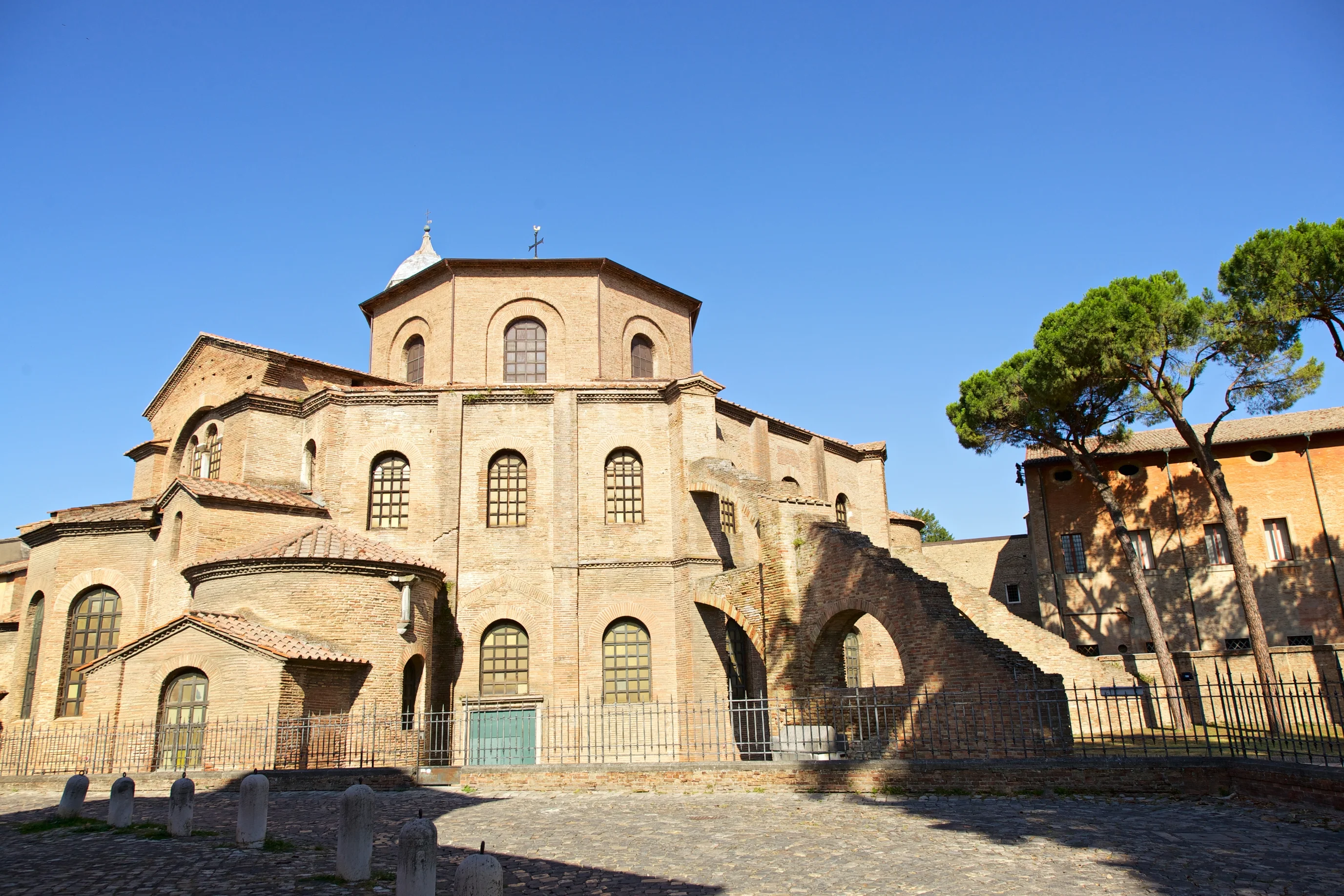
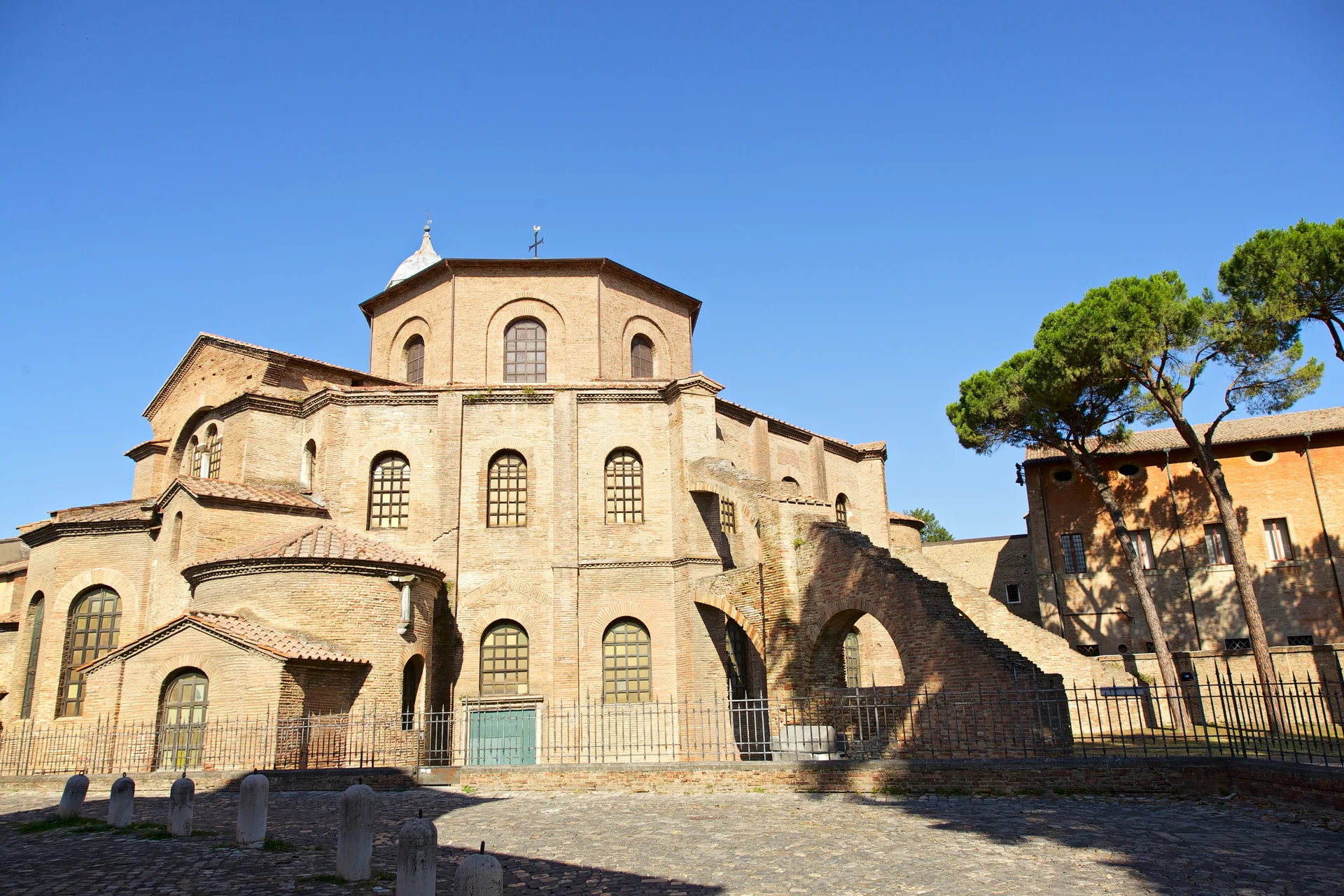
A few steps away, the Basilica of San Vitale impresses with its scale and the complexity of its scenes. The mosaics in the choir, depicting Emperor Justinian and his wife Theodora, possess incredible realism and finesse. Their faces stare back across the centuries, silent witnesses to a vanished empire. Do not miss the biblical scenes, which offer a dazzling narrative and chromatic richness.
Friendly tip: Natural light drastically changes your perception of the mosaics. Try to visit the Mausoleum of Galla Placidia in the middle of the day when the sun is at its highest to see the colors vibrate. For the Basilica of San Vitale, a morning visit will help you avoid the densest crowds.
In the footsteps of Dante and the poets
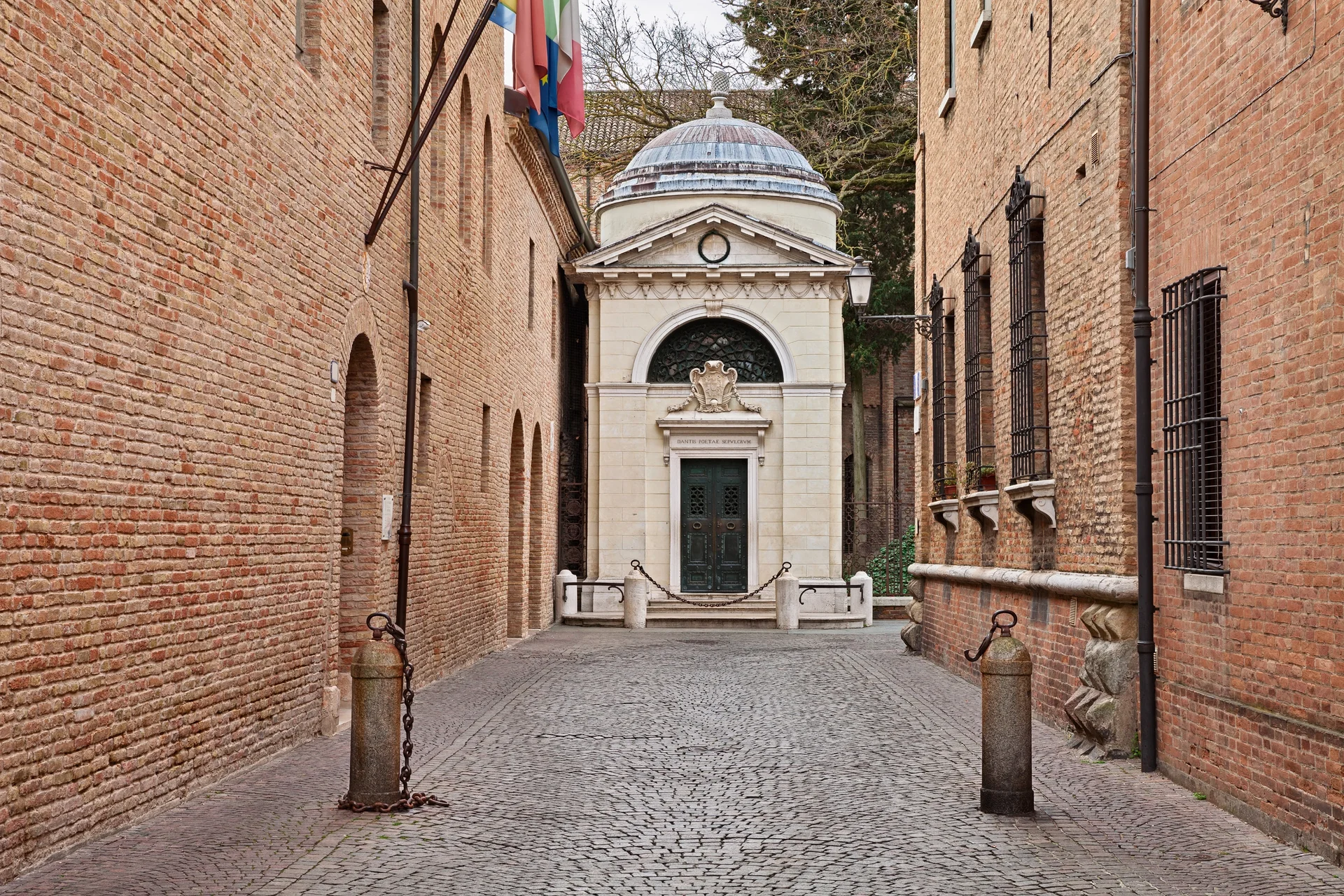
Ravenna is not just a Byzantine capital, it is also the final refuge of Italy's greatest poet, Dante Alighieri. It was here that he finished writing his "Divine Comedy" before passing away in 1321. The city has created a true sanctuary for him, a haven of peace that contrasts with the magnificence of the mosaics.
The "zona del silenzio," or zone of silence, surrounds his neoclassical tomb. It is a place that invites meditation. The small adjoining garden and the Dante Museum allow you to immerse yourself in the life and work of the poet. Walking through these quiet streets means touching another facet of Ravenna's soul, one that is more literary and secretive.
Authentic flavors of Emilia-Romagna
Exploring Ravenna means tasting the generosity of Romagna cuisine. Simple, flavorful, and comforting, it highlights local products. Forget the pizza and dive into a world of fresh pasta and filled flatbreads.
- The piadina romagnola: a thin bread, cooked on a hot griddle and filled with cured meats like prosciutto, melting cheese (squacquerone), and arugula. It is eaten on the go, bought from a roadside stand.
- Egg pasta: cappelletti, a type of small, stuffed hat-shaped pasta, are served in broth (in brodo) or with a meat sauce (al ragu).
- Formaggio di fossa: a sheep's milk cheese with a powerful flavor, aged in underground pits according to an ancient method.
Where to eat and drink in Ravenna?
The best spots for local cuisine are concentrated in the historic center. You will find numerous osterie and trattorie serving local, no-frills food. The Mercato Coperto, a beautifully renovated covered market, is an ideal place for lunch or to buy exceptional regional products like balsamic vinegar from Modena or Parmigiano Reggiano.
For an aperitif, do as the locals do and settle into the Piazza del Popolo for a Spritz accompanied by a few snacks.
Friendly tip: Avoid the restaurants on the main tourist squares. For an authentic experience, look for an "osteria" in an adjacent side street. And for the best piadina, ask the locals for their favorite stand (chiosco); every family has a go-to spot.
How to get there and get around Ravenna?
The closest airport is Bologna (BLQ), which has excellent international connections. From there, a direct train or one with a connection gets you to Ravenna in about an hour and a half. The city is also well-connected to the Italian rail network.
Once you arrive, a car is useless and even a burden. The historic center is a restricted traffic zone (ZTL) and everything is accessible on foot. For a truly local experience, rent a bike: the city is flat and perfectly suited for two wheels.
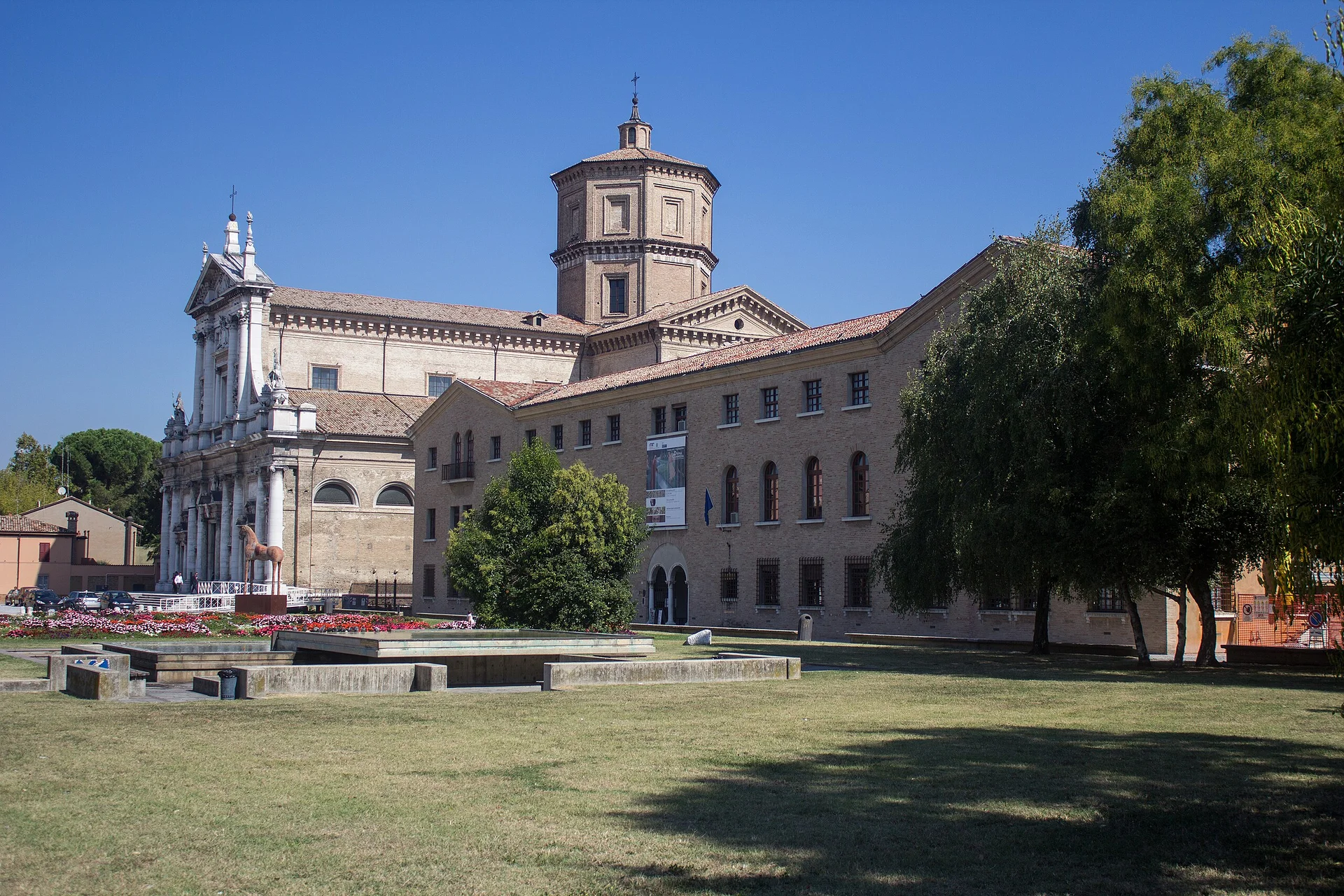
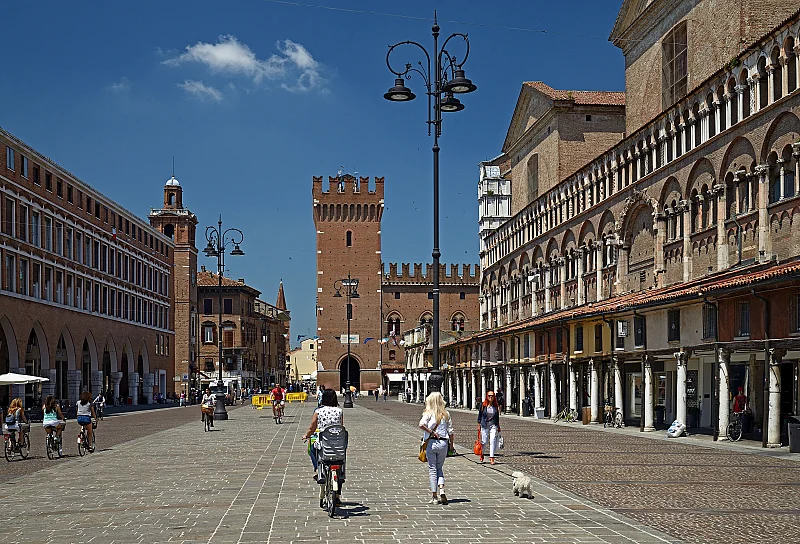
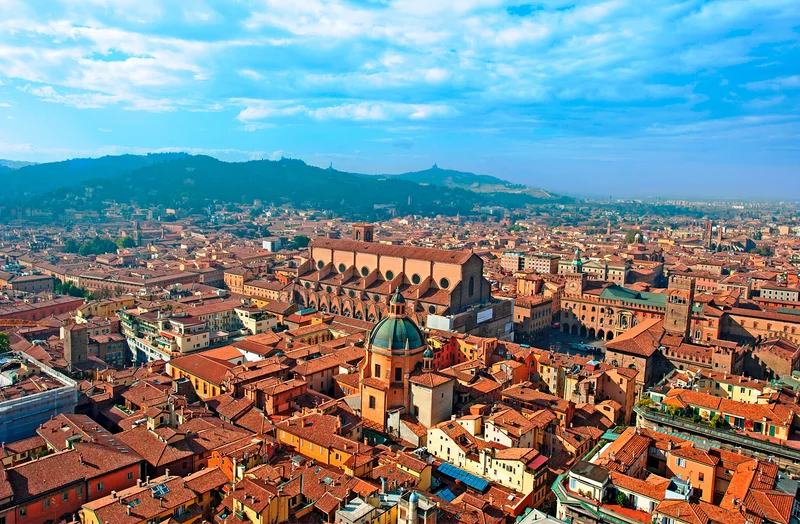
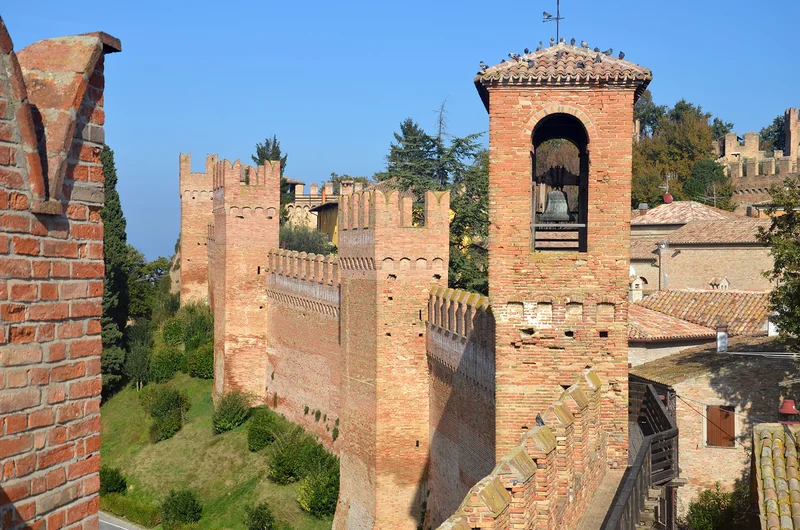
Just like Florence, Ravenna is a real open-air museum. If you love art, culture, and architecture, then this city is made for you. It has numerous monuments and museums. Religious art is very present there. You can visit several baptisteries. The center is also lively and bustling. I recommend spending at least 3 or 4 days there.