Visiting Spain: From Flamenco to Snow-Capped Peaks, a Country That Keeps It Real
The scent of hand-sliced jamón ibérico, the sharp click of heels on a tablao floor, the quiet of a whitewashed village perched above a sea of olive trees. Every region in Spain cultivates its own identity with fierce pride.
Home to 47 million people, the country draws nearly 94 million visitors each year. Even so, you only need to venture a few miles off the beaten path to find corners of Spain where time seems to stand still.
Is This Destination Right for You?
Spain suits travelers who are ready to shift their daily schedule. Lunch rarely happens before 2:00 PM, and dinner kicks off around 9:00 PM or later. Shops often close between 2:00 PM and 5:00 PM for the afternoon break, and nightlife stretches until dawn. If you prefer eating dinner at 6:30 PM, you will likely find restaurants locked up.
English proficiency is limited outside major cities and tourist zones. Knowing a few words of Spanish goes a long way. On the budget front, eating and drinking cost far less than in the US or Canada, and tipping is not expected: rounding up is plenty. That said, top sights like the Alhambra, the Sagrada Família, and the Alcázar of Seville carry steep admission fees and require booking several weeks ahead during peak season.
An Architectural Legacy Spanning Centuries
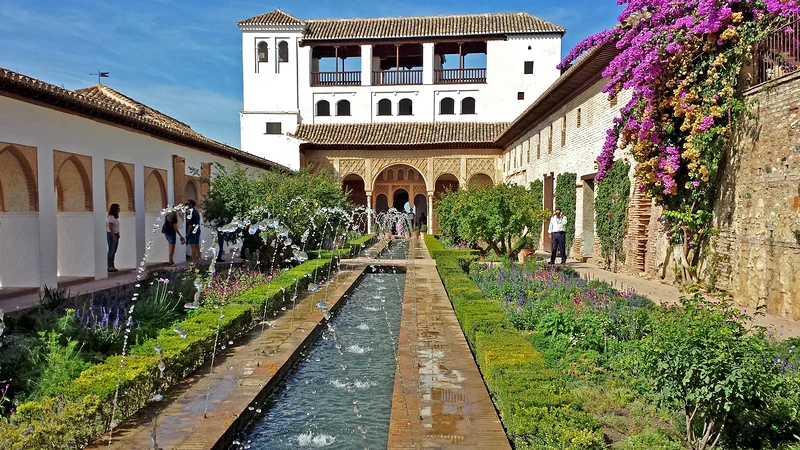
Spain bears the physical marks of every civilization that crossed its borders. In Granada, the Alhambra displays intricate geometric arabesques and the Generalife gardens with breathtaking finesse. The Nasrid Palace represents the peak of Moorish art in Europe, and walking through it stands out as one of the most memorable experiences in the country.
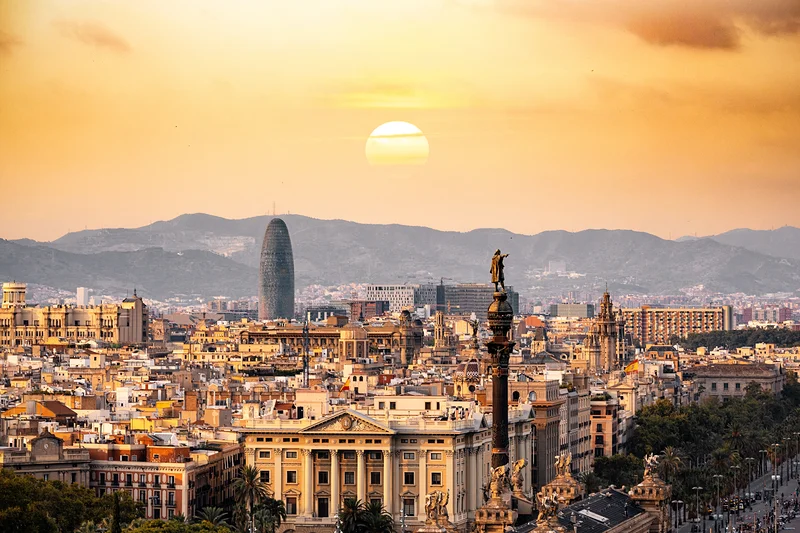
In Barcelona, the work of Antoni Gaudí turns the city into an open-air museum. The Sagrada Família, started in 1882 and still under construction, captivates visitors with its mix of organic curves and Christian symbolism. Park Güell and Casa Batlló complete this distinct architectural route.
Friendly tip: Book your tickets for the Alhambra at least three weeks in advance through the official website. Morning slots for the Nasrid Palaces sell out first.
Cordoba and Seville: The Andalusian Heritage
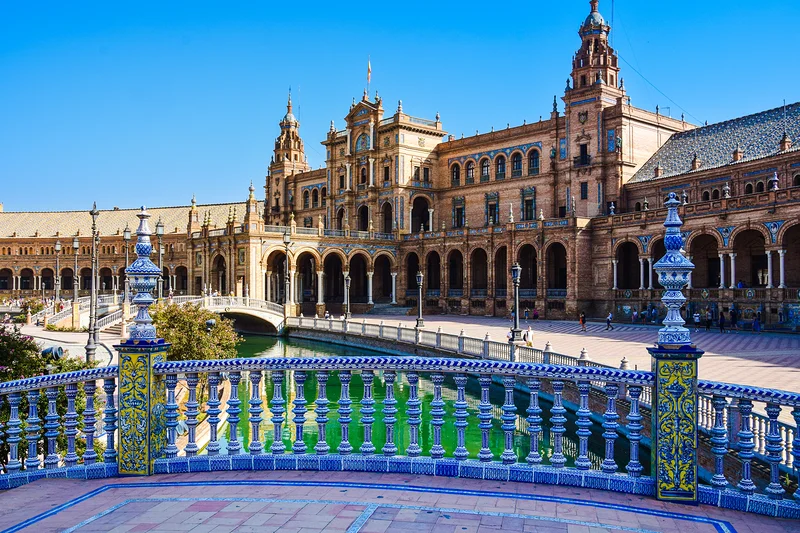
The Mezquita of Cordoba remains one of the most unusual monuments in Europe. This 8th-century mosque, converted into a Catholic cathedral, juxtaposes a forest of 856 two-tone columns with a Renaissance choir. Seville counters with its Gothic cathedral, the largest in Spain, and the Real Alcázar, a palace featuring lush gardens that blend Mudéjar and Renaissance influences.
Landscapes That Shift at Every Turn
Spain packs surprising geographic diversity into its borders. Up north, the Picos de Europa thrust limestone peaks just a few miles from the Atlantic Ocean. Hikers find dramatic trails here, notably the descent toward Bulnes or the Ruta del Cares, a path carved straight into a sheer cliff wall above a deep gorge.
Southern Andalusia rolls out endless hills blanketed in olive trees. Jaén province alone holds millions of trees, forming the largest sea of olive groves on Earth. Between these green waves, whitewashed villages like Zahara de la Sierra, Grazalema, and Olvera cling to mountain slopes like mirages.
The Coast and Islands
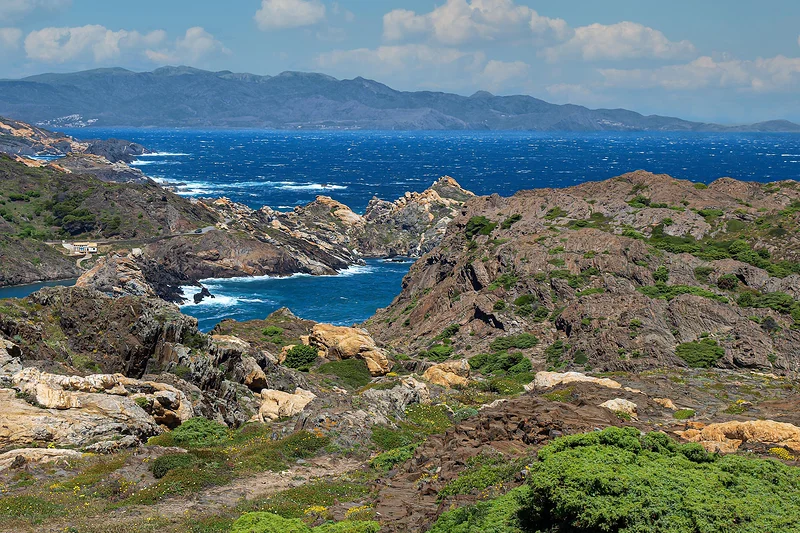
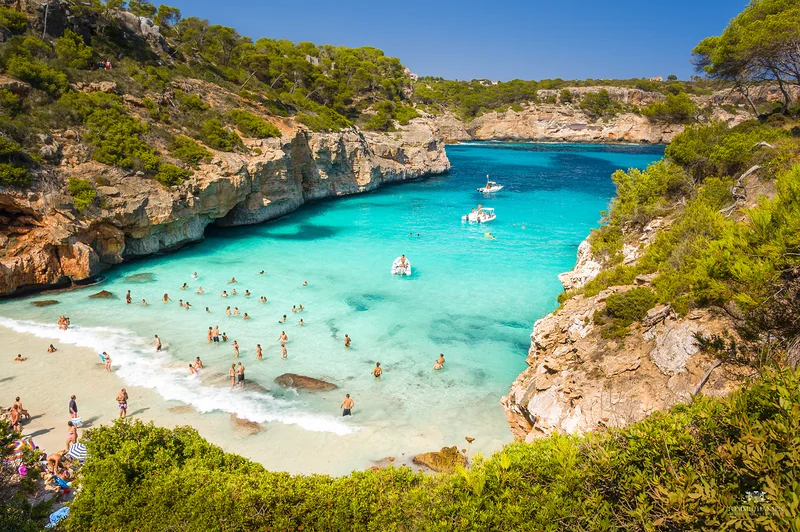
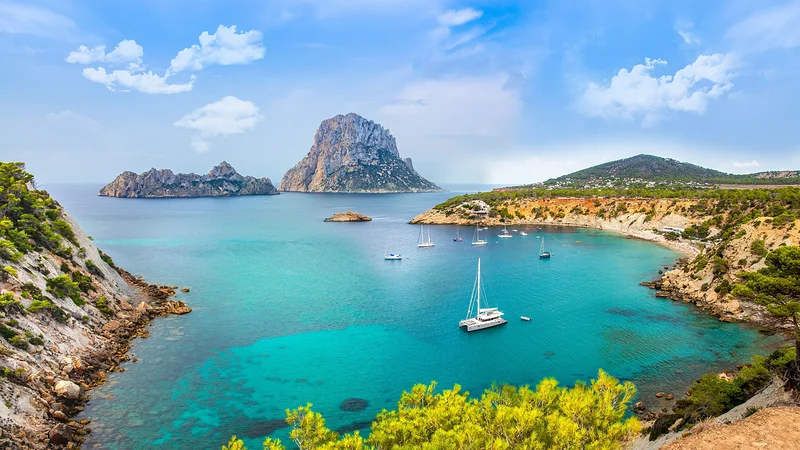
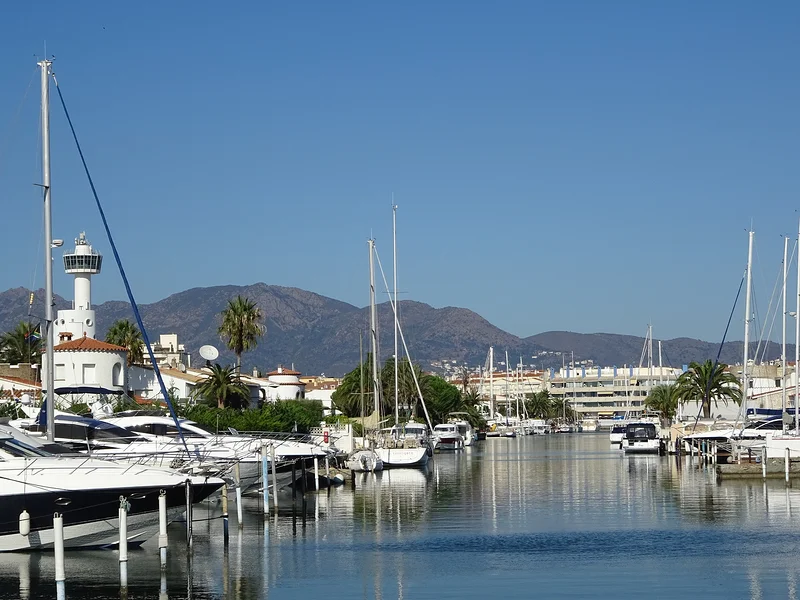
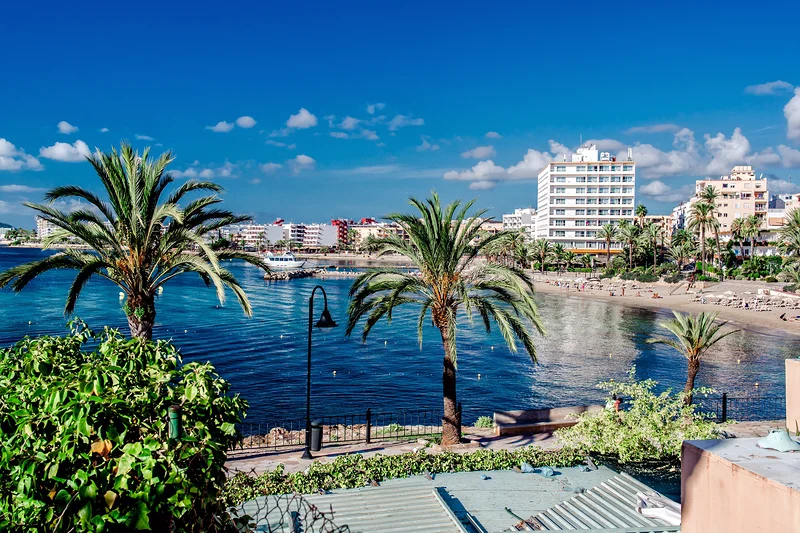
The Costa Brava lines up rocky coves between Tossa de Mar and Cadaqués, the village that inspired Salvador Dalí. Further south, the Costa del Sol around Málaga draws fans of resort beaches. The Balearic Islands offer a different Mediterranean face. Menorca stays quieter than its neighbor Mallorca, boasting wild coves like Cala Mitjana and Cala Turqueta.
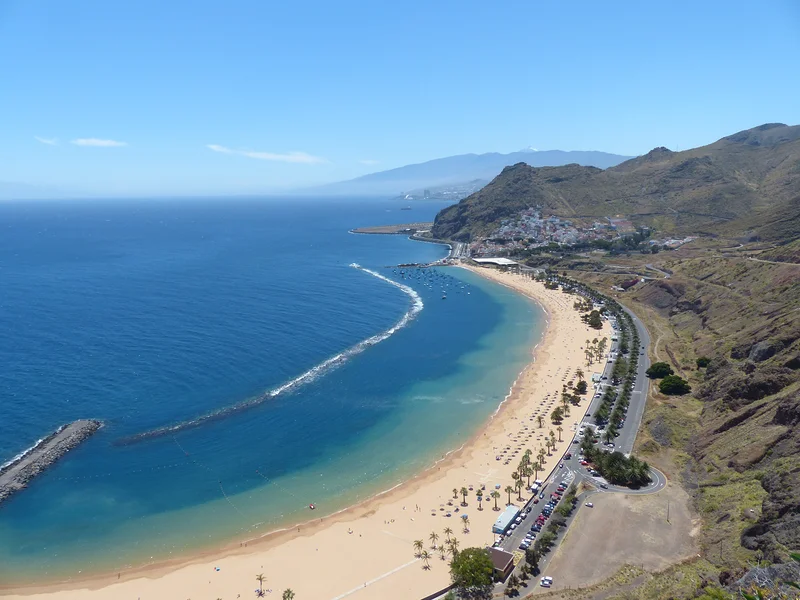
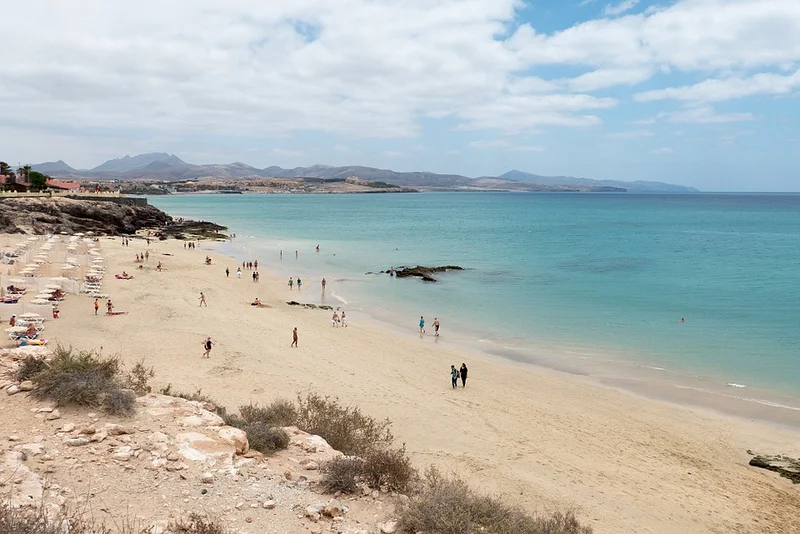
The Canary Islands, off the coast of Morocco, play in a different league entirely. Lanzarote displays volcanic lunar landscapes, while El Hierro, the smallest island in the archipelago, pushes toward complete energy self-sufficiency and welcomes travelers seeking absolute quiet.
Cities Worth Lingering In
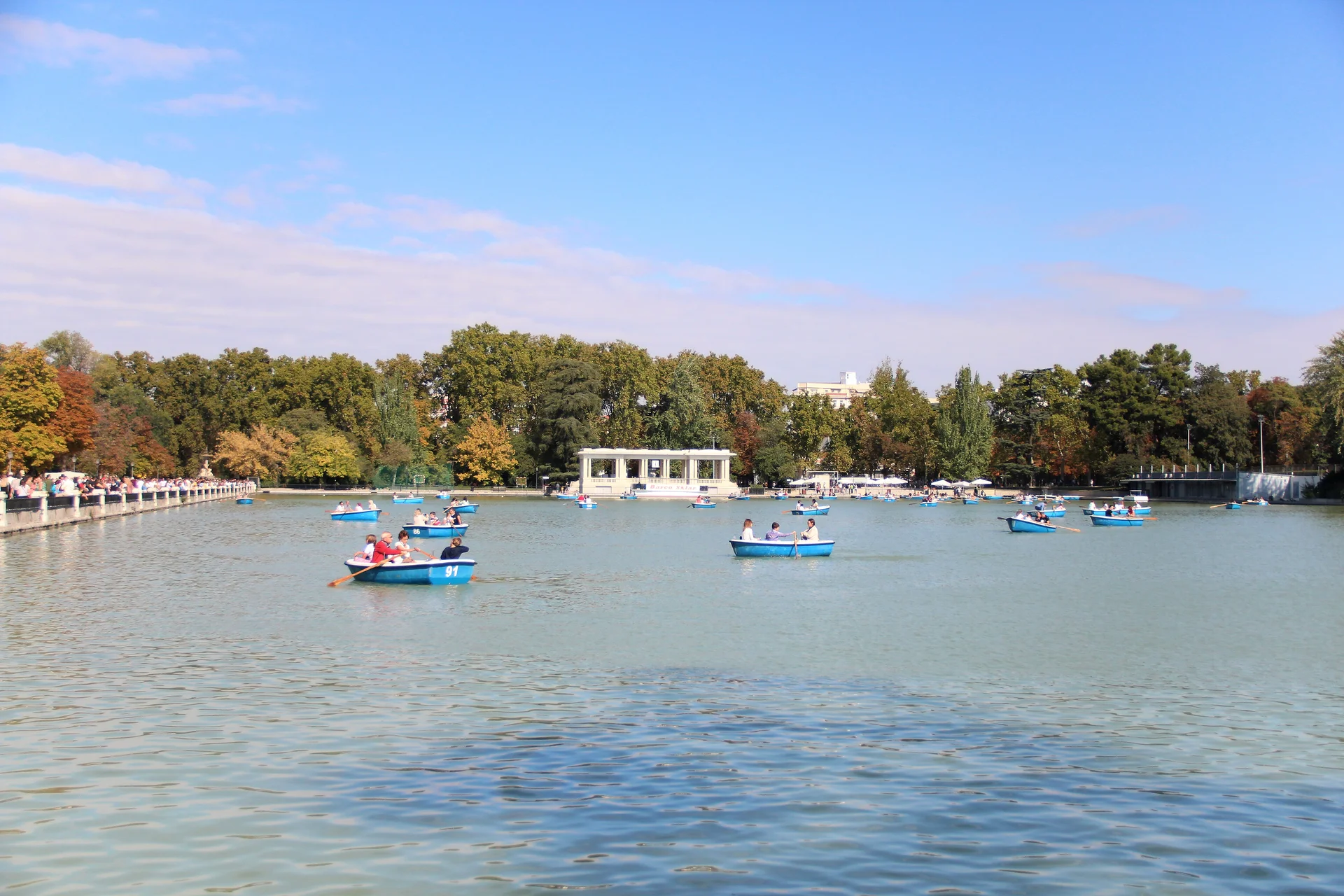
Madrid feels unlike any other European capital. Locals live outdoors, packing sidewalk tables until 2:00 AM even on weeknights. The Prado Museum holds the world's finest collection of Spanish painting, from Velázquez to Goya. The Malasaña neighborhood packs tapas bars and vintage shops into a maze of lively alleys.
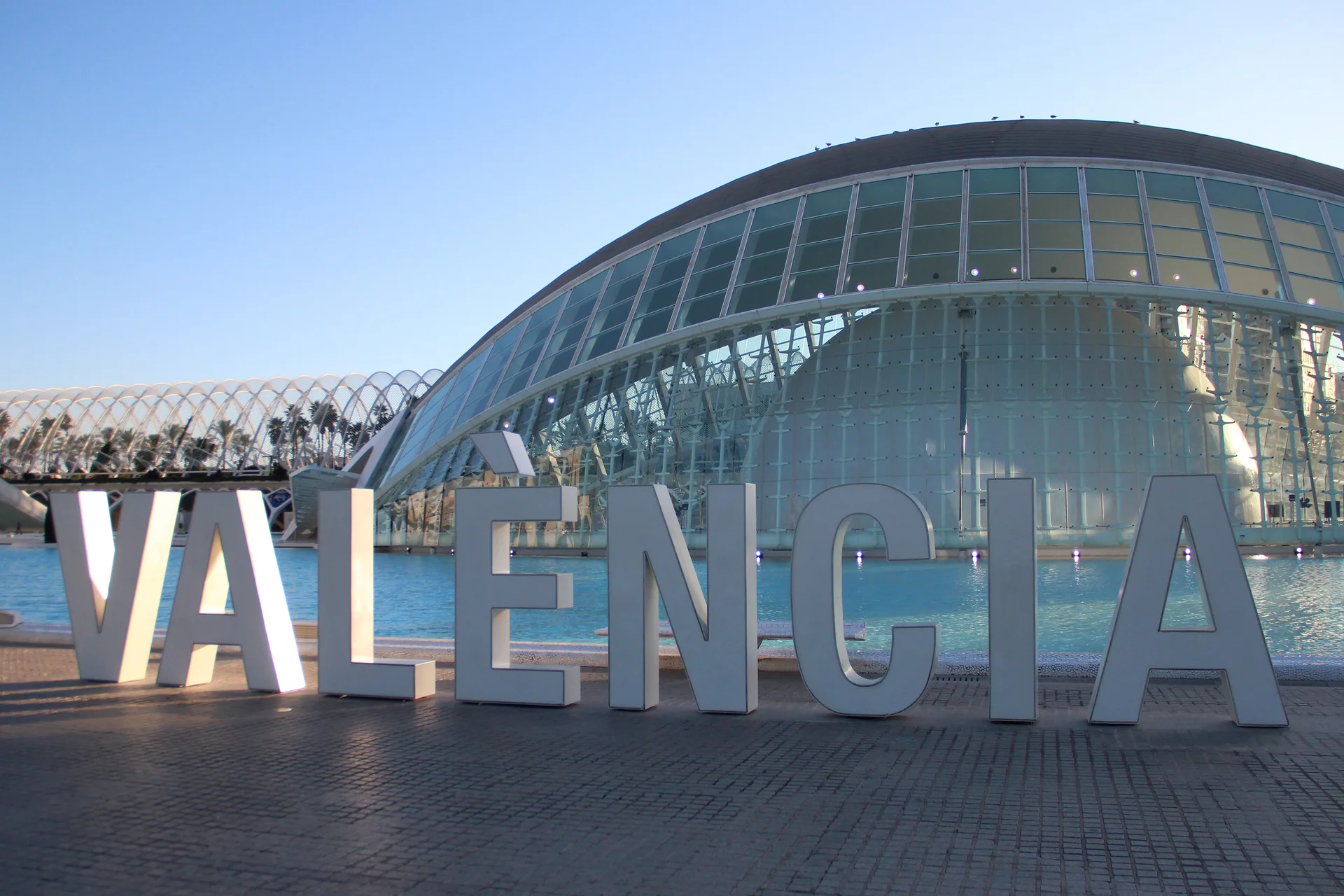
Valencia pairs historic heritage with contemporary architecture. The City of Arts and Sciences, designed by Santiago Calatrava, contrasts with the medieval alleys of the center and the bustling atmosphere of the Central Market. This is also the place to try authentic paella, served at lunchtime only.
Friendly tip: In Granada, many bars serve a complimentary tapa with every drink. The area around Calle Navas and Plaza Nueva is packed with spots where a casual drink quickly turns into a full meal.
The Quieter North
San Sebastián has earned its reputation as a culinary capital thanks to pintxos, Basque-style tapas displayed across bar counters. The Parte Vieja neighborhood counts more bars per square foot than anywhere else in the country. Bilbao has undergone a dramatic revival since the 1997 opening of the Guggenheim Museum, whose titanium curves by Frank Gehry transformed an old industrial port into a major cultural destination.
Further west, Galicia unfolds jagged coasts, deep river inlets, and mysterious forests. Santiago de Compostela has drawn pilgrims for a thousand years, but the region is equally worth visiting for its seafood, among the best in Europe, and crisp Albariño white wine.
Festivals and Traditions: A Country That Never Sleeps
Spain celebrates everything, constantly. Semana Santa turns Andalusia into a sacred theater during Holy Week. Penitents carrying carved wooden floats march day and night through the streets of Seville, Málaga, and Granada.
Seville's Feria de Abril explodes with color two weeks after Easter. Women slip into polka-dot flamenco dresses, tents overflow with manzanilla sherry, and sevillanas are danced until dawn. In Valencia, the March Fallas turn the city into a temporary museum of giant satirical sculptures before their fiery destruction on March 19.
The Tomatina in Buñol at the end of August pulls in thousands of participants for the world's largest tomato fight. Less famous internationally, the Batalla del Vino in Haro at the end of June features residents of this Rioja town soaking each other in red wine.
On the Plate: Far Beyond Tapas and Paella
Each region fiercely defends its own specialties. Jamón ibérico de bellota, from acorn-fed free-range pigs, sits at the top of Spanish cured meats. A plate of well-cured ham is enjoyed on its own, paired with a glass of manzanilla or fino sherry. Croquetas de jamón, crisp bites filled with creamy béchamel, sit on the counter of nearly every tapas bar.
Tortilla de patatas divides the country into two camps: with or without onion? Every family has a firm opinion. Gazpacho and salmorejo cool down Andalusian summers, while fabada asturiana, a rich white bean and sausage stew, warms up northern winters. Paella is traditionally eaten at midday and never at night. Outside of Valencia, its quality varies widely.
As for drinks, skip sangria, which is mostly marketed to tourists. Locals prefer tinto de verano, a refreshing mix of red wine and lemon soda, or simply a caña, a small draft beer. The wines of Rioja and Ribera del Duero rank among the finest reds in Europe.
When to Visit Spain
Spring and autumn offer the best conditions for exploring most of the country. April through June and September through October pair pleasant temperatures with manageable crowds. Gardens bloom in spring, and vineyards turn fiery shades of red and gold in autumn.
Summer can be punishing in the center and south. Seville, Cordoba, and Madrid regularly push past 104°F in July and August. The north and the Cantabrian coast stay cooler but see more rain. The Canary Islands enjoy spring weather year-round, with temperatures hovering between 64 and 79°F.
Winter makes it possible to enjoy mild weather in Andalusia or hit the slopes in the Sierra Nevada, the southernmost ski resort in continental Europe. Keep an eye on local holiday periods, which drive up prices and require booking ahead.
Getting to Spain
Nonstop transatlantic flights land at Madrid Barajas (MAD) and Barcelona El Prat (BCN). From New York, Newark, Boston, Philadelphia, Miami, Chicago, or Washington, the crossing runs 7 to 8 hours; from Los Angeles or San Francisco, closer to 11. Iberia, the Spanish flag carrier, hubs in Madrid and has the broadest schedule, and American Airlines serves both cities. Toronto and Montreal add direct summer service.
Everywhere else in the country is a short hop from those two airports. Vueling has the widest domestic network out of Barcelona, and Ryanair covers the secondary airports. If you route through a European hub instead, Air France and Transavia connect via Paris and Amsterdam, often for less than the nonstop. Intra-European fares start around $40-$57* one-way when booked in advance and climb to $169-$230* in high season.
The Canary Islands are the exception: they sit off the coast of Morocco, so reaching them means a connection in Madrid or Barcelona plus another 2.5 to 3 hours in the air.
US and Canadian citizens need a passport valid for at least three months beyond the planned departure date, and no visa for stays up to 90 days. ETIAS authorization will be required once the system launches. Spain runs 6 hours ahead of New York, so an overnight flight lands in the morning and the local dinner hour will feel like the middle of the night for the first two days.
Getting Around Spain
Spain's rail network is among the most advanced in Europe. AVE high-speed trains link Madrid to Barcelona in 2 hours 30 minutes, Seville in 2 hours 20 minutes, and Málaga in 2 hours 30 minutes. Fares range from $29 to $135* depending on how early you book. The Renfe website regularly runs promotional discounts.
To explore rural areas, particularly inland Andalusia or the north, car rental is essential. Rates remain reasonable, starting around $23* per day for a compact car. The road network is excellent, and highways are well-maintained. Watch out for speed cameras and low-emission traffic zones in historic city centers.
In major cities, the metros in Madrid and Barcelona cover most neighborhoods efficiently. Intercity buses run by companies like ALSA or Avanza provide an economical alternative to trains, especially for routes not served by the AVE network.