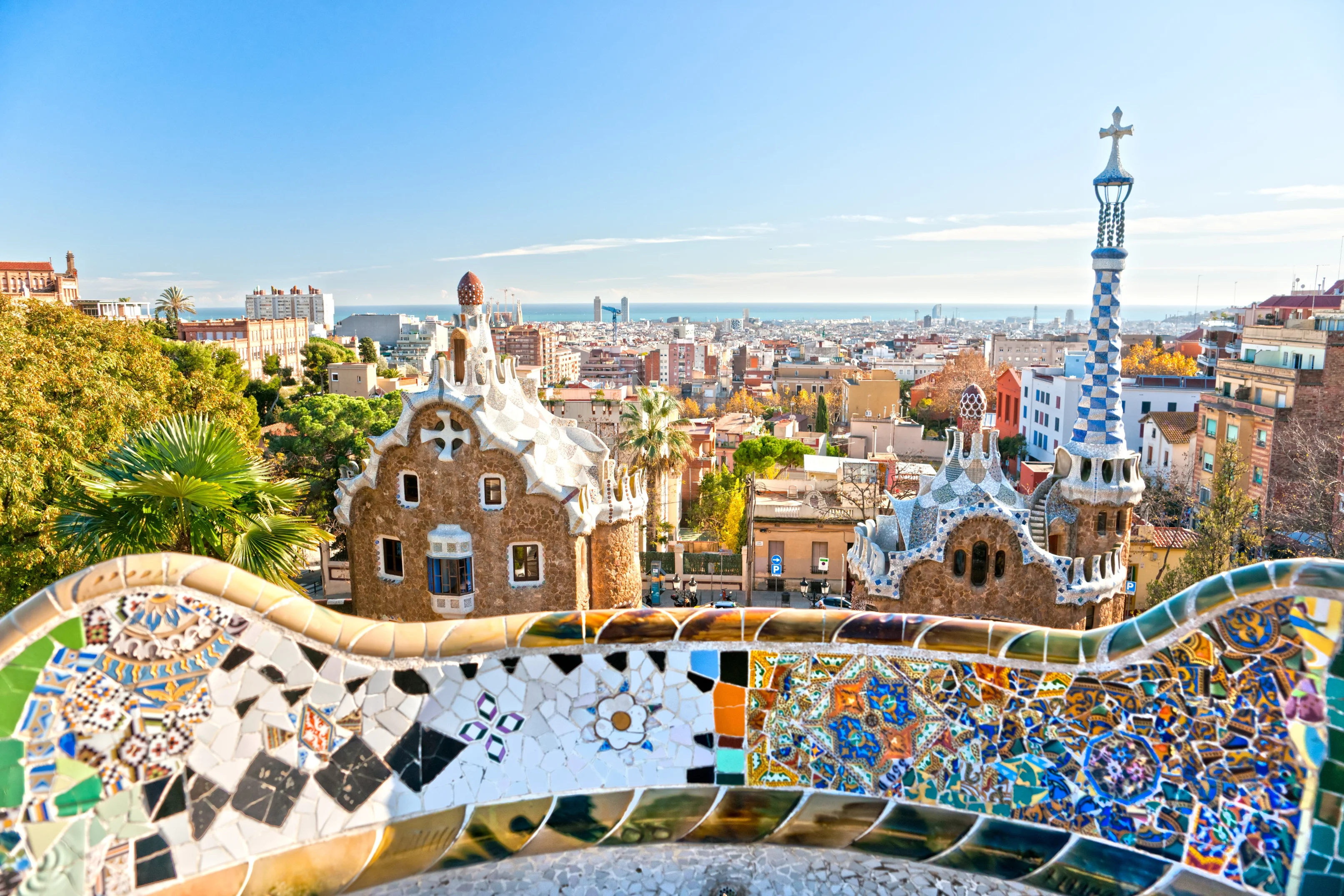
Parc Güell de Barcelone

Top 10 most beautiful cities in Catalonia to visit2026 ranking

Discover the most appreciated cities in Catalonia by our members. Feel free to publish your own reviews to take part in this collaborative ranking.

The most beautiful cities in Catalonia

#1 Barcelona +337 recs

Barcelona combines modernist architecture, Mediterranean beaches, and Catalan cuisine all in one day. From the Sagrada Família to the narrow lanes of the Barri Gòtic, and from the tapas scene in Poble Sec to the views at Búnkers del Carmel, the Catalan capital sets its own pace. It is an intense city that can feel crowded, but it rewards those who wander away from the main tourist paths into neighborhoods like Gràcia or Poblenou, where daily local life remains the focus.

Must-sees

#2 Cadaqués +53 recs

Cadaqués feels like a Greek island misplaced on the Catalan coast. White houses tumble toward turquoise water, framed by the jagged, wind-swept rock formations of Cap de Creus. Salvador Dalí built his creative sanctuary here, and artists like Picasso and Duchamp once wandered these streets. The village retains a rare sense of character along a stretch of the Costa Brava otherwise dominated by modern concrete development. Travelers come for the secluded coves, quiet art galleries, and the intense Mediterranean light that famously fueled the surrealist movement.

Must-sees

#3 Figueres +33 recs

Figueres is defined by Salvador Dalí, whose theater-museum topped with giant eggs draws a million visitors annually. Beyond the museum, this Catalan city rewards those who explore deeper. Its shaded Rambla, local market squares, and modernist facades create a setting where a relaxed pace of life is the norm rather than a slogan. Located thirty minutes from the French border, it serves as a gateway to the more quiet stretches of the Costa Brava.

Must-see

#4 Roses +25 recs

Fronting a sweeping bay, Roses pairs its classic beach resort energy with deep history and rugged landscapes. Ancient Greek ruins sit alongside the wild trails of the Cap de Creus natural park, where the Pyrenees drop straight down into the Mediterranean. Explore old fortifications in the morning and wind-swept coves in the afternoon.

Must-sees

#5 Vila-Seca +9 recs

Vila-Seca is a Spanish municipality located in the province of Tarragona, in Catalonia. While it is famous above all for housing the massive PortAventura World amusement park, the small town also offers rewarding cultural stops for anyone spending time in the area.

The epicenter of thrills

The main draw of Vila-Seca is clearly PortAventura World. This 119-hectare leisure complex includes three theme parks (PortAventura Park, PortAventura Caribe Park, and Ferrari Land) along with six hotels. Visitors head here on weekends and during school breaks for the rides and entertainment. Expect serious crowds during July and August. PortAventura Park is the most popular of the trio, featuring forty attractions that transport visitors to China, French Polynesia, or the Wild West.

Beach and natural parks

Vila-Seca is also a draw for its long stretch of golden sand. Part of the Costa Daurada coastline, it is a favorite for seaside getaways. The Pineda beach runs for four kilometers and holds a Blue Flag certification for environmental education and family-friendly tourism. A scenic pedestrian promenade lines the shore, making it ideal for evening strolls. Do not miss the Pinar de Perruquet park, where the sculptures draw inspiration from natural elements. Meanwhile, the Sèquia Major natural park is a wetland area near the beach where you can spot local flora and fauna.

A picturesque historic center

Vila-Seca rewards exploration in its old town, which holds several notable monuments. The standout is its castle, built in 1417 and remodeled in the nineteenth century in a Gothic revival style. The seventeenth-century neo-classical Sant Esteve church is another key stop. The town also preserves multiple defensive towers built between the thirteenth and sixteenth centuries (Delme i de l'Homenatge, Tuies del Cafè, la Abadía, Ardiaca). Take your time walking through the narrow streets, which retain a traditional character, lined with craft shops and local stores. If you want to sample regional products, head to the Clos Barenys cellars to taste red wine and pick up local olive oil.

When to go

Vila-Seca is at its liveliest in summer, which is the best time for beaches and outdoor activities. That said, PortAventura World stays open much of the year, so visiting in spring or autumn gets you smaller crowds and a much more relaxed pace.

How to get there

Most travelers arrive via Barcelona, whether flying into the airport or taking the train. From there, it is about a one-hour drive by car or bus. You can also fly closer by using Reus Airport near Tarragona, which is only a ten-minute drive away.

Must-see

#6 Monistrol de Montserrat +8 recs

This mountain village sits in the province of Barcelona, Catalonia. It draws visitors from across Europe for its iconic abbey, Santa Maria de Montserrat. It is also an ideal base for those looking to spend time in the outdoors, with terrain that feels as rugged and dramatic as the high-desert landscapes found in parts of Arizona.

A monastery steeped in history

You cannot visit this area without seeing the Abbey of Santa Maria de Montserrat, one of the true landmarks of the province. Local legend says that in the year 800, shepherds were guided by an incredible light and a soft melody. Angels reportedly descended to carve the jagged peaks of Montserrat with a golden saw, which serves as a mythic explanation for the mountain's unique, serrated silhouette. Shortly after, a bishop discovered a cave containing an image of the Virgin Mary that no one could move, no matter how hard they tried. A Benedictine abbey was built directly around the site, becoming a major pilgrimage destination by the Middle Ages. Today, it remains a regional focal point. You can explore the Plaça de l'Abat Oliba, the basilica, the Virgin's chamber, and the Chapel of Our Lady. The site also functions as a cultural archive, housing a library of 300,000 volumes, including rare ancient manuscripts. The abbey is also internationally known for its Escolania, one of the oldest boys' choirs in Europe.

Nature in the heart of Catalonia

There is much more to the area than just the abbey. Numerous hiking trails begin at the base of the religious site, offering panoramic views of the surrounding peaks. The Montserrat massif has been a protected natural park since 1987 due to its unique geological heritage. The strange, needle-like rock formations have inspired centuries of local folklore, with many crags named after animals or mythical creatures. Hikers who keep a sharp eye out may spot the local wildlife, including wild boars, mountain goats, salamanders, peregrine falcons, and wood pigeons. Also, make time to visit the neighboring villages of Collbató, El Bruc, and Marganell for a more quiet, authentic look at local life.

When to go

Plan your trip for the warmer months. This ensures the best conditions for hiking, as mountain weather here can turn cold and unpredictable during the winter.

How to get there

Monistrol de Montserrat is a 50-minute drive from Barcelona. Most travelers fly into the Catalan capital and then take the train to Monistrol de Montserrat. Once you arrive at the base of the mountain, you have two primary options to reach the higher elevations: the cable car or the mountain train, a rack railway that climbs the slopes to the monastery.

Must-see

#7 Lloret de Mar +4 recs

Lloret de Mar is best known as a go-to spot for nightlife. Located in the Spanish province of Girona, not far from Barcelona, this coastal town draws travelers looking to hit the bars with friends and relax on expansive stretches of sand, but there is more to it than that.

The Costa Brava, an ideal beach destination

The beach is the main draw for visitors heading to Lloret de Mar. The town features 7 kilometres of sandy shores packed with locals and vacationers during peak season. The largest is Platja de Lloret, spanning a kilometre and conveniently located right near downtown. It offers plenty of amenities and recreational activities, including jet skiing, parasailing, kayaking, a kids club, and snack kiosks. However, the favorite beach for many visitors is Platja de Fenals, separated from its neighbor by a rocky headland. Sheltered from the wind, it stays a bit quieter and suits travelers looking to lounge all day. A bit further out, about 3 kilometres from the town center, sits Platja de Santa Cristina. This charming beach is backed by a cliff topped by the chapelle de l'Ermitage. After a swim, make sure to check out its frescoes and garden.

Local heritage worth exploring

Do not be fooled into thinking Lloret de Mar is strictly for partygoers and beach lovers. You will find plenty of historical gems by exploring the streets with a curious eye. Start your tour at the main square, home to a striking 19th-century neoclassical town hall. Head next to the église paroissiale de Sant Romà, known for its vibrant, colorful rooftops. Its traditional architecture was remodeled several times from the 16th to the 20th century. Finally, the jardins de Santa Clotilde offer a peaceful walk through a park filled with statues, fountains, and small bridges. From the top of the viewpoint, you get a sweeping panorama of the surrounding area.

When to go

Lloret de Mar comes alive in the summer, fueled by tourists looking for nightlife and beach relaxation. If you want high energy, that is the time to visit. If you prefer a quieter experience, aim for spring or autumn outside of school break periods. Winter is generally quiet, with many hotels and restaurants closing their doors for the season.

How to get there

Lloret de Mar sits about an hour's drive from Barcelona, making the Catalan capital the most practical arrival point by plane. If you do not plan on renting a car, you can catch a bus from downtown Barcelona straight to Lloret de Mar, a trip taking about an hour and a half. If you are traveling from southern France, Toulouse is only about a three-and-a-half-hour drive away via the A61 and A9 motorways.

Must-see

#8 Blanes +4 recs

As the gateway to the Costa Brava, Blanes splits its time between a high-energy, family-friendly beach town and a quiet, contemplative retreat. You can spend your morning on long stretches of sand, then head up to the botanical gardens that hang over the Mediterranean. It is a perfect spot to experience the Catalan coast, balancing summer crowds with dramatic, clifftop views that feel worlds away.

#9 Girona +3 recs

Often praised for its exceptional quality of life, Girona keeps a low profile, but its countless charms stretch far beyond the borders of northeastern Catalonia, where it serves as the provincial capital. Besieged thirteen times between 1295 and 1809, its turbulent history has left behind as many architectural remnants as it has character. While its rich heritage and culture form its foundation, a distinctly modern energy makes it a top-tier destination right in the heart of the Ter River valley and its striking natural surroundings.

A Fabulous Historic District

Four rivers cross the city streets, and the Onyar is easily the most iconic. The colorful building facades reflect off the water in a palette of ochre and brick, offering views straight out of an Impressionist painting. Eleven bridges cross the river, but the most surprising one is a vivid red. Its metal design might look familiar: the pont de les Peixateries Velles dates back to 1877 and was designed by Gustave Eiffel.

The Onyar also acts as a natural divide between modern Girona and its historic quarter, the Barri Vell. It retains the layout of the old Roman city of Gerunda, so get ready to climb, descend, turn around, and lose yourself in steep, winding alleys where stone staircases follow one another just as quickly as architectural wonders. The city walls surround the neighborhood and offer the ultimate panoramic walk. They lead you from Paseo Arqueológico to the Jardines de la Muralla, creating a timeless atmosphere. At the center of these fortifications, the cathedral Santa Maria dominates with commanding power. Romanesque in its tower, Baroque in its facade, and Gothic with its 23-meter-wide nave, it is well worth climbing the massive stairway that leads up to its entrance.

Religious architecture here is stunning, so make sure to check out the Sant Domènech convent and its gardens, the Romanesque jewel that is the Sant Pere de Galligants monastery, or even the Arab baths dating back to 1194, which feature Eastern-inspired decor and a layout modeled after Roman thermal baths complete with a central skylight that lets natural daylight in. The heavenly gardens there are lovely. Following Carrer de la Força brings you to El Call Jueu, the old Jewish quarter, a labyrinth of passageways, stone arches, medieval treasures, and small patches of greenery suspended between ancient walls. Fans of the television series Game of Thrones will instantly recognize this right-bank neighborhood as the backdrop for numerous scenes.

A Culture with Character

Girona has no shortage of museums, and the Museum of the History of the City introduces you to the area in an engaging way. Truly unique, the Cinema Museum traces the 500-year evolution of visual media through 30,000 objects, while the former episcopal palace houses the Museum of Art, showcasing remarkable Romanesque and Gothic collections.

Head to the Rambla de la Llibertat to shop while strolling beneath the arcades in this pedestrian-only zone. The boutiques here are creative, artisanal, and focused on local treats. Turrón has its own dedicated shops, and everywhere you look, specialty food stalls highlight regional products like olive oil and anchovies. The restaurants around Plaça Independència are great places to stop and try local specialties like sweet sausage, known as botifarra dolça, or breaded meat-stuffed potatoes. If you need a quick snack on the go, a xuixo, which is a cream-filled pastry, is the perfect choice.

Girona is a city, but you are right on the edge of the Costa Brava, a protected region where nature takes center stage. The Devesa Park is a massive green lung planted with centuries-old plane trees, and it is right here that the local market takes place. You cannot leave without stopping by the square outside the church of Sant Feliu, where the famous statue of the lioness awaits: legend says you have to kiss her backside to ensure you will return to the city!

Getting There

Getting to Girona is straightforward no matter how you travel. Its airport is one of the main ones in the region, offering direct daily flights. Located 11 km from downtown, it is connected by regular shuttle services. The rail network is exceptionally well-connected, with TGV and AVE high-speed trains linking French cities, since you are only 100 km from Perpignan, as well as Spanish destinations. If you are driving, the AP-7 highway provides direct access.

When to Go

From March through November, the transitional Mediterranean climate is ideal. Winters are generally quite mild but tend to be rainy. Summers are warm and sunny, though you should keep an eye out for sudden weather shifts driven by the nearby Pyrenees. In mid-May, Temps de Flors is a lively festival that draws large crowds for 10 days, and the Easter celebrations are another major highlight for the city well beyond the religious observance itself.

Must-see

#10 Castell-Platja d'Aro +1 rec

Located in the northeast corner of Catalonia, Castell-Platja d'Aro stands out as one of the region's premier coastal destinations. It offers more than just postcard views, as the town holds surprising historical depth for those willing to look past the waterfront.

Dreamy coves

Castell-Platja d'Aro is primarily a beach destination, offering plenty of options for swimming and watersports. The most accessible spot is Platja Gran, a two-kilometer stretch of sand right next to the town center, complete with full facilities and a wide variety of restaurants and bars. The beach at Sant Pol is a favorite for walkers and active travelers thanks to its dunes and clear water that makes for excellent snorkeling. The Parque de Las Dunas offers dedicated children's activities throughout the summer. If you prefer smaller, more intimate spaces, Cala Rovira is a popular choice, protected from the wind and easy to reach by car. For something even more secluded, Cala Sa Cova is a tiny cove under 50 meters long, tucked between cliffs and native Mediterranean greenery, known for its striking turquoise water. For a change of pace, the Aquadiver water park is a solid bet for a family day out, featuring everything from a 100-meter-long slide to a calm wave pool.

Must-see sights beyond the sand

Don't limit your time here to the beach. The small village of Castell d'Aro sits just three kilometers inland and feels worlds away from the coastal energy. Its narrow stone streets wind their way toward the town square, where you can visit the Benedormiens Castle, a fortress built by locals to fend off pirate raids. History buffs should also check out the Roman ruins of Platja d'Aro near Cala Rovira. These remnants of an ancient villa, unearthed in the 1980s, offer a glimpse into the region's Roman past. Round out your historical tour with the local churches: the parish church of Santa Maria de Platja d'Aro and that of Santa Maria de Fenals d'Aro anchor religious life here.

When to go

The experience in Castell-Platja d'Aro peaks during the summer months. The town is most popular from June through September when the beach culture is in full swing. If you prefer smaller crowds, late spring is an excellent time to visit and enjoy the town at a slower pace.

How to get there

The most efficient way to reach Castell-Platja d'Aro is by plane into Girona. Many airlines service the Girona-Costa Brava Airport. Once you land, you can rent a car or take a bus for the 35-minute drive to town. Nothing flies here from North America, so plan on Barcelona instead, about an hour and a quarter away by road.

The rest of the ranking of the most beautiful cities in Catalonia

Salou

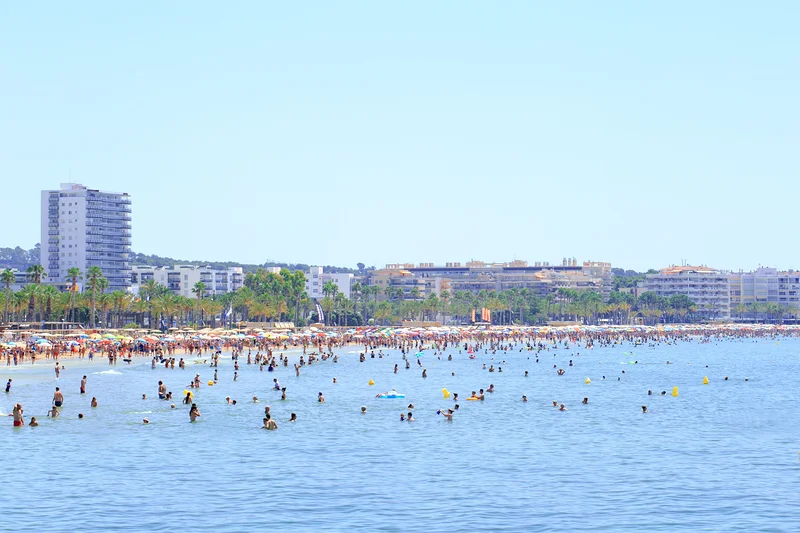
#11 Salou

-2 recs

Latest reviews

Why not for a short stay

From my point of view, this seaside resort looks like a lot of others overall, but with a few gems: the botanical garden and a few coves.

136

So many cool things to see

I have great memories of Barcelona from when I used to go there to party like all the other French students, in the Barrio Gotico and along La Rambla. I went back later, staying in an Airbnb on a boat…

83

For the Dali Museum

I was on vacation in Empuria Brava, staying with a friend's parents, when I visited Figueres. It is a charming little town on the Costa Brava. It is mainly known for its impressive pink Dali museum wi…

59

Very lively

If you like to party, then this is the perfect destination for you. On the other hand, if you are with your family or looking for some peace and quiet, this is not the best city for you. Personally, I…

88

A festive and welcoming city

I have great memories of my visit to Barcelona. I found the city lively, vibrant, festive, and very welcoming. It is the perfect place to lift your spirits. The beach in the summer is very pleasant. T…

60

Rankings by travellers, for travellers

Our rankings are powered by thousands of reviews from travelers like you, not the arbitrary pick of a single editor. Every positive review you publish raises the destination’s score.

1 positive review = +1 reco

Your voice matters!

Have you travelled and discovered amazing places? Share your experience and help the community rank the most beautiful destinations! Sign up for free to post reviews and make your voice heard.