

Visiting Lloret de Mar
Lloret de Mar is best known as a go-to spot for nightlife. Located in the Spanish province of Girona, not far from Barcelona, this coastal town draws travelers looking to hit the bars with friends and relax on expansive stretches of sand, but there is more to it than that.
The Costa Brava, an ideal beach destination
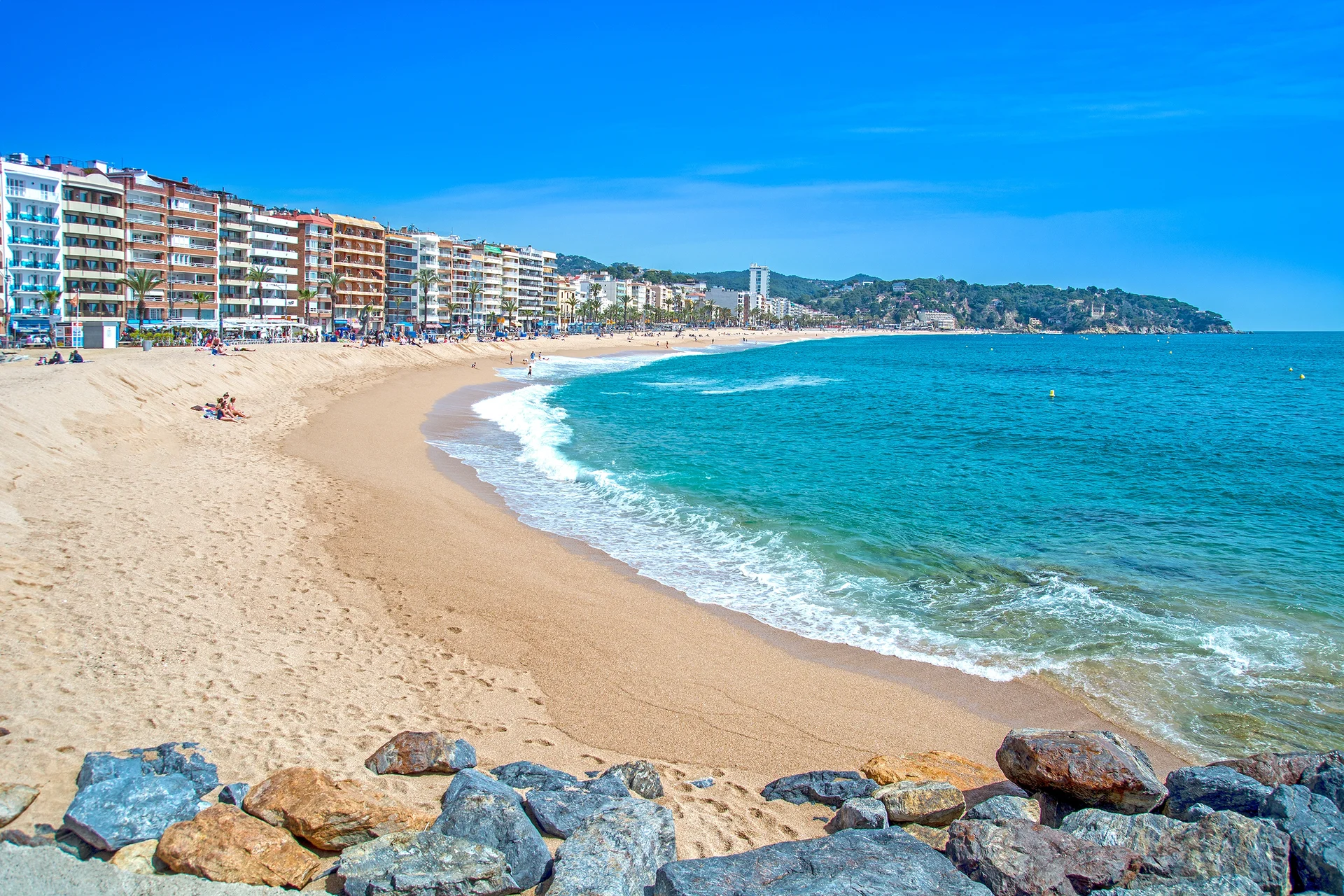
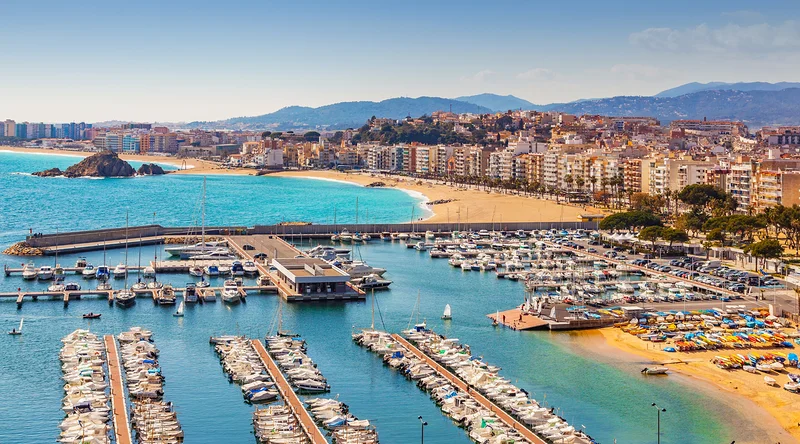
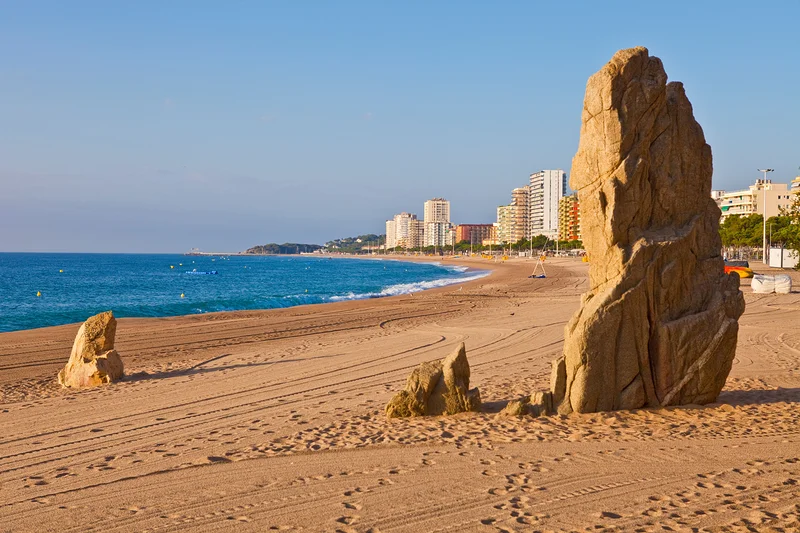
The beach is the main draw for visitors heading to Lloret de Mar. The town features 7 kilometres of sandy shores packed with locals and vacationers during peak season. The largest is Platja de Lloret, spanning a kilometre and conveniently located right near downtown. It offers plenty of amenities and recreational activities, including jet skiing, parasailing, kayaking, a kids club, and snack kiosks. However, the favorite beach for many visitors is Platja de Fenals, separated from its neighbor by a rocky headland. Sheltered from the wind, it stays a bit quieter and suits travelers looking to lounge all day. A bit further out, about 3 kilometres from the town center, sits Platja de Santa Cristina. This charming beach is backed by a cliff topped by the chapelle de l'Ermitage. After a swim, make sure to check out its frescoes and garden.
Local heritage worth exploring
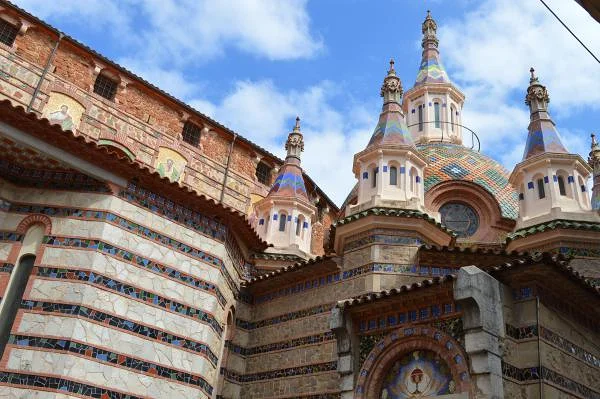
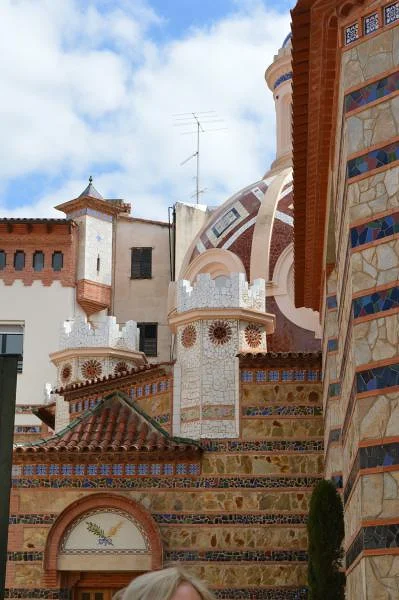
Do not be fooled into thinking Lloret de Mar is strictly for partygoers and beach lovers. You will find plenty of historical gems by exploring the streets with a curious eye. Start your tour at the main square, home to a striking 19th-century neoclassical town hall. Head next to the église paroissiale de Sant Romà, known for its vibrant, colorful rooftops. Its traditional architecture was remodeled several times from the 16th to the 20th century. Finally, the jardins de Santa Clotilde offer a peaceful walk through a park filled with statues, fountains, and small bridges. From the top of the viewpoint, you get a sweeping panorama of the surrounding area.
When to go
Lloret de Mar comes alive in the summer, fueled by tourists looking for nightlife and beach relaxation. If you want high energy, that is the time to visit. If you prefer a quieter experience, aim for spring or autumn outside of school break periods. Winter is generally quiet, with many hotels and restaurants closing their doors for the season.
How to get there
Lloret de Mar sits about an hour's drive from Barcelona, making the Catalan capital the most practical arrival point by plane. If you do not plan on renting a car, you can catch a bus from downtown Barcelona straight to Lloret de Mar, a trip taking about an hour and a half. If you are traveling from southern France, Toulouse is only about a three-and-a-half-hour drive away via the A61 and A9 motorways.


If you like to party, then this is the perfect destination for you. On the other hand, if you are with your family or looking for some peace and quiet, this is not the best city for you. Personally, I did not really enjoy it. The city must be quieter in the spring and fall.