
Visiting Girona, the real deal
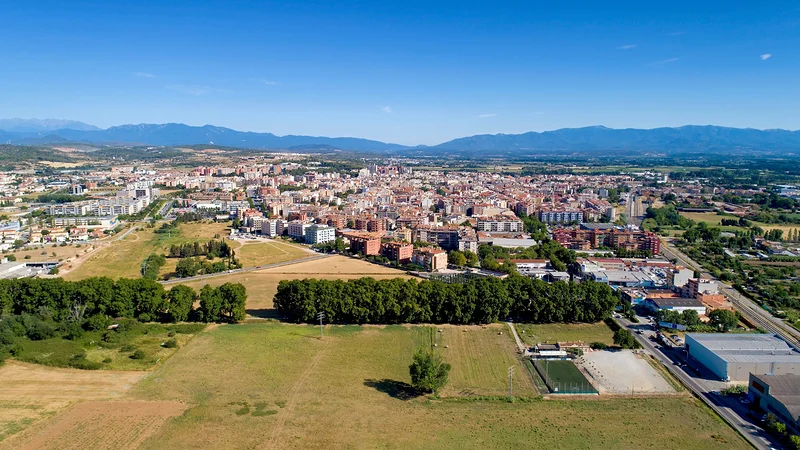
Often cited for its high quality of life, Girona keeps a low profile, but its appeal stretches well beyond the borders of northern Catalonia, where it serves as the capital. Under siege thirteen times between 1295 and 1809, its turbulent history left behind as many ruins as it did charm. While its heritage and culture form the foundation, its current energy makes it a top-tier destination, tucked into the Ter valley with its dramatic natural surroundings.
A remarkable historic district
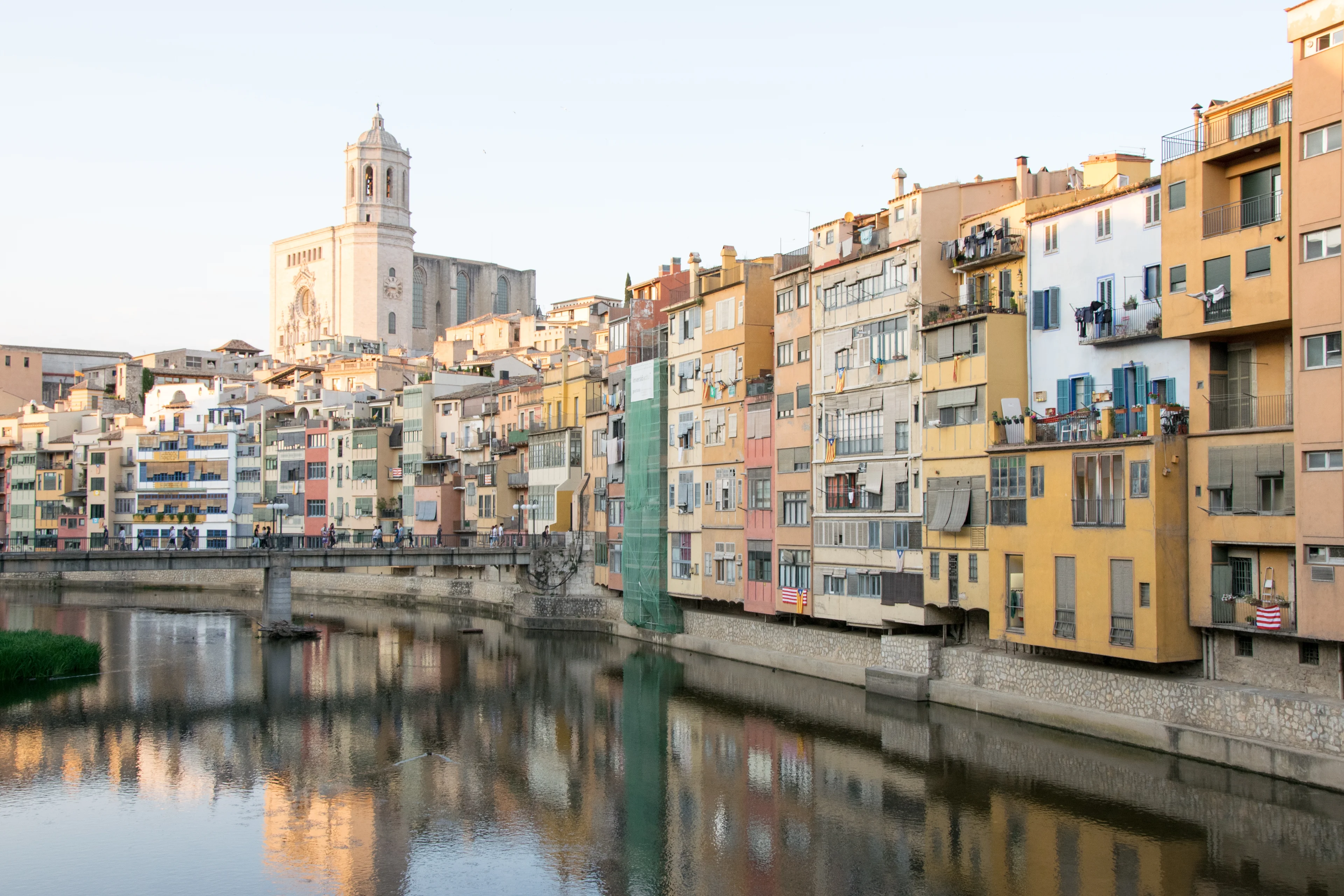
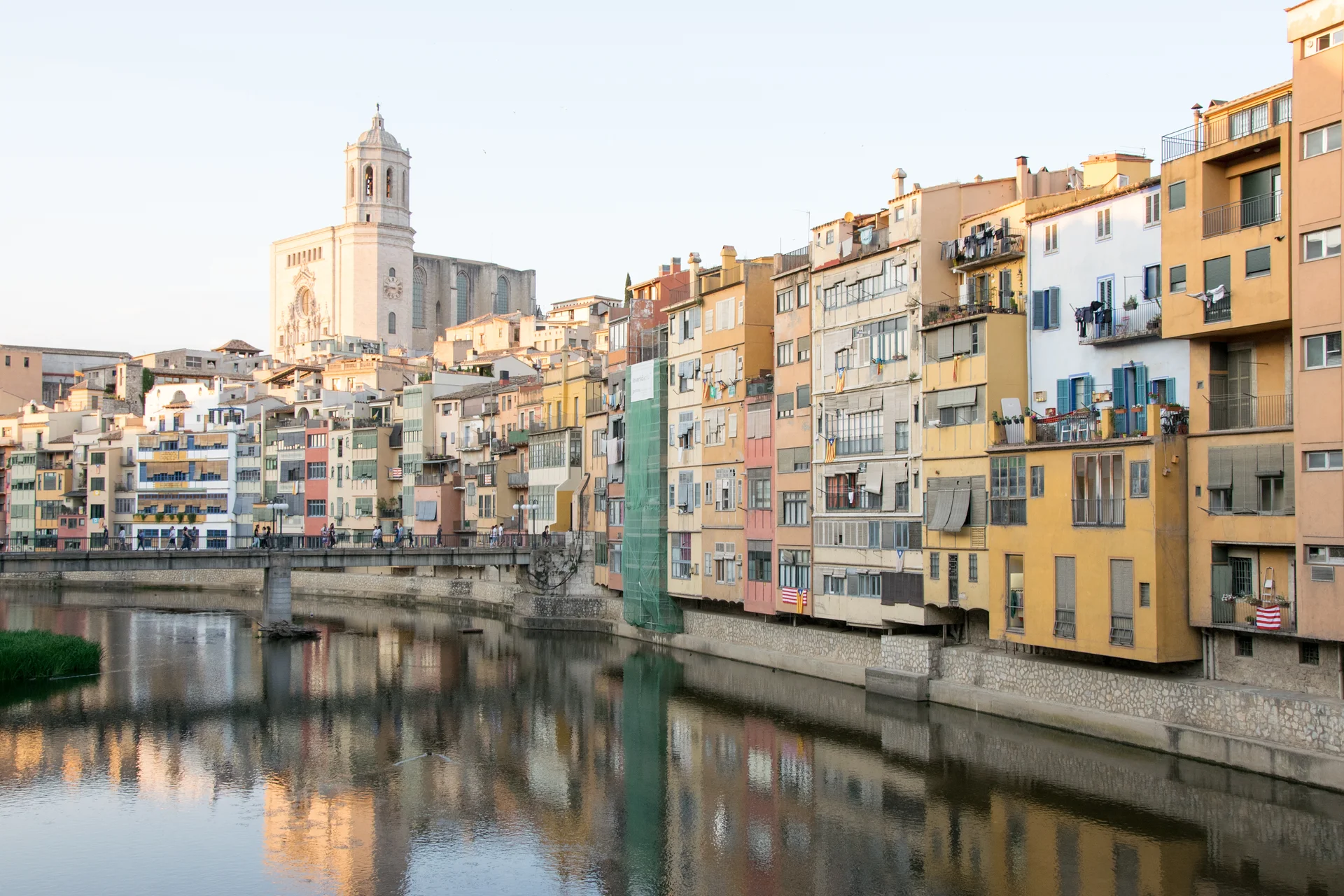
Four rivers cut through the city, and the Onyar is easily the most iconic. The facades of the colorful buildings reflect in the water in shades of ochre and brick, a sight that feels like something out of an impressionist painting. Eleven bridges cross the river, but the most eye-catching one is bright red. Its metal design might look familiar: the pont de les Pescateries Velles dates back to 1877 and was designed by Gustave Eiffel.
The Onyar also acts as the natural divide between modern Girona and its historic quarter, theBarri Vell. It retains the layout of the Roman city once known as Gerunda, so prepare to climb, descend, turn, and get lost in steep alleys where stairs and architectural gems are around every corner. The city walls surround it, and they provide the ultimate scenic walk. They lead you from the Paseo Arqueológico to the Jardines de la Muralla, where the atmosphere feels frozen in time. At the heart of these fortifications, the Santa Maria Cathedral looms with immense presence. Romanesque in its tower, Baroque in its facade, and Gothic in its 23-meter-wide nave, it is worth the climb up the massive staircase that faces it.
Religious architecture is spectacular here, so do not miss the Sant Domènech convent and its gardens, the Romanesque jewel that is the San Pere de Galligants monastery, or the so-called Arab baths from 1194. These were inspired by Roman thermal baths and decorated with oriental flair, featuring a cupola that lets in natural light. The surrounding gardens are lovely. Taking the rue de la Força, you will arrive at El Call Jueu, the Jewish quarter, a labyrinth of passageways, arches, medieval treasures, and small patches of greenery suspended between stone walls. Fans of the show Game of Thrones will recognize this right bank as the setting for numerous scenes.
Culture with character
There are plenty of museums in Girona. The City History Museum presents the local past in an engaging way. One of a kind, the Cinema Museum traces the evolution of images over 500 years with 30,000 objects, and inside the former episcopal palace, the Art Museum highlights remarkable Romanesque and Gothic collections.
At the Rambla de la Libertat, you can shop while strolling under the arcades in this pedestrian-only zone. The boutiques are creative, artisanal, and delicious. Turrón (almond nougat) even has its own shop, and you will be tempted by stalls highlighting local goods like olive oil or anchovies. The restaurants are very pleasant, especially around Plaça Independència. Try the sweet sausage, la botifarra dolça, or potatoes stuffed with breaded meat. If you want a snack, el xuixo, a cream-filled croissant, is perfect.
Girona is a city, but you are also in the Costa Brava, a preserved region where nature reigns supreme. The Parc Devesa is a green lung filled with banana trees, and it is where the market takes place. You cannot leave without passing by the square of the San Feliu church, where the famous lioness statue awaits: legend says you must kiss her backside to ensure you will return.
How to get there
Getting to Girona is straightforward. Its airport is one of the main ones in the country, with daily direct flights available. It is located 11 km from the city center, and shuttles provide the connection. The rail network is excellent, so use the TGV or AVE trains, which connect to French cities (you are only 100 km from Perpignan) as well as other Spanish destinations. If driving, the AP-7 highway is also a direct route from France.
When to go
From March to November, the transitional Mediterranean climate is ideal. Winters are generally mild but rainy. Summer is hot and sunny, though watch for occasional weather patterns caused by the nearby Pyrenees. In mid-May, Temps de Flors (the Flower Festival) is a festive event that draws many visitors over 10 days, and the Easter week celebrations are also a highlight of the city beyond the religious significance.
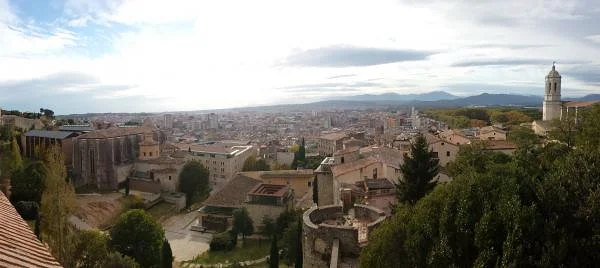
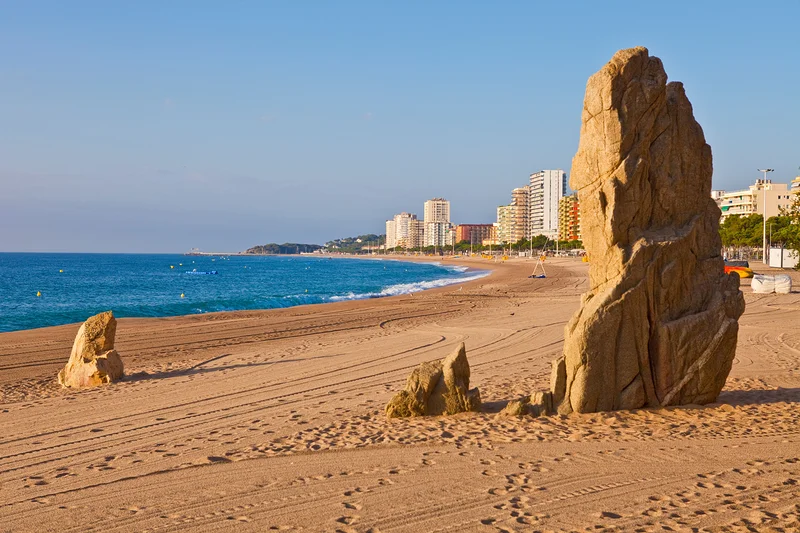
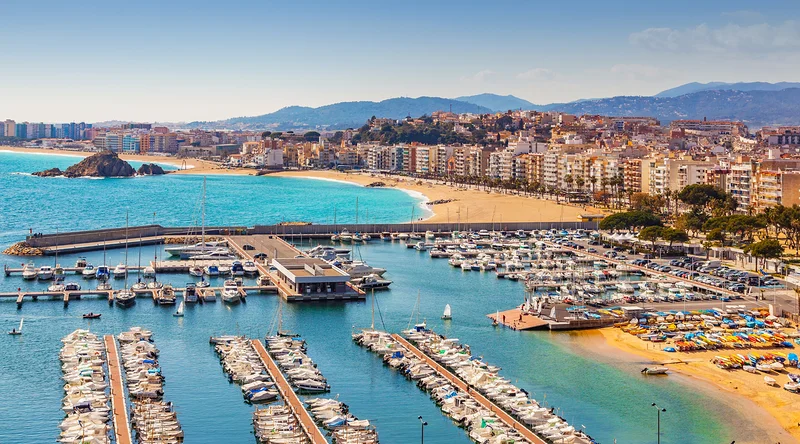
I had never heard any comments about Girona. It was just a stop for us during a trip in the north of Spain. I was very pleasantly surprised. There is a medieval old town that overlooks the river, the cobblestone alleys, the old houses, the ramparts, and the small tapas restaurants have an authentic feel that the many seaside resorts that have popped up on the coast do not have (or no longer have?). Still, the sea is not too far away either.
A must-see