
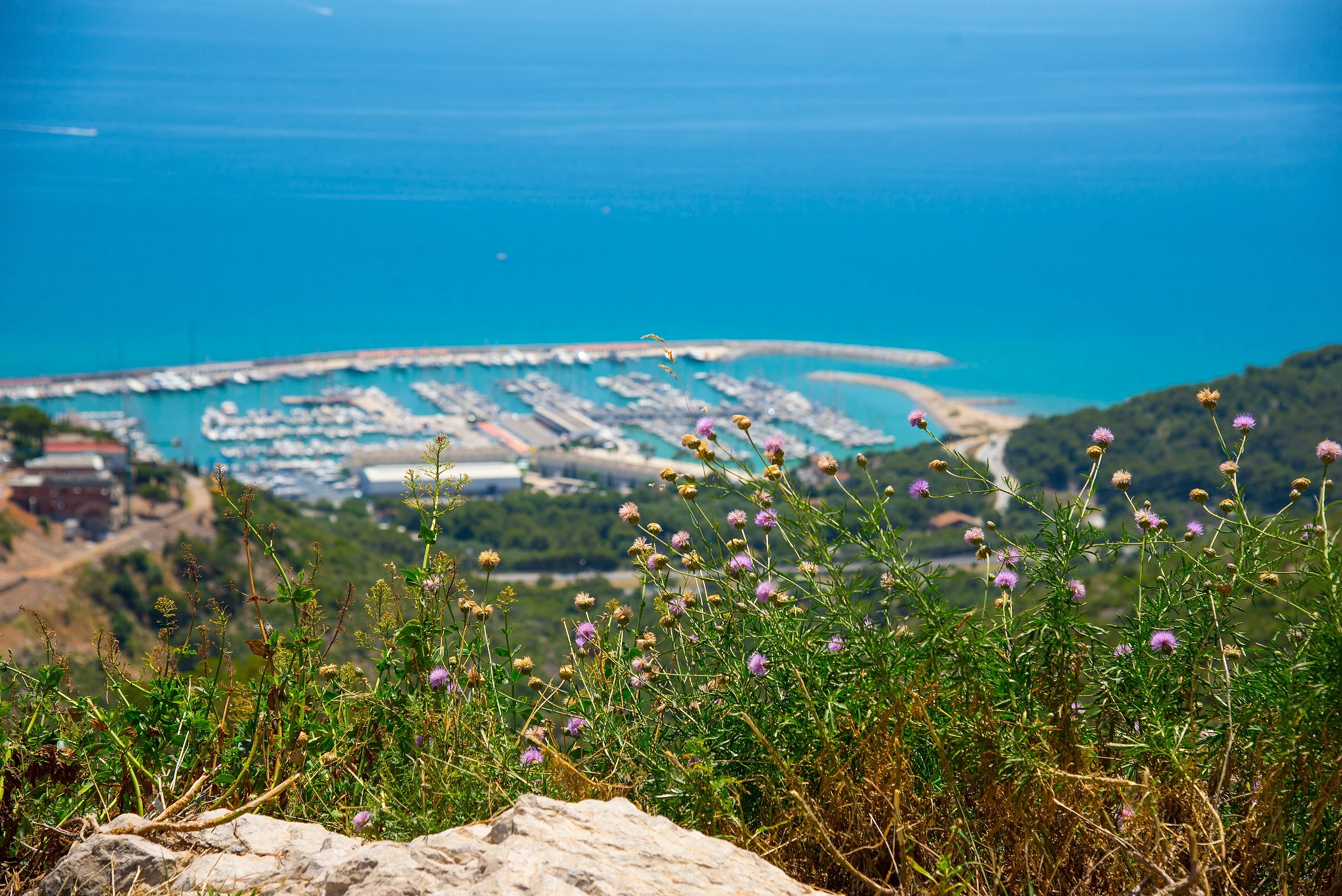
Castelldefels, Barcelona's Beach Town, 20 Minutes from the Center
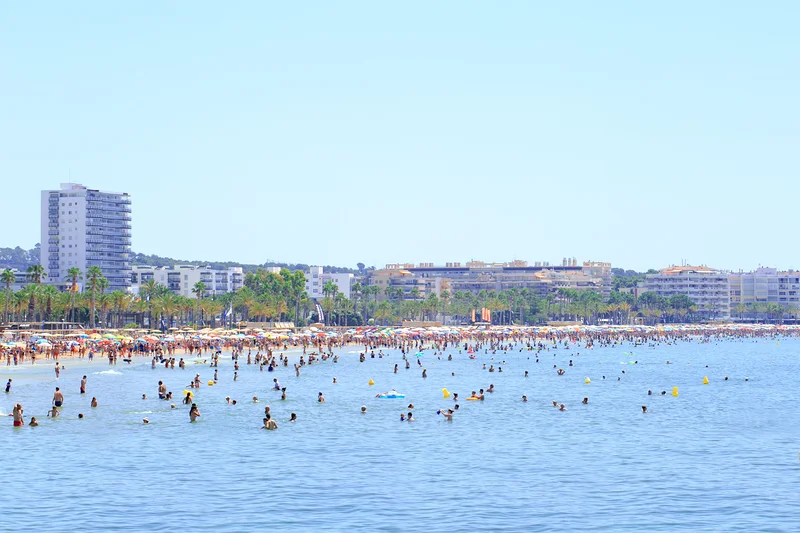
By Saturday morning, families from Barcelona are unloading umbrellas and coolers onto the five kilometres of fine sand at Castelldefels beach. Along the promenade, the chiringuitos (beach shacks) already have sardines on the grill. Above it all, a 10th-century castle watches over the pines of the Garraf massif.
Castelldefels isn't a postcard town. It's a working beach city where people live year-round, and where visitors come mostly for the sea, for air calmer than Barcelona's, and for an unstaged Catalan way of life.
Is This Destination Right for You?
If you want a real beach, wide and easy to reach, without leaving Barcelona's orbit, Castelldefels ticks a lot of boxes. Families, kitesurfing and paddleboard fans, and travelers who want a quiet place to sleep while sightseeing in the Catalan capital by day will all find something here.
If you're after old lanes, museums, or a packed nightlife scene, you'll probably get bored. The town is spread out and mostly residential, and its center takes little time to cover.
Great for:
- Families and beach lovers
- Wind and board sports
- A stay combined with Barcelona
- Hiking in the Garraf massif
Not ideal for:
- Dense historical sights
- Lively nightlife
- A trip with no getting around at all
A Gentler Budget Than Barcelona
Prices stay moderate compared with the Catalan capital, especially outside summer. The ranges below are rough guides, per person.
| Item | Range |
|---|---|
| Night in a hostel or basic hotel | 40 to 80 € |
| Night in a comfortable hotel | 90 to 170 € |
| Quick bite on the go | 8 to 12 € |
| Sit-down restaurant meal | 18 to 35 € |
| Backpacker day (excluding lodging) | 35 to 55 € |
Rates are approximate and subject to change
Practical Realities
The town stretches over several kilometres, between the center, the beach, and the residential neighborhoods up the hillside. A bike works well along the waterfront, less so on the slopes. Catalan and Spanish are both in everyday use, and English gets you by in the tourist shops along the beach.
In summer, weekend crowds are real: parking spots dry up and the seafront restaurants fill. The Mediterranean climate means mild winters and hot summers.
The Heart of the Experience
The Beach and the Seafront
The Castelldefels beach runs about five kilometres of light, wide, gently sloping sand, with showers, lifeguard stations, and a mix of quiet stretches and livelier corners. The seabed drops off slowly, a plus for kids. Chiringuitos serve grilled fish and fideuà with your feet nearly in the sand.
The wind often picks up in the afternoon, which draws kitesurfers and windsurfers. Local water sports schools rent gear and offer beginner lessons.
Friendly tip: get here before 10 a.m. on summer weekends to park the car and claim a patch of sand. After noon, spots go fast and the parking fee climbs quickly.
The Castle and the Old Town
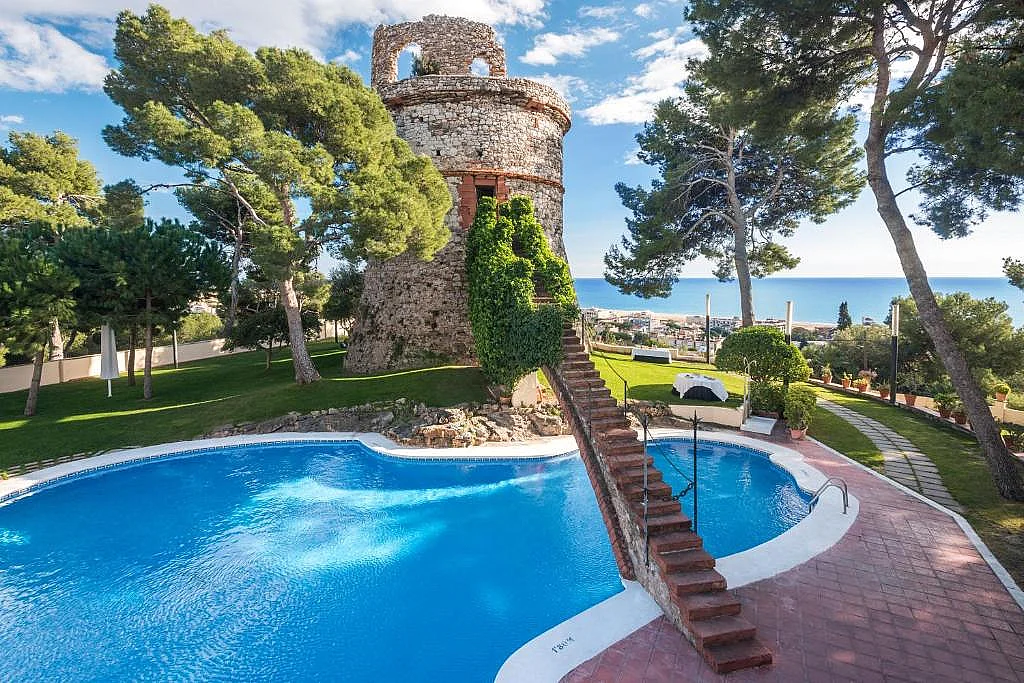
Perched on a hill, Castelldefels Castle dates to the 10th century and was reworked over the following centuries. You can tour it in a few dozen minutes, and it gives you an open view over the coast, the Llobregat plain, and, on a clear day, the rooftops of Barcelona.
The old town amounts to a few streets around the church and the main square, where the terraces fill up on weekends. You'll find no-frills tapas at neighborhood prices rather than seafront ones.
The Garraf Massif
Behind town, Garraf Natural Park has ridge trails, pine groves, scrubland, and sea views. Mountain biking and hiking are popular here, and especially pleasant in spring and fall, when the heat is still bearable.
Nearby: Gavà and Sitges
Gavà, the neighbor to the north, has Neolithic remains and an archaeological park. Sitges, farther south, charms with its whitewashed old town, its beaches, and its nightlife. Both are easy to reach from Castelldefels by commuter train or car.
Where to Eat and Drink in Castelldefels
The seafront lines up fish and rice restaurants. Go for the fideuà (thin noodles cooked like a paella), the calamares a la romana (fried squid rings) and grilled sardines at the beach chiringuitos. Tables in the center cost less and draw more locals.
For a quick lunch, the tapas bars in the center serve pa amb tomàquet (bread rubbed with tomato), croquettes, and tortilla at low prices. A weekday menu del día runs about 12 to 15 €.
Where to Stay in Castelldefels and Nearby
Hotels cluster near the beach, with mid-range chains and a few newer places. Vacation apartments round out the options, with rates that climb in July and August. If you're mostly visiting Barcelona, staying near Castelldefels train station is a good compromise.
How to Get to Castelldefels
The town sits about 15 km from Barcelona-El Prat Airport, a 15 to 20 minute drive or taxi ride. A bus also links the airport to town. Direct flights from across Europe serve the airport.
From central Barcelona, the R2 Sud commuter train line (Rodalies) takes about 25 to 30 minutes to reach Castelldefels. By road, allow 25 to 40 minutes depending on traffic.
Getting Around Castelldefels
The center and the beach are walkable or bikeable. City buses connect the train station, the beach, and the residential neighborhoods. For the Garraf massif and the surrounding area, a car is more practical, with free parking on weekdays in the off-season.
When to Go
From May to June and in September, the sea is pleasant, crowds thin out, and prices ease. July and August are the hottest and busiest months. Winter stays mild, ideal for walking in the Garraf, but most chiringuitos close.
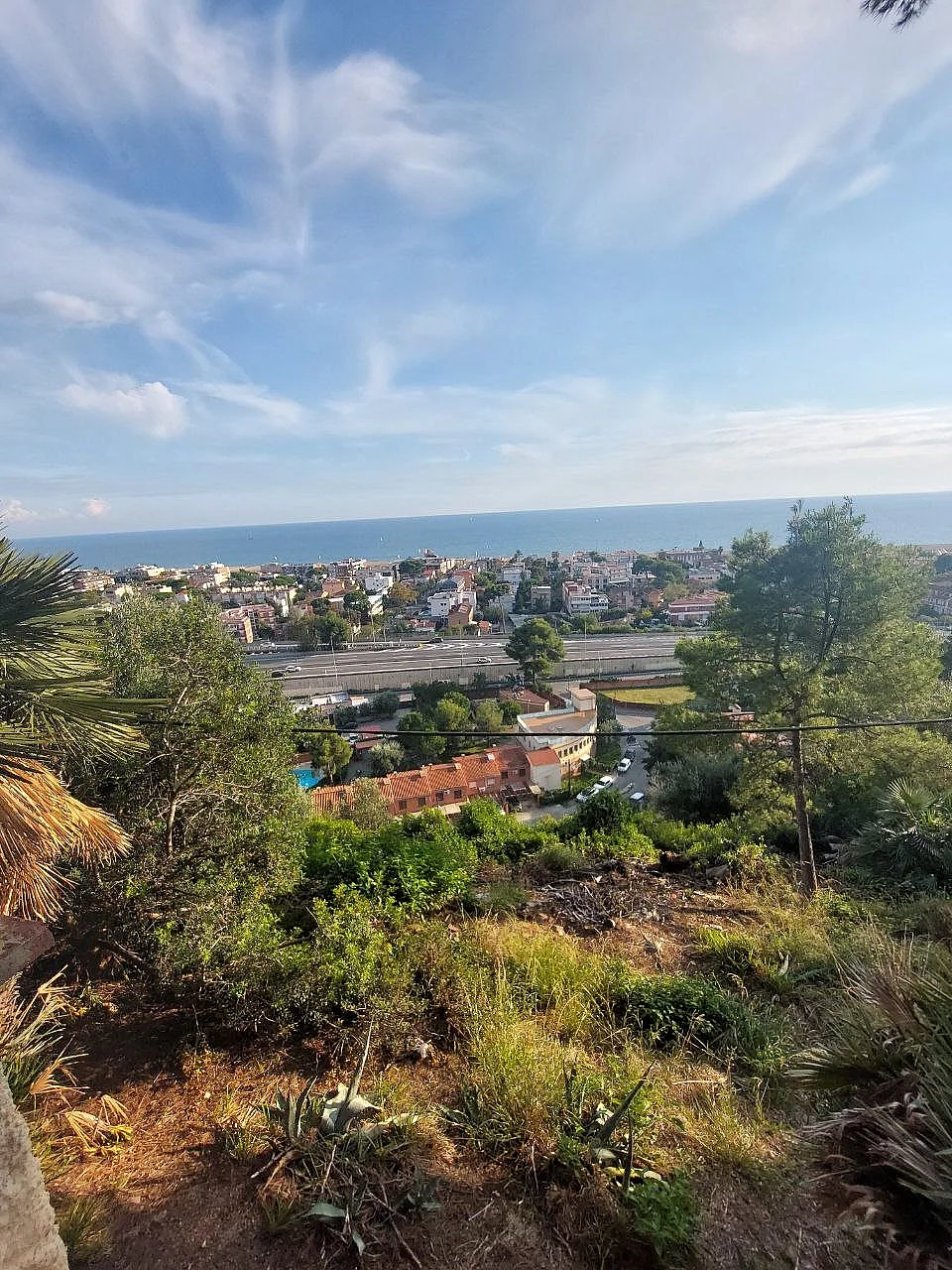
Castelldefels is a town located between Barcelona and Sitges, and Sitges is probably the better known of the two. Still, this beach resort of about 60,000 residents has quite a few things going for it.
The first big plus is the beach. About 5 km long, it's straight and easy to get to.
Castelldefels is also known for its rowing facilities. The canal hosted the rowing events of the 1992 Barcelona Olympic Games.
In the upper part of town, the terrain gets more mountainous, and Castelldefels Castle looks down over the city. Visiting costs around ten euros (about $11) and gives you a great overall view of the town and the coast.
There's a good range of hotels, which makes a stay here easy to plan. I only visited the town in the off-season: there were few people around and the atmosphere was really pleasant. I imagine that in high season, though, the resort must be packed.