
Spotify Camp Nou, a football cathedral undergoing rebirth
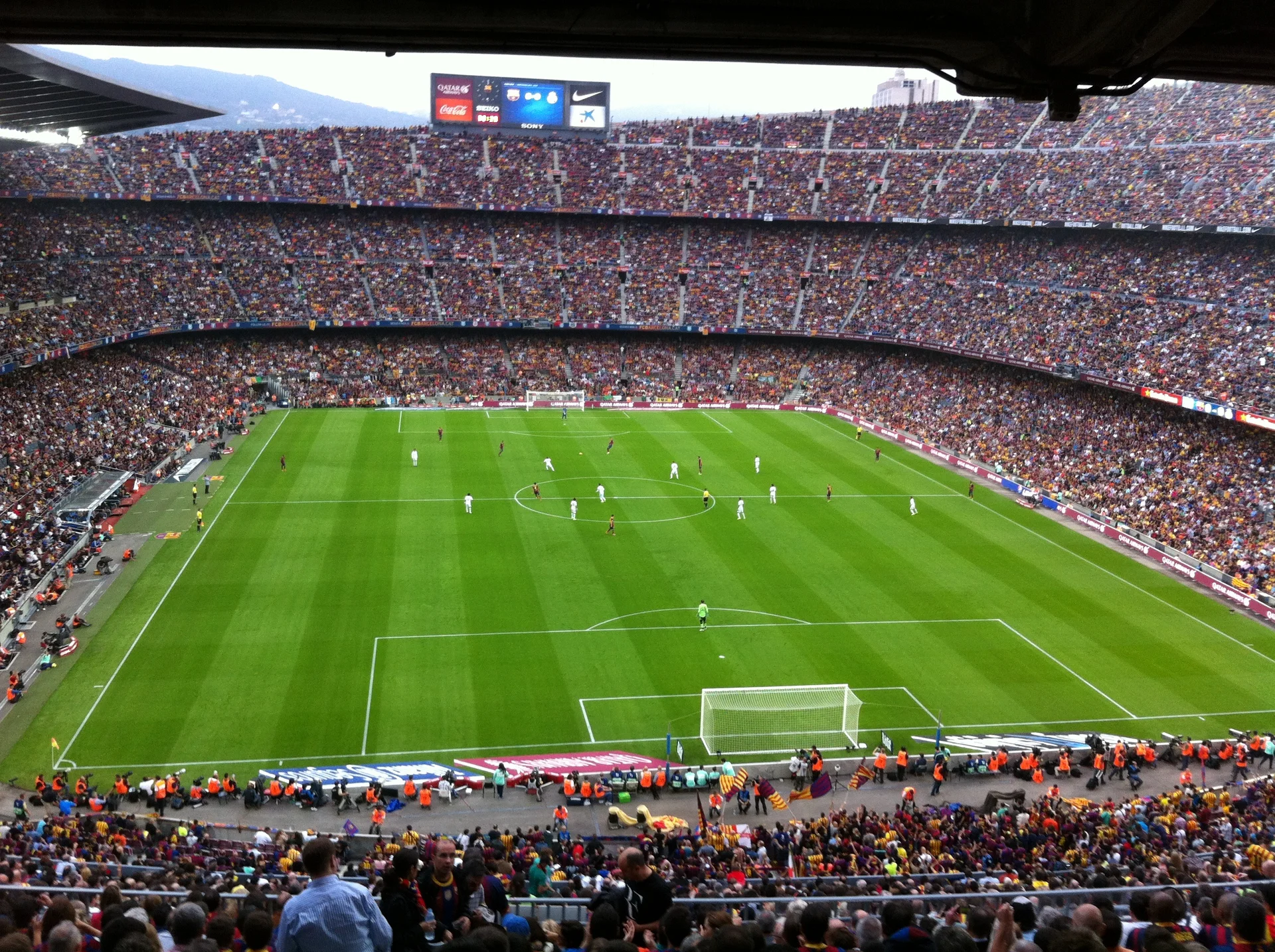
The roar of 45,000 voices echoes off the raw concrete of the stands, which are still under construction. Construction cranes break the Catalan skyline above the third tier, where soon 105,000 spectators will cheer in unison. The Spotify Camp Nou is experiencing a rare moment: that of a colossus rebuilding itself in plain sight.
Why visit Camp Nou?
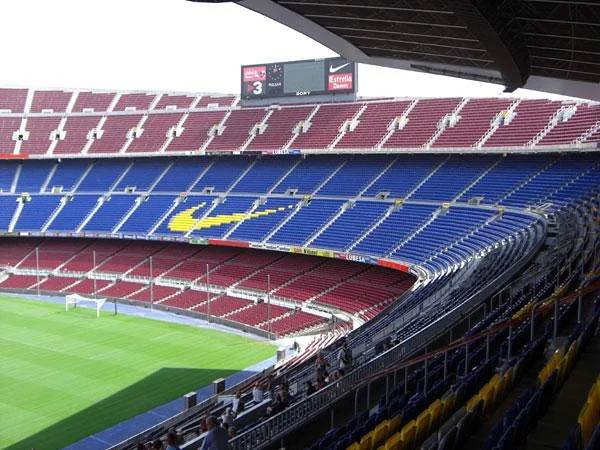
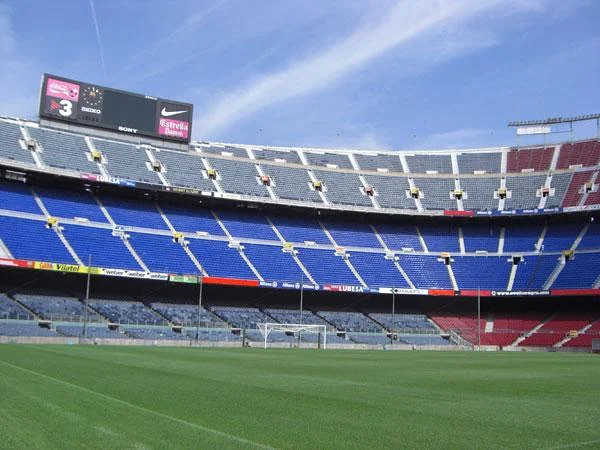
Inaugurated on September 24, 1957 by architects Francesc Mitjans and Josep Soteras, the FC Barcelona home ground is the largest stadium in Europe. Champions League finals, the 1982 World Cup, the 1992 Olympic Games: these stands have vibrated for the most famous chapters in global football.
The renovation launched in 2023 as part of the Espai Barça project is transforming it into an ultramodern complex. Designed by Nikken Sekkei and Catalan architects Pascual i Ausió, the new stadium will feature a panoramic roof covered in photovoltaic panels and open-air terraces across three levels. The budget, initially set at 960 million euros, now exceeds one billion.
A massive construction site to watch live
The club reopened the stadium in November 2025 after more than two years of exile at Montjuïc. Current capacity tops out at 45,000 seats, with the goal of reaching 62,000 once Phase 1C is approved. The third tier and roof will not be completed until 2027.
Catching a match in this transitional setup offers a singular experience. The contrast between the brand-new seating of the first tier and the bare structures of the third floor gives the venue a raw, almost post-industrial energy. It is a fleeting moment that future generations of fans will not get to witness.
The Barça Immersive Tour
During the construction work, the traditional stadium tour is replaced by the Barça Immersive Tour, set up in the former ice rink. The exhibition covers 2,300 m² and features 18 interactive installations. The highlight of the route is the Camp Nou Live room, a 360-degree immersive projection using deepfake technology to bring Cruyff, Iniesta, and Messi back to life.
The tour includes:
- Museum, trophies, and multimedia rooms
- Audio guide available in 14 languages including French
- A viewpoint overlooking the new stadium construction site
- The Robokeeper challenge: six penalty shots against a robotic goalkeeper
Plan for 1.5 to 2 hours for the visit. At the exit, the path leads straight into the Barça Botiga, the club's official megastore.
Friendly tip: book online to secure a guaranteed time slot. Weekday mornings are the quietest times. On match days, schedules change and access may close 4 hours before kickoff.
What makes the visit memorable
- The most visited museum in Catalonia after the Sagrada Família
- The compelling 360-degree immersive experience, even for non-fans
- The viewpoint overlooking the construction site, a unique and temporary architectural curiosity
What you need to know
- No access to the pitch or locker rooms during the construction work
- High admission price considering the accessible content during the renovation phase
- On-site food and drinks are quite expensive
Estimated prices for tours and experiences
| Ticket Type | Price |
|---|---|
| Adult Immersive Tour (11-69 years) | from $32* |
| Child Immersive Tour (4-10 years) | from $25* |
| Children under 4 | Free |
| Spotify Camp Nou Experience (stadium visit) | from $78* |
| Private tour (per group) | on request from the club |
Indicative prices subject to change
Opening hours
- April to mid-October: daily, 9:30 AM to 7:00 PM
- Mid-October to March: Mon-Sat 10:00 AM to 6:00 PM, Sun 10:00 AM to 3:00 PM
- Closed December 25 and January 1
- Last entry: 45 minutes before closing
- Match days: reduced hours, access ends 4 hours before kickoff
How long for this activity
*Information subject to change

Gigantic, imposing, renovated, and a legendary club. Even the museum is interesting!