
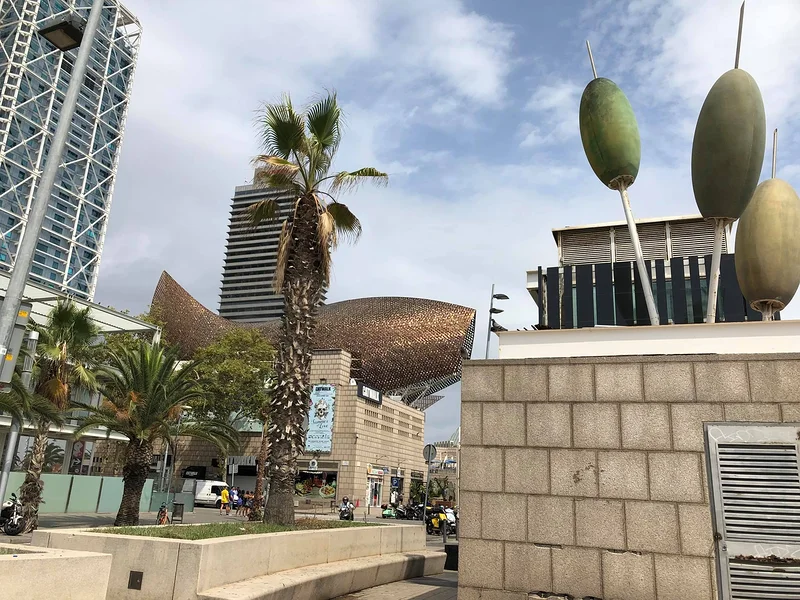
Barcelona, Catalan Pride
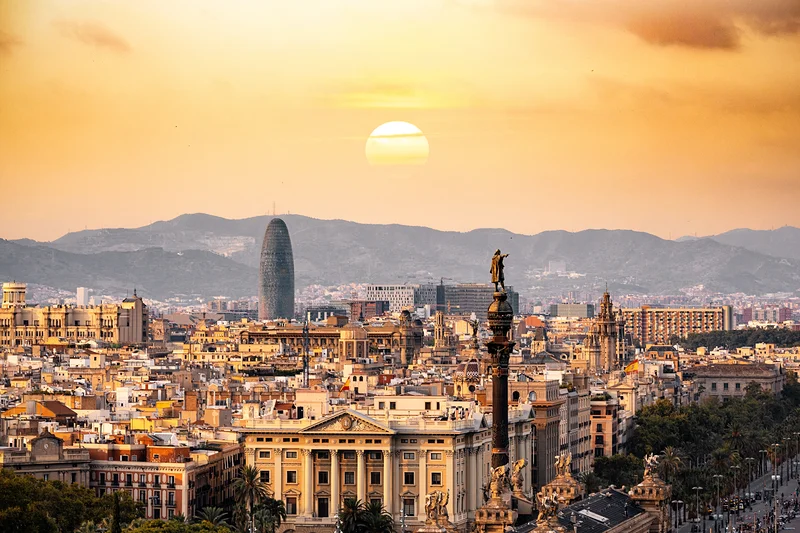
Antoni Gaudí’s undulating facades catch the early morning light while waiters set down coffee cups on outdoor tables along Passeig de Gràcia. The smell of toasted bread rubbed with tomato drifts out from a neighborhood bar. Nearly 1.7 million residents are already moving, and yet, everything feels calm. That is Barcelona, an intense energy beneath a veneer of Mediterranean nonchalance.
The Catalan capital welcomes tens of millions of visitors a year. That success comes with a price, as certain neighborhoods are saturated, short-term rentals face strict municipal limits, and local residents regularly protest against mass tourism. Should you cross it off your itinerary? Absolutely not. You just need to know how to venture off the beaten path.
Far More Than a Gaudí Postcard
Lively and warm, Barcelona works well for a weekend getaway or a full week. Architecture fans will marvel at the works of Gaudí. The food scene delivers as well, with tapas, fresh seafood, and Catalan cava ready to satisfy demanding food travelers.
Great destination for:
- Architecture enthusiasts and art lovers of all kinds
- Food lovers looking for tapas, food markets, and high-end dining
- Nightlife seekers who want to stay out until dawn
- Families thanks to urban beaches and interactive museums
- Solo travelers or couples planning a 3 to 5 day city break
- Soccer fans wanting to see the renovated Camp Nou
Not ideal for:
- Those trying to escape crowds and mass tourism
- Travelers seeking wild nature and wide-open spaces
- Tight budgets, since Barcelona is no longer a cheap destination
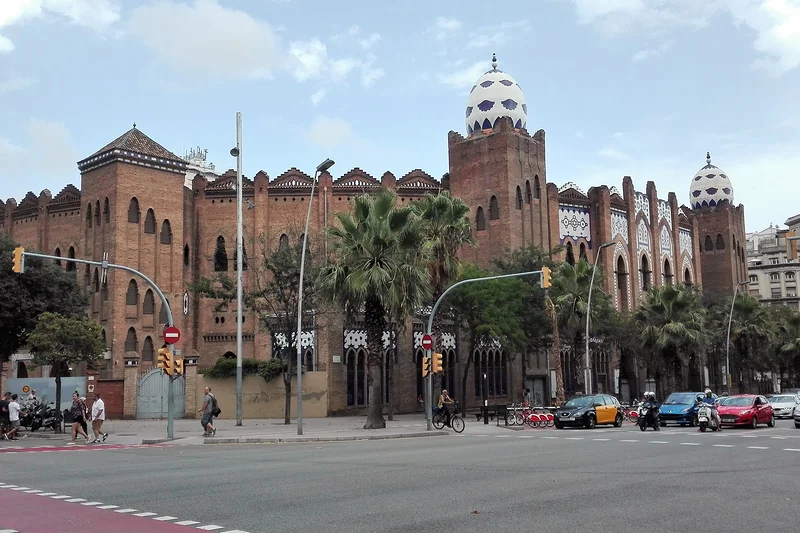
- Anyone hoping to find bullfights or traditional flamenco, which are not part of Catalan culture
A Reasonable Budget, But Rising Fast
Barcelona is no longer the bargain it was a decade ago. Restrictions on Airbnb-style rentals have driven up lodging costs, particularly in peak season. The good news is that you can still eat very well without breaking the bank, provided you steer clear of the tourist traps along La Rambla.
| Expense category | Price range |
|---|---|
| Hostel dorm bed | $29 to $45* |
| Comfortable hotel, double room, price per person | $79 to $113* |
| Quick bite: sandwich, kebab, fast menu | $5.70 to $11* |
| Restaurant meal, menu del día or tapas | $14 to $29* |
| Transit plus one paid activity per day | $17 to $34* |
| Backpacker daily budget | $68 to $90* |
| Comfortable daily budget | $135 to $180* |
Daily Life on the Ground: What You Need to Know
The Mediterranean climate makes the city pleasant almost year-round, and even in January, freezing temperatures are rare. Summer is hot and humid, with peaks hitting 35 °C in August. As for languages, Castilian Spanish and Catalan coexist everywhere, and English is widely understood in tourist zones. French, on the other hand, will not get you very far.
The daily schedule runs later than in the US, with lunch served around 2 PM and dinner rarely before 9 PM. Tapas bars fill up late. Tap water is safe to drink, though the taste can take some getting used to. When evening arrives, head to Las Ramblas, Barcelona's iconic avenue, to grab a drink and soak in the atmosphere.
Is Barcelona Safe for Travelers?
Barcelona is generally a safe city, but pickpockets are relentlessly active. La Rambla, the subway system, and the beaches are their primary hunting grounds. Keep your phone out of sight, avoid setting your bag on a chair at an outdoor cafe, and stay alert on public transit. For emergencies, dial 112.
Friendly tip: Never leave your belongings unattended on the beach, even for a few minutes to take a swim. Thefts of what is left lying on the towel are a Barcelona classic. A waterproof pouch that you take into the water with you is the best investment you can make for your trip.
Barri Gòtic and El Born: The Beating Heart of the Old Town
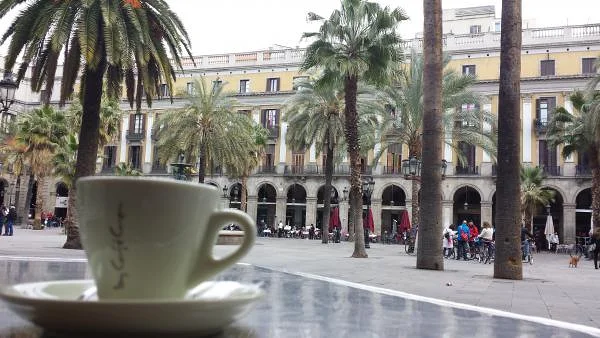
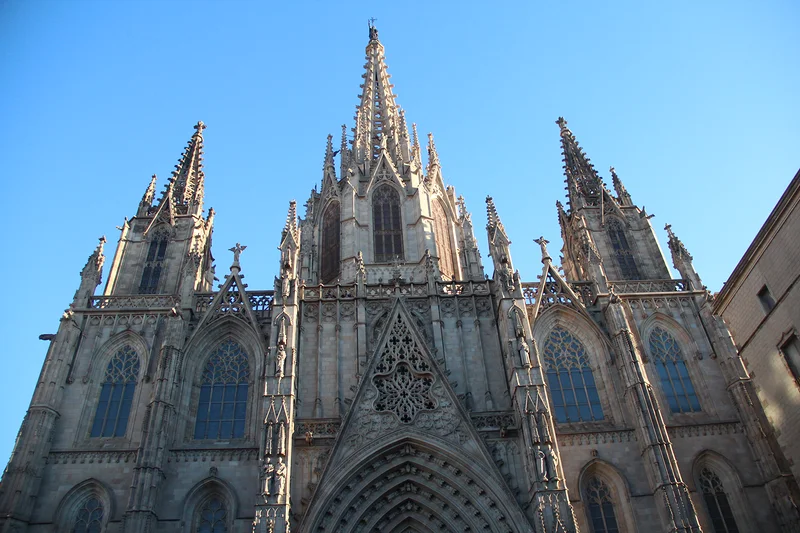
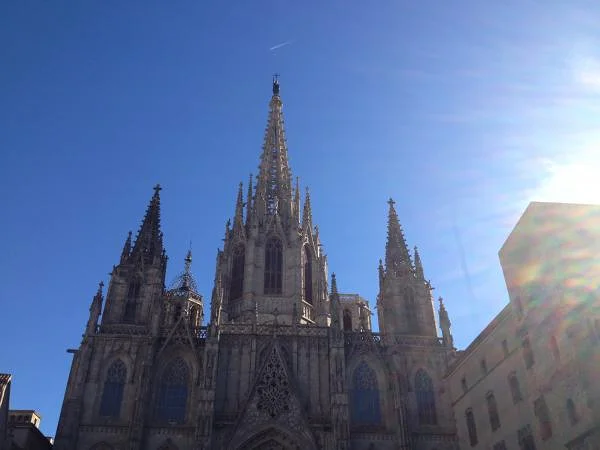
The Barri Gòtic is a maze of medieval alleys where two thousand years of history overlap. Roman ruins peek out beneath Plaça del Rei, the thirteen white geese in the cloister of the Cathedral of the Holy Cross and Saint Eulalia have guarded their enclosure for centuries, and shaded squares like Plaça Reial still pulse with the energy of summer nights.
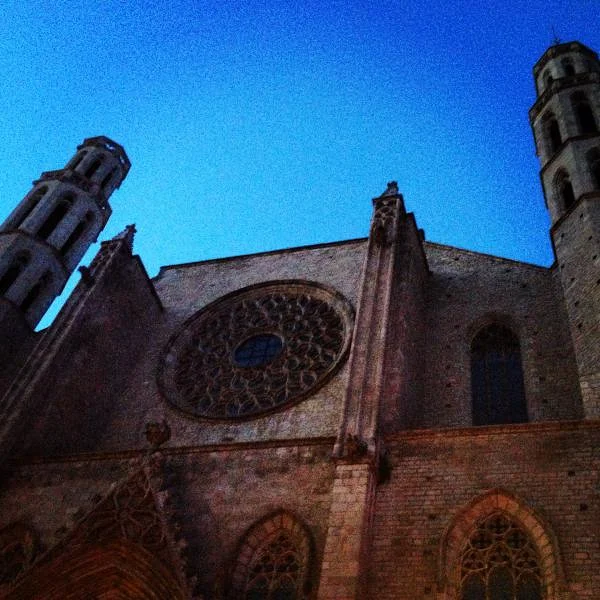
Right next door, El Born serves as the ultimate bohemian neighborhood. Its cobblestone streets overflow with art galleries, designer boutiques, and cocktail bars. The Picasso Museum takes over five medieval palaces here, and the basilica Santa Maria del Mar, a masterpiece of Catalan Gothic architecture, is free to visit.
Friendly tip: The tourist visit to Barcelona Cathedral runs on weekdays from 9:30 AM to 6:30 PM and costs $18*. To get in without paying, come for a mass: on weekdays they are held at 9, 11 and 12 in the morning and at 7:15 PM, in the Chapel of the Holy Sacrament.
Eixample and the World of Gaudí
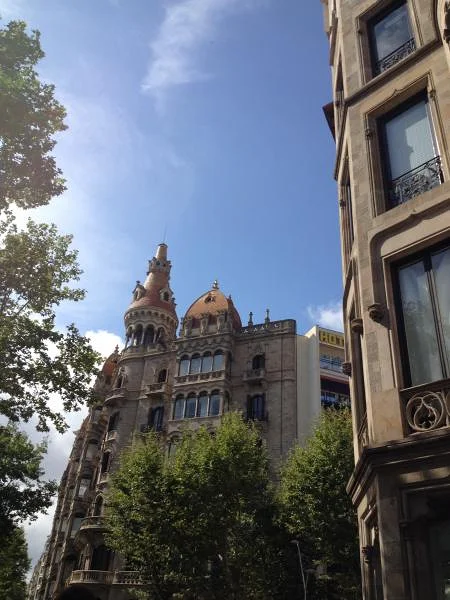
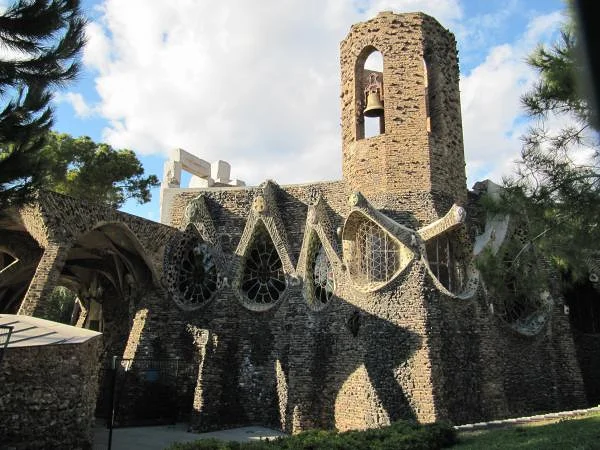
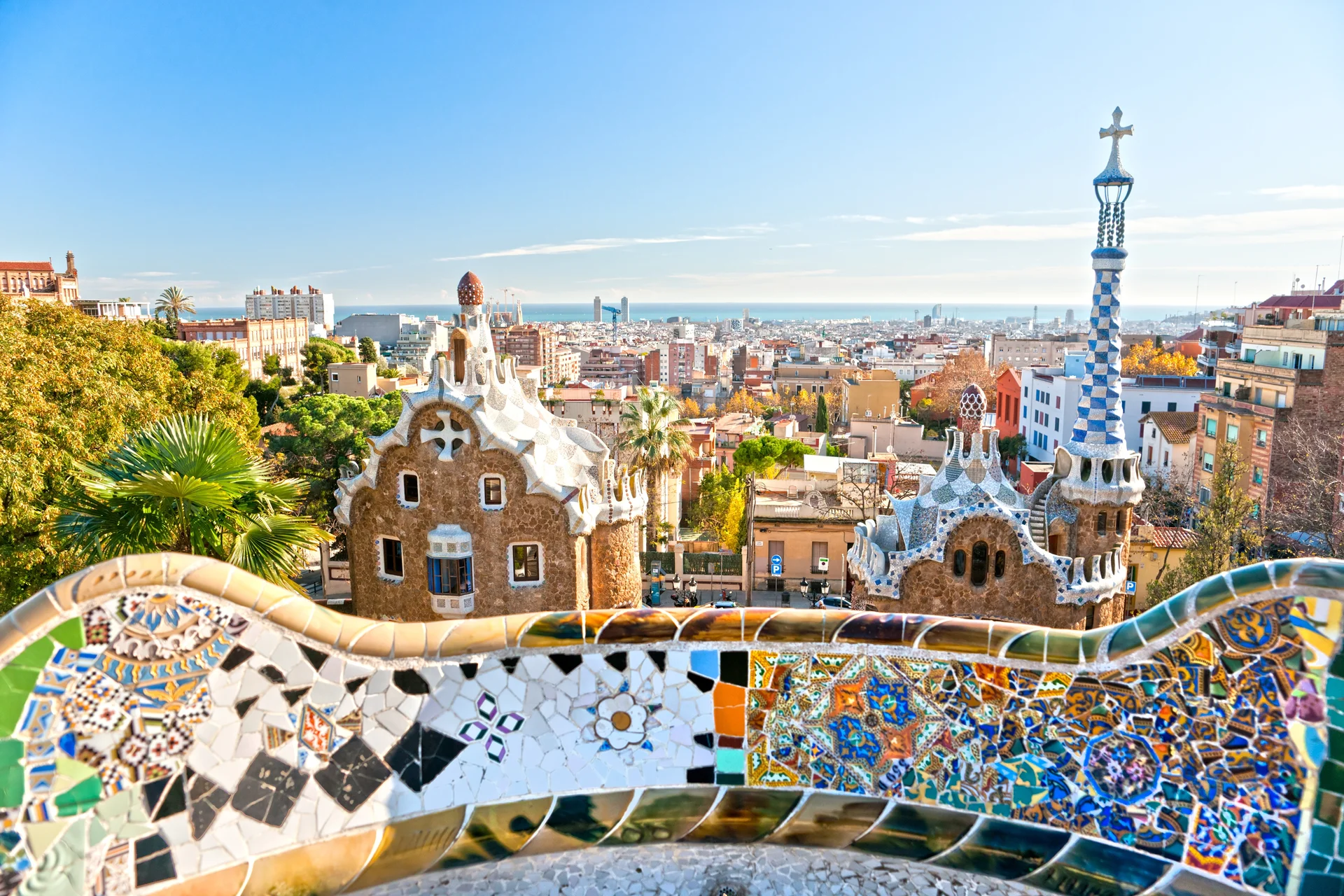
Barcelona's signature architect is undoubtedly Gaudí. He designed plans for numerous stunning monuments across the city, including the incredible Sagrada Familia, Park Güell, Casa Batlló, and Casa Milà, also known as La Pedrera. His whimsical, colorful creations are famous worldwide.
Touring the interior of the Sagrada Família is one of the rare tourist experiences that fully justifies its price tag and crowds. The light filtering through the stained glass into the nave creates an effect that photos simply cannot capture. Book your tickets online several weeks ahead because time slots disappear fast.
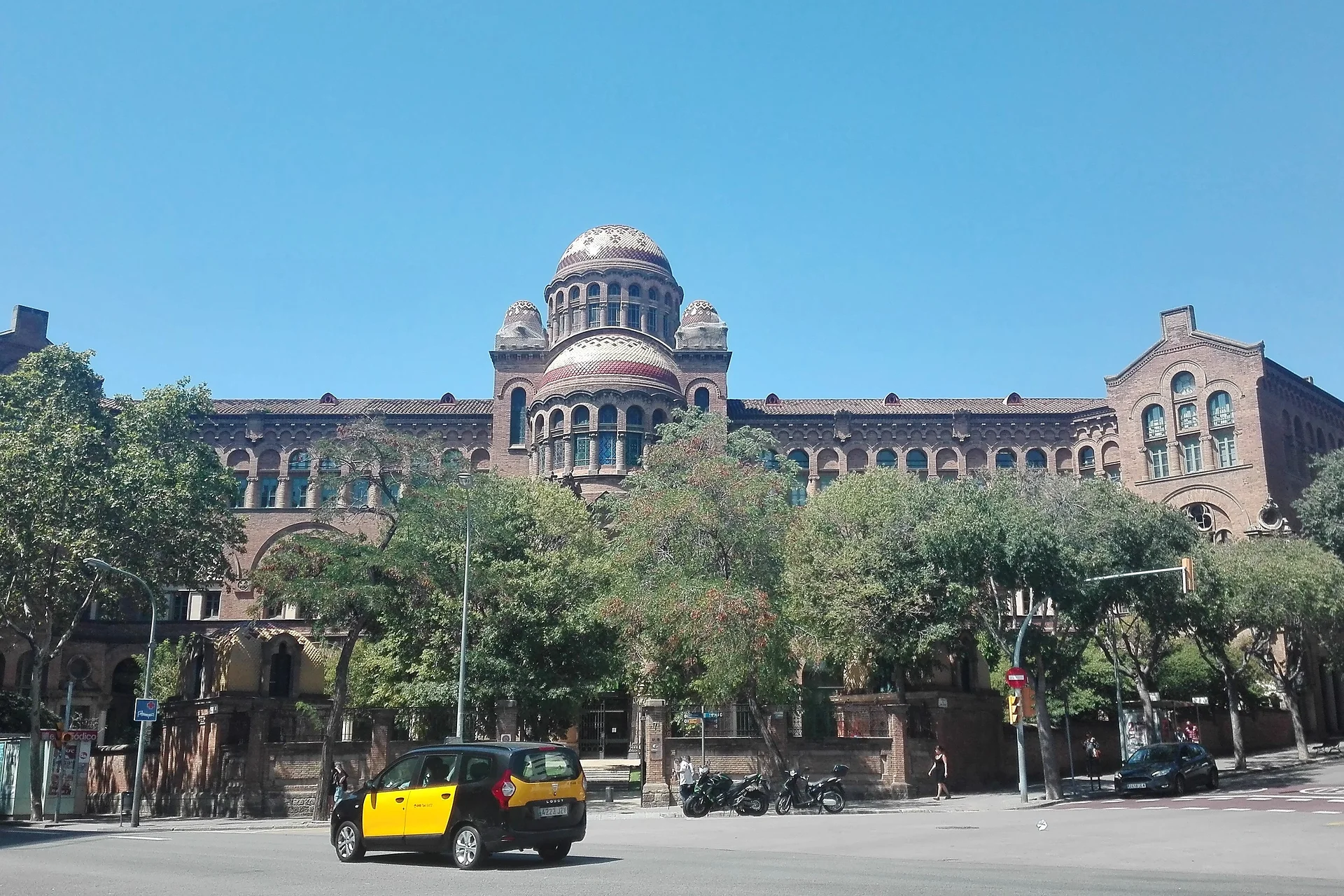
Do Not Miss Hospital de Sant Pau
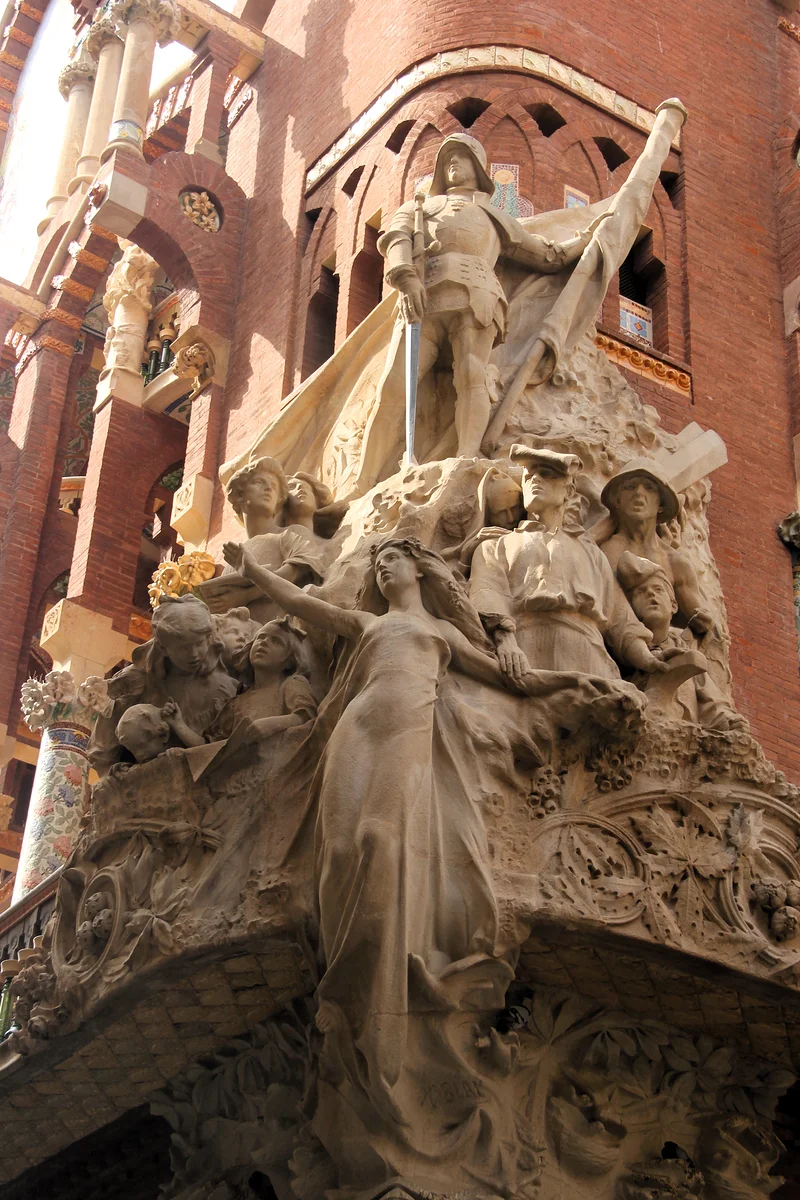
A ten-minute walk from the Sagrada Família, the Hospital de Sant Pau is a modernist complex designed by Domènech i Montaner and listed as a UNESCO World Heritage site. It receives a tenth of the visitors of its famous neighbor while offering comparable architectural beauty, making for a very high reward-to-effort ratio.
Gràcia and the Heights: The Local Side of Barcelona
A former independent village annexed to the city in the late 19th century, Gràcia has retained a small-town feel. Its squares, such as Plaça del Sol and Plaça de la Vila de Gràcia, serve as neighborhood gathering spots where you will hear more Catalan than Spanish.
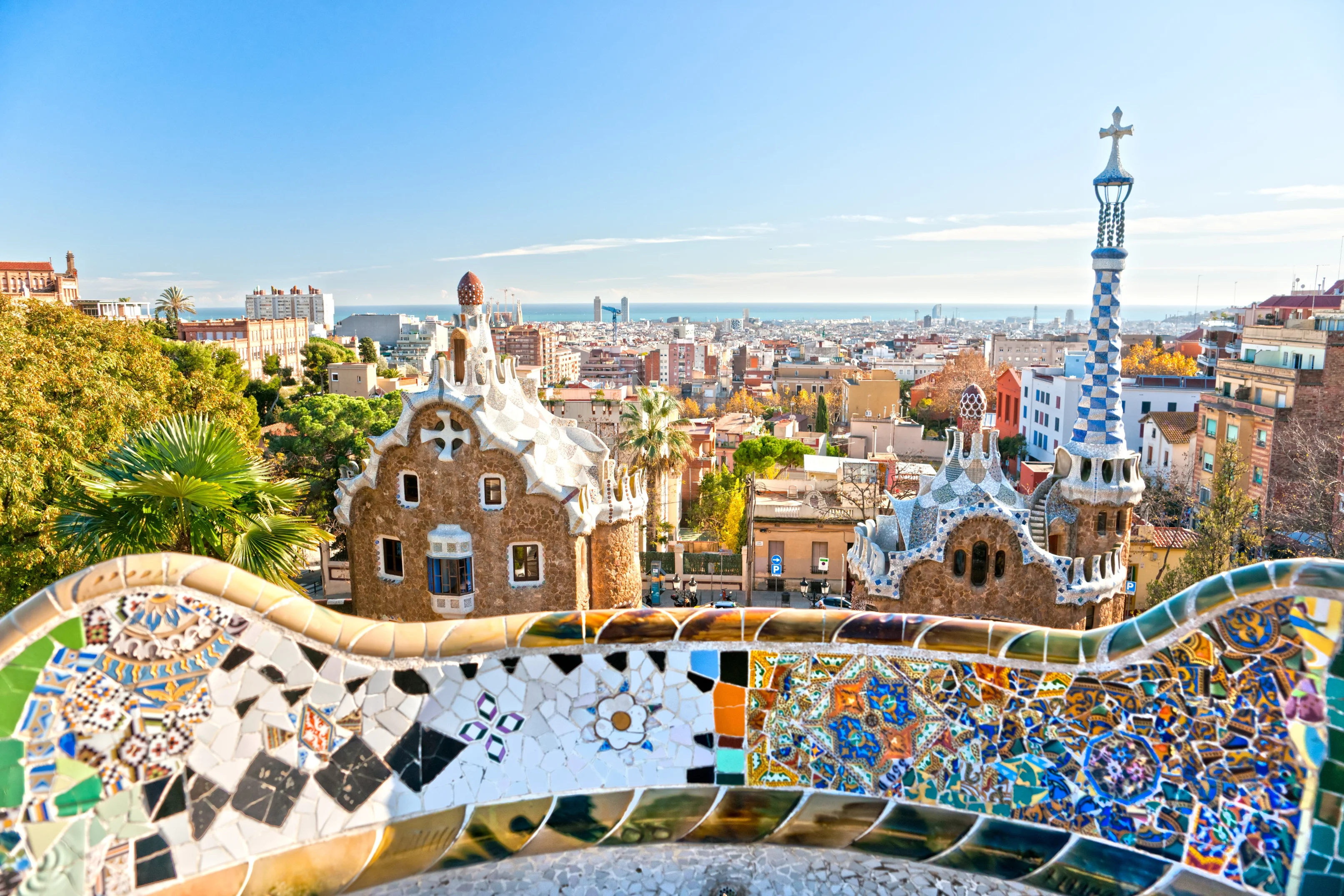
Park Güell, another Gaudí creation, overlooks the neighborhood. The monumental zone with its famous undulating mosaic benches requires a ticket and limits entries to 400 people per half hour, so book in advance.
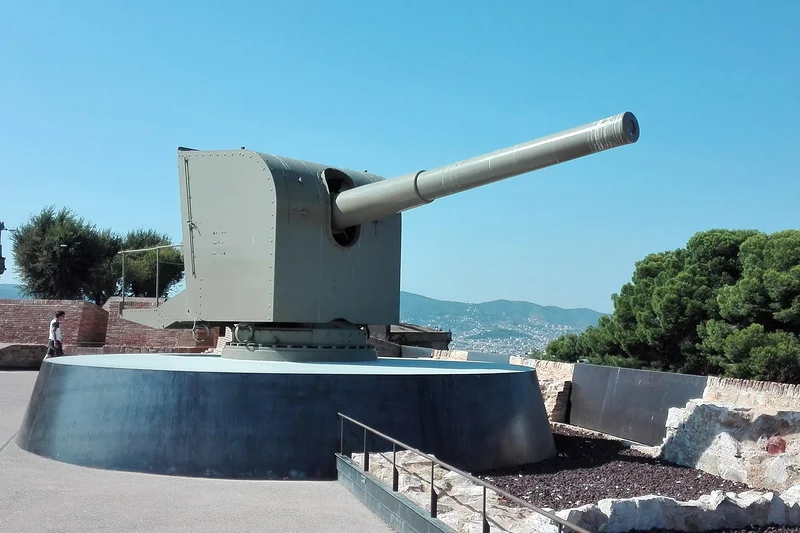
For a panoramic view without the lines, head up to the Búnkers del Carmel instead. This former Civil War anti-aircraft battery site provides a 360-degree view over the entire city and the sea. Locals often head up here at sunset with beers and snacks.
La Barceloneta, Montjuïc, and the Waterfront
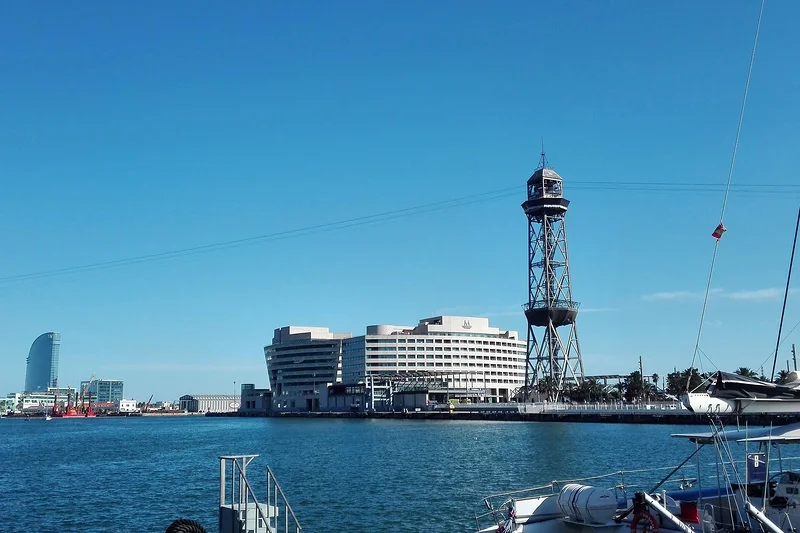
Start your morning early to check out the colorful, aromatic stalls at La Boqueria market, then grab a coffee on Plaça de Catalunya. From there, you can take the cable car up to the leafy hill of Montjuïc or stroll along the seafront at La Barceloneta.
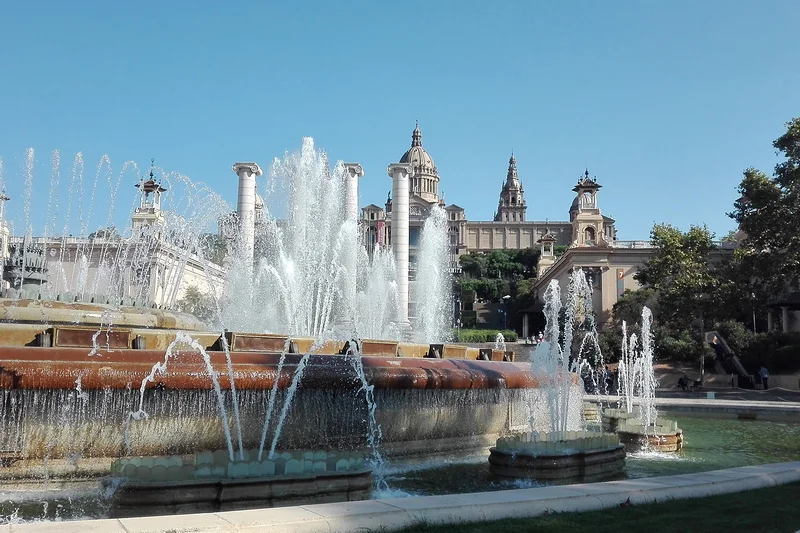
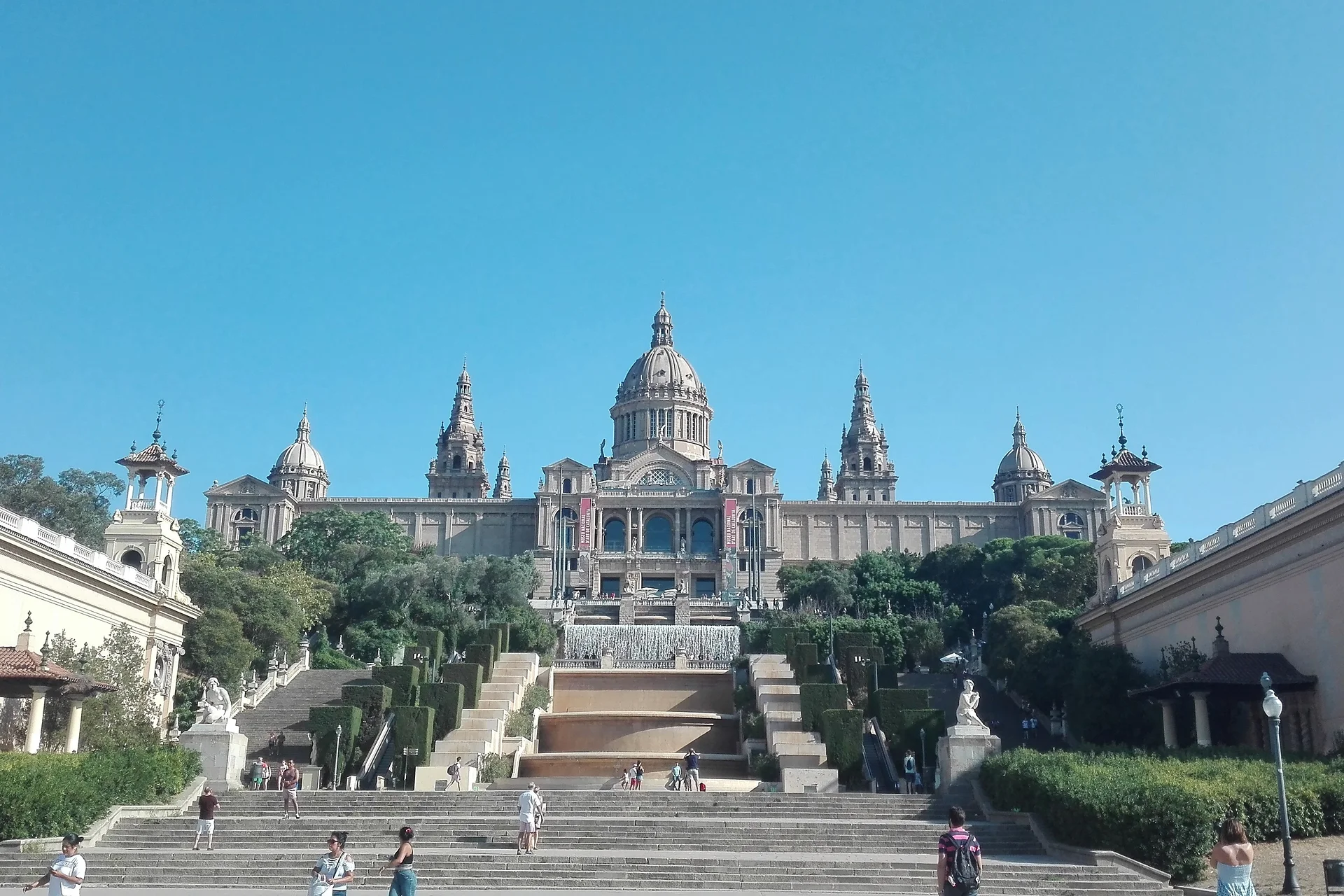
The hill of Montjuïc packs an impressive density of museums. The Joan Miró Foundation and its world-class art collection are worth the trip, as is the MNAC, the National Art Museum of Catalonia, which holds the world's largest collection of Romanesque art.
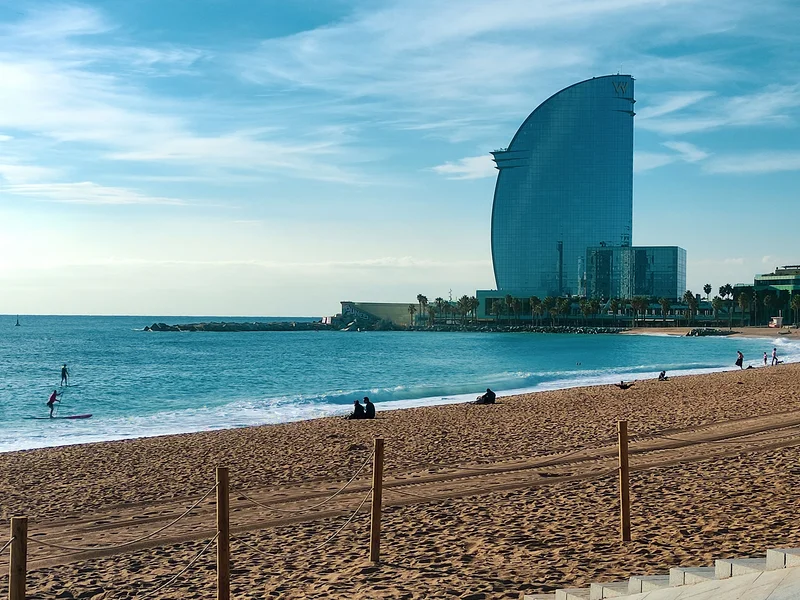
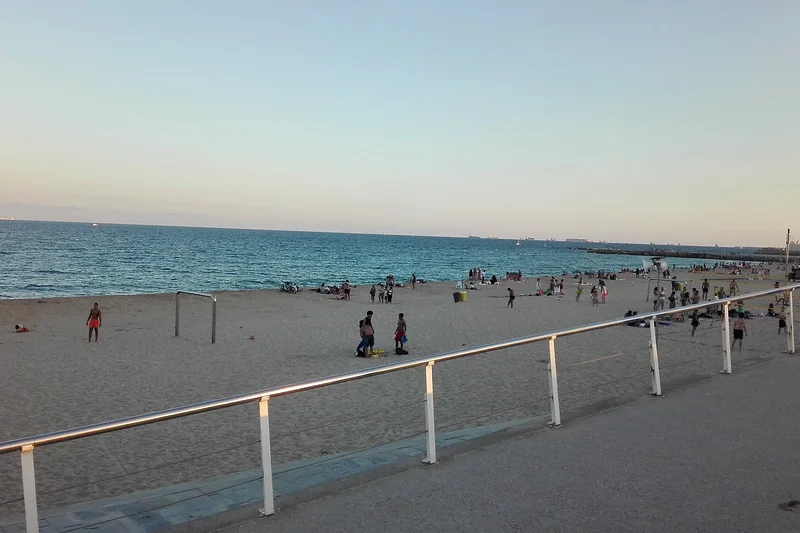
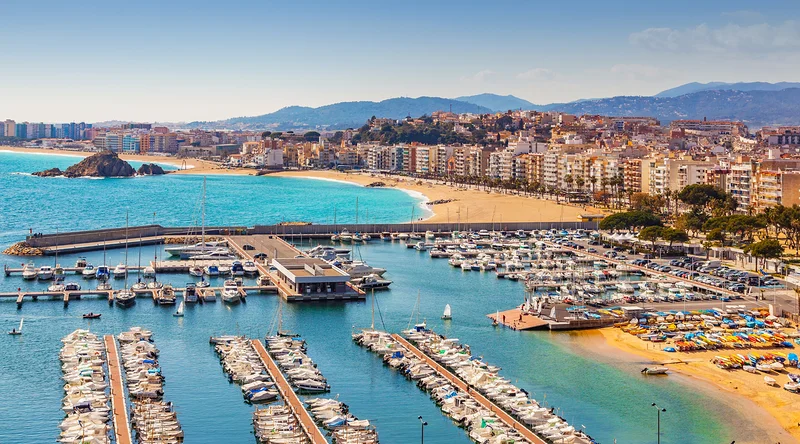
When it comes to beaches, La Barceloneta is the easiest to reach from downtown but also the most crowded. For more breathing room, keep going toward Bogatell or Mar Bella, which are favorites among locals.
Friendly tip: The Montjuïc cable car is a cool experience, but to save money, take the bus or funicular up, which is included in standard transit tickets, and save the cable car for the trip down when the lighting is best.
Where to Eat and Drink in Barcelona?
First rule: forget about paella on La Rambla. That dish originates from Valencia, and the reheated versions served to tourists are an insult to good food. Catalan cuisine has its own identity rooted in the concept of mar i muntanya, meaning sea and mountain, which pairs fish and meat in a single dish.
Essential Specialties to Try
- Pa amb tomàquet: bread rubbed with garlic and tomato, drizzled with olive oil. Simple, addictive, and present at nearly every meal.
- Fideuà: Catalonia's answer to paella, made with short noodles instead of rice and usually served with lemon-infused aioli.
- Bombas de La Barceloneta: potato croquettes stuffed with meat, topped with spicy sauce and aioli.
- Crema catalana: the precursor to crème brûlée, flavored with lemon and cinnamon and caramelized right before serving.
- Vermut: the quintessential local aperitif, served with olives and potato chips. Sunday midday vermouth hour is an institution.
Our Favorite Spots
Can Culleretes, in the Gothic Quarter, is Barcelona's oldest restaurant, founded in 1786 and known for traditional Catalan dishes like escudella and suquet de peix. For tapas and cava, head to El Xampanyet in El Born for anchovies, croquettes, and a lively local atmosphere.
7 Portes, down by the port near Barceloneta, is an institution for paella and rice dishes. For homemade tapas in a cozy setting, Bodega Biarritz 1881 in the Gothic Quarter never disappoints. The weekday midday menu del día remains the best value in town, typically getting you an appetizer, main course, dessert, and drink for $14 to $21*.
How to Get to Barcelona?
El Prat Airport connects to major international hubs. Low-cost carriers like Vueling, Ryanair, and EasyJet offer frequent flights. If you are already traveling in Europe, direct flights depart from cities across the continent.
To get from the airport to downtown, the Aerobús is the most practical choice, bringing you to Plaça Catalunya in 35 minutes for about $7.90*.
How to Get Around Barcelona?
Barcelona features an excellent public transit network of subways, buses, and trams covering the entire city. The T-Casual ticket, good for 10 trips for about $15*, provides the most economical option. The Barcelona Card, available for 3 to 5 days for $54 to $71*, includes unlimited transit and museum discounts. Cable cars will take you up to the hill of Montjuïc.
The city is also very walkable. From the Barri Gòtic to La Barceloneta, expect a 20-minute walk along the port. Skip renting a car because parking is a headache and traffic is heavy, but taxis are reasonable for short trips. Ride-hailing apps like FREE NOW work well, alongside Cabify and Uber.
When to go?
Spring, from April to June, and fall, from September to October, offer the best balance of pleasant temperatures between 18 and 25 °C, manageable crowds, and milder prices than midsummer. Summer in July and August is scorching, crowded, and marked by surging accommodation rates. Winter stays very mild compared to northern Europe, bringing bright days and little rain.
If you can time your trip, the third week of September is ideal. The Festa de la Mercè, Barcelona's patron saint festival, energizes the city with free concerts, castellers building human towers, and correfocs featuring fire-spitting devils in a distinctly local celebration.
Je suis d'accord sur tout mais il ne faut pas exagérer. En dehors de l'été, il ne fait pas assez chaud pour aller se baigner à la plage.