
Figueres, Where Dali Left His Mark
A giant egg eyes you from a blood-red roof. Welcome to Figueres, the birthplace of Salvador Dali, where surrealism is literally baked into the architecture.
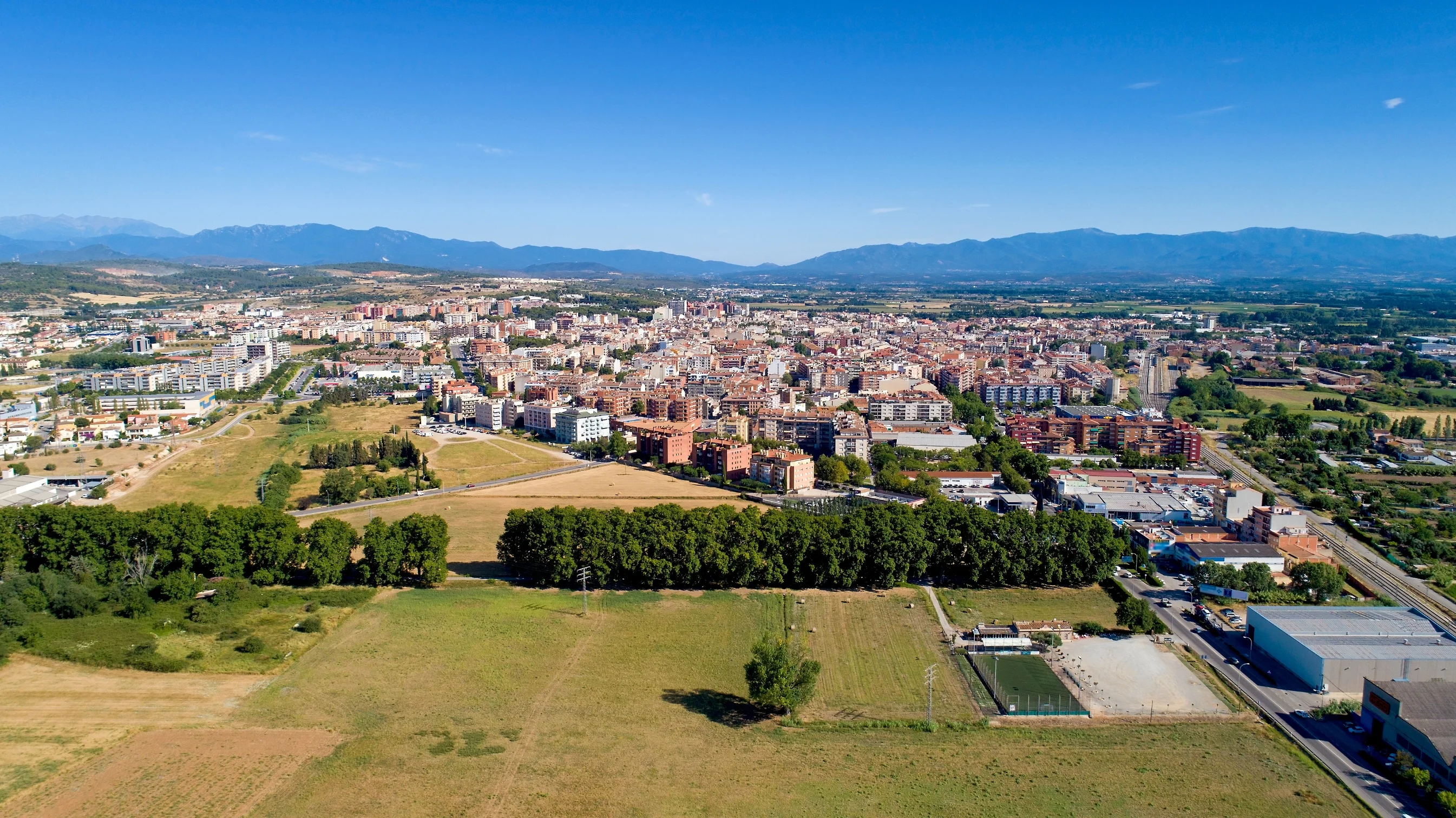
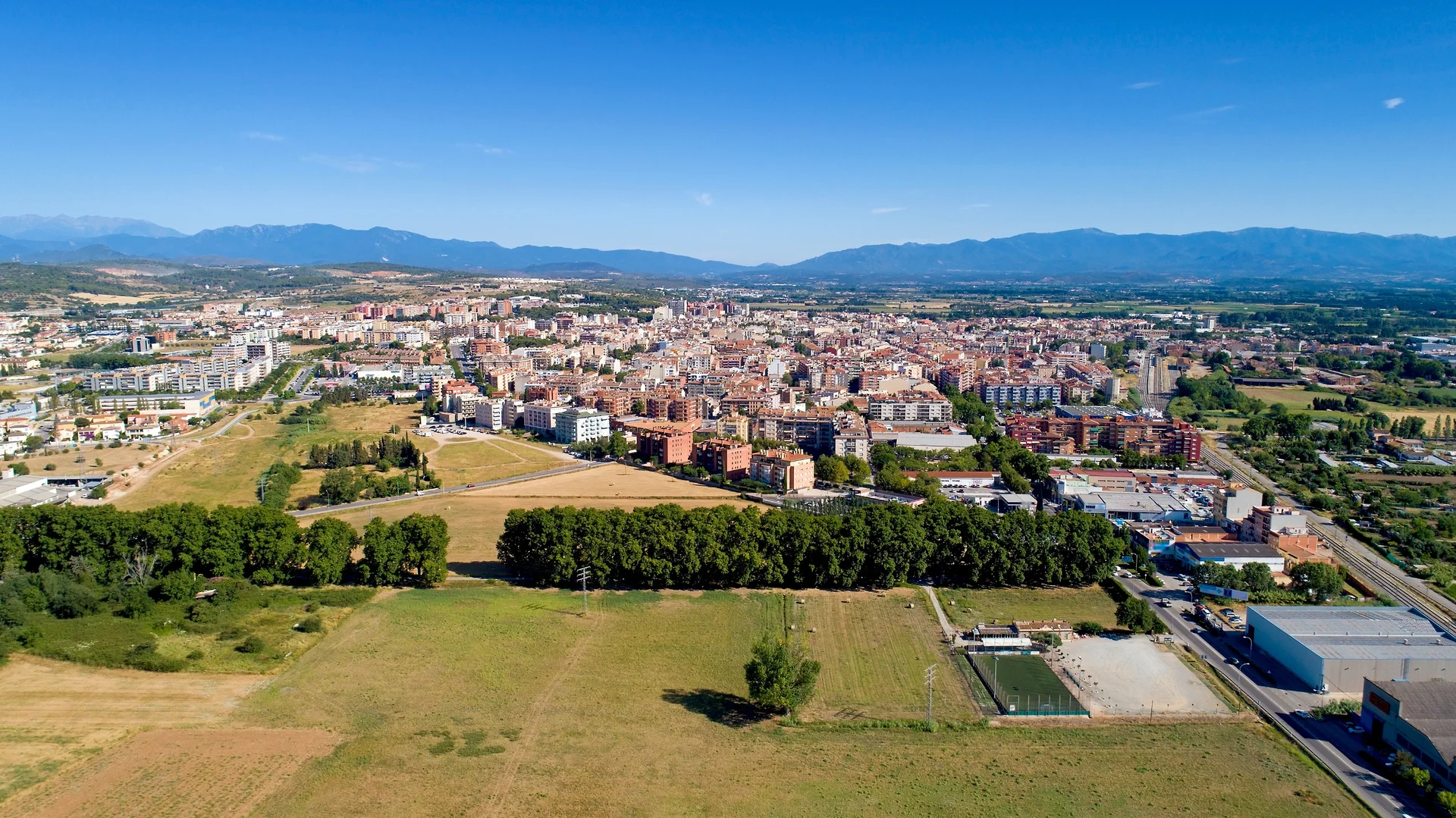
Located thirty kilometers from the French border, this Catalan city of 40,000 residents lives in the master's shadow, yet it maintains a distinct personality. Its cobblestone alleys, its Rambla shaded by century-old plane trees, and its squares that come alive with market days all breathe an authenticity untouched by mass tourism. Locals gather in the evening at Plaça del Sol for a drink, far from the daytime museum crowds.
A quick stopover or a place to stay?
Many travelers only pass through. They arrive from Barcelona in the morning, tour the Dali museum, and leave by evening. That is a mistake. Figueres rewards an extended stay, especially if you plan to explore the Costa Brava or the villages of the Empordà. It serves as an ideal base camp, lighter on the wallet and quieter than the coastal resort towns.
This city appeals to art and architecture lovers, curious wanderers who enjoy strolling without an itinerary, and food enthusiasts searching for honest Catalan cooking. It will disappoint anyone looking for a beachfront hotel or wild nightlife. Families traveling with children will appreciate the toy museum and the fortress of Sant Ferran, which feels custom-built for aspiring knights.
A reasonable budget for Catalonia
Expect to pay between $68 and $113* per night for a decent hotel in the city center. A meal at a local restaurant runs $17 to $29*, and tapas on the Rambla average $3.40 to $5.70* each. Admission to the Dali Theatre-Museum ranges from $17 to $23* depending on the season.
The Dali Theatre-Museum: much more than a museum
Let us start with the obvious. The Dali Theatre-Museum draws a million visitors a year, making it one of the most visited museums in Spain. The artist designed it himself on the ruins of the old municipal theater, which was destroyed during the Spanish Civil War. Every room is an installation, every hallway a stage set. The famous Mae West room with its lip-shaped sofa, the Rainy Cadillac parked in the courtyard, along with the holograms and optical illusions, all contribute to pure spectacle.
The crypt holds Dali's tomb. Visitors descend into it in near-silence, a striking contrast to the exuberance of the upper floors. The Dali Jewels collection, included with the same ticket, displays pieces designed by the artist where rubies and gold form mechanically beating hearts.
Friendly tip: book your tickets online several days in advance, particularly in the summer. The tourist office runs a guided walk through the center in Dalí's footsteps for $6.80* ($3.40* reduced), which pairs with museum entry ($21* online, $25* in July and August).
Getting lost in the historic center
Step outside the museum and look up at Sant Pere church, which abuts the building. Its Catalan Gothic bell tower contrasts sharply with the museum's giant eggs. From there, wander into the winding alleys. Plaça de l'Ajuntament and its neoclassical town hall provide an easy starting point, with side streets branching off toward atmospheric plazas.
On Tuesday, Thursday, and Saturday mornings, the market sets up in Plaça del Gra. Stalls overflow with sun-ripened fruit, cured hams, and sheep's milk cheeses. Salvador Dali himself never missed the Thursday market, treating it as a local holiday. Grab picnic supplies and head to Parc del Bosc, a 45,000 square meter green space where families gather under the trees.
Plaça de Catalunya, marked by its modern solar canopy, sits at the junction of the old town and newer districts. Make sure to stroll down the Rambla, a shaded avenue lined with cafes where you can sip a glass of Empordà wine while watching the neighborhood pass by. A statue honors Narcís Monturiol, another famous local son and a pioneer of submarine navigation with his Ictineo.
Eclectic architecture and grand mansions
Figueres hides remarkable facades for anyone who takes the time to look up. Head to Plaça de l'Escorxador, where three distinct architectural styles stand side by side: the neoclassical Casa Bonaterra, a rationalist bookstore, and an Art Deco pharmacy. This square alone sums up the city's design history.
Fans of Catalan modernism will want to spot Casa Salleras with its floral motifs, Casa Cusí featuring elaborate ironwork, and Casa Puig-Soler with its slender columns. Casa Mas Roger, Salvador Dali's former residence, is also worth a detour. The tourist office hands out a map detailing architectural walking routes.
Castell de Sant Ferran: a massive fortress
Ten minutes from the center, Castell de Sant Ferran stuns with its sheer scale. Built in the eighteenth century to protect the border from French invasions, this walled fortress is the largest in Europe, with ramparts stretching over three kilometers. You can walk the grounds freely and climb the walls for panoramic views of the Empordà plain and the Pyrenees.
Touring the underground cisterns by jeep and zodiac raft is a unique experience. You descend into the belly of the fortress and navigate dark water basins illuminated by your guide's flashlight. Kids love it. Claustrophobes less so.
Day trips from Figueres
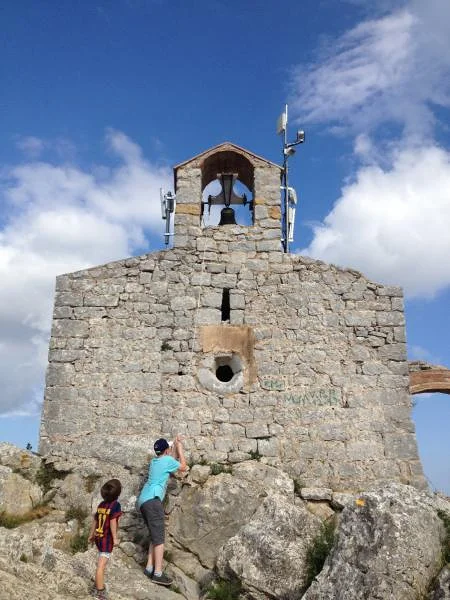
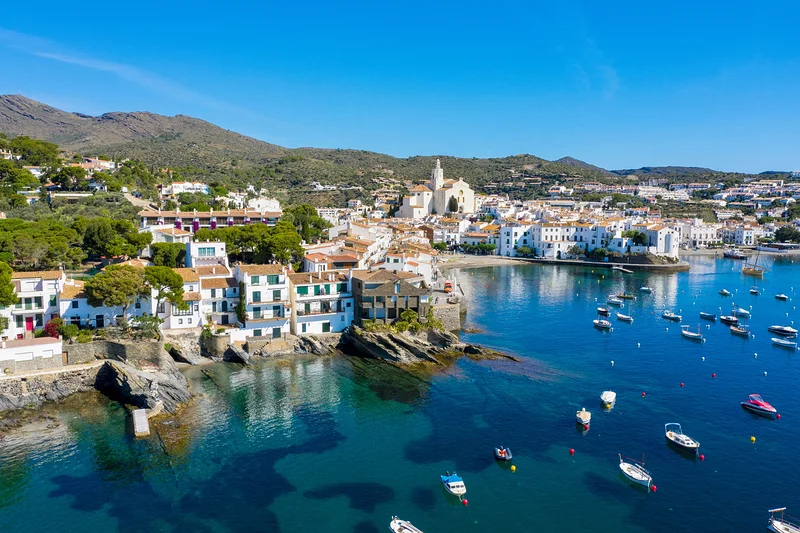
The city sits at the center of an exceptionally rich region. Cadaqués, the whitewashed coastal village where Dali maintained a home, is a forty-five-minute drive away. Roses and its golden beaches are twenty minutes away. The Sant Pere de Rodes monastery, perched high above Cape Creus, offers staggering views.
Closer to home, the village of Peralada is a favorite Sunday stroll for locals. Its castle houses a museum, a casino, and gardens well suited for a quiet walk, while the music festival held there every summer draws classical fans. In Vilabertran, three kilometers away, a restored Romanesque monastery hosts a Schubert music festival every August.
Where to eat and drink in Figueres
Empordà cooking pairs the sea and the mountains in dishes known as mar i muntanya. Expect recipes combining chicken and shrimp, or cuttlefish and snails. Butifarra dolça, a sweet sausage served raw or cooked, is a local point of pride. The sweet and pink Figueres onion seasons many regional dishes. Make sure to try flaonas, small sweet pastries that round out a meal.
Skip the restaurants right outside the Dali museum, which tend to lean mediocre and overpriced. Choose spots around the Rambla or down the side streets instead. The Duran restaurant, where Dali used to eat, maintains refined cooking in an elegant space. Can Jeroni, located by the market square, serves traditional home cooking passed down from mother to daughter across four generations. For tapas, Sidreria Txot's offers a pleasant terrace and reasonable prices.
The region produces wines under the DO Empordà designation. Over thirty wineries open their doors to visitors along the local wine route. In June, the annual wine fair turns the Rambla into a massive open-air tasting event.
Getting to and around Figueres
Arriving from France is straightforward. By car, the AP-7 highway from Perpignan gets you there in thirty minutes. Allow about one and a half hours from Montpellier and two and a half hours from Toulouse. Tolls cost around ten euros starting from Le Perthus.
Train travel is the most practical option. The Figueres-Vilafant high-speed rail station receives TGV trains from Paris in about five hours. From Barcelona, AVE and Avant trains make the run in fifty-five minutes for $7.90 to $23* depending on how early you book, with roughly fifteen daily departures. Girona-Costa Brava Airport, forty-five minutes away, provides a budget airline alternative.
Once you arrive, everything is walkable. The city center is compact, and the major sights sit within a few hundred meters of each other. A car is only necessary for exploring the countryside.
When to go?
Spring and autumn offer the best conditions with mild temperatures, moderate crowds, and beautiful light across the landscape. Summer draws heavy crowds to the Dali museum, leading to long lines and higher prices. The tramontane, a signature northern wind, blows regularly and cools down warm afternoons. Winter stays mild, though some businesses shorten their hours or close entirely. Skip August if you want to avoid the heaviest congestion.

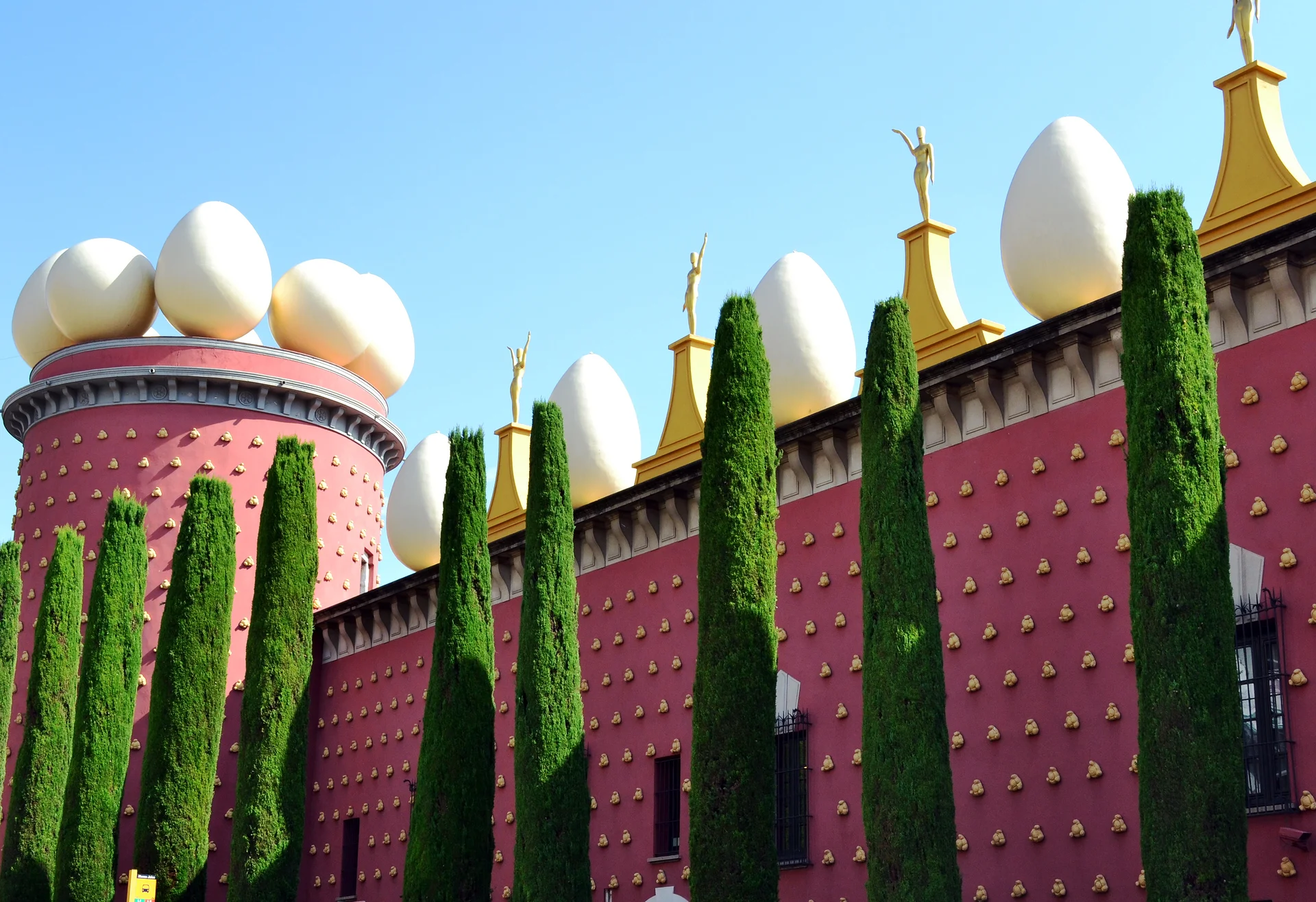
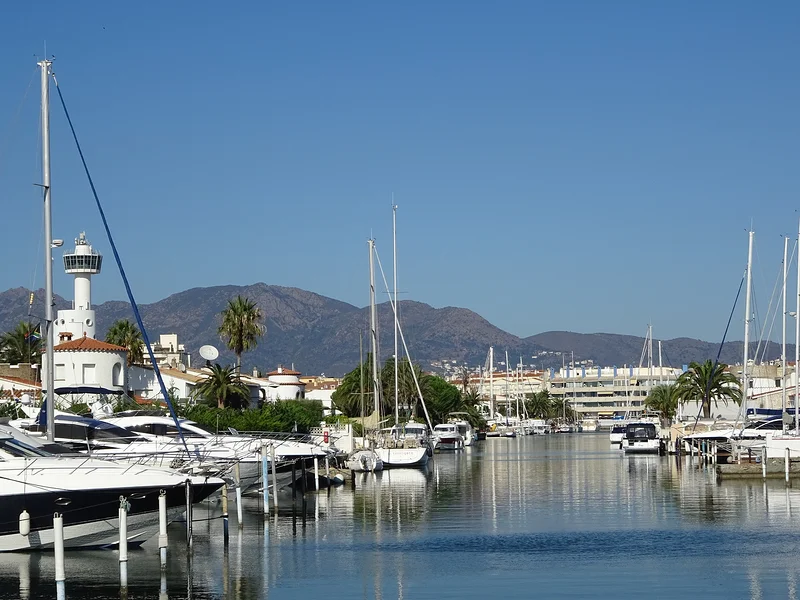
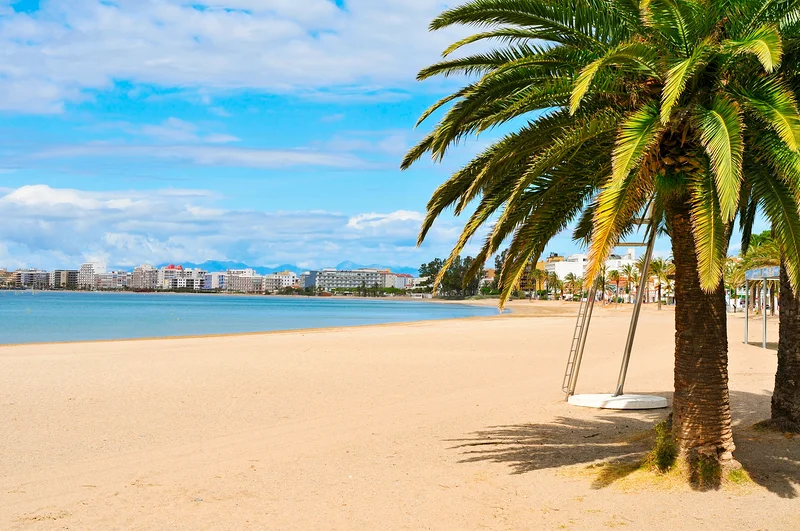
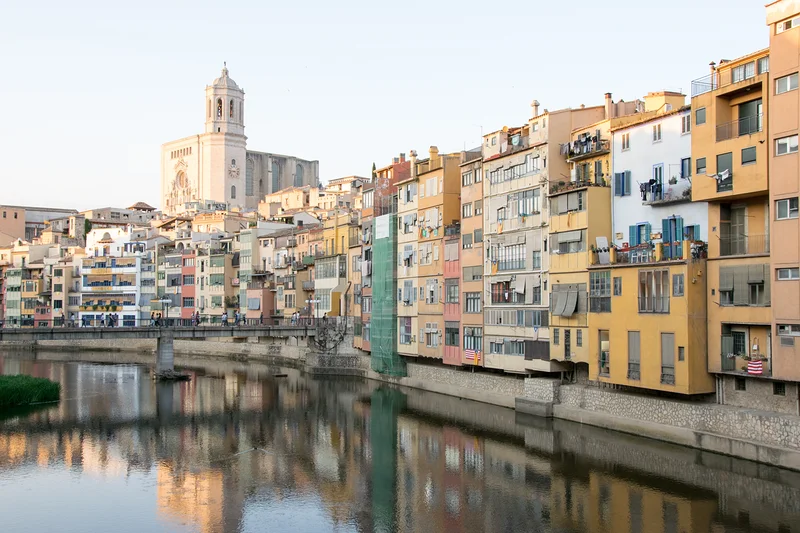
I was on vacation in Empuria Brava, staying with a friend's parents, when I visited Figueres. It is a charming little town on the Costa Brava. It is mainly known for its impressive pink Dali museum with huge eggs on top. It is the perfect place to dive into the artist's surreal world. After that, you can take a walk through the historic center and discover its lively narrow streets.