
Visiting Collioure: Mediterranean charm meets Catalan roots
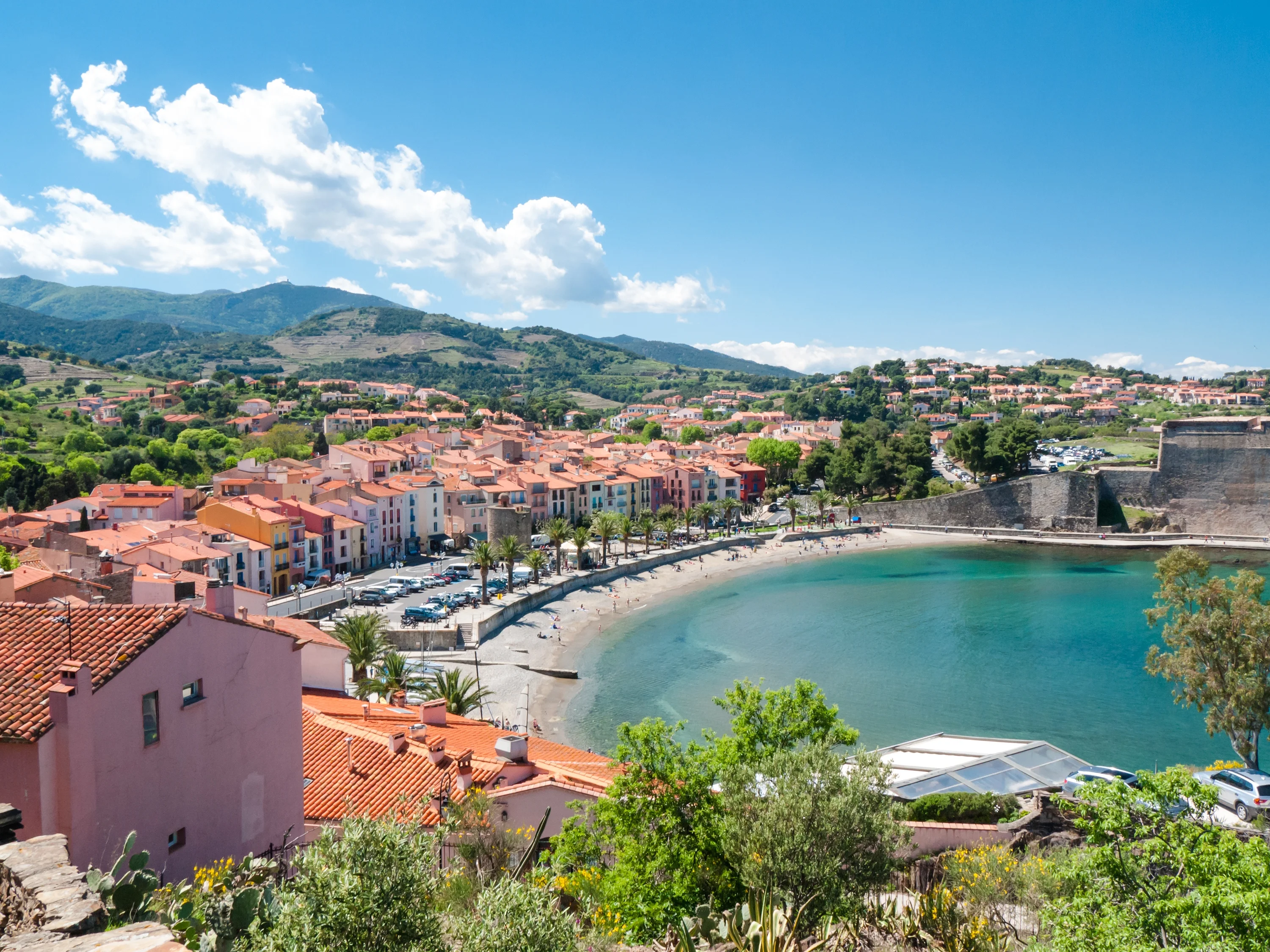
Clinging to the foothills of the Pyrenees, Collioure offers a getaway defined by coastal vistas, winding colorful streets, and a deep artistic legacy. This small town in the south of France, situated right on the Mediterranean, attracts those who appreciate subtle charm, coastal hikes, and authentic heritage without the heavy-handed tourism found in some of the more crowded resort towns nearby.
A charming harbor and a town full of color
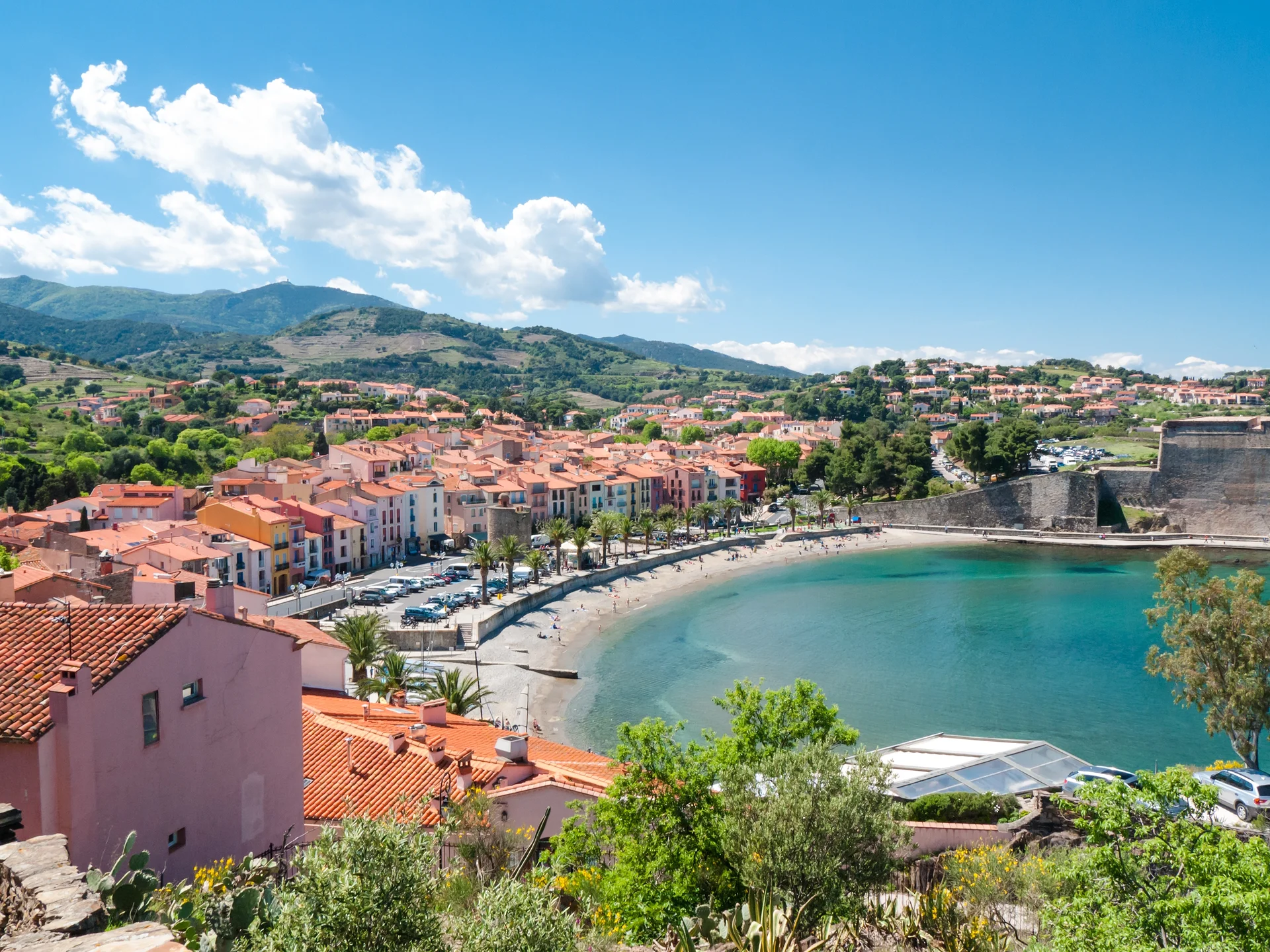
The heart of Collioure revolves around its harbor and a half-moon bay, all watched over by the royal castle. Fishing boats share the water with a few sailboats, maintaining a grounded, working-port feel. Along the quays, pastel facades, blue shutters, and flower-filled balconies give the town an almost meditative atmosphere. The église Notre-Dame-des-Anges, with its iconic lighthouse-style bell tower, serves as the primary landmark for anyone wandering the waterfront.
You can follow the coastline along the coastal path to find small, secluded coves that are far quieter than the main beach.
A living artistic past
Collioure drew a circle of artists in the early 20th century, most notably Matisse and Derain, who founded the Fauvism movement here. This artistic connection remains tangible today through the Maison du Fauvisme and the many studios tucked throughout the town. Several independent galleries showcase contemporary works inspired by the area's specific, luminous quality of light.
A self-guided walking tour leads you through the town, placing reproductions of famous Fauvist paintings exactly where the artists stood to paint them.
Catalan heritage between land and sea
The royal castle, built in the Middle Ages and expanded by the Kings of Mallorca, is open to visitors. It overlooks the sea and offers excellent vantage points of the village. On the other side of town, fort Saint-Elme is accessible by foot or car, providing a panoramic view of the entire coastline. The weekly market highlights the vitality of the Catalan culture, featuring local produce, cured meats, traditional textiles, and the distinct, melodic accents of the vendors.
A year-round destination
Collioure is a working town, making it a pleasant destination even in the off-season. Winters are mild, perfect for quiet reflection and peaceful walks. In spring and autumn, the crowds thin out and the town is bathed in golden light. Summer is naturally the most energetic season, hosting the feux de la Saint-Jean, art exhibitions, and open-air concerts held in the castle courtyard.
Cuisine with the flavors of the sea and Catalonia
Collioure is famous for its anchovies, which are still processed by hand in several local family-run canneries. You will find them served as tapas, in salads, or simply marinated in oil. The town also features dishes rooted in Catalan tradition, such as boles de picolat (meatballs in sauce), pa amb tomàquet (bread with tomato), and crema catalana. The wines of Banyuls, known for being sweet and robust, pair well with both savory dishes and desserts.
Where to eat?
- Casa Léon (port district): A small, welcoming spot with house-made tapas and local wines.
- La Balette (north beach area): A fine-dining restaurant with a view of the bay, known for creative preparations.
- Le 5ème Péché (historic center): A fusion of Catalan traditions and Asian inspirations in a low-key setting.
- Can Pla (near the royal castle): Simple, well-executed dishes in a classic Mediterranean atmosphere.
Where to stay?
- Hôtel Casa Paina (historic center): A well-situated, quiet hotel with minimalist, comfortable rooms.
- Hôtel La Frégate (port district): Offers a family-run feel and an ideal location for exploring the town on foot.
- Relais des Trois Mas (corniche road): An upscale hotel with a pool and an unobstructed view of the bay.
When to go?
May, June, and September are particularly pleasant times to visit Collioure. Temperatures are mild, the water is warm enough for swimming, and the crowds are thinner. July and August are busier, but they maintain a lively, convivial atmosphere.
How to get there?
From Perpignan, it is about a 30-minute drive or train ride. From Paris, a TGV train to Perpignan takes about 5 hours, followed by a short connection on a local TER train. Local buses also connect Collioure to neighboring villages along the Côte Vermeille.
How to get around?
The center of Collioure is easily navigated on foot. If you want to explore the more remote coves or head up into the hills, local buses or a car are helpful.
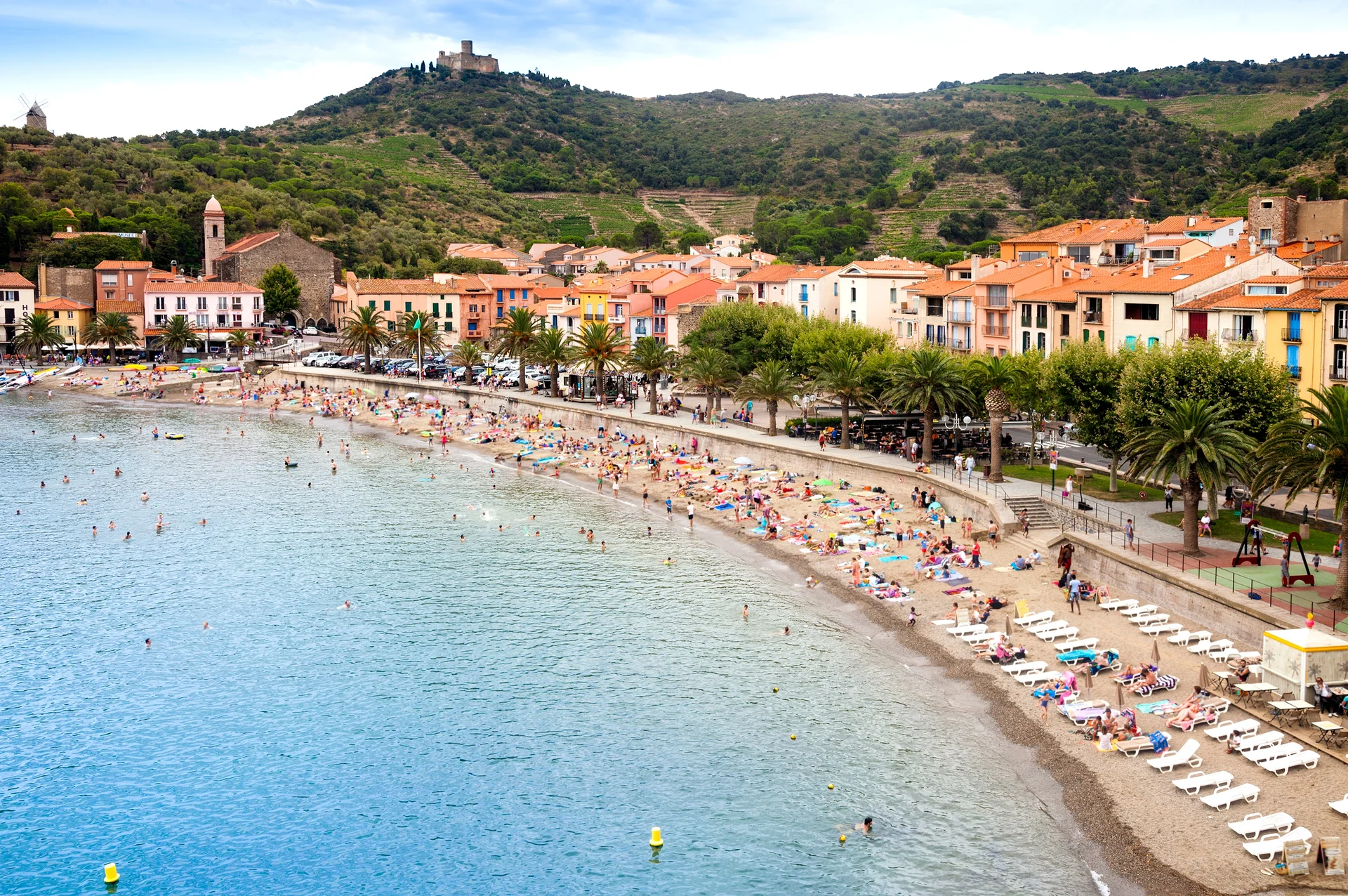
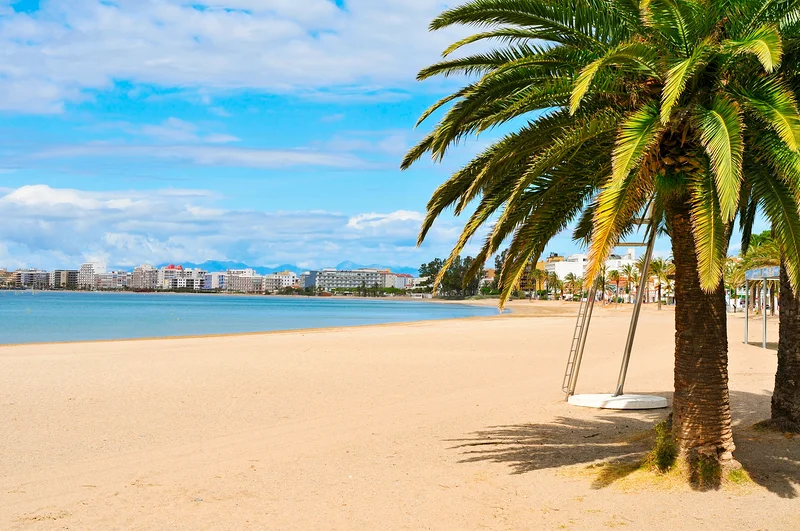
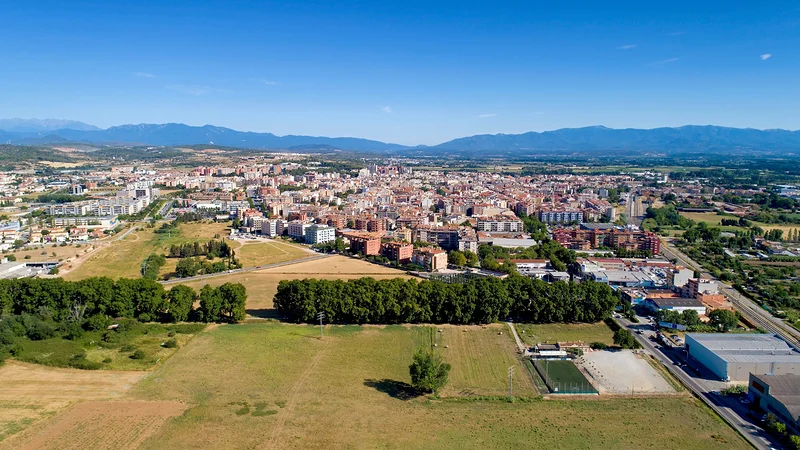
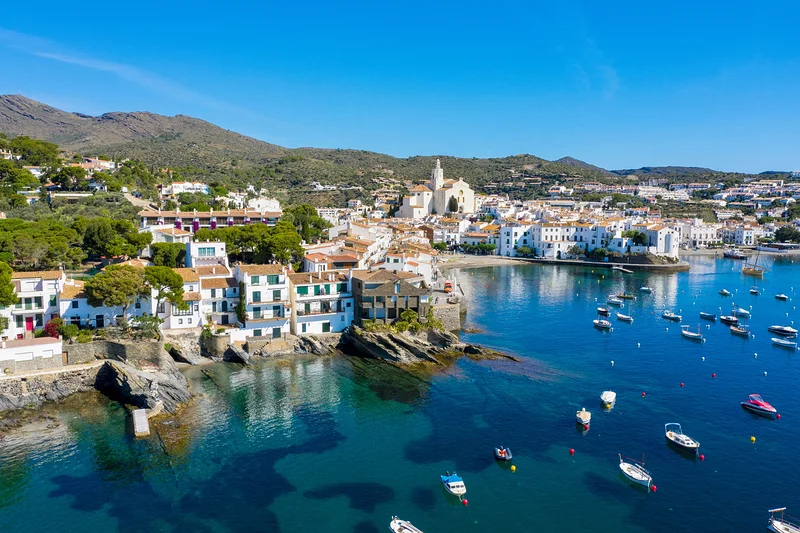
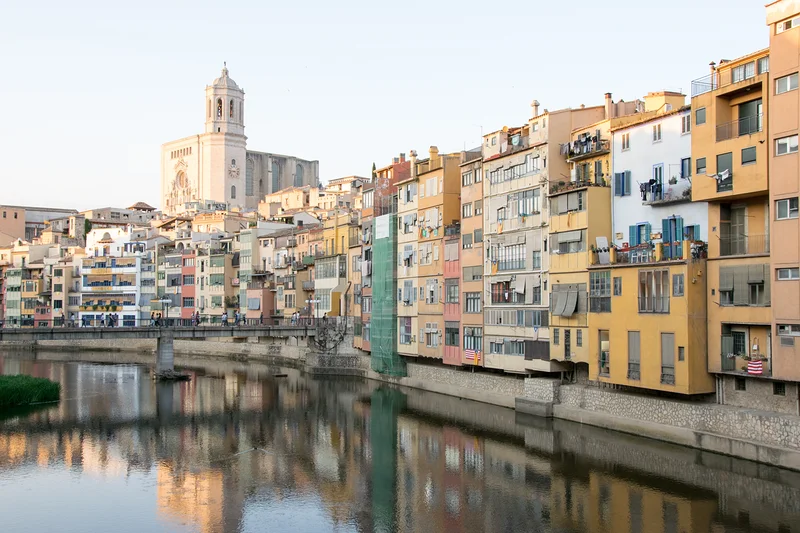
Collioure is without a doubt one of the most beautiful villages in France! Beyond its superb beach, wandering through its narrow streets is a real pleasure. If you ignore the large number of tourists in the summer, you sometimes feel like you are back in the Middle Ages. Special mention to the Notre-Dame-des-Anges church, where the access offers a magnificent view of the village and the Mediterranean.