
Visiting Girona, the Authentic Way
Often praised for its exceptional quality of life, Girona keeps a low profile, but its countless charms stretch far beyond the borders of northeastern Catalonia, where it serves as the provincial capital. Besieged thirteen times between 1295 and 1809, its turbulent history has left behind as many architectural remnants as it has character. While its rich heritage and culture form its foundation, a distinctly modern energy makes it a top-tier destination right in the heart of the Ter River valley and its striking natural surroundings.
A Fabulous Historic District
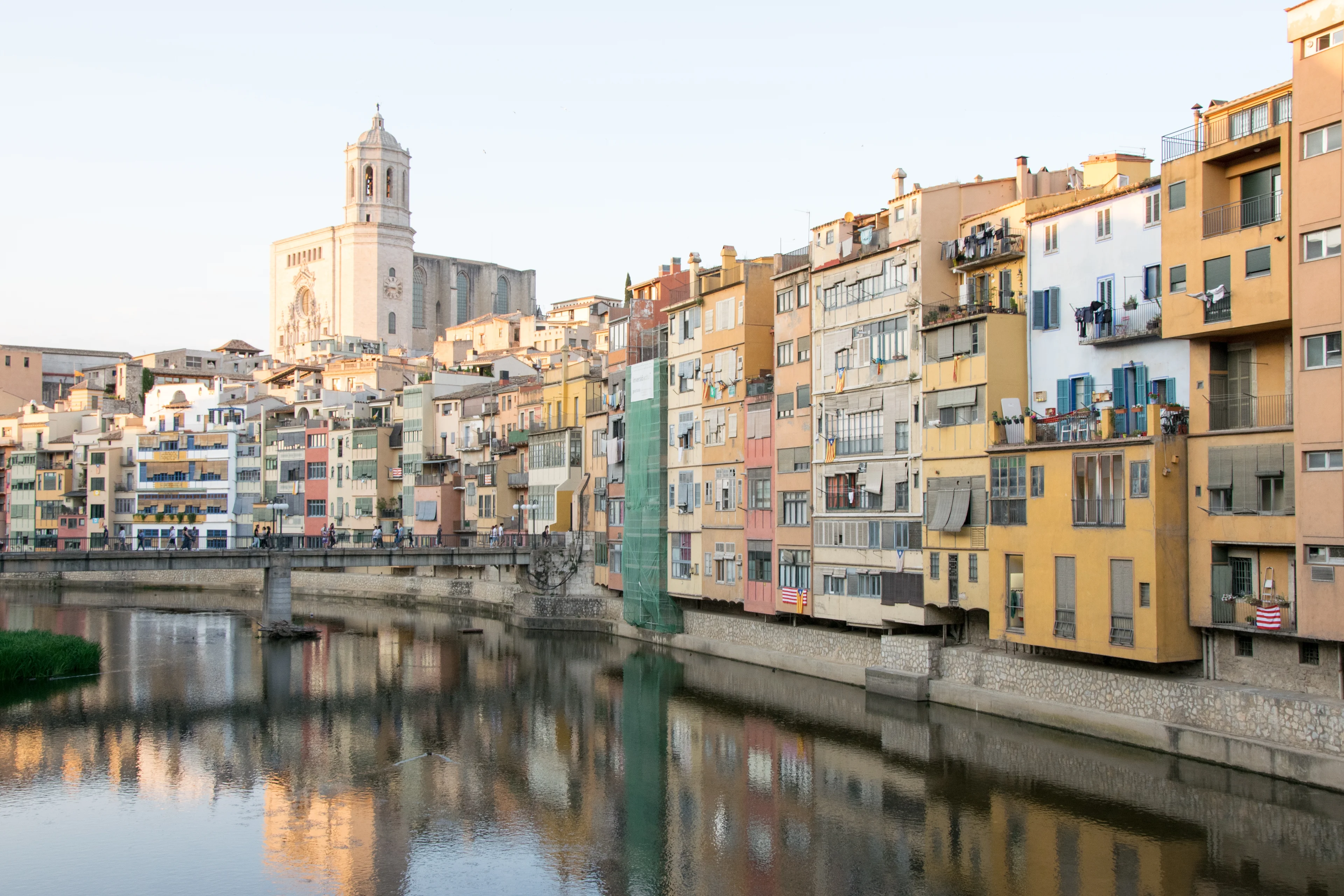
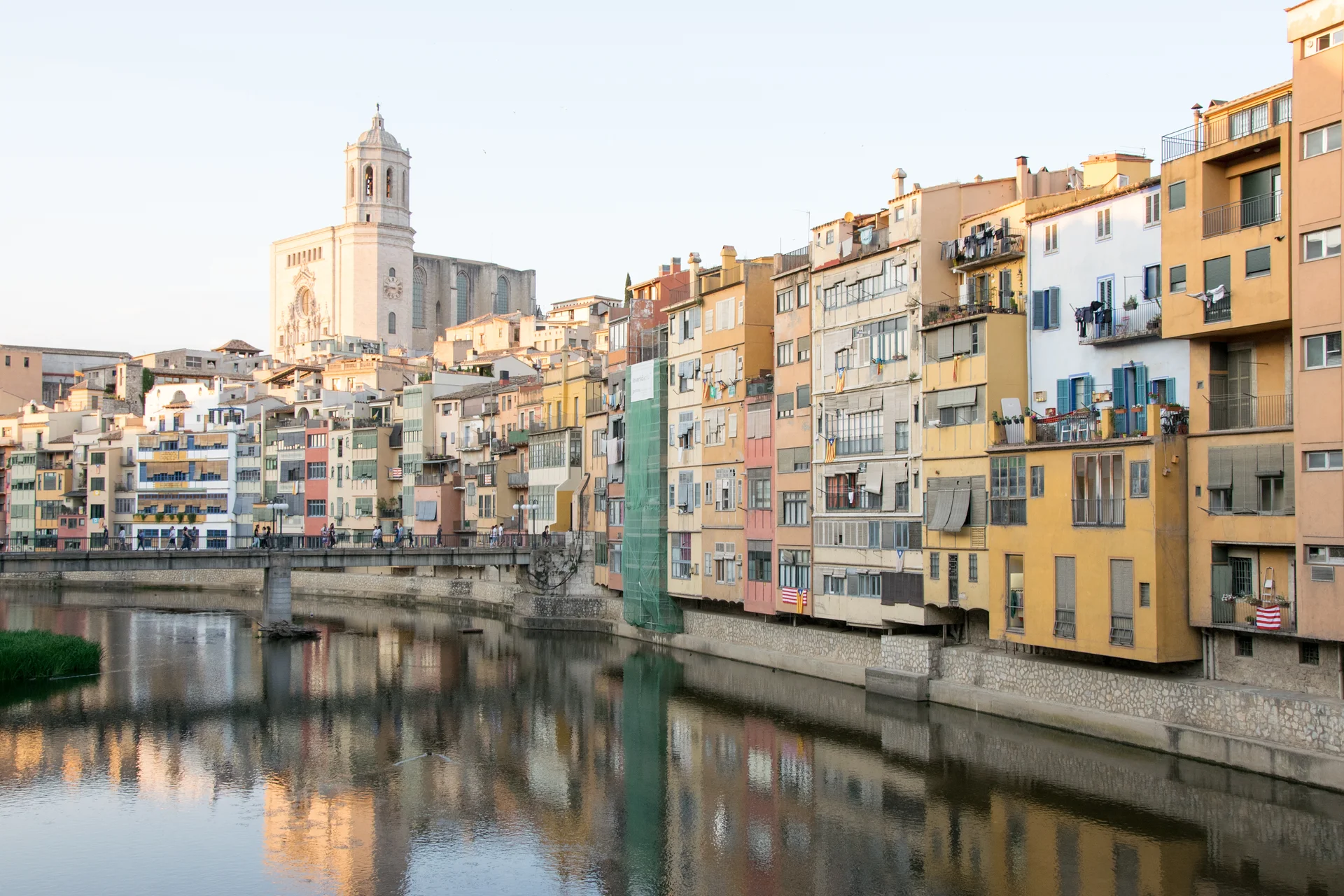
Four rivers cross the city streets, and the Onyar is easily the most iconic. The colorful building facades reflect off the water in a palette of ochre and brick, offering views straight out of an Impressionist painting. Eleven bridges cross the river, but the most surprising one is a vivid red. Its metal design might look familiar: the pont de les Peixateries Velles dates back to 1877 and was designed by Gustave Eiffel.
The Onyar also acts as a natural divide between modern Girona and its historic quarter, the Barri Vell. It retains the layout of the old Roman city of Gerunda, so get ready to climb, descend, turn around, and lose yourself in steep, winding alleys where stone staircases follow one another just as quickly as architectural wonders. The city walls surround the neighborhood and offer the ultimate panoramic walk. They lead you from Paseo Arqueológico to the Jardines de la Muralla, creating a timeless atmosphere. At the center of these fortifications, the cathedral Santa Maria dominates with commanding power. Romanesque in its tower, Baroque in its facade, and Gothic with its 23-meter-wide nave, it is well worth climbing the massive stairway that leads up to its entrance.
Religious architecture here is stunning, so make sure to check out the Sant Domènech convent and its gardens, the Romanesque jewel that is the Sant Pere de Galligants monastery, or even the Arab baths dating back to 1194, which feature Eastern-inspired decor and a layout modeled after Roman thermal baths complete with a central skylight that lets natural daylight in. The heavenly gardens there are lovely. Following Carrer de la Força brings you to El Call Jueu, the old Jewish quarter, a labyrinth of passageways, stone arches, medieval treasures, and small patches of greenery suspended between ancient walls. Fans of the television series Game of Thrones will instantly recognize this right-bank neighborhood as the backdrop for numerous scenes.
A Culture with Character
Girona has no shortage of museums, and the Museum of the History of the City introduces you to the area in an engaging way. Truly unique, the Cinema Museum traces the 500-year evolution of visual media through 30,000 objects, while the former episcopal palace houses the Museum of Art, showcasing remarkable Romanesque and Gothic collections.
Head to the Rambla de la Llibertat to shop while strolling beneath the arcades in this pedestrian-only zone. The boutiques here are creative, artisanal, and focused on local treats. Turrón has its own dedicated shops, and everywhere you look, specialty food stalls highlight regional products like olive oil and anchovies. The restaurants around Plaça Independència are great places to stop and try local specialties like sweet sausage, known as botifarra dolça, or breaded meat-stuffed potatoes. If you need a quick snack on the go, a xuixo, which is a cream-filled pastry, is the perfect choice.
Girona is a city, but you are right on the edge of the Costa Brava, a protected region where nature takes center stage. The Devesa Park is a massive green lung planted with centuries-old plane trees, and it is right here that the local market takes place. You cannot leave without stopping by the square outside the church of Sant Feliu, where the famous statue of the lioness awaits: legend says you have to kiss her backside to ensure you will return to the city!
Getting There
Getting to Girona is straightforward no matter how you travel. Its airport is one of the main ones in the region, offering direct daily flights. Located 11 km from downtown, it is connected by regular shuttle services. The rail network is exceptionally well-connected, with TGV and AVE high-speed trains linking French cities, since you are only 100 km from Perpignan, as well as Spanish destinations. If you are driving, the AP-7 highway provides direct access.
When to Go
From March through November, the transitional Mediterranean climate is ideal. Winters are generally quite mild but tend to be rainy. Summers are warm and sunny, though you should keep an eye out for sudden weather shifts driven by the nearby Pyrenees. In mid-May, Temps de Flors is a lively festival that draws large crowds for 10 days, and the Easter celebrations are another major highlight for the city well beyond the religious observance itself.
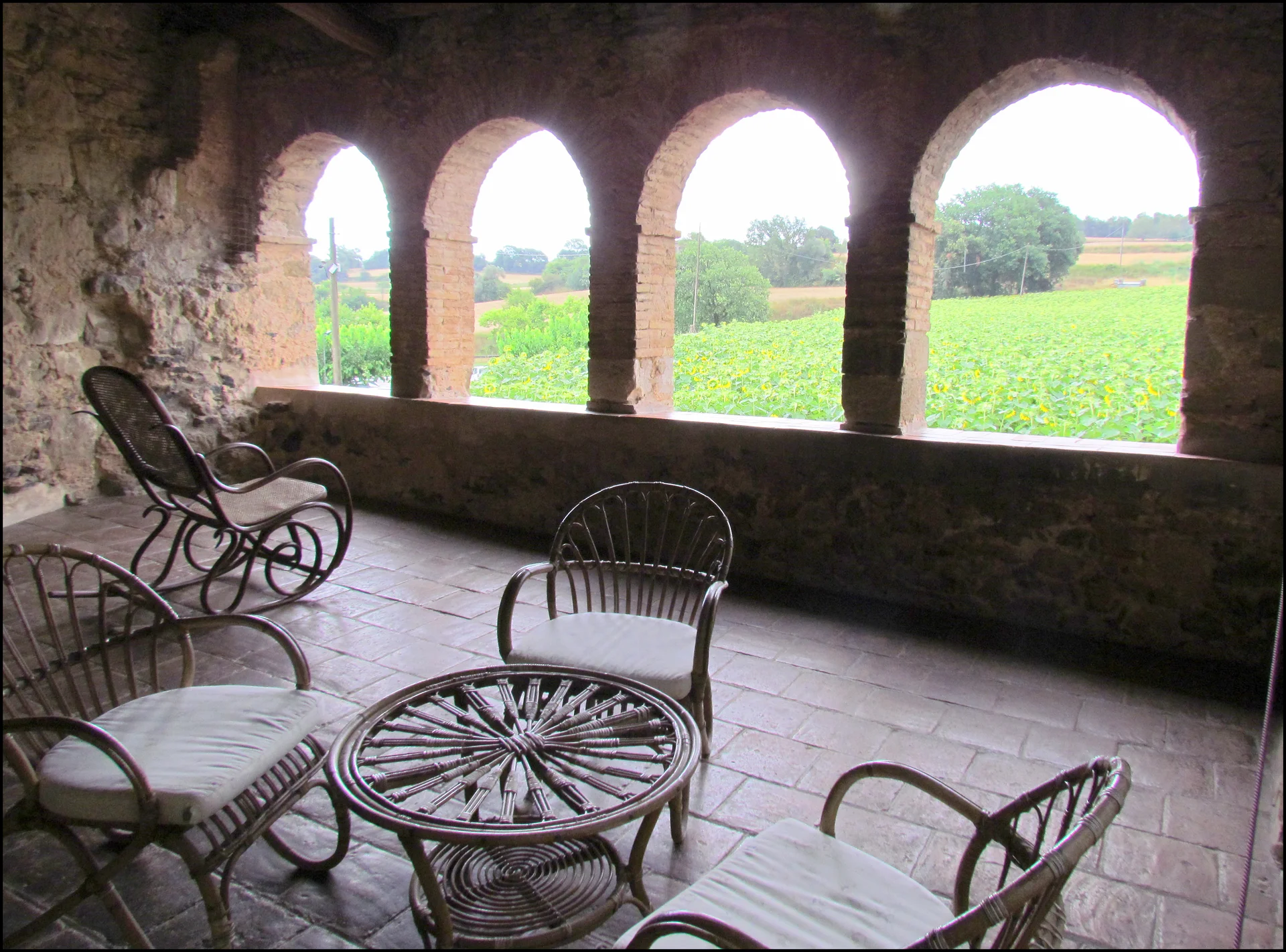
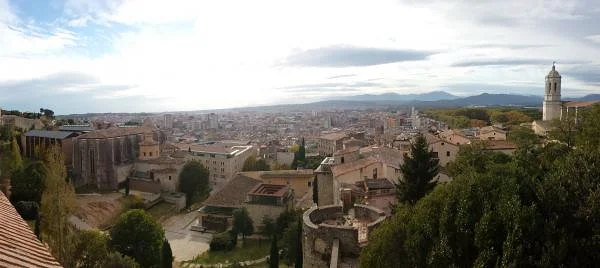
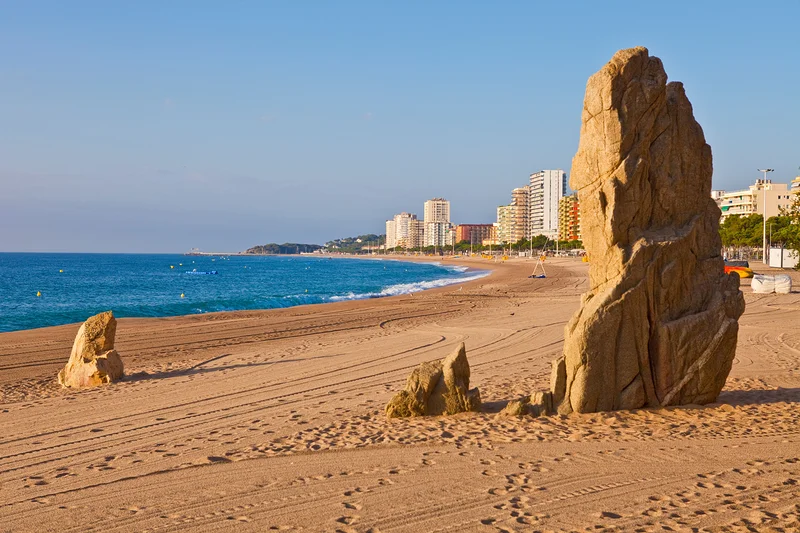
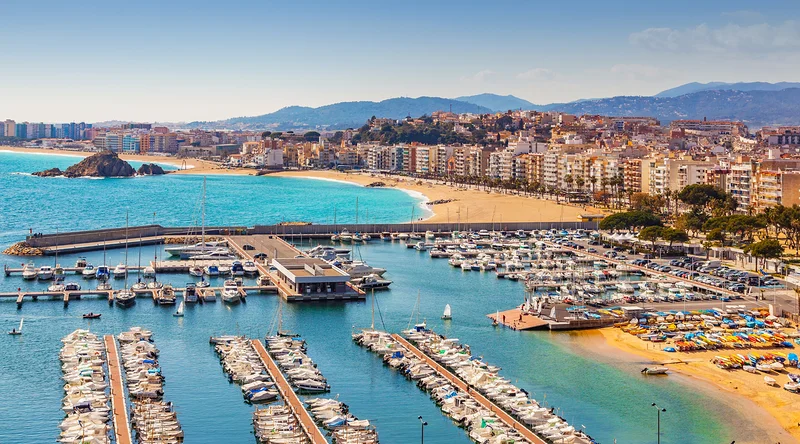
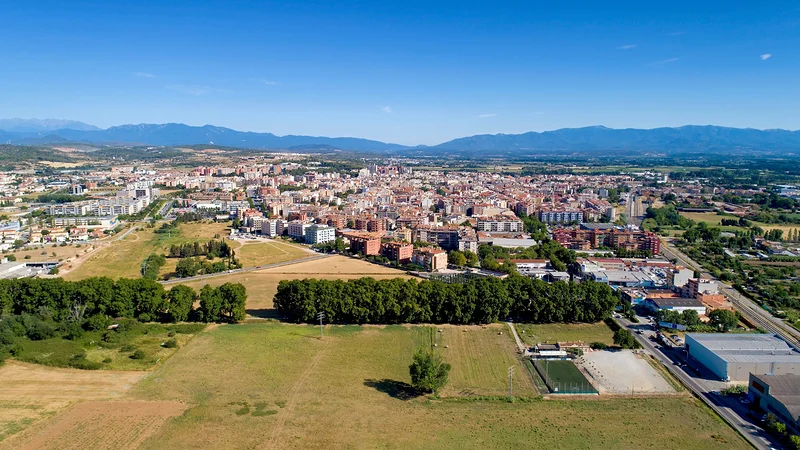
I had never heard any comments about Girona. It was just a stop for us during a trip in the north of Spain. I was very pleasantly surprised. There is a medieval old town that overlooks the river, the cobblestone alleys, the old houses, the ramparts, and the small tapas restaurants have an authentic feel that the many seaside resorts that have popped up on the coast do not have (or no longer have?). Still, the sea is not too far away either.
A must-see