
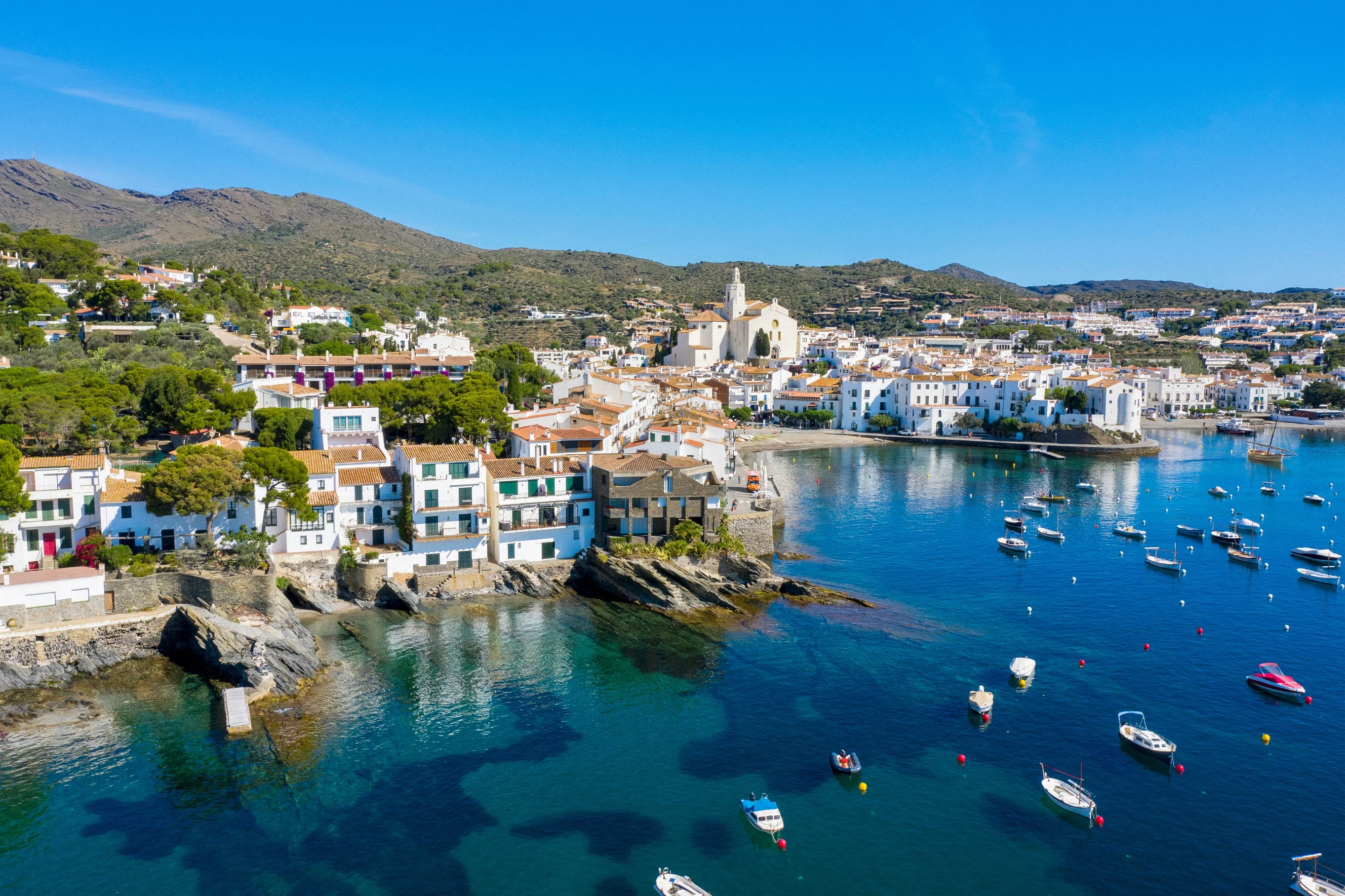
Cadaqués, the white village that captured the surrealists
It is 8:00 AM in Cadaqués. On the Platja Gran, a few fishermen prep their wooden boats while the early morning sun warms the whitewashed facades. A tabby cat stretches out on a windowsill beneath cobalt-blue shutters.
This exact view has barely shifted since Marcel Duchamp came here to play chess or Federico García Lorca wandered its winding alleys. This coastal town of 3,000 residents, tucked between jagged peaks and the Mediterranean, remains an outlier on the Costa Brava. You will not find high-rise concrete hotels or massive commercial resorts here. Its isolated geography kept it largely cut off until the 1960s, when a single winding mountain road finally linked this remote corner to the rest of Catalonia.
Who is this Catalan getaway for?
Cadaqués suits travelers who love art history, hikers looking to tackle the Cap de Creus Natural Park, and couples after a quiet weekend away from crowded commercial stretches. Families enjoy it too, provided everyone is comfortable trading long sandy beaches for pebble coves and rocky shores.
On the flip side, if you want a pulsing nightlife scene, mega-clubs, or traditional resort activities, look elsewhere. Cadaqués offers just a handful of local bars like the legendary Tropical, where a diverse crowd stays out late. Sun-worshippers chasing wide, sandy expanses will also find themselves disappointed because the shoreline here consists of tiny, shared rocky pockets.
A higher price tag than expected
Tourism pressure on this small town pushes lodging rates up. Expect to pay between $102 and $210* a night for a decent hotel in peak season, and roughly $17 to $29* for a simple casual lunch. Entry fees to spots like the Casa-Museu Dalí run around $16* per person, and advance booking is mandatory.
Dalí's legacy and the artistic pulse
You cannot talk about Cadaqués without mentioning Salvador Dalí. The surrealist painter turned his waterfront home in Portlligat, a 20-minute walk from the center, into a surreal maze of artwork and oddities. For more than forty years, he reshaped this space as a living extension of his mind, featuring a stuffed polar bear, odd oval sitting rooms, and sweeping views over the bay that fueled his imagination. The Salvador Dalí House-Museum requires advance tickets, and time slots sell out fast all summer long.
To dive deeper into the local art scene, the Museo de Cadaqués right in town showcases photographs of Dalí alongside works by other creatives drawn to the region, including Antoni Pitxot and Richard Hamilton. More recently, ExpoDaliCadaques added a three-story graphic arts gallery near the Santa Maria Church featuring 300 pieces.
Friendly tip: Book your slot at the Casa-Museu at least two weeks ahead during peak season. Groups cap out at eight people, and the schedule fills up quickly.
Wild coves and coastal trails
The Cap de Creus stands out as the premier outdoor trip from Cadaqués. This rugged natural park features an 8-kilometer coastal path leading to the lighthouse, winding past wind-sculpted rock formations and emerald coves. These very geological formations inspired some of Dalí's most famous canvases. The hike takes about 2.5 hours each way over moderate terrain that offers zero shade from the sun.
For an easier trek, the trail to the Cala Nans lighthouse hugs the southern coast in the opposite direction. Give yourself about an hour to enjoy the sweeping views over the village and the Sa Conca and Es Sortell coves, both great spots for a snorkeling break.
When it comes to swimming, the Platja del Ros offers classic postcard turquoise waters with easy access. If you want more privacy, follow the coastal path toward the island of S'Arenella for a two-hour walk rewarded by dramatic views and quiet swimming spots even in mid-summer.
Friendly tip: In summer, the road to Cap de Creus closes to private cars from 9:30 AM to 9:30 PM. Shuttle buses run the route, but hiking out early in the morning lets you beat both the crowds and the midday heat.
Wandering the old town
The historic core of Cadaqués begs to be explored without a map. Paved lanes climb steeply toward the Santa Maria Church, whose elevated square overlooks the entire bay. Inside, a 23-meter-high baroque altarpiece surprises visitors with its sheer scale inside such a modest village. Look closely to spot two wooden atlantes dressed as fishermen holding up the framework.
The Casco Antiguo neighborhood is packed with art galleries echoing the days when Picasso and Duchamp hung out at waterfront cafes. The Galeria Cadaqués Huc Malla has displayed avant-garde art since the 1970s, while the Galeria Blanco Mora features historical photographs of those who worked alongside Dalí.
For the most photographed panorama in town, walk up to Pujada des Pianc. This quiet side street just off the main waterfront frames the classic view of white houses tumbling down toward the sea beneath cascading purple bougainvillea.
Where to eat and drink in Cadaqués
Local dining focuses heavily on the sea. Garotes, fresh sea urchins cracked open with scissors and eaten straight with a piece of bread, are a regional specialty best tried between November and March. Traditional fisherman's fish stew known as suquet and black rice flavored with squid ink appear on nearly every menu.
Casa Anita, a 50-year-old institution, offers a menu-free dining experience where you eat whatever the kitchen prepared that day amid a loud, lively communal atmosphere. For a modern take, Compartir is run by three alumni of the legendary restaurant El Bulli, serving creative tapas meant for sharing. Mentioned by the Michelin guide, reservations here are essential.
Es Baluard pairs unbeatable village views with expertly prepared seafood, including mixed paella and spider crab. For a casual and budget-friendly meal, Celeste serves Italian pasta dishes in a quiet alley away from the tourist rush for $12-$14* a plate.
How to get to and around Cadaqués
Driving from France, Cadaqués is about 1 hour and 40 minutes south of Perpignan via the A9 highway followed by the N260. The final 15-kilometer stretch of tight mountain switchbacks deters large tour buses but rewards drivers with dramatic coastal drop-offs. From Girona, the drive takes about 1 hour and 15 minutes.
If you prefer public transit, Moventis runs daily buses from Figueres in 1 hour and from Barcelona in 3.5 hours. Girona-Costa Brava Airport is the closest major hub at 70 kilometers away, while Perpignan-Rivesaltes Airport serves as another option coming from the north.
Once you arrive, you can cover the entire village on foot. To explore the surrounding coves and Cap de Creus, a car works best during the off-season. In summer, local shuttle buses replace personal vehicles on the cape road. Free public lots sit between Cadaqués and Portlligat, but they fill up early in the morning.
When to go?
May, June, and September hit the sweet spot with comfortable swimming temperatures, blooming scenery, and manageable crowds. July and August bring heavy waves of French and Spanish vacationers, peak hotel rates, and crowded coves by 10:00 AM. Winters stay mild, though some museums close down and many local restaurants take extended seasonal breaks.
On the events calendar, the International Music Festival highlights the summer season, while the local Fiesta Mayor in August showcases Catalan folklore. On January 20th, the Fiesta de San Sebastián brings residents together for a deeply rooted traditional neighborhood celebration.
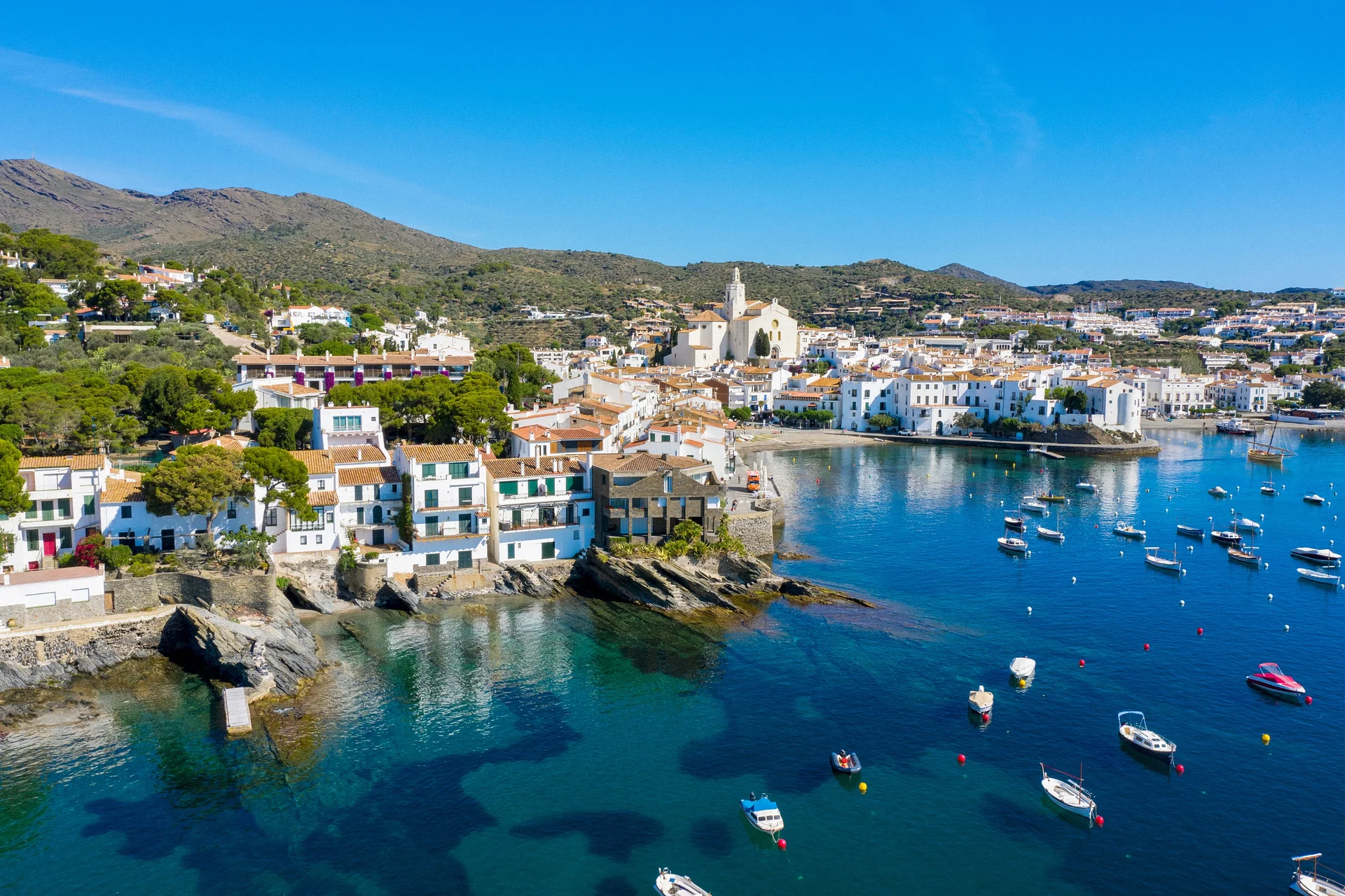
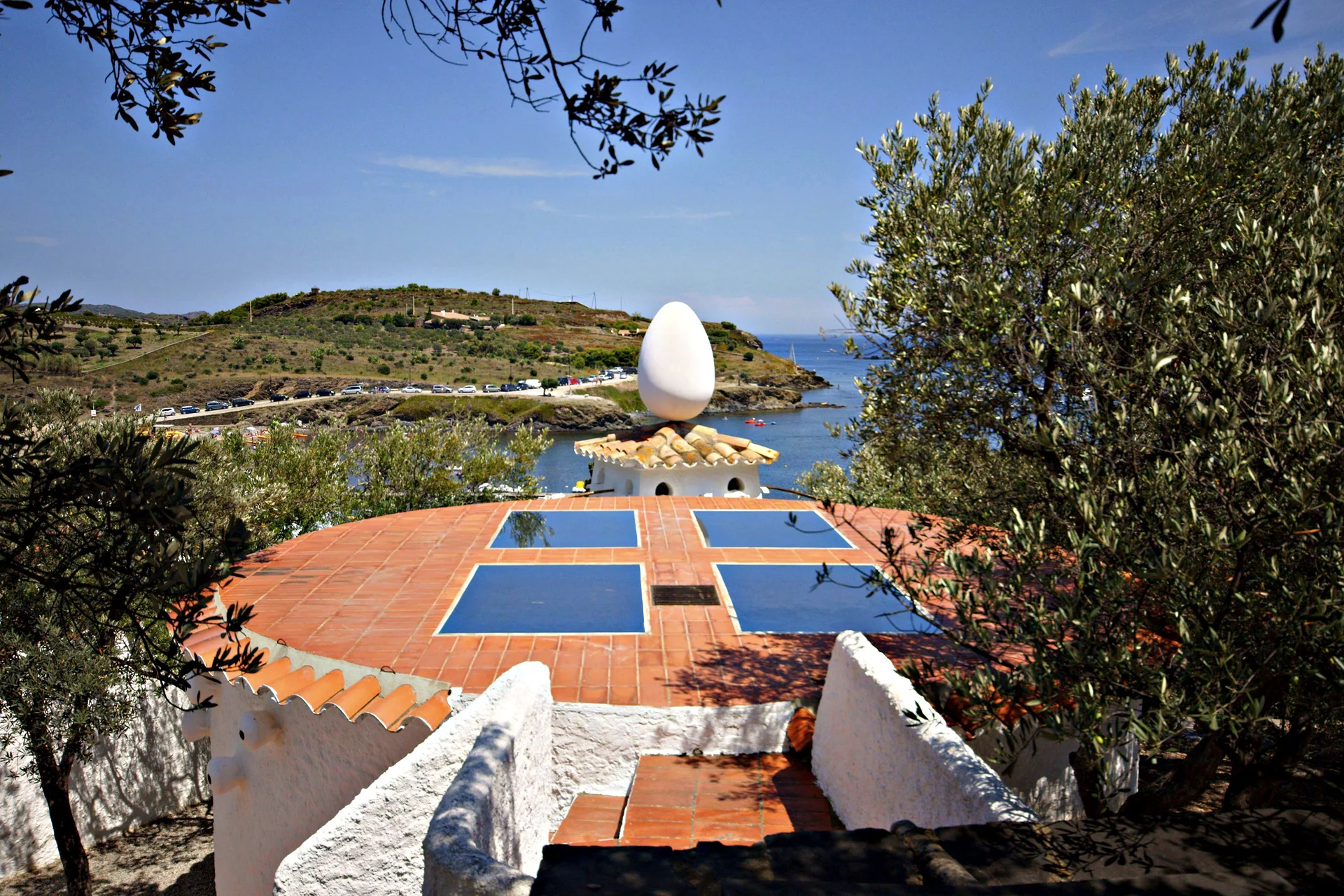
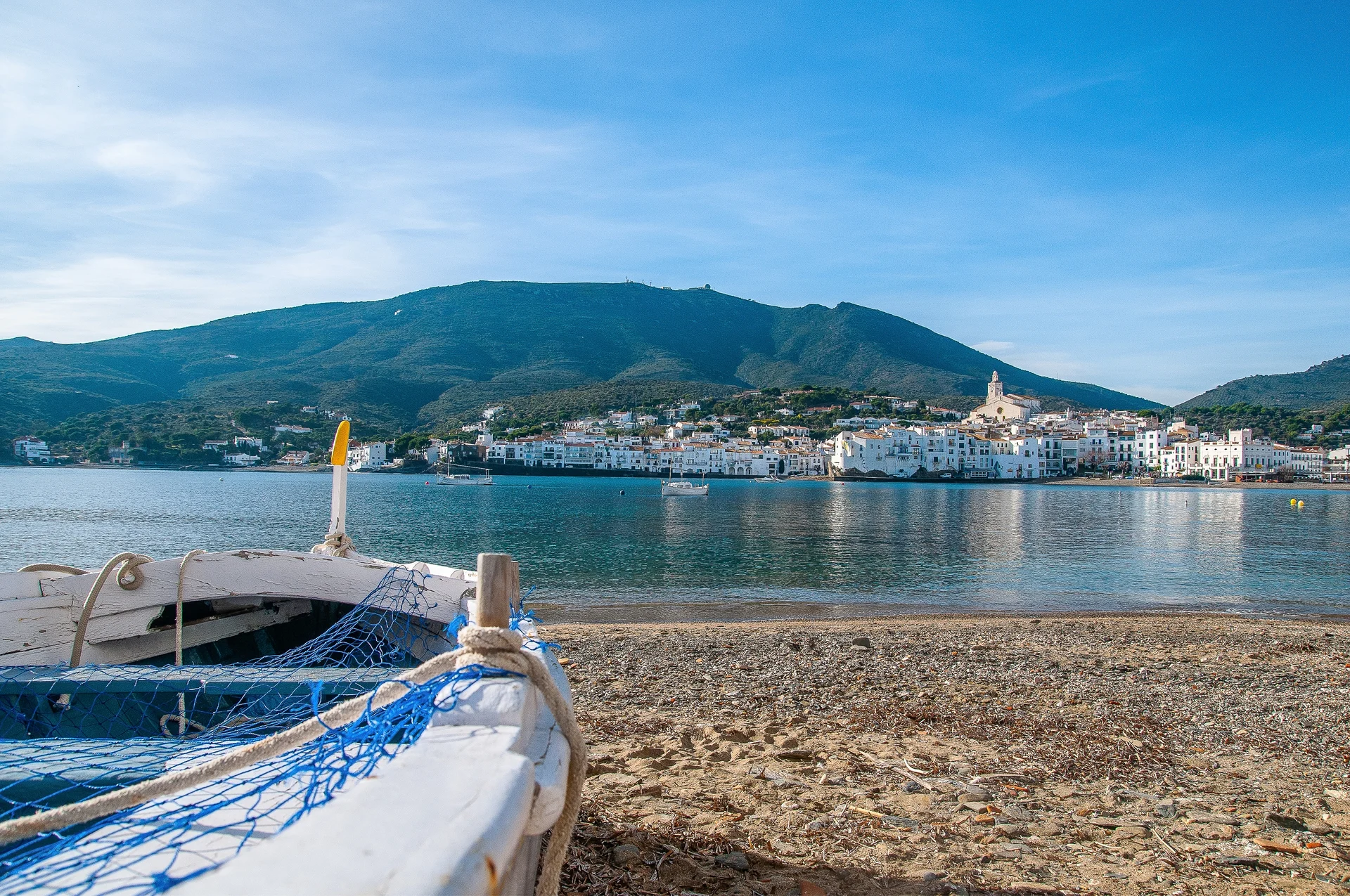
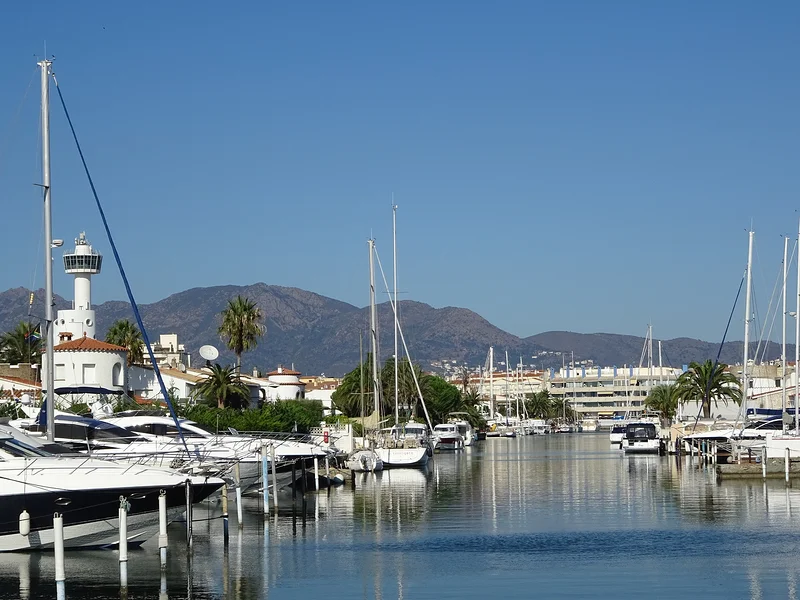
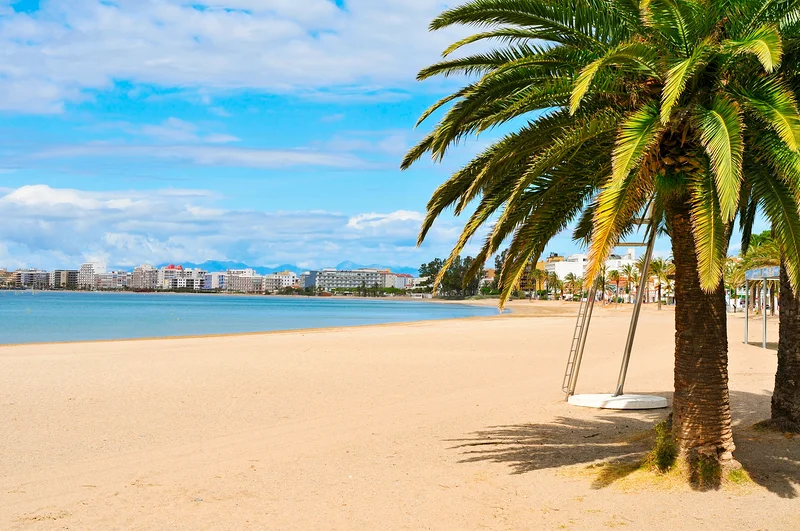
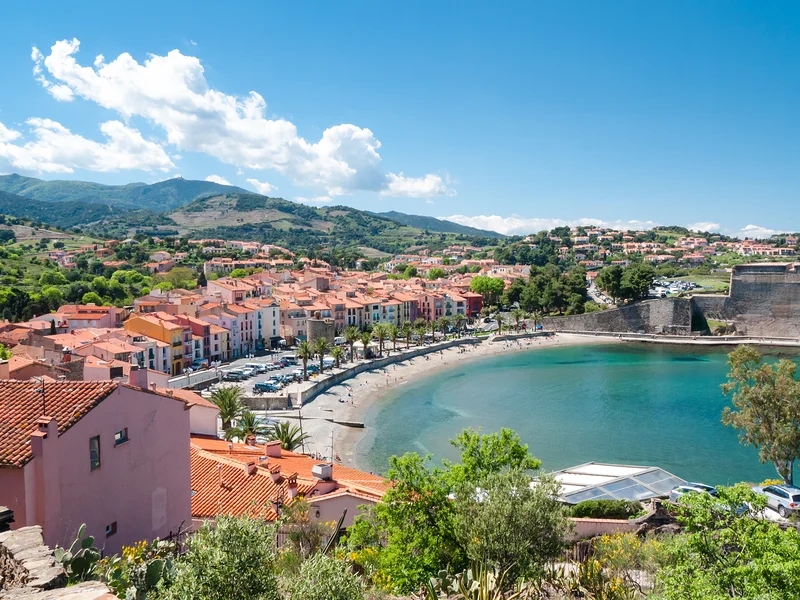
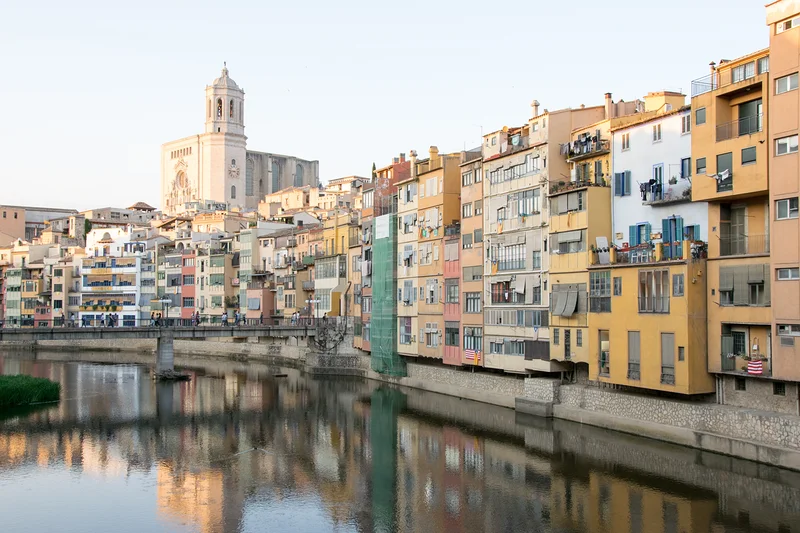
Cadaqués is a real gem on the Catalan coast. Its white narrow streets and turquoise coves make it a place that feels frozen in time. You can still feel the soul of Dalí floating in the air, especially when visiting his house in Portlligat. At the port of Cadaqués, with its small colorful boats, you can watch the fishermen at work and sailboats gliding on the water. The sunset there is magical, with golden reflections on the sea.