
Visiting Roses, the bay of transformations
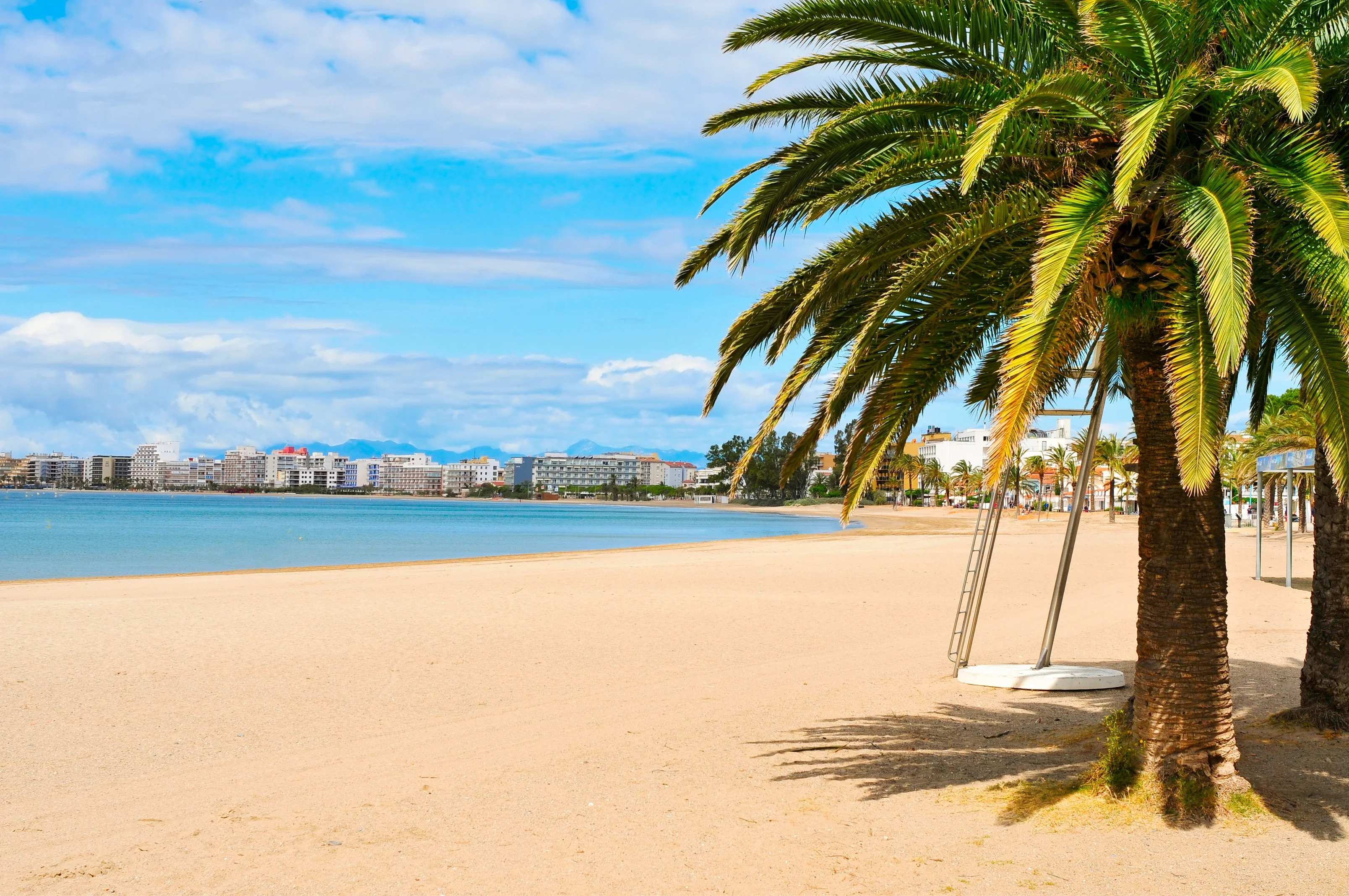
Have you ever felt a bay wake up? In Roses, before the beach towels take over, there is that suspended moment when the light brushes a near perfect curve of sand, sheltered by the first foothills of the Pyrenees. It is there, in that morning stillness, that the town reveals its first secret: its unique geography, a natural amphitheater open to the sea that has seen Greeks, Romans, and privateers pass through.
The chameleon destination of the Costa Brava
Roses is a destination that adapts to many different travel styles, which is both its strength and its weakness. It is ideal for families looking for simplicity: a massive, gently sloping fine-sand beach, shallow waters, kids' clubs, and every convenience within reach. History buffs and hikers will also find an exceptional playground here, with dense heritage and a spectacular natural park right on its doorstep.
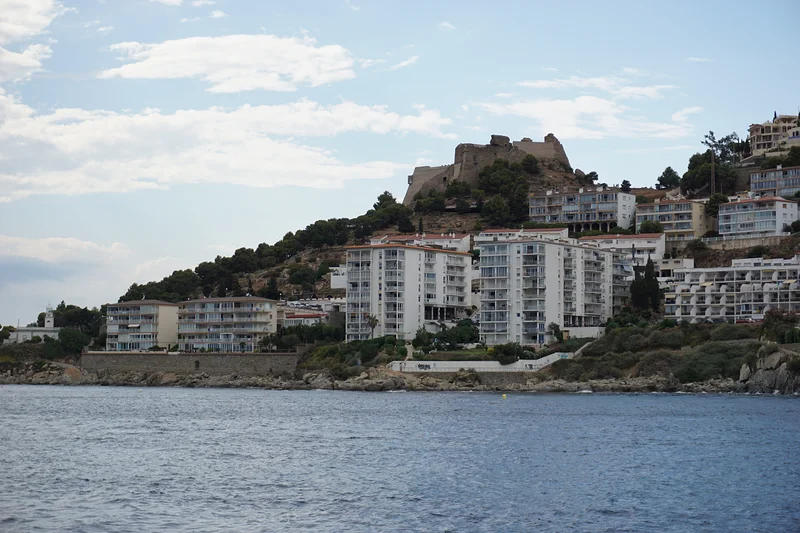
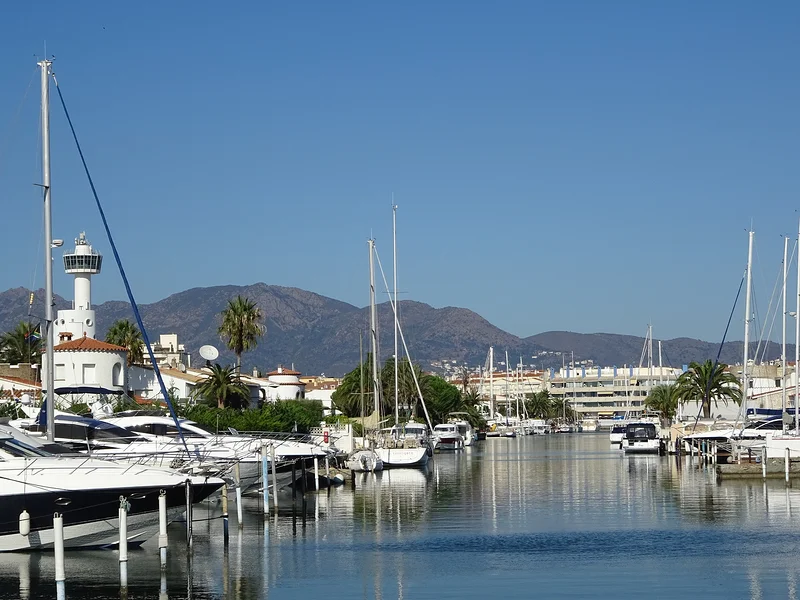
However, if you are looking for a small fishing village with vintage charm and a bohemian vibe, you might be put off by the heavily developed, concrete-heavy facade of the resort, particularly the Santa Margarida neighborhood and its marinas. In the summer, the crowds are out in force and the atmosphere is that of a large European seaside resort.
To really appreciate the region, a car is almost essential to escape the bay and explore the hidden treasures nearby.
Golden beaches and secret coves: the coastal spectrum
The bay of Roses unfolds a carpet of golden sand for miles. The Platja Nova or the Platja de Santa Margarida are perfect for a day of guilt-free lounging. Facilities are plentiful, access is easy, and there is no shortage of space, even in peak season. This is the accessible, family-friendly face of the resort.
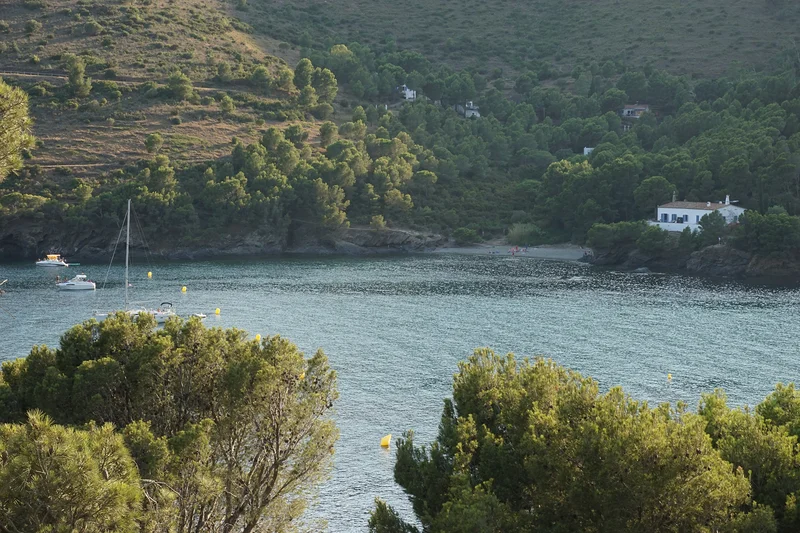
But the real magic happens when you take the coastal road heading east. Past the port, the landscape transforms. The beaches of Canyelles Petites and Almadrava already offer a more polished setting. Farther still, heading toward Cap de Creus, you discover coves like Cala Montjoi or Cala Jóncols, gems with crystalline waters tucked into a wild, rocky landscape. The effort to reach them is the guarantee of greater tranquility.
Friendly tip: For the coves, leave early in the morning. Parking is very limited and the narrow road leading there can get backed up quickly. Another option is to rent a small boat at the port for the day and explore the coastline from the water, dropping anchor wherever you like.
A trip through time, with your feet in the sand
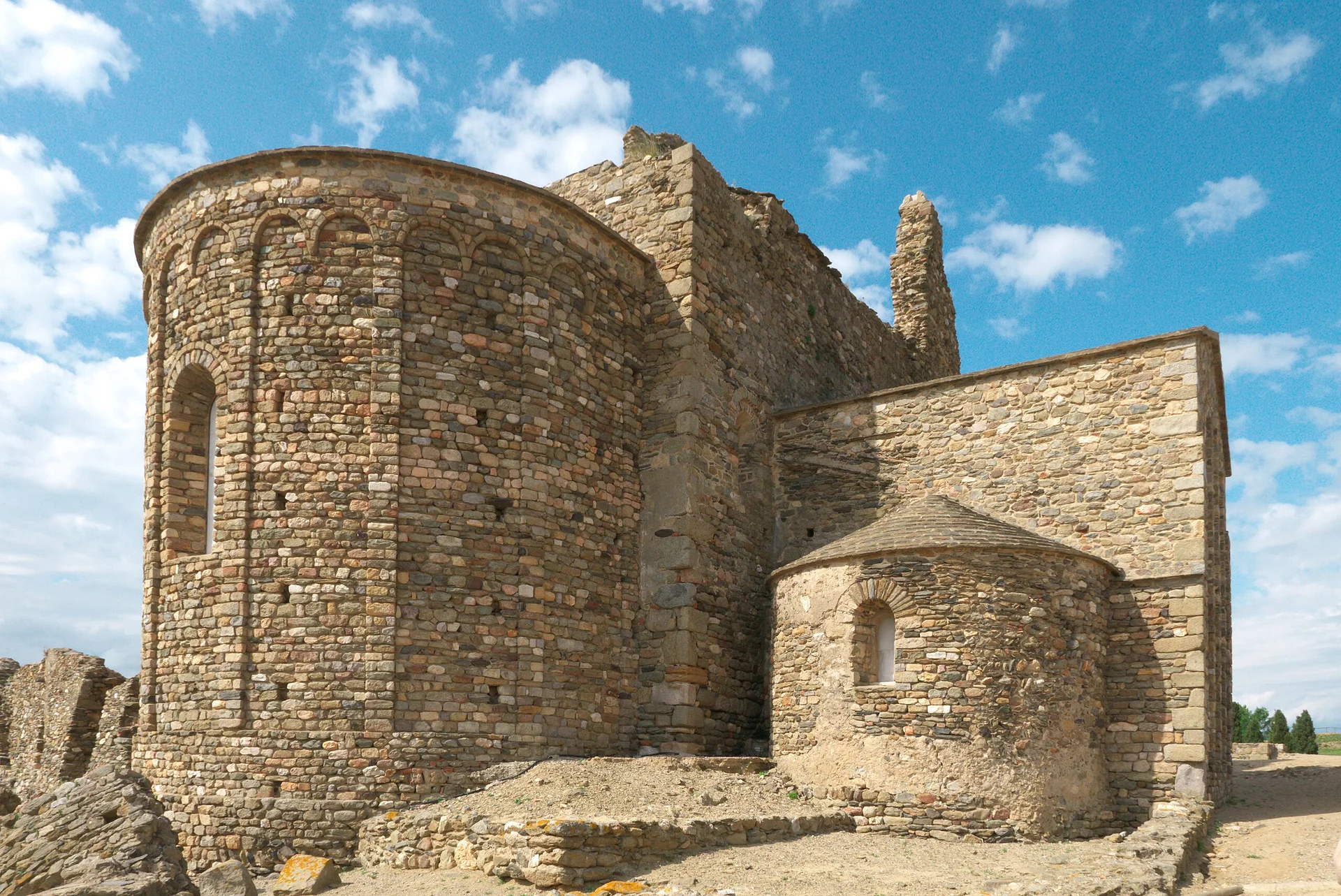
The most iconic monument in town is undoubtedly the Citadel of Roses. This massive star-shaped fortification is more than just a castle. By crossing its walls, you are essentially walking through 25 centuries of history. Inside, the remains of the Greek colony of Rhode, a Roman villa, a medieval monastery, and later military constructions coexist. It is a condensed summary of the site's strategic importance throughout the ages.
For an unobstructed view of the bay, climb up to the Castrum Visigòtic. This site, perched on the hill of Puig Rom, offers a panoramic view that hits just right, especially at the end of the day. The ruins of this 7th-century fortification add a touch of mystery to this natural lookout point.
Friendly tip: Visit the Citadel in the late afternoon. The golden light on the old stones is beautiful, the heat is less crushing, and there are often fewer people. You can then continue with the hike up to the Castrum Visigòtic for the sunset.
Venturing into the wild lands of Cap de Creus
Roses is the ideal starting point to explore the Parc Natural del Cap de Creus. This park is a mineral peninsula, an almost lunar landscape sculpted by the Tramontane, the powerful wind that sweeps through the region. Hiking trails, like the famous GR-92, snake between strange rock formations and fragrant scrubland, offering plunging views over deep blue water.
By car or on foot, head out to the Cap de Creus lighthouse, the easternmost point of the Iberian Peninsula. The feeling of being at the end of the world is exhilarating. For a different experience, the Parc Natural dels Aiguamolls de l'Empordà, located south of the bay, offers a landscape of marshes and lagoons, a paradise for birdwatchers who come to observe storks, pink flamingos, and hundreds of other bird species.
Friendly tip: Before any hike in the Cap de Creus, check the wind forecast. The Tramontane can blow very hard and make progress difficult. Always take more water than you think you need, as shade is rare.
Where to eat and drink in Roses?
Local gastronomy is logically focused on the sea. The dish you cannot miss is suquet de peix, a rustic and flavorful fish stew that was once a fisherman's meal. Fresh fish arrives every day at the fish market (la Llotja) at the fishing port. Pair your meal with a regional wine; the DO Empordà appellation produces crisp whites and powerful reds that pair perfectly with local cuisine.
Where to stay in and around Roses?
For a comfortable stay with direct access to the beach and activities, the Santa Margarida neighborhood is the place to be, with its large hotels and vacation rentals. If you prefer a bit more authenticity, look for accommodation in the city center, near the port, to be in the heart of the action. For more quiet and spectacular views, villas and apartments on the heights of Puig Rom are an excellent option.
How to get to and around Roses?
The closest airports are Girona-Costa Brava and Perpignan-Rivesaltes in France, both about an hour's drive away. The Figueres-Vilafant high-speed train station is only 18 km (about 11 miles) away.
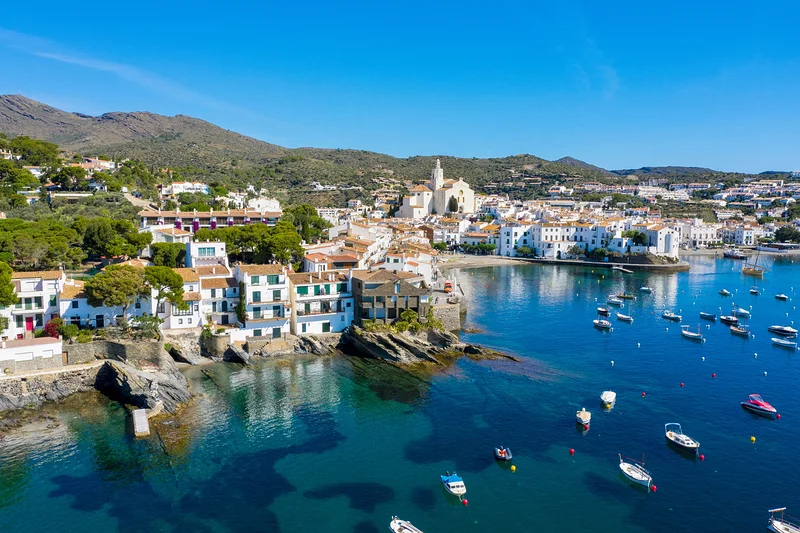
To freely explore the coves, inland villages, and Cap de Creus, having a car is highly recommended. In summer, water shuttles also connect Roses to Cadaqués, offering a nice alternative to the winding road.
When to visit Roses?
The months of May, June, and September offer the best compromise with sunny weather, pleasant water, and reasonable crowds. July and August are very lively and hot, perfect for those who like the atmosphere of big seaside resorts. Keep an eye out for the Tramontane, that powerful wind that can blow in any season, cooling the air but potentially making the water rough.
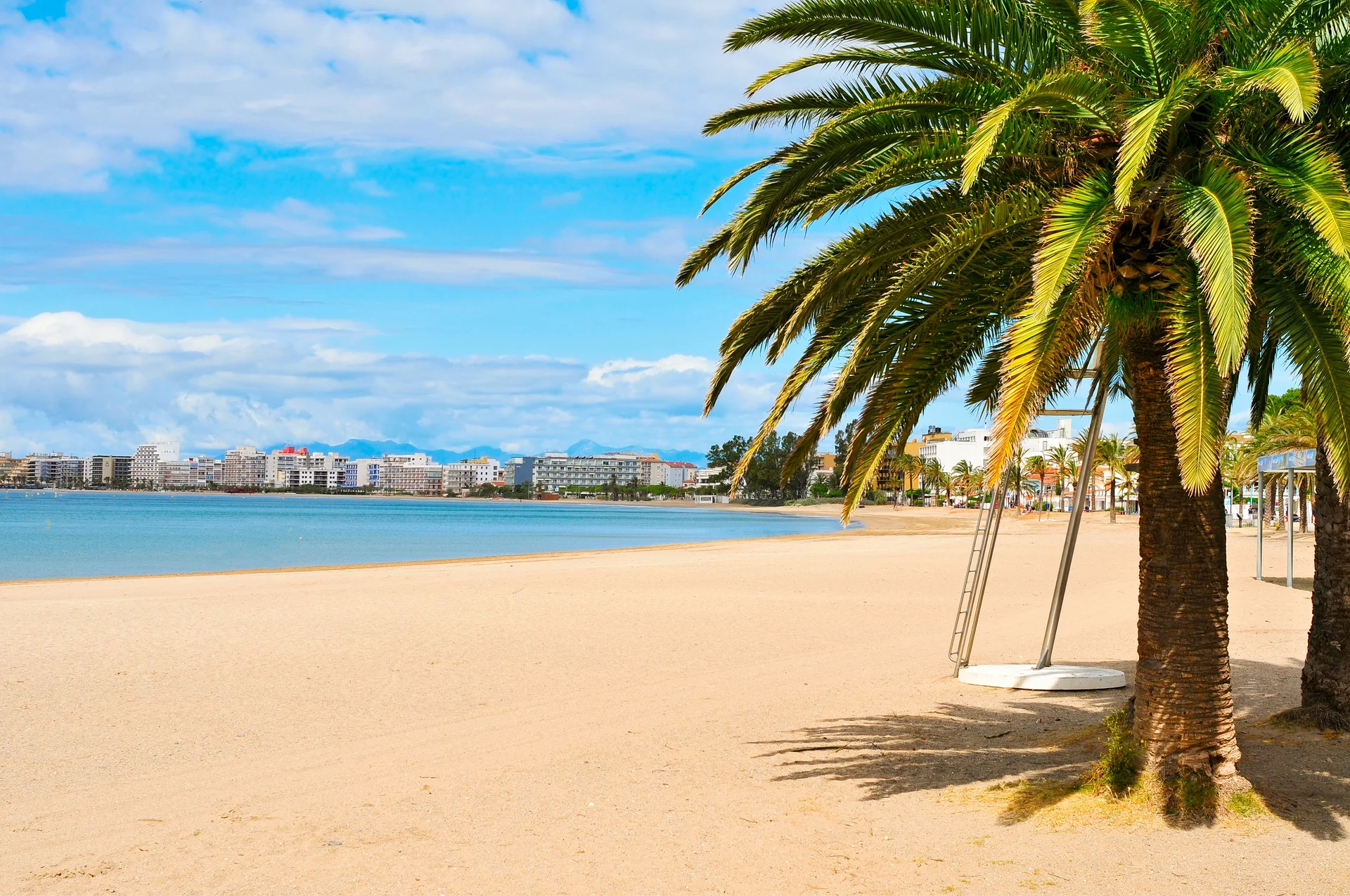
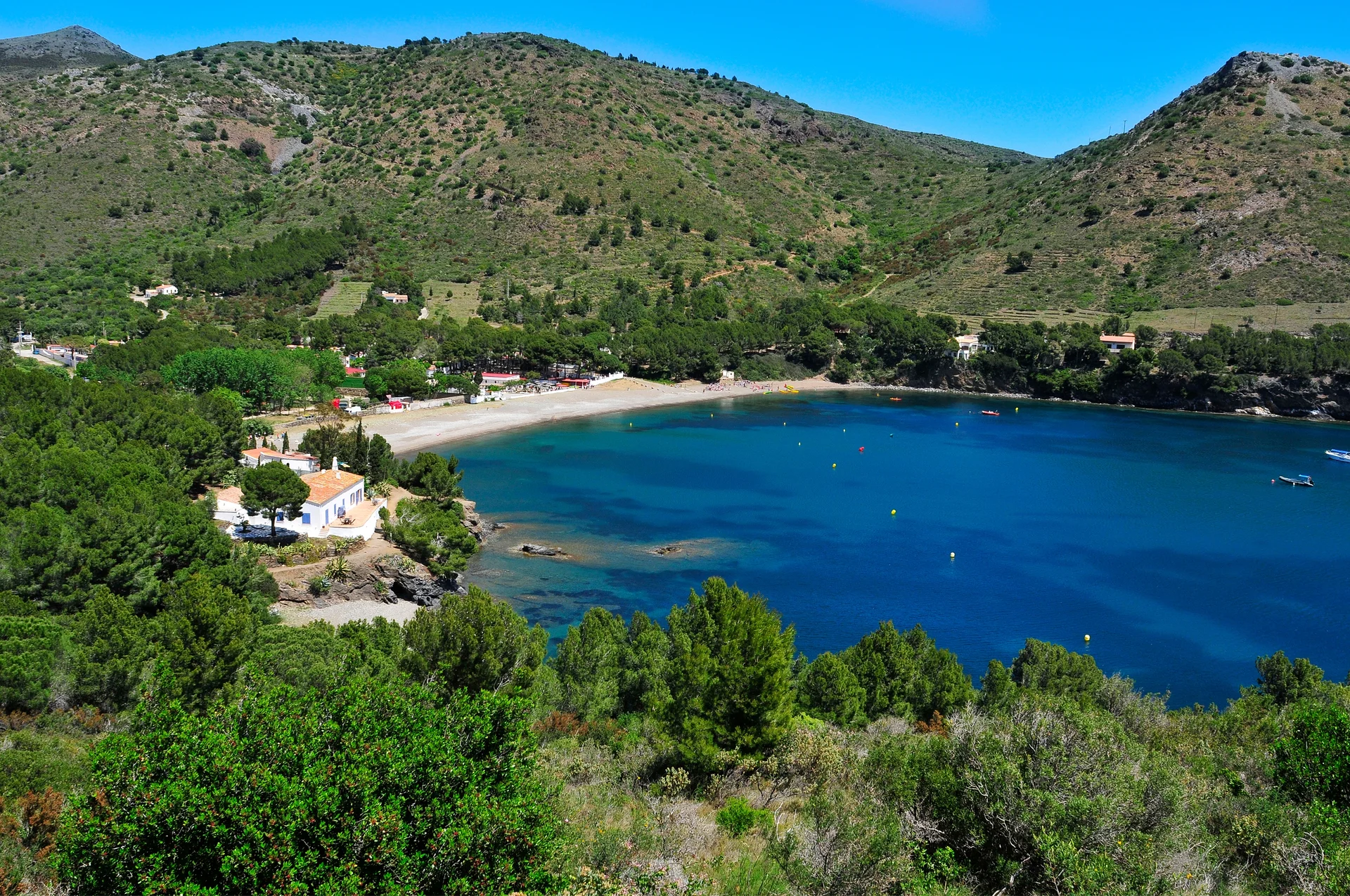
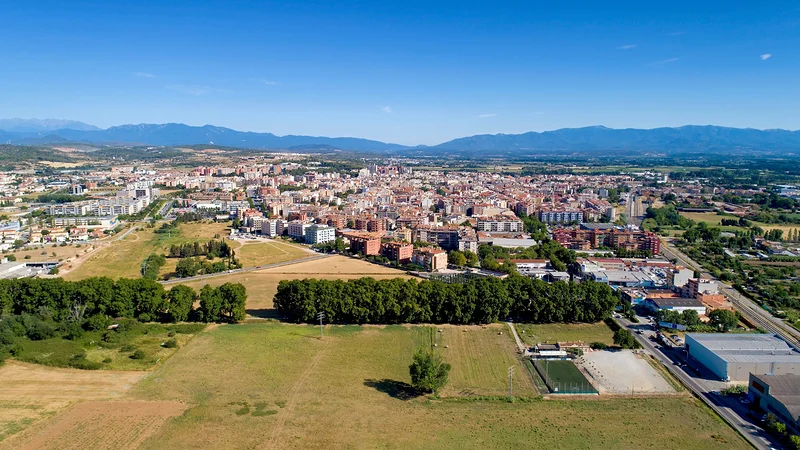
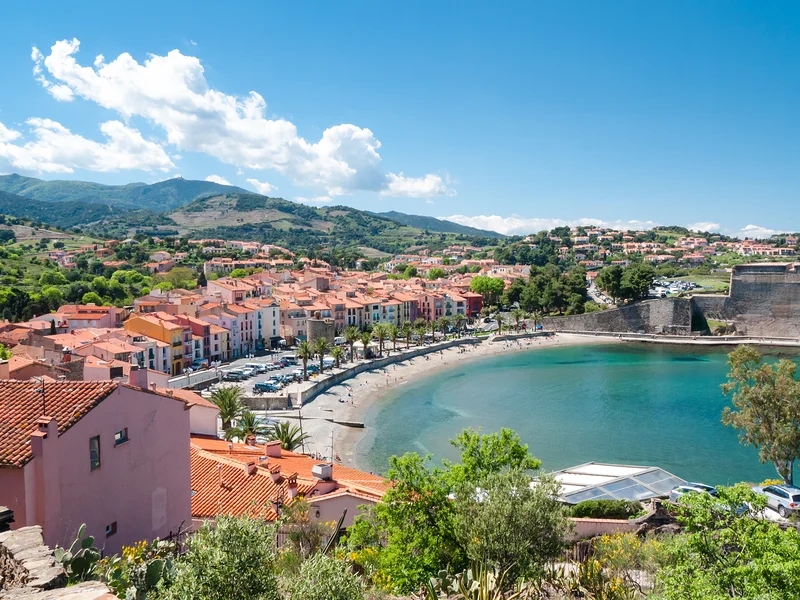
The city center is pretty classic for a Costa Brava seaside resort: a road that runs along the beaches, a pier where boat excursions depart, shops, bars, restaurants... When you head north, the town gains some elevation, which makes for pretty views over the bay. Still following the coast to the north, cliffs dominate the scenery, sheltering a few inlets and small coves. Though they are harder to reach, the setting is prettier and more natural.
In my case, I stayed at Cala Monjoi, a large cove located a 20 minute drive from the center of Roses. A very beautiful environment, and for good reason, as it is part of the Cap de Creus Natural Park.