Visiting the Balearic Islands
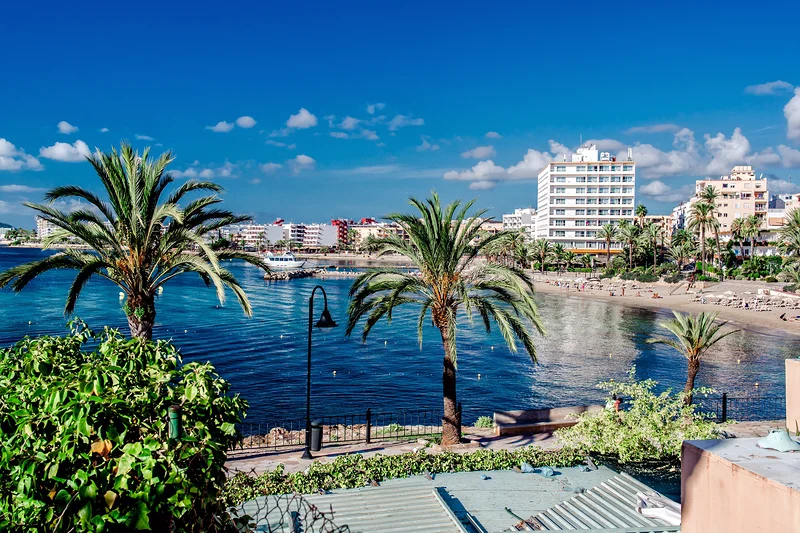
The Balearics are not an archipelago so much as four islands that resent the comparison. Ibiza drags a reputation built on a single night, when its walled old town is a World Heritage site and the Phoenicians settled here nearly three thousand years ago.
Mallorca is ten times larger, with a mountain range down its whole north-west flank. Palma plays the part of the real city there, and Sóller that of the orange-grove village wedged between the peaks and the sea.
You will love it if
- You want archaeology and coves in the same day
- You come in May, June or October, when the sea is warm and the roads empty
- Walking in mountains above the sea appeals to you
Look elsewhere if
- You want two islands in a week: the boat takes three hours
- You come in August: prices double and the coves fill before nine
- You come to Ibiza in January: half the island is shut
The must-sees
The highlights
-
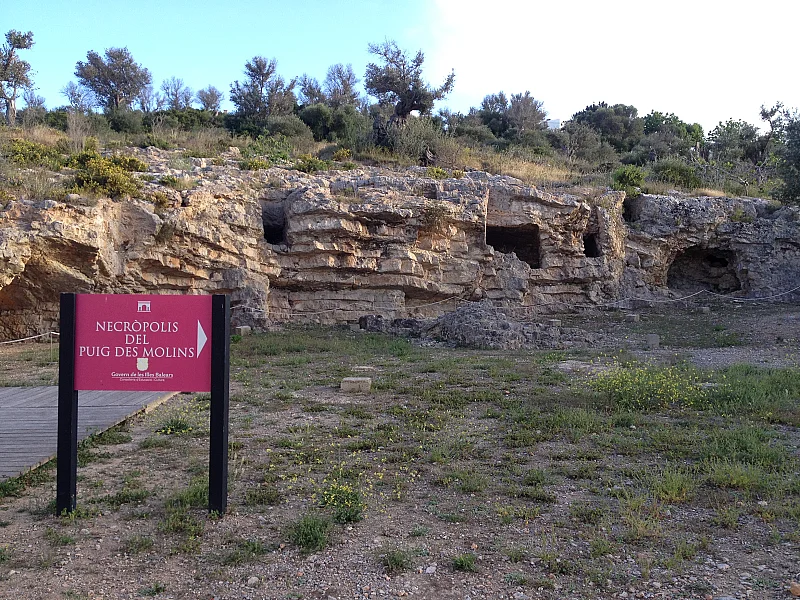
1 The Puig des Molins Punic necropolis +8 recs
More than three thousand tombs cut into the rock under a hill, ten minutes from the old town: the largest Punic necropolis in the Mediterranean. Phoenicians and then Carthaginians buried their dead here for close to a thousand years.
-
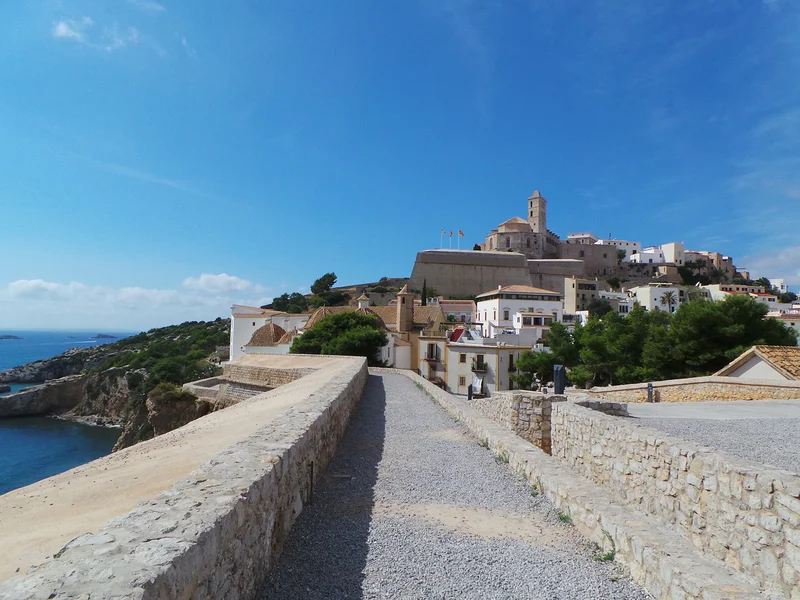
2 Ibiza Castle +10 recs
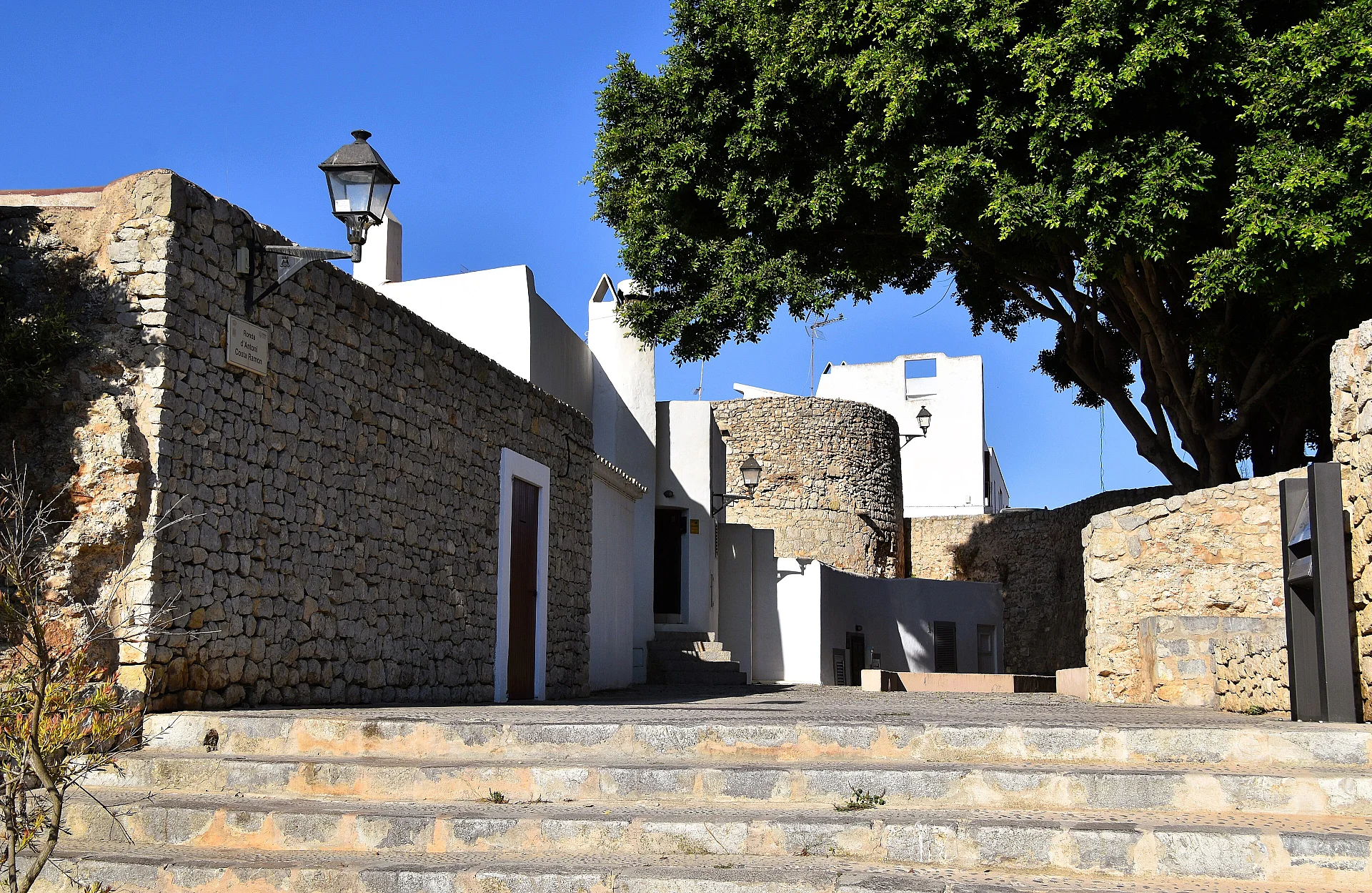
At the top of Dalt Vila, the walled citadel above the harbour. You climb through ramps and tunnels cut into the sixteenth-century ramparts, and within ten minutes you understand that this island was a stronghold first.
-
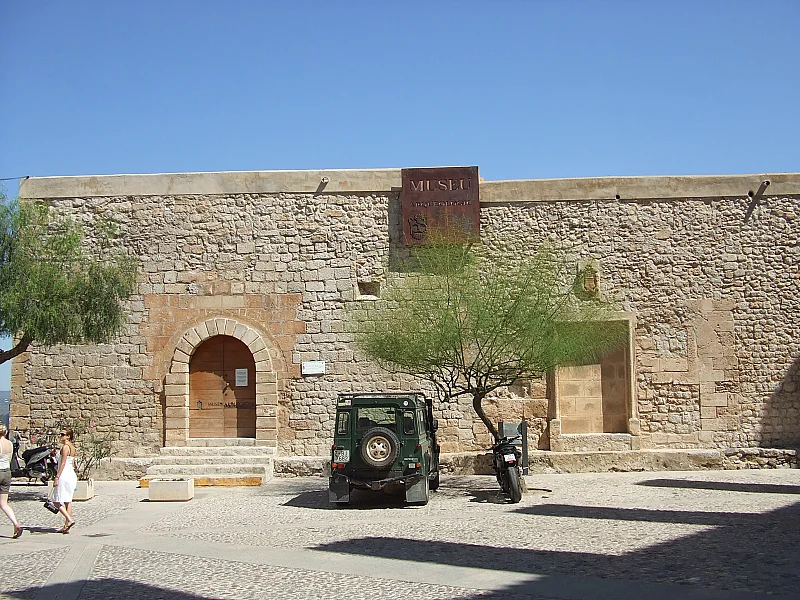
3 The Archaeological Museum of Ibiza +8 recs
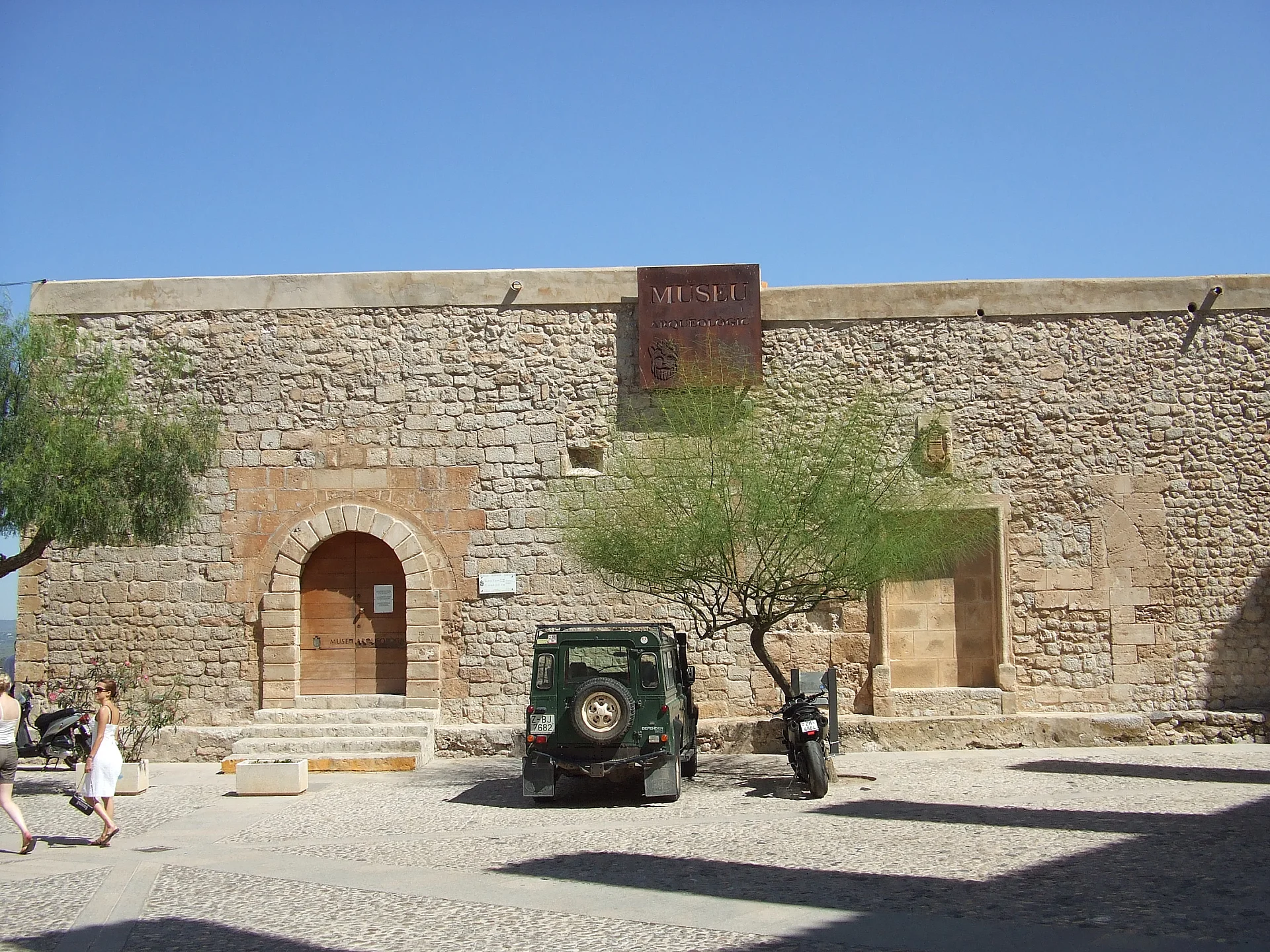
Behind the walls of Dalt Vila, one of the richest collections in the Balearics: busts of Tanit, amphorae, Punic jewellery pulled out of the hill next door. Small, dense, and the key to everything else.
-
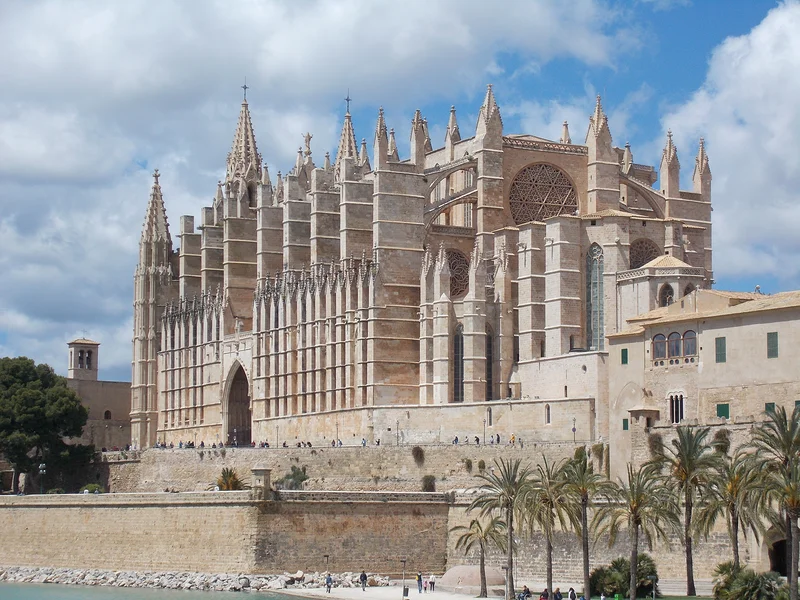
4 The Cathedral of Santa Maria of Palma +7 recs
The largest religious building on the island, set facing the sea, with a rose window thirteen metres across. Twice a year, in February and November, its light lands exactly beneath the opposite window.
-
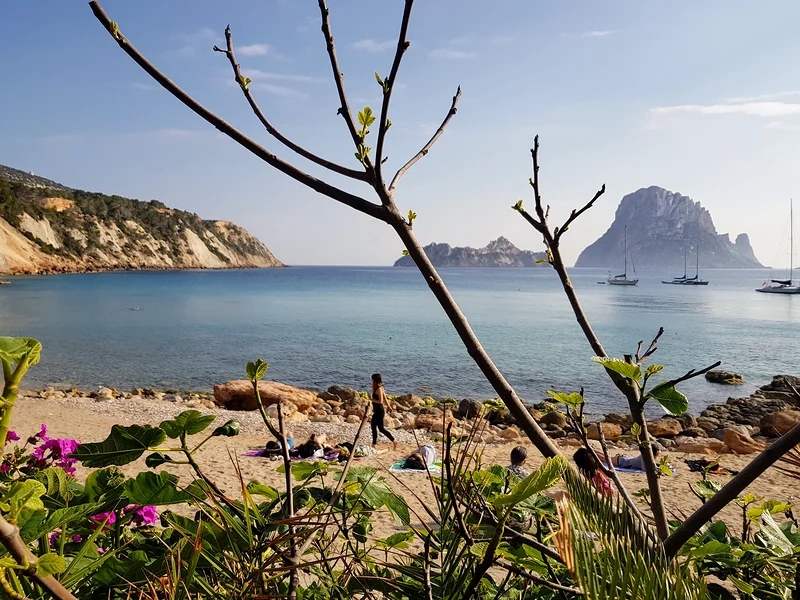
5 Cala d'Hort beach +12 recs
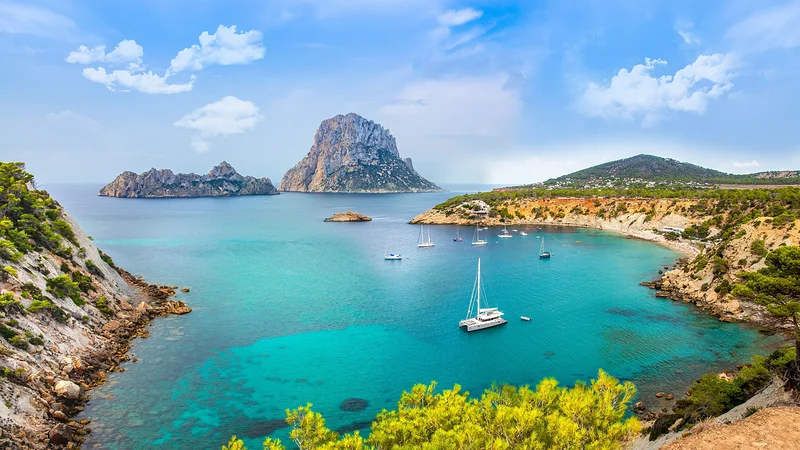
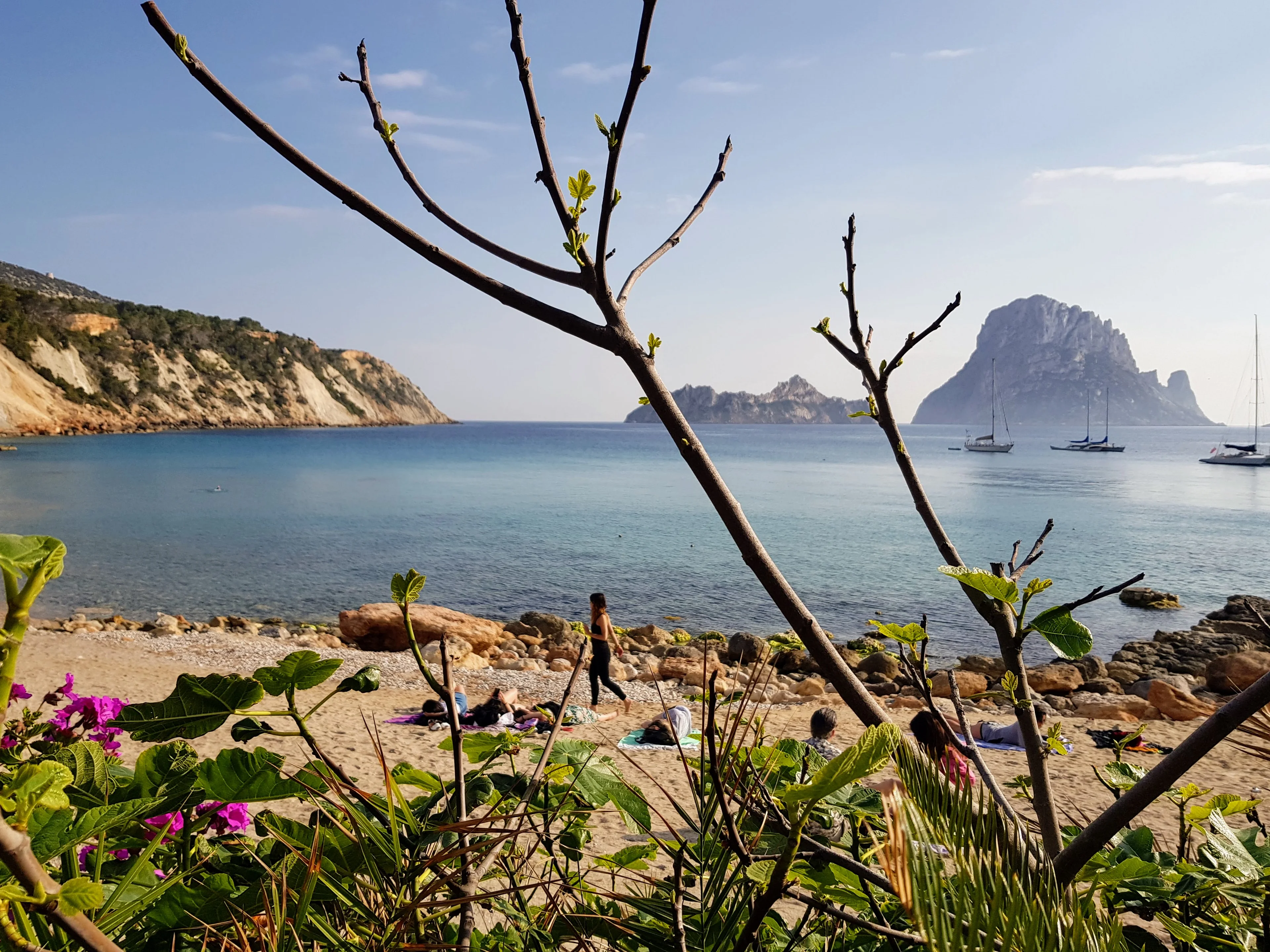
A pebble cove on the south-west coast, facing the rock islet of Es Vedrà rising out of the water two kilometres away. It is the one Ibizan beach people come to look at as much as swim from, and the car park is tiny.
The classic mistake
Booking a week for Ibiza and Mallorca. The ferry takes two and a half to three hours, once or twice a day depending on the season, and flying means two airport transfers. One island per trip is the right unit.
Our itineraries in the Balearic Islands
| Length | Itinerary | What you see |
|---|---|---|
| Weekend (3 days) | Ibiza, Dalt Vila | Castle, museums, two coves |
| 1 week | Ibiza + San Antonio | The old town, the north, the western beaches |
| 1 week | Palma › Sóller › Cala d'Or | The capital, the mountains, the south-east coves |
On Ibiza everything happens within twenty kilometres: the old town, the necropolis and the museum are walking distance from one another, and the beaches twenty minutes by car.
On Mallorca a car is needed, except for Sóller: the narrow-gauge railway of 1912 climbs there from Palma in an hour, through thirteen tunnels, and a tram of the same vintage runs down to the port.
When to visit the Balearic Islands
| Rating | Season | Weather | Crowds and prices |
|---|---|---|---|
| May, June and October | 22 to 28 °C, sea at 21 | Moderate, sensible rates | |
| July and August | 29 to 34 °C, dry | Saturated, prices double or triple | |
| April and September | 19 to 26 °C, a few showers | Light in April, heavy in September | |
| November to March | 13 to 18 °C, rain | Ibiza closes, Mallorca stays open |
Our advice
Mallorca out of season is a walking destination, not a beach one: the Serra de Tramuntana is walked from November to April, when summer's 30 °C rules it out, and the mountain villages live their real lives then. Ibiza, meanwhile, goes to sleep.
Getting to the Balearic Islands
-
1 By plane Fastest
easyJet, Ryanair and Vueling serve Palma and Ibiza from airports across Britain in about two and a half hours, several flights a day in summer. Direct services thin out from October to April.
-
2 By boat With a car
from Barcelona or Valencia, overnight ferries reach Palma and Ibiza at first light, with the car aboard. Seven to eight hours at sea, a cabin is worth it.
-
3 Between the islands Island to island
Palma and Ibiza are linked by a ferry of two and a half to three hours, once or twice a day by season. Book in summer, when the sailings fill.
Getting around the Balearic Islands
Dalt Vila is climbed on foot, and only on foot: the lanes are stepped and cars stop at the gates. Three minutes from the cathedral to the contemporary art museum, ten to the necropolis.
Worth knowing
The best-known coves have car parks of thirty spaces. At Cala d'Hort as at Cala Salada, they are full before half past nine in summer, and the access road then closes to traffic. The bus or a scooter solves it.
What to eat in the Balearic Islands
- Bullit de peix: the Sunday dish of Ibiza's fishermen, a broth of scorpionfish and potatoes served in two courses, the rice cooked in the broth arriving after the fish.
- Sobrasada: Mallorca's cured sausage, a raw pork paste with paprika, spread on toast with a thread of honey. Sold by weight in every market.
- Ensaïmada: the layered spiral pastry of Palma, made with lard and light regardless, sold in octagonal boxes you see all over the island's airports.
- Pa amb oli: brown bread rubbed with tomato and olive oil, with cheese or ham. Not a starter but the evening meal in the villages.
- Tumbet: aubergine, peppers and potatoes fried in layers under a tomato sauce and baked. The local ratatouille, served warm.
- Flaó: Ibiza's tart of fresh goat's cheese and mint, scented with aniseed. An Easter pastry that became the dessert of the whole year.
- Hierbas ibicencas: the local herb liqueur, aniseed-led, served iced at the end of a meal. Every family makes its own, and fifteen-herb bottles turn up at the market.
On both islands the priciest seafront restaurants are not the best: the tables that matter are in the inland villages, five kilometres from the coast, and post nothing in English.
At Sóller the orange trees are not decoration: the juice served there is pressed from the valley, and the difference shows in the first glass.
Where to stay in the Balearic Islands
| Area | What it is for | Worth knowing |
|---|---|---|
| Ibiza, Dalt Vila and the port | Museums, ramparts, restaurants | All on foot, dear, noisy in summer |
| San Antonio | Cala Salada, sunsets | The island's second town, more affordable |
| Palma, old town | Cathedral, lanes, markets | A real city, alive all year |
| Sóller | Mountains, orange groves, historic train | The ideal base for the Tramuntana |
| Cala d'Or | South-east coves, families | A built resort, quiet and practical |
On Ibiza, sleeping inside Dalt Vila means carrying your bags up steps: that is the price of the view, and it is paid once, on arrival.
In Palma, the old palaces of the cathedral quarter have become courtyard hotels. They are dear in summer, reasonable from November to March, and the city does not close.
How much does a trip in the Balearic Islands cost?
| Style | Length | Budget per person |
|---|---|---|
| Budget (hostel, buses, markets) | 7 days | 450 to 650 € |
| Comfortable (hotel, car, restaurants) | 7 days | 1,000 to 1,500 € |
| High end (courtyard palace, known tables, boat) | 7 days | 2,500 to 4,000 € |
- The Dalt Vila combined ticket: the archaeological museum and the necropolis share one admission, bought at whichever you reach first.
- May and October: the same room costs two to three times less than in August, for a sea at 21 °C and coves you can reach.
- The service bus: on both islands it reaches the main beaches for two euros, parking included, which makes a car pointless away from the mountains.
- The menu del día: three courses and a glass for fifteen euros in the villages, against forty on the seafront five kilometres away.
- Avoid the first week of August: it is the Spanish peak as much as the foreign one, and rates only fall again in September.
Traditions and way of life in the Balearic Islands
The Phoenicians founded Ibiza around 654 BC, and the island stayed Carthaginian until Rome. That is why it holds the largest Punic necropolis in the Mediterranean: the Carthaginians buried here because the island had no snakes and no venomous creatures.
The language of both islands is Catalan, in its Ibizan and Mallorcan forms, and it is the language of the signs, the menus and the schools. Castilian is understood everywhere, but it is not the first language of the person you are speaking to.
Two useful habits. Lunch does not begin before half past one and dinner not before nine: the kitchens open then, and not earlier.
And beach etiquette: topless is fine almost everywhere, full nudity only on the beaches that say so. Photographing a crowded cove is frowned upon, and in some places it is forbidden.