
Valencia, the Mediterranean city that gets everything right
You might easily breeze past Valencia, overshadowed by the massive gravity of Barcelona or the non-stop energy of Madrid. That would be a major mistake. This city does not scream for attention, instead whispering its presence with a disarming confidence.
Here, the sun shines 300 days a year, paella is served in its original birthplace, and avant-garde architecture sits right next to medieval alleyways without anyone batting an eye. Valencia has the rare talent of blending different eras, styles, and vibes with an ease that could almost look like laziness if the result were not so striking.
The ideal destination for varied tastes
Valencia appeals to travelers who refuse to choose between culture and downtime, or between historic heritage and modern design. If you love wandering through ancient city centers before jumping straight into the Mediterranean, or if you appreciate a contemporary art museum just as much as a market overflowing with fresh produce, this city is for you.
Families find plenty to do here with safe beaches and attractions like the Oceanogràfic. Couples will enjoy the romantic atmosphere of the historic center and sunsets over Malvarrosa beach. Night owls will feel right at home with the lively nightlife scene in Ruzafa and the Barrio del Carmen.
On the other hand, if you are looking for the round-the-clock rush of a massive capital city, you might be let down. Valencia keeps a relaxed, almost small-town pace of life. In the summer, the heat can get brutal, with temperatures hovering around 35°C in August. If you hate crowds, avoid mid-March during the Fallas festival entirely, when the city literally explodes with fireworks and firecrackers.
A reasonable budget for a major city
Valencia remains affordable compared to Barcelona or Madrid, with prices running 30 to 40 percent lower. Plan for between $79 and $113* per day per person to eat well, taking advantage of the menús del día priced at $12-$17* at lunchtime. Accommodations range from $90* for a decent hotel to $169* for mid-range spots in the city center. Public transit is a bargain with a 10-ride pass going for $11*.
The historic core: where history is lived in the present
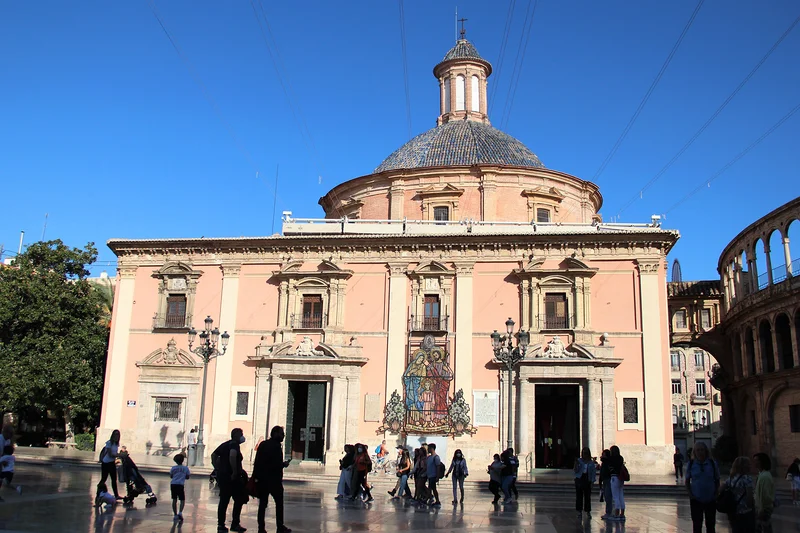
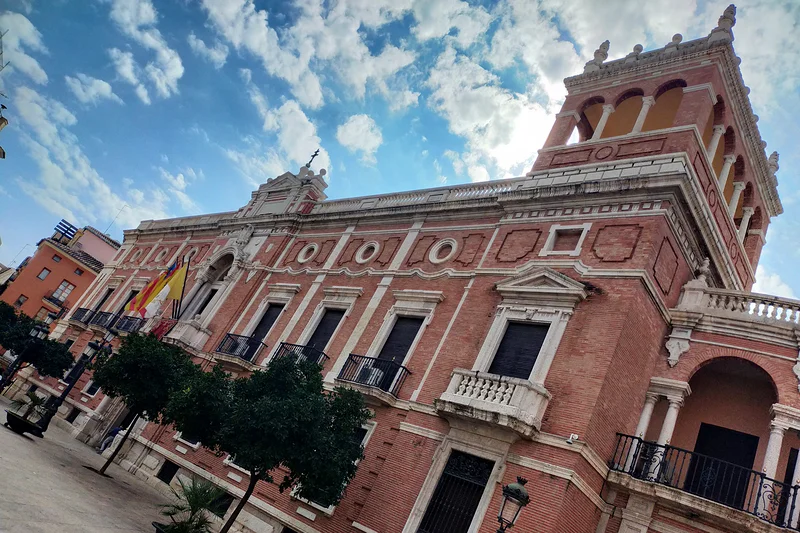
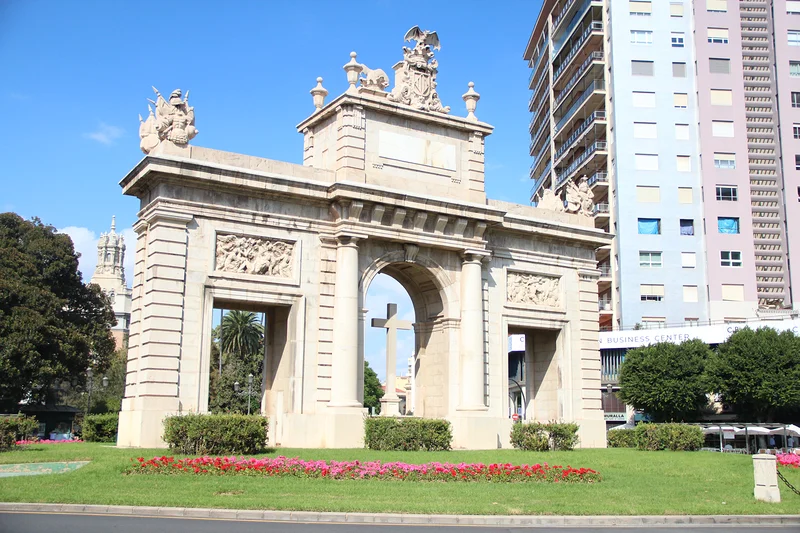
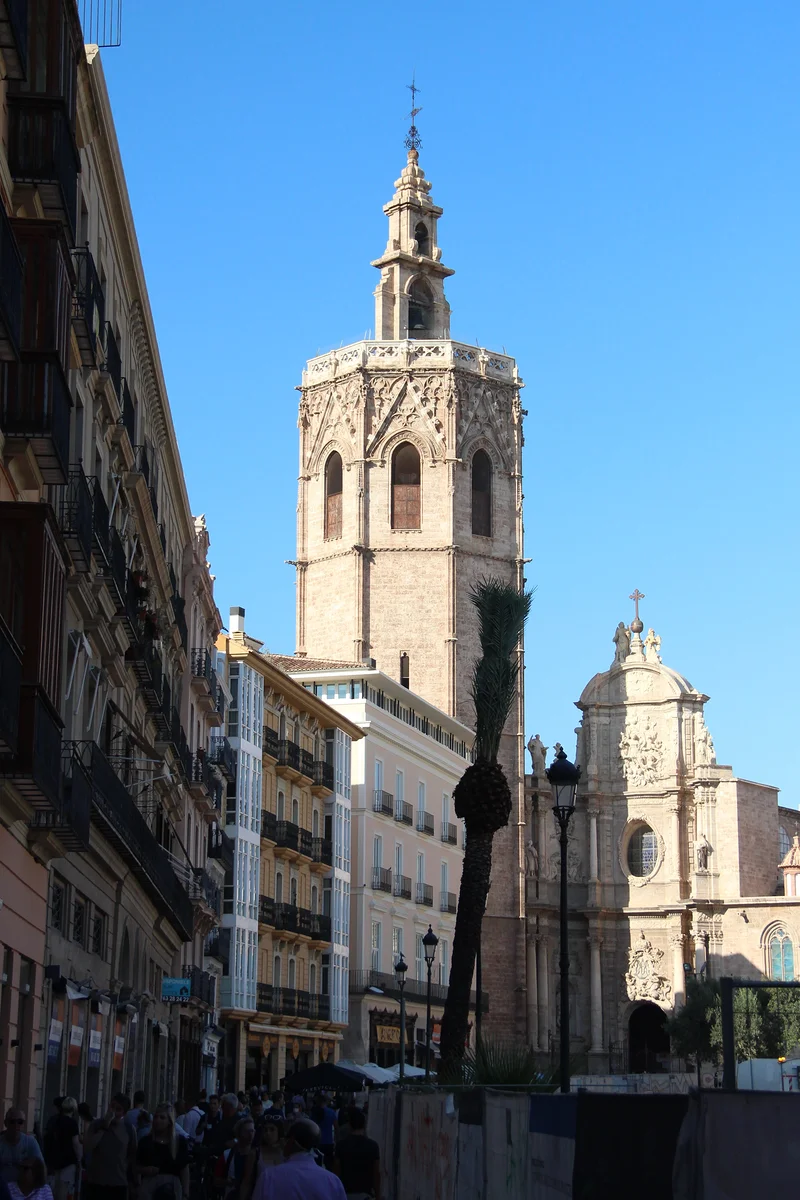
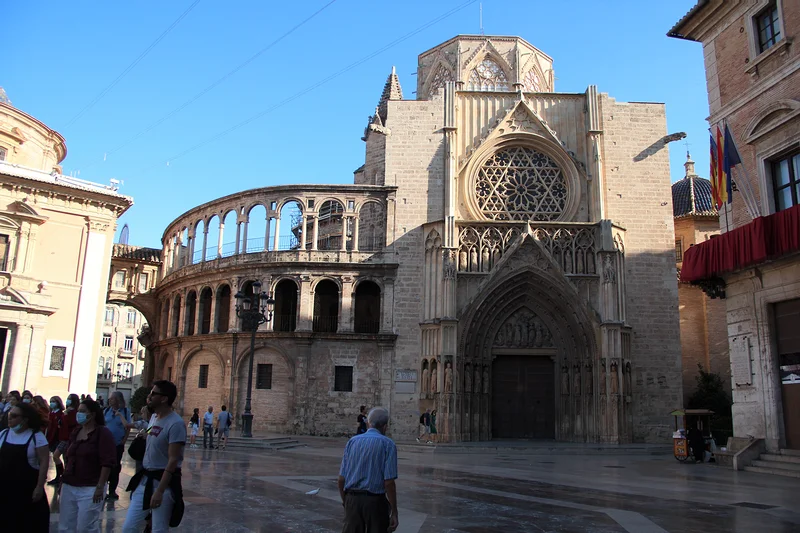
The Ciutat Vella, the historic heart of Valencia, feels entirely its own. It is not an open-air museum frozen in amber, but a living neighborhood where locals run errands, grab coffee, and go out at night. The narrow streets of the Barrio del Carmen open up into sunny plazas where time seems to slow down. The Cathedral and its Miguelete bell tower dominate the Plaza de la Reina, offering an unobstructed view over the ochre rooftops of the city after climbing 207 steps.
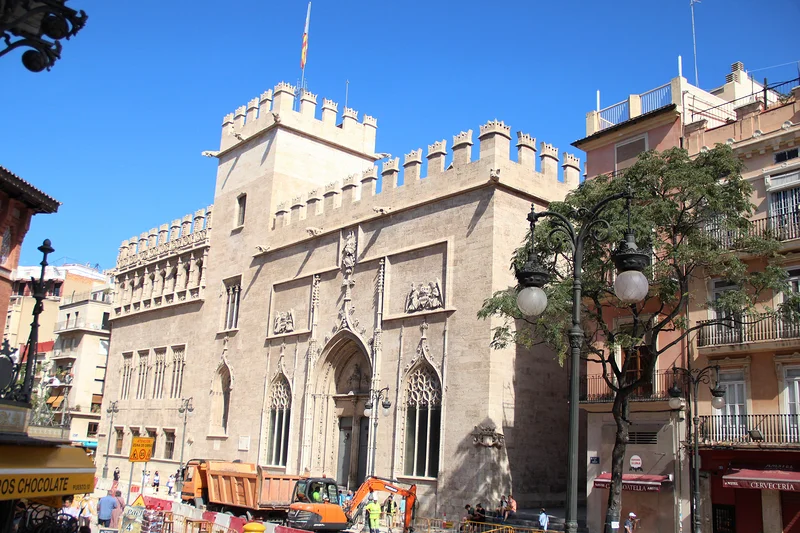
Just a short walk away, the Lonja de la Seda drops you straight into the 15th century, when Valencia ruled the silk trade. This UNESCO-listed silk exchange impresses with its twisting stone columns and soaring ceilings. Right across the street, the Mercado Central staggers visitors with its modernist architecture, functioning as a cathedral dedicated to fresh food where stalls overflow with sun-ripened tomatoes, freshly caught fish, and hams hanging like artwork.
Hidden treasures of the center
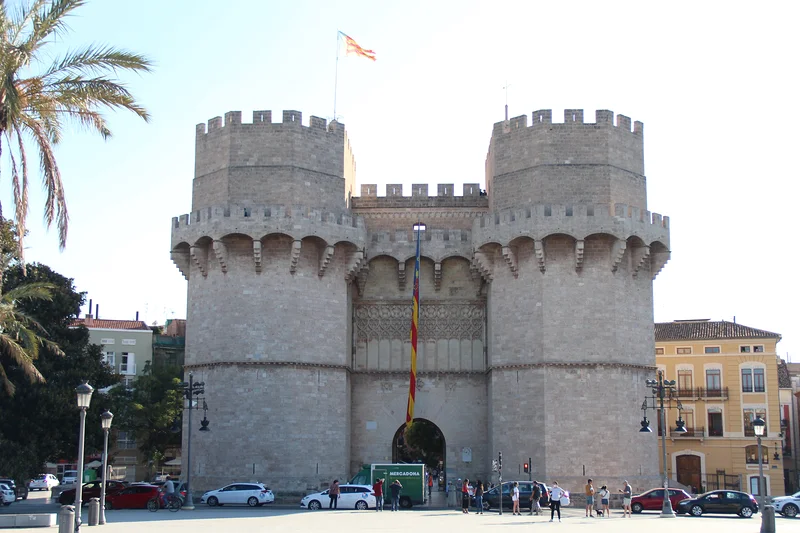
The Palacio del Marqués de Dos Aguas is worth a detour just for its wild rococo facade, before heading inside to explore the National Museum of Ceramics and its Picasso-signed collections. The Barrio del Carmen reveals striking street art around every corner, featuring murals that converse directly with the medieval remnants of the Torres de Quart and the Torres de Serranos.
Friendly tip: To experience Valencia like a local, head to the Central Market on a Saturday morning. Order an almuerzo (a mid-morning snack) at one of the bars, consisting of a cold beer paired with a ham or potato tortilla sandwich. It is loud, authentic, and delicious.
The City of Arts and Sciences: the Valencian spaceship
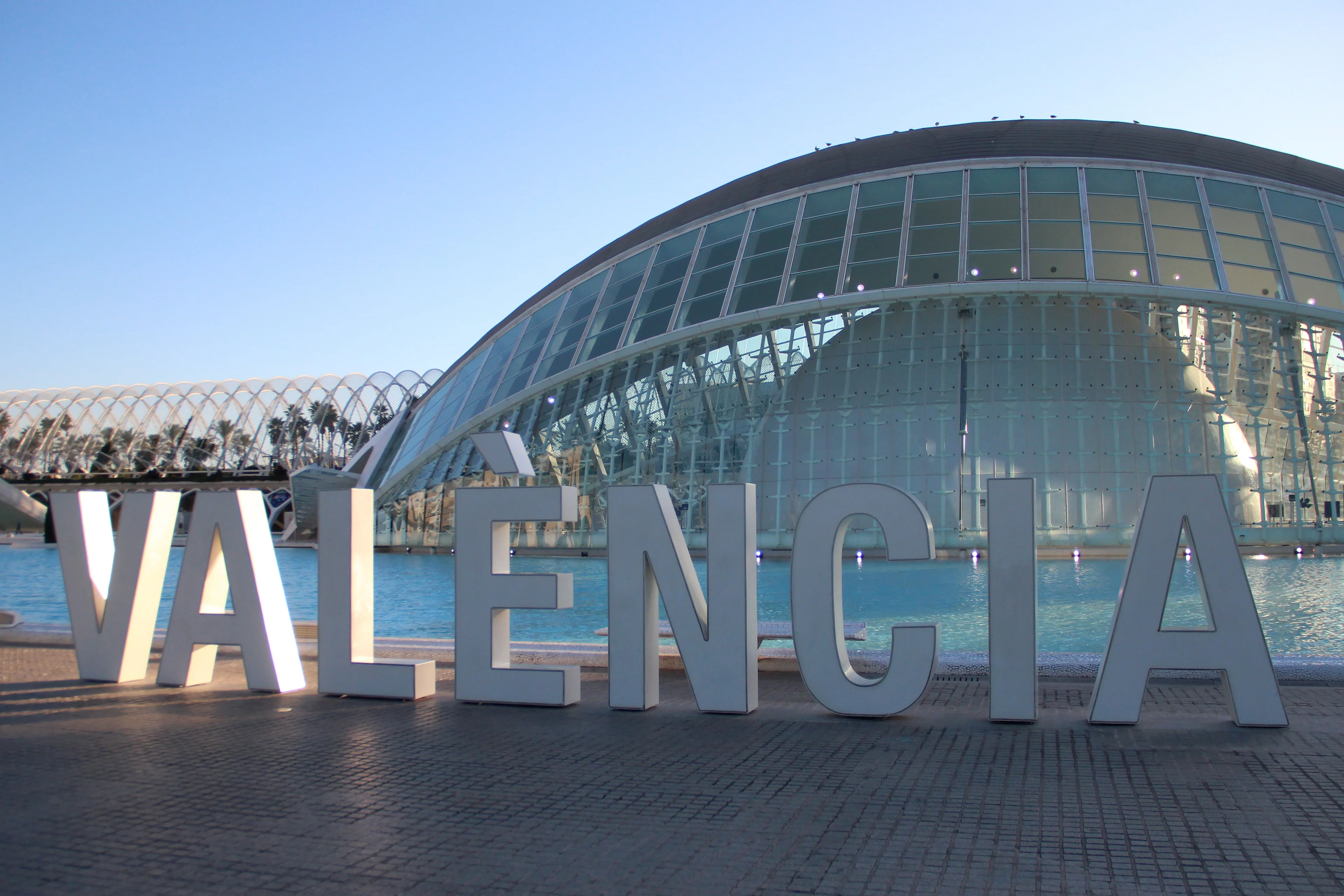
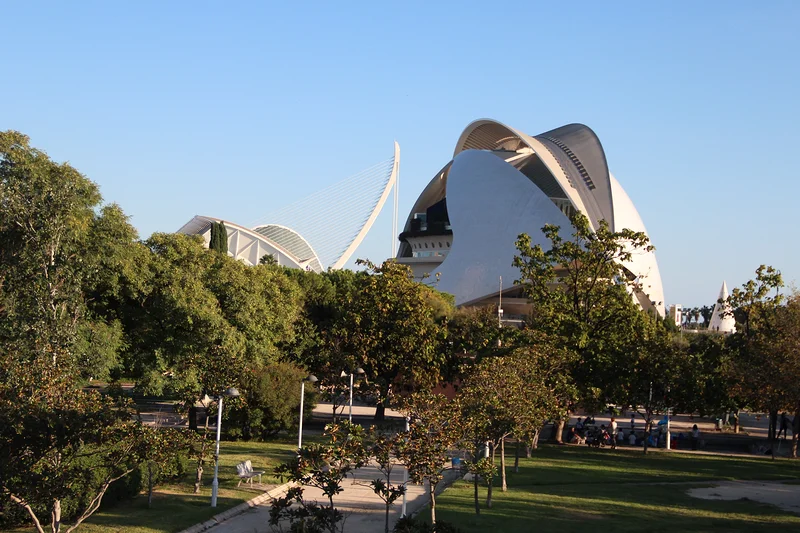
Step outside the historic center, walk along the old riverbed of the Turia which has been transformed into a 9 km urban park, and suddenly the future appears. The City of Arts and Sciences stretches across two kilometres with its stark white structures designed by Santiago Calatrava. You either love it or hate it, but it is impossible to stay indifferent in front of these buildings that seem to defy gravity.
The Oceanogràfic, the largest aquarium in Europe, easily takes up half a day. You will walk through the longest underwater tunnel on the continent, surrounded by sharks and manta rays, before spotting Europe's only beluga whales. Dolphins put on a show in the dolphinarium, and the underwater restaurant provides a unique setting, even if it leans a bit touristy.
The Science Museum Príncipe Felipe, built with the motto "forbidden not to touch," delights both kids and adults with its hands-on exhibits. The Hemisfèric, shaped like a giant 110-metre eye, projects IMAX films across a 900 m² screen.
Friendly tip: Buy your tickets online to skip the line, and plan for a full day if you want to see everything. The combo ticket covering the Oceanogràfic, Museum, and Hemisfèric costs about $45* and is worth the price.
Ruzafa and l'Eixample: trendy and foodie Valencia
The neighborhood of Ruzafa (or Russafa in Valencian) embodies the hip, multicultural, and creative side of Valencia. Once working-class, it has transformed into a magnet for artists, hipster cafes, and vintage shops. Calle Cadiz, Calle Sueca, and Calle Cuba concentrate tapas bars, fusion restaurants, and clubs where the party goes until dawn. The Mercado de Ruzafa, more intimate than the Mercado Central, offers organic produce and street food stalls.
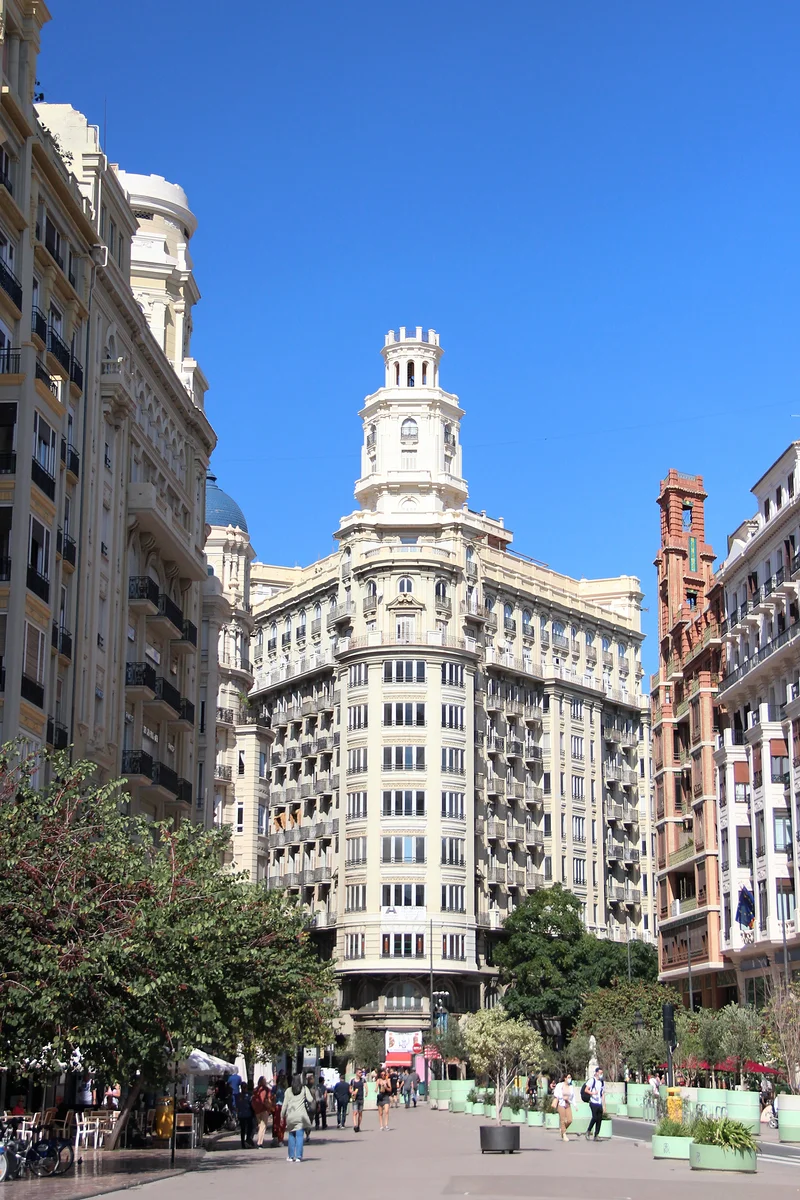
Right next door, the Gran Vía and Pla del Remei neighborhoods represent upscale Valencia, featuring wide Haussmann-style avenues, luxury boutiques, and the spectacular Mercado de Colón, a modernist covered market converted into an upscale food hall.
Friendly tip: For the ultimate afternoon aperitif, grab a sidewalk table on the Plaza del Barón de Cortes in Ruzafa around 7 PM. Order an Agua de Valencia, the local cocktail made with cava, orange juice, and vodka, and settle into the evening.
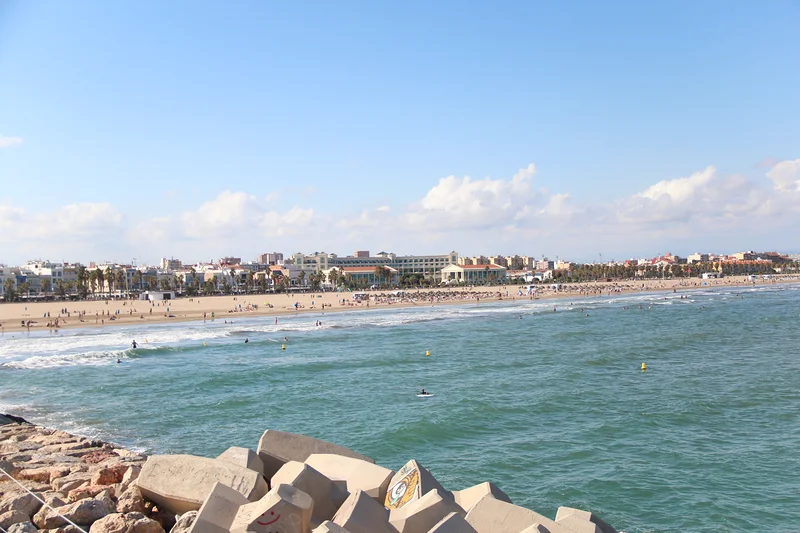
The beaches: the Mediterranean right off the metro
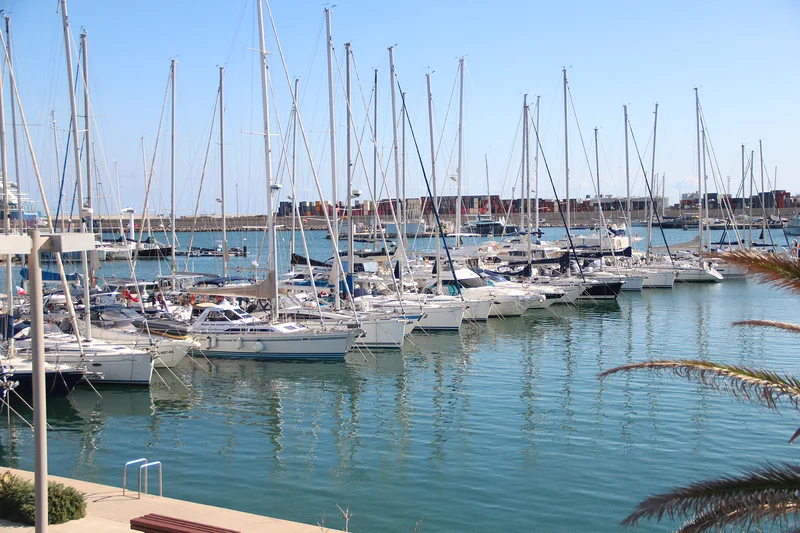
Located 15 minutes from downtown by tram, the beaches of Valencia offer miles of wide sandy shores. Malvarrosa is the most famous, lined by a lively boardwalk packed with paella restaurants. Further along, the neighborhood of El Cabanyal maintains its historic fishing village soul with colorful houses decorated in Valencian ceramic tiles. The alleyways have an unmistakable faded charm, and local restaurants serve remarkably fresh fish.
Further south, the beach of El Saler, right at the edge of the Albufera natural park, draws travelers looking for wild dunes and fewer crowds. The Albufera itself warrants a side trip. This freshwater lake surrounded by rice paddies is the actual birthplace of paella. The restaurants in the village of El Palmar, reachable in 20 minutes by car, serve the most authentic paella possible, cooked over orange-wood fires with rice grown just down the road.
Friendly tip: To dodge the crowds at Malvarrosa in the summer, head to the beaches of Patacona or Pinedo. They are less crowded and just as pleasant, with much easier parking options.
Where to eat and drink in Valencia?
Valencia is the birthplace of traditional Valencian paella, and locals do not mess around with the original recipe: chicken, rabbit, green beans, garrofó (large local white beans), saffron, and absolutely no seafood. Purists will tell you straight up that a mixed meat and seafood paella is a tourist heresy. To taste the real deal, head to Casa Carmela or Restaurante Levante, two institutions cooking over orange-wood fires.
Beyond paella, do not miss fideuà (noodle paella), all i pebre (an eel and potato stew), or clóchinas, the tiny local mussels. In the morning, stop by for an iced horchata served alongside fartons, sweet glazed pastries meant for dipping. Horchata, made from tiger nuts, is best enjoyed at Horchatería Daniel, near the Plaza de la Reina. For tapas, Colmado de la Lola in the Carmen district serves oysters, sea urchins, and homemade croquettes in a retro-chic setting.
Friendly tip: Paella is traditionally eaten at lunch, never at night. Take advantage of the menu del día deals at local neighborhood spots, running $12-$17* for a starter, main, dessert, and drink. Unbeatable value.
How to get to and around Valencia?
Valencia-Manises Airport sits 8 km from downtown. The metro (lines 3 and 5) connects the terminal to the city center in 20 to 25 minutes for $6.60* (ticket plus card fee). Bus 150 makes the same run for $1.70*, though it takes 30 to 45 minutes depending on traffic. A taxi runs about $23-$29*. High-speed AVE trains arrive daily at Joaquín Sorolla station from Madrid (1 hour 40 minutes) and Barcelona (3 hours).
Once you are there, the center is easily walkable. The metro and tram efficiently serve the outlying neighborhoods and beaches. A single ticket costs $1.70*, but the Valencia Tourist Card ($20* for 24h, $27* for 48h, $34* for 72h, about 10% less when booked online) includes unlimited transit and museum discounts. The Turia Gardens provide 9 km of car-free bike paths, perfect for riding from the center out to the City of Arts. Leave your car behind in the city center since impossible parking and narrow streets guarantee frustration.
When to visit?
The ideal windows are April to May and September to October, when temperatures hover between 20 and 25°C, the sun shines without baking the streets, and tourist numbers drop. Spring also brings the Fallas festival in mid-March, a spectacular five-day party where the city burns massive sculptures amidst fireworks and firecrackers. The atmosphere is electric, but prices spike and hotels book up months ahead.
Summer (June to August) brings crowds to the beaches, with occasionally suffocating heat in August when the thermometer regularly tops 33°C. If you can handle the heat, July offers a good compromise with warm temperatures and seawater hitting 25°C. Winter stays mild (10-16°C) and sunny, perfect for sightseeing without the crowds, even though some attractions scale back their operating hours.
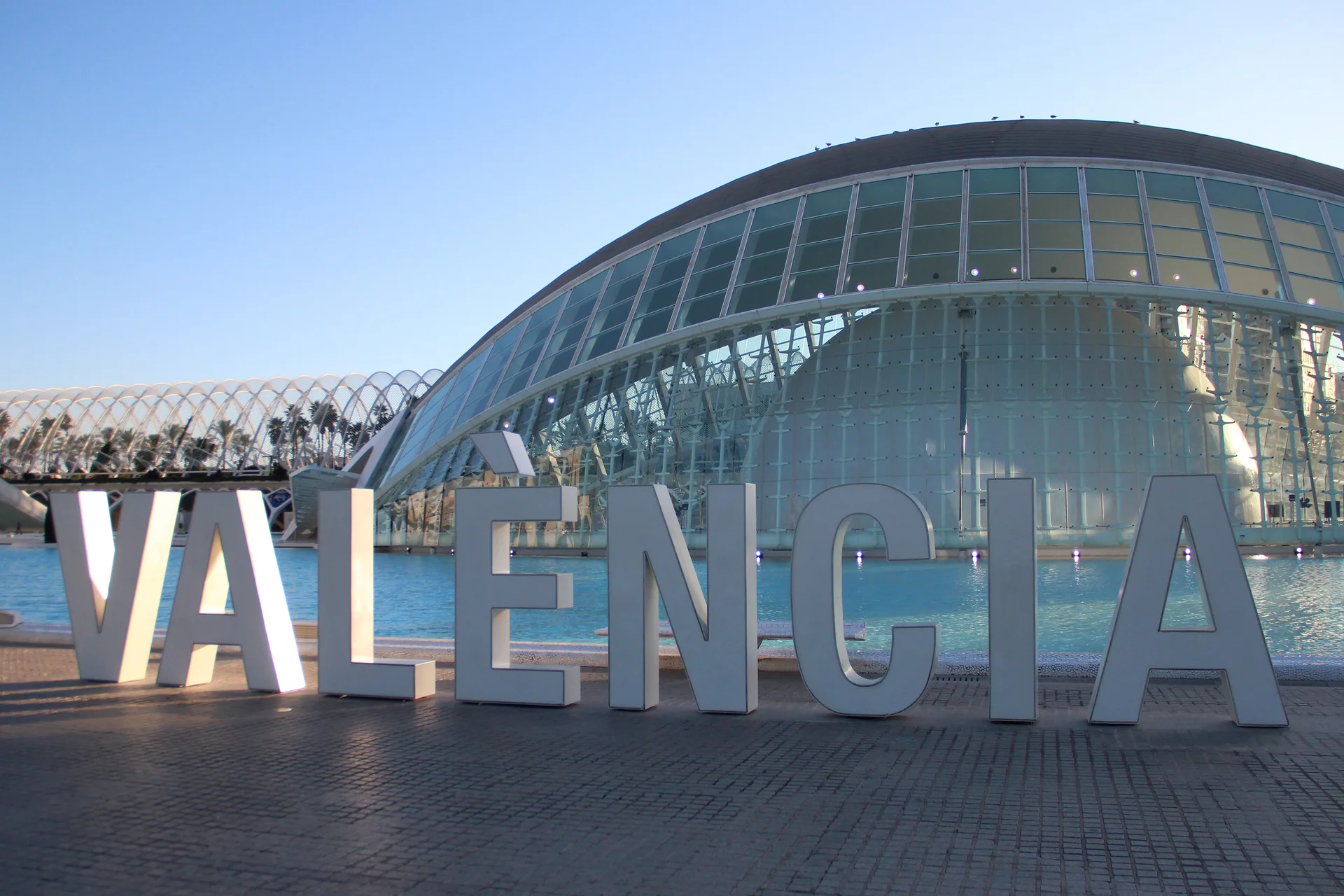
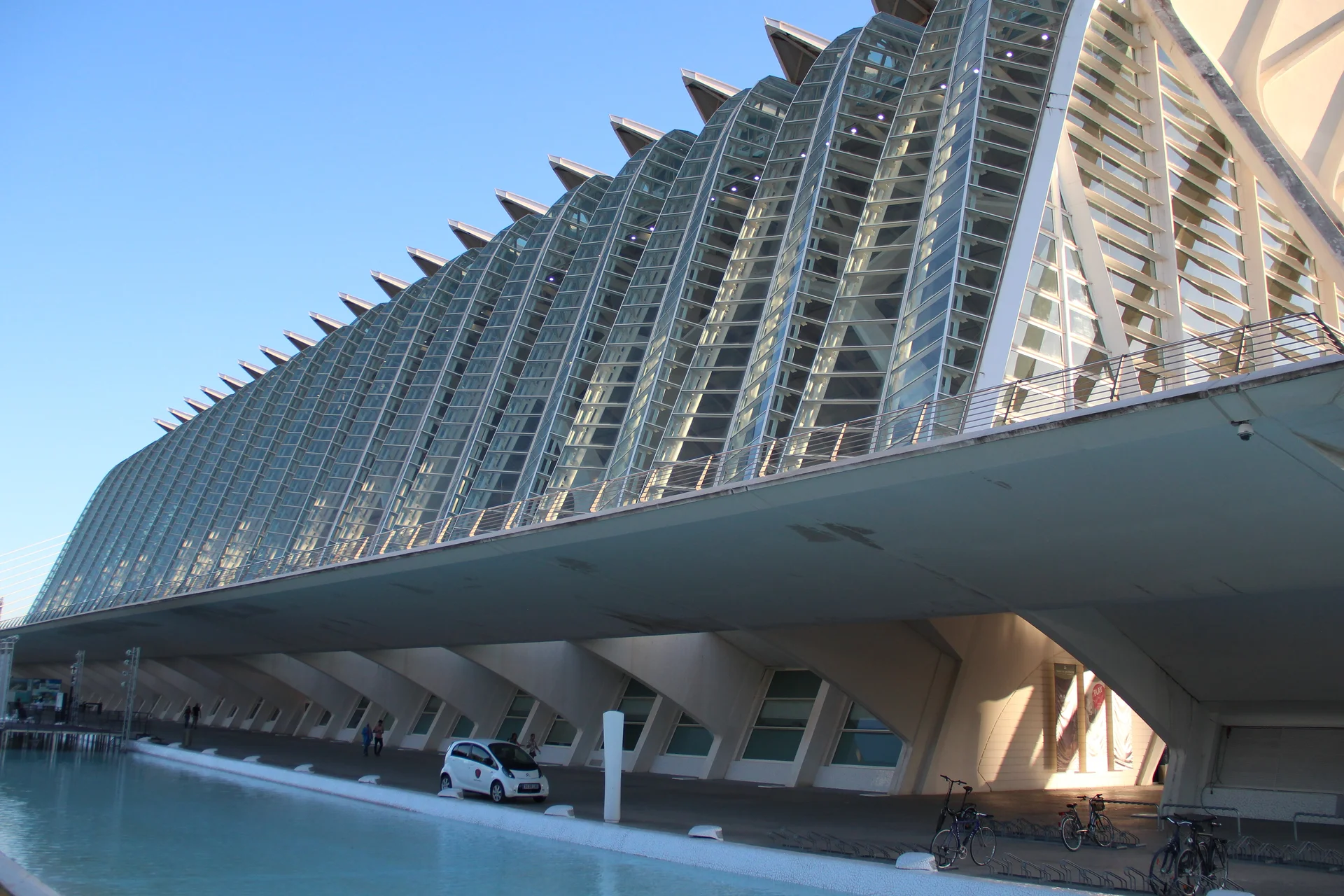
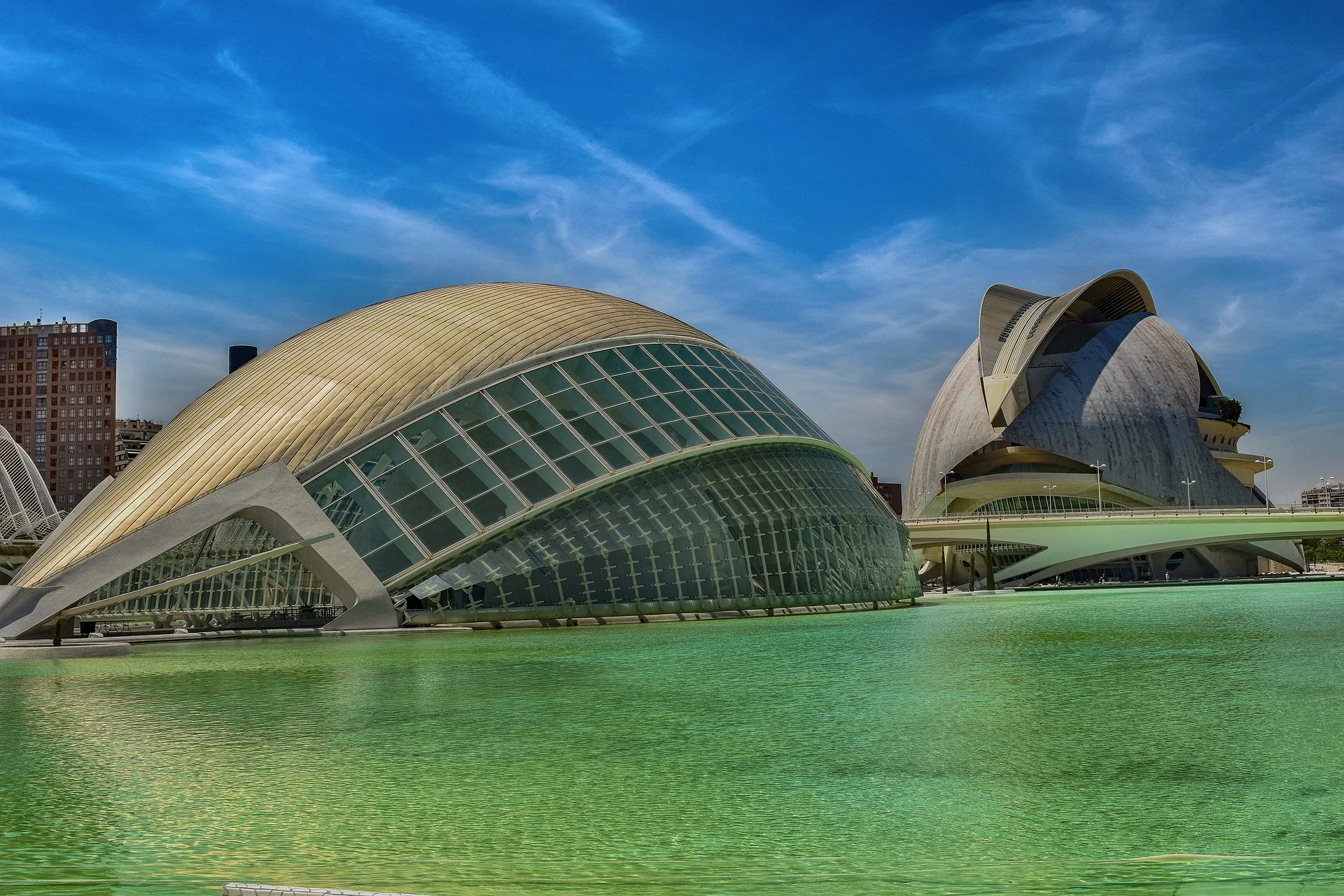
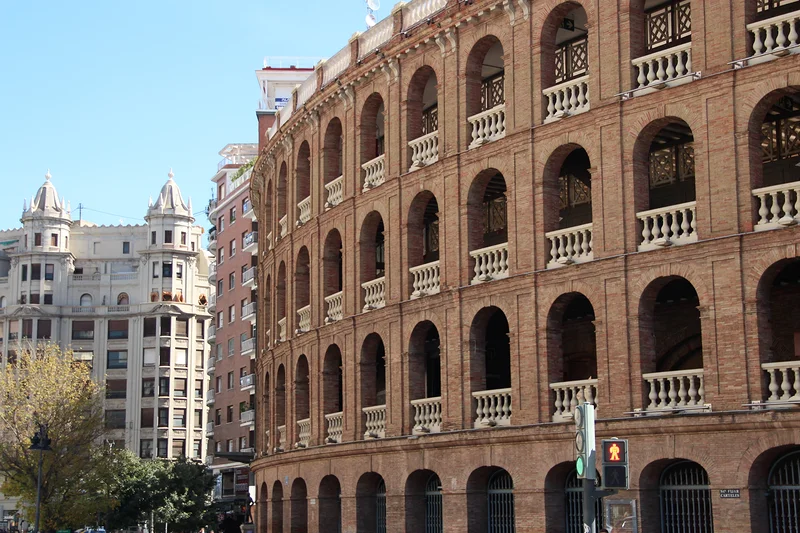
I ended up in Valencia a bit by accident for a professional internship. I am absolutely not disappointed with the trip, it is a really beautiful discovery! We stayed in the city center and were able to fully enjoy what it had to offer. We spent the whole trip looking at the magnificent architecture of Valencia. Every restaurant where we ate served us delicious food. The icing on the cake is that the people of Valencia are very kind and welcoming. I cannot wait to go back with my family!
PS: I recommend checking out the DDL bakery