
Palma: The Balearic Capital That Refuses to Pick a Lane
A Gothic cathedral looming over the Mediterranean. Medieval alleys that suddenly open up onto a trendy cocktail bar. Palma stacks centuries on top of each other without overthinking it, and that is precisely what makes it hard to pin down. As the capital of the Balearics and the main gateway to Mallorca, it pulls in millions of visitors every year while holding onto an independent streak that catches many travelers off guard.
Is Palma Right for You?
Palma suits travelers who want to combine a city break with beach time without shortchanging either experience. Architecture nerds, food lovers, and night owls will easily find enough to fill several days. Families will appreciate the low crime rates, accessible beaches, and endless kid-friendly activities close by.
On the flip side, if you are hunting for an isolated village far off the tourist radar, look elsewhere. July and August turn Palma into a pressure cooker. Prices spike, outdoor patios overflow, and certain neighborhoods lose all local flavor. The city deserves better than a mid-summer rush-hour visit.
Great destination for:
- Architecture buffs and lovers of Mediterranean history
- Travelers looking to mix beach days with urban culture
- Families traveling with kids (safety, solid infrastructure, diverse activities)
- Partygoers and night-life enthusiasts
- Travelers on short hops from Europe with plenty of direct flights
Skip this destination if:
- You are trying to dodge crowds and mass tourism
- You are traveling on a tight budget during peak season (July and August)
- You want a deep, off-the-beaten-path cultural immersion
- You hate intense summer heat
Budget: Plan to Spend More Than You Think
Palma stays reasonable in the shoulder season, but summer prices can shock you, especially for lodging. Restaurants in the historic center charge rates comparable to major European capitals. Here are baseline per-person estimates:
| Expense | Estimated Range |
|---|---|
| Night in a basic stay (hostel, guesthouse) | $34 to $68* |
| Night in a comfortable hotel (3 to 4 stars) | $102 to $230* |
| Quick bite (bocadillo, market stall) | $6.80 to $14* |
| Sit-down meal (lunch set or tapas) | $17 to $34* |
| Transit and activities per day | $12 to $29* |
| Daily backpacker total | $62 to $113* |
| Daily comfort total | $146 to $300* |
Estimates subject to change, particularly during peak summer months (July and August)
Practical Realities
The city is well-organized for visitors. Spanish and Catalan are official languages, but English works without a hitch in nearly all downtown shops and restaurants. The historic center is entirely walkable. For beaches and excursions, the EMT Palma bus network covers the city properly, and regular routes connect neighboring towns.
The climate stays mild almost year-round. Summers are hot and dry (frequently hitting the upper 80s and 90s in July and August), while winters are mild and sunny. The city is very safe for solo travelers, including women traveling alone, though the party zones around Playa de Palma call for standard nighttime vigilance.
The Historic Center: Where It All Begins
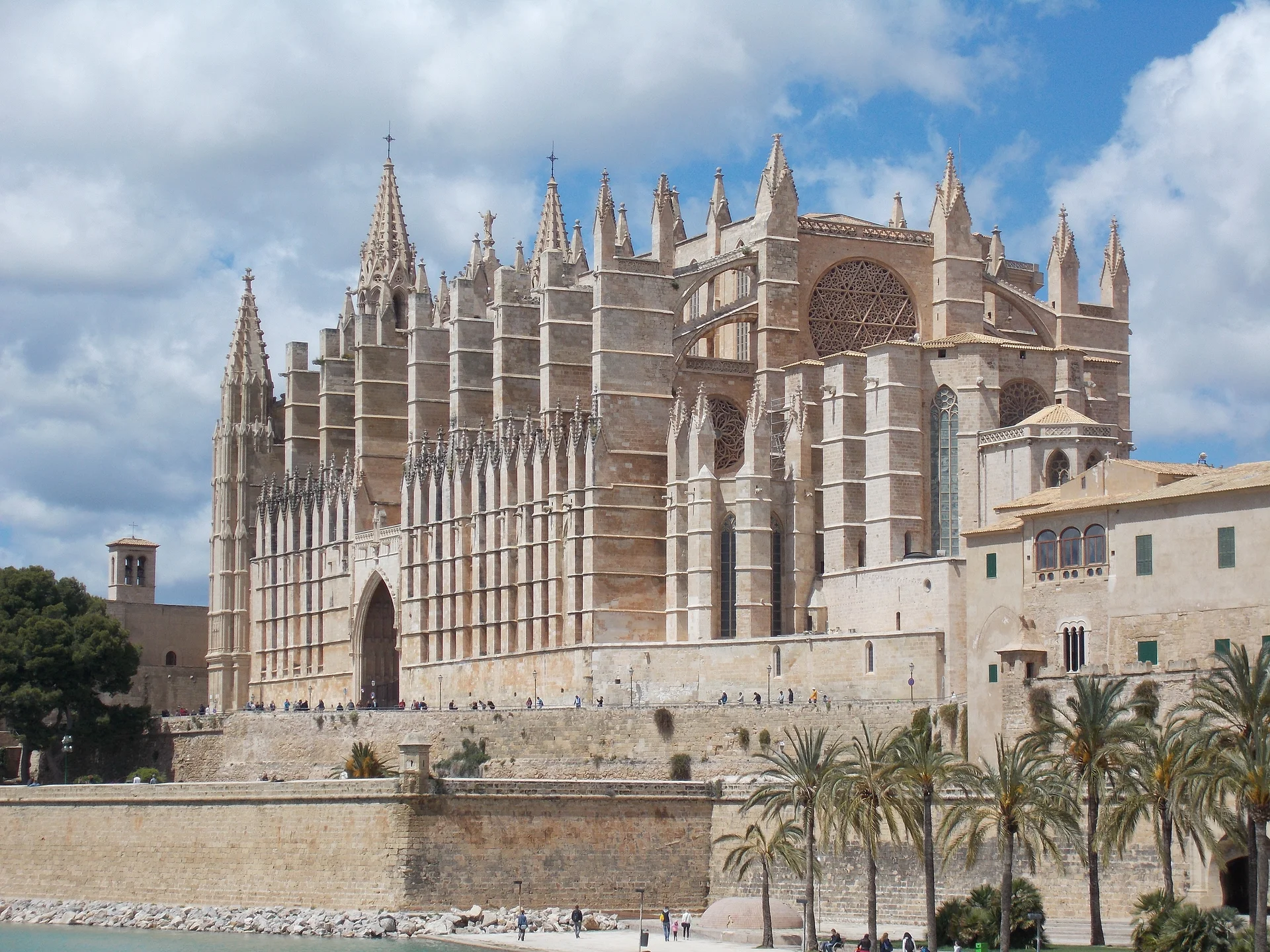
The core of Palma is best explored on foot. Start at the cathedral, known locally as La Seu. Built starting in the 13th century over the footprint of a former mosque, it impresses with both its sheer scale and its Gothic rose window, one of the largest in Europe. What many visitors miss is that Antoni Gaudí redesigned the interior chancel in the early 20th century, adding a suspended baldachin that contrasts sharply with the rest of the space. Admission isn't free, but the contrast between the austere exterior and the colored light filtering inside is worth the ticket price.
Right next door, the Palau de l'Almudaina occupies the site of a 13th-century Moorish alcazar. The official Spanish royal residence in Mallorca is still used for state ceremonies today. Guided tours grant access to the staterooms and gardens.
Keep walking toward the La Llotja neighborhood, home to the 15th-century former merchant exchange, and the Baths of Arab origin (Baños Árabes), a rare surviving trace of Moorish rule on the island. The area around Plaça Major leans touristy, but the alleys branching off to the north reveal hidden interior courtyards (the patios mallorquins) that residents sometimes leave open to the public during the spring.
Friendly tip: Every September, the Nit de l'Art festival opens private galleries and courtyards to the public for a single evening. If your trip lines up with it, do not miss it, as it is one of the rare chances to see Palma stripped of its tourist veneer.
Beaches and Day Trips
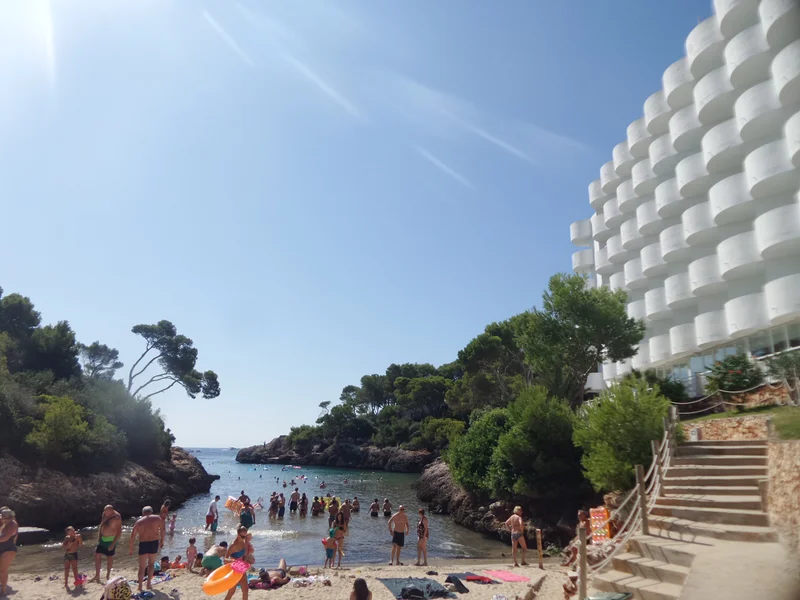
The urban beach of Can Pere Antoni, right next to the center, works fine for a quick dip. For wilder sand, you need to head out of town. Es Trenc beach, on the southern tip of the island, is famous for its mile-long stretch of white sand and shallow turquoise water. Plan to arrive early in the summer because the parking lot fills up before 10 AM.
Families with kids will enjoy Katmandu Park, an amusement and adventure park right outside Palma. If you prefer wide-open spaces, the Serra de Tramuntana mountain range, a UNESCO World Heritage site, offers serious hiking less than an hour's drive away. Meanwhile, Rancho Grande Park organizes horseback rides through landscapes modeled after the American Wild West.
Where to Eat and Drink in Palma
Mallorcan food deserves your full attention. Start with an ensaimada, the spiral flaky pastry dusted with powdered sugar. You can grab one for breakfast at any downtown café, though the best ones come from neighborhood bakeries rather than the airport tourist shops. On the savory side, sobrassada (a spiced spreadable cured sausage) and frit mallorquí (sauteed organ meats and vegetables fried in olive oil) are two classics to try at local neighborhood spots.
The covered Santa Catalina Market in the neighborhood of the same name is where locals buy their groceries. Surrounding it, bars and restaurants have popped up in recent years, offering a solid alternative to the historic center's spots, which often charge higher prices for the same quality.
How to Get to Palma
Palma de Mallorca Airport (PMI) ranks among the busiest in Europe during the summer. There is no direct flight from North America: you connect in Madrid, Barcelona or a northern European hub, and the last leg takes about an hour. Budget carriers sell tickets starting around fifty euros in the shoulder season, but prices routinely triple in July and August. Book early.
From the airport, the EMT Bus Line 1 drops you in the city center in about 20 minutes for under $2.30*. Taxis and rideshares are readily available but significantly pricier, especially during peak season.
How to Get Around Palma
The historic center is entirely walkable. For beaches and nearby trips, the EMT bus network covers the city and immediate surroundings well. Regional coaches link Palma to the island's main towns from the Estació Intermodal bus station. A historic train also runs to Sóller in the Serra de Tramuntana, offering a scenic ride through orange groves.
Renting a car remains the most practical way to explore the island beyond Palma. Book ahead in the summer because rental agencies frequently sell out at the last minute, and rates skyrocket.
When to go
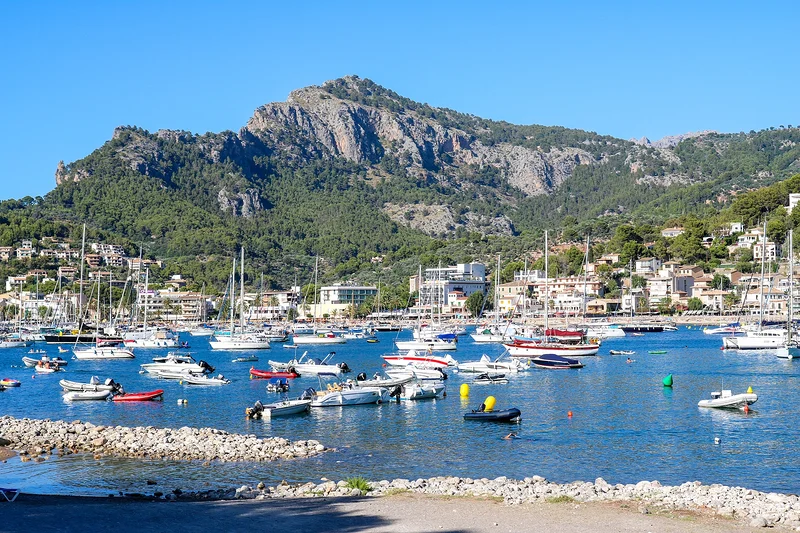
The months of May, June, and September hit the sweet spot. The sea is already warm (or still holding onto its summer heat), crowds thin out, and prices drop to earth. Winter is mild and sunny, making it ideal for city sightseeing and hiking through the Serra de Tramuntana. Skip July and August if you dislike intense heat and heavy crowds, as Palma transforms into a totally different city during those months, and not always for the better.
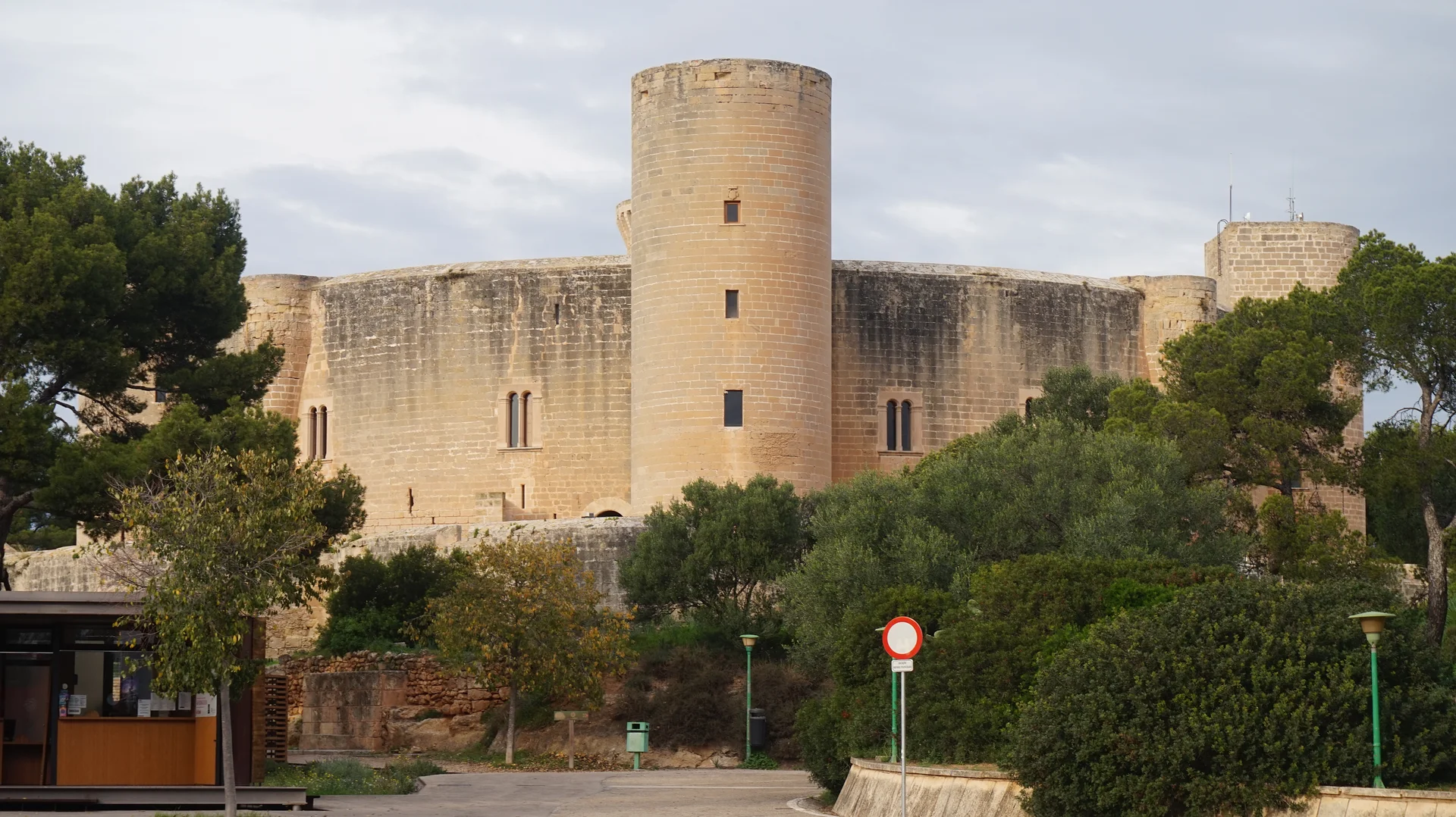
Lively evenings and days with a wide range of activities to choose from, whether in the city or the surrounding area. Have a great vacation!