
Birmingham at a glance
As England's second city located in the heart of the UK, Birmingham stands out for its rich industrial past, its expertise in hosting international conferences, and its universities. Cosmopolitan and lively, you might be surprised by its 571 parks giving it plenty of green space, along with its scenic canal connecting it to Worcester. You will also likely have the chance to go on pub crawls and sample its global food scene, with around thirty different cuisines represented across town.
Its climate is temperate oceanic, bringing cold winters, cool summers, and frequent rainfall.
A proud celebration of industrial history
Start at the Black Country Living Museum in Dudley, about ten miles west of the city, for a step back in time right into the coal mining era. Costumed actor-guides and recreated Victorian living spaces bring a high level of realism to the experience. Follow this up with the Back to Backs, a collection of small working-class row houses built flush against one another. Made of red brick and clustered around a central courtyard, they offer a window into daily life during the Industrial Revolution.
The Museum of the Jewellery Quarter tells the story of the family-run jewelry business Smith & Pepper. You can explore how jewelry making evolved over time and even try out manufacturing workshops. Over at the Pen Museum and Shop, you will learn everything about nib manufacturing and the differences between makers. The passionate staff will make you want to pick up a pen and start writing again.
If you have time, stop by Sarehole Mill, a charming spot that inspired Tolkien, the legendary author of The Lord of the Rings.
A welcoming, multicultural, and energetic destination
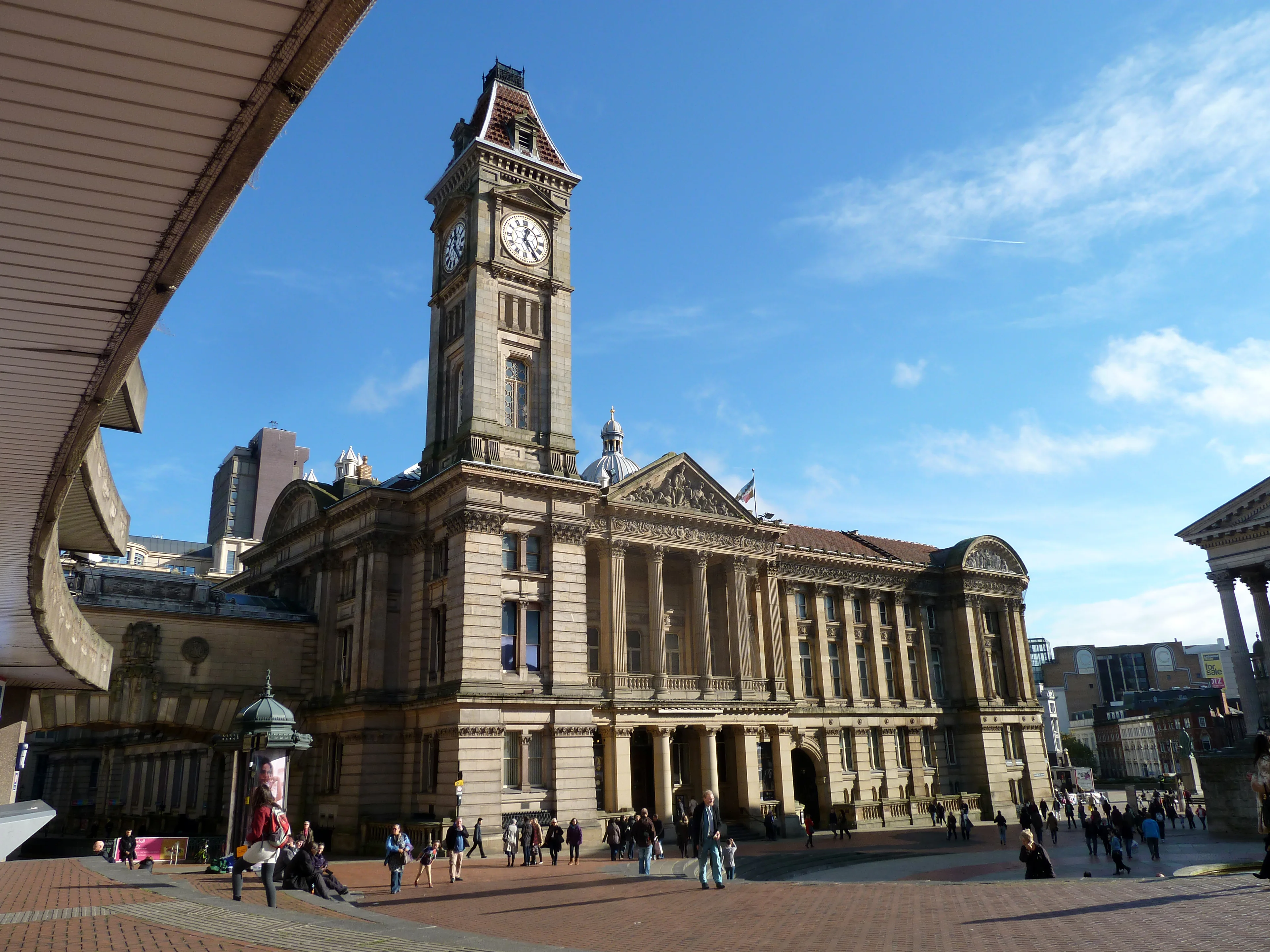
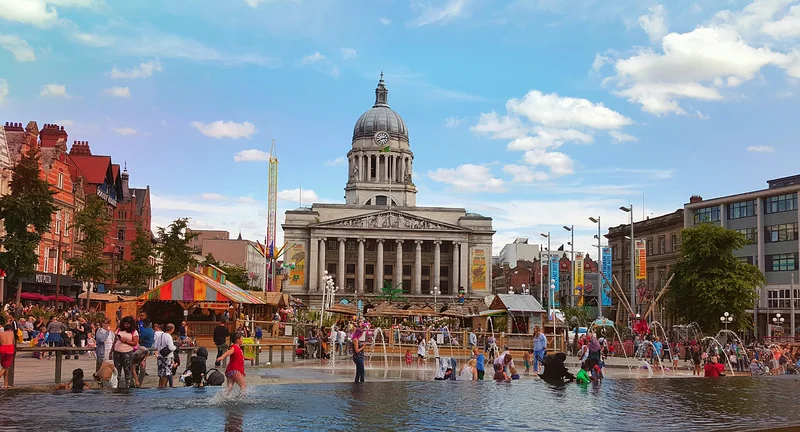
Head to St Philip's Cathedral, an Anglican gem not far from the Town Hall, a striking neoclassical concert venue. The city's symphony orchestra is renowned, so catch a performance if you can. Stop by Victoria Square, the go-to meeting spot for local Brummies, before heading over to Aston Hall, a fabulous Jacobean mansion.
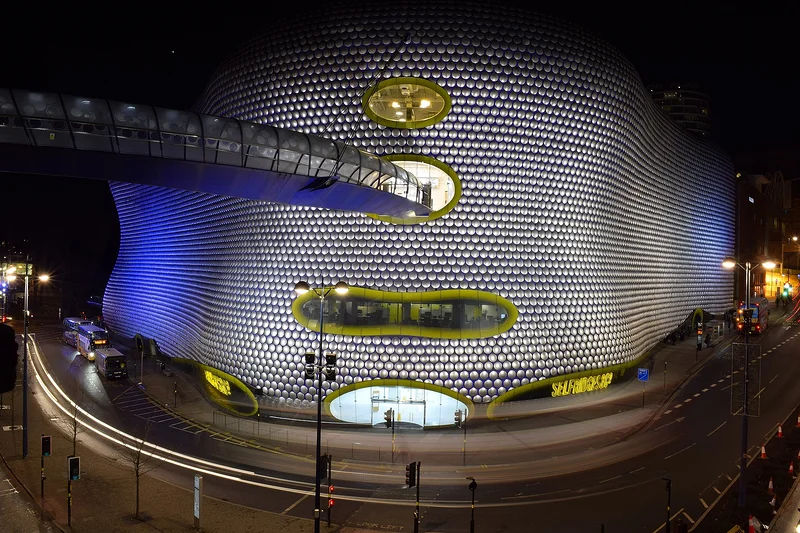
Shopping enthusiasts will want to check out the glossy Bull Ring, a successful expansion built right around the train station. For something more upscale, try The Mailbox.
Art lovers can visit the free Birmingham Museum and Art gallery (BMAG), which traces the city's history and houses an extensive collection of ceramics, jewelry, and ironwork. Another option is the Ikon Gallery. At the Thinktank Birmingham Science Museum, visitors of all ages stay thoroughly entertained.
If you are traveling with kids, take them to Cadbury World, named after the iconic English milk chocolate brand. They will learn about the history of cacao and the founding brothers while taking part in interactive workshops. Alternative options include the National Sea Life Center, Legoland, and Sandwell Valley Country Park.
When to go
Summer is the best time to visit Birmingham.
How to get there
Taking the train or flying to London and catching a train to Birmingham (which takes 1 hour and 20 minutes) is the best way to get there.
From North America, the usual route is a non-stop flight to London, served from dozens of cities, followed by the train up to Birmingham. Birmingham Airport (BHX) also handles direct flights from several European hubs, which can save the transfer through London.
Getting around
Walking is the best way to explore the city. If your feet get tired, the bus network covers the area thoroughly.
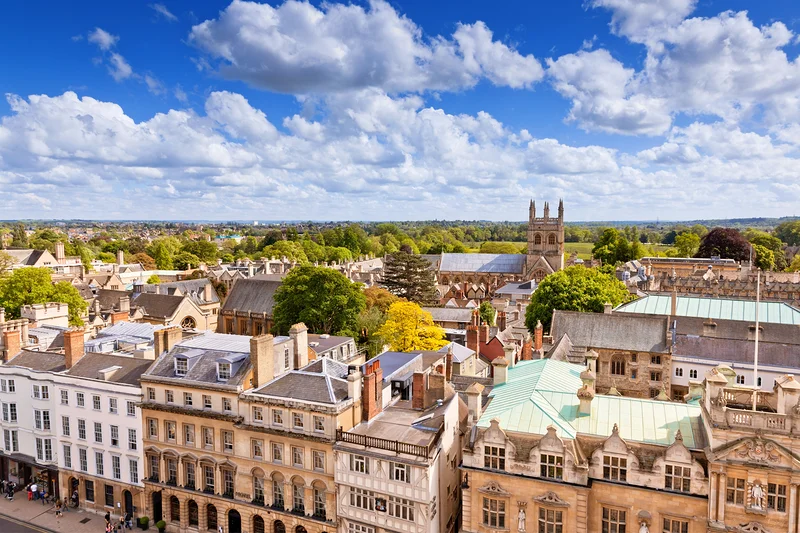
In Birmingham, it feels like a small town because there are no high-rises (unless you are really in the center) and there is a lot of greenery and parks. However, it still remains a big city with all the advantages that come with it.