
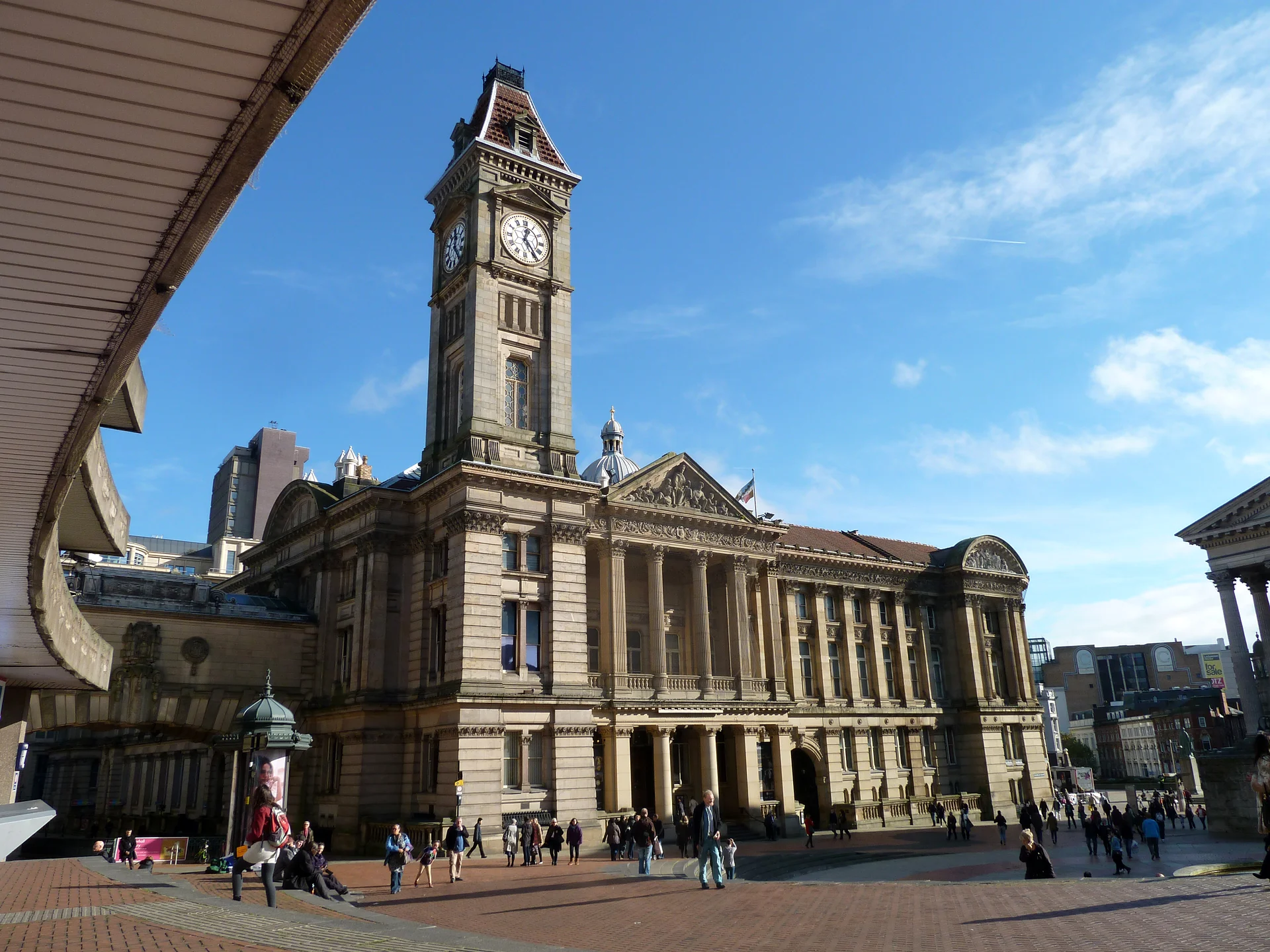
Visiting the Birmingham Museum and Art Gallery
Opened in 1885, the Birmingham Museum and Art Gallery (BMAG) functions as both a museum and an art gallery, housing over 40 distinct galleries. The collection spans fine art, ceramics, metalwork, jewelry, natural history, archaeology, ethnography, local history, and industrial heritage.
Galleries for every interest
The gallery is famous for its Pre-Raphaelite paintings, showcasing the largest public collection in the world, totaling approximately 2,000 works. Local industrialists and politicians historically donated these pieces to supplement collections of living artists. You will find a mix of oil paintings, tapestries, drawings, sketchbooks, stained glass, prints, illustrated books, watercolors, ceramics, and archival documents.
One gallery is dedicated to the Staffordshire Hoard, a unique Anglo-Saxon gold treasure. On the third floor, the Birmingham Gallery traces the city's history through a substantial collection of applied arts and social history. Topographical views of the city, lithographs, and engravings document the urban evolution throughout the Industrial Revolution.
Fans of Greek, Roman, and Ancient Egyptian history will find plenty to explore. Artworks and artifacts represent seven centuries of European and global culture. The extensive Antiquities and Ethnography collections include Roman coins, ancient pottery, figurines, jewelry, African masks, sculptures, and musical instruments.
Specific works to look for include:
- "The Finding of the Saviour in the Temple" by William Holman Hunt
- "The Star of Bethlehem" by Edward Burne-Jones
- "The Last of England" by Ford Madox Brown
- "Morgan-le-Fay" by Frederick Sandys
- "The Anniversary of the Death of Beatrice" by Dante Gabriel Rossetti
- "Medea" by Frederick Sandys
Temporary exhibitions
In addition to the permanent displays, the museum hosts various temporary exhibitions. After being closed for nearly two years for major renovations, the BMAG has reopened its transformed Round Room to host the "We are Birmingham" exhibition, which highlights the residents of the 21st-century city. It serves as a celebration of Birmingham and its future. The Que Club, formerly the city's premier music venue, is also featured in a sensory exhibition.
Opening hours
| Monday | Closed |
|---|---|
| Tuesday | 10:00-17:00 |
| Wednesday | 10:00-17:00 |
| Thursday | 10:00-17:00 |
| Friday | 10:00-17:00 |
| Saturday | 10:00-17:00 |
| Sunday | 10:00-17:00 |
Hours data: © OpenStreetMap contributors

Housed in a beautiful, bright building, this museum was a nice surprise. It is free and relatively unknown internationally, so I wasn't expecting much. In reality, there are paintings and art objects from many different cultures and eras. You can easily spend 2 hours there and see a ton of things.