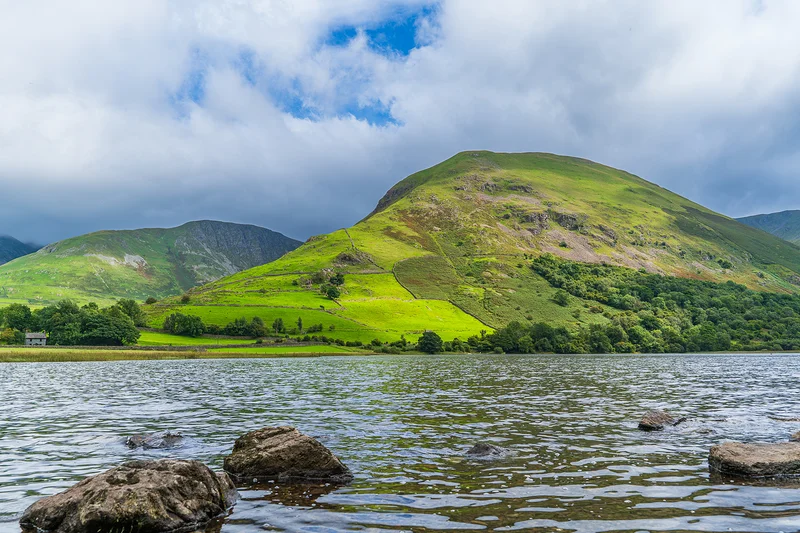
Lake District National Park

Things to do in England: top 20 highlights in 2026

The great national museums charge nothing at the door, and nobody will remind you of it on the way in. The rankings below come from travellers like you.

Our members' favourite places in England

Ranked on recommendations from travellers who went there

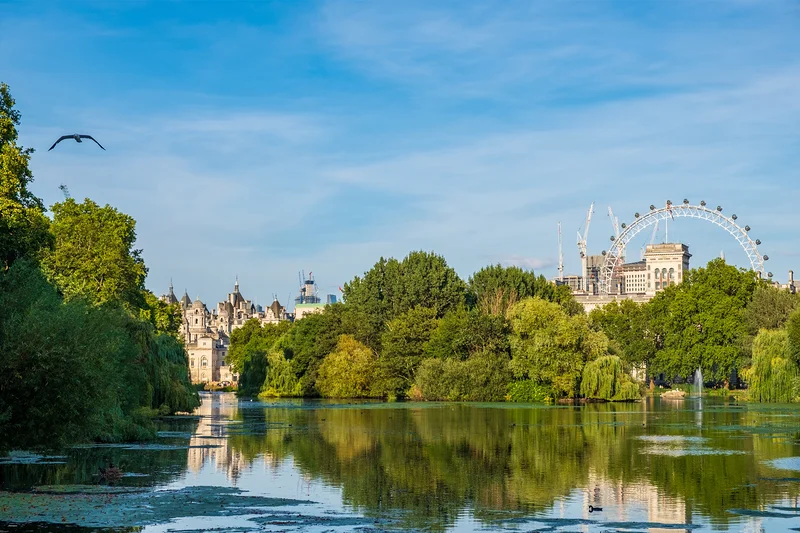
#1 London +287 recs

London pairs royal palaces with gritty street art and historic pubs with modern shipping-container food halls, reinventing itself in every neighborhood you cross. Most major museums are free, the food scene draws from fifty different nations, and the Tube makes it easy to switch vibes in just a few stops. Expect high costs and plan your budget accordingly, but the experiences more than justify the price.

#2 Oxford +80 recs

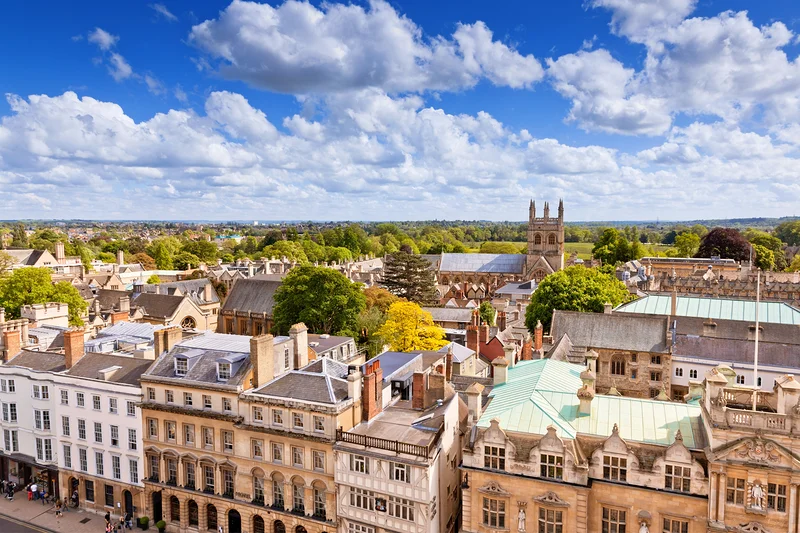
Oxford puts you inside the world of elite academia with its historic colleges and grand libraries, in colleges that have been teaching for more than eight centuries. You can spend your days wandering through Gothic architecture, exploring major museums, or taking a traditional punt boat out on the Cherwell river. For a quick day trip, head to the massive Blenheim Palace just outside the city center. Oxford is an ideal escape for anyone drawn to history and discovery.

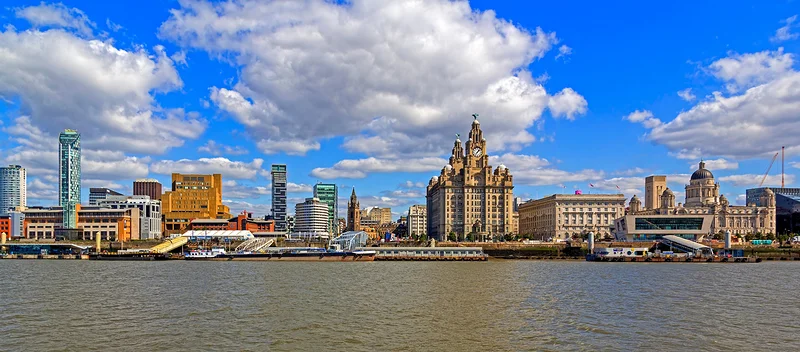
#3 Liverpool +42 recs

A record manager walked into a basement club in 1962 and found four boys in leather. The rest is music history. Yet Liverpool is more than just its most famous sons. Victorian docks now house major museums, two cathedrals stand in architectural defiance of one another, and pubs host live music every single night. Expect a red-brick city where the locals are as warm as the weather is famously rainy.

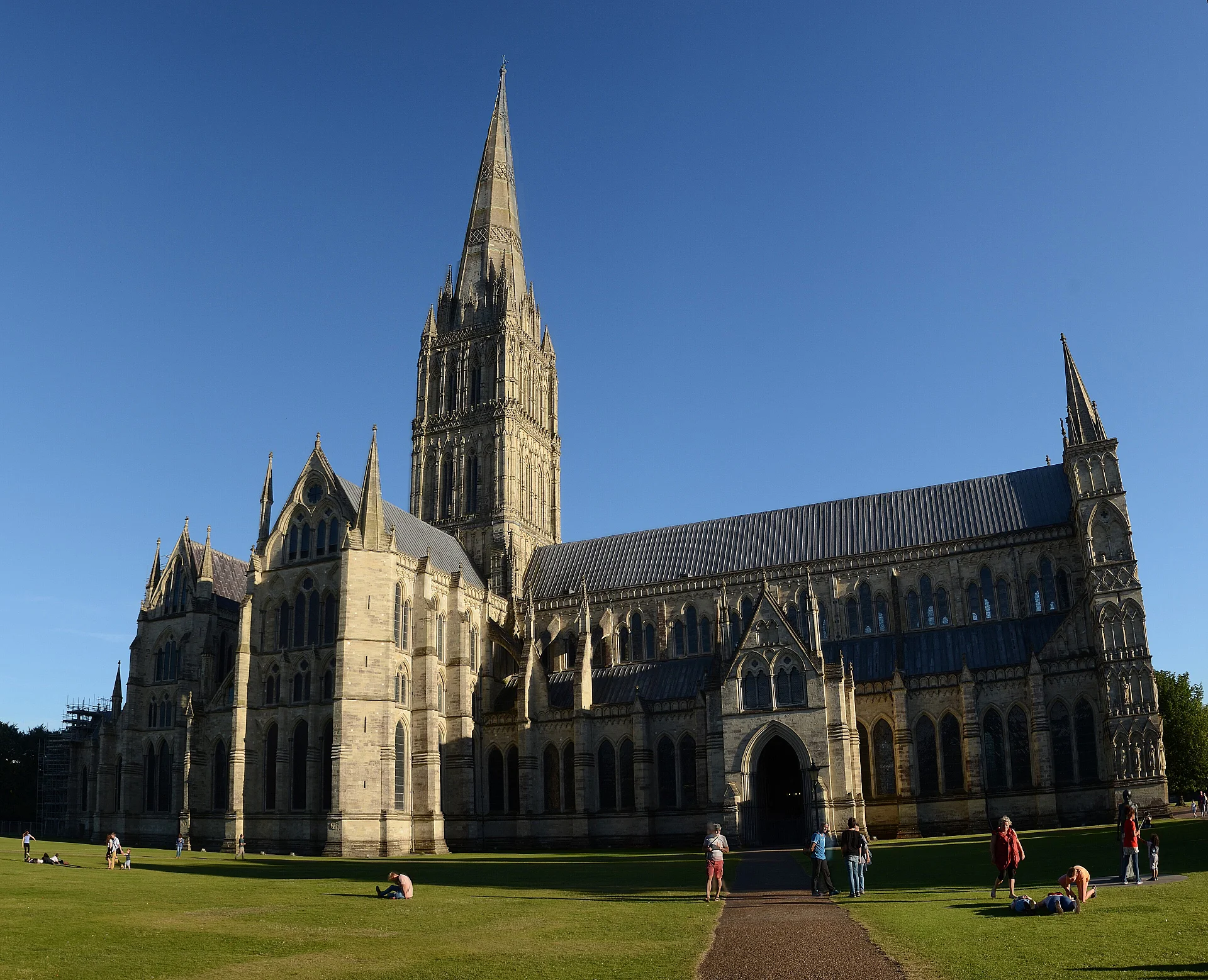
#4 Salisbury +31 recs

Salisbury, located in the county of Wiltshire, is an English city rich in heritage and medieval architecture. Known for its iconic cathedral and proximity to major prehistoric sites, Salisbury offers travelers an authentic immersion into British history.

Salisbury Cathedral: A Gothic Masterpiece

In the center of the city stands the Salisbury Cathedral, a remarkable example of English Gothic architecture. Built between 1220 and 1258, it features the tallest spire in the United Kingdom, soaring to 123 meters. Visitors can explore the cathedral's spacious interior, stained glass windows, and a clock dating back to 1386, considered one of the oldest working mechanical clocks in the world.

Additionally, the cathedral houses one of the four original copies of the Magna Carta, a major historical document signed in 1215.

Old Sarum: The Origins of Salisbury

A few kilometers north of the city stand the remains of Old Sarum, the original site of Salisbury. This archaeological spot features the ruins of an ancient castle and cathedral, providing panoramic views of the surrounding countryside. Visitors can explore the foundations and learn more about the region's history.

Stonehenge: An Iconic Prehistoric Monument

About 13 kilometers from Salisbury sits the famous site of Stonehenge. This megalithic stone circle, dating back several millennia, continues to fascinate with its mystery and historical significance. Guided tours are available to uncover the various theories regarding its construction and use.

The City Center and Its Hidden Treasures

Salisbury's downtown is dotted with cobblestone streets, half-timbered houses, and lively squares. The historic Market Place regularly hosts local markets where visitors can discover artisanal and food products. The adjacent alleyways hide independent shops, cafes, and art galleries, reflecting the city's authentic charm.

Traditional Cuisine with Local Flavors

Salisbury's food scene highlights classic British dishes, often prepared with local ingredients. Visitors can try meat or vegetable pies served with mashed potatoes and gravy. Cream teas, consisting of scones served with clotted cream and jam, are also a favorite specialty for afternoon breaks.

Where to eat?

  • The Old Mill (Harnham district): A historic pub offering traditional British food in a picturesque riverside setting.
  • The Refectory (city center): Located inside the cathedral grounds, this cafe serves light lunches and pastries, ideal for a break during sightseeing.
  • The Rai d'Or (city center): A fusion restaurant offering a mix of Thai and British dishes in a welcoming atmosphere.
  • Henderson's Artisan Bakery & Cafe (city center): An artisanal bakery offering fresh breads, pastries, and light lunches.

When to go?

Salisbury enjoys a temperate climate with mild summers and cool winters. The months from May to September are particularly pleasant for visiting, offering mild temperatures and numerous cultural events. In September, the Salisbury Food & Drink Festival showcases local products through tasting stands and cooking workshops.

How to get there?

Salisbury is accessible from London by train, with regular departures from Waterloo station. The trip takes about 1 hour and 30 minutes, and one-way tickets start from $27*. By car, the city is accessible via the M3 and A303, with a drive time of roughly 2 hours from the capital.

How to get around?

Salisbury's downtown is compact and very walkable. For more distant sites like Stonehenge, bus services and organized tours are available right from the city center.

#5 Manchester +28 recs

Birthplace of both the Industrial Revolution and indie rock, Manchester blends those roots with a creative edge, balancing red-brick heritage with modern galleries and converted warehouse food halls. From the alternative energy of the Northern Quarter to the redeveloped waterfront at Salford, this city moves at its own pace. Expect a local scene where Saturday afternoons are defined by stadium chants and Sunday nights are for catching live music in cramped clubs.

#6 Brighton +25 recs

Brighton sits on the south coast of England within the United Kingdom, nestled in the county of East Sussex along the English Channel. The town took off during the 18th century as a seaside health and resort destination. Energetic and fast-paced, it is often nicknamed “London on Sea”. Back in 1841, a direct rail link to London fueled a major tourism boom. The Victorian era left behind striking architectural landmarks like the Grand Hotel, which still faces the waterfront today.

A Cornerstone of British Leisure Culture

Two distinct piers went up in Brighton toward the end of the 19th century. Palace Pier packs in amusement arcades and eateries, and it is still standing. West Pier met a tougher fate, originally featuring a concert hall and theater before falling into such disrepair that it closed to the public in 1975. Fire damage eventually reduced it to offshore iron skeletons visible from the shoreline.

Another defining structure is the Royal Pavilion. Built by the Prince Regent, who later became King George IV, the design borrows heavily from Indo-Islamic architecture with its signature domes and minarets. Today, it functions as an art museum housing extensive collections dedicated to fine arts, fashion, and decorative design.

A Classic British Seaside Town

The historic downtown area known as The Lanes features narrow alleyways packed with small shops, pubs, and restaurants. Wandering through this maze leads past spots like Blaker Street, famous for its rows of brightly painted houses. Pushing further reveals North Laine, a neighborhood buzzing with street art and independent antique stores. This district retains deep ties to the mods movement, the 1960s British youth subculture defined by sharp suits, modern jazz, and scooters.

The Brighton coastline, famously captured by landscape painter John Constable, offers plenty of active waterfront spaces. Toward Hove, you will walk past rows of traditional painted beach huts known as Hove Beach Huts and can ride the i360 observation tower. Standing 162 meters tall, it provides sweeping views across the coast and the cityscape below. Heading east leads to the Undercliff Walk, a 5-kilometer seaside path running directly beneath the chalk cliffs.

When to go

Spring and summer bring the warmest weather for exploring the area. Visiting during Gay Pride puts you in the middle of one of the United Kingdom's largest LGBTQ+ celebrations, as Brighton functions as the country's unofficial queer capital.

How to get there

London Gatwick is the closest major international airport, offering direct train connections straight to Brighton. Travelers arriving in London via the Eurostar can catch direct trains down to Brighton from either St Pancras or Victoria stations. By car, the town connects easily via the A23, the coastal A259, and the A27.

#7 Windsor +25 recs

Located about 40 kilometers west of London in Berkshire, Windsor is the ultimate royal town. This is home to the famous Windsor Castle, the secondary residence of the royal family, along with other palaces like Frogmore House. Between its charming downtown and its lavish parks and gardens, Windsor is the ideal spot to unwind away from the rush of the capital. You will also find the Legoland theme park here, featuring miniature replicas of famous English landmarks such as Big Ben and the London Eye.

The most famous royal town in the United Kingdom

Naturally, any visit to Windsor includes its famous castle. Founded in 1070 by William the Conqueror, it is the largest castle in England with over 1,000 rooms and a surface area of 52,000m². Pay attention to the flag flying above the ramparts because if it is raised, the king and his family are in residence. During your visit, do not miss St. George's Chapel, a stunning Gothic religious building and the burial site of numerous British monarchs including Henry VIII and, more recently, Queen Elizabeth II.

The old town of Windsor hides other fine examples of English heritage, such as half-timbered houses dating from the 16th and 18th centuries. Stop by the Windsor Guildhall, which houses a small museum tracing local history back to the Stone Age. History enthusiasts should head to the neighboring town of Eton, home to the prestigious Eton College and several museums.

Between parks and gardens

Aside from a scenic stroll along the Thames on foot or by boat, take advantage of your time in Windsor to admire the lavish surrounding parks and gardens like Windsor Great Park, the royal park of Windsor. Spanning 2,020 hectares, it features trees over 500 years old and herds of deer. Walk down the Long Walk, an avenue stretching from Windsor Castle to the Copper Horse monument that offers great viewpoints. Commissioned by George V in 1932, the Savill Garden is a stunning botanical garden that also features a magnificent rose garden.

When to go?

Windsor Castle is open from early November to late February from 10:00 AM to 4:15 PM (last admission at 3:00 PM) and from early March to late October from 10:00 AM to 5:15 PM (last admission at 4:00 PM). Note that the chapel closes at 4:00 PM from Monday to Saturday, and the Changing of the Guard takes place on Tuesdays, Thursdays, and Saturdays at 11:00 AM. If you want to enjoy the gardens, the best time to visit Windsor is during the warmer months between May and September.

How to get there?

Windsor is located about 15 kilometers from London Heathrow airport. By car, take the M4 and exit at junction 6. From London Paddington, trains reach Windsor & Eton Central in about 40 minutes with a change at Slough. From London Waterloo, direct trains serve the town's other station, Windsor & Eton Riverside, in just under an hour. A shuttle bus also runs the route from London Victoria station.

#8 Bath +22 recs

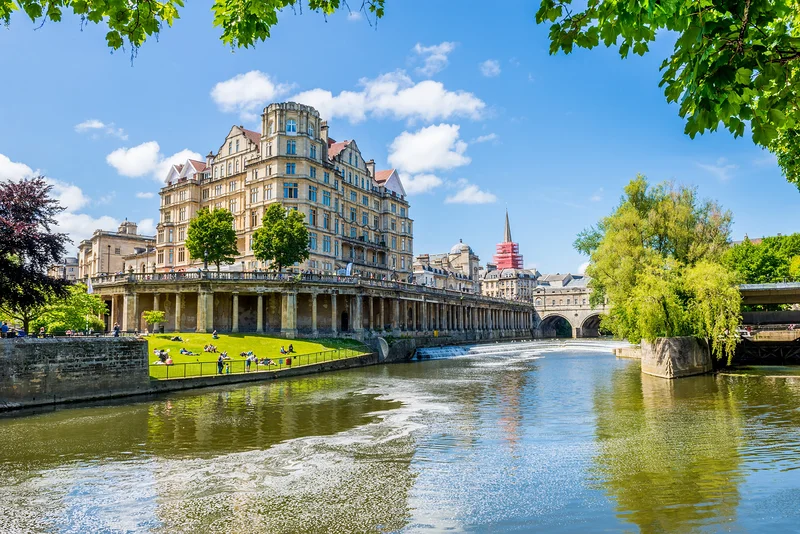
Bath is the only entire British city with UNESCO World Heritage status, blending Roman ruins and Georgian architecture in a setting of golden limestone. You can explore ancient Roman baths or visit the modern spa to soak in the same natural hot springs used for millennia. Between the Jane Austen legacy, the Royal Crescent, and the winding cobblestone streets, this destination is a 90-minute train ride from London, making a trip back in time surprisingly easy.

#9 Maidstone +14 recs

Maidstone sits in the heart of Kent, where the countryside meets a historic town center. Take a walk along the River Medway, tour the Leeds Castle grounds, and visit local pubs for a traditional meal. It is a practical base for families looking to balance outdoor space with easy access to regional history.

#10 York +9 recs

As the capital of Yorkshire, York is a northern England destination with roots stretching back to the Roman Empire. Founded in 71 AD under the name Eboracum, the city later fell to the Viking kingdom of Jórvik between 876 and 954, serving as its capital. During the Middle Ages, it flourished as a major trading hub fueled by the wool trade. Its finest architectural landmarks date from this era, including the York Minster cathedral, the medieval walls, and Clifford's Tower. Today, York has a population of 200,000 and is home to a prominent university.

The Medieval City of York in England

With thousands of years of history, York boasts an exceptionally rich medieval heritage. At the top of any itinerary is York Minster, featuring stunning stained glass and 15th-century Gothic architecture. It stands as the largest Gothic structure in northern Europe. Take a walk along the city walls for sweeping views of the historic center. Spanning over 3 kilometers (2 miles), these ramparts are a legacy of Roman and medieval defense, punctuated by gatehouses that add character to the streetscape.

Head next to the Shambles, a collection of narrow, sloping alleys lined with timber-framed buildings dating back to the 14th century. At one point, these streets housed up to 31 butcher shops in the 19th century. Today, they are famous for inspiring Diagon Alley in the Harry Potter series.

Exploring York's Cultural Scene

York punches well above its weight culturally, with numerous historic sites and institutions reflecting its past. Start at Clifford's Tower, a strategic stronghold where William the Conqueror built a castle in 1068 to subdue northern rebellions. The top of the tower provides a clear view across the city. Nearby, the York Castle Museum charts local history from the Georgian period onward, featuring a recreation of a Victorian street complete with actors in period costume.

Other notable stops include the National Railway Museum, which traces the evolution of British rail and showcases historic locomotives. For a dive into the Viking age, the Jorvik Viking Center explores the 9th and 10th-century Norse occupation with nearly 40,000 artifacts and a reconstructed Viking village.

When to go

Northern England receives plenty of rainfall, so plan your trip to York between July and September for the best weather.

How to get there

York is easily reached by train from London in just 2 hours.

Our members' favourite things to do in England

Ranked on recommendations from travellers who did them

#1 British Museum (London) +33 recs 4.9/5

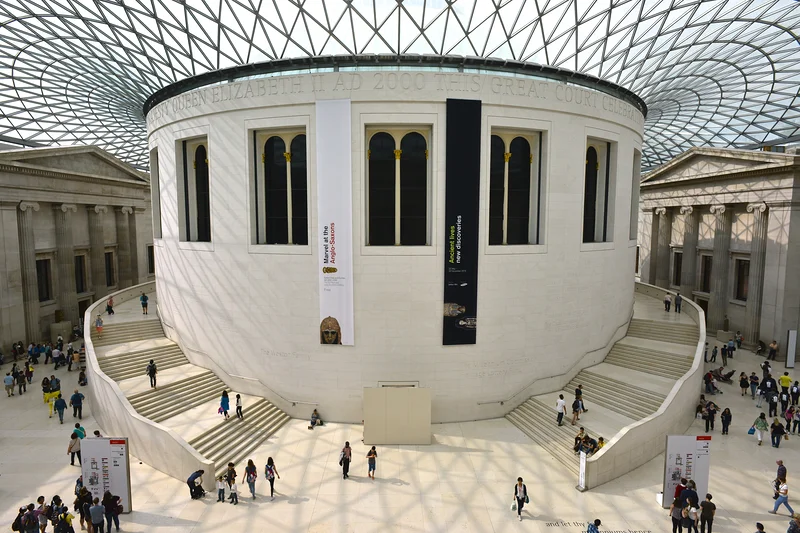
The British Museum is among the most influential institutions on the planet. Located in London, it guards a collection of over 8 million items spanning from prehistory to the present. Key highlights include the Rosetta Stone and the Parthenon Sculptures. It draws 6 million annual visitors.

See the guide See deals-7%AVYGEO7

#2 National Gallery (London) +32 recs 4.6/5

Located on Trafalgar Square, the National Gallery in London holds a status similar to the Louvre in Paris. It houses over 2,300 Western paintings spanning the 13th to 20th centuries. Highlights include Van Gogh's Sunflowers and Self-Portrait, Leonardo da Vinci's The Virgin of the Rocks, and Raphael's Madonna of the Pinks.

See the guide See deals-7%AVYGEO7

#3 St Paul's Cathedral (London) +25 recs 4.7/5

St Paul's Cathedral in London serves as the seat of the Anglican Diocese. Rebuilt by Sir Christopher Wren after the Great Fire of 1666, it blends neoclassical and baroque styles. Its massive dome draws inspiration from St. Peter's Basilica and the Hôtel des Invalides. Famous for its 125 bells and Golden Gallery, the cathedral hosted the funeral of Churchill and the wedding of Charles and Diana. The crypt holds notable British figures, including the architect Wren himself.

See the guide See deals-7%AVYGEO7

#4 London Eye (London) +22 recs 3.9/5

The London Eye is a massive observation wheel located on the South Bank of the River Thames in London. Since opening in 2000, this 135-meter structure with 32 capsules has become a top attraction. A full rotation takes about 30 minutes, providing views of Big Ben, Buckingham Palace, and the Tower of London.

See the guide See deals-7%AVYGEO7

#5 Houses of Parliament (London) +22 recs 4.6/5

The Houses of Parliament, in the heart of London, are essential for understanding British history and politics. With roots reaching back to the Middle Ages, this site remains a focal point of the United Kingdom. Admire the iconic Big Ben clock tower and tour the chambers of the House of Lords and House of Commons.

See the guide See deals

#6 University of Oxford (Oxford) +21 recs 4.5/5

The University of Oxford is a collection of historic colleges and prestigious libraries reflecting a deep academic legacy. Christ Church, Magdalen College, and the Bodleian Library are essential stops. Gothic architecture, quiet cloisters, and massive book collections draw history buffs globally. It remains a hub of excellence, welcoming students from around the world annually.

#7 Bodleian Library (Oxford) +19 recs 5/5

The Bodleian Library is a historic landmark in Oxford. Founded in 1602, it is among the oldest in Europe. It holds over 13 million items across notable buildings like the Radcliffe Camera and the Divinity School. Guided tours reveal Gothic halls, medieval manuscripts, and Shakespeare texts. Its architecture defines the city.

#8 Tate Modern (London) +18 recs 4.6/5

Tate Modern is a modern and contemporary art museum in the Bankside neighborhood of London. Housed in a former power station since 2000, it features works by Picasso, Warhol, and Rothko. The massive Turbine Hall hosts large-scale installations. It remains one of the most visited museums in London, drawing millions of guests annually.

See the guide See deals-7%AVYGEO7

#9 Tower Bridge (London) +18 recs 4.7/5

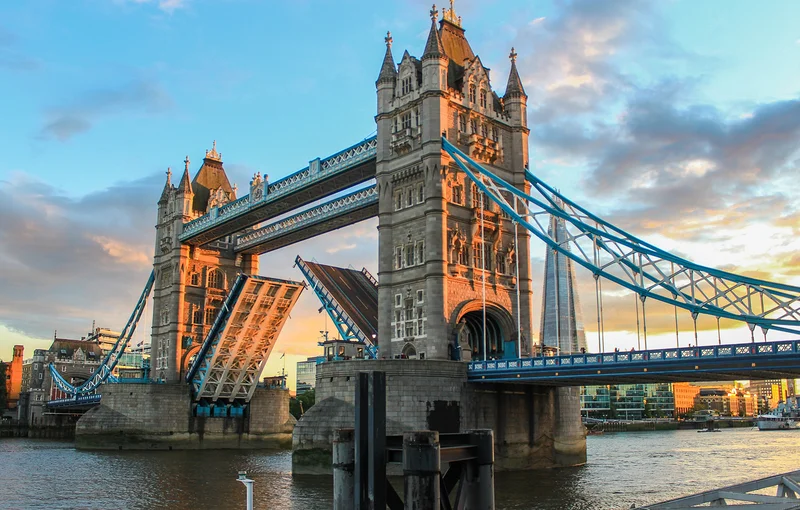
Tower Bridge, the icon of London, is a neo-Gothic bascule bridge built in 1886. Spanning 246 meters and standing 65 meters tall, it features a clever hydraulic system for river traffic. While steam once powered the towers, electric motors took over in 1976. The bridge museum walkway offers river views, and 2008 LED upgrades highlight its nighttime charm.

See the guide See deals-7%AVYGEO7

#10 Stonehenge (Salisbury) +15 recs 4/5

Stonehenge, located on the Salisbury plain in England, is a prehistoric site dating back to 3000 to 2000 B.C. These massive standing stones remain a mystery. Were they for astronomy, burials, or rituals? Transported over 150 miles, they show incredible ancient engineering. Now a UNESCO World Heritage site, it hosts millions of visitors annually.

See the guide See deals-7%AVYGEO7

Map of England

Visiting England

London takes up half of all English trips on its own, and that is not illogical: four world-class museums, free, within three kilometres of each other. But the country starts where the Underground stops. Oxford and its colleges, the Roman baths at Bath, the docks of Liverpool, the cathedral at Salisbury are all under two hours away by train.

What strikes you while moving around is the compactness. One day takes you from a capital of nine million to a limestone village in the Cotswolds, and nothing in between looks like a transition. The train makes that run several times an hour.

You'll love it if

  • You come for the museums and you like that they're free
  • You take the rain as a given, not as a surprise
  • You want a big city and the countryside in the same week

Give it a miss if

  • Your budget is tight: this is one of the most expensive destinations in Europe
  • You want guaranteed sun and swimming
  • Driving on the left down narrow lanes worries you

The must-sees

  1. London

    1 London +287 recs

    Two thousand years of city, from the Roman wall to the towers of the City. The national collections are free, and that changes how you visit: you go in for an hour, you come back the next day, without doing the sums.

  2. The British Museum

    2 The British Museum +33 recs

    Eight million objects, from the Rosetta Stone to the Parthenon frieze, and free entry. Two hours are enough if you pick three rooms in advance; otherwise the visit turns into a corridor.

  3. Oxford

    3 Oxford +80 recs

    The oldest university in the English-speaking world, a set of self-governing colleges built around their quads. Some open only at set hours, posted at the gate each day.

  4. Bath

    4 Bath +22 recs

    Roman baths fed by the country's only hot spring, and a Georgian town in honey-coloured stone built in one piece in the eighteenth century. The whole of it is World Heritage listed.

  5. Liverpool

    5 Liverpool +42 recs

    The port that made the Empire's fortune, its warehouses turned into museums, and the Beatles story told where it happened. A day trip from Manchester, or two nights on the spot.

The classic mistake

Buying your train tickets on the day you travel. In England the fare for the same journey can treble between an advance booking and the morning ticket office. Tickets open twelve weeks ahead.

Our itineraries in England

Our routes, by how long you have
LengthRouteWhat you see
Long weekend (4 days)LondonMuseums and neighbourhoods
1 weekLondon › Oxford › BathCapital, colleges, baths
10 daysLondon › Oxford › Bath › Liverpool › ManchesterHistoric south and industrial north

The rail network radiates from London, which makes loops pointless: you set out from the centre for each leg, or head north in a straight line. Journeys rarely pass two and a half hours.

For a week, a base in London and two nights elsewhere are enough. Beyond that, going up to Liverpool and Manchester shows you another country, the one of docks and brick.

When to visit England

RatingSeasonWeatherCrowds and prices
May, June, September15 to 22 °C, showersSteady, mid-range prices
July and August18 to 25 °C, changeablePeak, high prices
April and October10 to 16 °C, dampModerate, good prices
November to March3 to 9 °C, dark by fourLight, except over the holidays

Our advice

Aim for the first half of September: the schools are back, the museum queues thin out and the gardens are still open. And book your train tickets as soon as your dates are fixed, that is where half the transport budget is decided.

Getting to England

  1. 1 By plane Fastest

    six airports serve London, two of them more than an hour from the centre. Check which one before you compare fares, the transfer can cost more than the saving.

  2. 2 By train Simplest

    from mainland Europe, the Channel tunnel drops you at London St Pancras, in the city centre, with border checks built into the journey. From Scotland and the north, the mainline runs into Euston or King's Cross.

  3. 3 By ferry Most flexible

    cross-Channel sailings land at Dover, Newhaven or Portsmouth; the Irish Sea routes reach Holyhead and Liverpool. The choice for anyone bringing a car.

For a stay in London, the train wins: it arrives in the centre and the door-to-door time beats flying. For the north of the country or a driving route, the plane and the ferry come back into their own.

Getting around England

The train answers almost everything, and a car is a handicap in town: a congestion charge in London, scarce and expensive parking everywhere. It only earns its place in the countryside, the Cotswolds or the Lake District.

Worth knowing

In London, pay for the Tube and buses with the same contactless card each way: the system caps your daily spend automatically. Buying single tickets costs noticeably more.

What to eat in England

  • Sunday roast: the Sunday joint, with roast potatoes, vegetables and Yorkshire pudding. Served from midday to four, and often sold out after that.
  • Fish and chips: cod or haddock in batter, malt vinegar. Better from a seaside chippy than a tourist pub.
  • Full English breakfast: eggs, bacon, sausage, beans, black pudding. One will see you through the day, which is the point.
  • Pie: a meat pie, steak and ale or chicken. The safest pub dish when the menu wavers.
  • Farmhouse cheddar: matured in a cloth-bound truckle, a long way from the industrial block. The West Country makes the best.
  • Cream tea: scones, clotted cream and jam, in the afternoon. Whether cream or jam goes on first is a county matter, and it is not a joke.
  • Real ale: top-fermented beer, pulled by hand and lightly carbonated. Drunk at cellar temperature, not chilled.

Pub kitchens close early, often at nine, and Sunday service stops mid-afternoon. Booking a table for a Sunday roast the day before is not excessive in the good places.

Where to stay in England

AreaGood forWorth knowing
London, BloomsburyMuseums on foot, stations close byCentral and quieter than Soho
London, South BankTheatres, the ThamesView and bustle, high prices
London, ShoreditchGoing out, markets, foodYoung and noisy, well connected
Oxford or BathTwo nights outside the capitalSmall towns, everything on foot
LiverpoolDocks, museums, musicDistinctly cheaper than the south

Read the full guide: where to stay in England

How much does a trip in England cost?

Guide budget per person, excluding travel to the region
StyleLengthBudget per person
Budget (hostel, free museums, cooking in)7 days€550 to €750
Comfortable (hotel, pubs and restaurants, trains booked ahead)7 days€1,300 to €1,800
High-end (smart hotel, notable tables, theatre)7 days€3,000 to €4,500
  • The national museums: free, including the biggest. It is what sets England apart from its neighbours, and it applies for the whole trip.
  • Train tickets: booked twelve weeks ahead, they often cost a third of the full fare. Bought on the morning, they weigh as much as a hotel night.
  • Pub lunch: the midday menu costs half the evening card, with the same kitchen.
  • The daily cap: in London, paying every journey with the same contactless card limits your daily spend automatically.
  • Accommodation: this is the line that explodes. One room in London is worth two equivalent nights in Liverpool or Manchester.

Traditions and way of life in England

Free entry to the national collections is not a promotion: it dates from 2001 and rests on the idea that what belongs to the public opens without a toll. The museums live on donations, visible in the boxes by the exit, and that economy explains their tone, closer to a public service than to an attraction.

The queue is the other institution. You join it without being asked, in order of arrival, and jumping it produces a silent disapproval more effective than any rebuke. That holds at the bus stop as at the bar of a pub, where you order standing and pay as you order.

Two habits worth knowing. In a pub you fetch your own drink from the bar, nobody will take an order at the table, and a group pays in rounds, each in turn. And on the escalators of the London Underground you stand on the right: the left is for those walking up.

Top photos posted by members

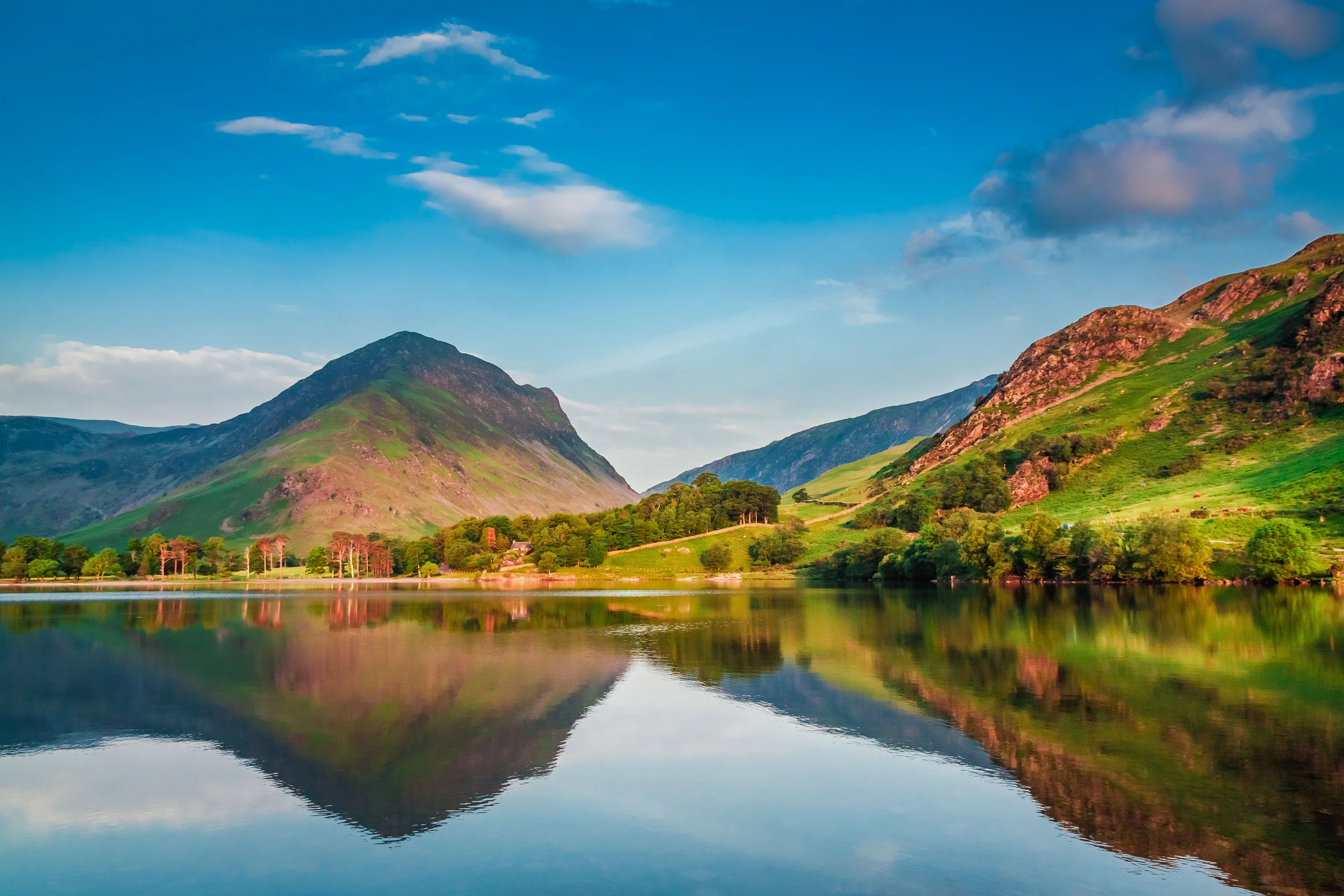
Lake District National Park
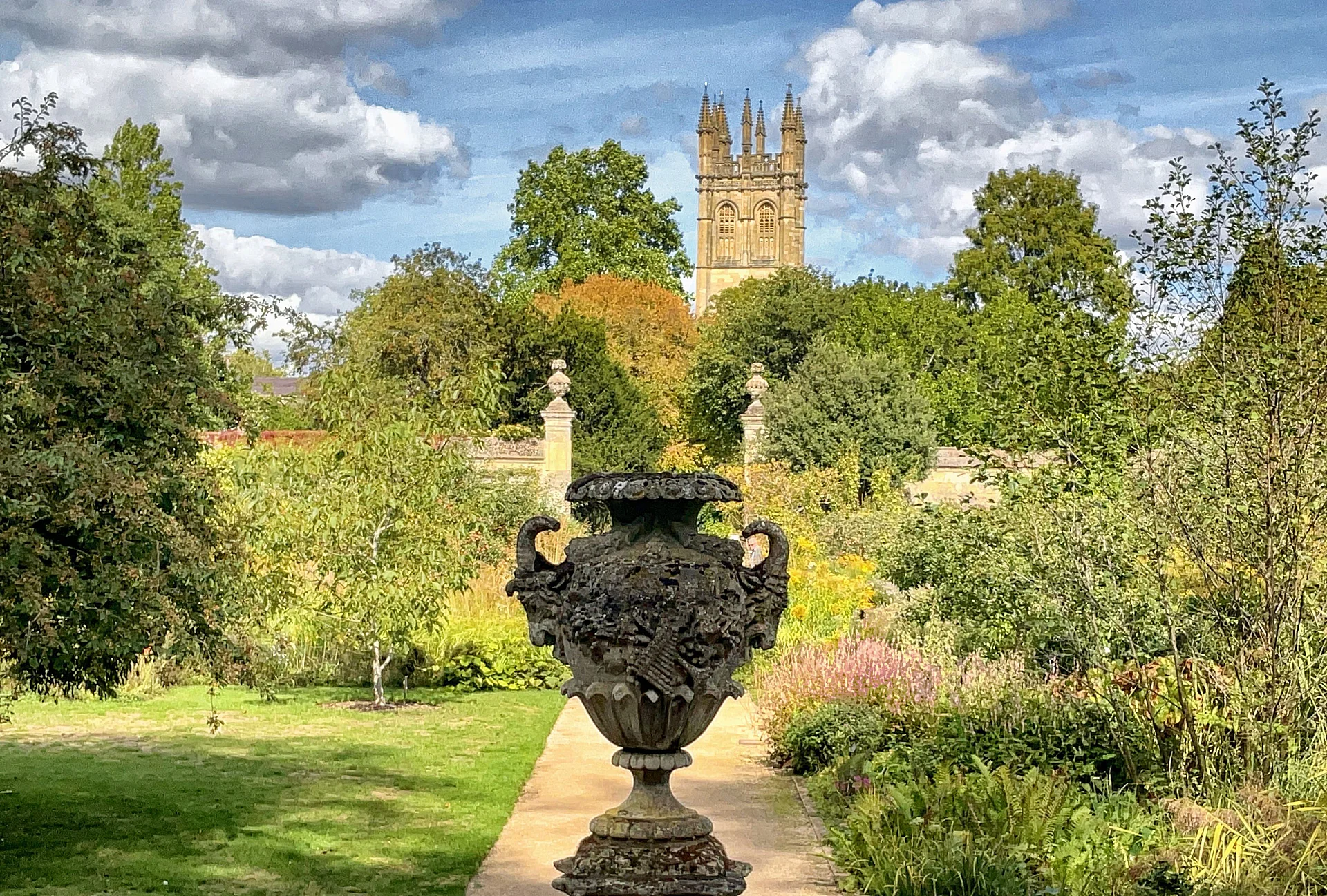
Oxford Botanic Garden (photo de Honcques Laus)
Cathédrale de Salisbury (photo de Steven Lek)

Articles posted by members

Traveler reviews

Most underrated English city

I love Manchester, you can feel the music on every corner, the vibe of the city is young and active, and everyone is kind and smiling. The industrial history of the region blends with the modern buil…

159

A timeless experience

I loved my visit to this magnificent library. It is a place rich in history where you will feel like you are in Harry Potter's castle! The library is open from Monday to Saturday and admission is free…

79

Icon of London

For me, this bridge represents one of the great symbols of London. Its architecture is really superb. I also recommend visiting the museum located inside. It is super interesting, but above all, very…

311

The city that never sleeps

I absolutely loved discovering London, which will remain one of my favorite capitals to visit. For any fan of pop culture and history, you will not know where to look first! Personally, I would have l…

165

A must-do

The Tower of London is one of my favorite spots. It is a must-see during your trip to London. The building is really well preserved, which is actually rare for the city. The tour really immerses you i…

167